Интерактивный гид по городу
С мобильным приложением бродить по городу гораздо интереснее!

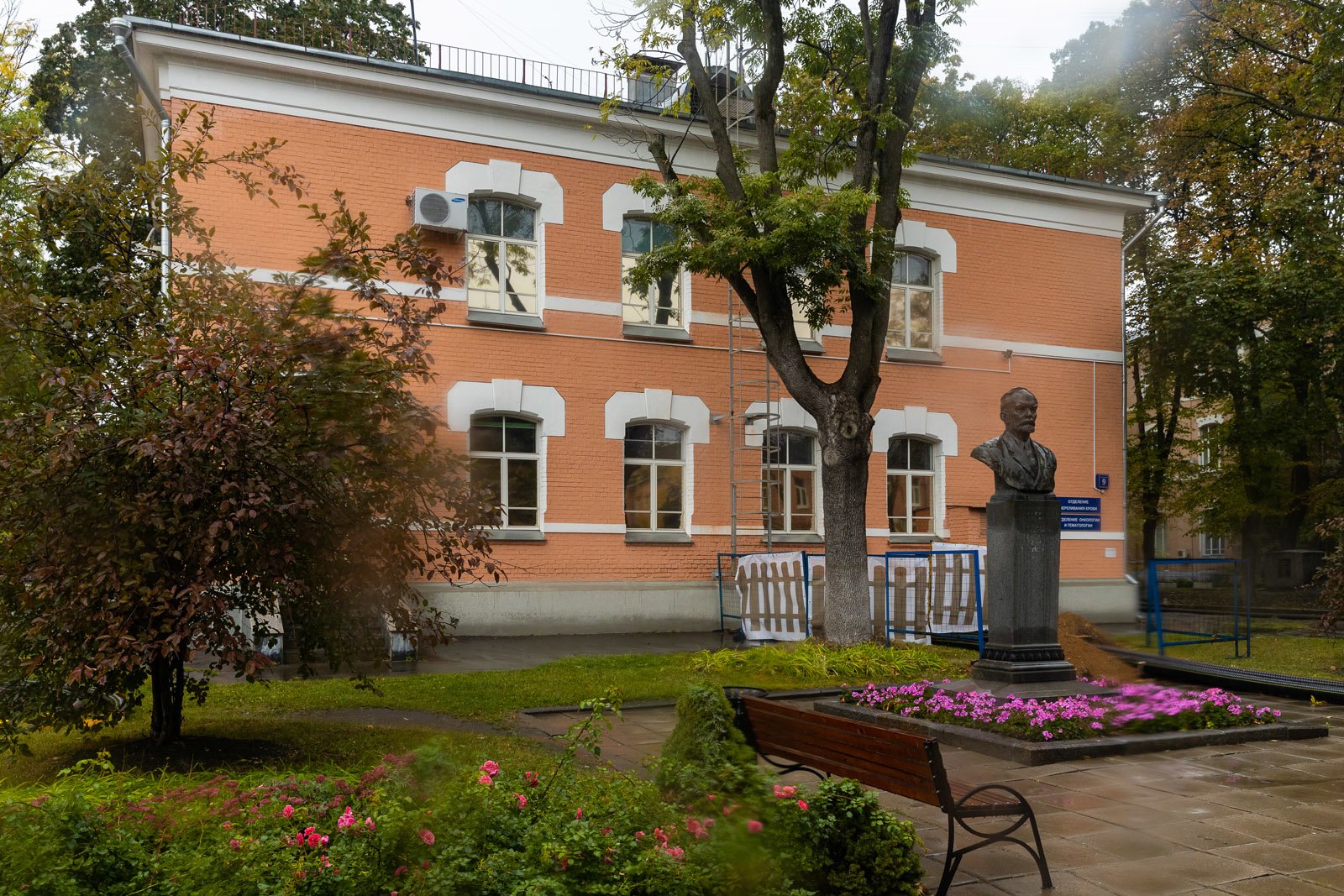
Diphtheria Department of the V.E.Morozov Children's Hospital

If necessary, in case of a high risk of infection spread, the Diphtheria Department building could be separated into two blocks with two separate entrances.

Diphtheria Department of the V.E.Morozov Children's Hospital
Dobryninskaya, Serpuhovskaya
If necessary, in case of a high risk of infection spread, the Diphtheria Department building could be separated into two blocks with two separate entrances.
3.20
Вы можете воспользоваться QR-кодом, чтобы открыть эту страницу в нашем приложении
Архитектурный стиль:
Годы постройки:
1902
Архитекторы:
Эпоха:
1900s
Информация о здании

В основу планировки Морозовской детской больницы, после изучения европейского опыта устройства аналогичных учреждений, был положен павильонный принцип. Для разных категорий больных планировались и строились отдельные изолированные корпуса, в зависимости от профиля заболевания. Делалось это для того, чтобы пациенты не заражали друг друга. Так решила специальная врачебная комиссия, разрабатывавшая программу устройства Морозовской больницы. Ее составили главный врач больницы св. Владимира С.Василевский, главный врач Сокольнической больницы В.Шнауберт и главный врач проектируемой Морозовской больницы Н.Алексеев. Согласно этой программе работал архитектор И.А.Иванов-Шиц, разрабатывая план территории и расположения больничных корпусов.

Основой больничного корпуса стал обширный общий зал, к которому примыкали специальные палаты меньшего размера.

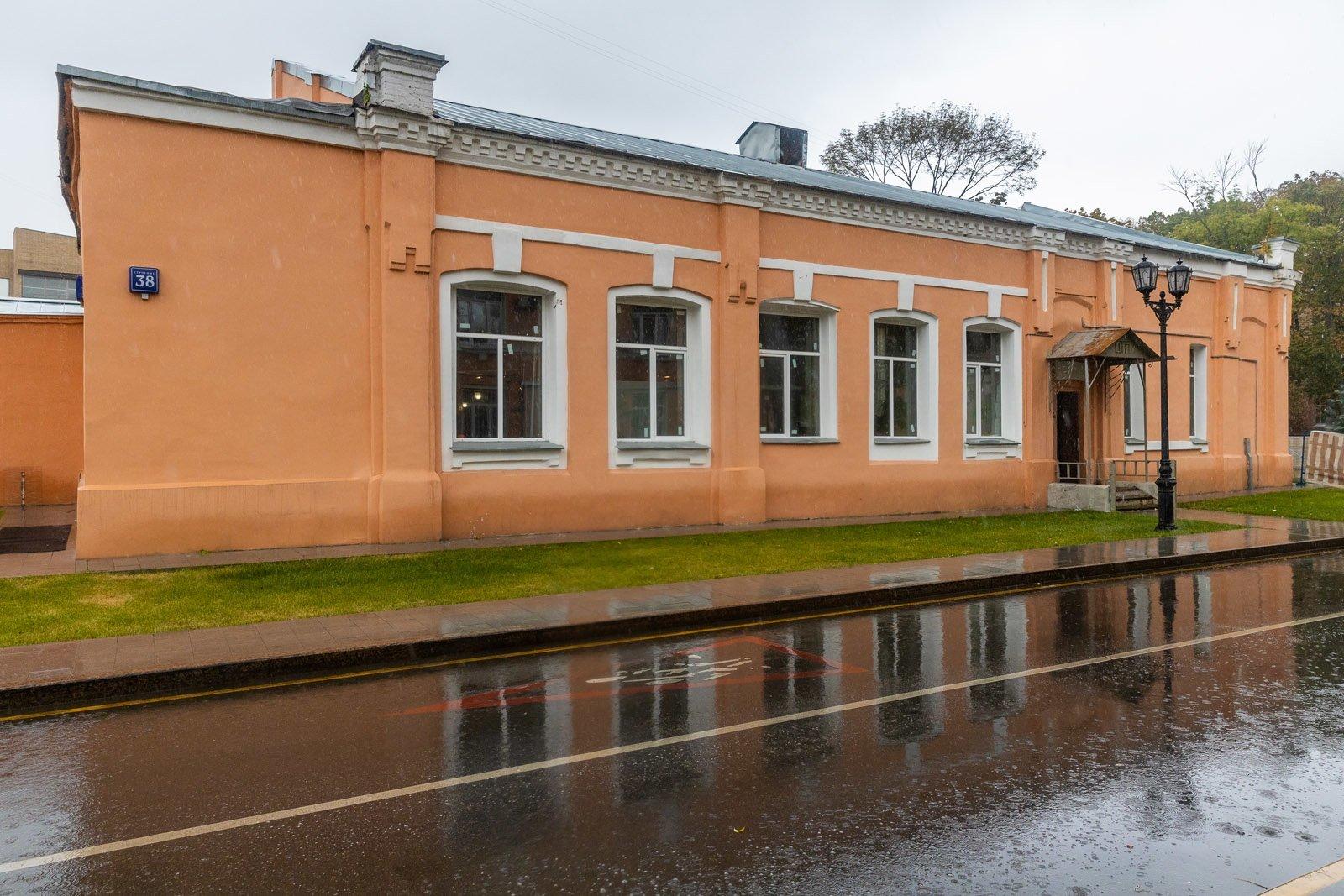
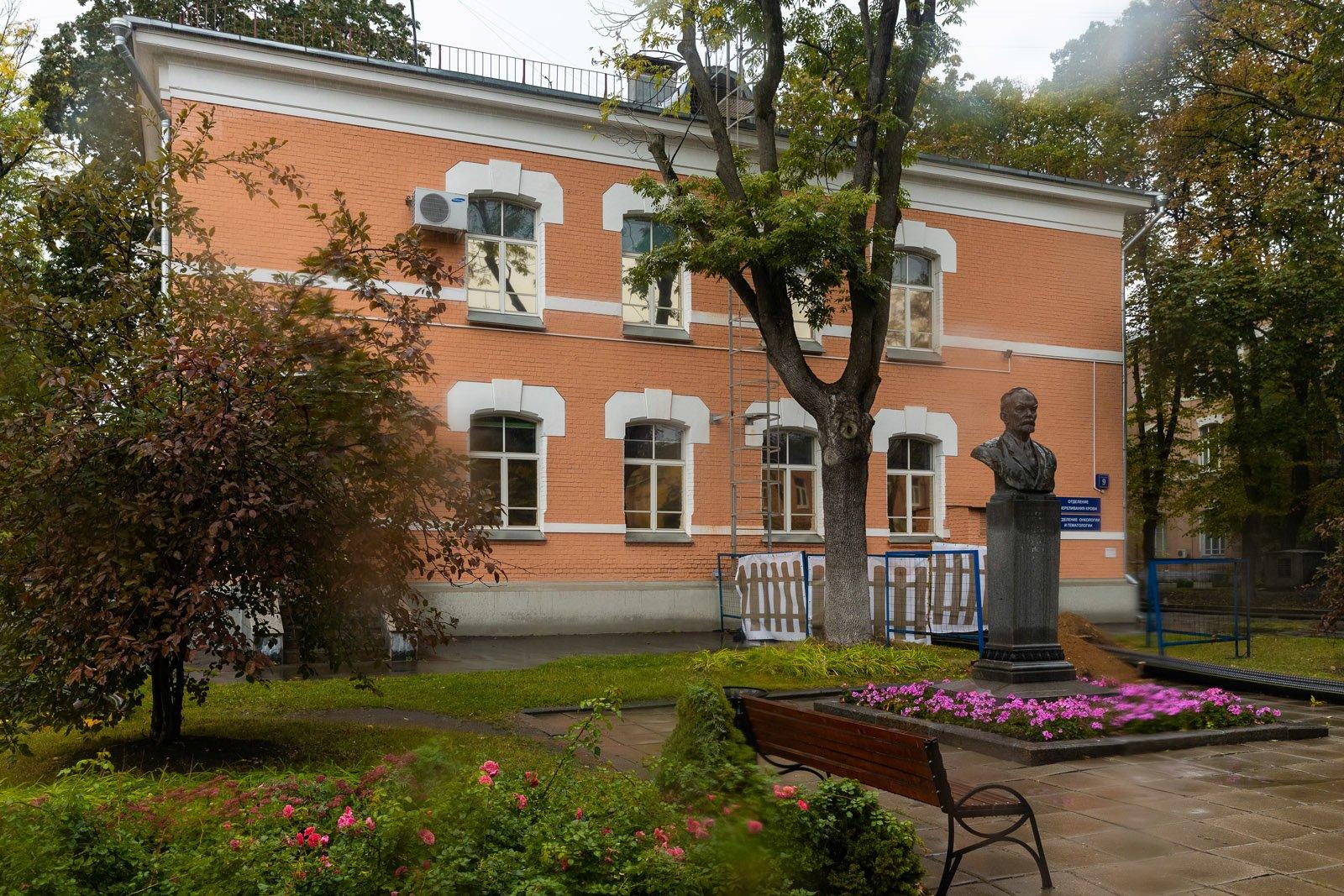
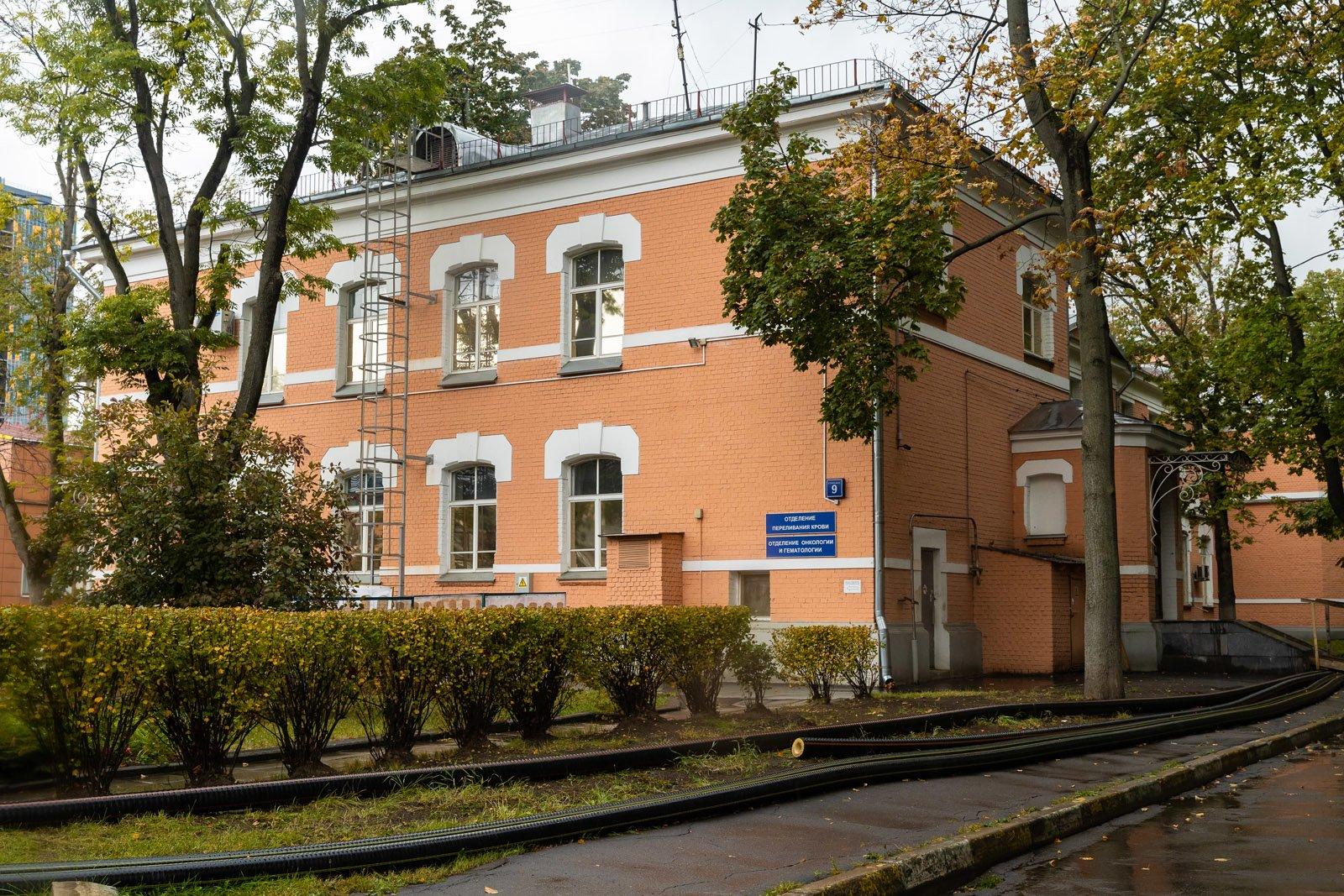
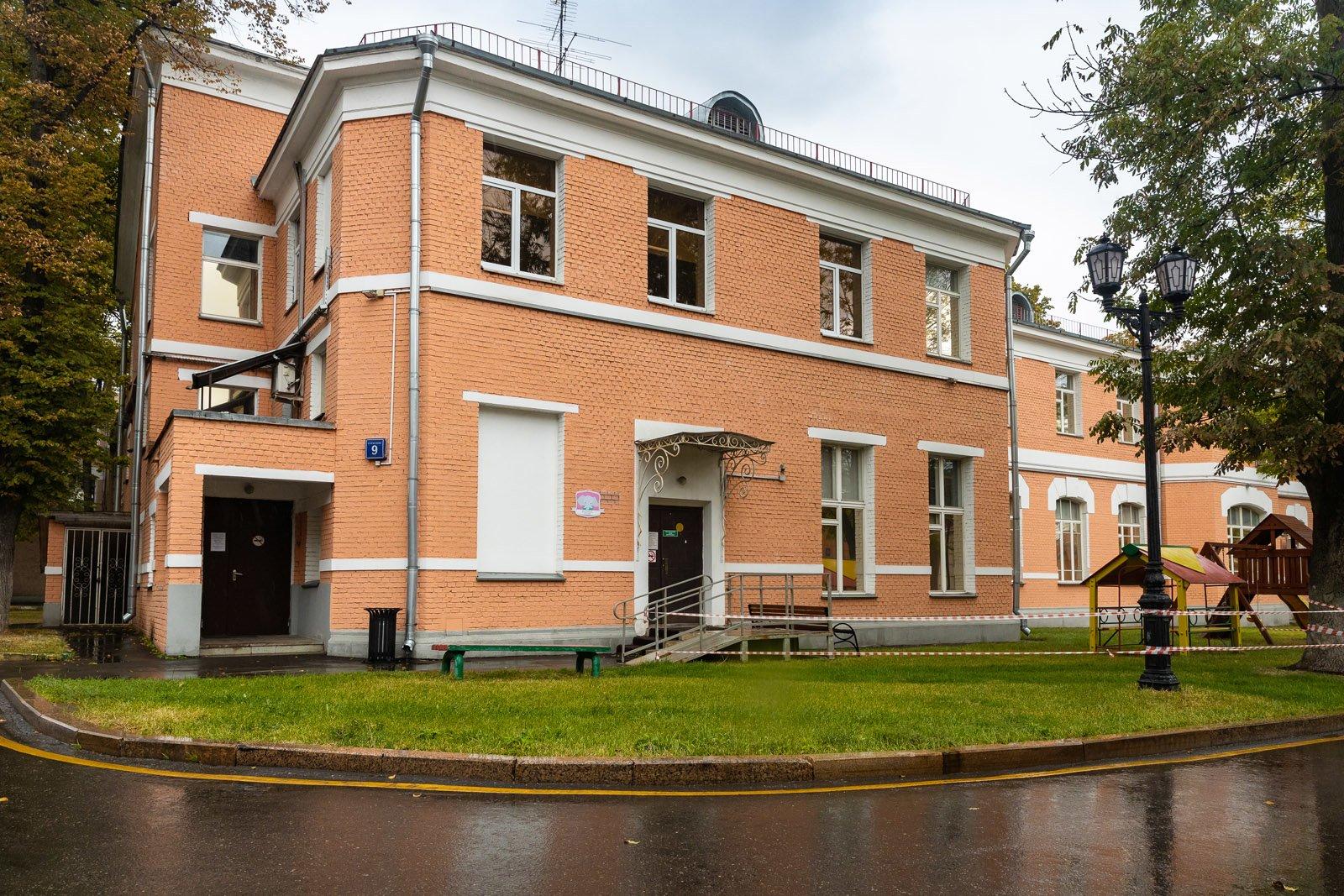
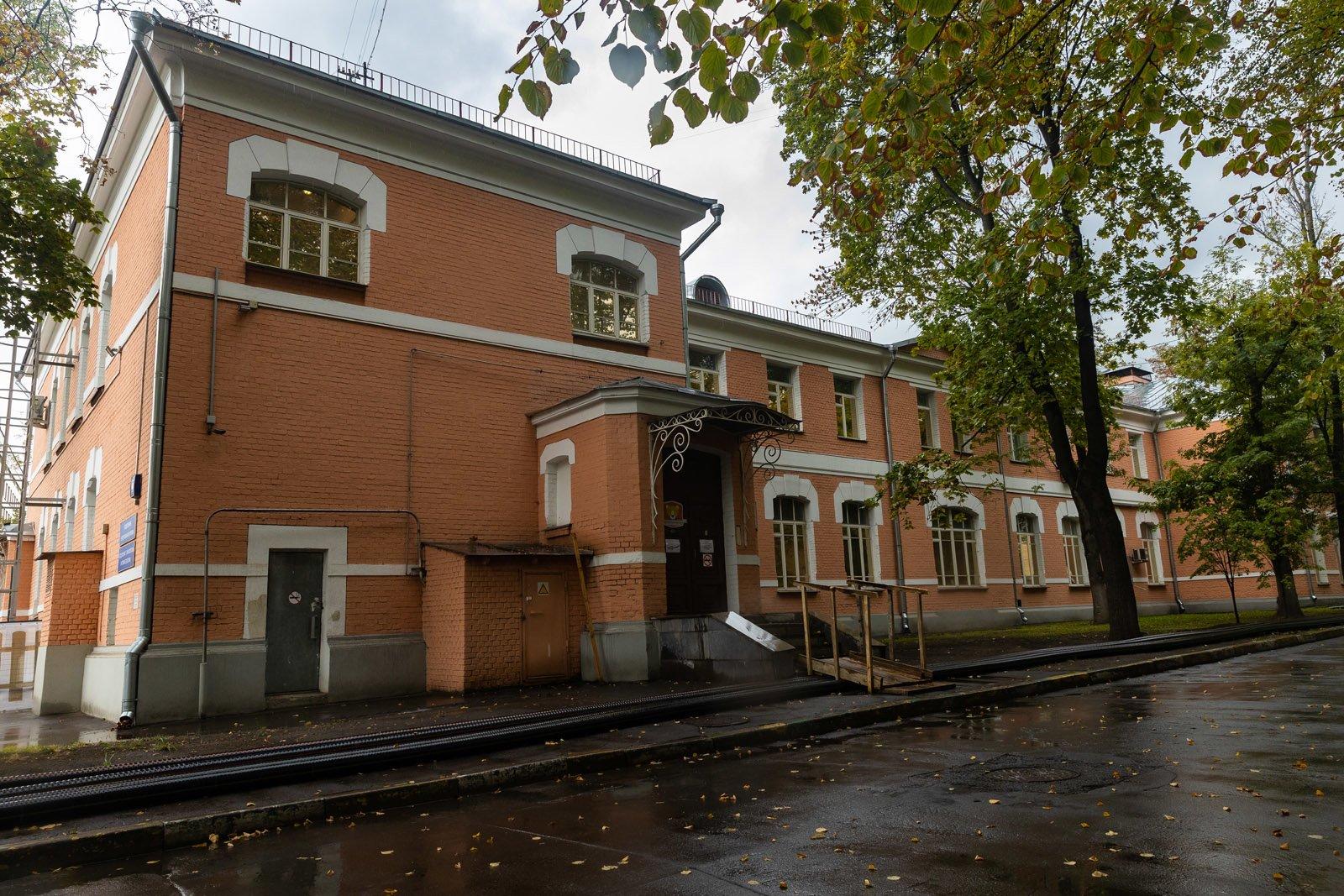
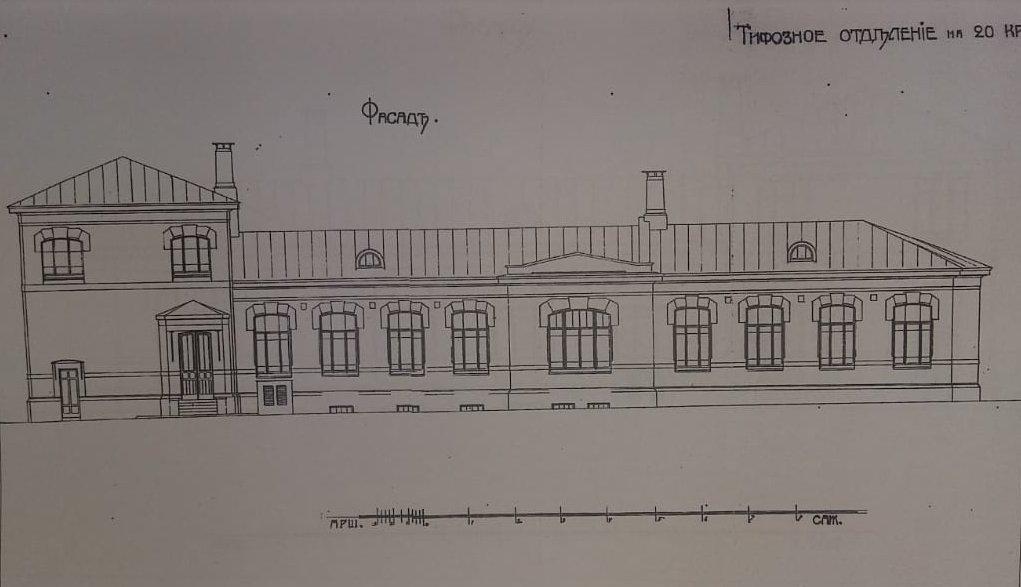
Корпус для дифтеритного (дифтерийного) отделения был построен в 1902 году. Отделение было открыто – в числе первых в Морозовской больнице – в январе 1903 года. Оно было предназначено для 40 больных. В здании было 2 павильона по 14 кроватей, 2 паровых комнаты по 2 кровати, 2 палаты по 3 кровати, 1 палата на 2 кровати, операционная, лаборатория, 2 буфета, 2 клозета и 2 комнаты для дневного пребывания детей. Планировка и отделка здания дифтеритного отделения аналогичны «скарлатинному корпусу» Морозовской больницы. При необходимости, в случае увеличения опасности распространения инфекции, корпус мог быть разделен на два самостоятельных отделения с отдельными входами.

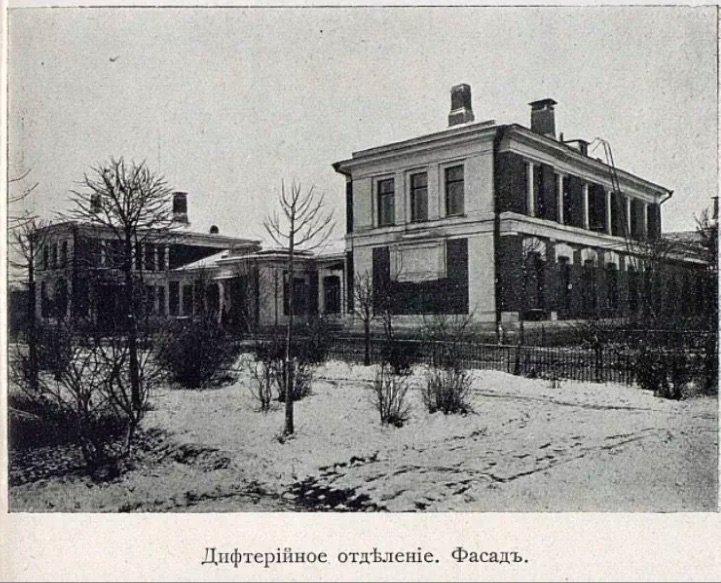
Первоначально здание было одноэтажным, второй этаж имелся только в левой части, где располагались входы в корпус: основной, акцентированный своеобразным «порталом», и вспомогательный. Асимметричная композиция придавала зданию определенную динамичность. Центр правой, одноэтажной части дифтеритного корпуса выделен ризалитом, в котором расположено большое окно, по ширине превосходящее остальные. Все окна украшены своеобразными модерновыми «сандриками». Они выделялись на фоне неоштукатуренных кирпичных стен. Здание поставлено на невысокий цокольный этаж с заглубленными в землю окнами.

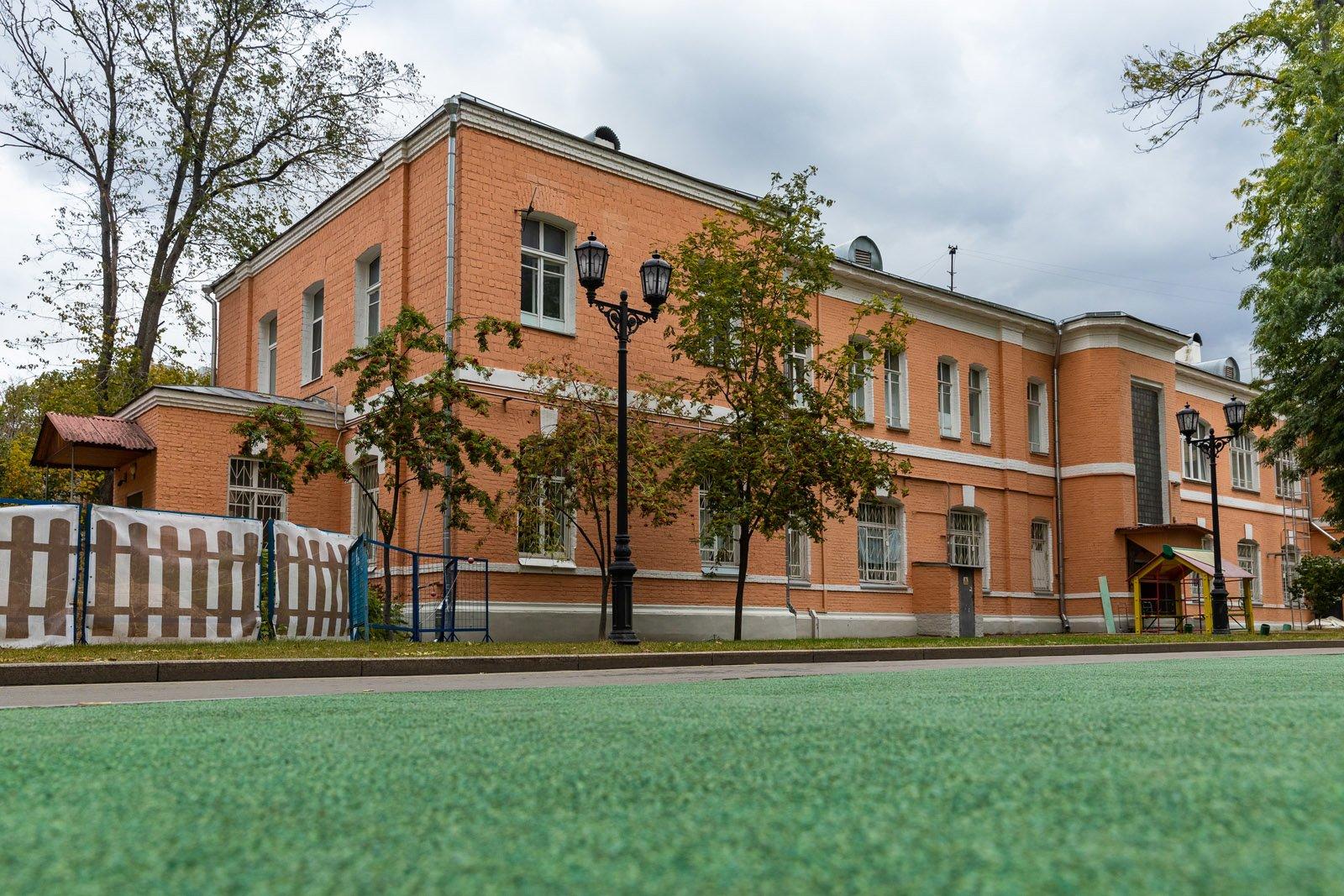
В 1950 году одноэтажная часть здания надстроена вторым этажом. К зданию также сделаны в советское время пристройки, что нарушило первоначальную композицию Дифтеритного корпуса. Однако первоначальное ядро здания хорошо сохранилось.

Константин Михайлов
Автор статьи

Having studied the European expertise in designing hospital buildings, the architect decided to use the pavilion plan concept for the Morozovskaya Children's Hospital. Isolated blocks were intended for various categories of patients depending on their diagnoses. It was done so that patients would not infect each other. The special board of doctors that was developing the Morozovskaya Hospital arrangement concept came up with this solution. Members of the board were Dr. S.Vasilevsky, Chief Medical Officer with the St. Vladimir Hospital, Dr. V.Schnaubert, Chief Medical Officer with the Sokolnicheskaya Hospital, and Dr. N.Alexeyev, Chief Medical Officer with the designed Morozovskaya Hospital. Architect I.A.Ivanov-Schitz committed to the developed concept in designing the Hospital grounds' plan and its departments' position.

In the core of the hospital building was the spacious common hall to which various smaller wards were adjoining.

The building of the Diphtheria Department was constructed in 1902. The department was opened among the first departments of the Morozovskaya Hospital in January 1903. It was capable to admit 40 patients. The building had two 14 bed pavilions, two 2 bed steam rooms, two 3 bed wards, one 2 bed ward, an operating theater, a laboratory, a canteen, two lavatories and two day inpatient facilities for children. The Diphtheria Department's layout and finish are similar to those of the Scarlet Fever Department's of the Morozovskaya Hospital. If necessary, in case of a higher risk of infection spread, the building could be divided into two independent departments with separate entrances.

Originally, the building had only one floor; the first floor was only in its left part with two entrances: the main entrance that featured a portal of a kind, and the auxiliary one. The building's asymmetrical plan was adding it certain vigor. The center of the right side single storey part of the Diphtheria Department is distinguished by the avant corps with the large window that is much wider than other windows. All windows are decorated with distinctive Art Nouveau pediments. They stand out against unplastered brickwork walls. The building is resting on a low semi basement with the windows sunken into the ground.

In 1950, one more floor was added to the single storey part of the building. Also, some annexes were added to it in the Soviet times. Those extensions distorted the Diphtheria Department's original layout. Nevertheless, the original core of the building is well preserved.

Konstantin Mikhailov
Рекомендации
Пушкинская набережная (Парк Горького)
Shabolovskaya, Oktyabrskaya, Октябрьская (радиальная)
Поделитесь статьей с друзьями
Интересное рядом(8)
Dobryninskaya, Serpuhovskaya
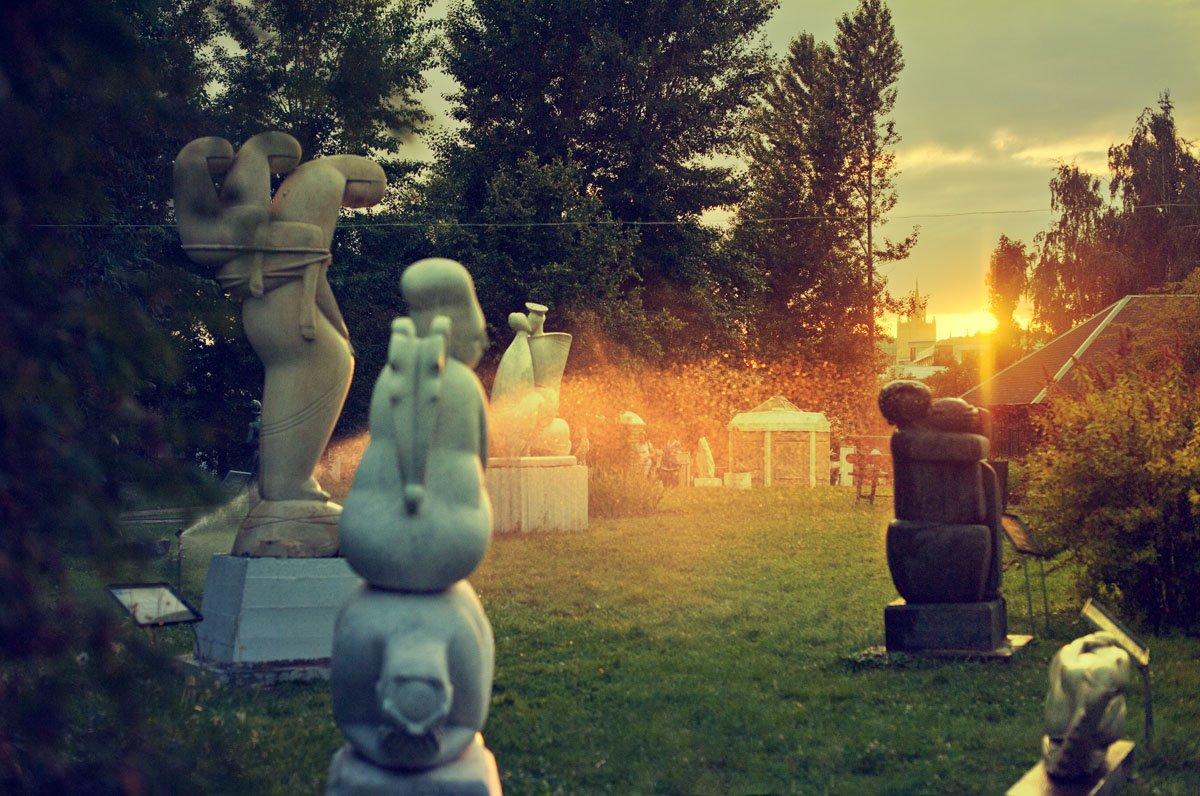
MUZEON Park of ArtsMUZEON Park of Arts is the largest museum of sculpture under open sky in Russia. In the collection there are unique monuments of soviet era, which got here during the foundation of the museum since 1992.It is a monumental sculpture of the 1930s – 1950s, which served not only to ideas of propaganda, but also town forming concept – a monument to Dzerzhinsky by Evgeny Vuchetich and a monument To Gorky by Ilya Shadr performed by the Artel of Vera Mukhina, for many years were sculptural dominants of the two central Moscow squares. Also in the MUZEON collection there are interesting monuments of the era of social realism, numerous busts of heroes of socialist labor, traditional portraits of soviet leaders, obligatory for installation in every soviet institution. Preservation of these unique monuments, the relation to which changed on the course of change of a political policy of the country, was always one of the museum’s tasks. All sculptures in the collection and iconic buildings of the soviet period have not only artistic value, which can be controversial, but historical value. They are artifacts of their era, necessary to study it. In connection with it, preservation and scientific description of all exhibits are the one of the museum’s purposes. In addition to the “program” monuments of the soviet period, MUZEON also exhibits works by Russian avant-garde sculptors, who, under ideological reasons, couldn’t be exhibited under soviet power. They were kept in workshop for a long time and weren’t presented to the general public. Among them are rare works of Evgeny Chubarov, Alexei Grigoriev and Leonid Rabins. Today MUZEON actively exhibits modern sculptors, expanding the boundaries of its collection and replenishing it with plein-air painting and materials of thematic photo exhibitions, modern art-objects and video-art materials.
Krymsky Vall, possession 2
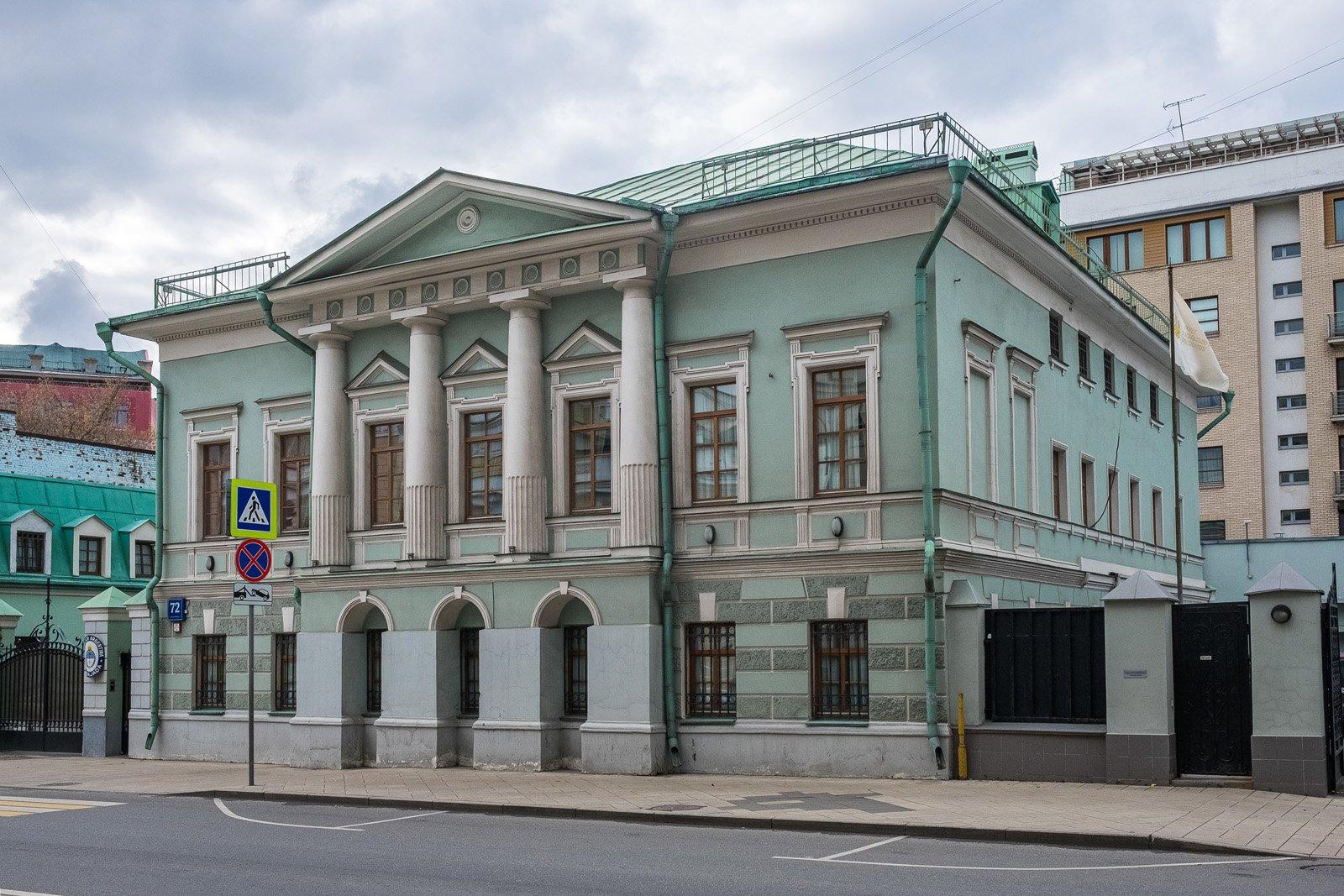
History Museum MISISThe MISIS Museum was created to preserve and study the scientific and technical heritage of the MISIS scientific and pedagogical schools, to promote the scientific and technical achievements of the MISIS, to raise the general professional level of the teaching staff of the institute and to raise the patriotic education of the young generation. The museum exhibits are actively used in the educational process. They are shown not in the limited space of the museum hall, but are placed in various rooms of the university, including in different buildings, rooms of the departments of the institute and in specialized classrooms, where lectures and practical classes are held in special disciplines. The exposition consists of the following sections: "The main milestones of the history of the institute"; “Metallurgy is the forge of victory”; "Famous scientists - graduates and teachers of the institute"; "Archeometallurgy"; virtual museum. There are presentations within the framework of scientific conferences and seminars in the museum of MISIS; a science festival is being held, in the program of which a theater-museum project occupies a special place - a costume-making historical event; classes are organized in the courses “Introduction to the specialty” and “History of science, technology and education”, the annual conference on the history of metallurgy, the annual spring conference and the competition of scientific works of students of metallurgical specialties in archaeometallurgy, and the Congress of the dressers of the CIS countries.
Moscow, Leninsky Prospect, 4
Морозовы
предприниматели, меценаты и благотворители