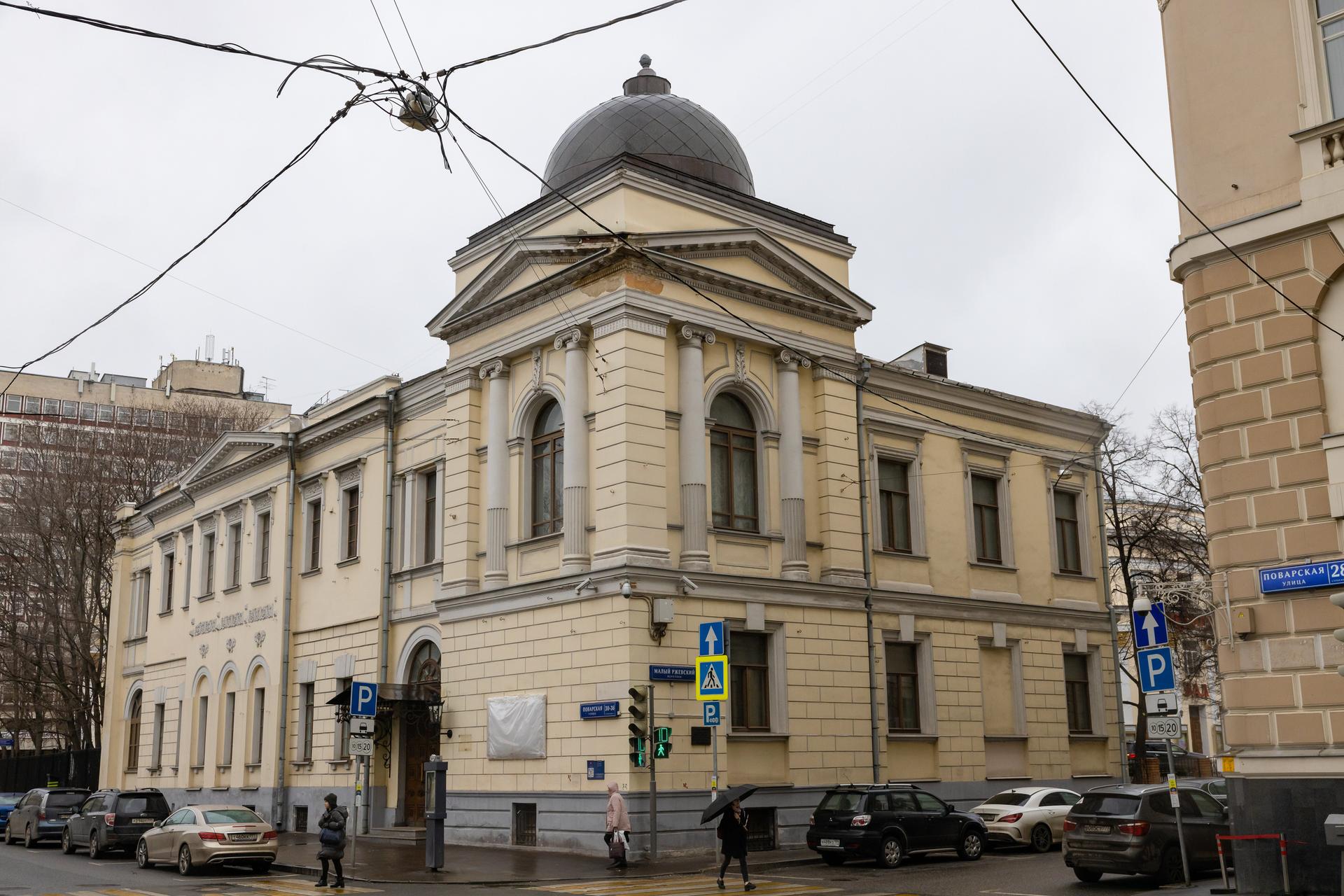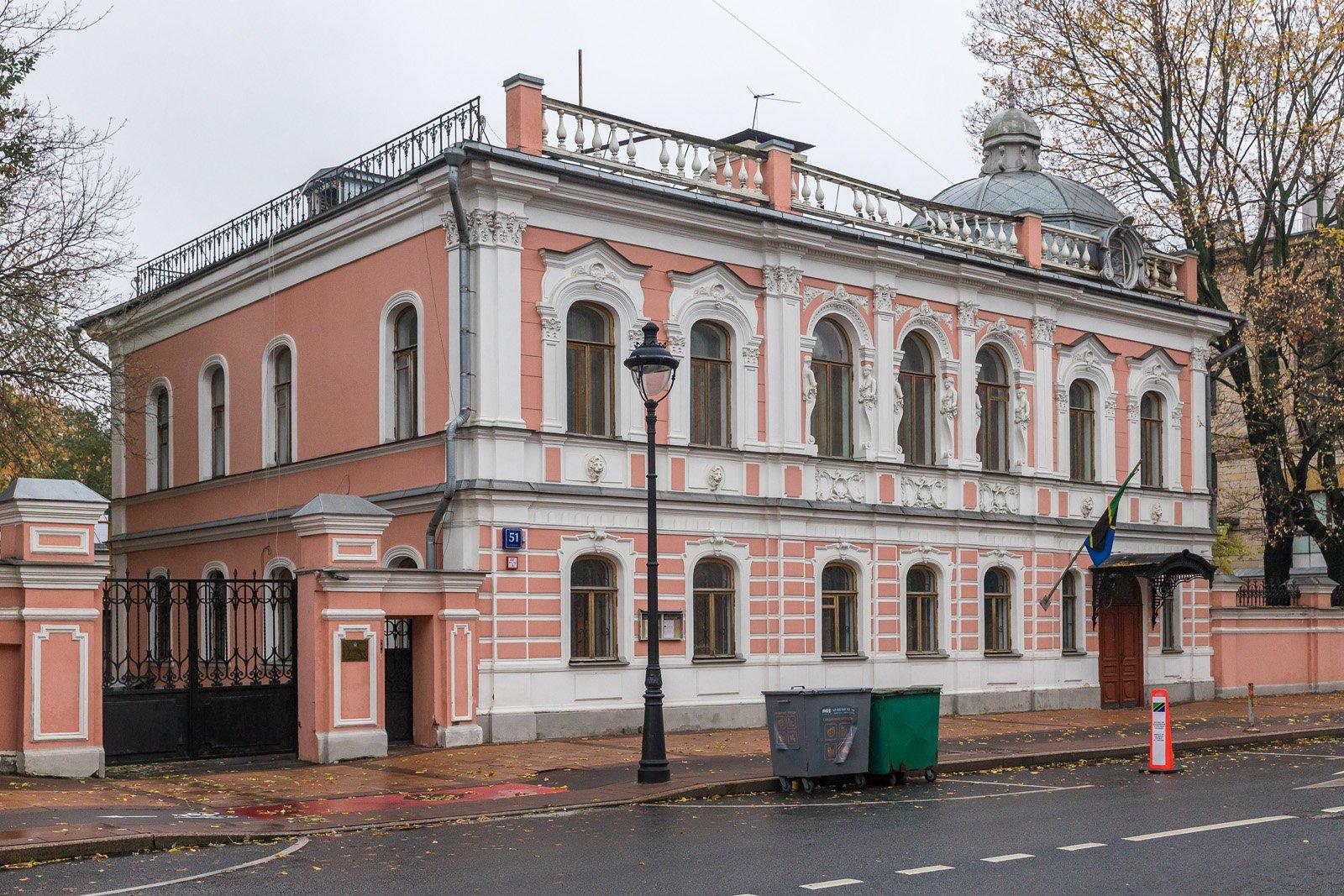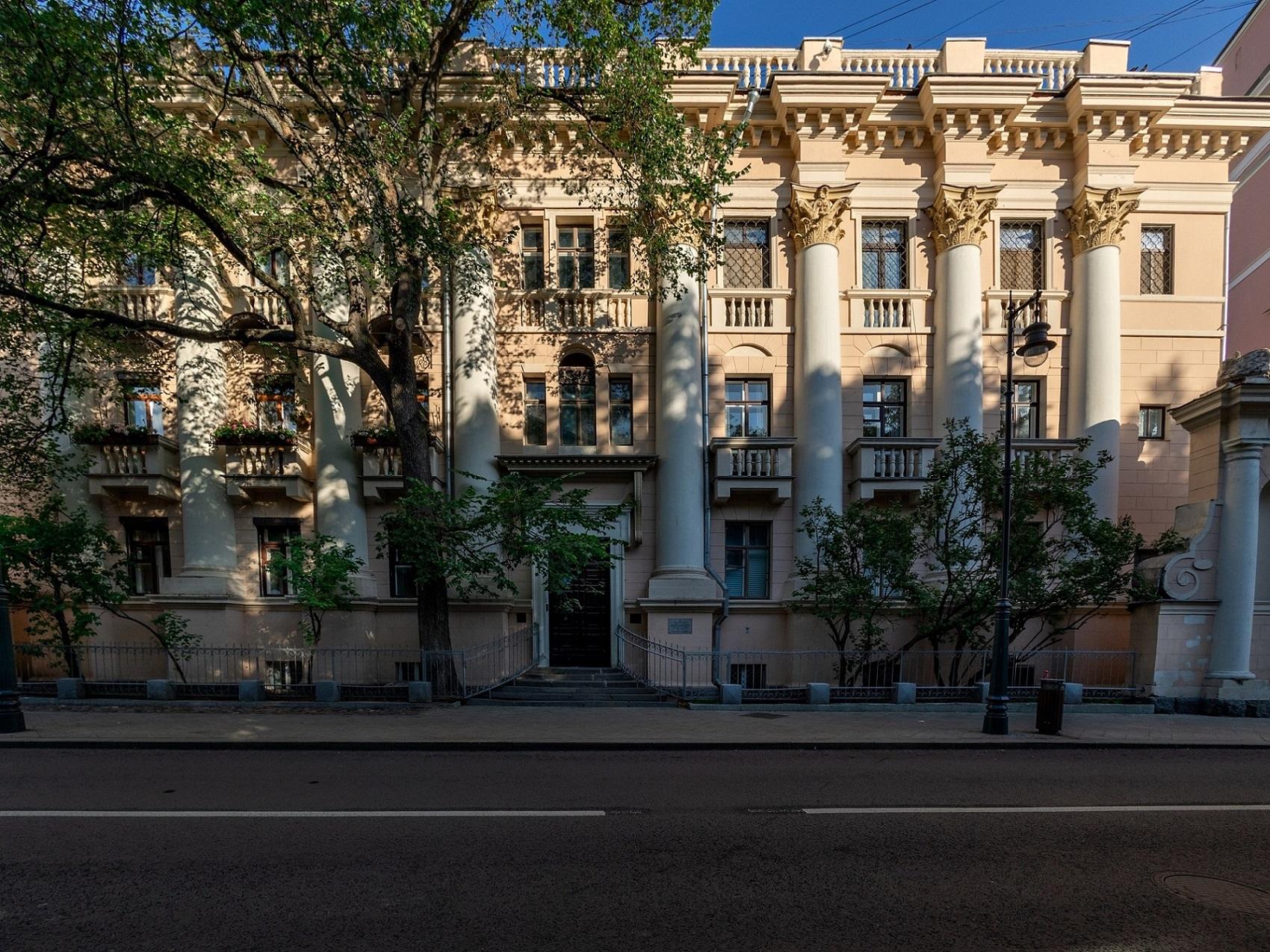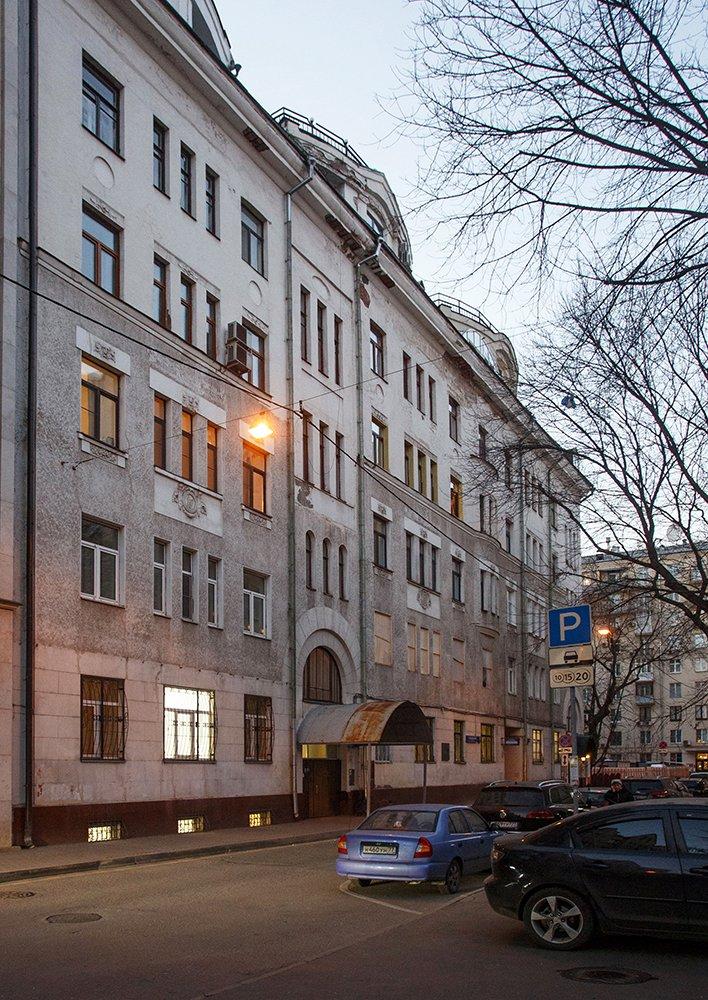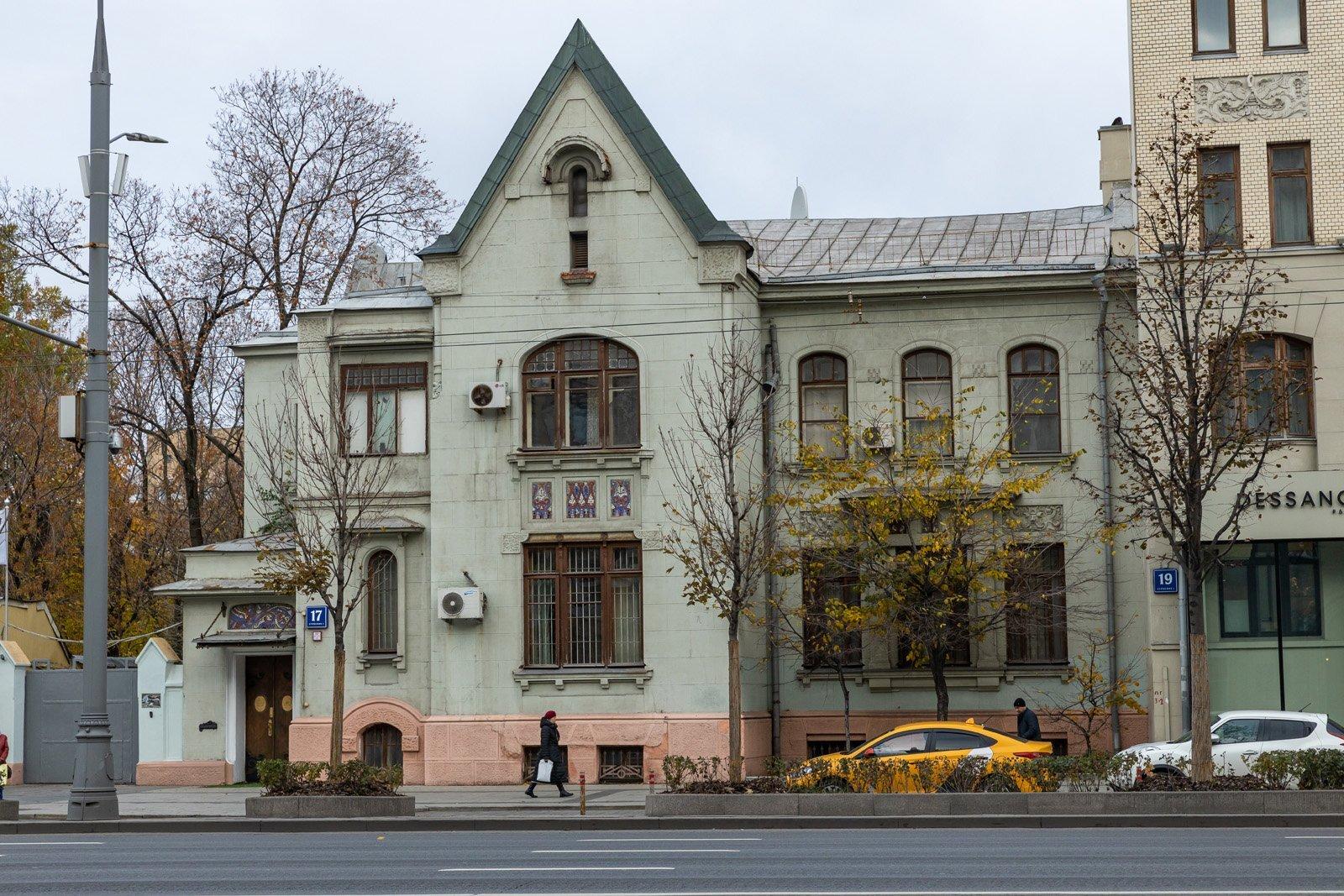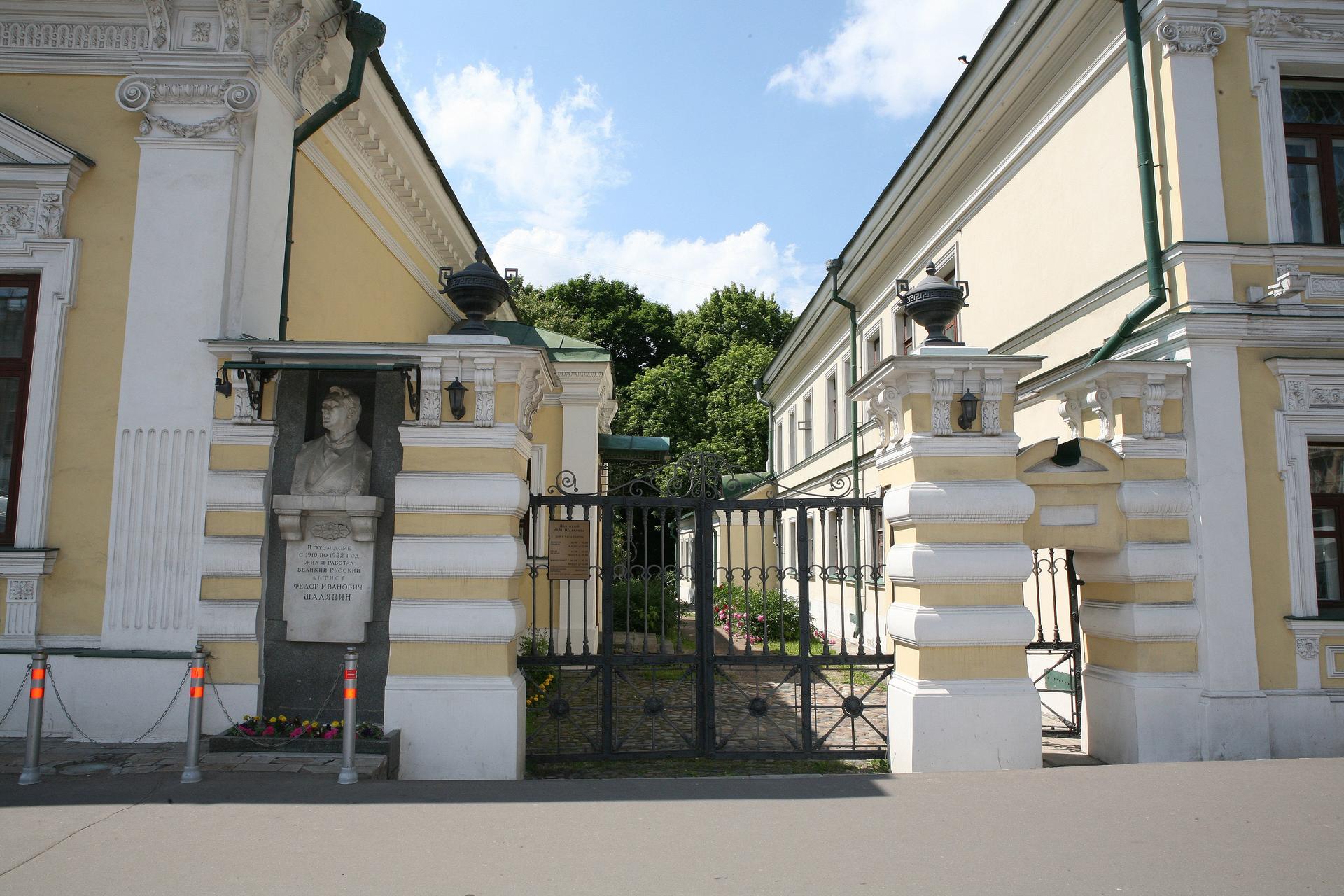
Дом в Хлебном переулке, построенный в 1815 году, представляет собой образец эклектики. После Отечественной войны 1812 года. В это время Москва стремительно восстанавливалась после разрушительного пожара, и особняки, подобные этому, стали символом новой, возрождающейся столицы.
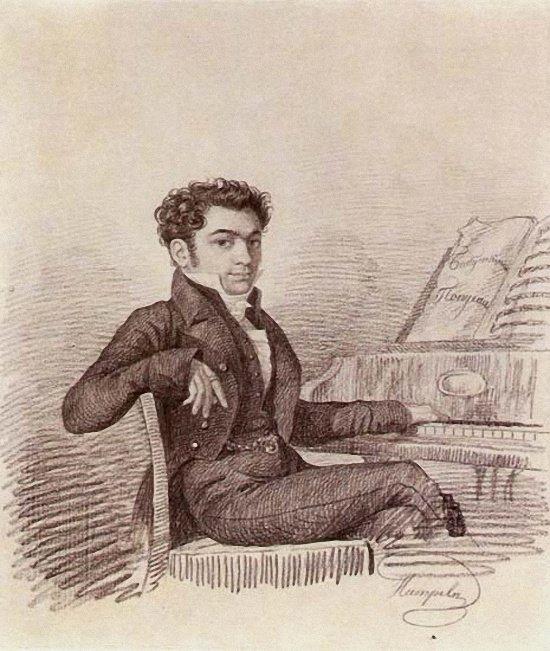
Небольшой деревянный особняк, находящийся в глубине Хлебного переулка, с портиком из четырех колонн, приобрёл известность благодаря своему владельцу, композитору Алексею Николаевичу Верстовскому, который купил его в 1860 году. Верстовский, известный своими операми и романсами, был важной фигурой в культурной жизни Москвы. Именно здесь, в Хлебном переулке, он создал большинство своих произведений.
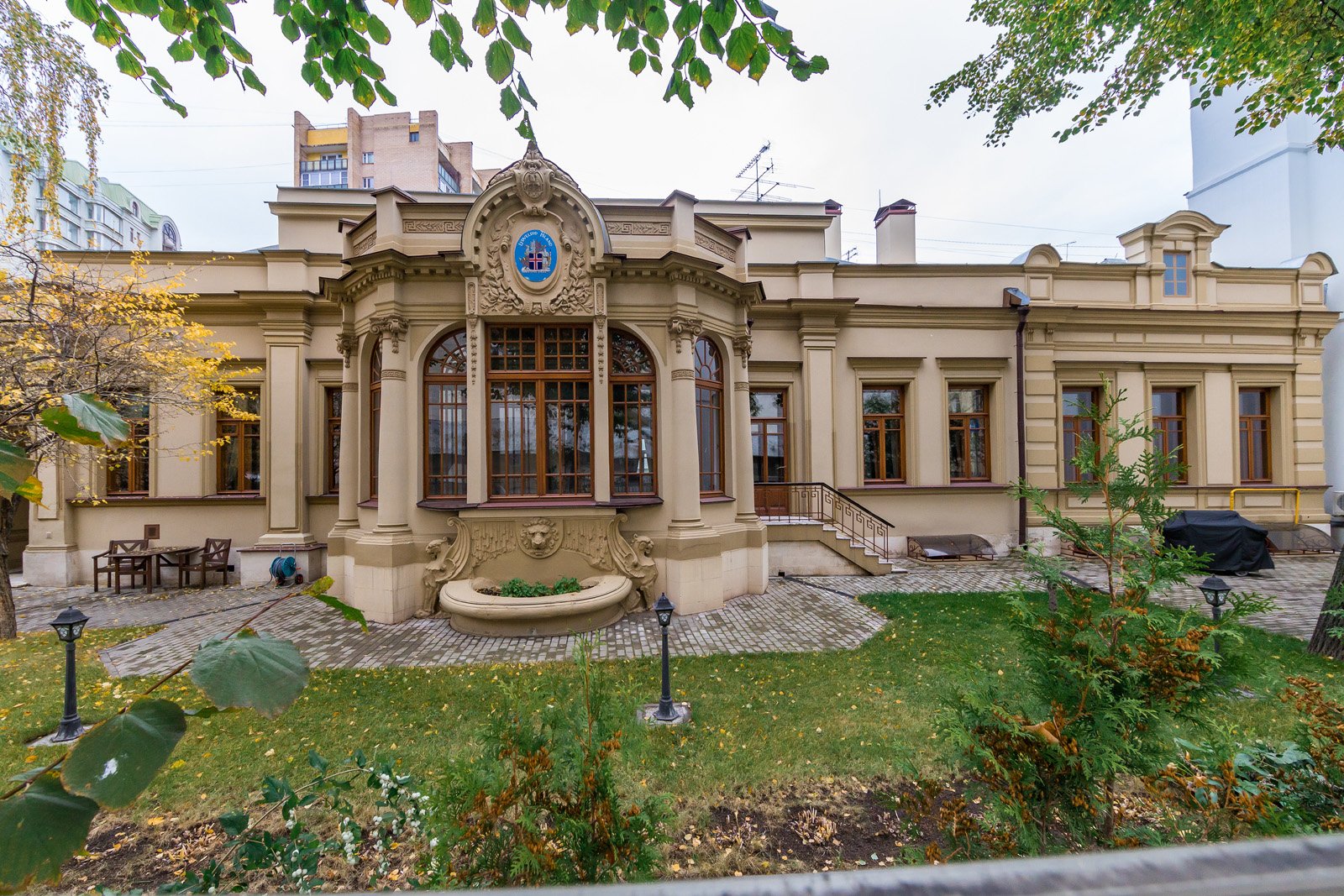
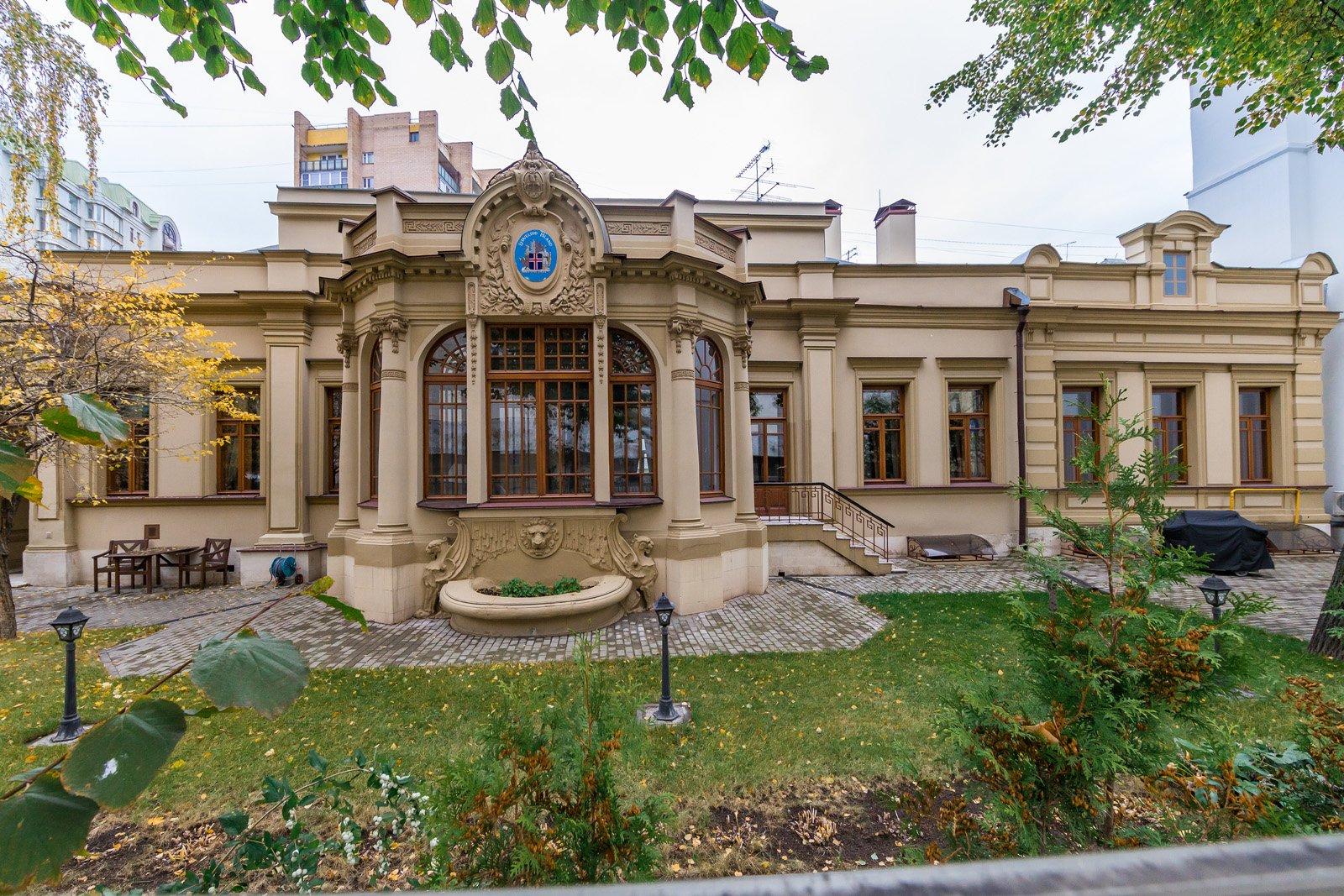
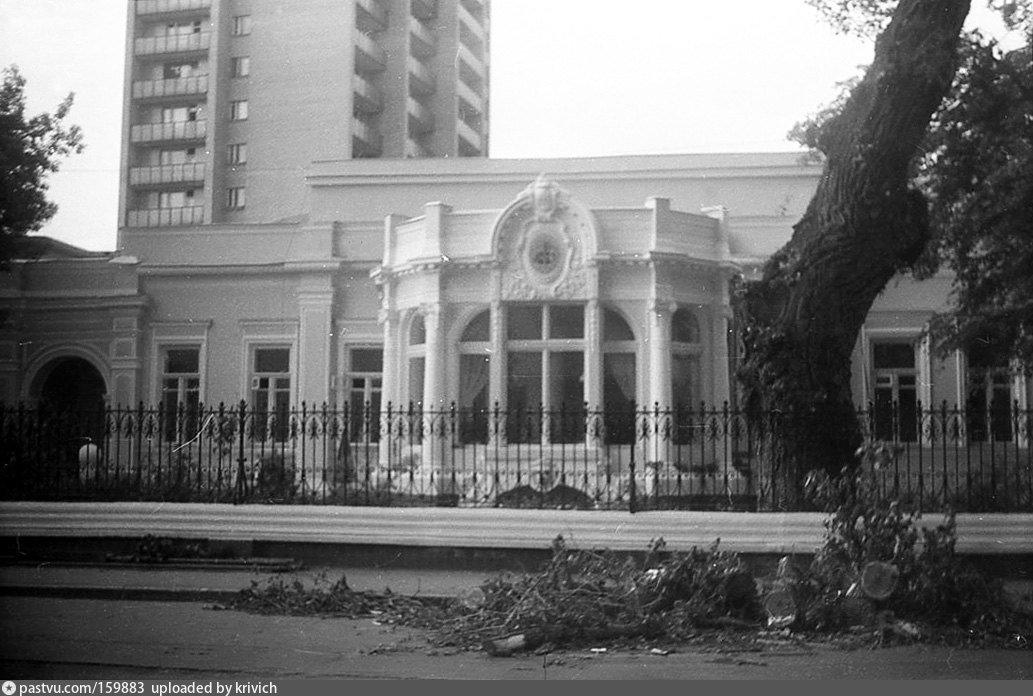
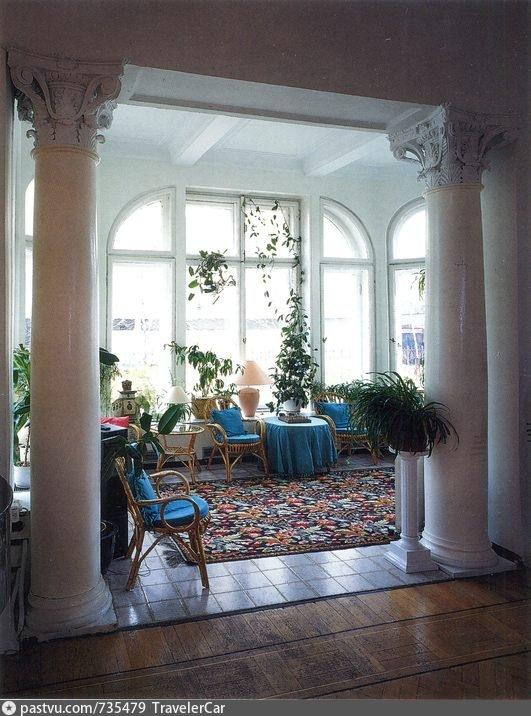
Особняк был перестроен в конце XIX века, что отразилось на его архитектурном облике: появились антресоли, каменные пристройки и световой фонарь над коридором, а фасад приобрёл черты неоклассицизма. В начале XX века добавились элементы модерна — в частности, зимний сад с эркером, украшающий фасад здания.
После революции дом использовался для различных нужд, в том числе для размещения посольства Исландии с 1944 года. На протяжении всего XX века здание сохраняло свою историческую ценность, хотя и подвергалось некоторым перестройкам и ремонтам, которые, к счастью, не нарушили его целостность.
The main house and some sections of the fence of the city homestead (1891 and 1909) are a cultural heritage site of regional significance. In March 2012, they were recorded in the respective register upon the Moscow Government decree.
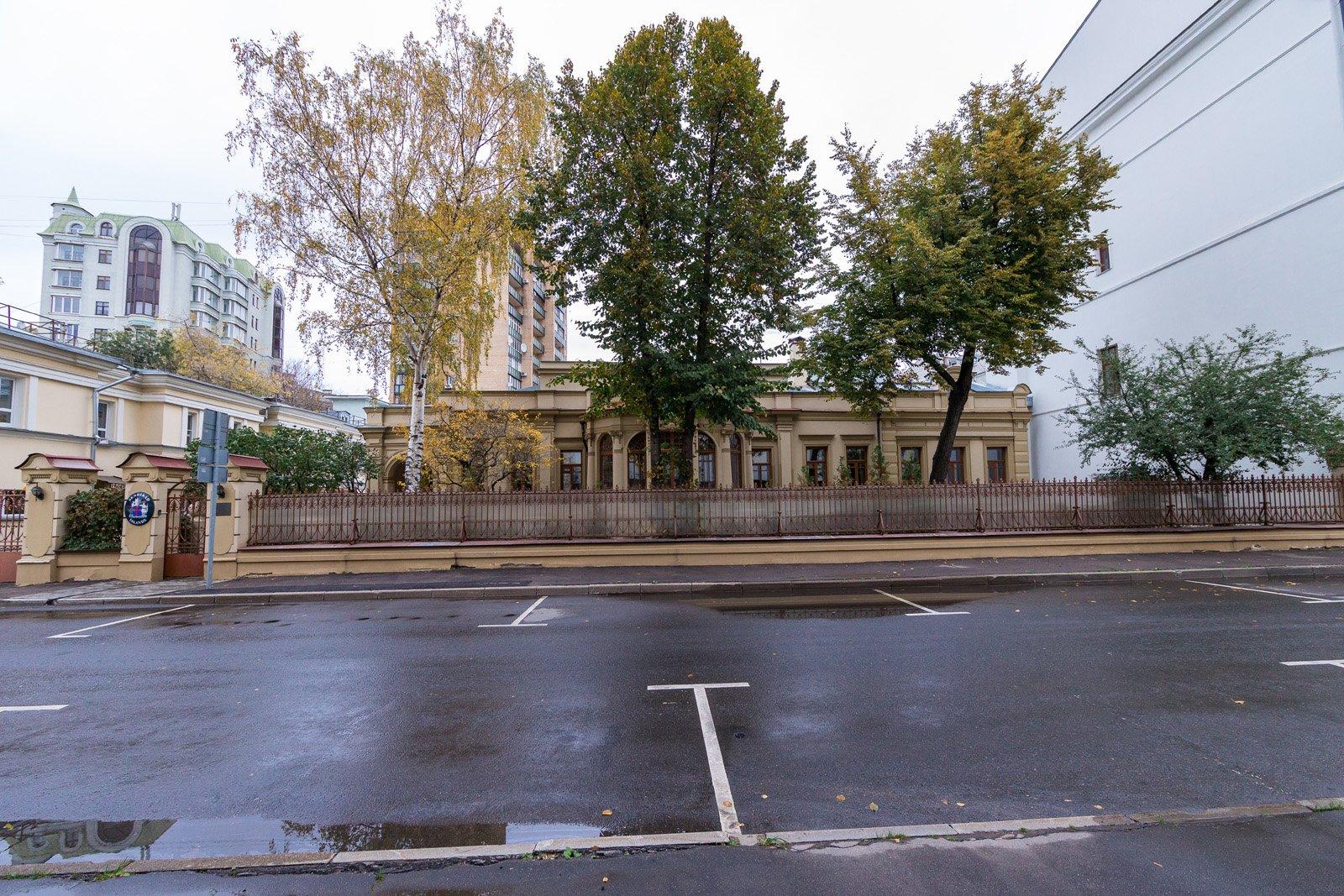
The core structure of the No. 28 in the Khlebny lane is a post-fire (1812) wooden Moscow mansion. It was constructed in 1815, when the central areas of Moscow were being built anew after the devastating fire during the Napoleonic invasion. Like hundreds of other buildings constructed in the same year, it used to be an example of the Empire style, with a portico with columns in the center of the facade.
Its most famous owner and resident was the 19th century Russian composer Alexey N. Verstovsky (1799–1862). He composed six operas (Askold's Grave being the most famous one) as well as numerous songs. A.N.Verstovsky was on staff with the Moscow Department of Imperial Theaters for 35 years; in fact, he managed artistic, operational and financial activities of both the Bolshoy and Maly Theaters.
Verstovsky moved in the Khlebny lane by the end of his life, having retired from the Imperial Theater service. The Verstovsky family (composer's wife was opera singer and drama actress Nadezhda Repina) bought the No. 28, Khlebny lane in 1860. The composer lived there for mere two years: he passed away in November 1862. His widow outlived him by five years; after her demise, the new owners moved in and had the building remodeled according to the new architectural fashion.
The first massive reconstruction took place in 1887 when the mezonin floor (an additional floor atop a building's central part) typical for the first half of the 19th century was demolished under architect I.N.Yelagin's design. At the same time, a stone annex was added to the left side of the facade; there, a new entrance was made. The right side was also extended, with a skylight in the newly built passage.
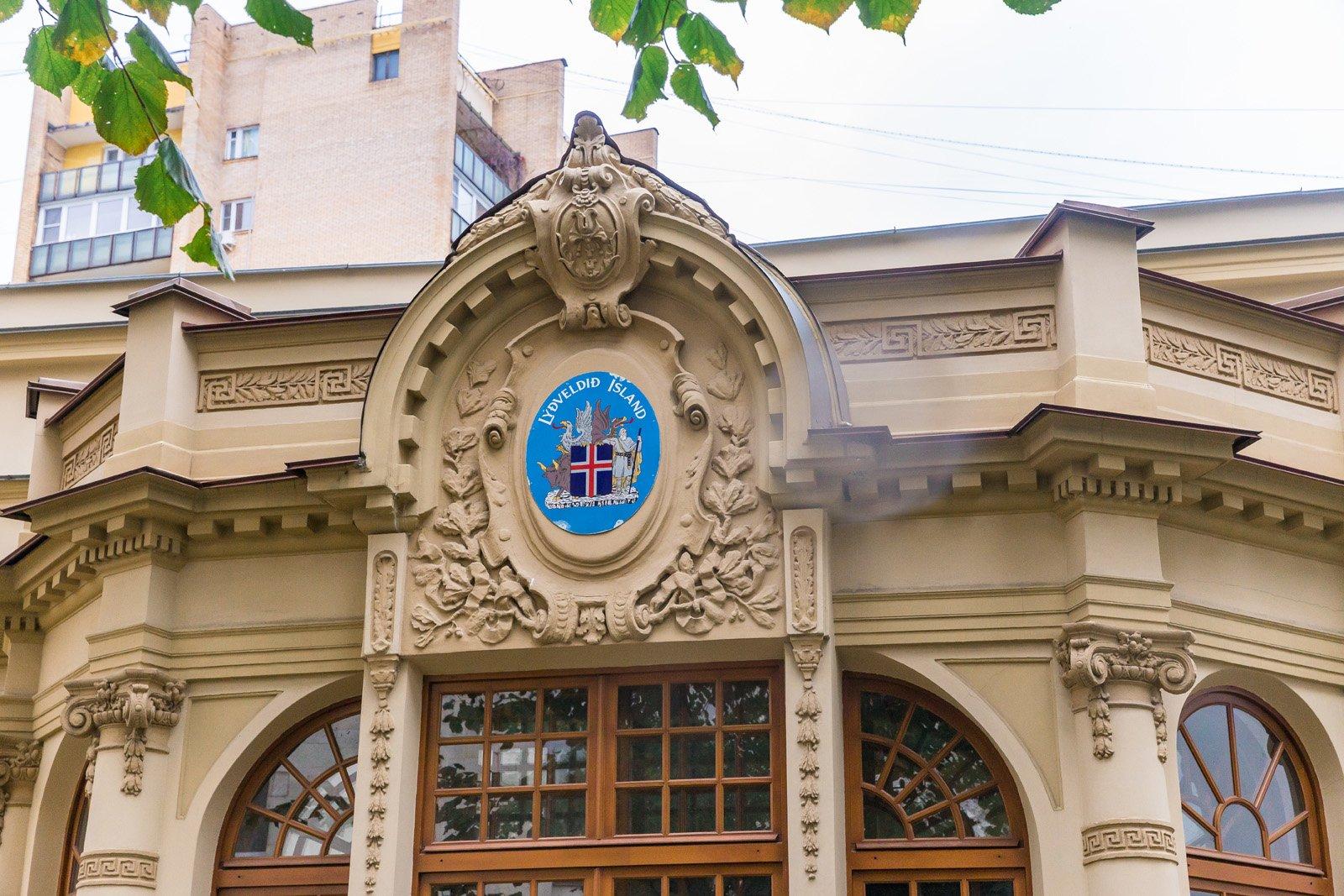
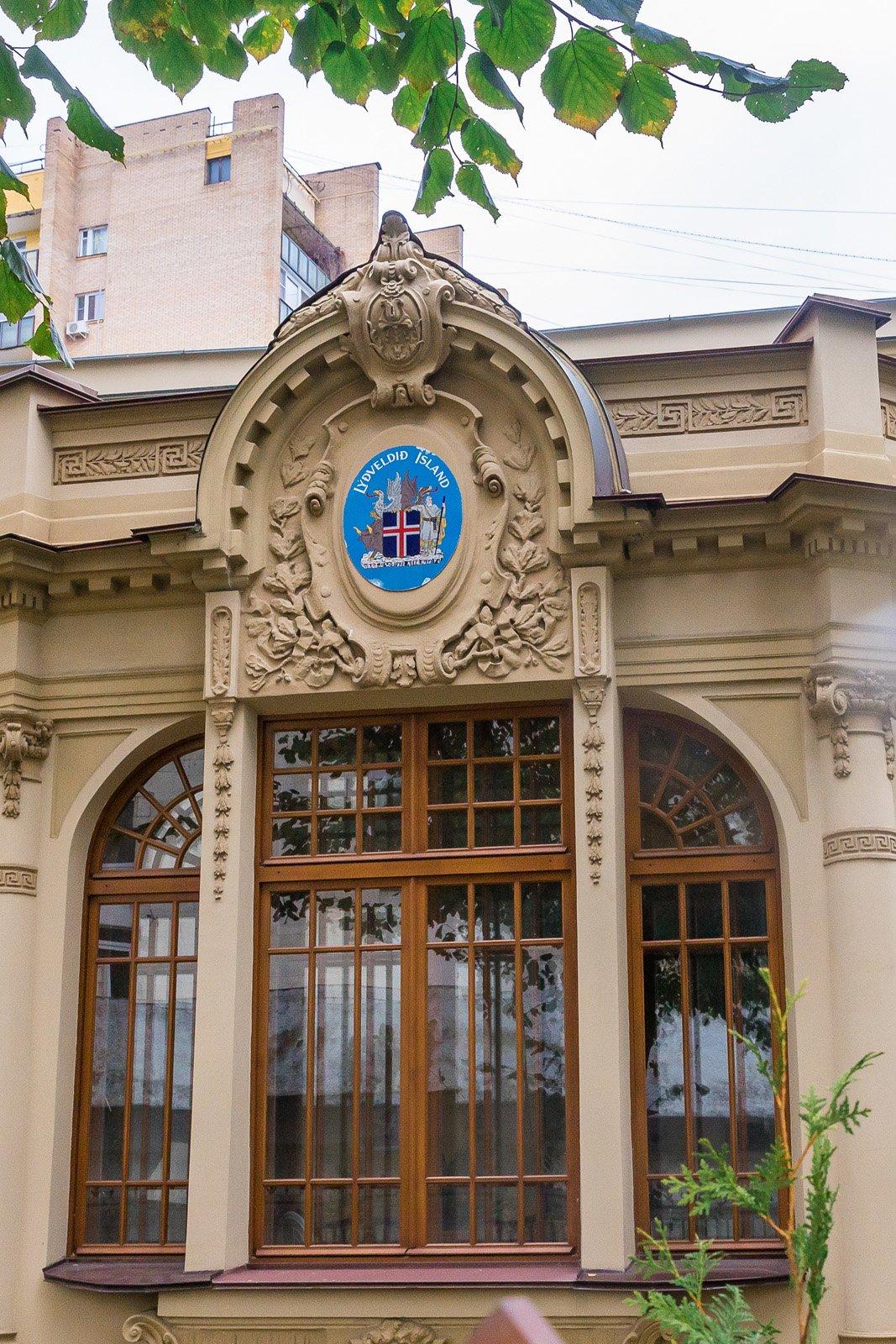
In 1900s, the mansion's facade underwent thorough alteration. Architects A.N.Zeligson and V.A.Mazyrin succeeded in replacing the main facade's portico with a bay window with a semi circular pediment adorned with a lion mask (right above a small fountain bowl) and a cartouche with the owner's coat of arms. The facade was decorated in the neoclassical style.
Inside, the study has preserved its decor (the tiled fireplace there is of particular interest), as well as the grand bedroom (recently, two once lost columns have been restored) and the garden room. Authentic paneled doors and window frames have survived, too. Marble and parquet floors were either preserved or restored.
The building's history in the 20th century is quite interesting. In 1935–1941, there was the residence of the German military attaché Major General Ernst Koestring. Since 1944, the building has been occupied by the Embassy of Iceland.
In 2011–2013, the comprehensive restoration works were performed in the building. Restorers did their best to preserve most of the authentic log structure; original layout and lost elements of ceiling decor were recovered. Overlay clearing in the course of restoration exposed the original color scheme of the facade.
Konstantin Mikhailov

.jpg&w=1920&q=75)