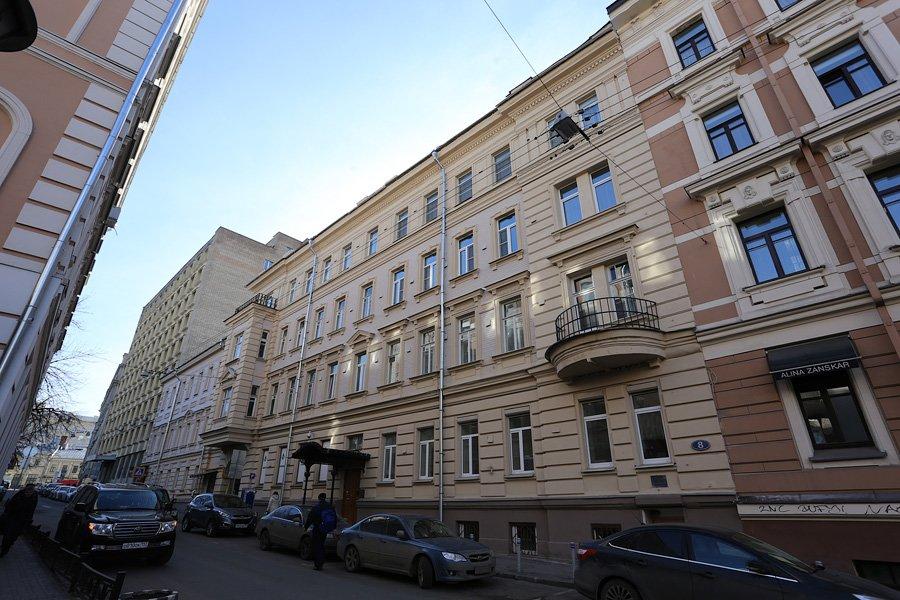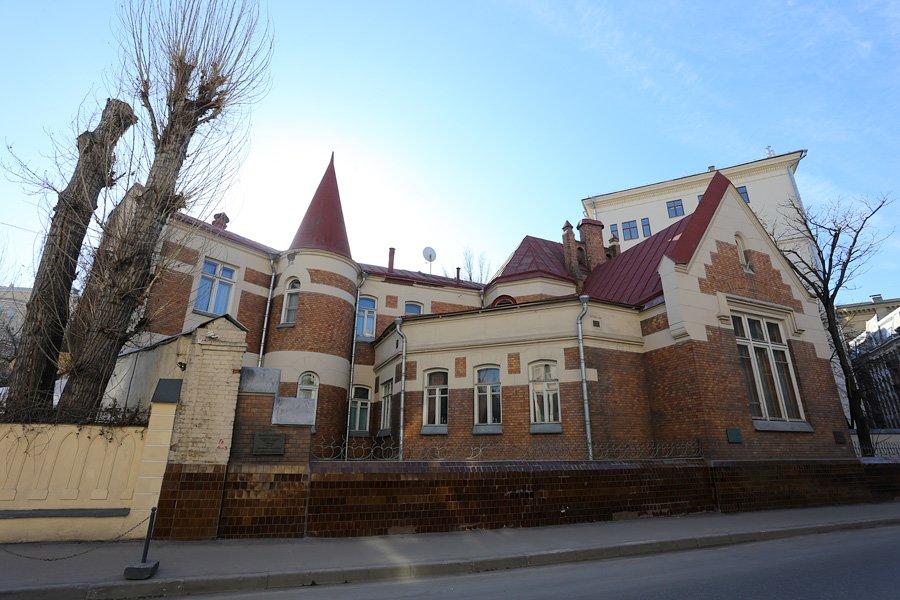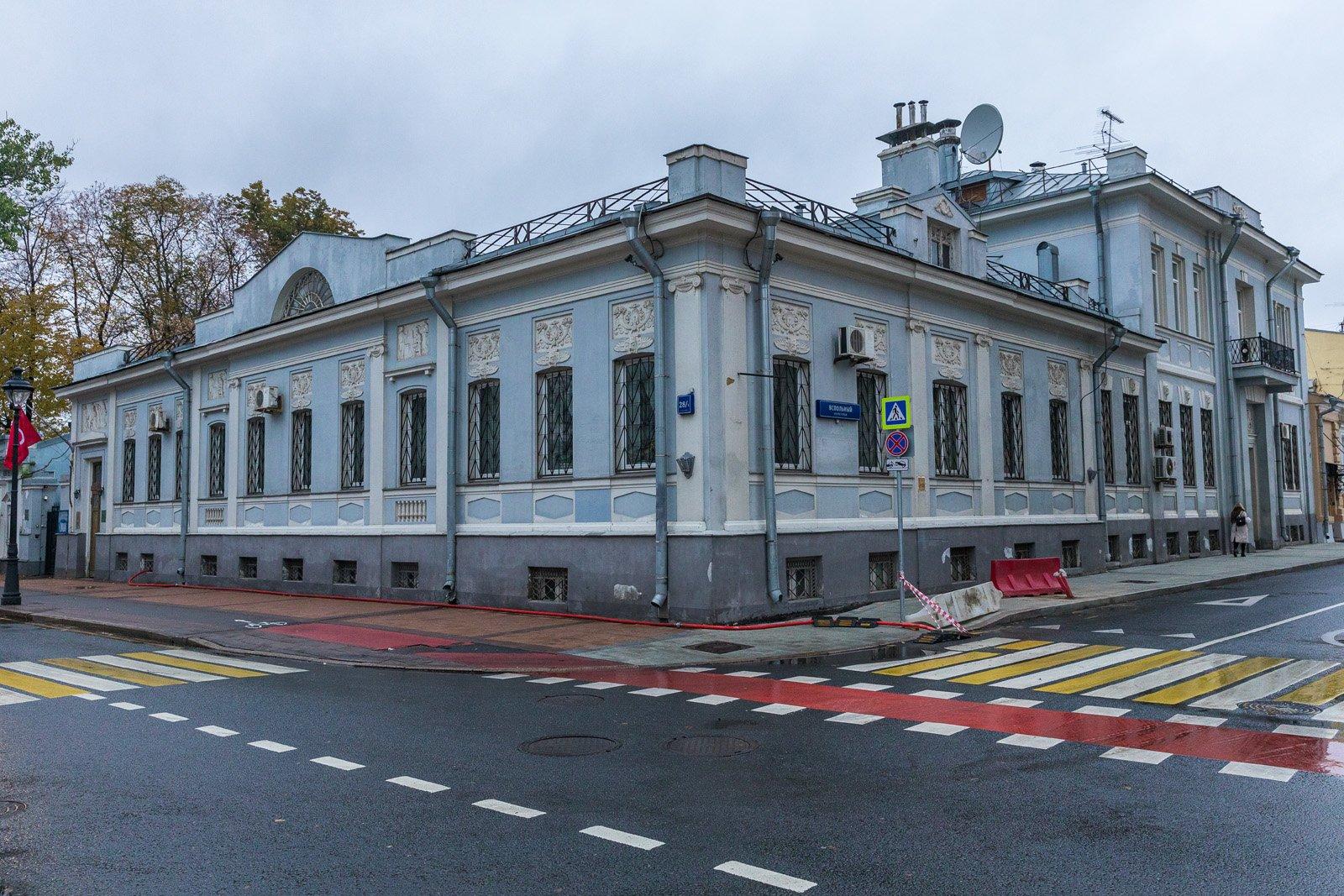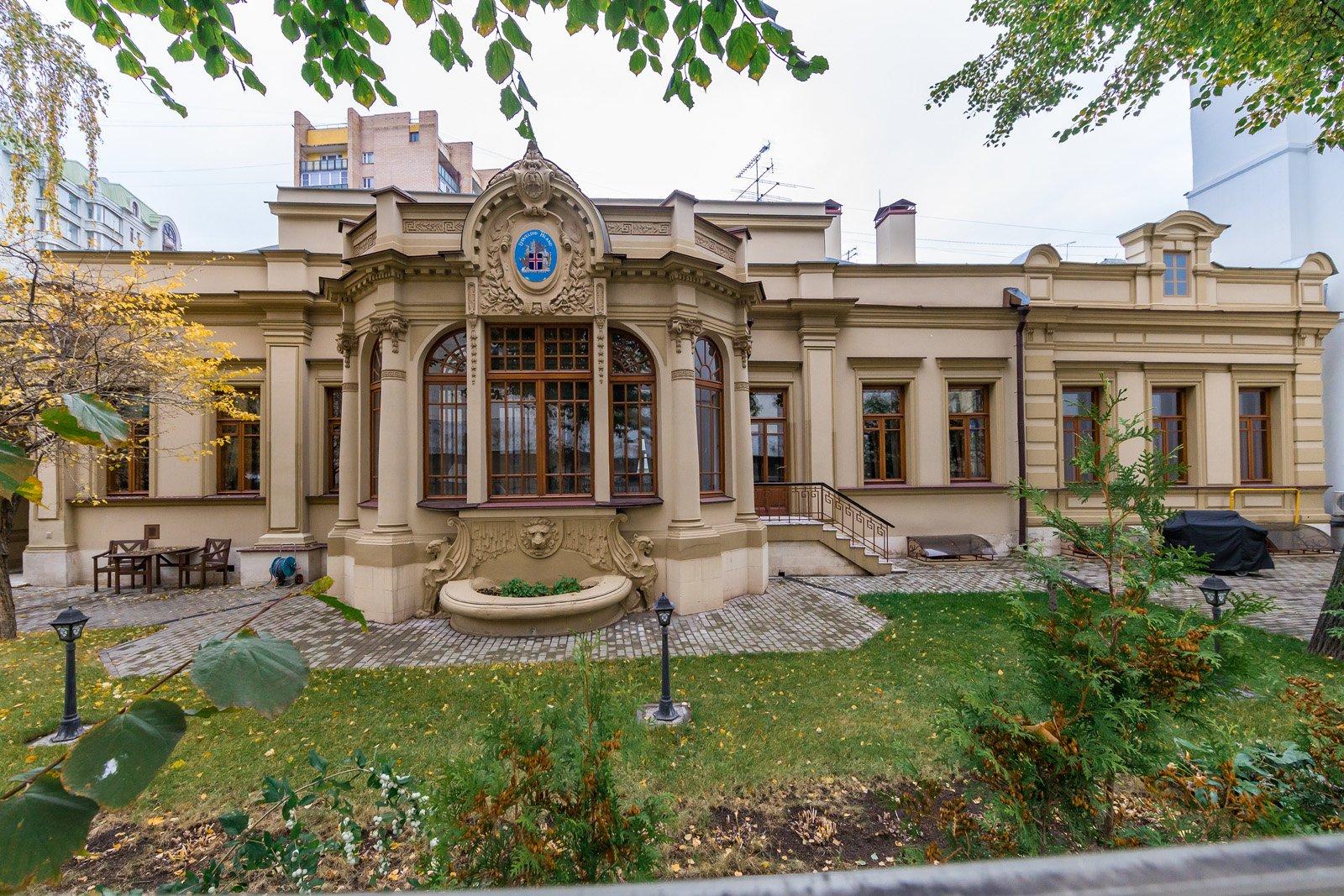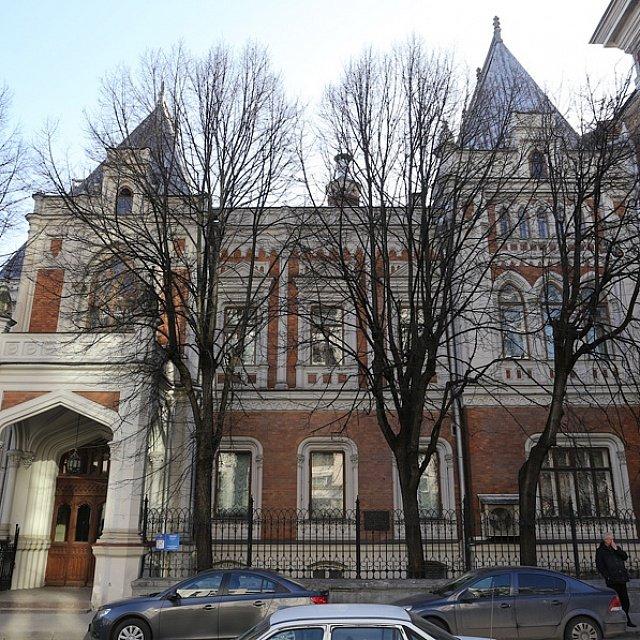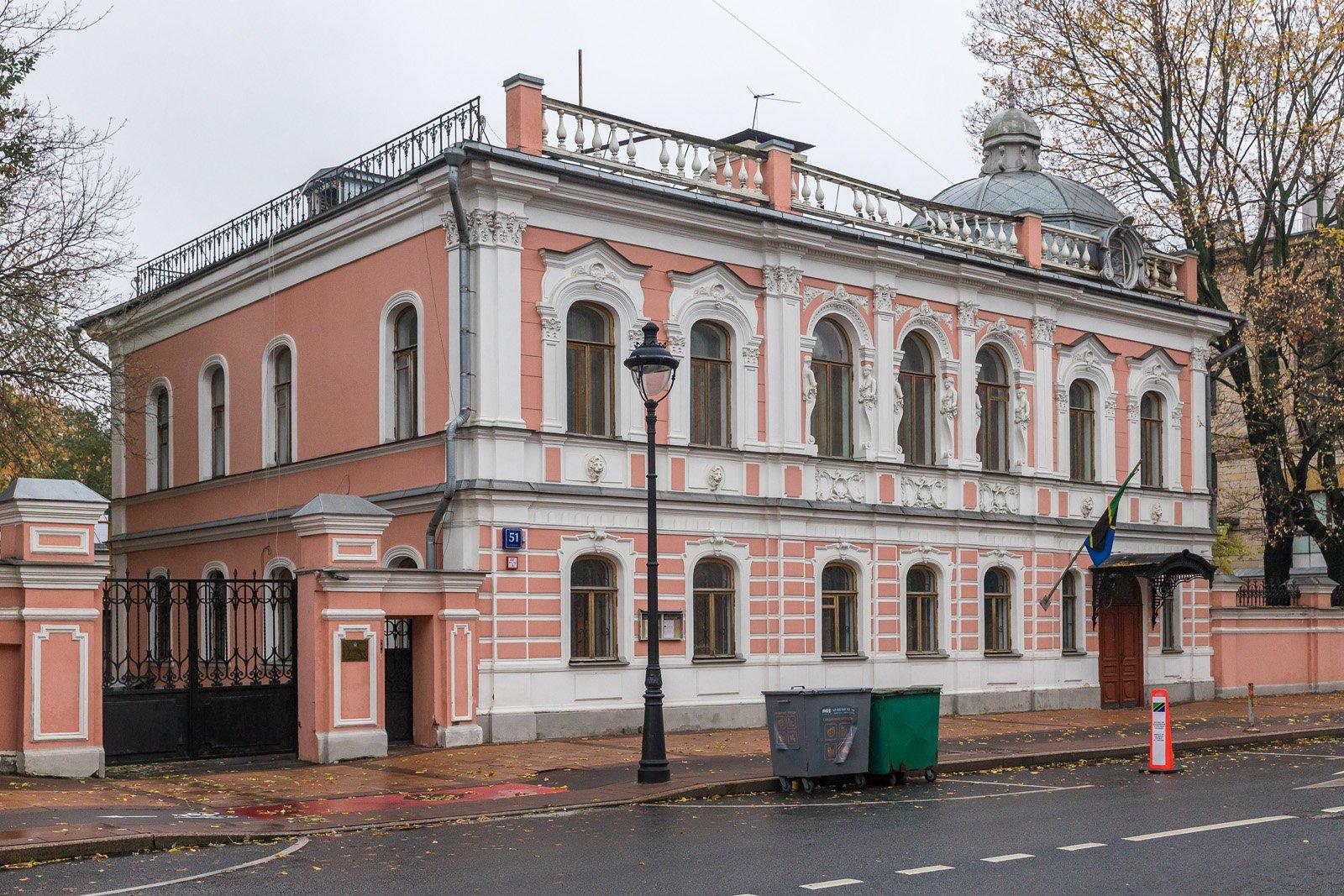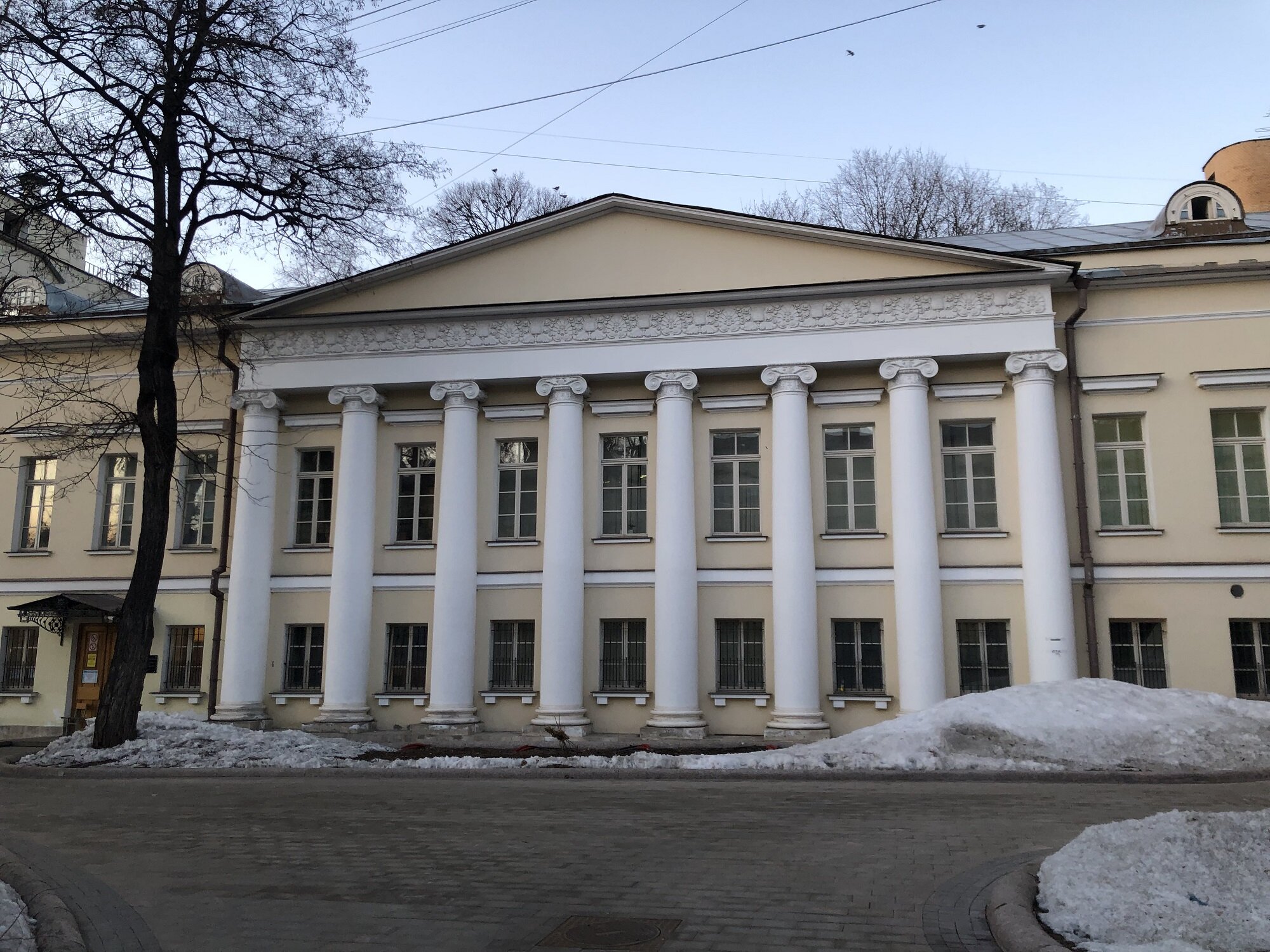
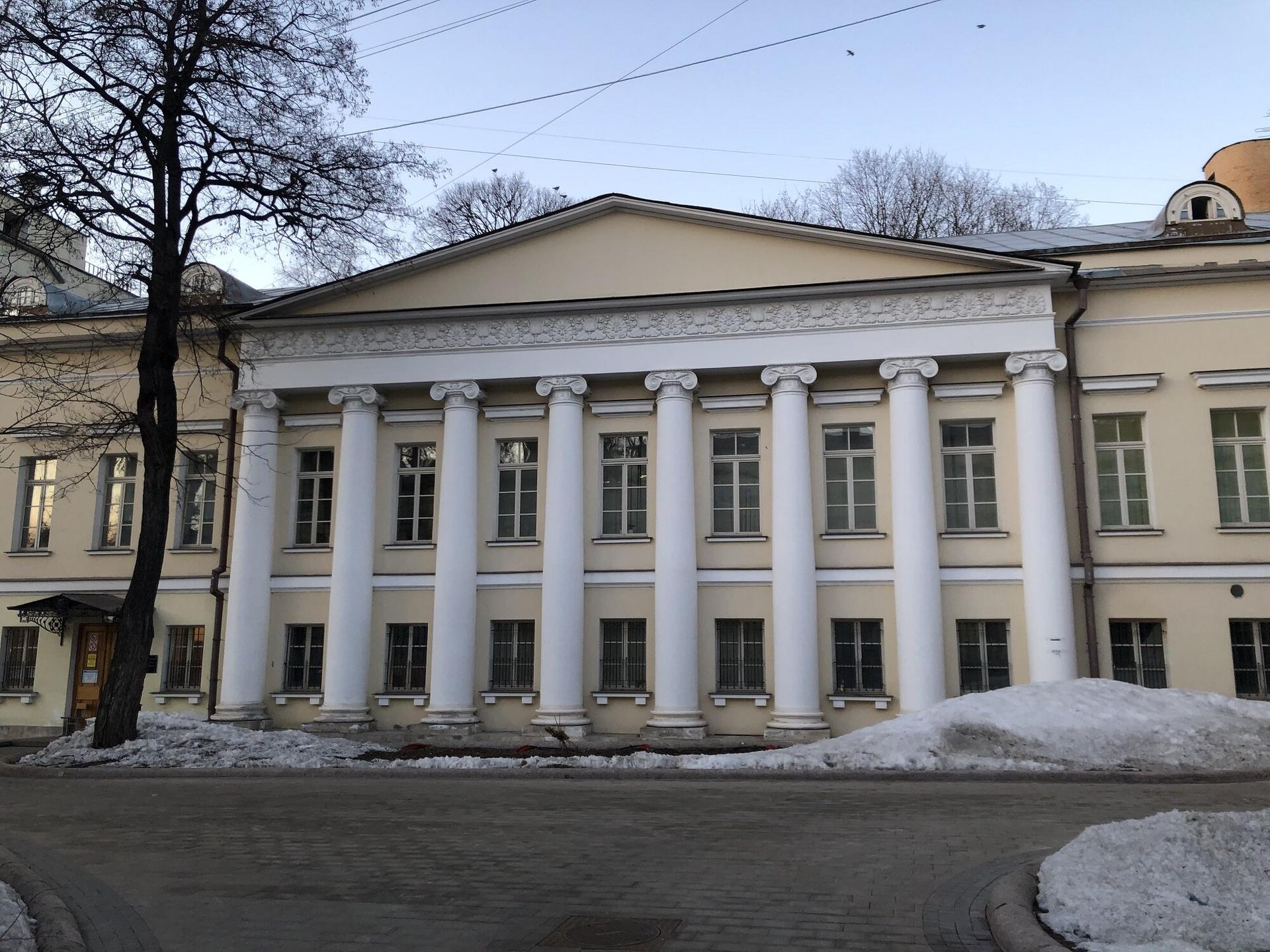
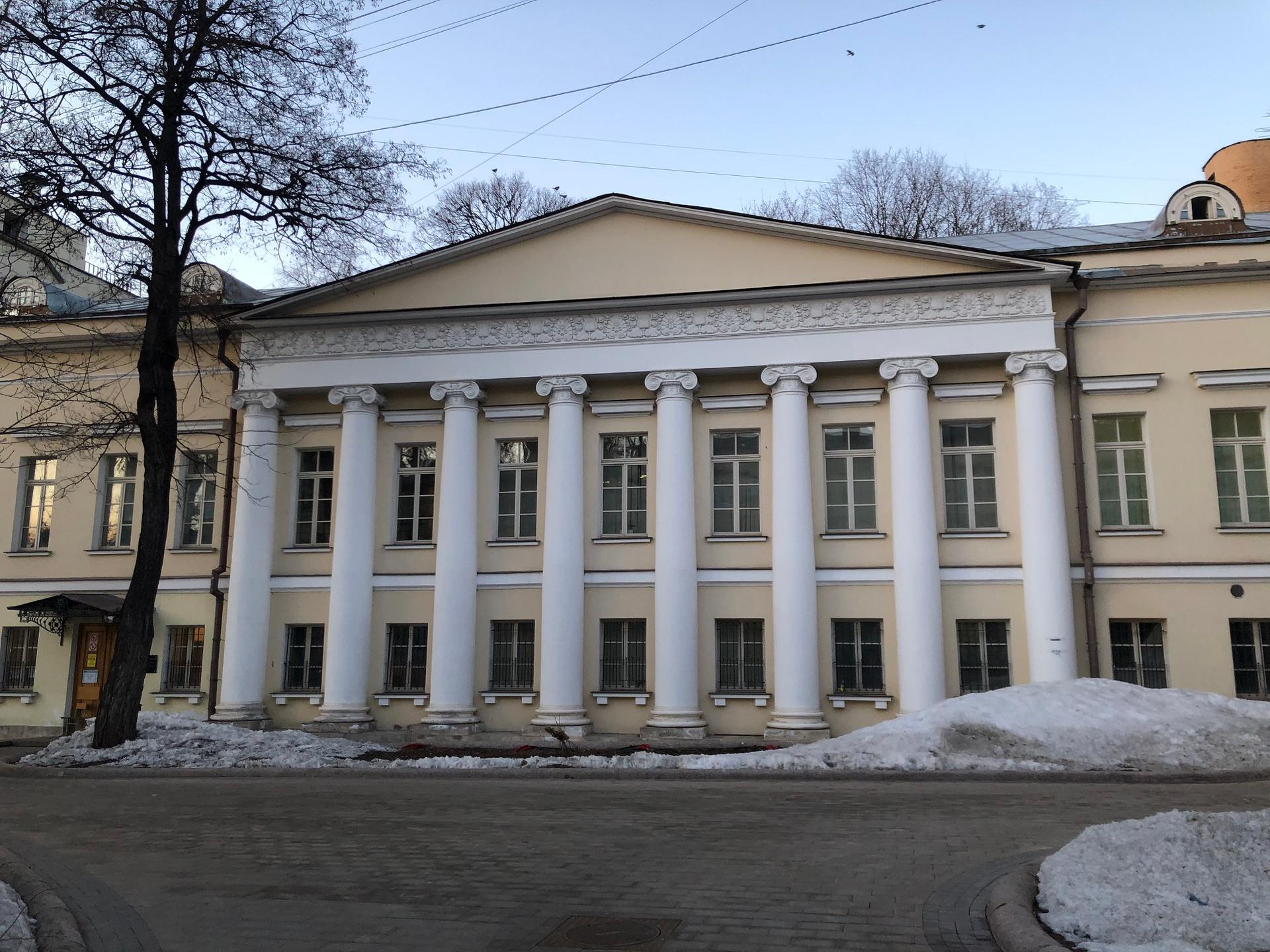
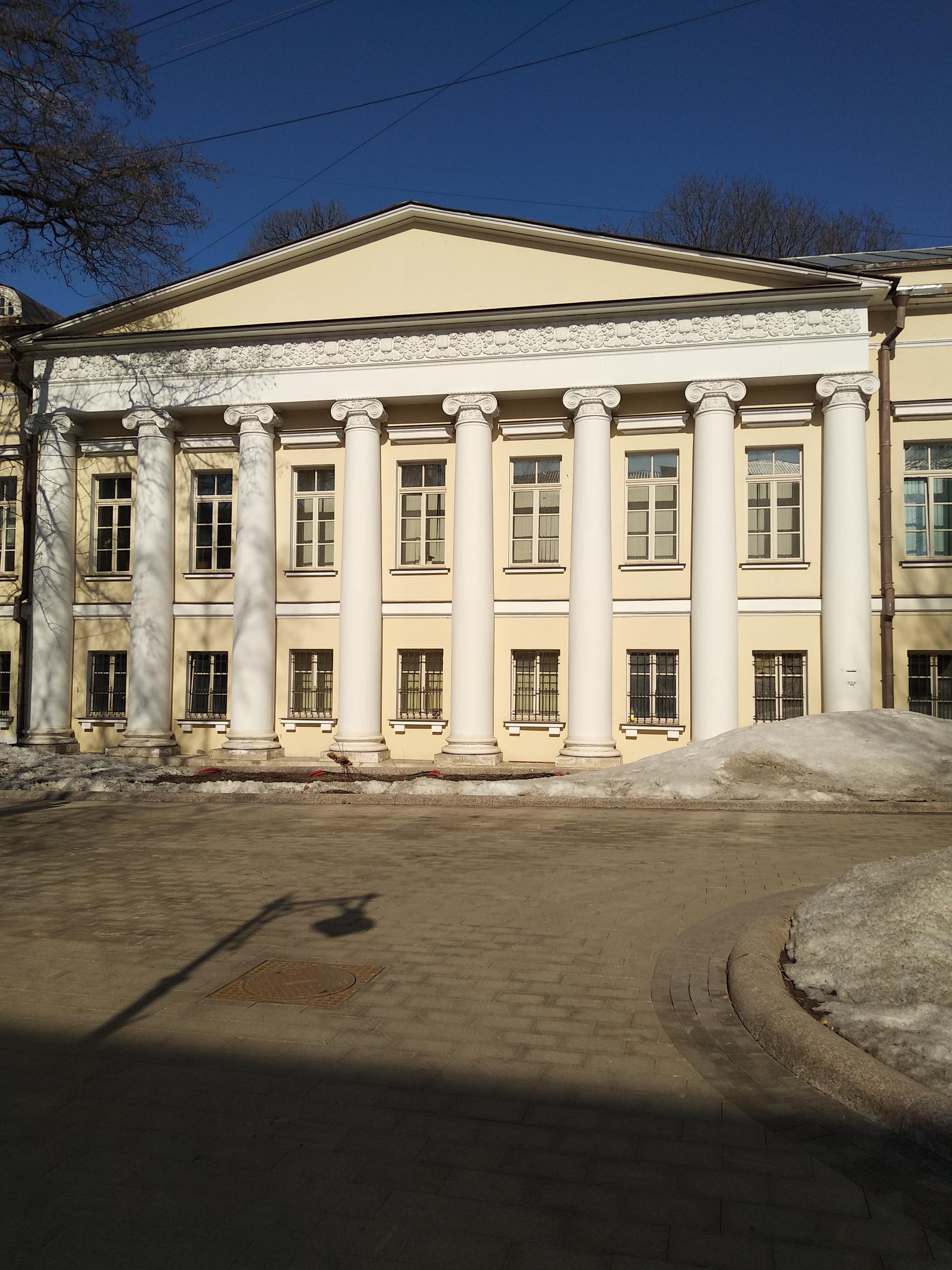
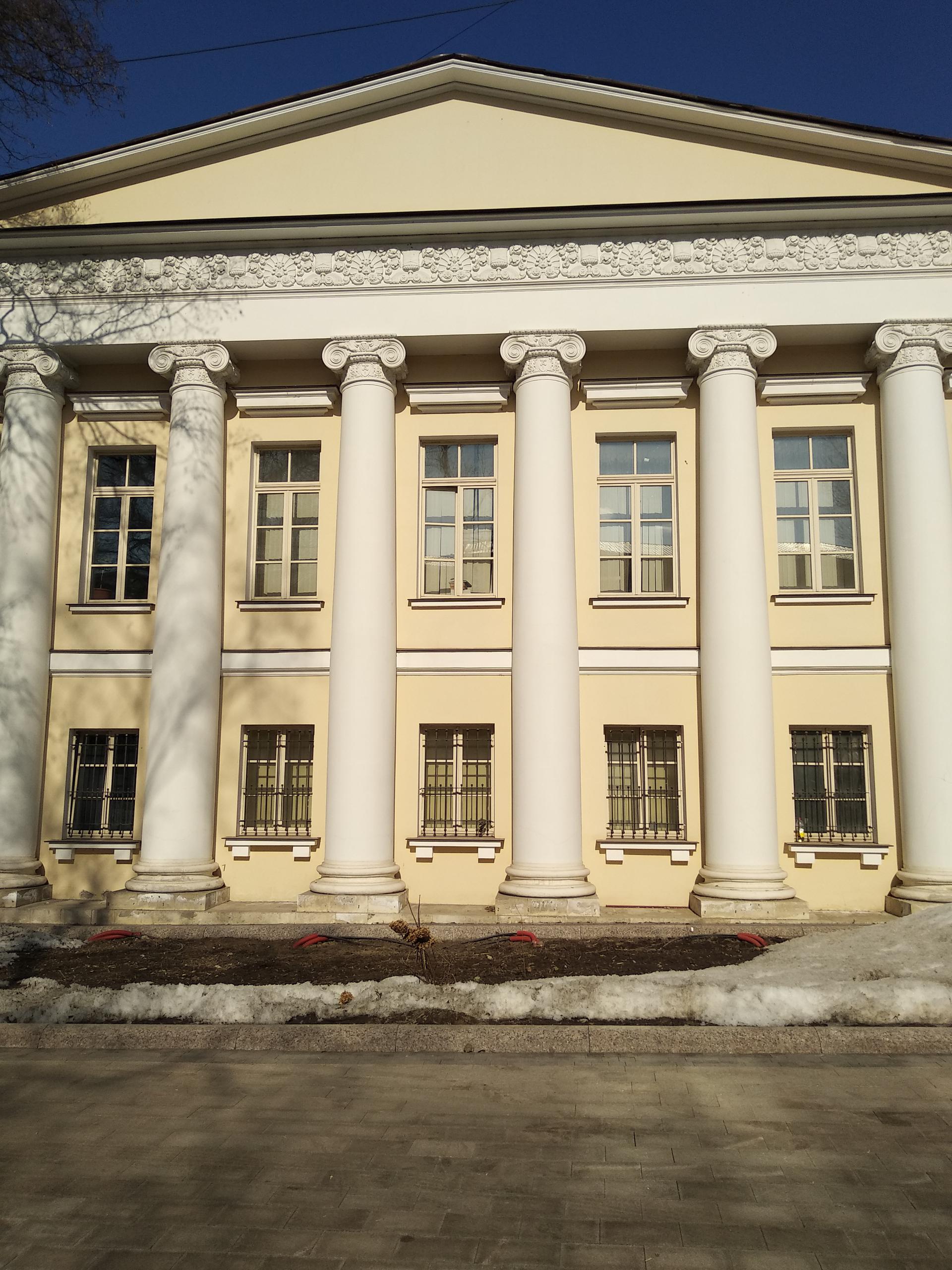
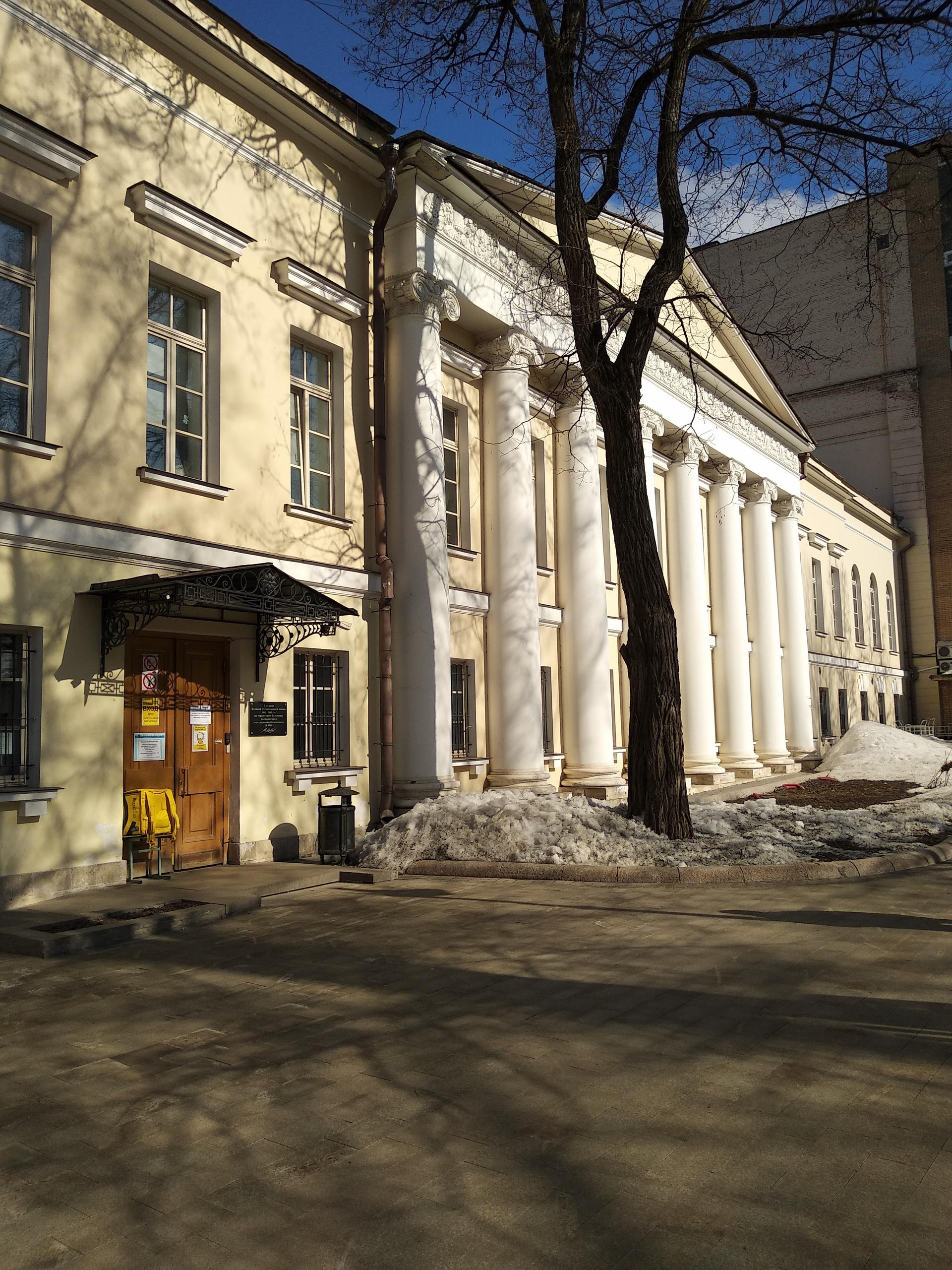
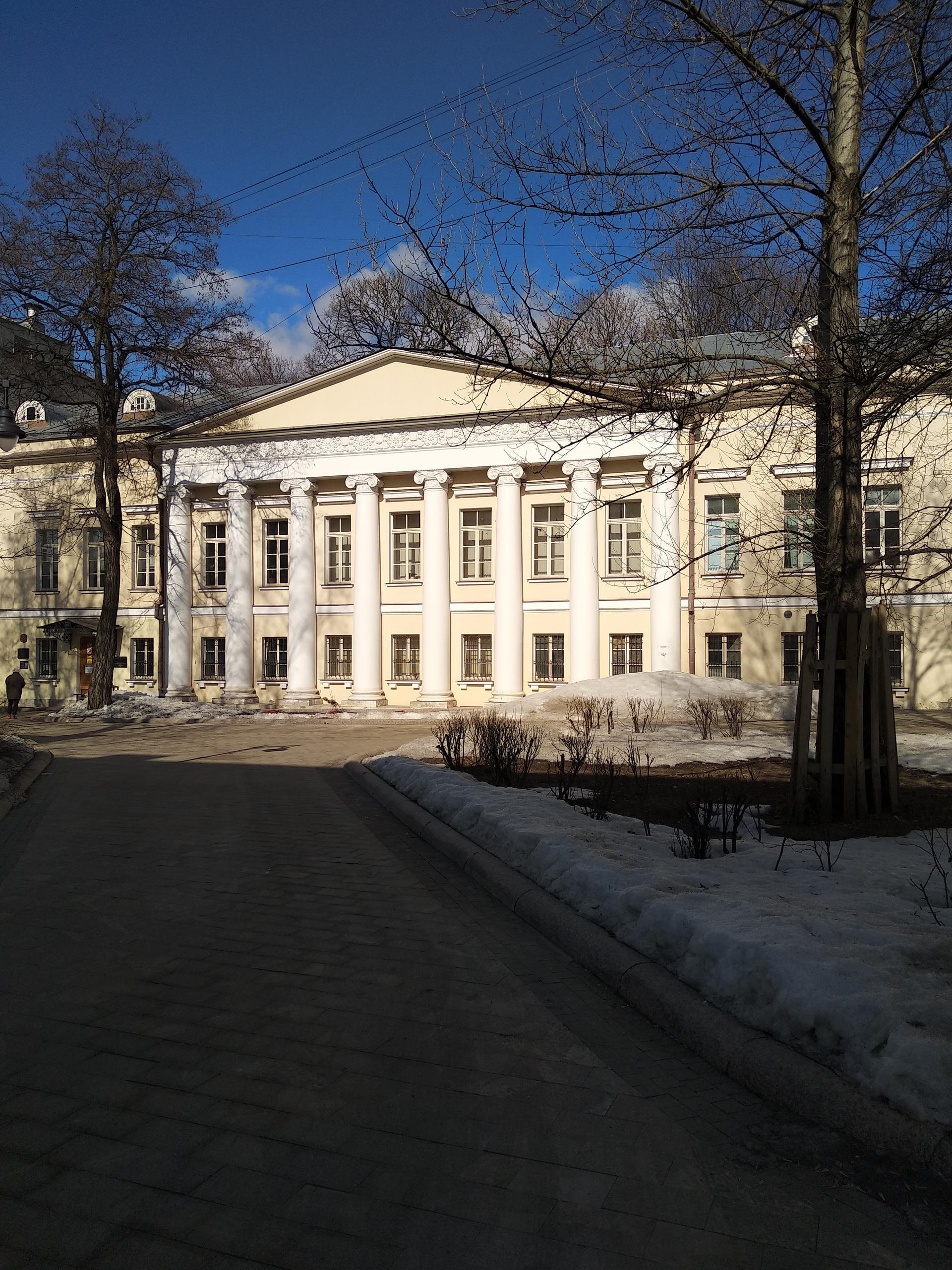
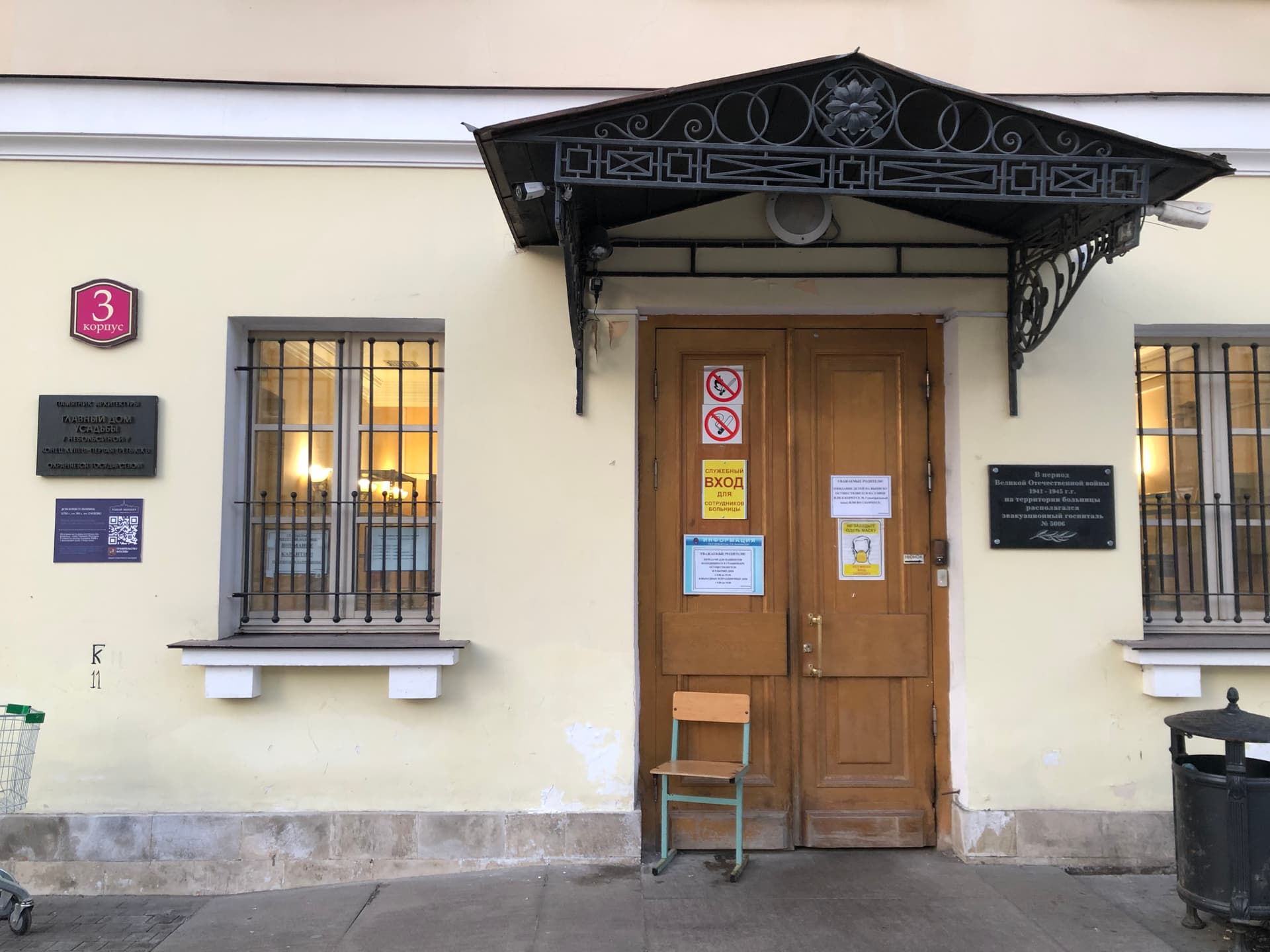
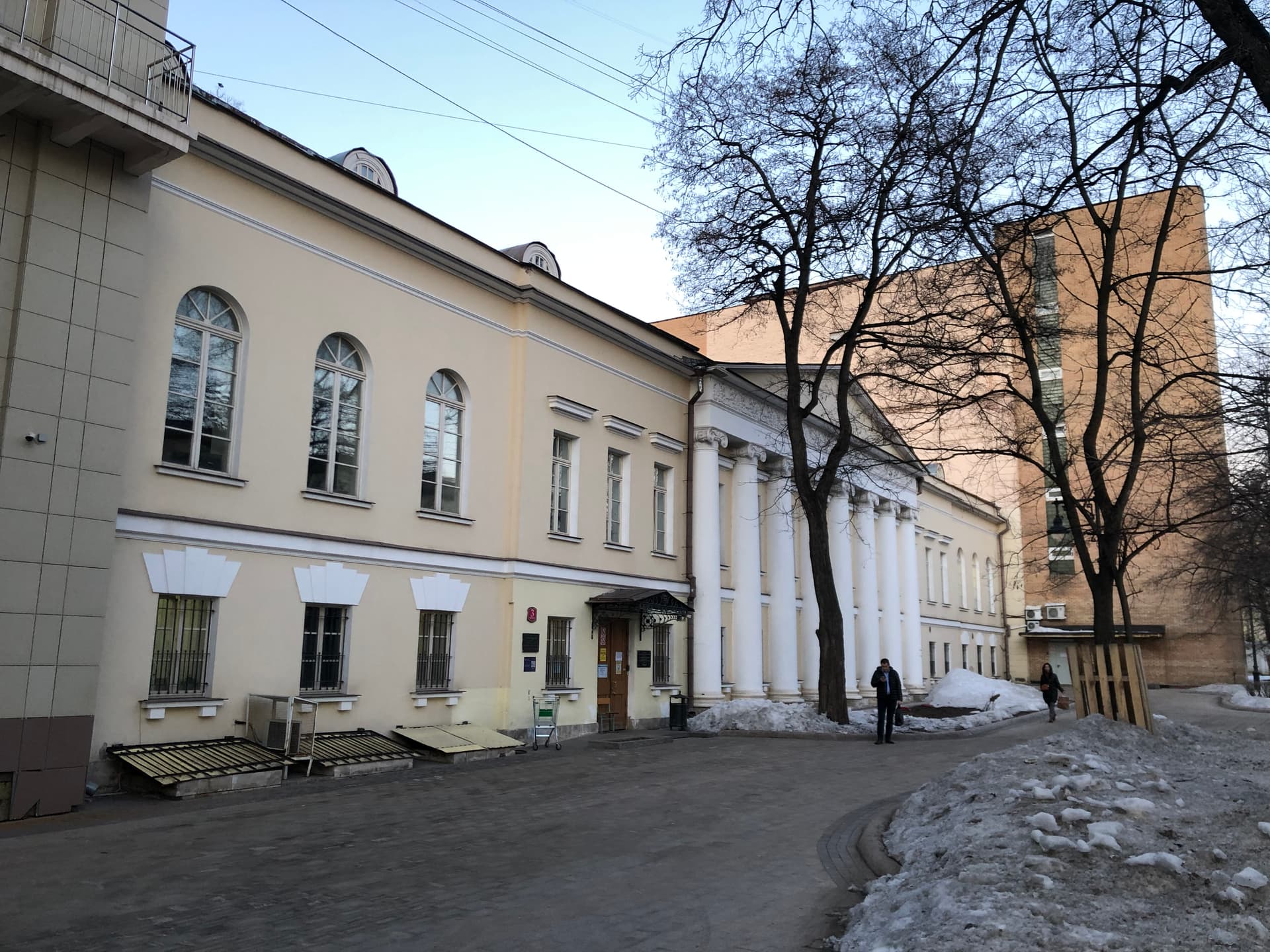
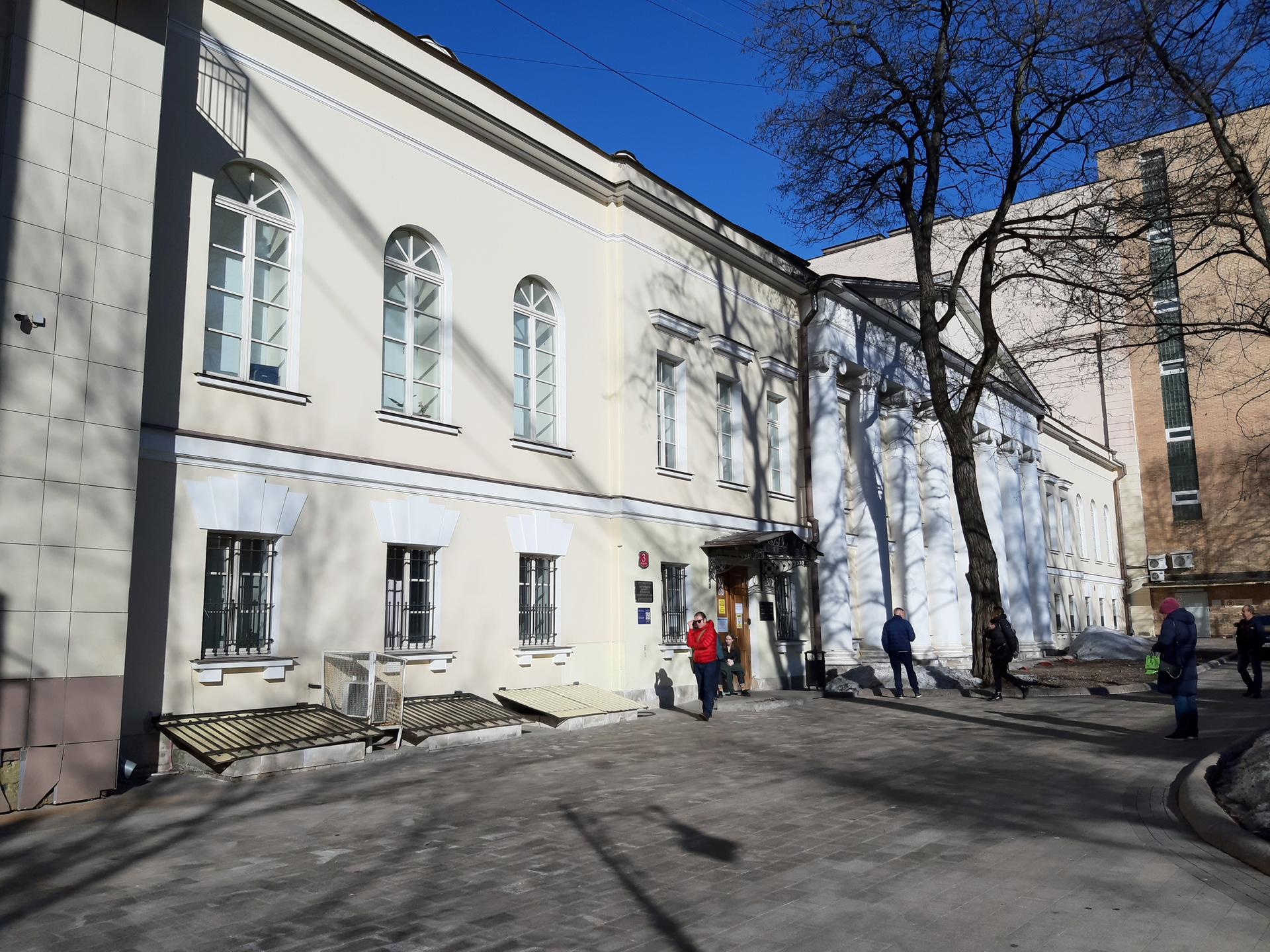
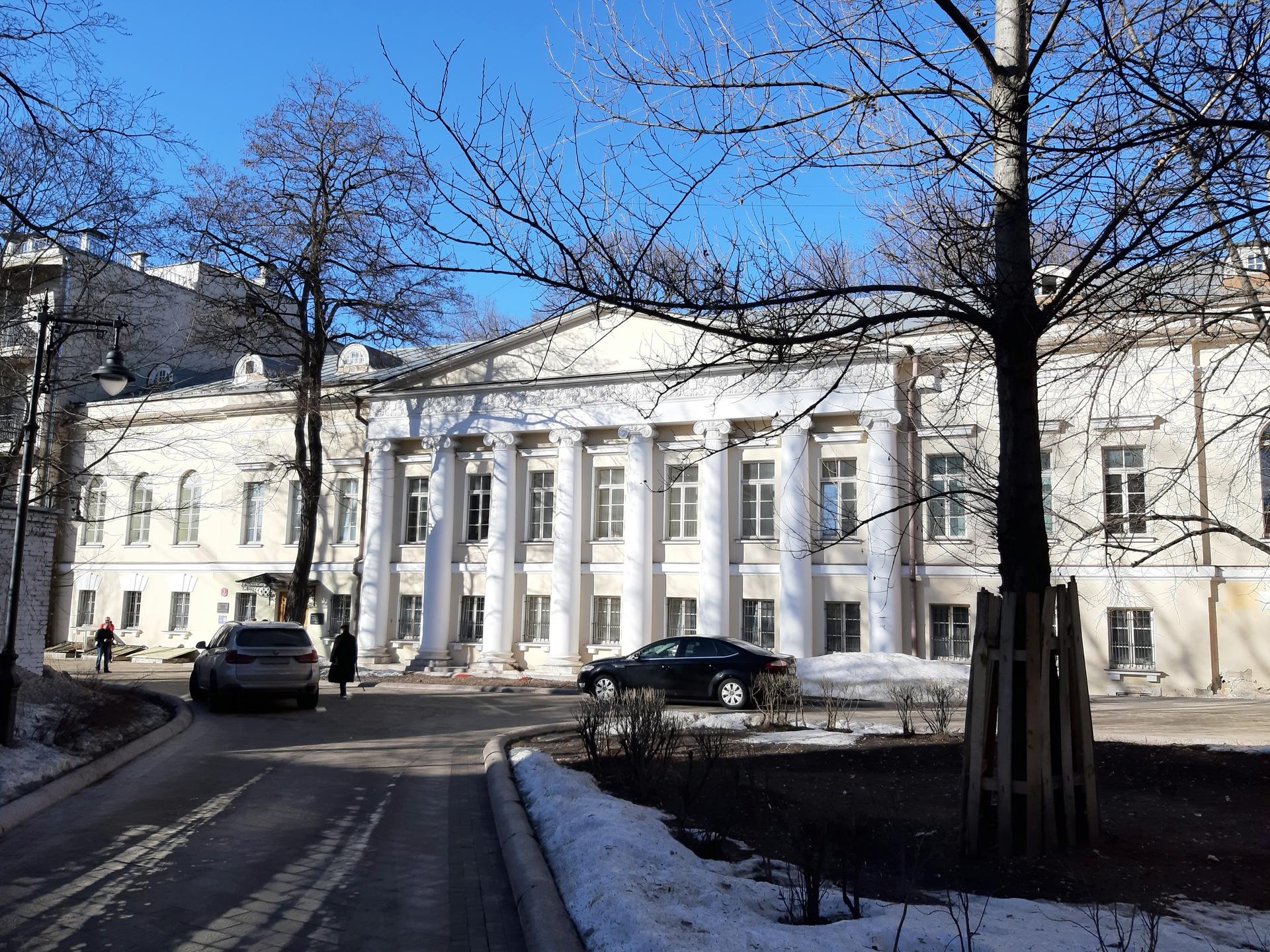
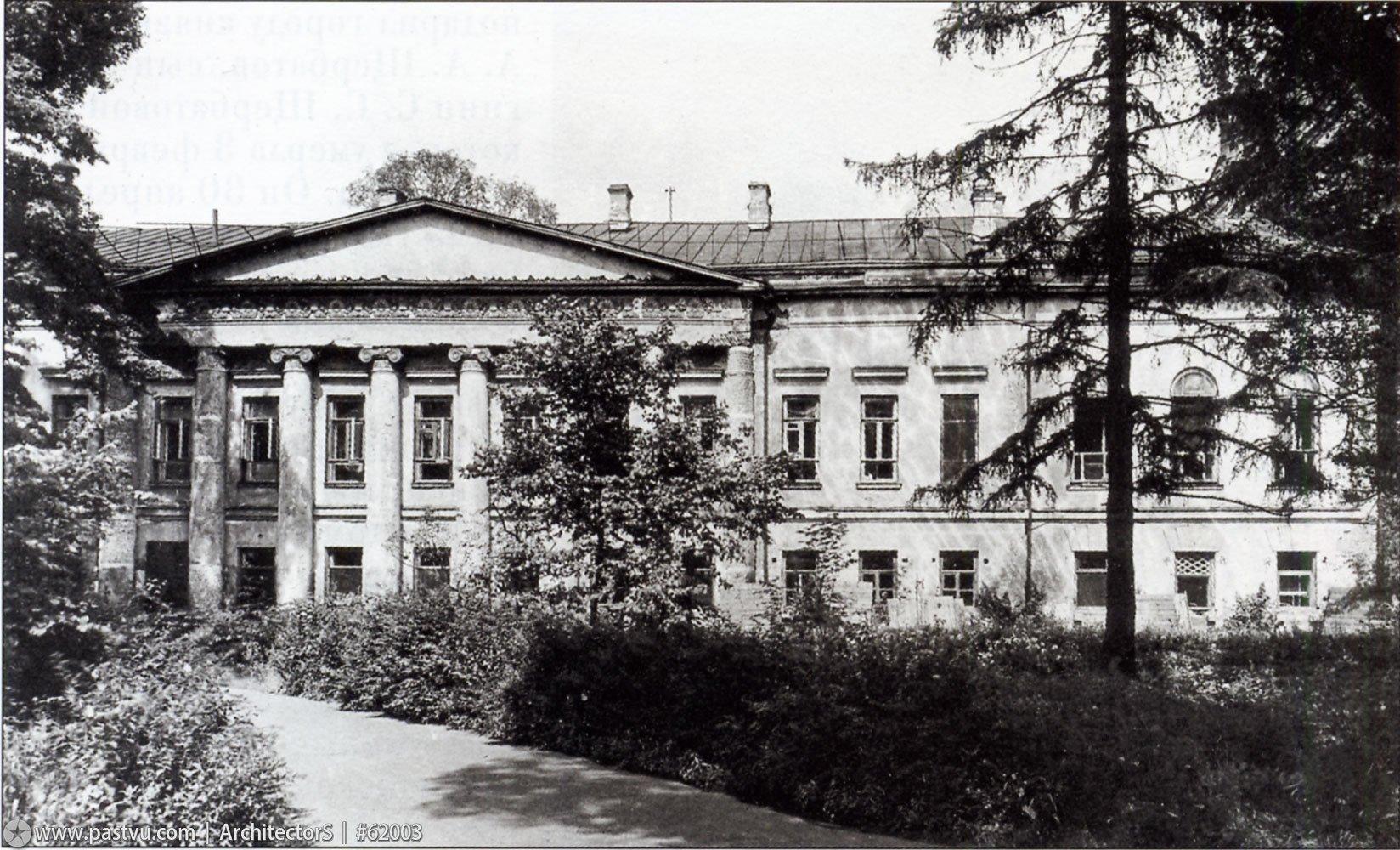
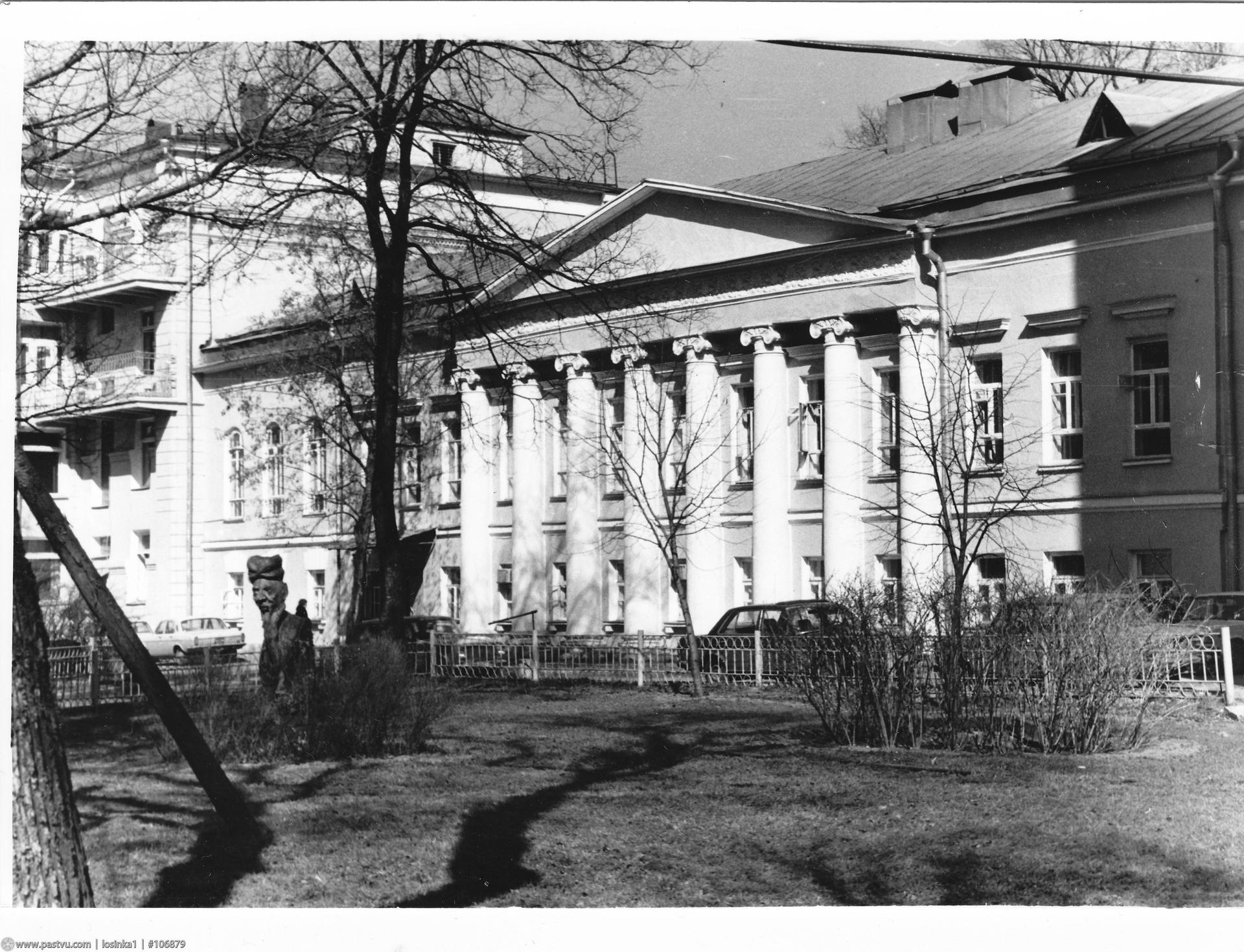
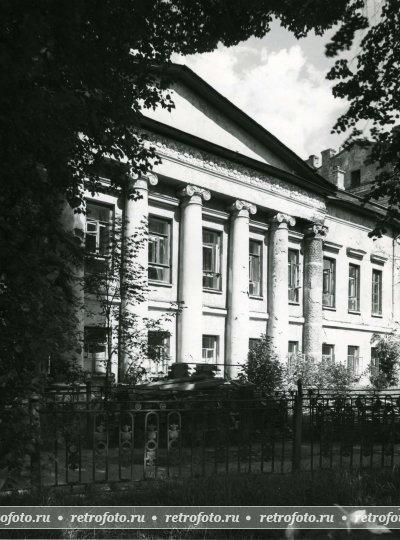
На территории детской больницы имени Филатова находятся два дома, являющихся памятниками архитектуры. Один – деревянный одноэтажный – выходит на красную линию улицы (стр. 1), другой – каменный двухэтажный – cтоит в глубине двора. Оба имеют один адрес, и зачастую их истории путают, соединяя в одну. Но судьба у домов была разная.
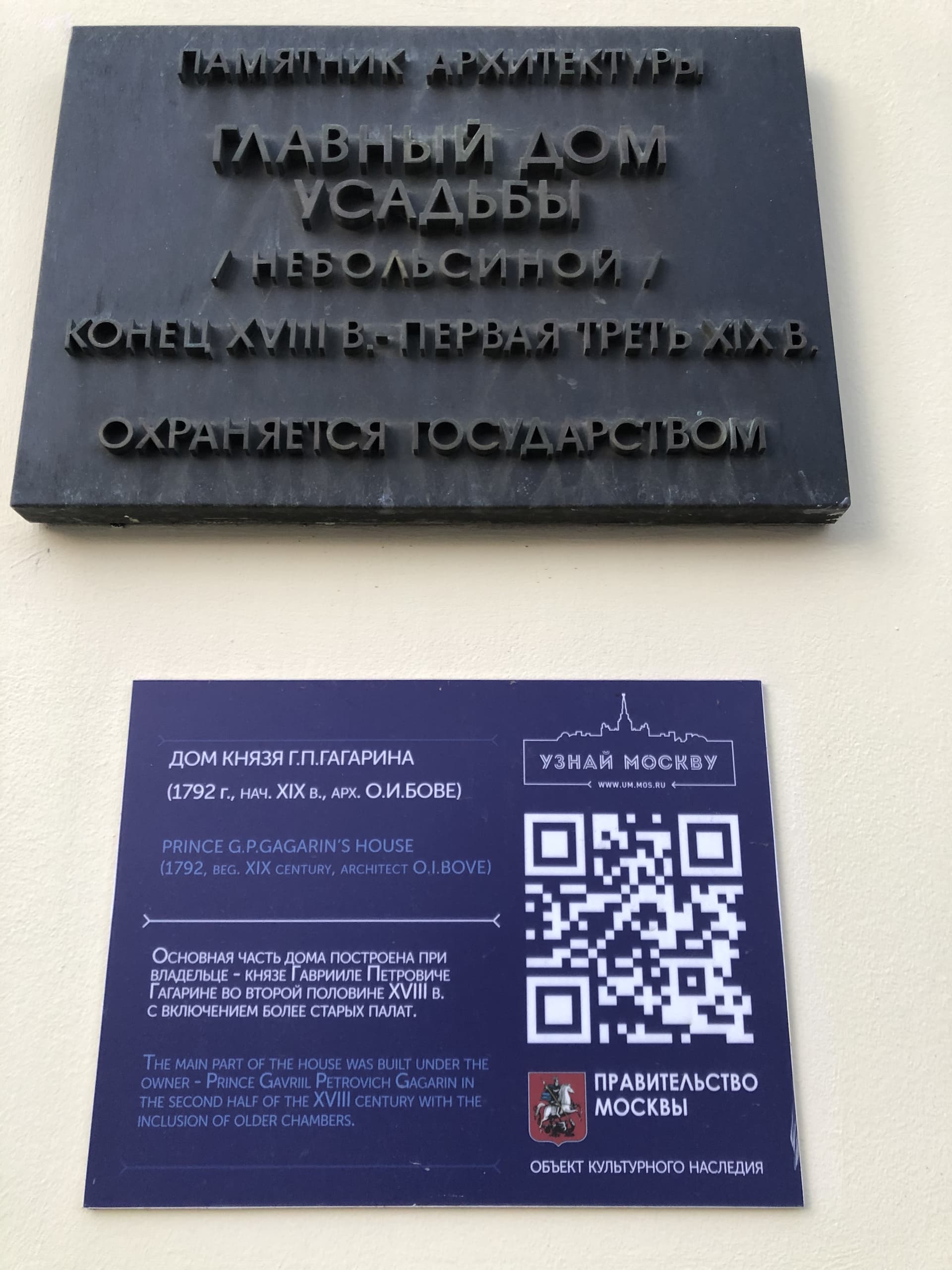
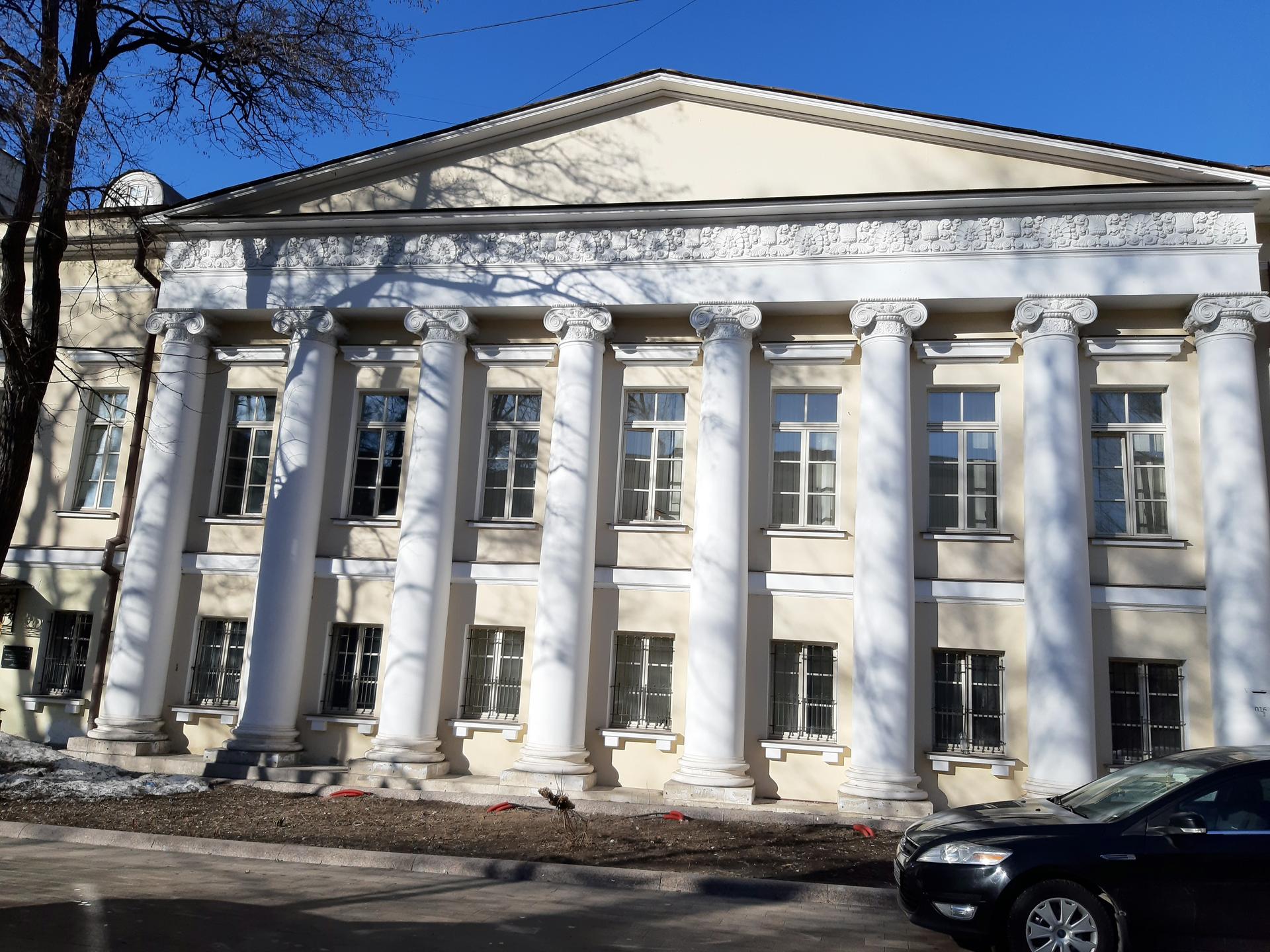
Дом в глубине владения, невидимый с улицы, был частью большой усадьбы князя Александра Яковлевича Урусова, сложившейся в первой половине XVIII века. Парадным двором усадьба обращена не к Земляному валу, а к Пресненским прудам, имевшим тогда бо́льшую значимость. Основная часть дома построена при следующем владельце князе, масоне Гаврииле Петровиче Гагарине во второй половине XVIII века с включением более старых палат. В 1811 году после смерти Гагарина обширное владение было продано гражданскому губернатору Москвы, попечителю первой детской больницы на Малой Бронной Николаю Андреевичу Небольсину. Главный дом усадьбы, переживший пожар 1812 года, был перестроен архитектором О.И. Бове с привнесением ампирных черт: портика из восьми ионических полуколонн, элементов декора.
В 1848 году усадьба была продана графу Андрею Федоровичу Ростопчину и его жене поэтессе Евдокии Петровне, урожденной Сушковой. Дом вновь подвергся переделкам, в том числе и второй этаж, где разместилась публичная картинная галерея Ростопчина.
С 1852 года здесь надолго поселилась известная московская благотворительница, учредительница Дамского попечительства о бедных, княгиня София Степановна Щербатова. Усадьбу она завещала своим шестерым детям, одним из которых был московский городской голова Александр Алексеевич Щербатов. Он, от имени всех наследников, передал усадьбу в дар городу для устройства в ней детской больницы. И в 1897 году сюда переехала Бронная детская больница, ставшая теперь Софийской в память о княгине Софии Щербатовой.
В следующем году для расширения территории больницей была куплена граничащая с ней усадьба Протковой‑Коншиной; и деревянный дом (стр. 1), стоящий на линии улицы, стал частью больничных владений. Со временем на территории больницы выстроили новые лечебные корпуса.
С 1922 года это детская городская клиническая больница имени Нила Федоровича Филатова. Дом княгини С.С. Щербатовой является её главным корпусом.
The building located in the depth of the property, invisible from the street, was part of Prince Alexander Yakovlevich Urusov’s large estate prevailing in the first half of the XVIII century. Front yard manor is overlooking the Presnenskiy ponds which were of the greater importance then Zemlyanoy val street at the time of the construction.
The main part of the house with the inclusion of older chambers was built during the next owner’s time. The next owner was Prince Gabriel Petrovich Gagarin, the Mason. He owned the estate in the second half of the XVIII century. Nikolai Andreyevich Nebolsin, the civil governor of Moscow, the trustee of the first children's hospital in Malaya Bronnaya acquired the extensive property after the death of Gagarin in 1811. Main House survived the fire of 1812 and was rebuilt by the architect O. Beauvais with the introduction of the Empire style features: the portico of eight Ionic half-columns and other decorative elements.
The estate was sold to Count Andrei Fyodorovich Rostopchin and his wife Evdokia Petrovna, the poet, born Sushkova in 1848. The house was again subjected to alterations, including the second floor, which houses the Public Art Gallery of Rostopchin.
Princess Sophia Stepanivna Shcherbatova, the Known Moscow philanthropist, the founder of Ladies' guardianship of the poor settled here for a long time since 1852. She bequeathed the estate to her six children, one of whom was Moscow Mayor Alexander Shcherbatov. He passed the estate to the city for children's hospital on behalf of all the heirs. Bronnaja Children's Hospital which currently called Sofiyskaya in memory of Princess Sofia Scherbatova moved here in 1897.
Bordering manor of Protkova-Konshina was purchased the next year to expand the territory of the hospital, and the wooden house (building 1), standing on the street line became part of the hospital property. Over time, the hospital built new medical buildings.
City Children's Hospital was re-named in honor of Nile Fedorovich Filatov since 1922 and the house of Princess Scherbatova is its main body.