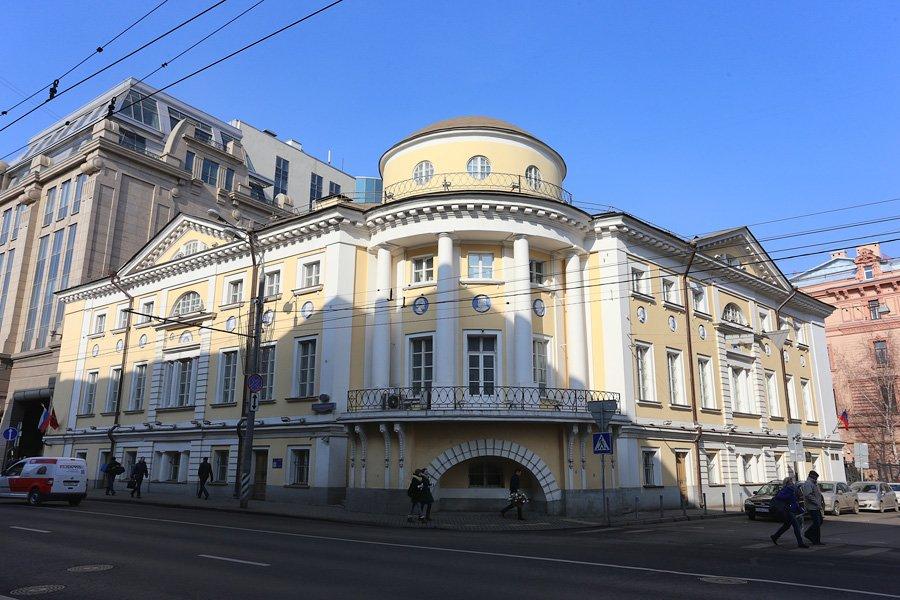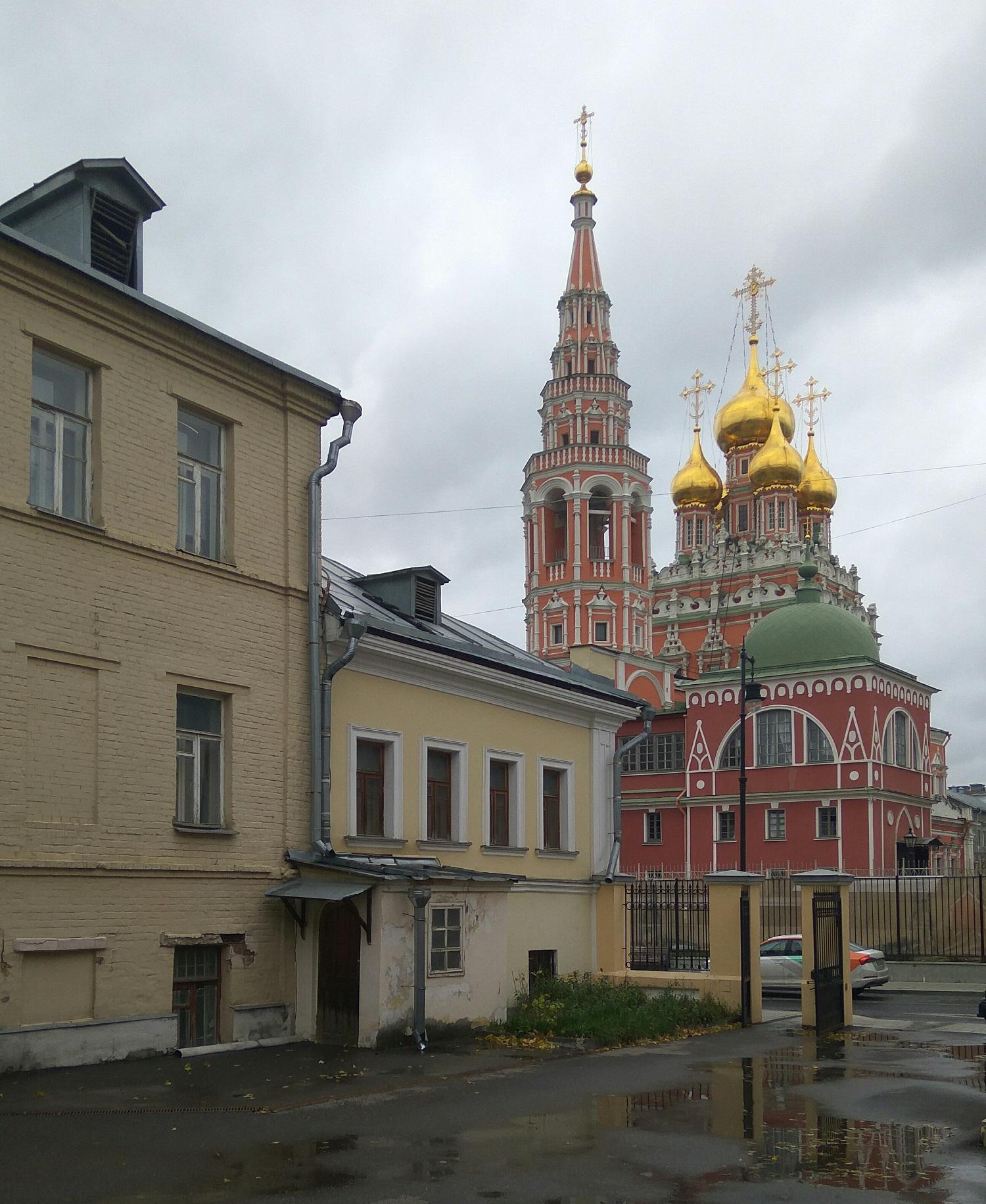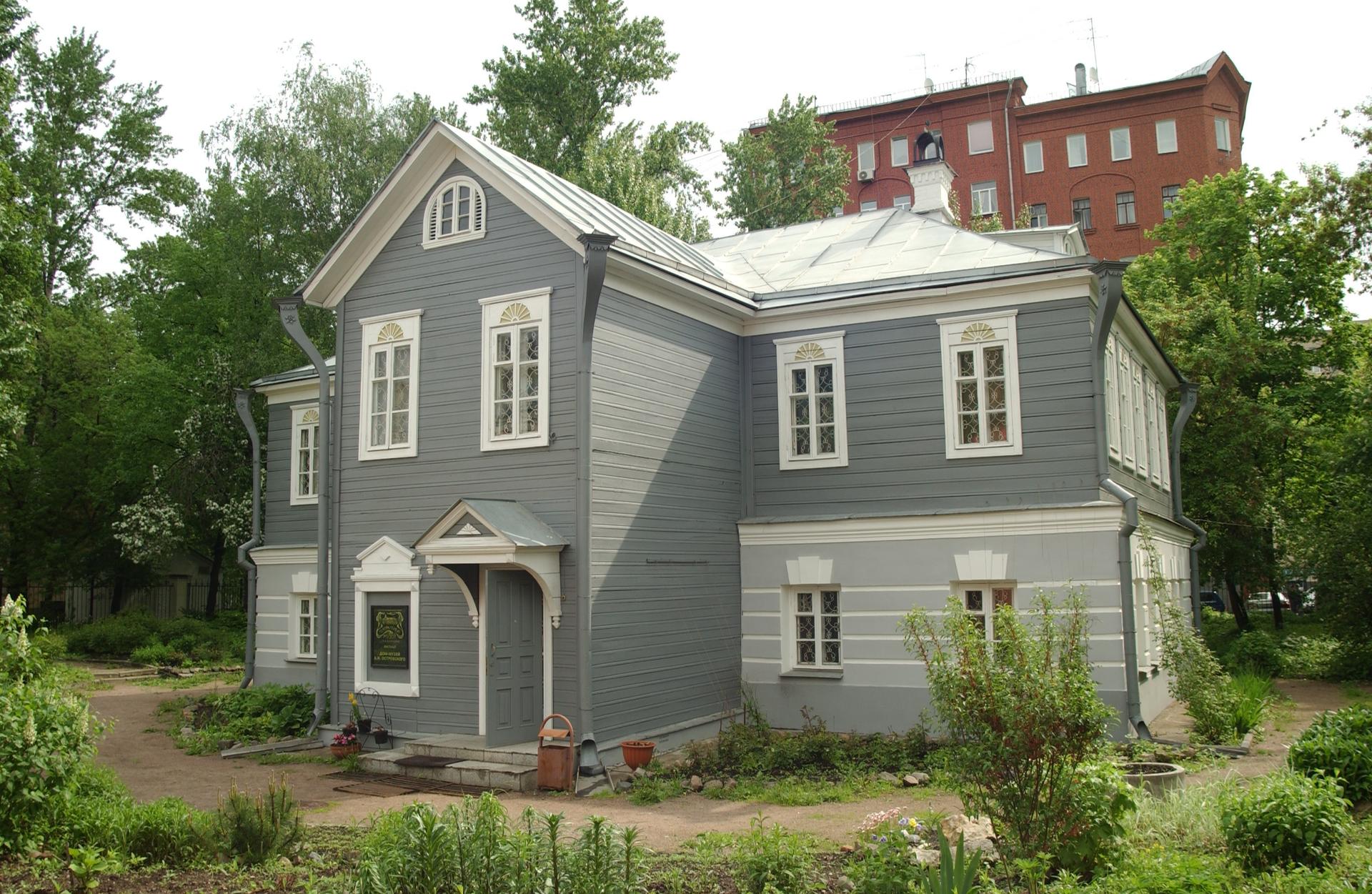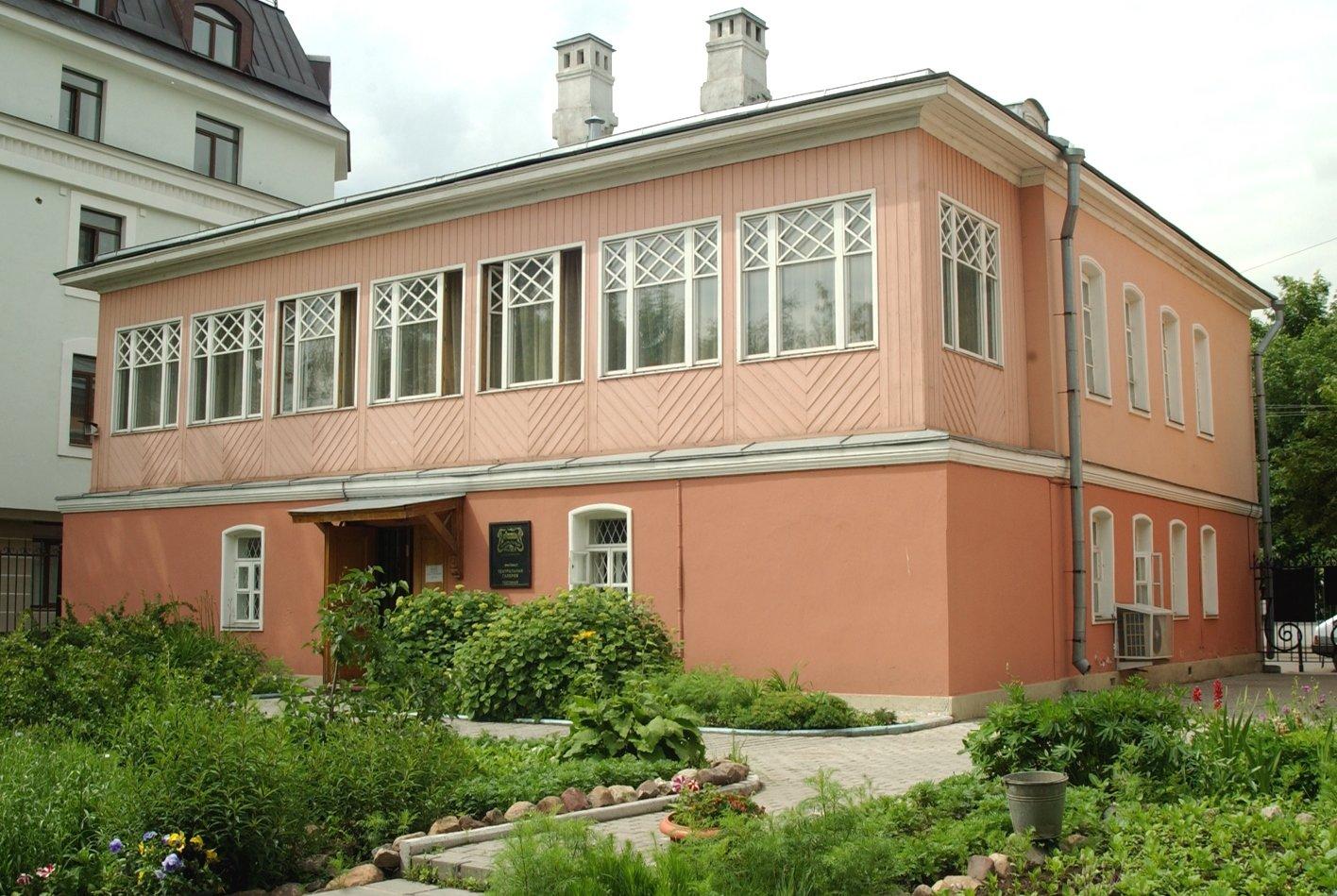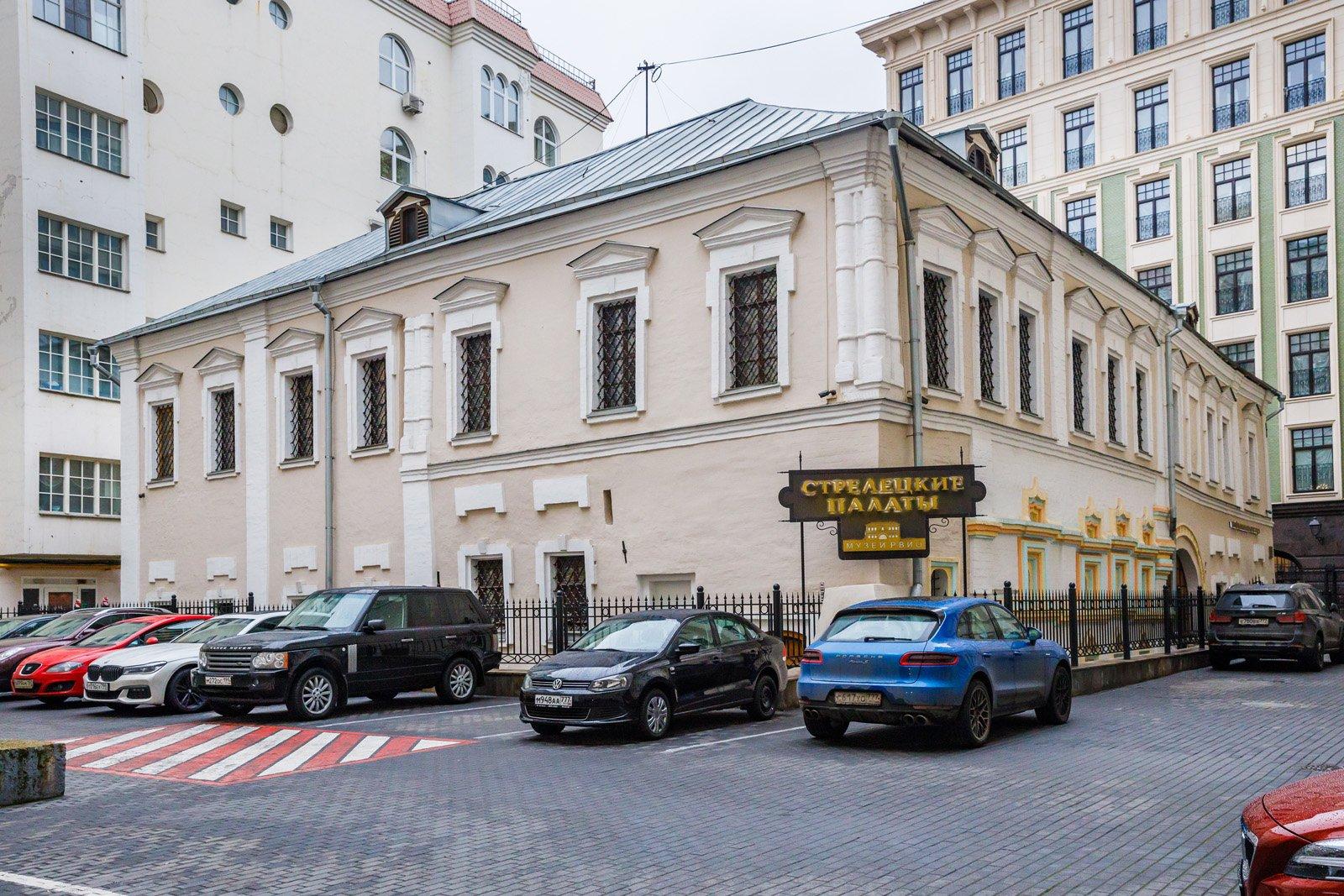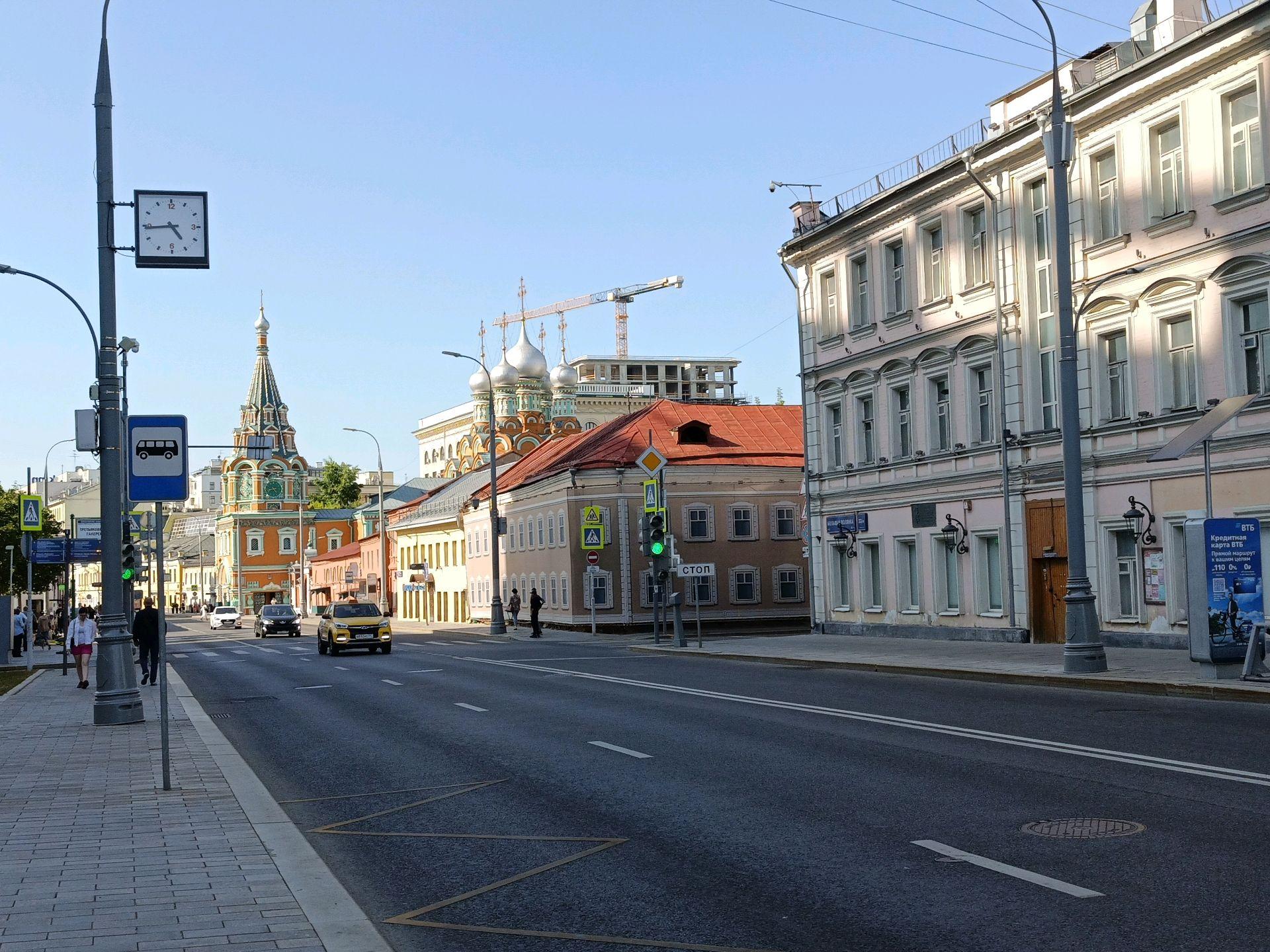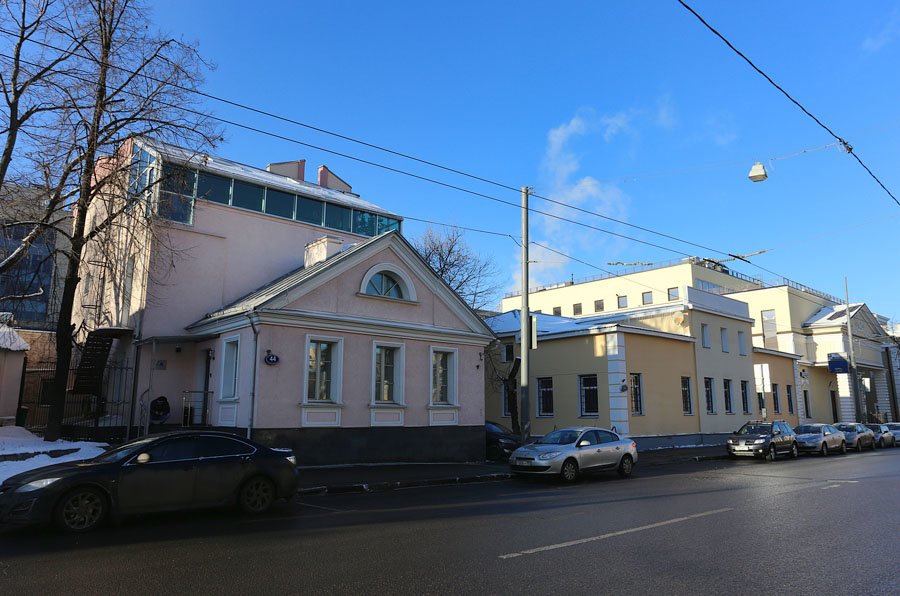
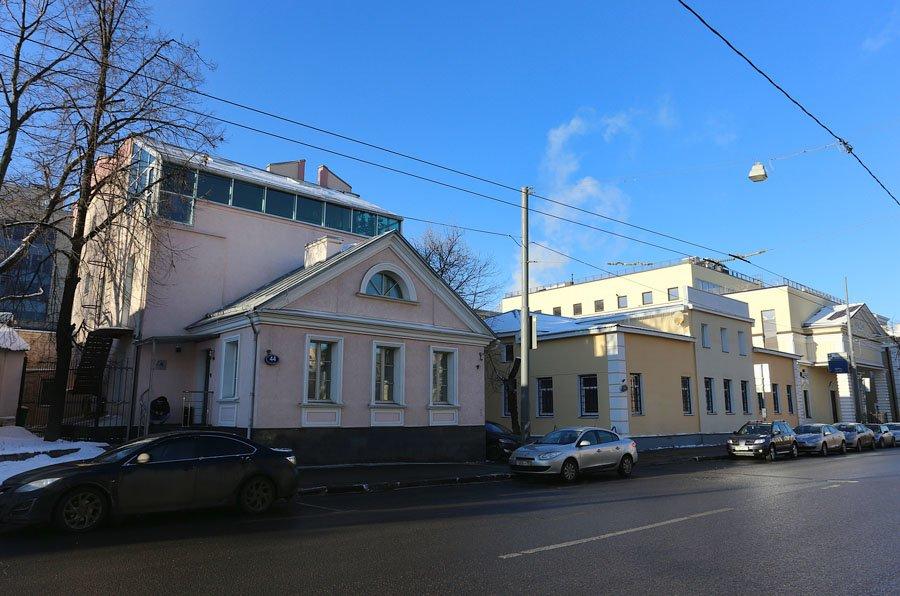
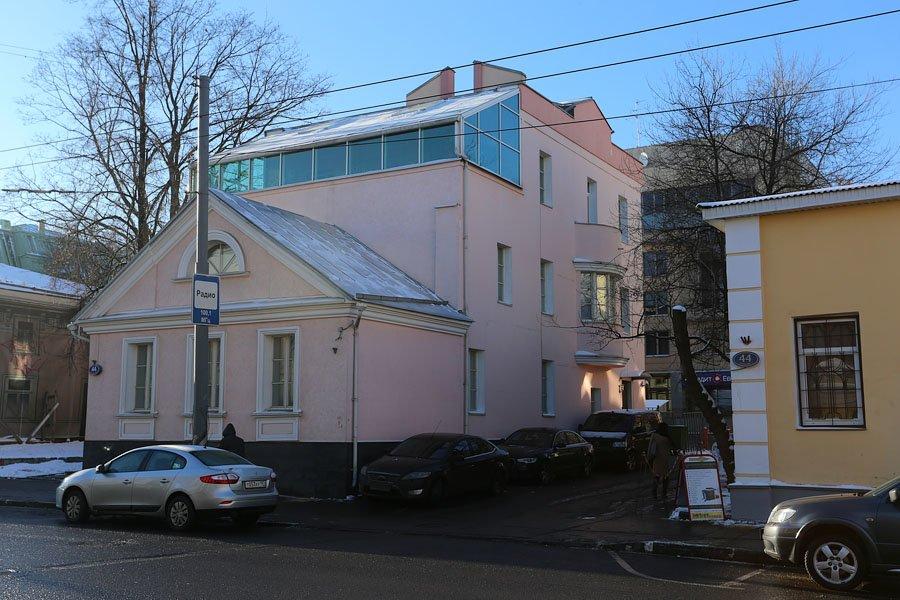
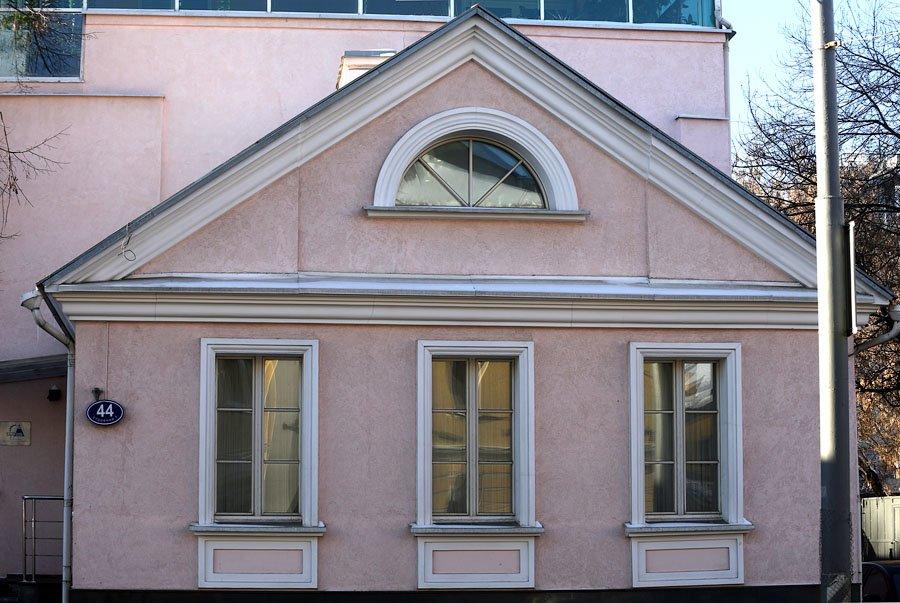
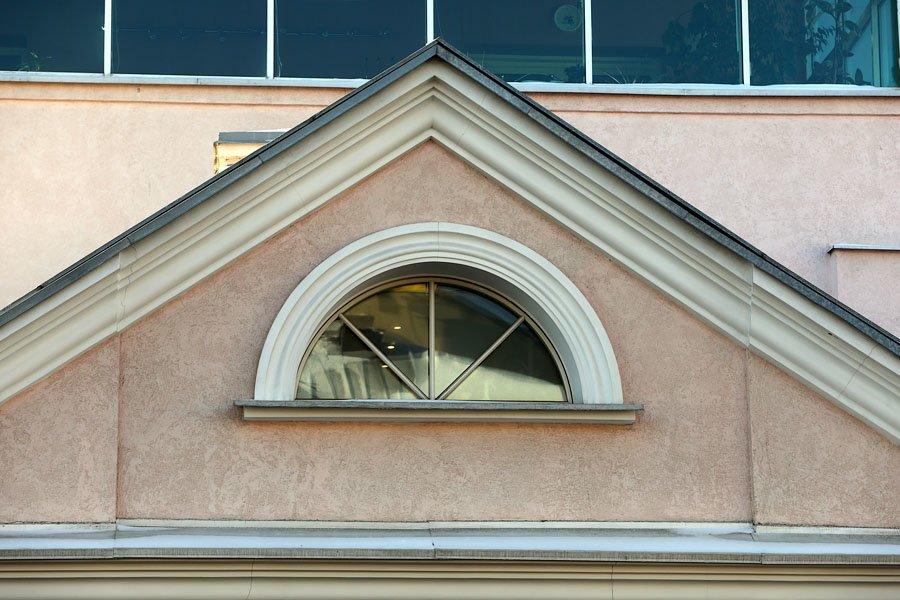
Усадьба на Большой Ордынке принадлежала поручику лейб-гвардии Семеновского полка Степану Бибикову, а составляли ее владения 42 и 44. Существующий главный дом усадьбы построен вскоре после пожара 1812 года. В 1853 году владение было поделено: большая его часть принадлежала купцу Николаю Васильевичу Немирову-Колодкину, а бывший флигель стал домом московского купца Феоктистова.
Николай Васильевич Немиров родился в Вологде 18 апреля 1819 года в семье православных мещан. В своём родном городе Немиров обучался мастерству серебряного дела, после чего уже сложившимся специалистом переехал в Москву. Поселившись в доме купца Голяшкина на Пятницкой улице, неподалеку от церкви св. Троицы в Вишняках, он обосновался среди «московских мещан». Почти десятилетие Николай Васильевич прослужил приказчиком у купца Ивана Ивановича Колодкина, который владел несколькими лавками в Серебряном ряду на Ильинке. Колодкин, знаток серебряного дела, имевший обширный круг деловых знакомств среди мастеров-серебряников и ювелиров, был старше Немирова почти на четверть века. Между ними сложились настолько доверительные отношения, что Иван Иванович решил сделать приказчика партнёром и передать ему своё дело. Тогда же Московским магистратом было одобрено прошение Николая Васильевича Немирова именоваться Немировым-Колодкиным. Но всё это время его не покидала мысль открыть своё собственное дело. Поэтому Николай Васильевич терпеливо собирал деньги, в чём ему помогала супруга Дарья Артемьевна.
Так в скором времени Немиров-Колодкин открыл собственную ювелирную лавку. Его помощниками стали племянники из Вологды. Через несколько лет общими усилиями они открыли небольшую ювелирную мастерскую. Рос круг клиентуры, в том числе, за счёт представителей богатейших фамилий обеих столиц. Через некоторое время Немиров-Колодкин владел уже фабрикой по производству золотых и серебряных изделий. А в 1883 же году был учрежден торговый дом «Н. В. Немиров-Колодкин», а сам Николай Васильевич получил звание потомственного почетного гражданина. Купец активно участвовал в благотворительной деятельности, за что был награжден орденами. Он много жертвовал на образование, не забывая и о своей малой родине - Вологде.
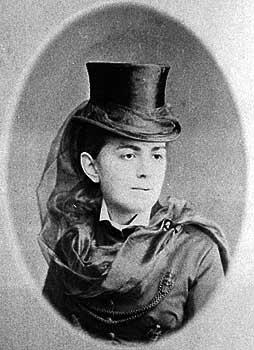
Дом на Большой Ордынке Николай Васильевич обустраивал на собственный вкус. Лучшим художникам были заказаны портреты самого Немирова-Колодкина и его супруги, помещение было обставлено дорогой мебелью из красного дерева.
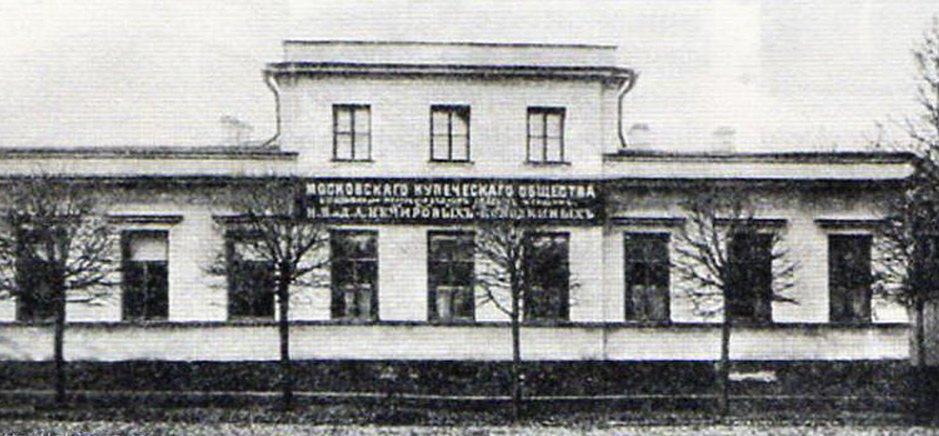
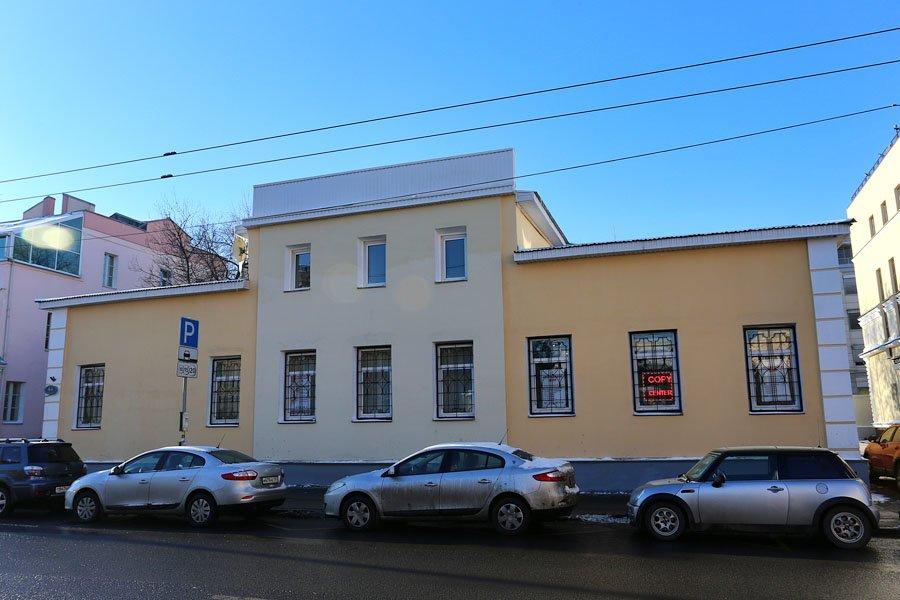
В 1886 году Николай Васильевич умер. В завещании он просил, чтобы в его владении открылась богадельня для слепых бедных женщин. Потому что его супруга Дарья Артемьевна ослепла. Так здесь появилась богадельня имени Николая Васильевича и Дарьи Артемьевны Немировых-Колодкиных, которая просуществовала до 1917 года. В советское время в бывших зданиях богадельни были устроены квартиры для рабочих, а в 1990-х годах фасад главного дома усадьбы 44 был сильно искажен и сегодня не несет никаких декоративных архитектурных элементов. Тогда же был снесен южный флигель усадьбы, а на его месте возникло бетонное здание. Летом 2011 года снесли и другой флигель усадьбы – дом Феоктистова.
Manor on the Bolshaya Ordynka belonged to Lieutenant Guards Semenov regiment Stepan Bibikov, and its possessions were at the place of the current number 42 and 44. The existing main manor house built shortly after the fire of 1812. In 1853, property was divided: a large part of it belonged to the merchant Nikolai Vasilyevich Nemirova-KOLODKIN and former wing of the house became the home of the Moscow merchant Feoktistova.
Manor on the Bolshaya Ordynka belonged to Lieutenant Guards Semenov regiment Stepan Bibikov, and its possessions were at the place of the current number 42 and 44. The existing main manor house built shortly after the fire of 1812. In 1853, property was divided: a large part of it belonged to the merchant Nikolai Vasilyevich Nemirova-KOLODKIN and former wing of the house became the home of the Moscow merchant Feoktistova.
Nikolai Vasilievich Nemiroff was born in Vologda on April 18, 1819 in the family of Orthodox burghers. Nemiroff studied silversmithing skills in his hometown,and then being already established specialist moved to Moscow. He settled in the house of the merchant Golyashkina on Pyatnitskaya Street, not far from the church of St. Trinity in Vishniaci, he settled among "Moscow burghers." Nikolai served as a clerk for a merchant Ivan Kolodkina for almost a decade. Kolodkin owned several shops in the Silver arcade on Ilyink. Kolodkin, an expert silversmiths, who had a wide circle of business contacts among master silversmiths and goldsmiths, was older than Nemirov for nearly a quarter of a century. Trusting relationship developed Between them so that Ivan decided to make the clerk a partner and gave him his job. At the same time Moscow magistrate approved the petition of Nikolai Nemirova to be called Nemirov-KOLODKIN. However, all this time he did not leave the idea to open their own business. Therefore, Nikolai patiently saved money and his wife Daria Artemevna helped him.
So soon Nemiroff-Kolodkin opened his own jewelry store. His nephews from Vologda became his assistants. After a few years, they opened a small jewelry shop together. The number of their clients grew and included representatives of the rich at the expense of the names of both Russian capitals. After some time, Nemiroff-Kolodkin already owned factory for the production of gold and silver jewelry. And in 1883 the same year was established trading house "N. B. Nemiroff-Kolodkin ", and Nikolai Vasilievich received the title of hereditary honorary citizen. The merchant was actively involved in charity work, for which he was awarded with Orders. He donated a lot for education, not forgetting his native land - Vologda.
Nikolai Vasilievich decorated the house on the Bolshaya Ordynka on your own taste. The best artists were commissioned portraits of Nemirov-Kolodkin and his wife, the room was furnished with expensive furniture made of mahogany.
Nikolai died in 1886. In his will, he requested to open a hospice for the blind poor women in that his house. Because his wife Daria Artemevna was blind. So here there was a hospice named after Nikolai and Daria Artemevna Nemirova-KOLODKIN, which lasted until 1917. During the Soviet era, houses for the workers were built in the former almshouses, and in the 1990s facade of the main manor house was badly garbled and now bears no decorative architectural elements. Then the southern wing of the estate was demolished, and concrete building arose in its place. Another wing of the manor, Feoktistov’s house, was demolished In the summer of 2011.