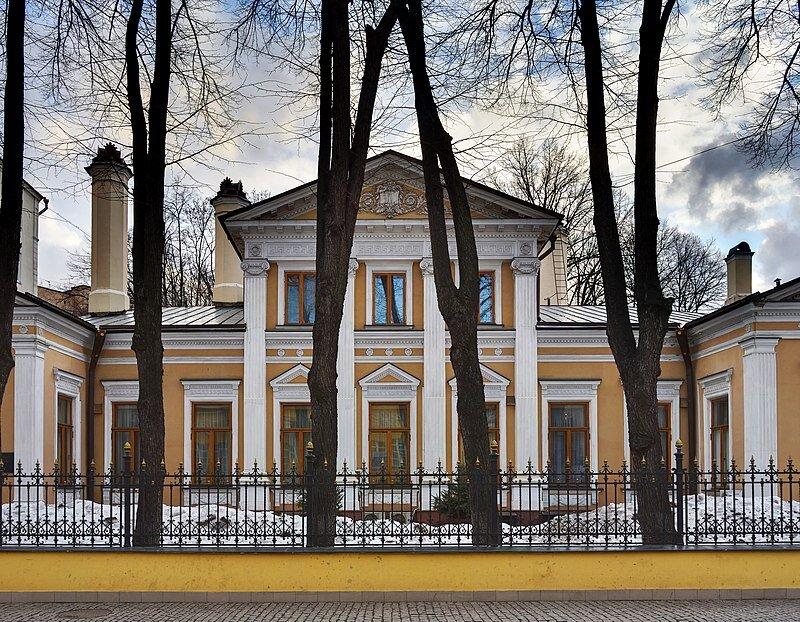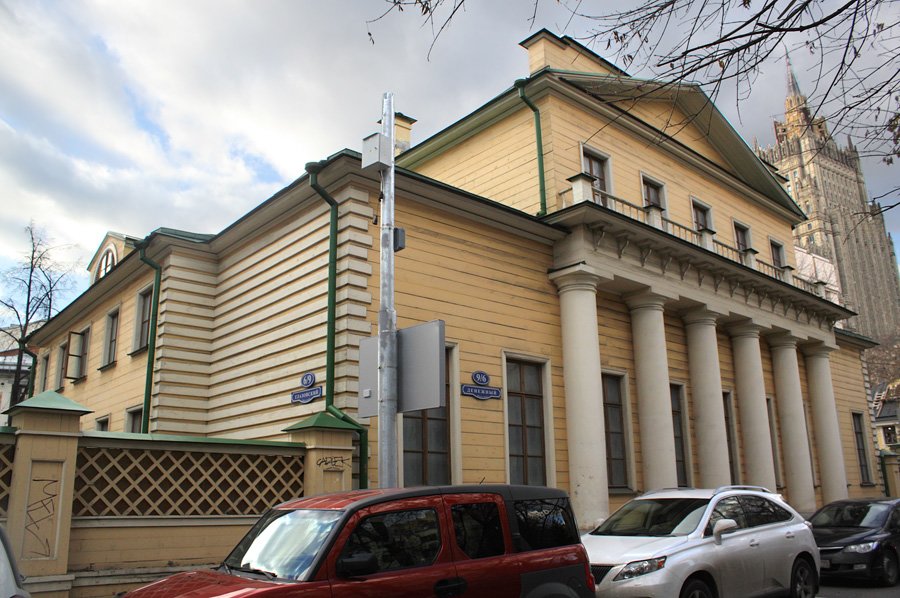
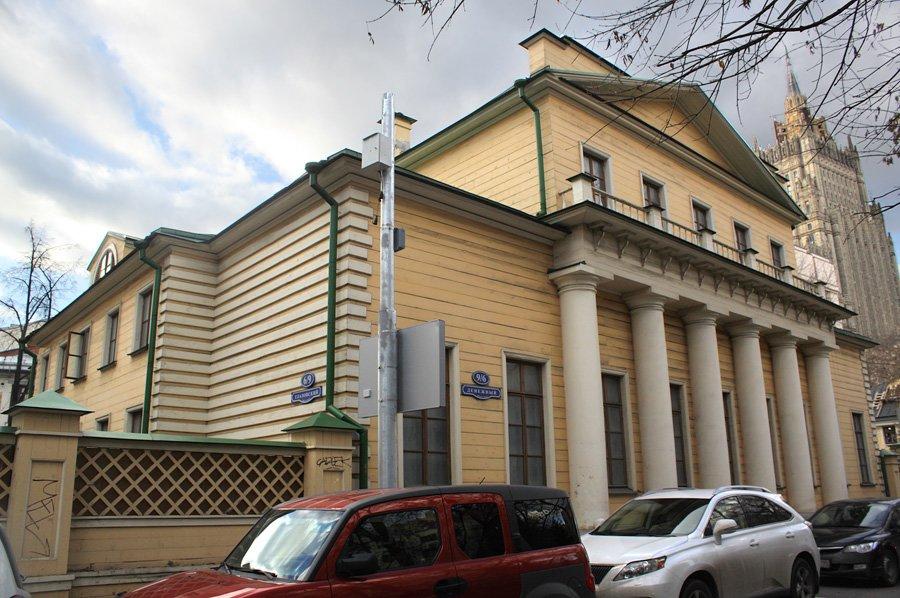
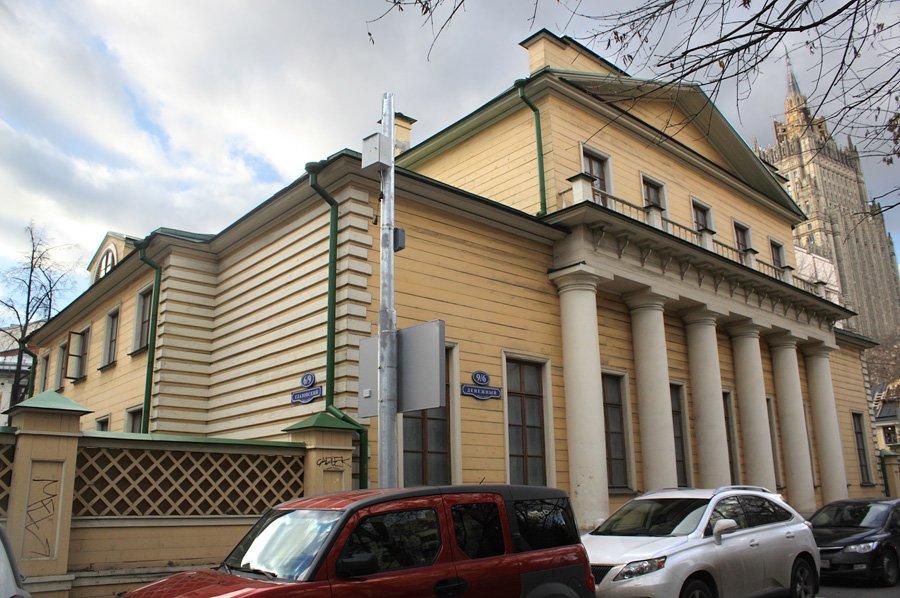
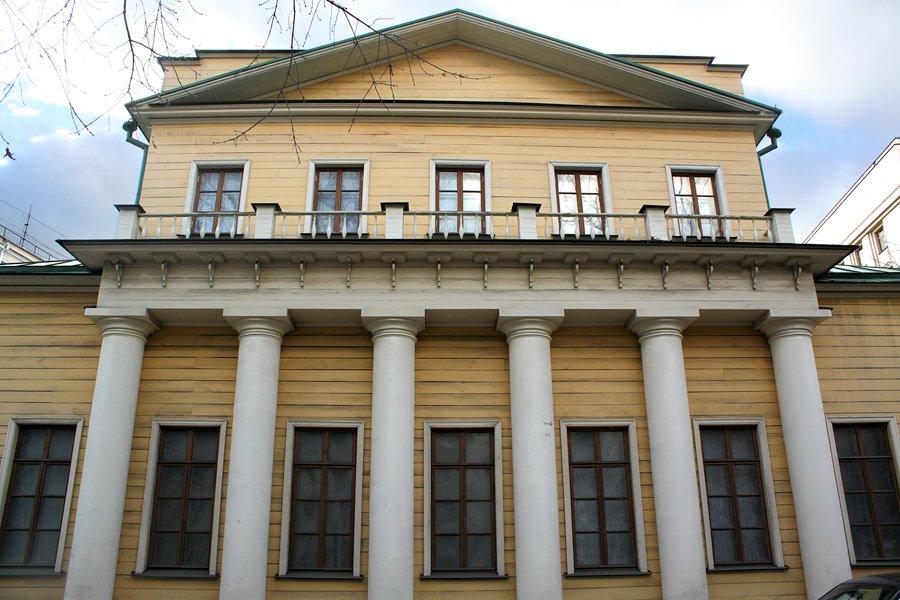
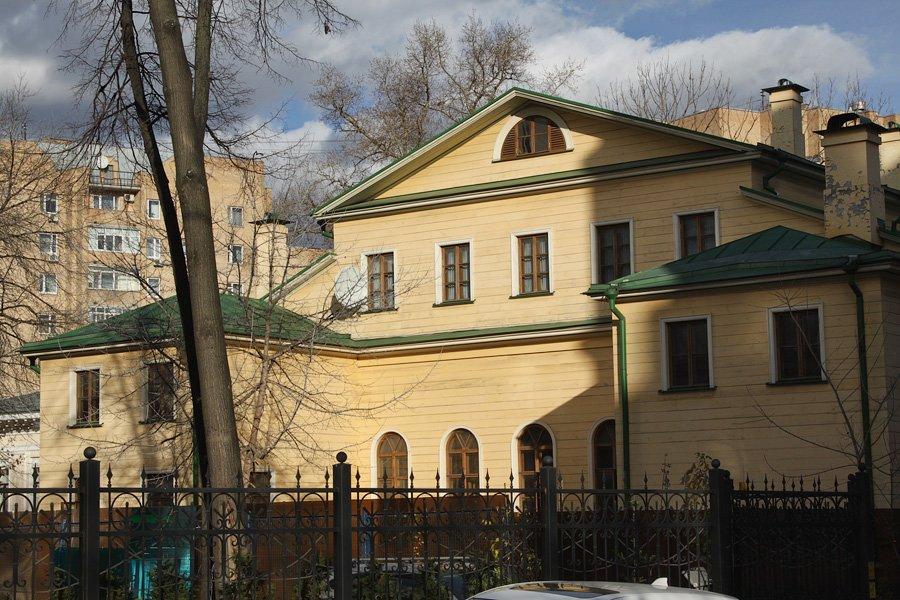
Здание 9 в Денежном переулке известно как дом Поливанова — по фамилии владельца, и является одним из памятников «деревянного классицизма» послепожарной Москвы. Недавно дом был отреставрирован.
Одноэтажный деревянный дом с колоннами на парадном фасаде и с мезонином был построен архитектором Григорьевым после пожара Москвы 1812 года. Дом полностью деревянный, однако заделан «под камень». Любопытно, что в античные времена классические ордерные формы были деревянными, после перешли в камень и только в послепожарной Москве снова обрели деревянную фактуру! Для более фешенебельного вида уютные деревянные особнячки обкладывали специальными досками с выемками, имитирующими камень. На специальном рынке даже продавались филенки с гипсовой лепниной и элементы деревянных колонн! Согласно нормам тех лет, владелец платил налог за дом по количеству этажей уличного фасада. Отсюда любовь московских домовладельцев к мезонинам. За такую якобы нежилую антресоль платить было не надо.
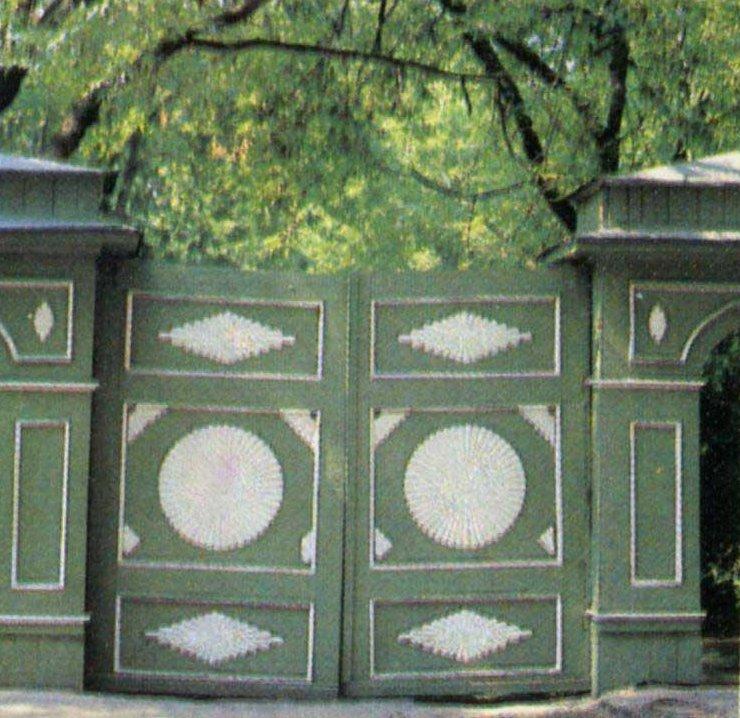
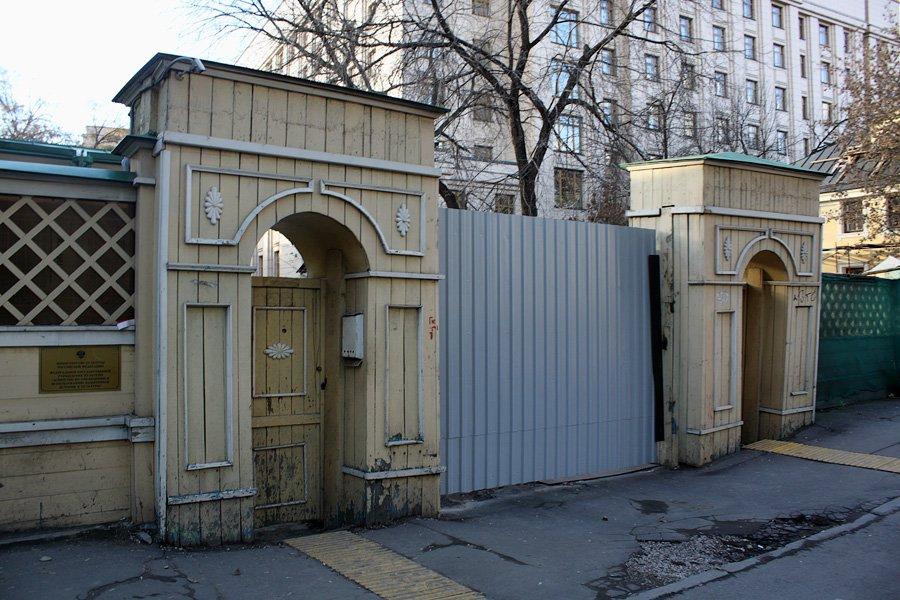
Дом построен поручиком А.К. Поливановым, который в 1822 году приобрел обгорелую усадьбу в Денежном переулке, и к началу 1823 года построил ныне существующий дом. Помимо главного дома усадьба включала одноэтажный флигель и соединявшую их деревянную ограду с монументальными воротами, украшенными резьбой.
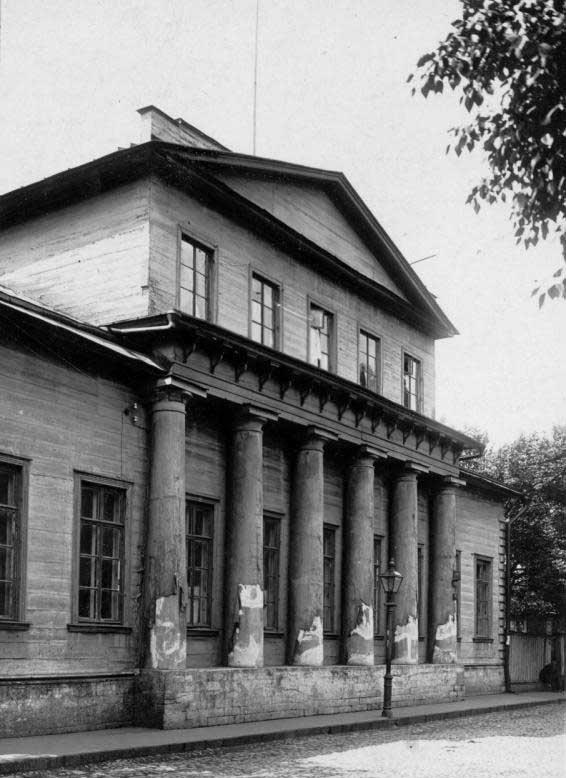
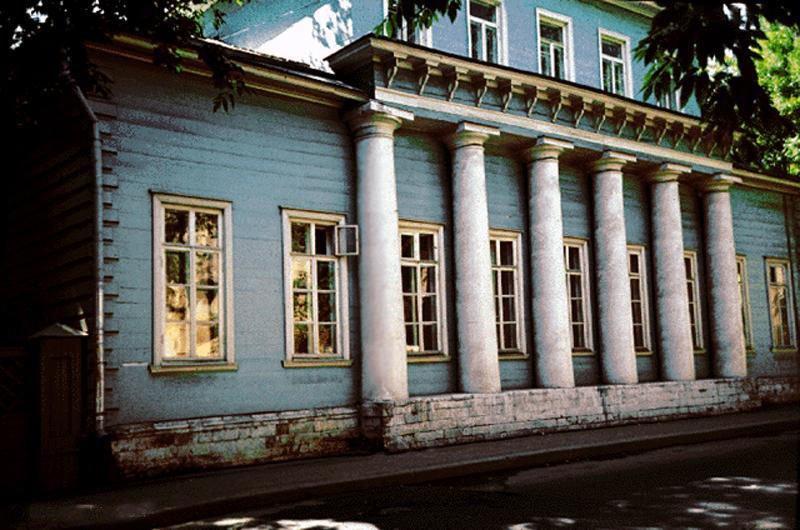
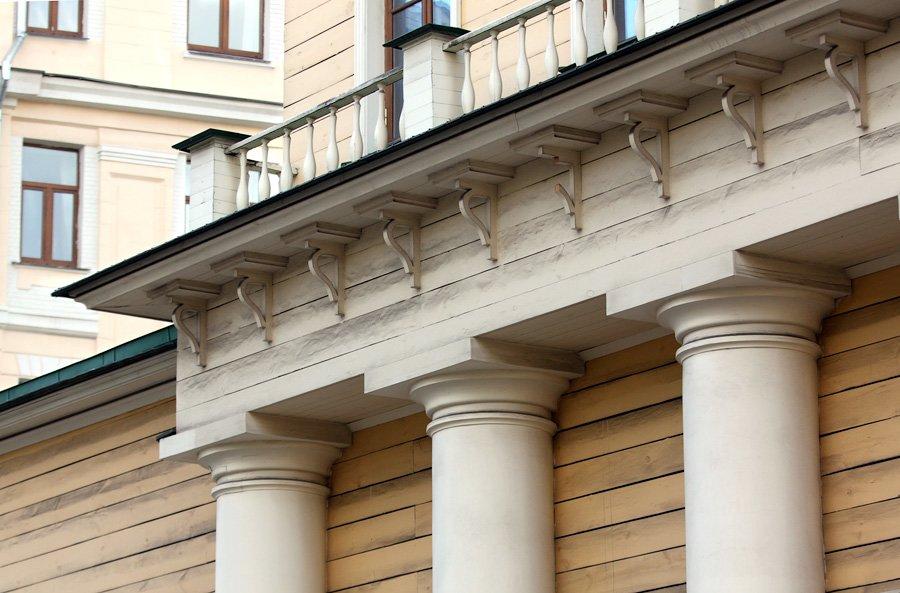
Композиционный центр здания — шестиколонный портик тосканского ордера, типичный для домов «деревянного классицизма». От собратьев дом Поливанова отличается разве что отсуствием лепнины.
В 1835-1836 годах в доме жил С. П. Жихарев — член литературного кружка «Арзамас», знакомый Пушкина. Исследователи считают, что и сам поэт мог бывать в этом доме.
После Октябрьской революции дом заселили жильцами. В годы Великой отечественной войны в доме находилась Всесоюзная школа радистов: тут денно и нощно шли занятия, после которых совсем юные девчонки и мальчишки уходили на фронт или оставались в Москве на специальных конспиративных квартирах.
A single-storey wooden house with columns on the front facade and a mezzanine was built by architect Grigoriev after the Moscow fire in 1812. The house is completely wooden, but looks like a stone one. Interestingly, in ancient times, the classical order forms were made of wood, then went over to the rock and only in post-fire Moscow regained wooden texture! Cozy wooden mansions lined with special board with grooves that imitate stone to provide the house with more fashionable look. Panels with plaster moldings and elements of wooden columns sold at a special market! According to the standards of those years, the owner paid the property taxes for the number of floors on the street facade. Hence, Moscow homeowners loved mezzanines. They were not obligated to pay tax for a supposedly uninhabited mezzanine.
The house was built by Lieutenant A.K. Polivanov, who in 1822 bought the estate in Denezny Lane, and built the existing house by the beginning of 1823. In addition to the manor’s main house, a single- storey outbuilding and monumental wooden fence with gate decorated with carvings connected between them are included.
The compositional center of the building - six-columned portico of the Tuscan order, typical houses "wooden classicism." Polivanov’s House is different from fellows by absents of moldings. S.P. Zhiharev - a member of the literary circle "Arzamas" and acquaintance of Pushkin lived in the house in 1835-1836. Researchers believe that the poet himself could visit in this house.
After the October Revolution the house was inhabited by tenants. During the Great Patriotic War, the house was All-Union School radio operators: classes were here day and night, after which very young girls and boys went to the front or stayed in Moscow in special safe apartments.
After the war, the house once again became residential, but its condition feared ethnographers: fire of 2004 miraculously did not destroy the monument ... Through the efforts of concerned Muscovites who collected signatures in support of the house the building that was able to carry out the restoration of the house and was returned to its historic color.