.jpg)
.jpg&w=1920&q=75)
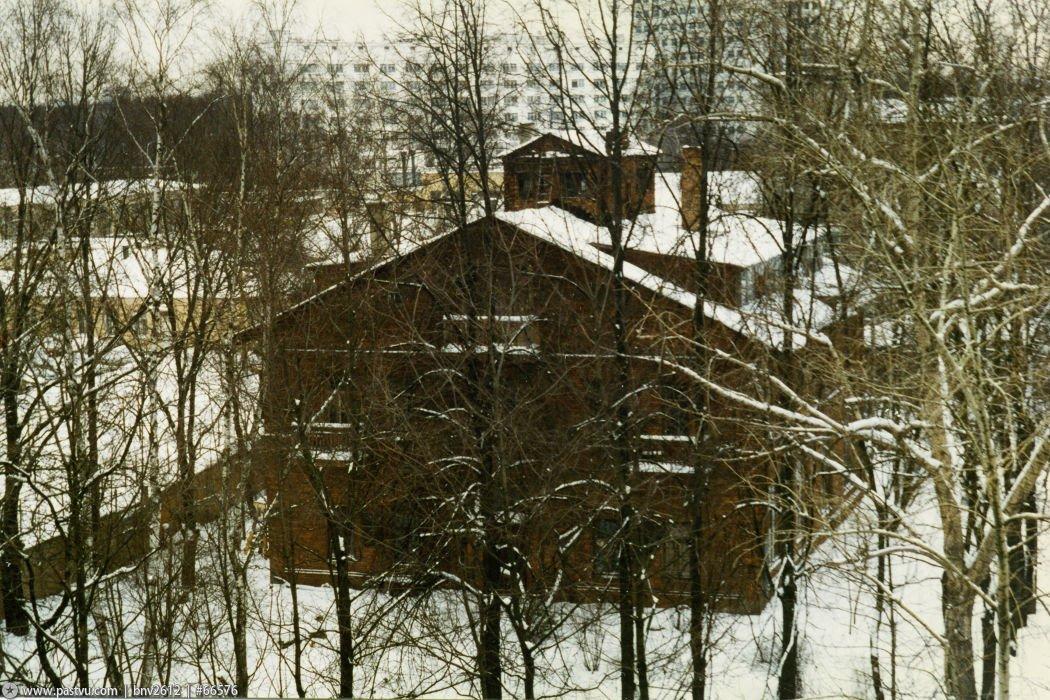
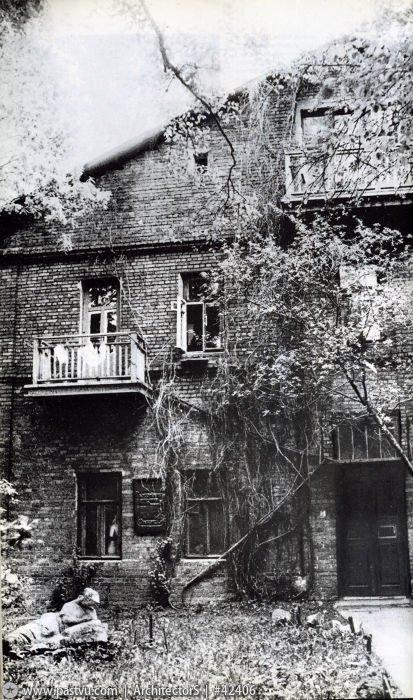
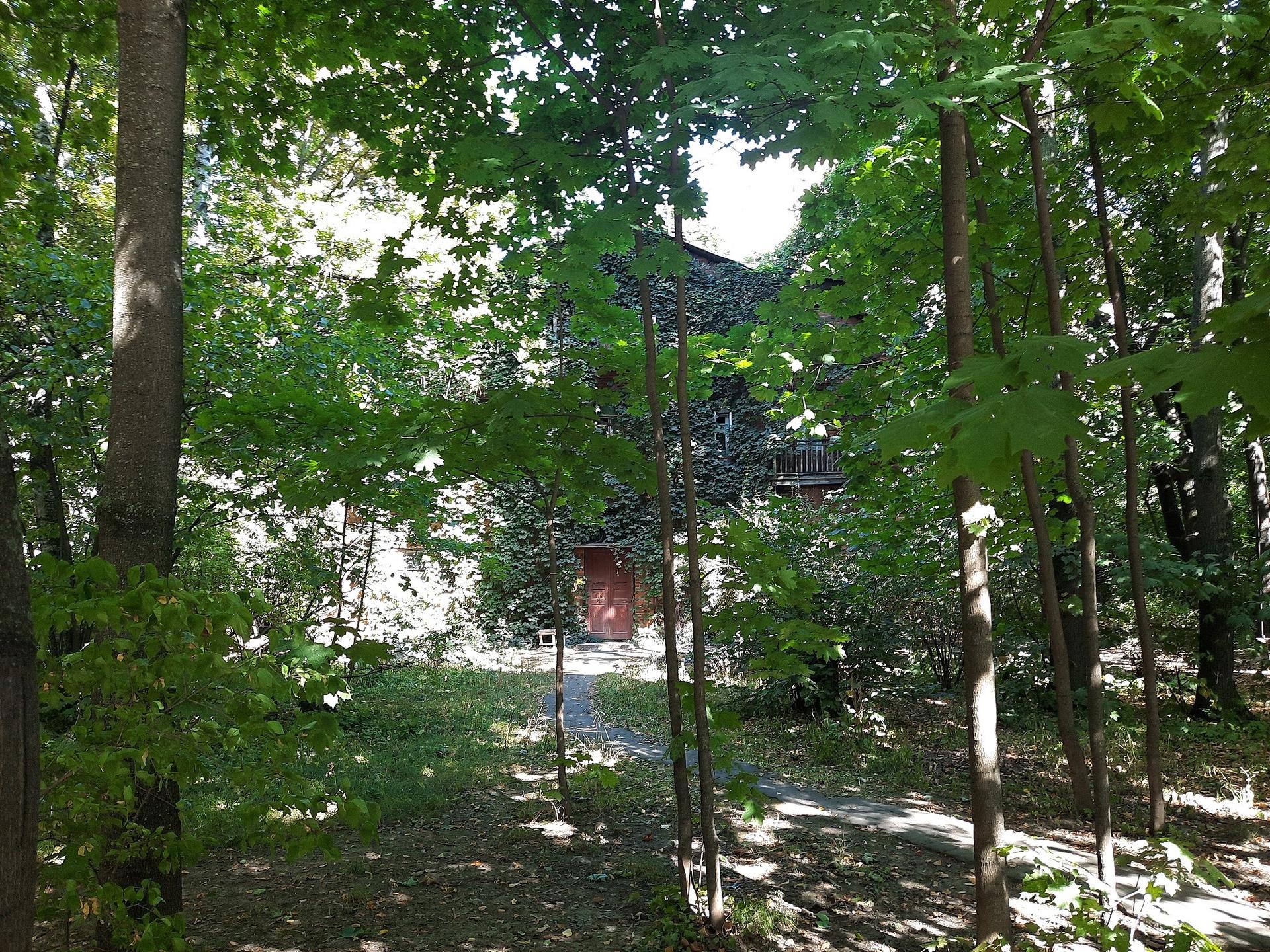
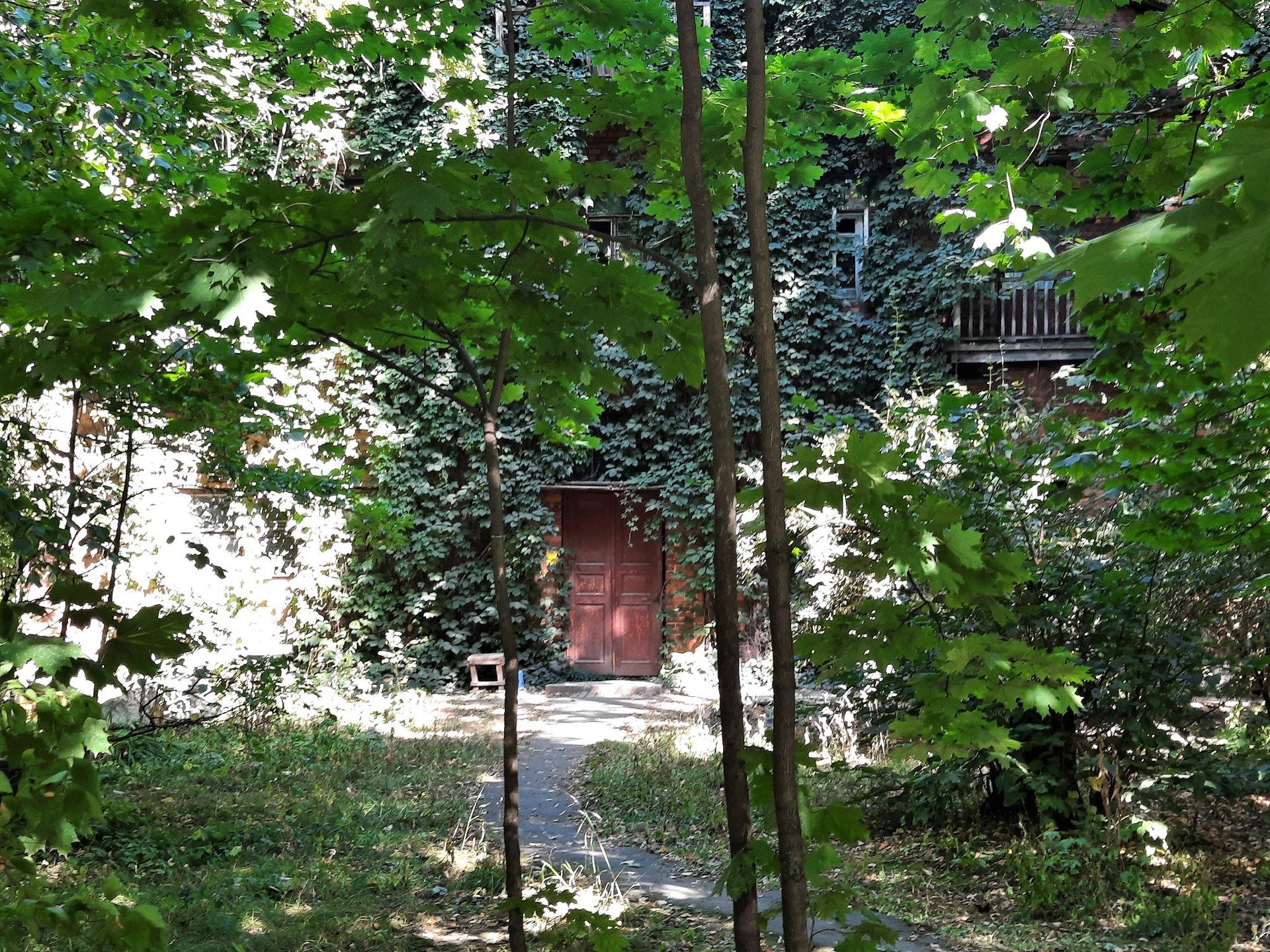
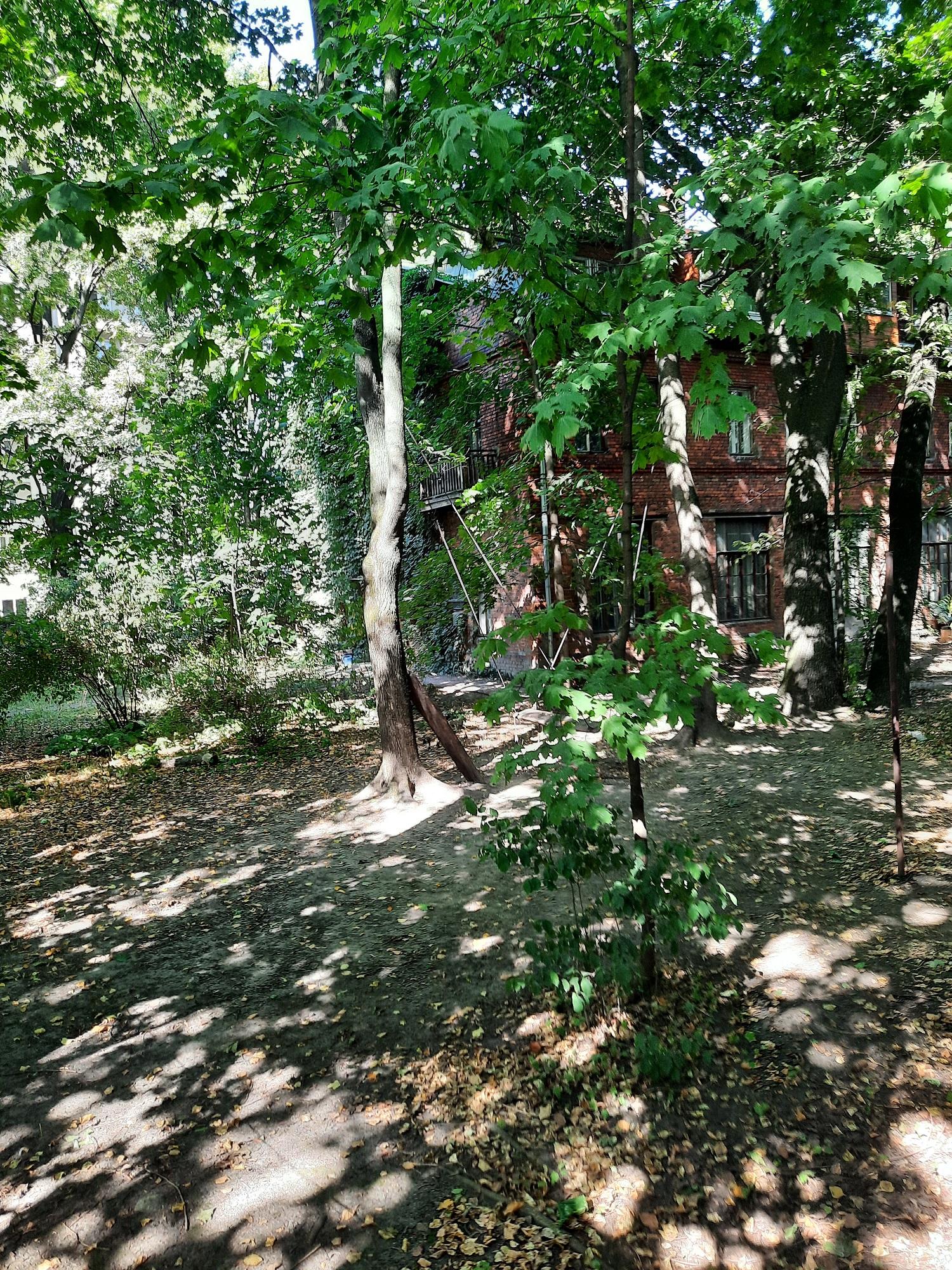
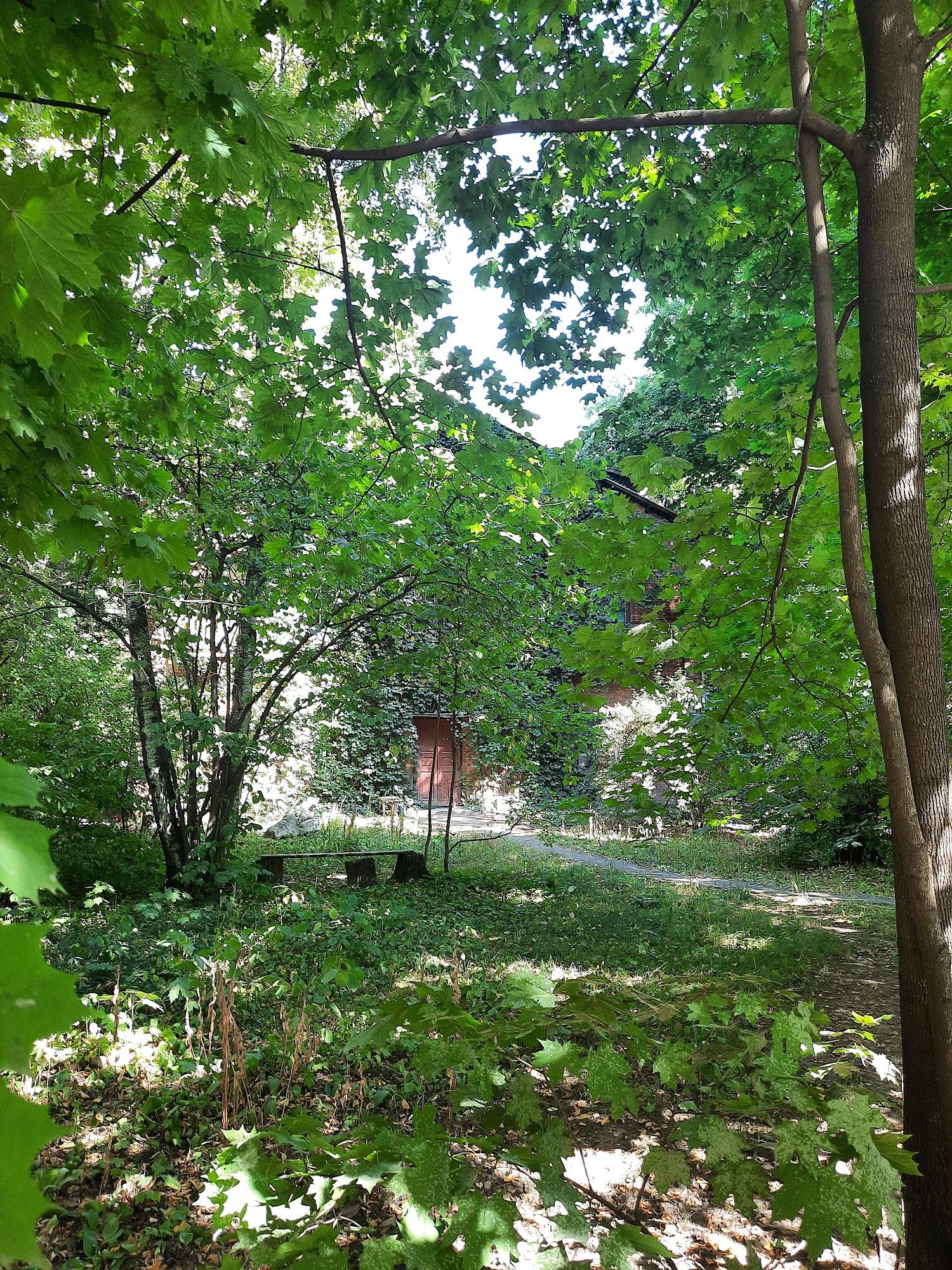
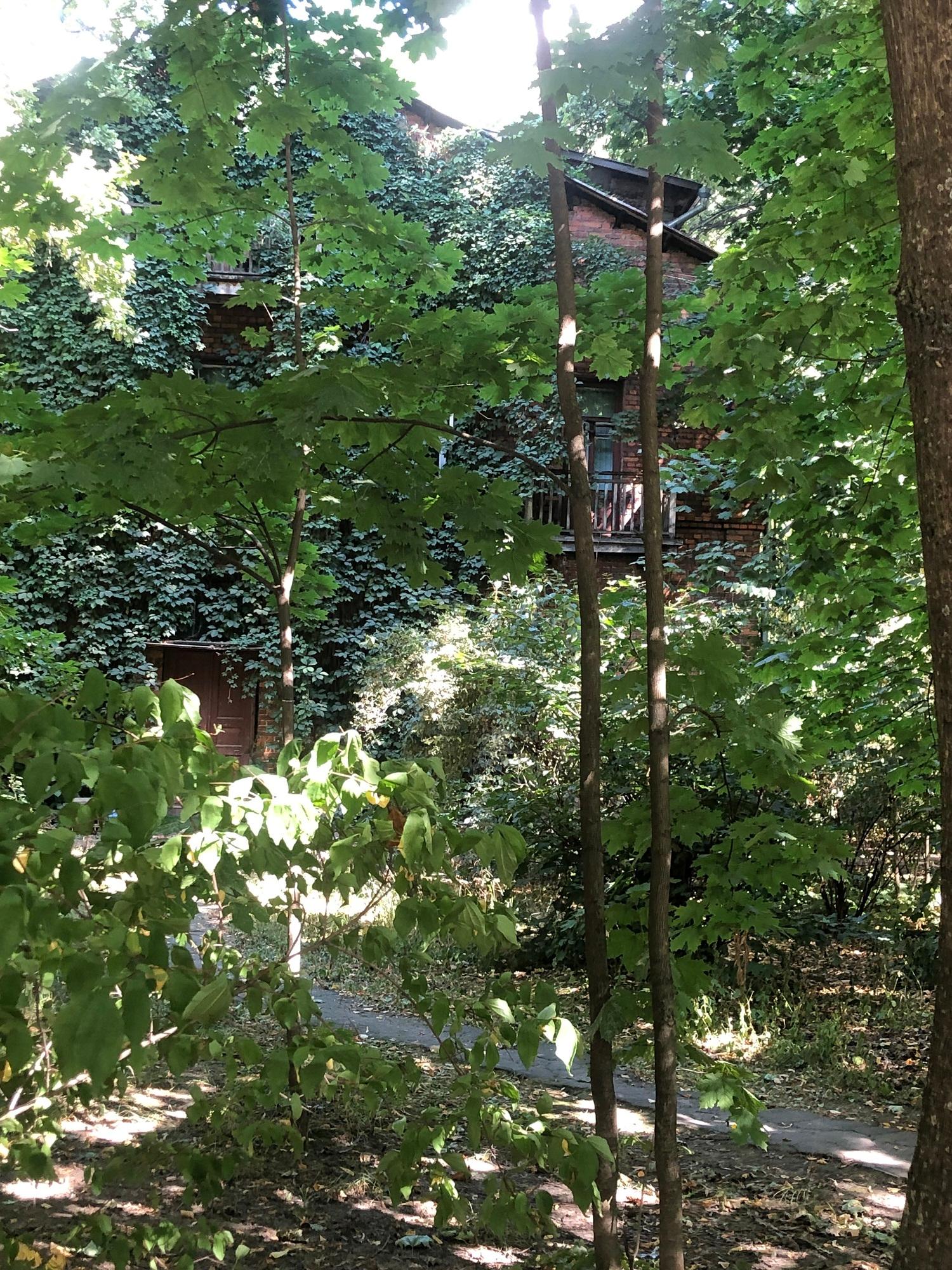
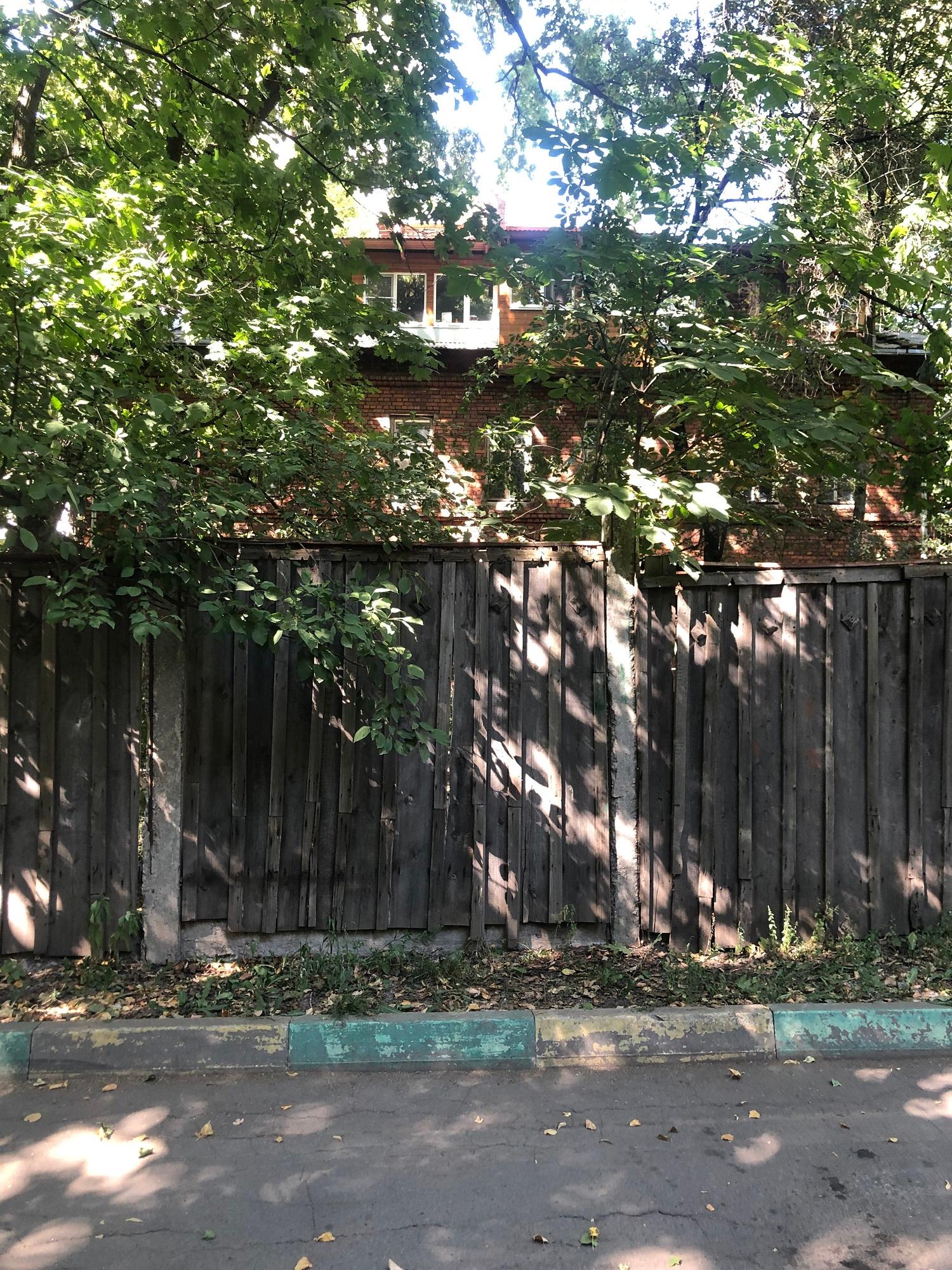
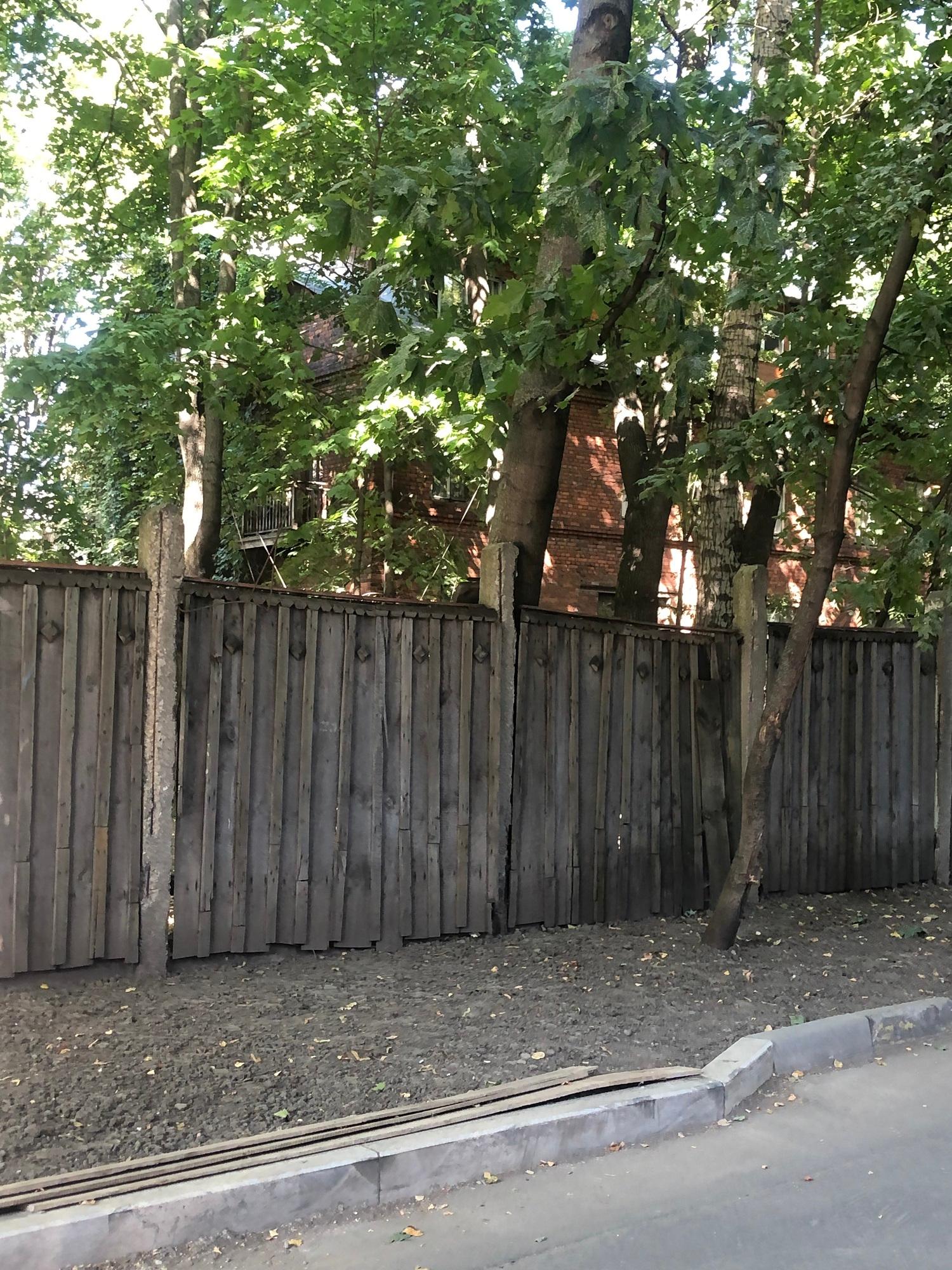
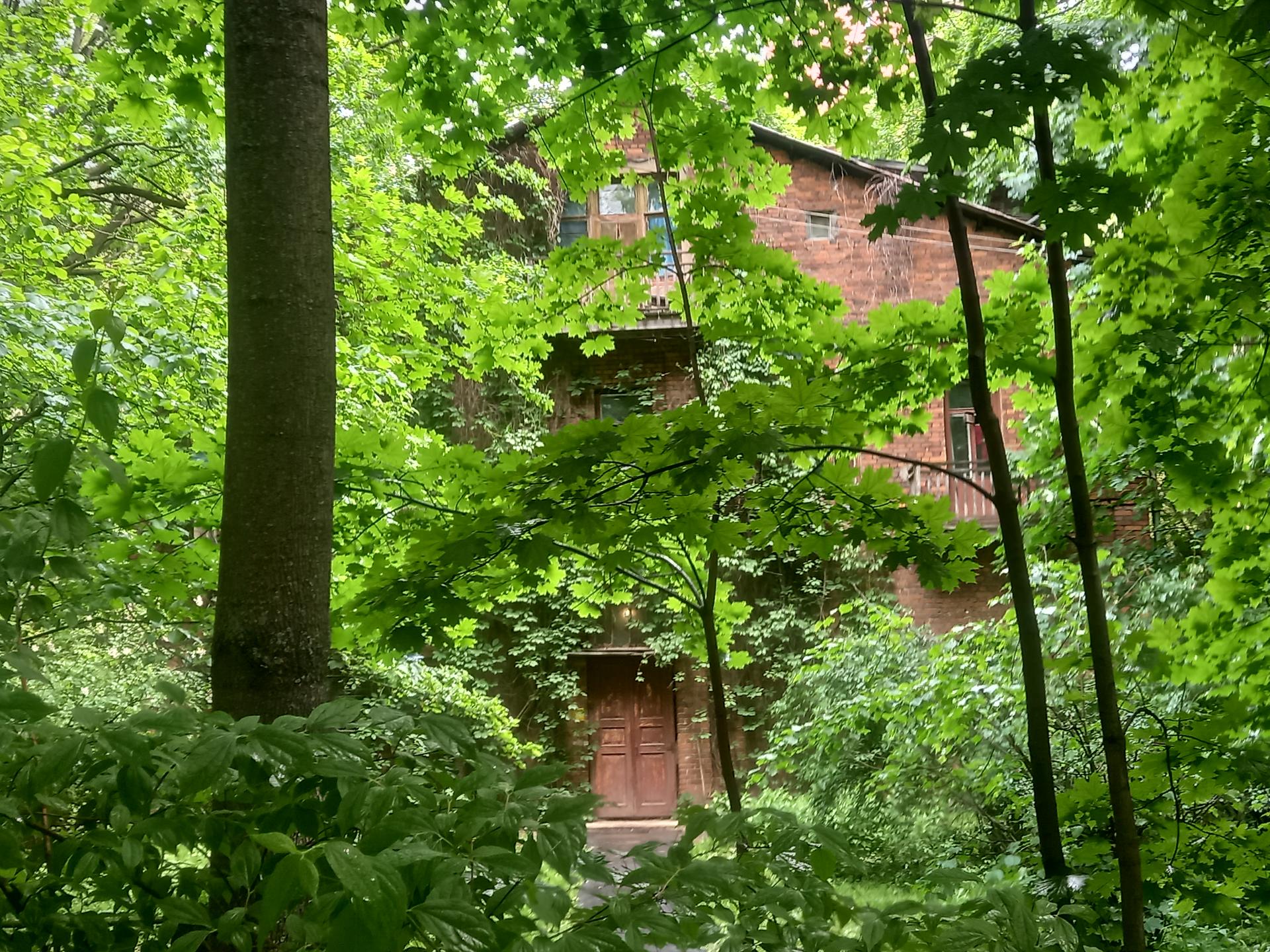
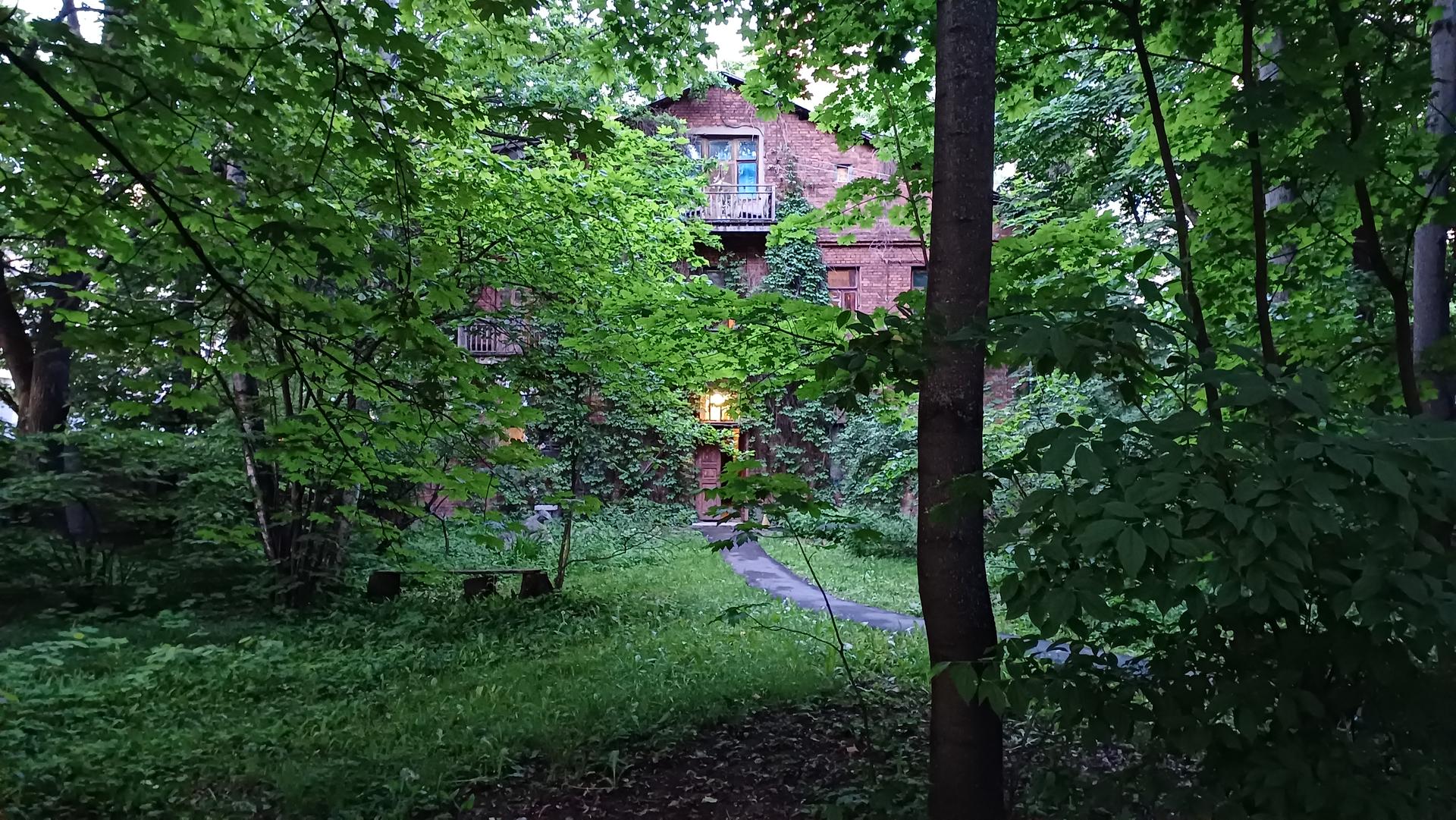
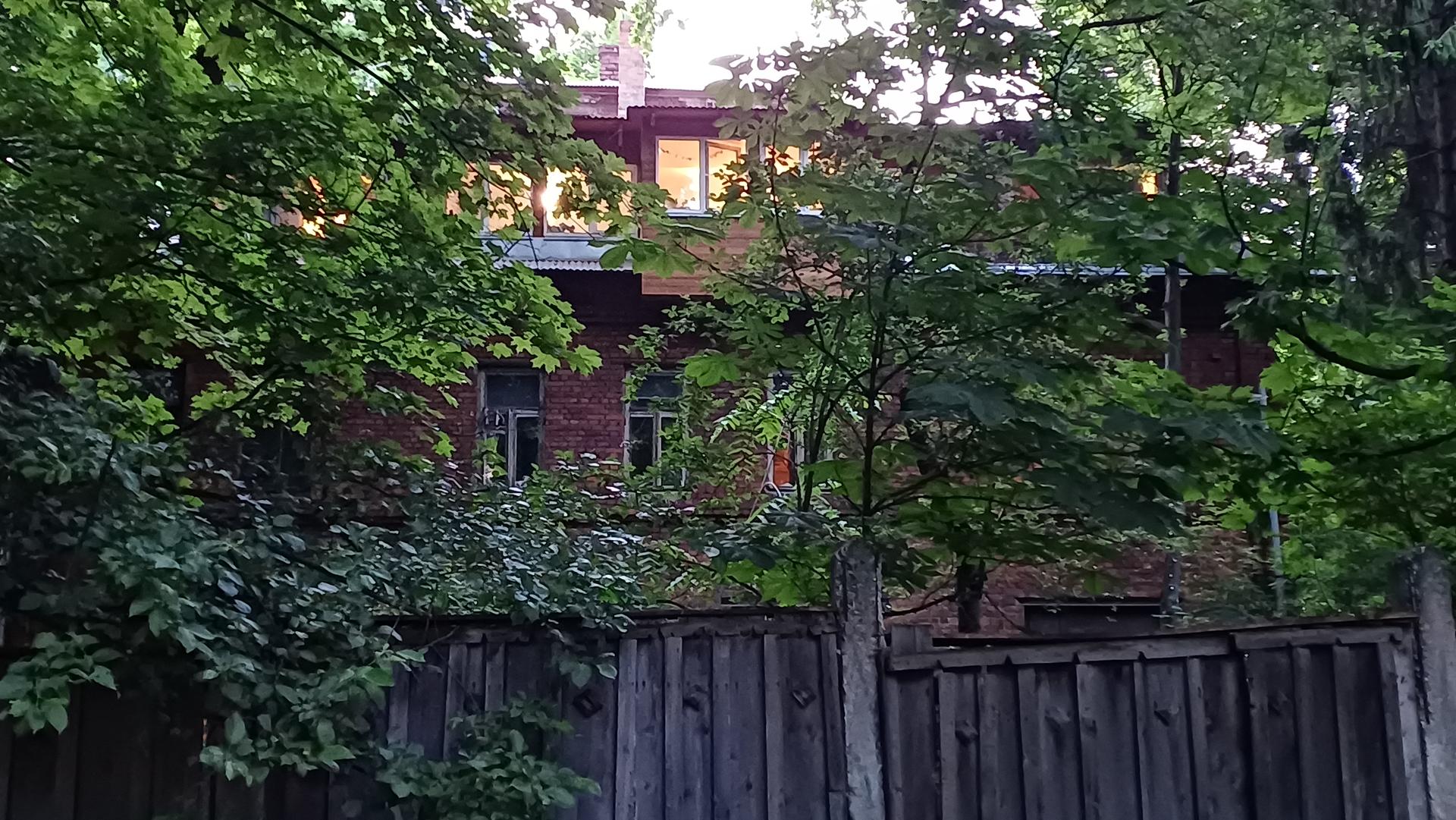
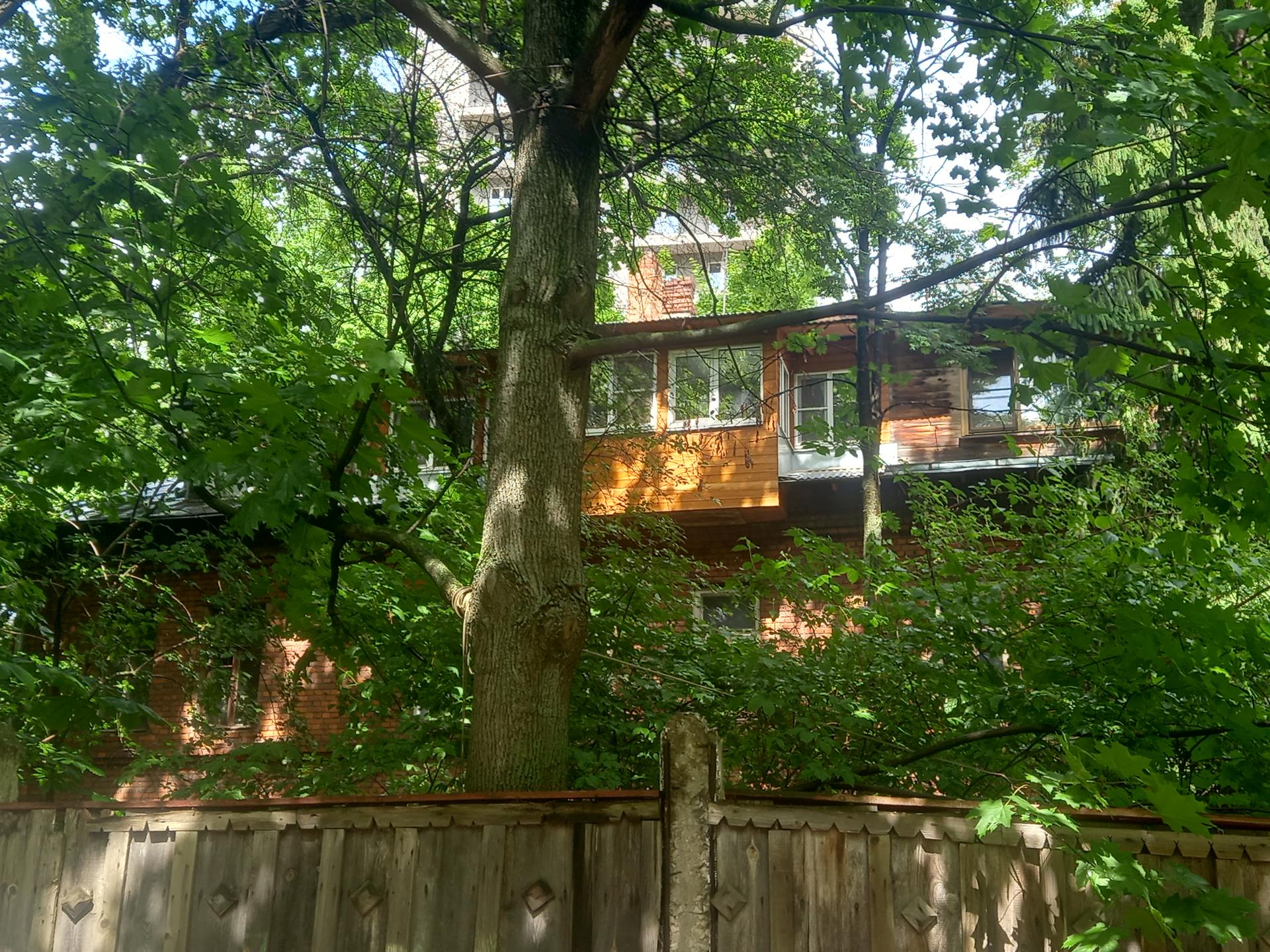
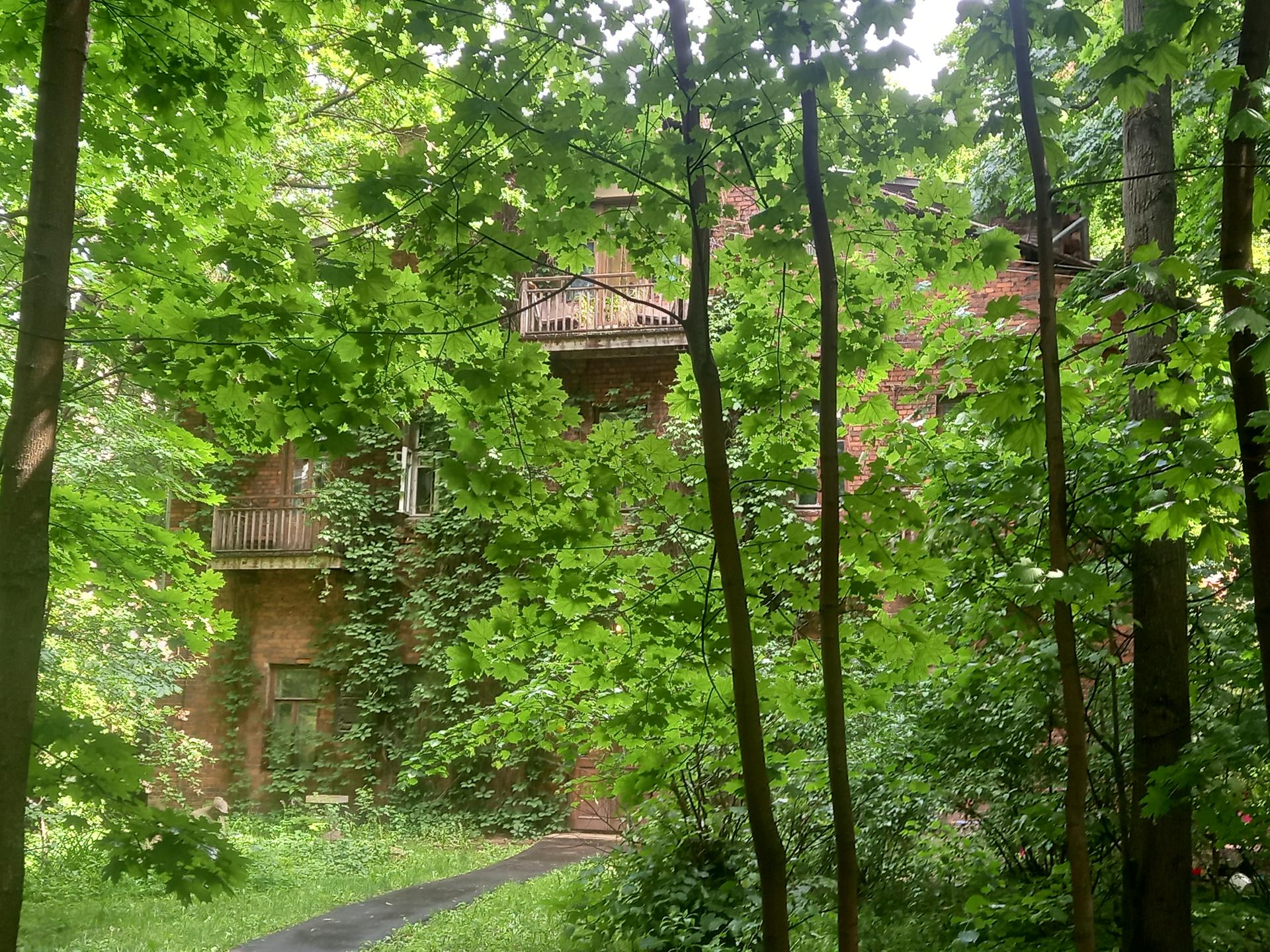
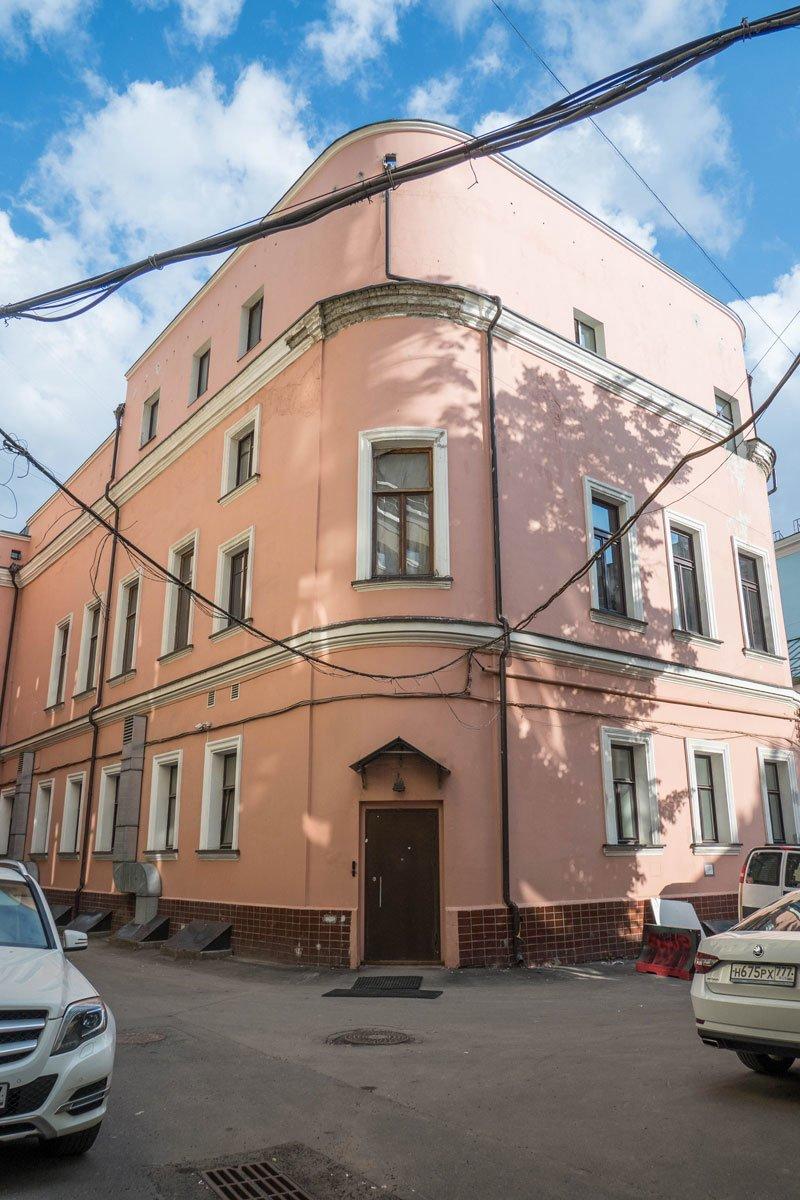
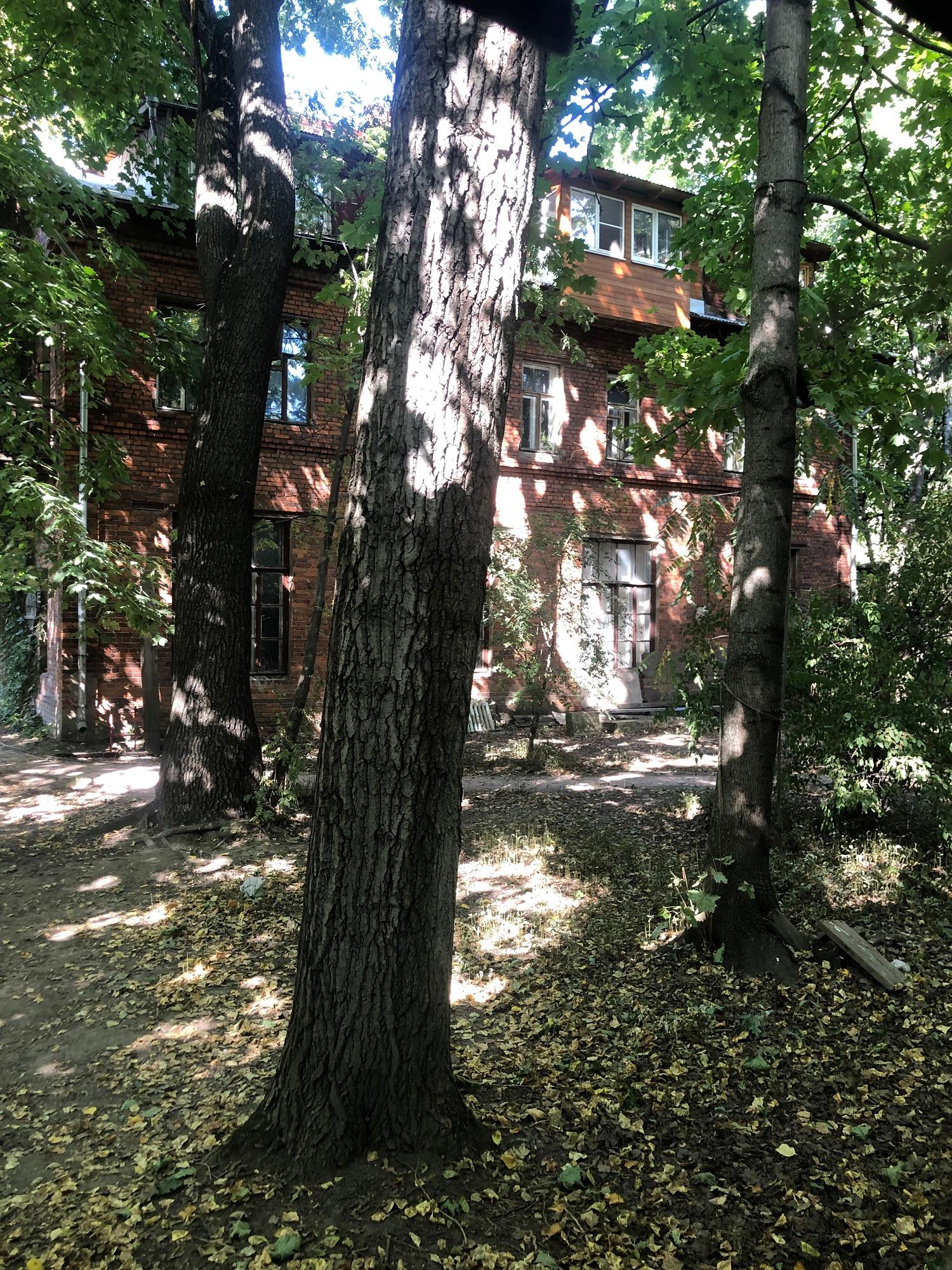
Жилой дом с мастерскими художников, известный как "Красный дом в Новогиреево", находится на востоке Москвы, в нескольких шагах от шоссе Энтузиастов. С конца 1930-х годов здесь жили и работали В. Фаворский и И. Ефимов, на фасаде дома установлены их мемориальные доски.
В 1936 г. на окраине г. Перово Моссовет выделил участок под строительство жилья и мастерских группе художников: Фаворскому, Ефимову и Кардашову. Художники сами сделали проект трехэтажного кирпичного дома и закончили строительство к 1939 г. Дом встал среди деревянной застройки, бараков и картофельных полей, рядом была грунтовая дорога, ведущая к Измайловскому парку. На первом этаже – мастерские. Жилые квартиры – во втором и мансардном этажах. На заднем дворе – летняя мастерская для скульптурных работ.
По цвету неоштукатуренных стен постройку стали именовать «красным домом». Поначалу здание было самым большим в округе: до конца 1950-х гг. на окраине Перова не велось жилого строительства. (После присоединения к Москве в 1960 г. этот район стал одним из самых густонаселенных, а к проведению «Олимпиады-80» сюда протянули ветку метро.)
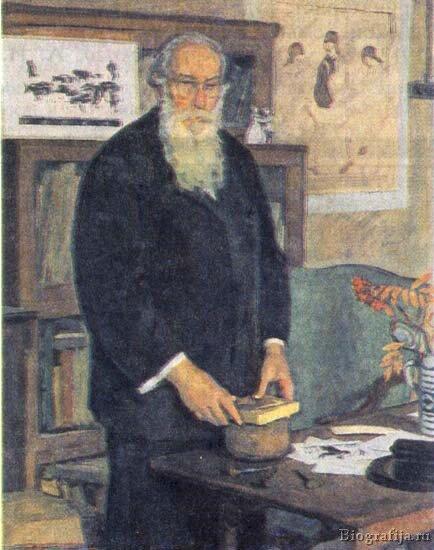
Владимир Андреевич Фаворский (1886–1964) в 30-е годы уже был признанным мастером гравюры и создателем собственной теории оформления книги. Подобно художникам Возрождения, помимо графики, работал также в монументальной живописи и мозаике, был театральным художником, теоретиком искусства и педагогом, создавшим свою обширную школу. В 1923–26 гг. он был ректором знаменитого ВХУТЕМАСа.
Иван Семенович Ефимов (1878–1959) – скульптор, прославленный в первую очередь как анималист. Его жена Нина Яковлевна Симонович-Ефимова (1877-1948) – замечательный живописец и график. Вместе они создали первый в России профессиональный кукольный театр, где были и создателями кукол, и актерами, и режиссерами.
Лев Алексеевич Кардашов (1905–1964), родственник Фаворского и ученик Ефимова, – скульптор, создатель уникального деревянного рельефа: сохранившегося до наших дней фронтона павильона б. Карело-Финской ССР на ВДНХ.
В 1941 году из нового дома ушел добровольцем в ополчение и пал под Москвой старший сын Фаворских, Никита (1915–1941), уже сложившийся талантливейший художник. Младший – Иван (1924–1945) прошел войну лейтенантом артиллерии и погиб под Кенигсбергом. До конца жизни работала в доме их мать, М.В. Фаворская-Дервиз (1887-1959), тоже художник, автор тонких живописных пейзажей, и ее племянница – Л.Д. Кардашова-Дервиз (1919–1995), скульптор-керамист.
После войны в доме появились новые жители: живописец Елена Коровай (1901–1974) и ее дочь Ирина Коровай, последняя ученица Фаворского, график, и целая плеяда начинающих художников, ставших впоследствии ведущими мастерами отечественного искусства. Это живописец Дмитрий Жилинский и скульптор Нина Жилинская (1926–1995), график и живописец Илларион Голицын (1928–2007), женившийся на внучке Ефимовых, и скульптор Дмитрий Шаховской, женившийся на дочери Фаворских. Художник-керамист Мария Фаворская-Шаховская и ее муж до сих пор живут и работают в «Красном доме». Так же как следующие, 3-е и 4-е поколения художников, потомки первостроителей, продолжающие семейную традицию.
Семьям удалось сохранить дом и сад, внутри со времен Фаворского и Ефимова все осталось почти неизменным. В памятные дни ежегодно устраиваются показы работ основателей Дома, приходят друзья, искусствоведы, художники. Здесь рождались и рождаются многочисленные проекты московских и иногородних выставок с участием произведений из семейных собраний «Красного дома». Художественная выставка всего сообщества дома как целого состоялась в 2002 г. в Подольске.
Работы авторов, живших и живущих в доме, находятся в ГТГ, ГМИИ им. А.С.Пушкина и во многих других крупных собраниях.
В настоящее время в доме в мастерских Ефимова и Фаворского хранятся их работы, а на заднем дворе стоит мастерская для скульптурных работ и мастерская с муфельной печью для стекла и керамики. Здесь проживают потомки художников.
Moscow City Council provided land in Perovo (the remote outskirts of Moscow at the time) for housing and workshops for the group of artists: Favorsky, Efimov and Kardashov in 1936.
Artists made the project of a three-storey brick house and completed the construction in 1939. House stood between wooden buildings, barracks and potato fields. Dirt road leading to the Izmailovo Park was passing nearby. Studios were on the first floor. Residential apartments were in the second and attic floors. The backyard was used as a “summer studio“for sculptural works.
The building became known as “Red house” because of the red color of the rough inner walls.
Initially, the building was the largest in Perovo area. There was no residential construction conducted in Perovo until the 1950s. (After joining Moscow in 1960, the area became one of the most densely populated, and metro line was stretched here prior to the "Olympics-1980".)
Vladimir Andreevich Favorsky (1886-1964) in addition to graphics was the acknowledged master prints and creator of his own theory of book design in the 1930s. He also worked in the monumental painting and mosaic, was a theater artist, art theorist and teacher who created its extensive school just like the artists of the Renaissance period did. He was a rector of the famous VHUTEMAS Art Workshops In 1923-26.
Ivan S. Efimov (1878-1959) was sculptor, distinguished primarily as animalist. His wife Nina Y. Simonovic - Efimova (1877-1948) was a great painter and graphic artist. Together they created the first Russian professional puppet theater, where they were creators of puppets, actors and directors.
Lev Alekseevich Kardashov (1905-1964), a relative of Favorsky and student of Efimov was sculptor, creator of unique wooden relief: Extant gable of the Former Karelo-Finn SSR pavilion at Exhibition of Achievements of the National Economy.
Nikita Favorsky (1915-1941), the eldest son,a well-established talented artist, left the new house as a volunteer for the militia and died heroically defending Moscow In 1941. Junior, Ivan Favorsky (1924-1945) was lieutenant of artillery during the war time and died in Konigsberg. Their mother, M.V. Favorskaja - Derviz (1887-1959), also an artist, the author of delicate scenic landscapes, worked in the house until the end of her life and her niece - L.D. Kardashov - Derviz (1919-1995), sculptor, ceramist lived there as well.
Elena Korovay, the painter (1901-1974) and her daughter Irina Korovay, the last student of Favorsky, graphic artist, and several other young artists who later became the leading masters of Russian art become new residents of the building after the war.
Dmitry Žilin, the painter and Nina Zhilinskaya (1926-1995), the sculptor graphic artist and Hilarion Golitsyn (1928-2007), the painter who married Efimov’s granddaughter and Dmitry Shakhovskoi, the sculptor, married the daughter of Favorsky. Maria Favorskaja- Shahovskaya, the ceramic artist and her husband still live and work in the "Red House."
The 3rd and 4th generation of artists, descendants of the first-builders, just like their fathers and mothers, continuing the family tradition.
Families managed to keep the house and garden almost unchanged since the time of Facorsky and Efimov. Presentation of works of the House founders arranged annually in the memorable days. Friends, critics and artists visit these events.
Numerous projects of exhibitions featuring works from the "Red House"’s family collection in Moscow and other cities were born here. Art exhibition of the entire community as a whole house took place in 2002 in Podolsk.
The works of authors who lived and living in the house are in the State Tretyakov Gallery, Pushkin Museum and many other large collections.
Here are some of those works, which can be seen in the design of public buildings in Moscow :
V.A. Favorsky - sgraffito (1935) and reliefs (1946) on the buildings ' People's Forrest Commissariat " (architects A. Burov ), Tverskaya st. .25 ; lattice loggias "Openwork house" (architects A. Burov and B. Blokhin ), Leningradsky Prospect, 27 ;
I.S. Efimov - bronze "sculptural graphics" in front of the Children's Musical Theater. N. Sats ;
D.M. Shakhovskoy - sculpted mask on the facade of the "Theater of Satire", the clock on the facade of the Puppet Theatre. S. Obraztsova (with P. Shimes) Temple of the Transfiguration in Tushino, white stone obstruction of the main altar (1992);
M.V. Favorskaja - Shahovskaya - ceramic reliefs : frieze "The Evolution of Plants" in the Museum of Paleontology ;
I.D. Shakhovskoy - church of the Transfiguration in Tushino, mosaics in the apse of the main altar (with A. Tsarev, 1992-94 ).