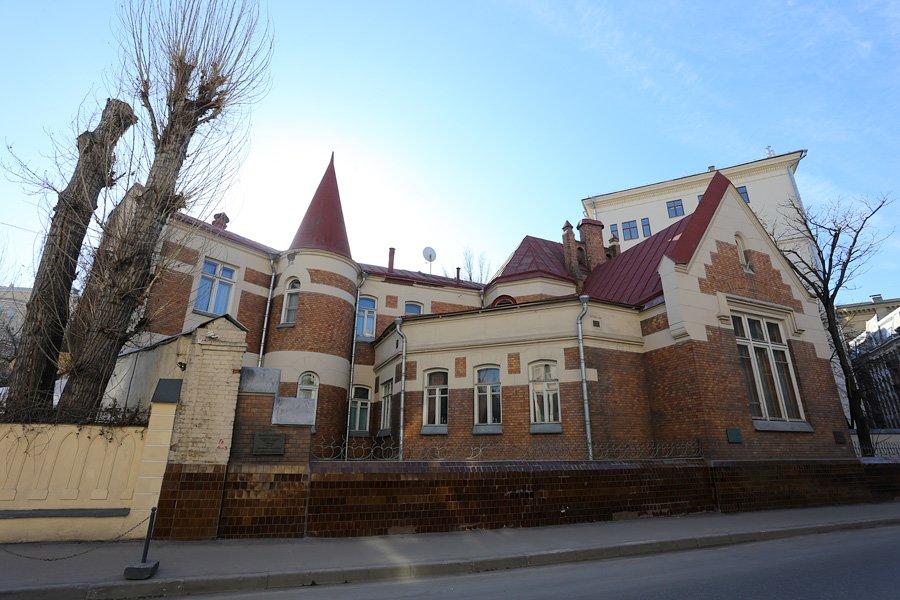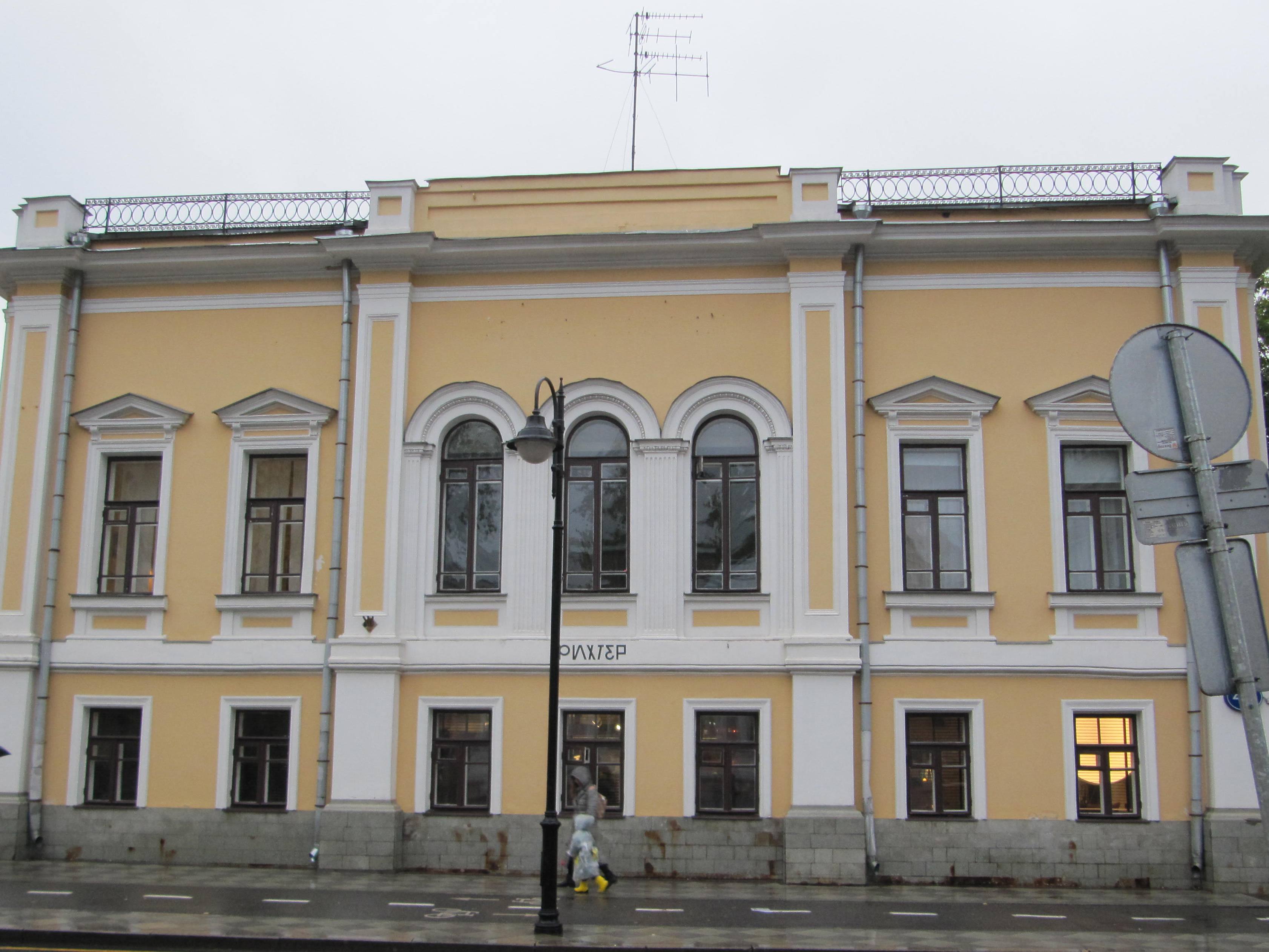
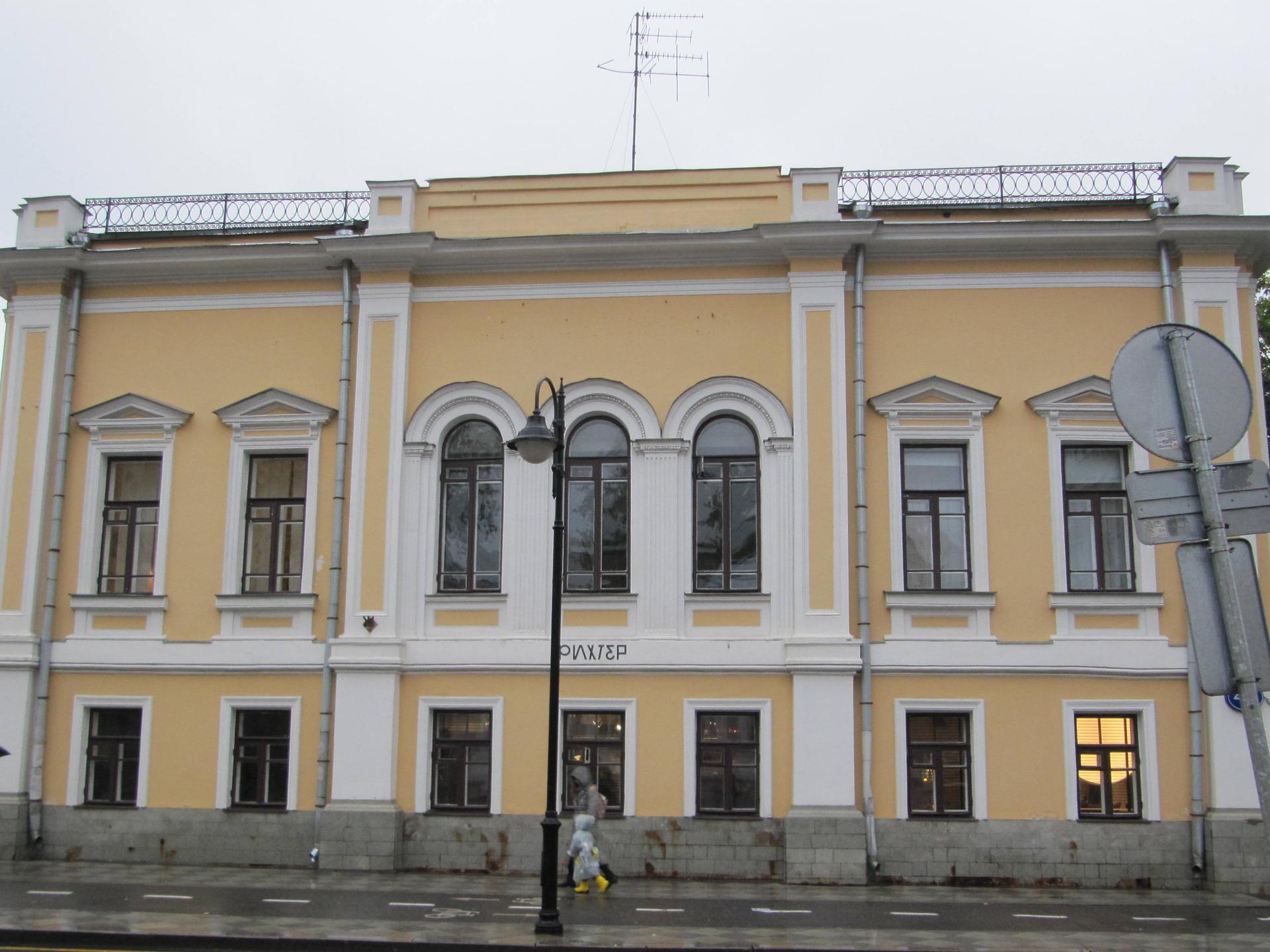
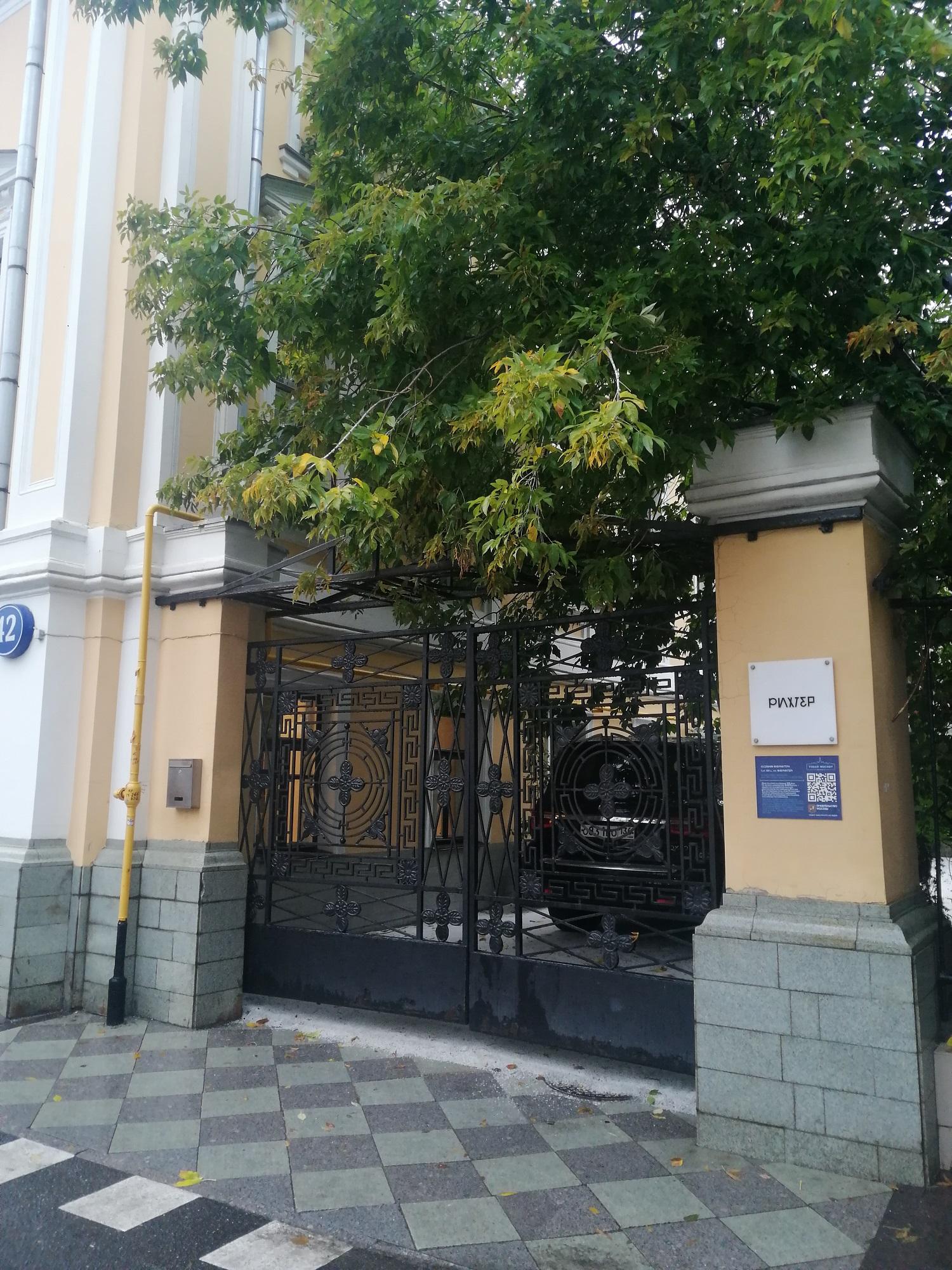
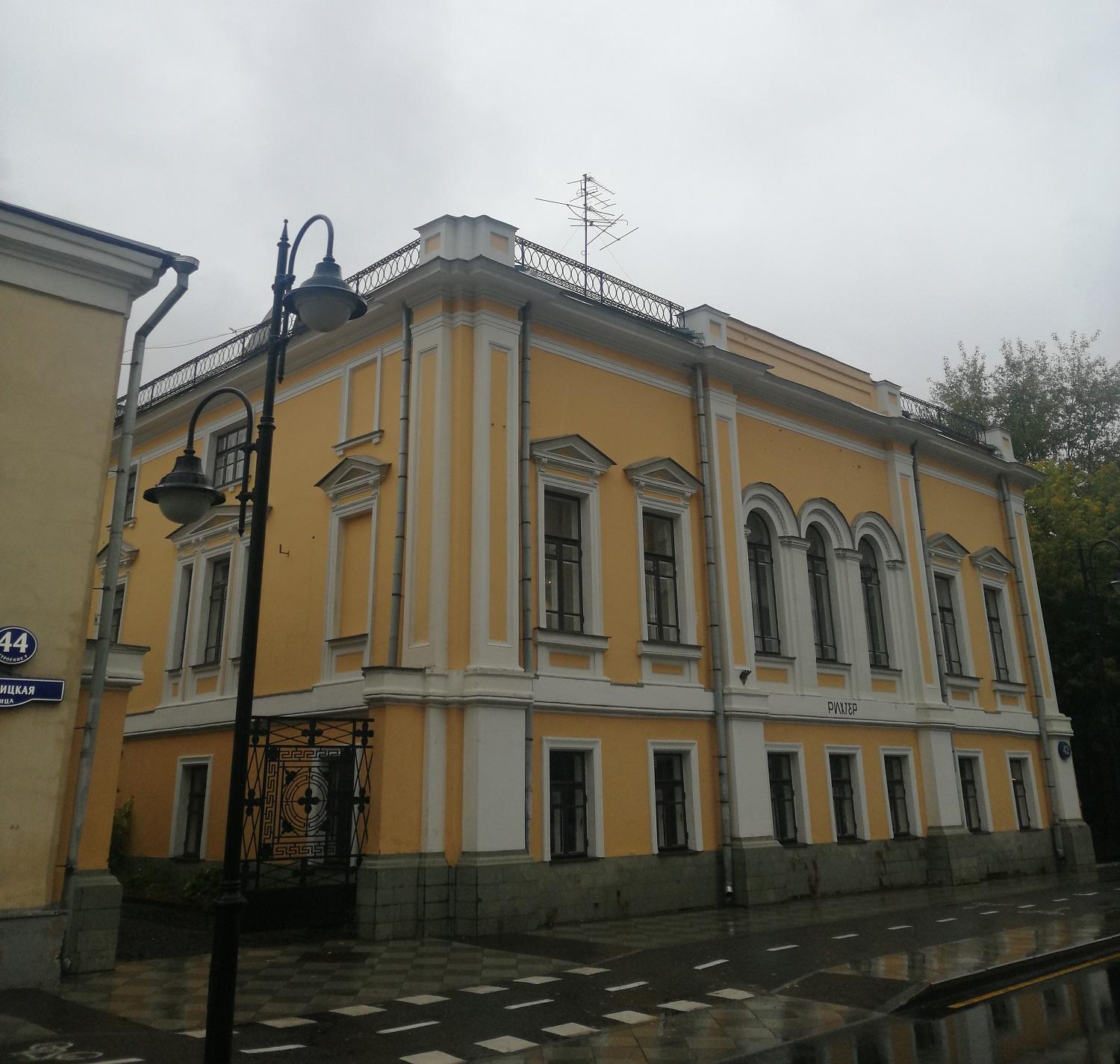
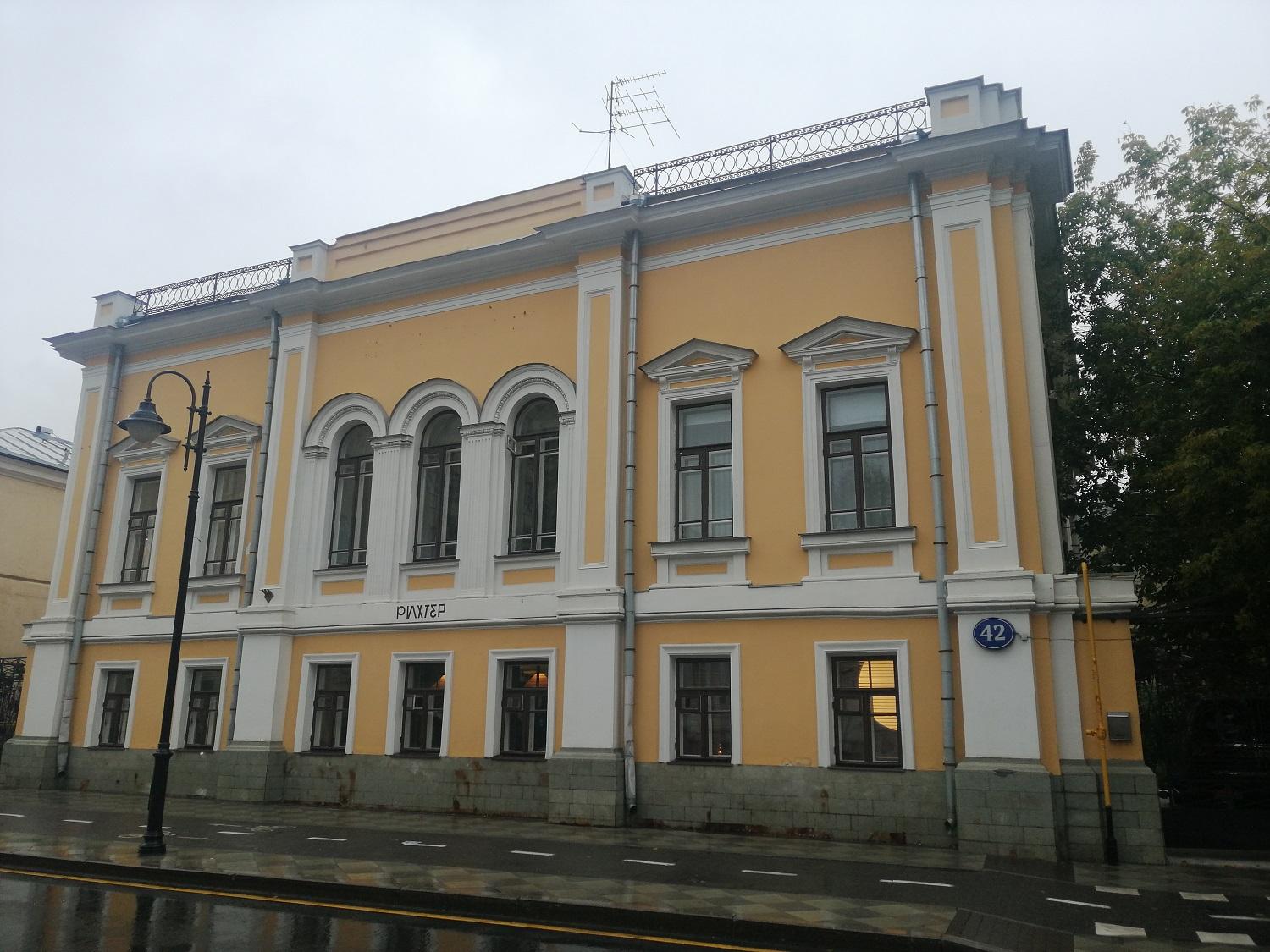
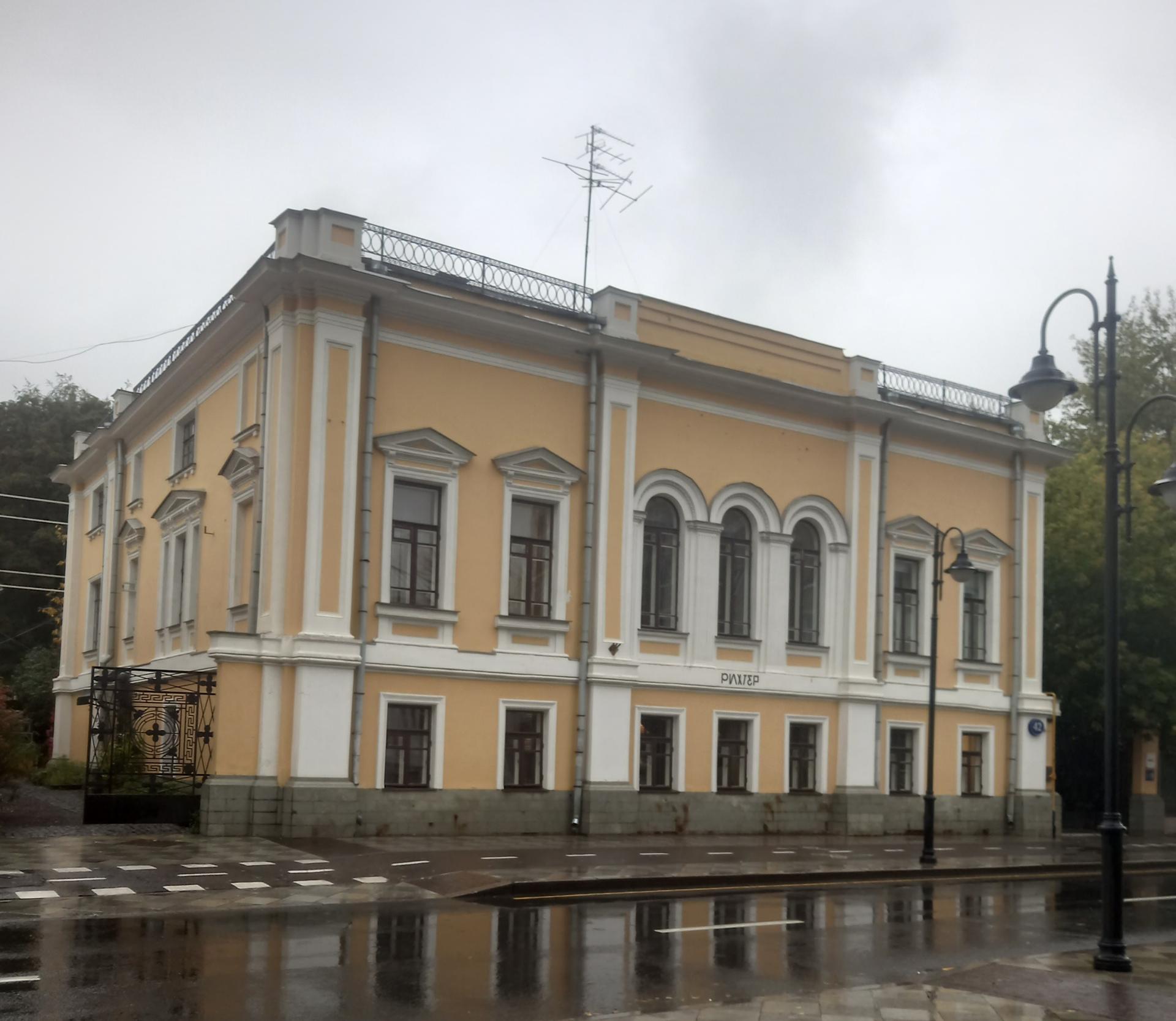
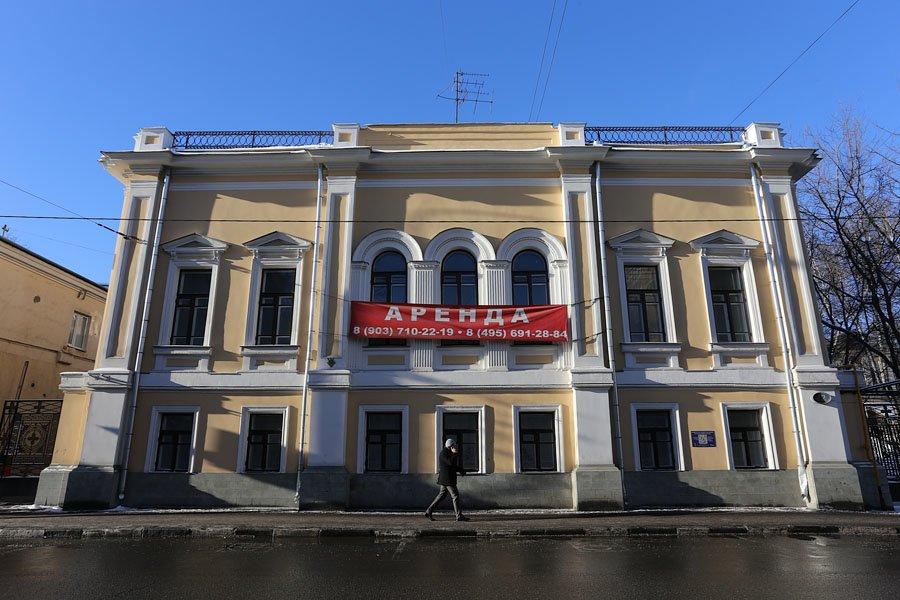
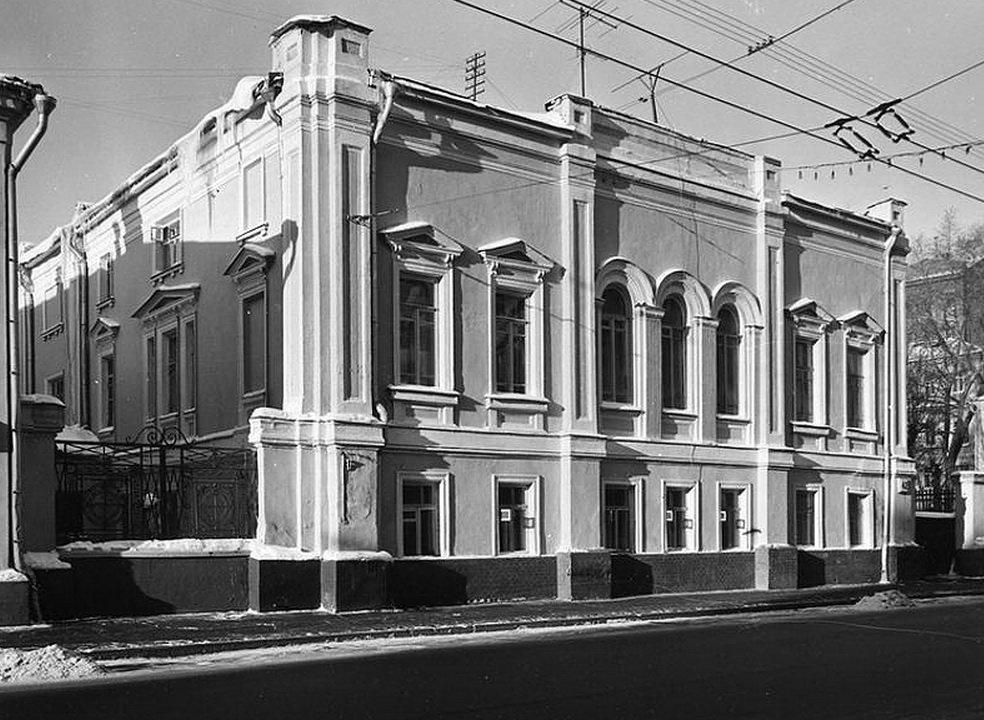
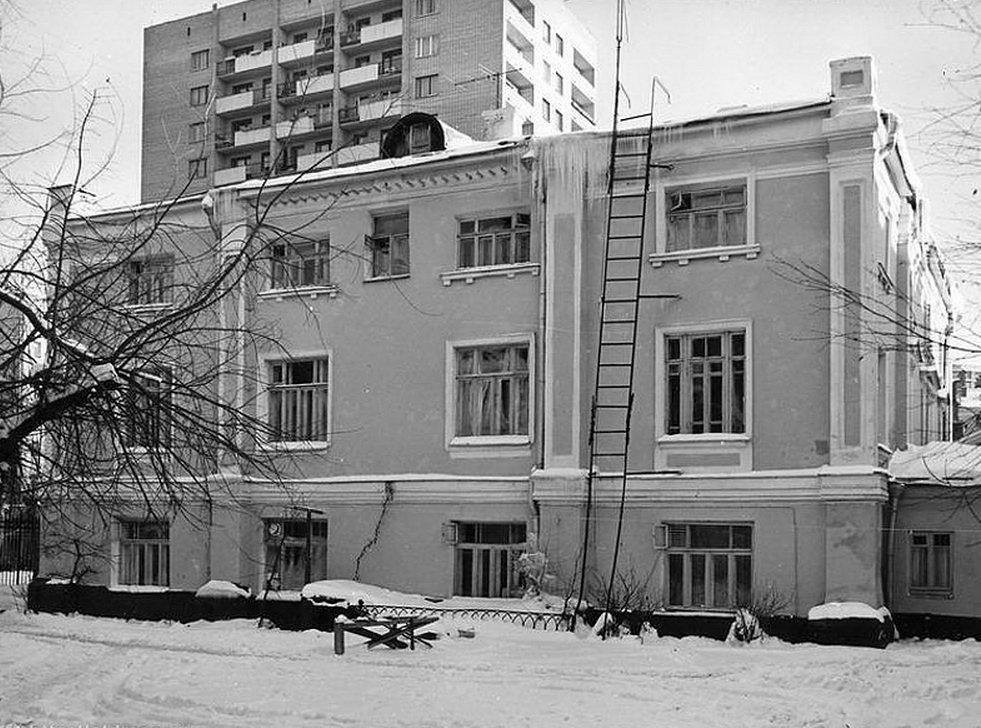
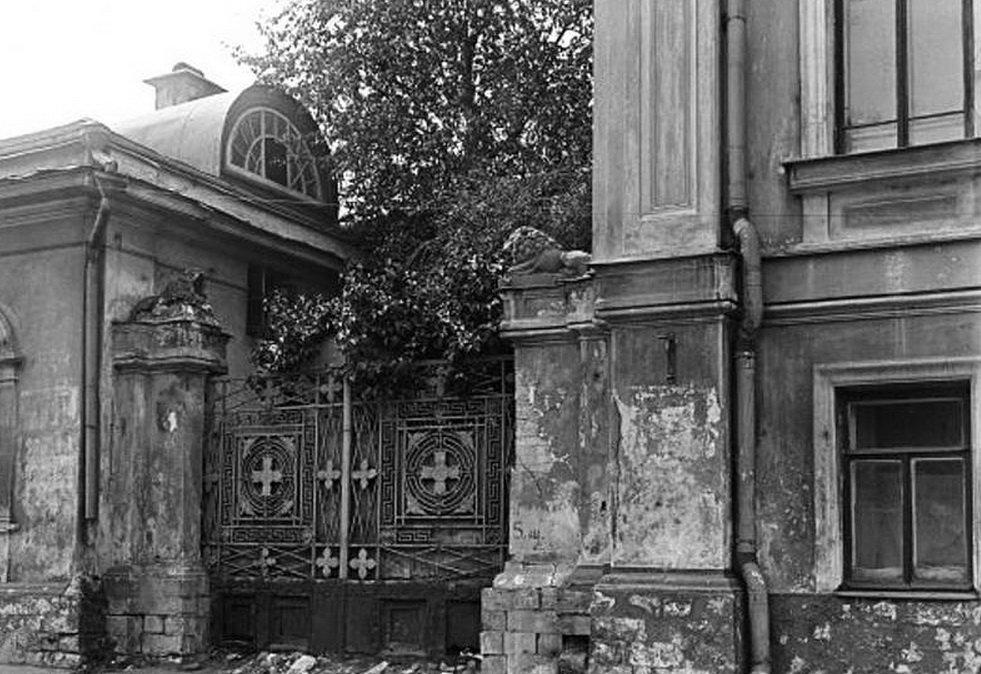

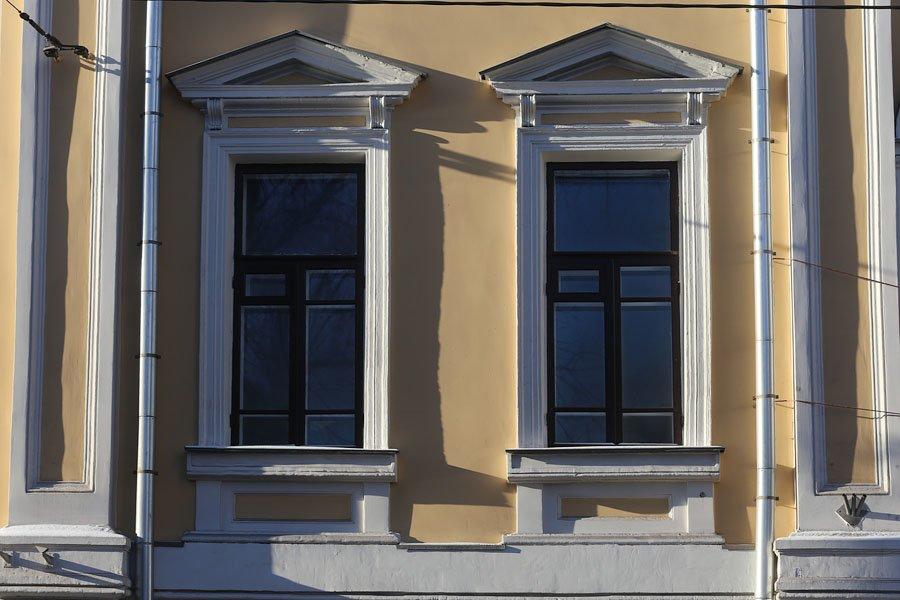
Дом №42 по Пятницкой улице представляет собой типичный городской особняк. Композиция его фасада симметрична и основана на противопоставлении низкого цокольного этажа высокому парадному второму. Дом был построен в середине XIX века, возможно, по проекту архитектора Фёдора Фёдоровича Рихтера. Если авторство Ф. Ф. Рихтера подтвердится, это будет редкий образец частного дома, построенного по его проекту.
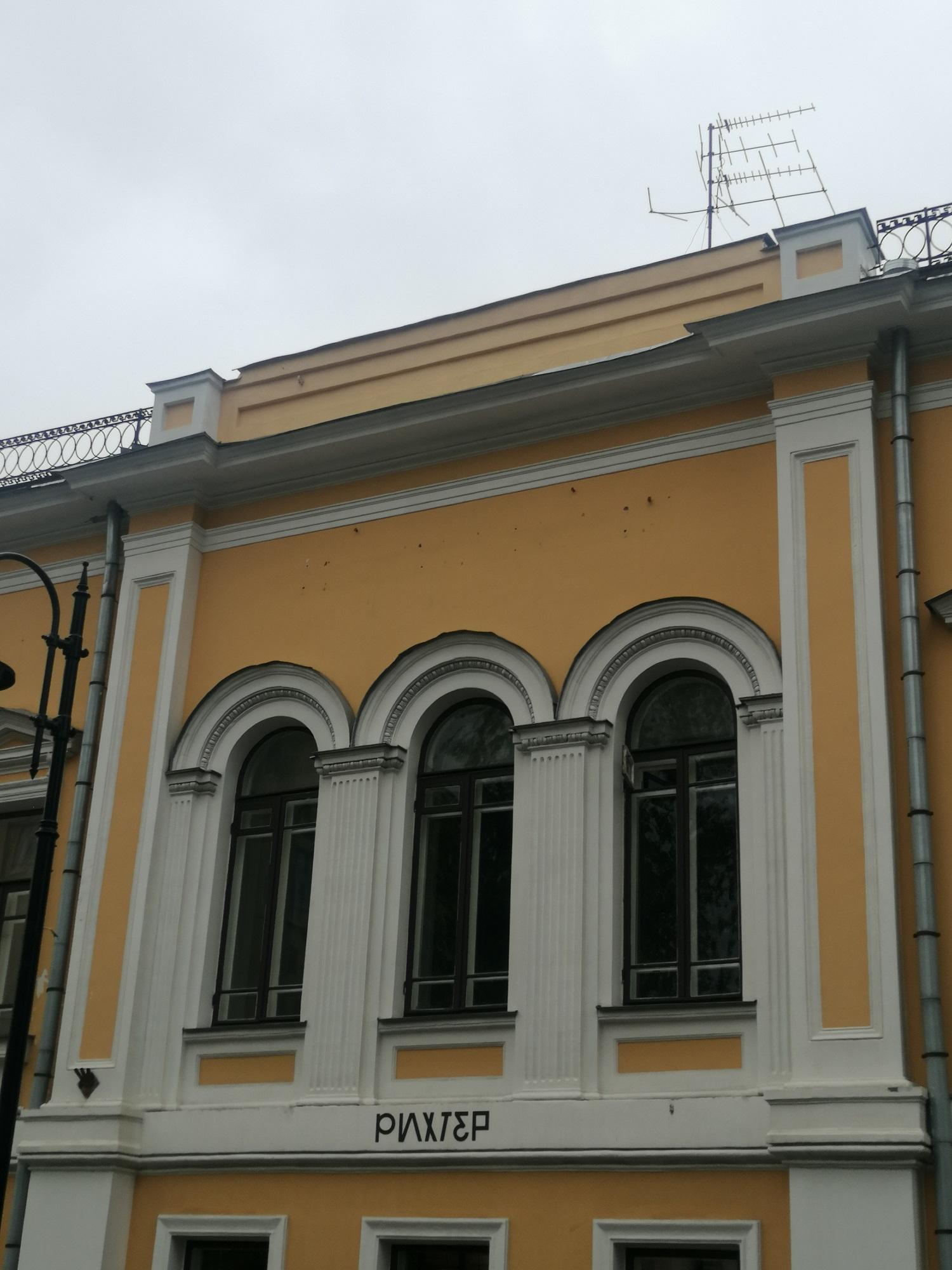
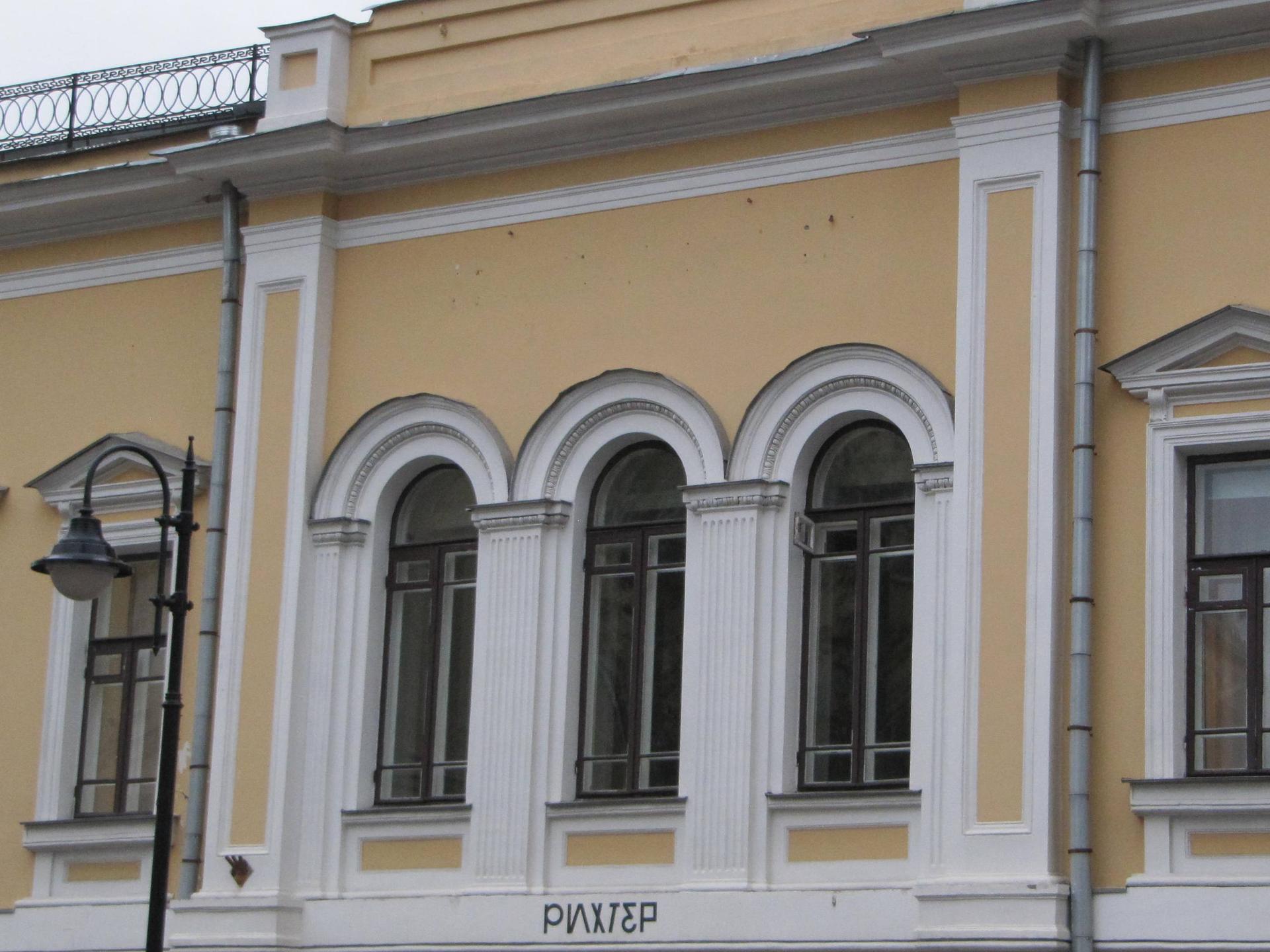
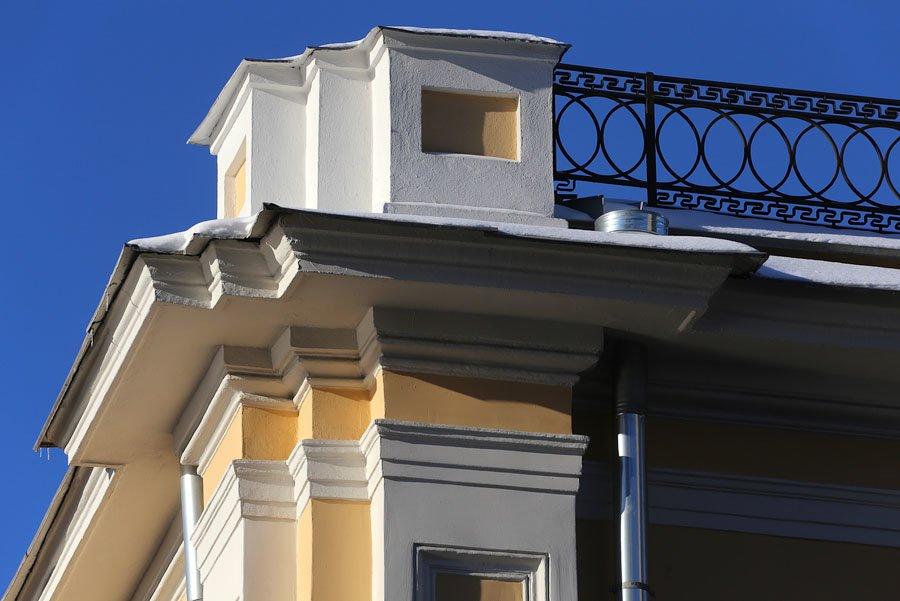
Дом строился в годы, когда архитектура классицизма уже не была востребована в частном строительстве. Общество хотело чего-то другого, более романтичного и свободного от классических канонов. Перед нами пример переходного стиля. Архитектор ещё во многом следует практике классицизма. Здание симметрично, центр фасада занимают три высоких окна, второй этаж главный, первый трактован как постамент, цоколь под парадным этажом. Но углы и дома, и центрального ризалита, обработаны преувеличенно массивными лопатками. Для их облегчения автор применил узкие высокие филёнки. Центральные окна объединены тремя арками, опирающимися на канеллированные пилястры. Междуэтажный карниз преувеличенно массивен, зато венчающий здание карниз лёгок. Он сделан с использованием огромного для такого дома выноса. Столь далеко вынесенный карниз даёт сильную полосу тени на фасаде. Над карнизом поставлен небольшой аттик, заключённый в пространство между двух тумб. По сторонам аттика поставлены лёгкие решётки, что было невозможно в эпоху классицизма. Высота второго этажа преувеличенно большая, над окнами оставлено большое ничем не заполненное поле, подчёркнутое широкой тенью карниза.
Ф. Ф. Рихтер прославился как основатель научной архитектурной реставрации в России. Его реставрация палат бояр Романовых на Варварке стала классической работой, служившей образцом для подражания и изучения поколениями российских реставраторов.
42 Pyatnitskaya Street is a typical city estate. The composition of its facade is symmetrical and based on the contrary of the low ground floor high Ceremonial second floor. The house built in the middle of the XIX century, probably by the architect Fyodor Fyodorovich Richter. If authorship FF Richter will be confirmed, it will be a rare example of a private house, which was built according to his design.
42 Pyatnitskaya Street is a typical city estate. The composition of its facade is symmetrical and based on the contrary of the low ground floor high Ceremonial second floor. The house built in the middle of the XIX century, probably by the architect Fyodor Fyodorovich Richter. If authorship FF Richter will be confirmed, it will be a rare example of a private house, which was built according to his design.
The house built at a time when classical architecture was no longer in demand in the private construction. Society wanted something different, more romantic and free from classical canons. This is an example of the transition style. Architect More largely follows the practice of classicism. The building is symmetrical, the center of the facade is occupied by three tall windows, the second floor of the main, first interpreted as a plinth, plinth under the parade ground floor. But the corners and at home, and the central projection, processed exaggerated massive blades. For facilitation of the author applied the narrow panels are high. Central heating combined three arches resting on channeled pilasters. Intercommunication massive cornice exaggerated, but the crowning cornice of the building provide it a certain ease. It is made using a huge for such house rizal. Cornice, imposed so far forward, gives a strong band shadows on the facade. Above the cornice put a small attic, enclosed in a space between two pedestals. On both sides of the attic set light grids, which was not possible in the era of classicism. The height of the second floor of an exaggeratedly large, over the windows leaving more no-filled field, underlined the broad shadow of the cornice.
FF Richter became famous as the founder of the scientific architectural restoration in Russia. His restoration of Chambers of the Boyars Romanovs in Varvarka become a classic work, serve as role models and studying generations of Russian restorers.