Интерактивный гид по городу
С мобильным приложением бродить по городу гораздо интереснее!

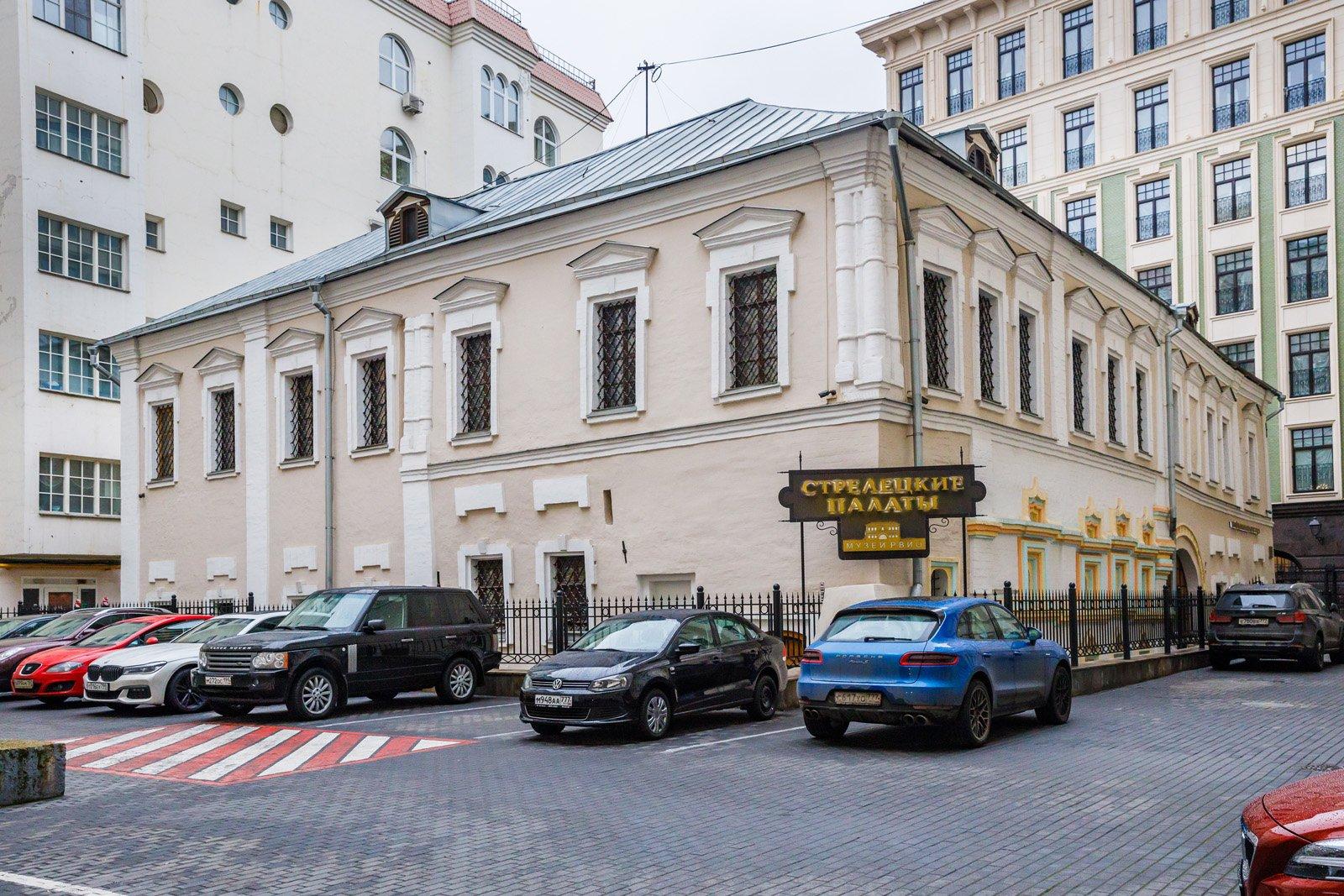
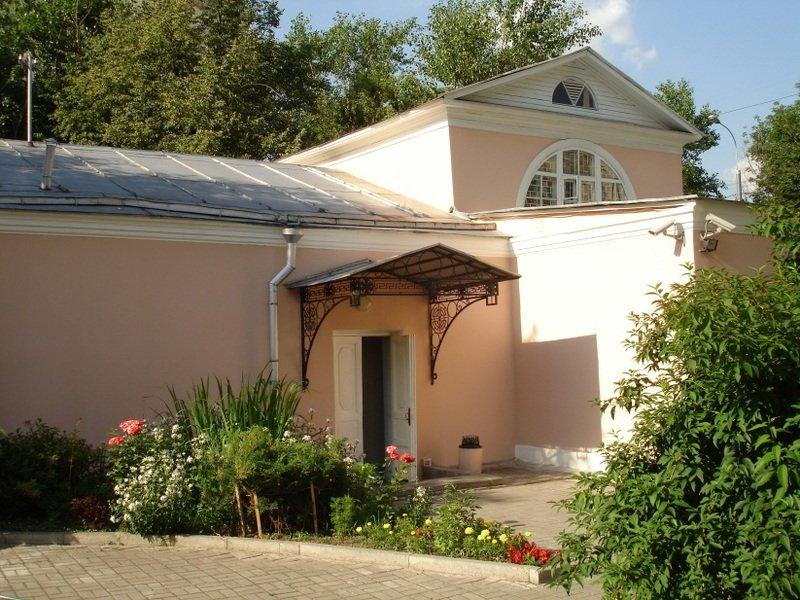
The 17th Century Chambers

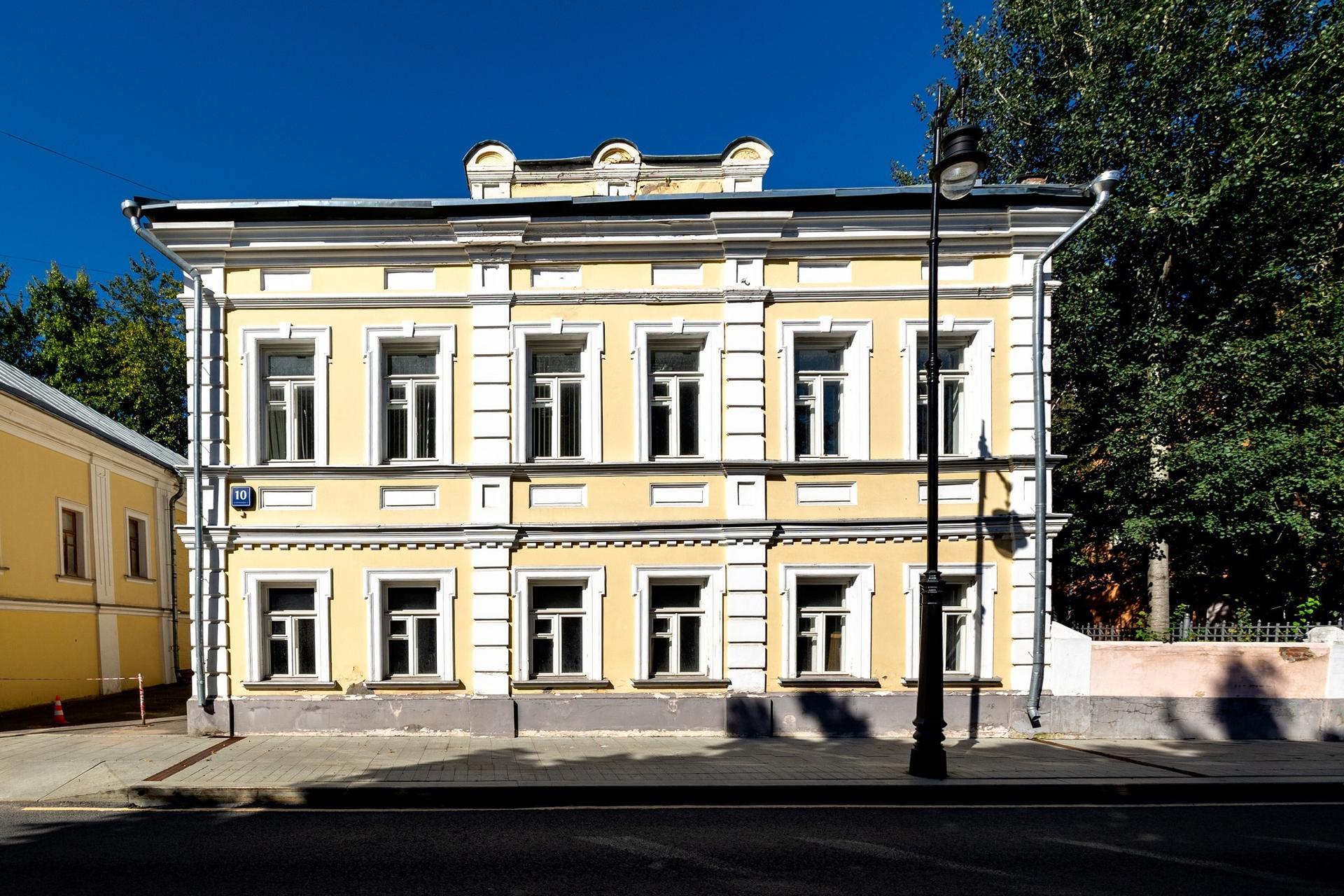
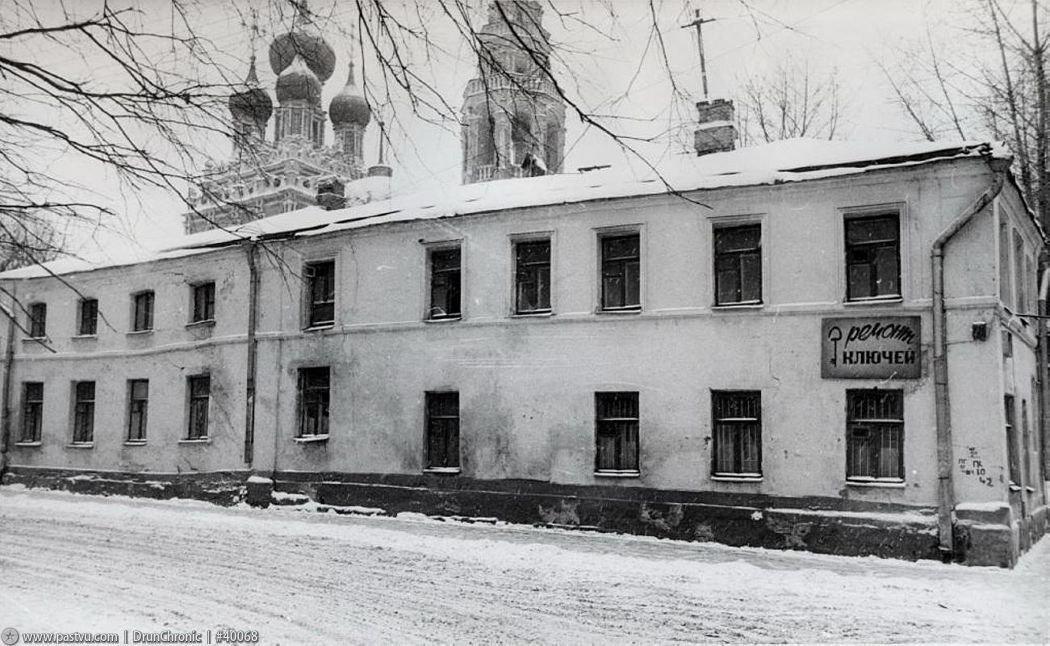
Although the late 19th century facades have quite an eclectic decor, the building still has retained its authentic structure and layout. Its core is the ancient chambers dating back to the second half of the 17th century.

The 17th Century Chambers
Tretyakovskaya, Novokuzneckaya
Although the late 19th century facades have quite an eclectic decor, the building still has retained its authentic structure and layout. Its core is the ancient chambers dating back to the second half of the 17th century.
Вы можете воспользоваться QR-кодом, чтобы открыть эту страницу в нашем приложении
Архитектурный стиль:
Годы постройки:
XVII в.
Эпоха:
17th century, 18th century, 19th century
Информация о здании

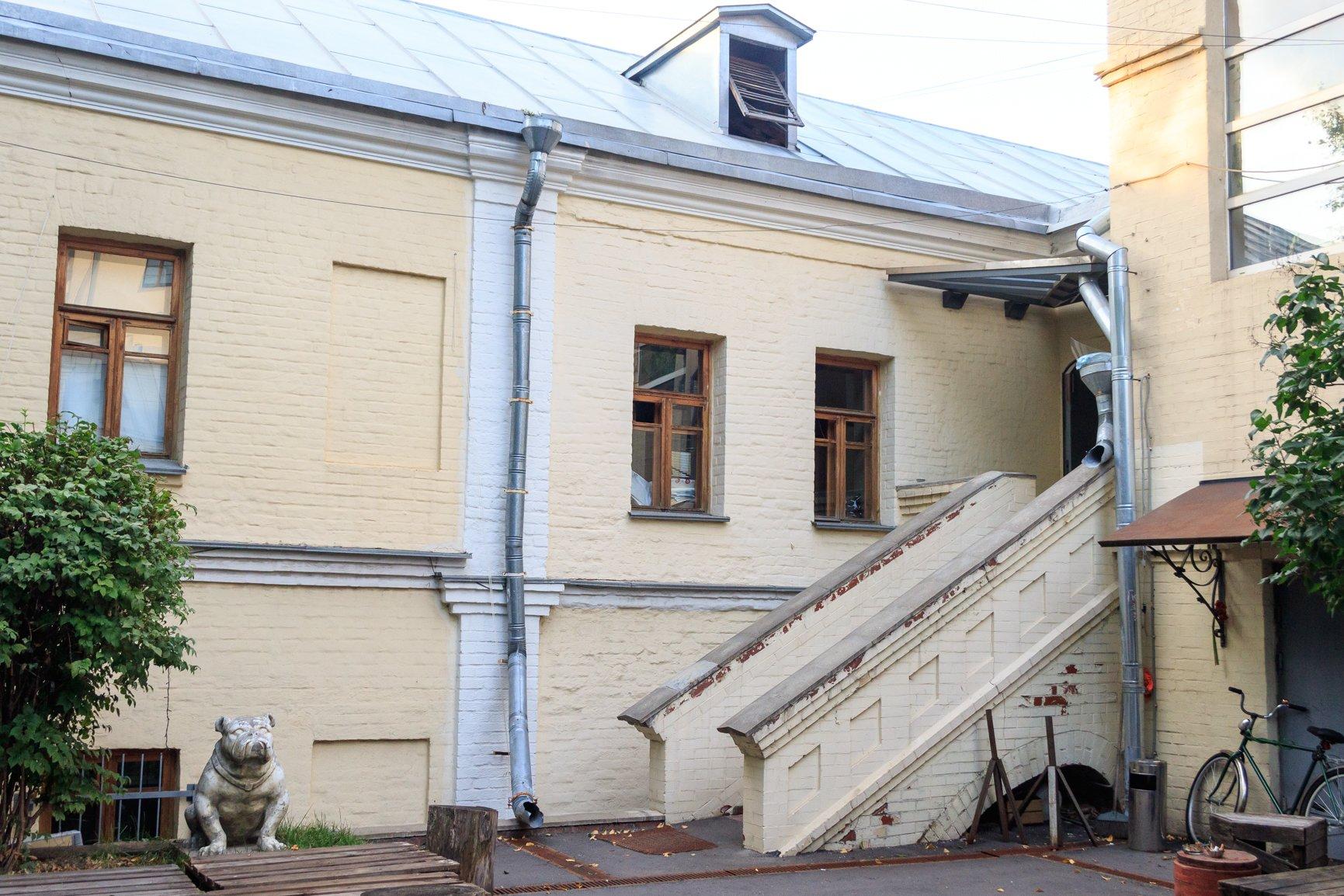
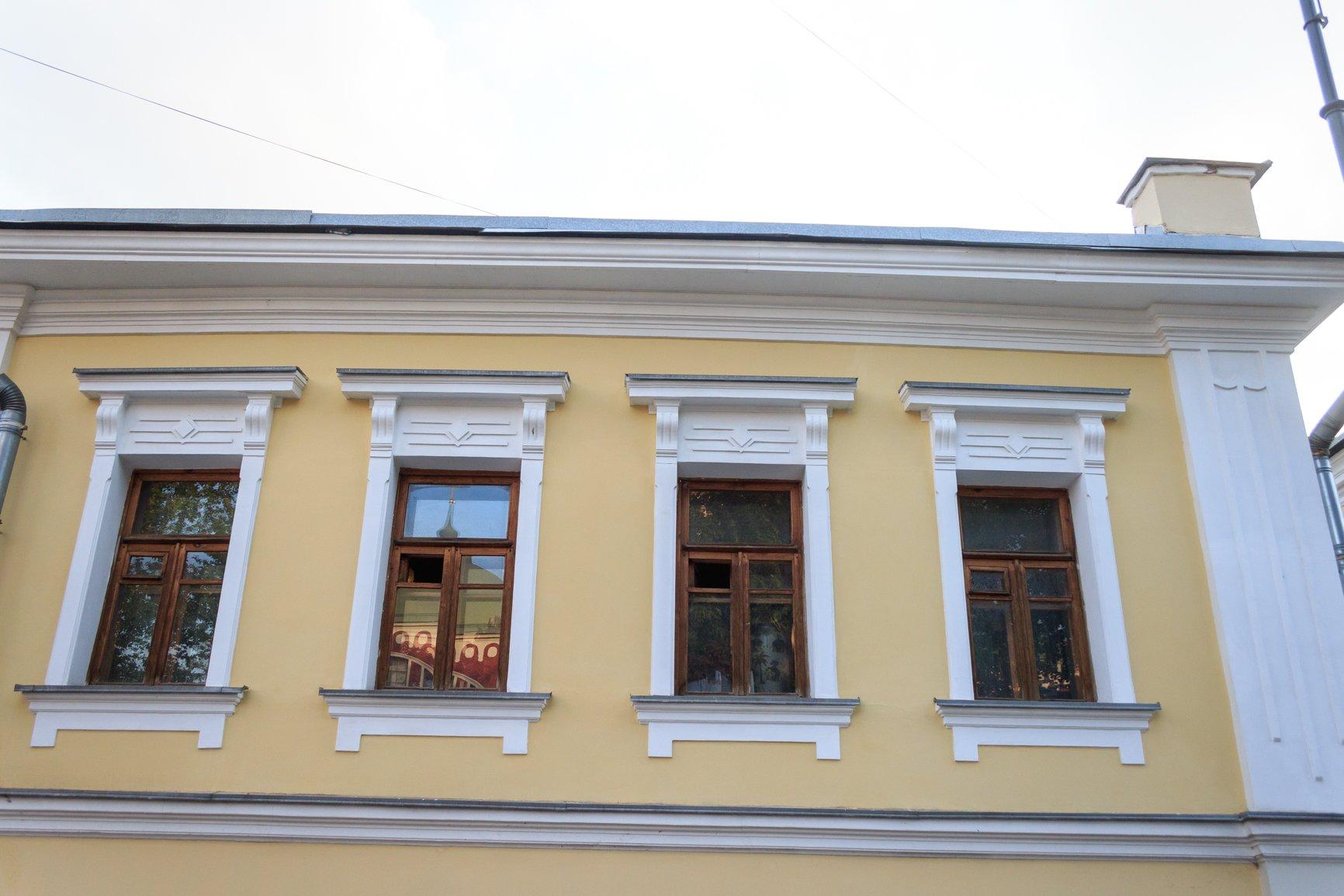
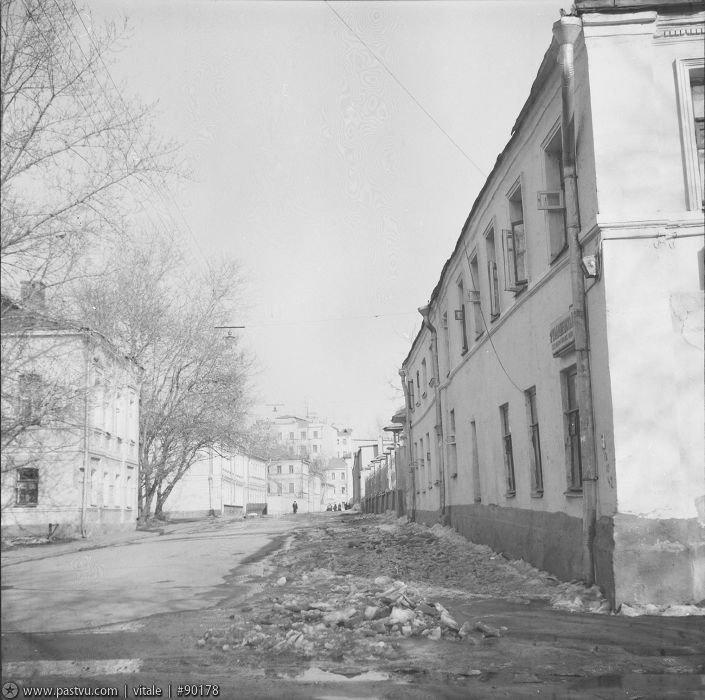
Дом по Кадашевскому переулку, 10, стр. 2 – главный дом слободской усадьбы. Можно предположить, что хозяин его был человеком весьма зажиточным: двухэтажные каменные палаты в XVII веке всегда свидетельствуют о богатстве заказчика. К тому же дом выстроен на «почетном» участке напротив Воскресенской церкви в Кадашевской слободе и украшен барочным белокаменным карнизом. Дом является объектом культурного наследия федерального значения.

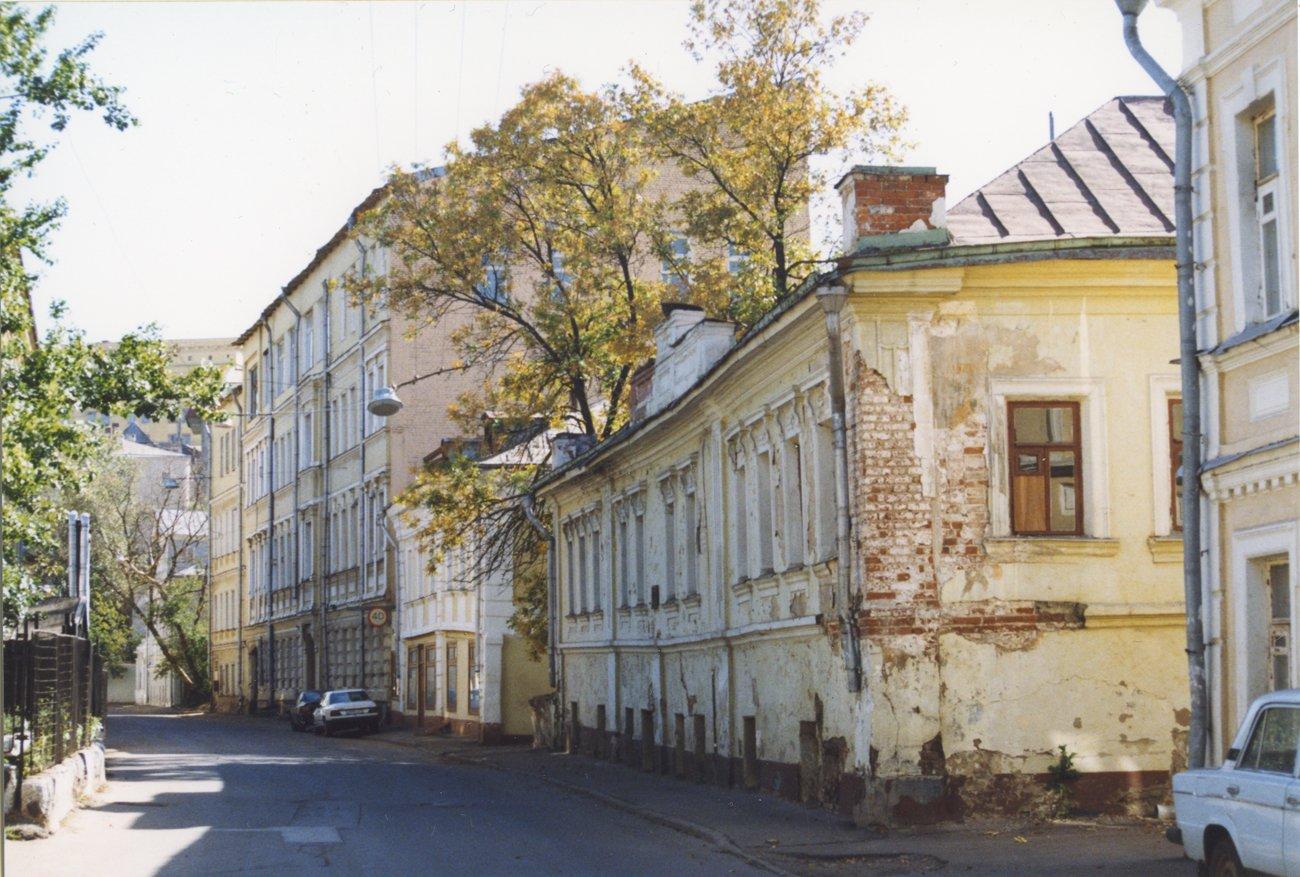
То, каким мы видим его сейчас – результат перестроек XIX – начала ХХ века и реставрационных работ 2004–2006 годов. В процессе реставрации был воссоздан внешний облик дома, сложившийся к 1913 году, и эклектичный декор фасадов конца XIX века.

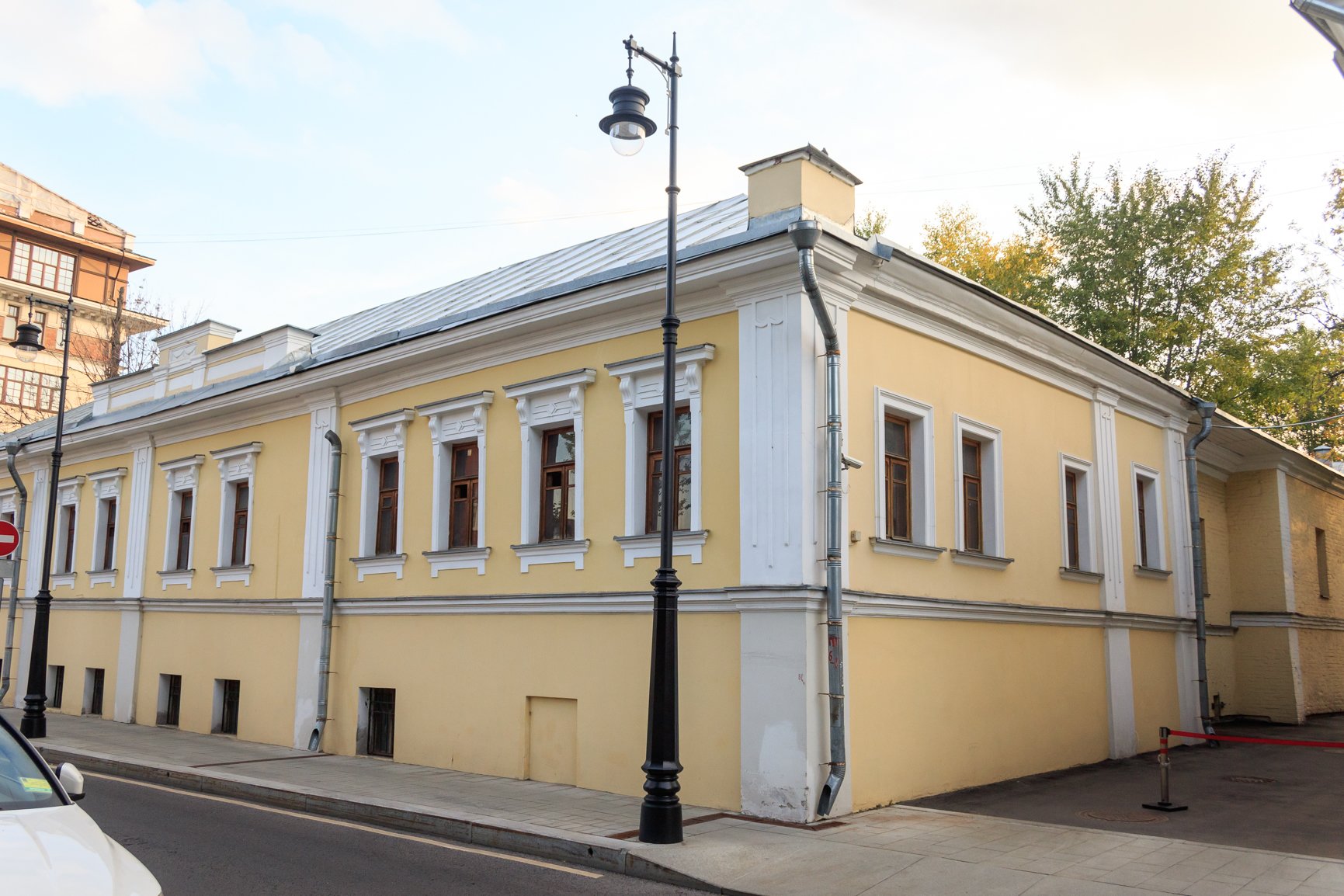
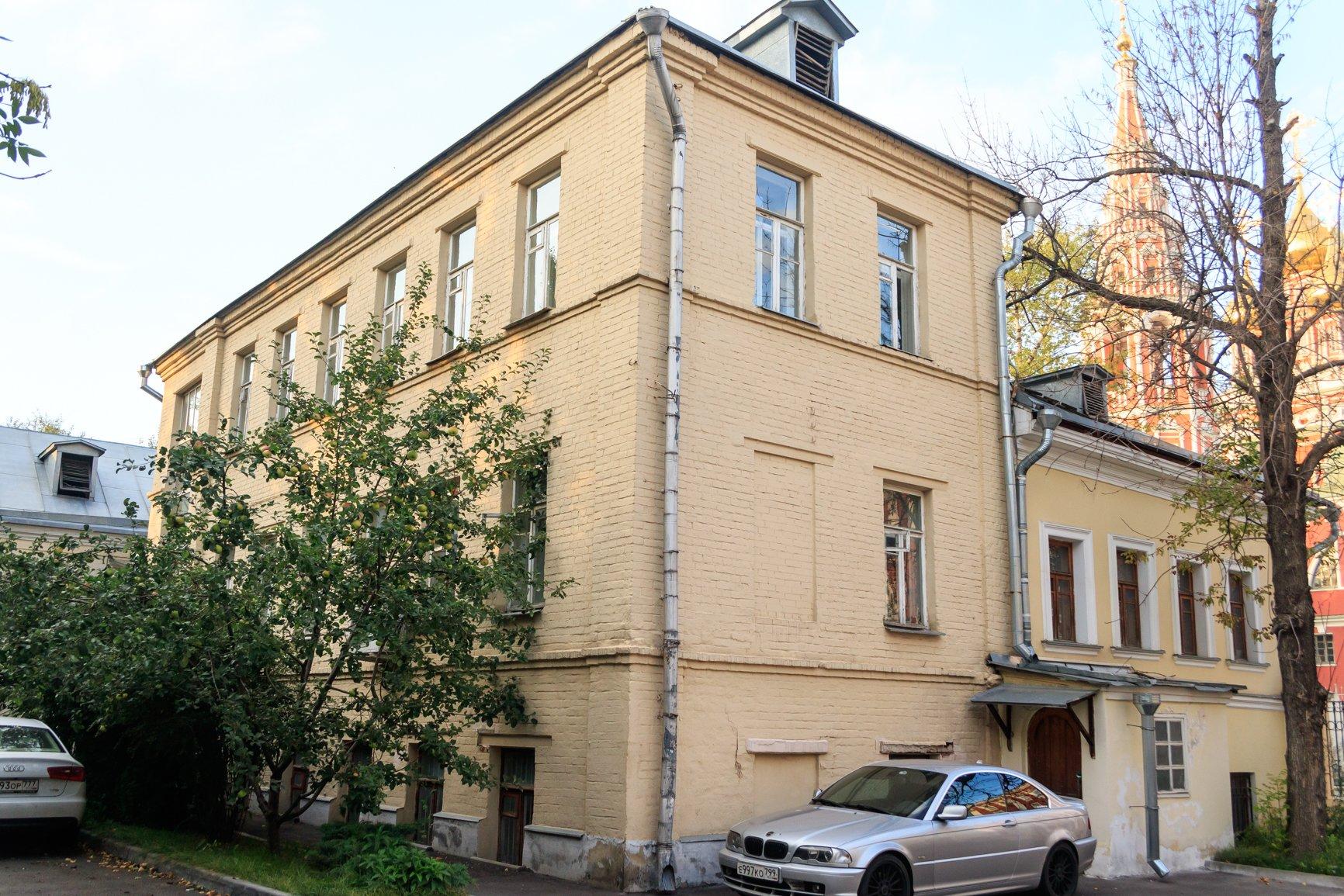
Но внимательный взгляд сразу определит, что здание гораздо старше, чем кажется. Несмотря на многочисленные преобразования, оно сохранило историческую планировочную структуру. В плане дом имеет Г-образный вид. На главном и северном фасадах и сегодня видны лопатки, отмечающие углы объемов и примыкания внутренних стен, а также фрагменты белокаменного венчающего карниза.

Это главный дом замоскворецкого усадебного владения, которое складывалось с XVII века. Первый этаж уже стал фактически полуподвальным. Его ядро – палаты середины XVII века, на подклете, с Красным крыльцом в сенях (оно было застроено в 1914 году). Из соседних усадебных строений дом выделяется существенной протяженностью по линии переулка. Такую длину здание приобрело после пристройки в 1740-е годы южной части.

В конце XVIII века с запада к зданию был пристроен еще один объем в виде бесстолпной палаты со сводами. Во время реставрации там открылись фрагменты лепнины, которая была сделана вскоре после строительства западной пристройки. На своде западной палатки сохранились следы лепного декора. В 1913 году со стороны двора к палатам был пристроен двухэтажный объем для жилых квартир, при этом разобрали остатки крыльца.

К 1917 году дом был частью усадьбы предпринимателя Николая Григорьевича Григорьева. Соседний жилой дом к северу от палат (строение 1 дома № 10) построен им в 1880-е годы. Григорьев владел колбасной фабрикой во 2-м Кадашевском переулке, которая поставляла товар даже в Западную Европу). С 2000 года он объявлен местночтимым святым в Ярославской епархии. После революции 1917 года фабрика была национализирована, а Григорьев выслан в Ярославскую область, где умер от голода.

Евгения Твардовская
Автор статьи

The number 10/2 on the Kadashevsky Lane is the main house of the Sloboda homestead. Slobodas were suburban settlements, right behind the city walls. The house suggests that its owner was a wealthy person: in 17th century, two storey chambers were an evidence of their owner prosperity. Also, the house was built on a prestigious plot in front of the Resurrection Church in the Kadashevskaya Slogoda and decorated with a Baroque white stone cornice. The building is a cultural heritage site of federal significance. Its today's appearance is a result of reconstructions in the 19th — early 20th centuries and restorations in 2004—2006. In the restoration process its exterior — fully formed by 1913 — as well as the late 19th century eclectic facade decor have been recreated. However, a sharp eye may see that the building is much older than it may seem at a first glance. Notwithstanding numerous modifications, it has preserved its original layout. The building has an L shape. Its main and Northern facades still have lesenes setting out corners and inner partition joints as well as some fragments of a white stone final cornice. The building served as a main house of a Zamoskvorechye estate that was gradually taking its shape since the 17th century. Today, the ground floor has sunken and looks almost as a semi-basement. Its core represents the 17th century chambers on podklet (service ground floor in the Russian traditional architecture), red porch with canopy (has been integrated in the later structures in 1914). Unlike the neighbouring buildings, the house's lane side is quite long. It became so long in 1740s, when some annexes have been added on the Southern side. In the late 18th century, another mass has been added to the building on the Western side, representing a pillarless vaulted chamber. During the restoration, some moulding fragments have been discovered that were made after the Western annex's construction. The vault of the Western box has preserved some elements of moulded decor. In 1913, on the courtyard side, the chambers have been added a two storey mass intended for tenements; at the same time, the remains of the porch have been demolished. By 1917, the house was a part of the homestead owned by an entreprneur Nikolay G. Grigoryev. The next door residential house to the North of the chambers (building 1 of the number 10) was built for him in 1880s. Grigoryev owned a sausage factory in the 2nd Kadashevsky Lane that used to export its products even to Western Europe. In 2000, Grigoryev has been canonized as a local Saint in the Yaroslavl Diocese. After the 1917 revolution the factory has been nationalized, Grigoryev was sent to exile to the Yaroslavl Region where he starved to death. Yevgenia Tvardovskaya
Поделитесь статьей с друзьями
Интересное рядом(13)
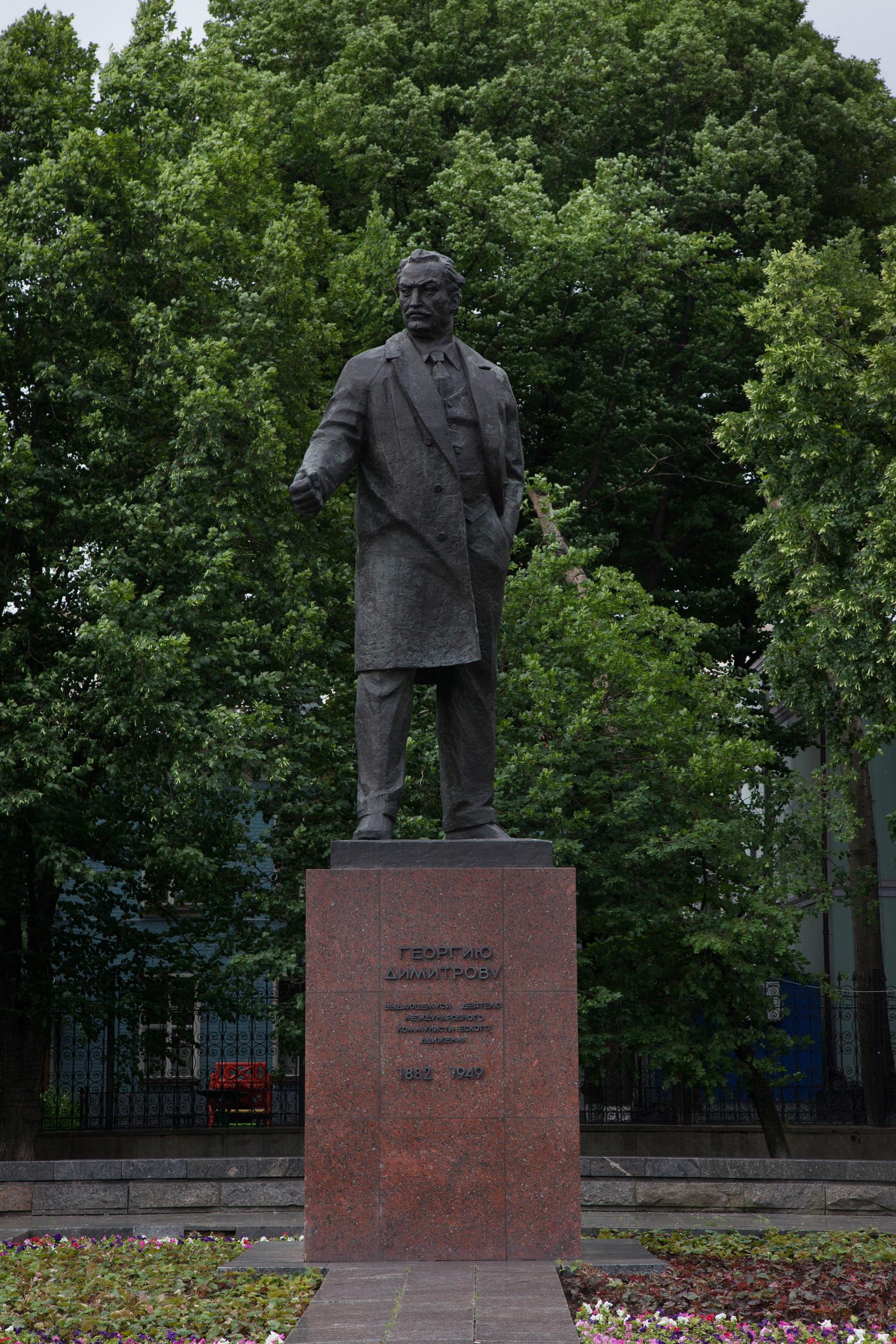
Димитров Г. М.
Якиманский пр-д (сквер)
Polyanka
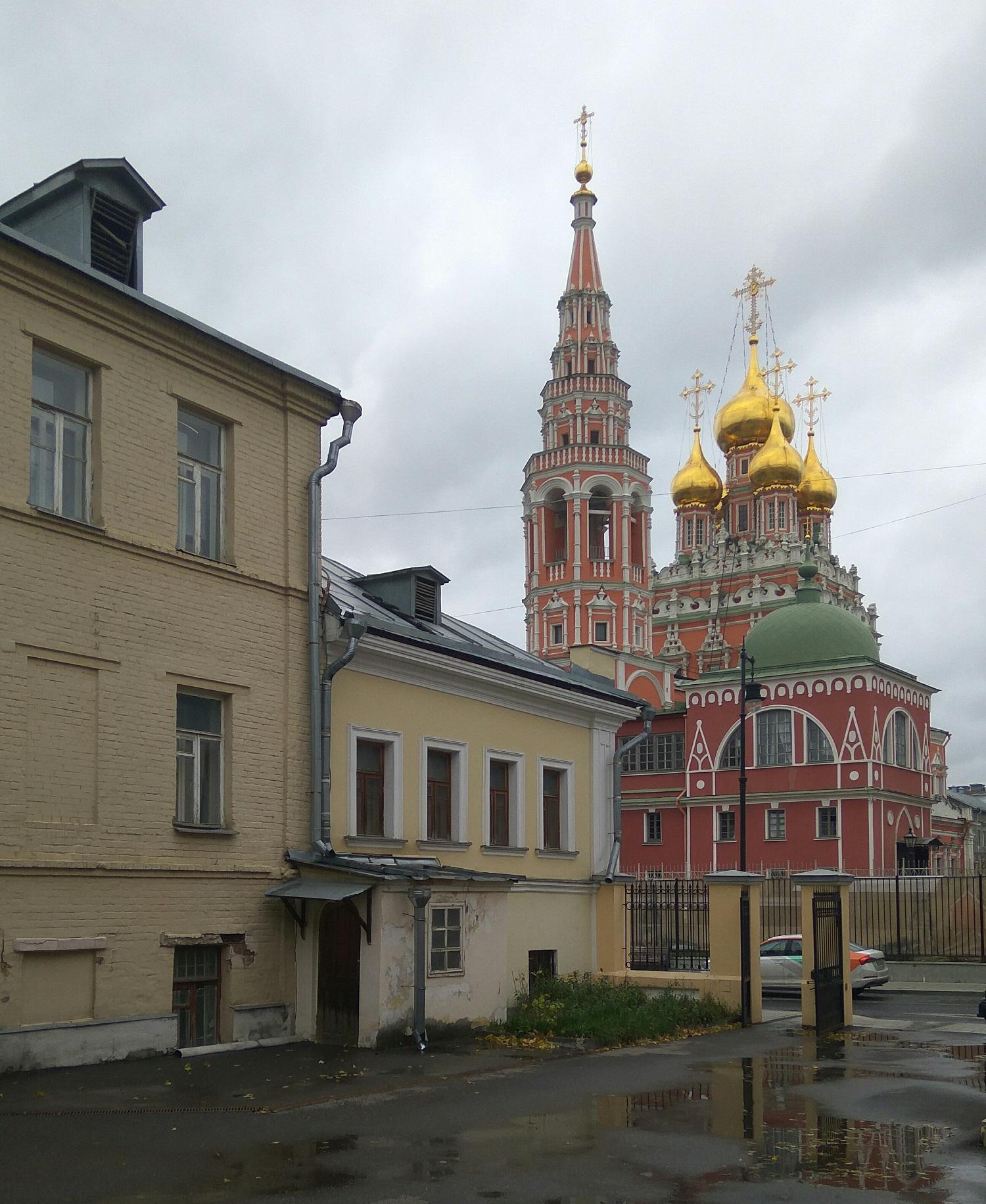
Kadashevskaya Sloboda

Kadashevtsy were free from taxes. Freely traded and grew rich.

Кадашевский туп., 2, стр. 5
Polyanka, Tretyakovskaya, Novokuzneckaya
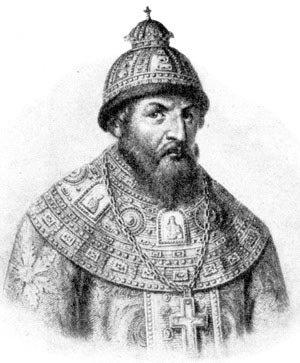
Ivan the Terrible
First Tsar of All the Russias
г. Москва, ул. Пятницкая, д. 12
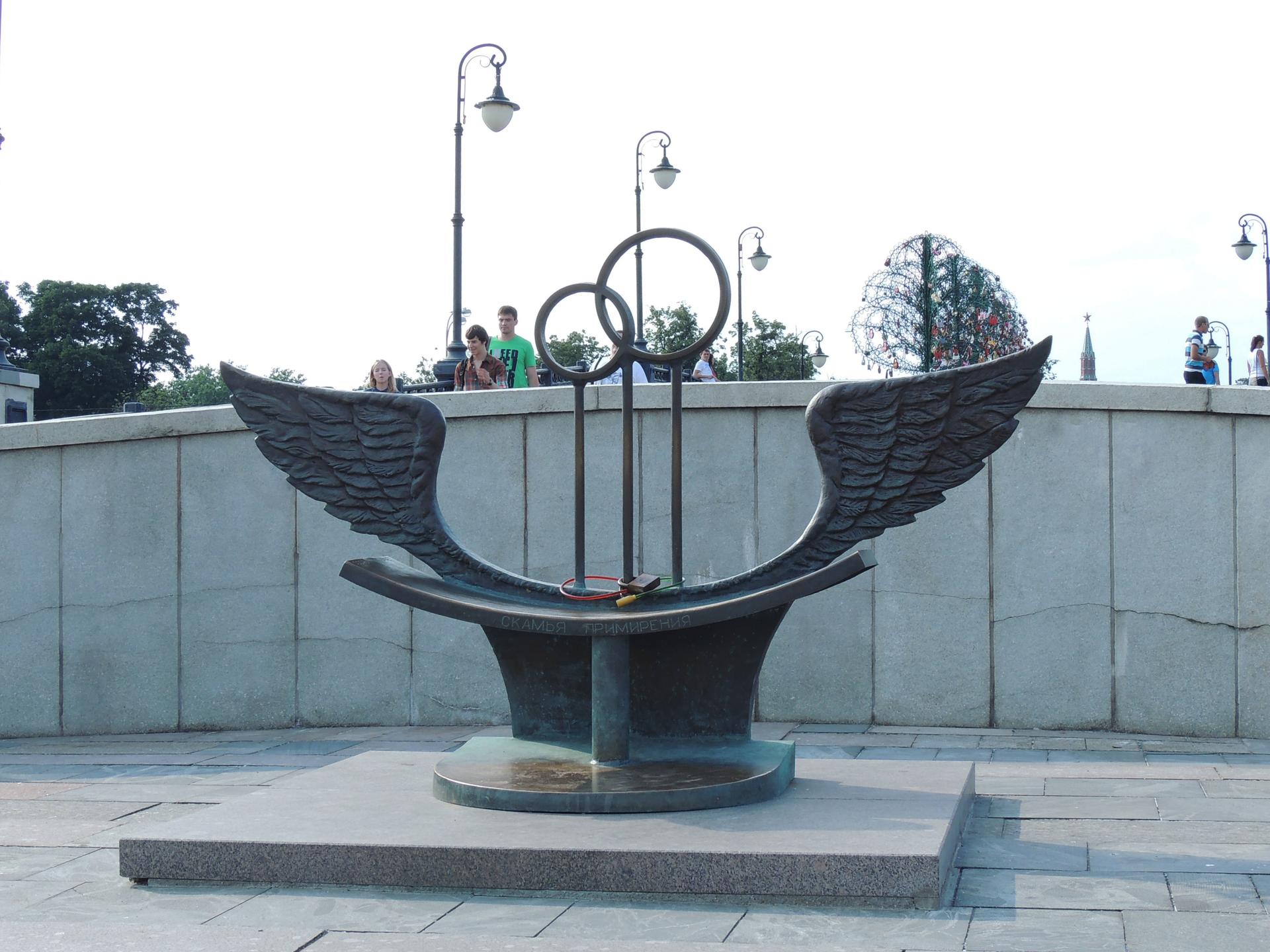
Bench reconciliation

The reconciliation bench is in many cities.

Crossing Kadashevskaya nab. and Lavrushensky lane.
Tretyakovskaya, Novokuzneckaya
Most Ordinka

Here a road to the Golden Horde.

г. Москва, ул. Большая Ордынка
Polyanka, Dobryninskaya, Novokuzneckaya, Третьяковская (Калининская линия), Третьяковская (Калужско-Рижская линия)
Болотная наб. (сквер)
Tretyakovskaya, Novokuzneckaya