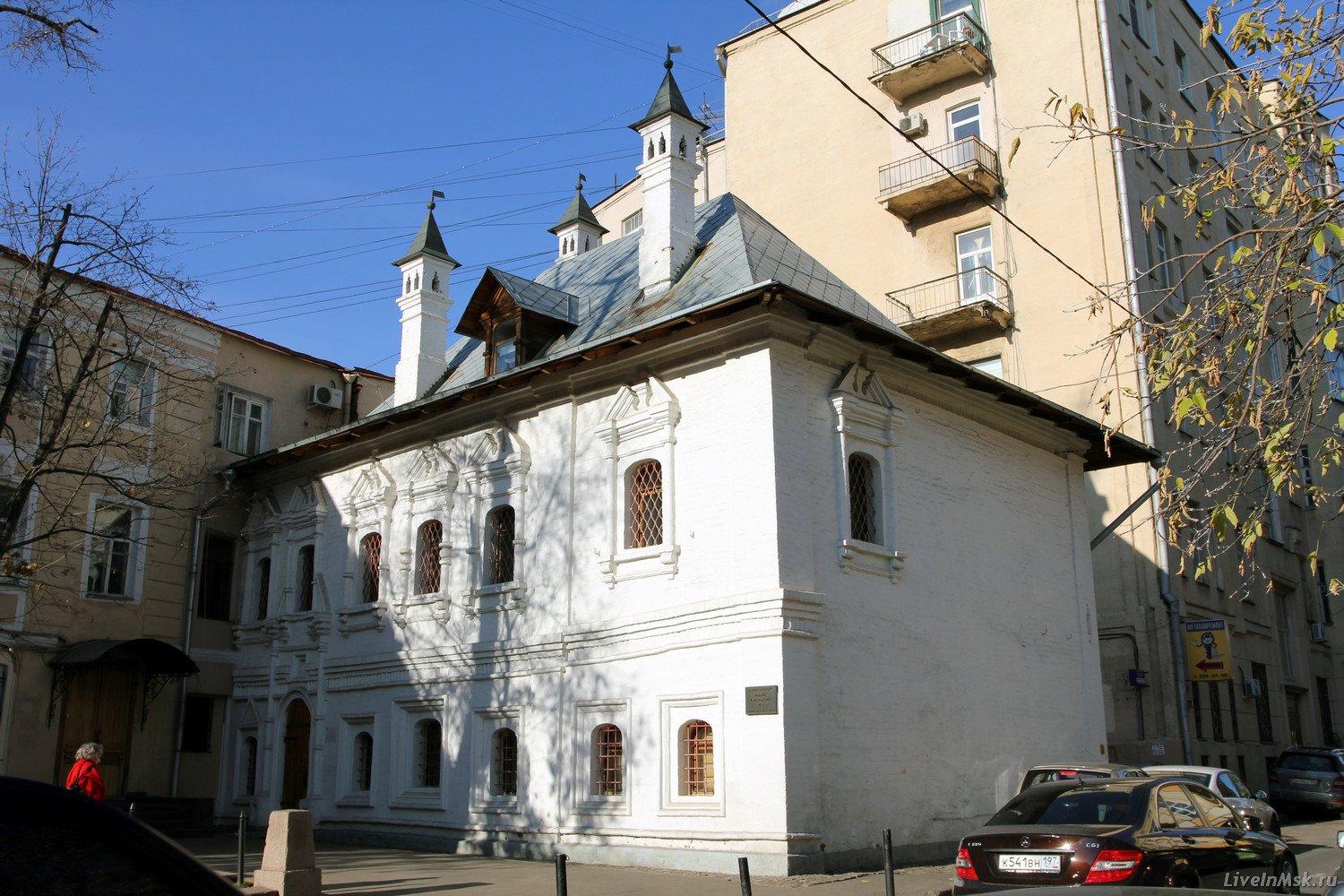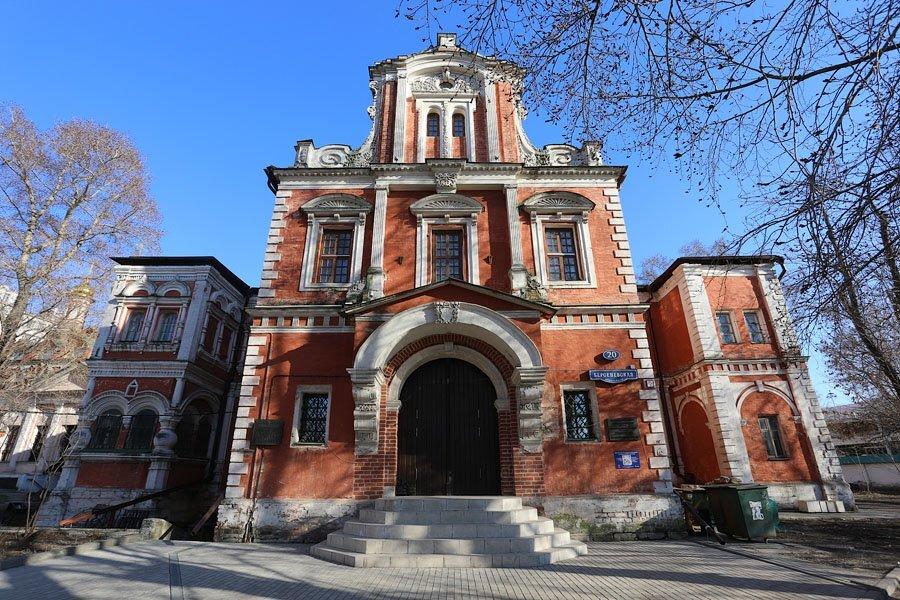


Участок, на котором находятся палаты Аверкия Кириллова, был застроен ещё в XV веке. Тогда на этом месте стоял крупный деревянный дом на белокаменном подклете, явно принадлежавший влиятельному лицу.
Одним из первых возможных владельцев этой территории считается сын боярский и член Боярской думы Иван Никитич Беклемишев по прозвищу Берсень, казнённый в 1525 году. В пользу этой версии говорит устоявшееся название местности — Берсеневка, от которого получила имя и Берсеневская набережная. По той же логике по двору И.Н. Беклемишева в Кремле ближайшая к нему башня стала называться Беклемишевской, или Москворецкой.
Наиболее вероятно, что с XVI века владельцем усадьбы был «государев садовник» Кирилл, получивший её в пожалование из царских владений. Из двух его детей один, Филипп, умер бездетным, а второй, Стефан, оставил троих сыновей. Один из них, Аверкий Стефанович Кириллов (1622–1682), крупный купец-предприниматель, а позднее глава приказов Большой казны, Большого прихода и Большого дворца, со временем стал единственным хозяином усадьбы. Землю, принадлежавшую братьям, он позднее пожертвовал под кладбище соседней приходской церкви Николы на Берсеневке.
К моменту перехода палат к А.С. Кириллову это было уже достаточно крупное Г-образное в плане здание. Восточный фасад украшало нарядное красное крыльцо с двойными арками на кувшинообразных столбах. В отделке едва ли не впервые в московском зодчестве использовались изразцы с синим рисунком по белому фону. Каждый ярус дома завершался сложным карнизом с поребриком, окна были оформлены пышными наличниками, а стены членились многочисленными вертикальными тягами, пилястрами и полуколоннами.
Став владельцем здания, А.С. Кириллов расширил его со стороны двора. В свод одного из залов — Крестовой палаты — была вмонтирована плита с надписью: «Написан сей святый и животворящий крест в лета 7165 [1657] году, того же лета и полата сия посправлена». Подобная памятная надпись — случай исключительный в истории отечественной архитектуры.
Под Крестовой палатой, вероятно, на первом этаже, находилась кухня, из которой в специальное окошко, ныне заложенное, наверх подавали готовые блюда. Одно из помещений подвала, возможно, служило домашней тюрьмой для провинившихся слуг. По свидетельству будущего бургомистра Амстердама Н. Витсена, побывавшего у А.С. Кириллова 20 апреля 1665 года, верхний этаж здания был деревянным, а в окнах Крестовой палаты находились расписные немецкие стёкла, то есть витражи.
В 1682 году, после гибели А.С. Кириллова, убитого стрельцами во время Московского восстания и похороненного у церкви Николы на Берсеневке, палаты унаследовал его сын Яков Аверкиевич Кириллов (1641–1693), впоследствии думный дьяк. В свою очередь, он продал их Семёну Маслову в 1684–1687 годах.
В 1700-х годах при Масловых палаты были капитально перестроены и получили облик, близкий к современному. Полностью изменился парадный фасад. В его средней части появилась пристройка во вкусе петровской эпохи: трёхъярусная, с мощным декоративным завершением, огромными волютами причудливой формы и пышными гирляндами из цветов и фруктов, обрамляющими «теремок» верхнего яруса.
Вход в здание со стороны набережной получил арку, поддерживаемую резными кронштейнами. Над нею находился балкон, не сохранившийся до нашего времени. Окна среднего яруса, несколько более крупные, чем остальные, были обрамлены строгими наличниками и завершены лучковыми фронтонами-раковинками. Углы пристройки рустованы, что придало ей известную архитектурную собранность в контрасте с более прихотливой архитектурой XVII века. Ради симметрии, входившей тогда в моду, справа по фасаду появилась пристройка с ризалитом, уравновешивавшая объём с крыльцом. На тумбах-постаментах парадного крыльца были установлены статуи.
Обновлённый фасад палат имеет немало общего с обликом церкви Сант-Михилскерк в бельгийском городе Лувене, возведённой в 1650–1666 годах по проекту архитектора В. Хесиуса, что позволяет предположить участие в реконструкции мастера, приехавшего из Европы. Попытки связать эти работы с архитекторами М.И. Чоглоковым или И.А. Зарудным документально не подтверждены.
С 1 июля 1756 года казна приобрела палаты у родственницы Масловых Анны Ивановны Зиновьевой, жены асессора Вотчинной коллегии бригадира Андрея Степановича Зиновьева (1704–1781), за 5 тысяч 500 рублей. В здании разместились Корчемная контора и один из складов соседнего вино-соляного двора.
В 1771–1793 годах в палатах находился Разрядно-Сенатский архив. Затем сюда переехала Московская казённая палата. В 1806 году здание было реконструировано по проекту архитектора А. Назарова для Сенатской курьерской команды и получило название Курьерский дом.
К 1860-м годам оно пришло в аварийное состояние, и строением, обречённым на слом, заинтересовалось Императорское Московское археологическое общество. В 1868 году Александр II передал палаты этому обществу.
Во время развернувшейся реставрации были разобраны позднейшие пристройки. Крестовую палату расписали во вкусе допетровского времени. Позднее в ней проходили публичные заседания общества, среди членов которого были историки М.П. Погодин, С.М. Соловьёв, В.О. Ключевский, архитекторы Ф.Ф. Горностаев, Л.В. Даль, К.М. Быковский, И.П. Машков, художники А.М. Васнецов и И.С. Остроумов, писатели А.Ф. Вельтман, Ф.Н. Глинка, В.М. Жемчужников, Д.Н. Мамин-Сибиряк, П.И. Мельников-Печерский и многие другие.
Московское археологическое общество, переставшее быть императорским в 1917 году, было ликвидировано распоряжением Народного комиссариата внутренних дел в июне 1923 года. С декабря 1924 года первый этаж палат А.С. Кириллова занимал Институт по изучению языков и этнических культур восточных народов СССР. Одним из его посетителей был поэт О.Э. Мандельштам. В 1925 году на второй этаж палат переехали Центральные государственные реставрационные мастерские, созданные И.Э. Грабарём. После их закрытия в 1934 году в палатах устроили общежитие для обслуживающего персонала комплекса Дома Правительства на улице Серафимовича, 2.
После войны, в конце 1947 года, палаты Аверкия Кириллова частично передали Научно-исследовательскому институту краеведческой и музейной работы Комитета по делам культурно-просветительных учреждений при СНК РСФСР, впоследствии Российскому институту культурологии Министерства культуры РФ.
В 1953–1963 годах в палатах велись реставрационные работы под руководством Г.В. Алфёровой. Общежитие было ликвидировано, и здание полностью передали институту, который в 1966 году получил новое название — НИИ музееведения и охраны памятников истории и культуры. В 1968 году на его базе был создан Научно-исследовательский институт культуры, позднее — Российский институт культурологии. В 2014 году он вошёл в состав Российского научно-исследовательского института культурного и природного наследия им. Д.С. Лихачёва.
С 2021 года в здании идут новые реставрационные работы, которые ведёт Межобластное научно-реставрационное художественное управление (АО «МНРХУ») по заказу Министерства культуры. В ходе реставрации под полом Крестовой палаты в 2026 году был обнаружен керамический сосуд с серебряными монетами-чешуйками. Клад, датируемый рубежом XVI–XVII веков, насчитывает более 32 тысяч монет.