В 1933–1934 годах, параллельно с прокладкой трассы, инженерными и геологическими изысканиями, были проведены и архитектурные конкурсы на проекты перронных залов и наземных павильонов 13 станций первой очереди метро. Реальное строительство метро происходило в 1934–1935 годах и совпало с резким стилистическим поворотом от авангарда к декоративной архитектуре в советском искусстве.
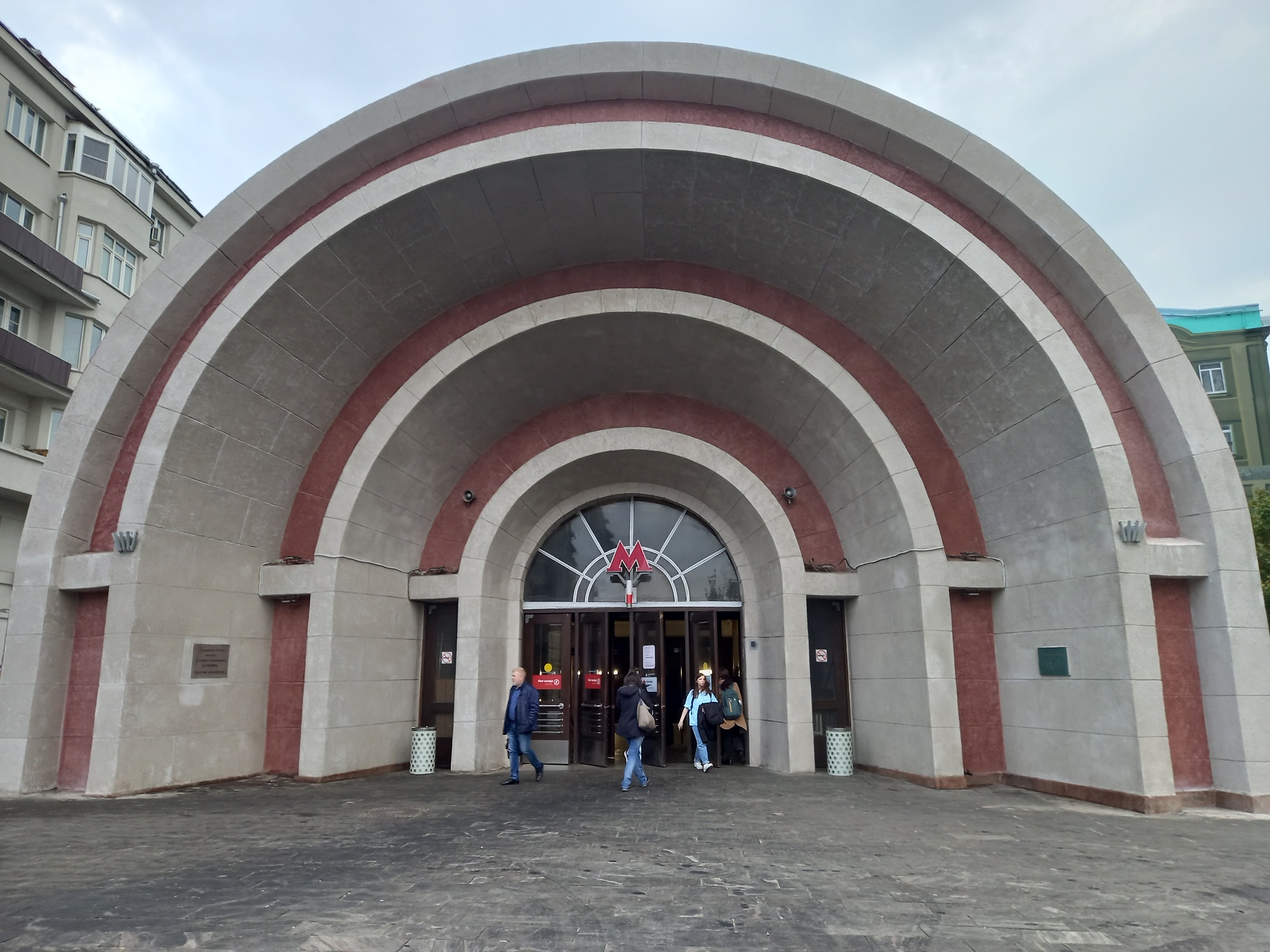
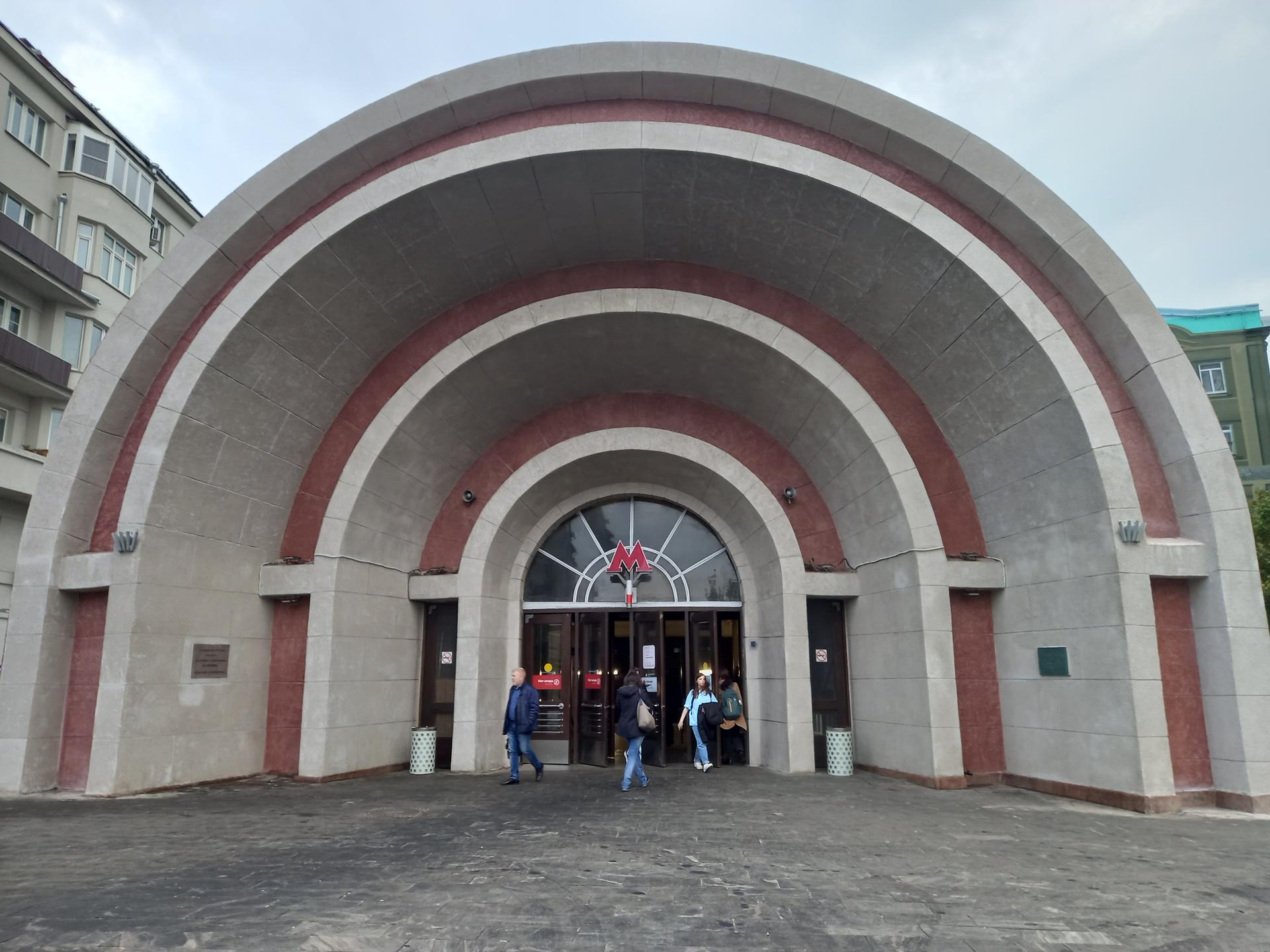
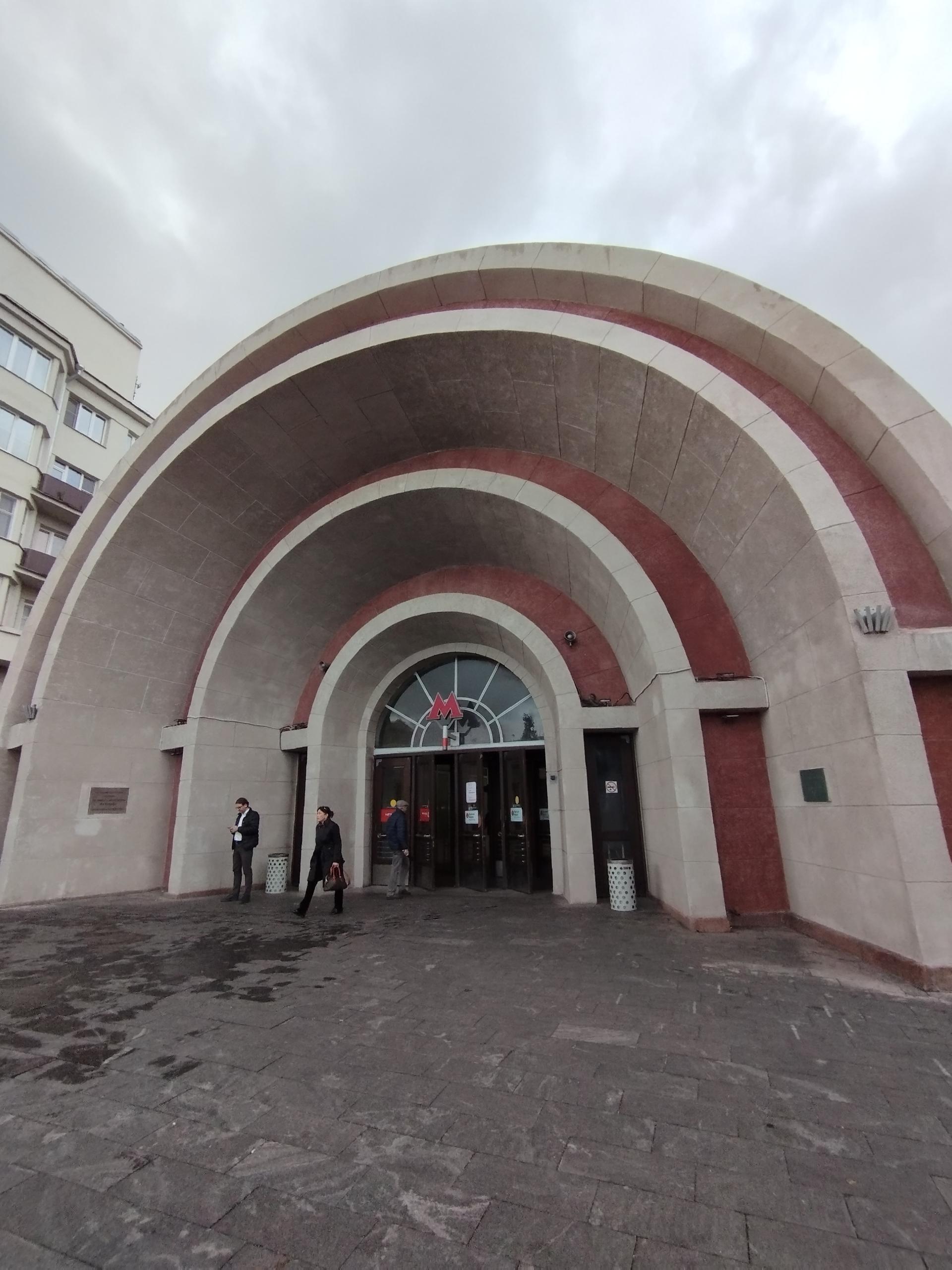
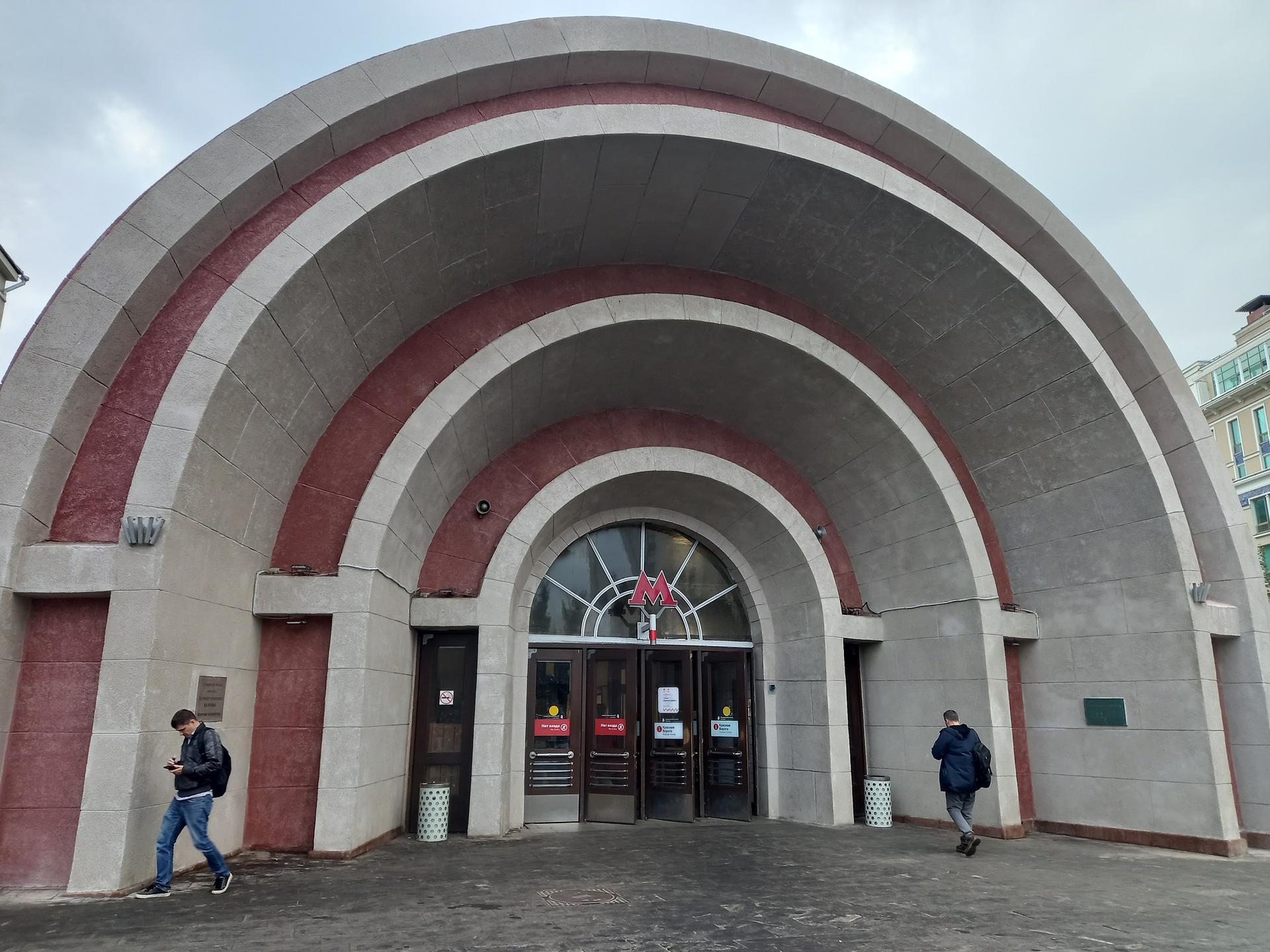
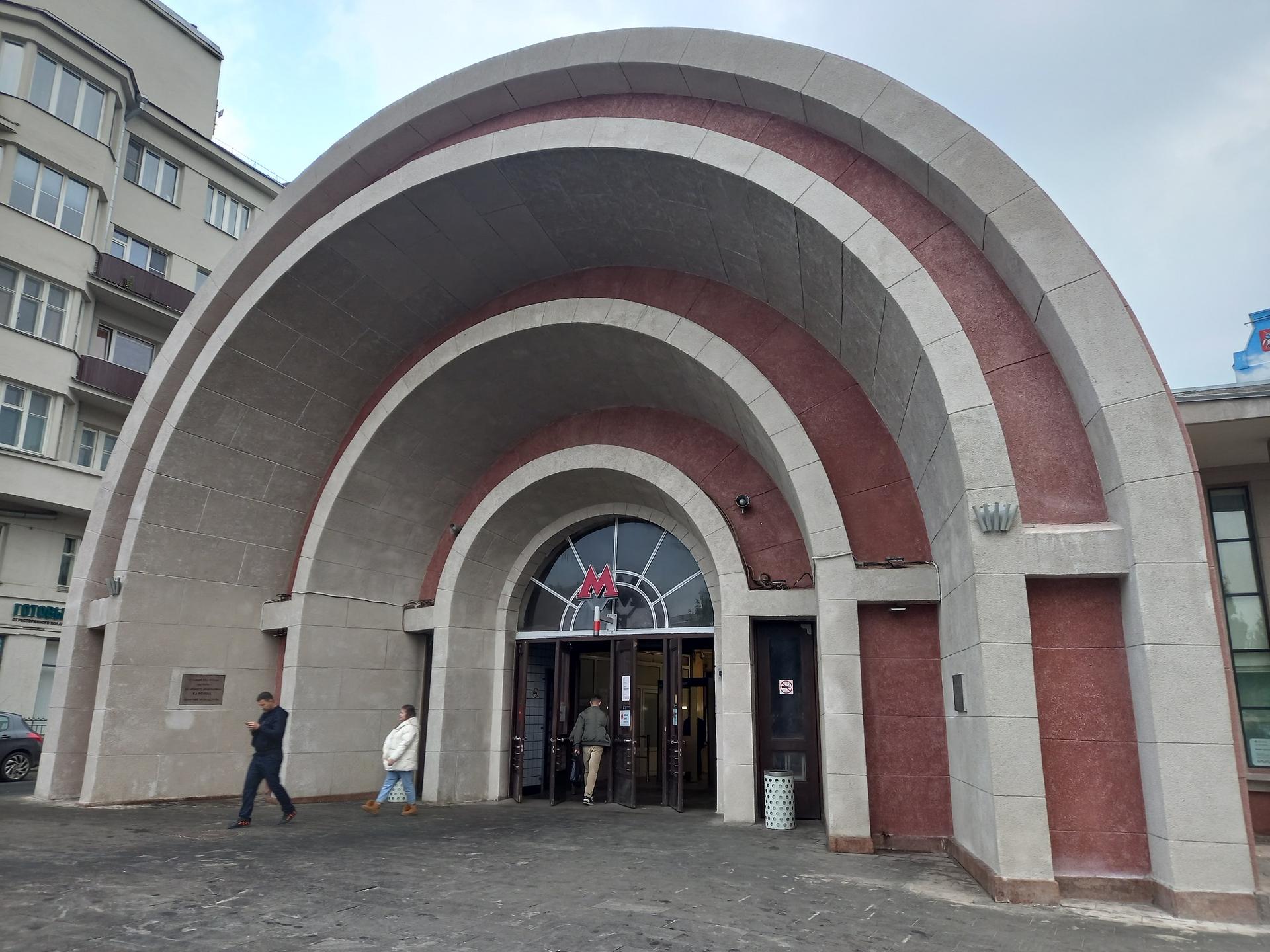
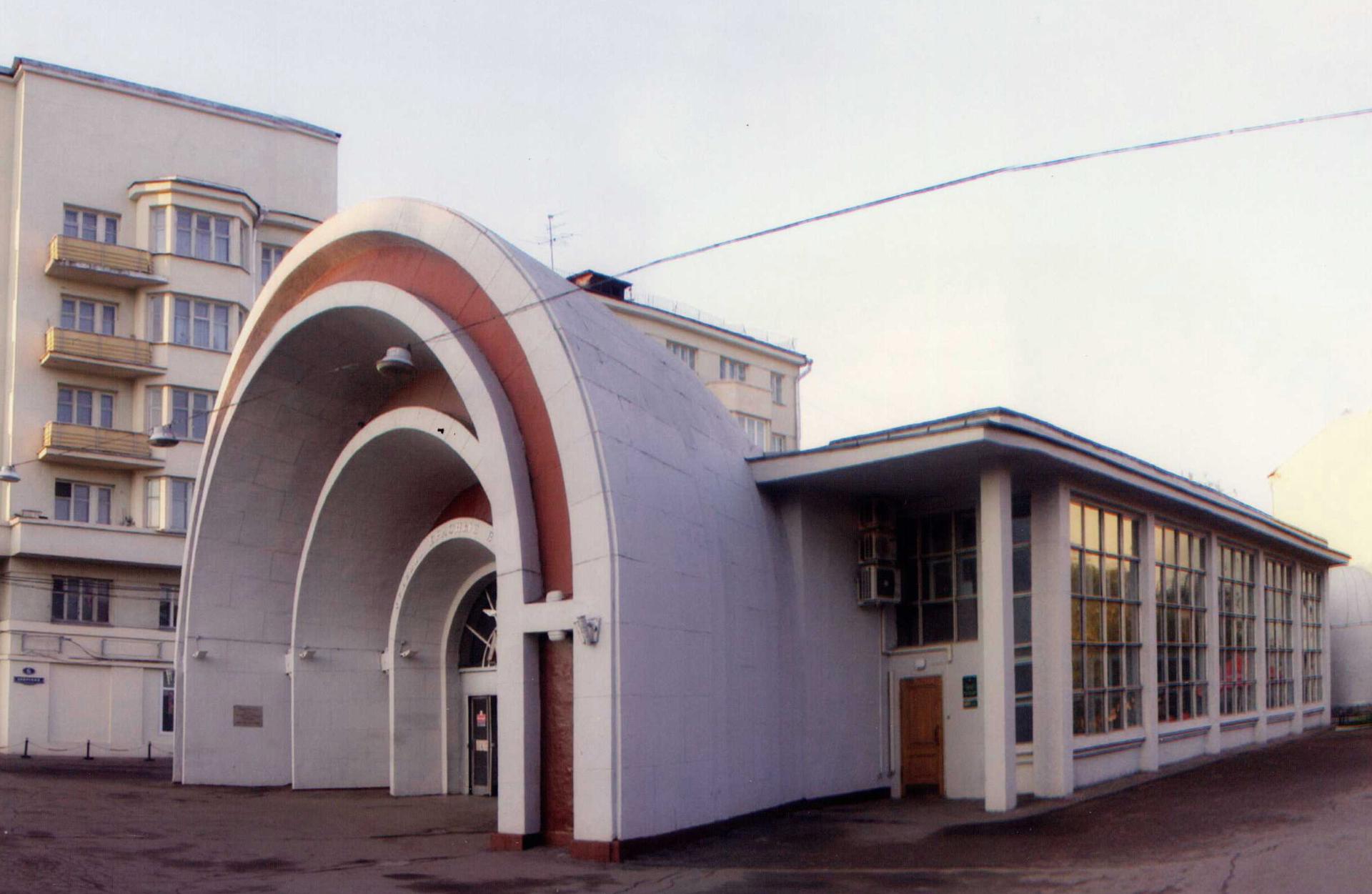
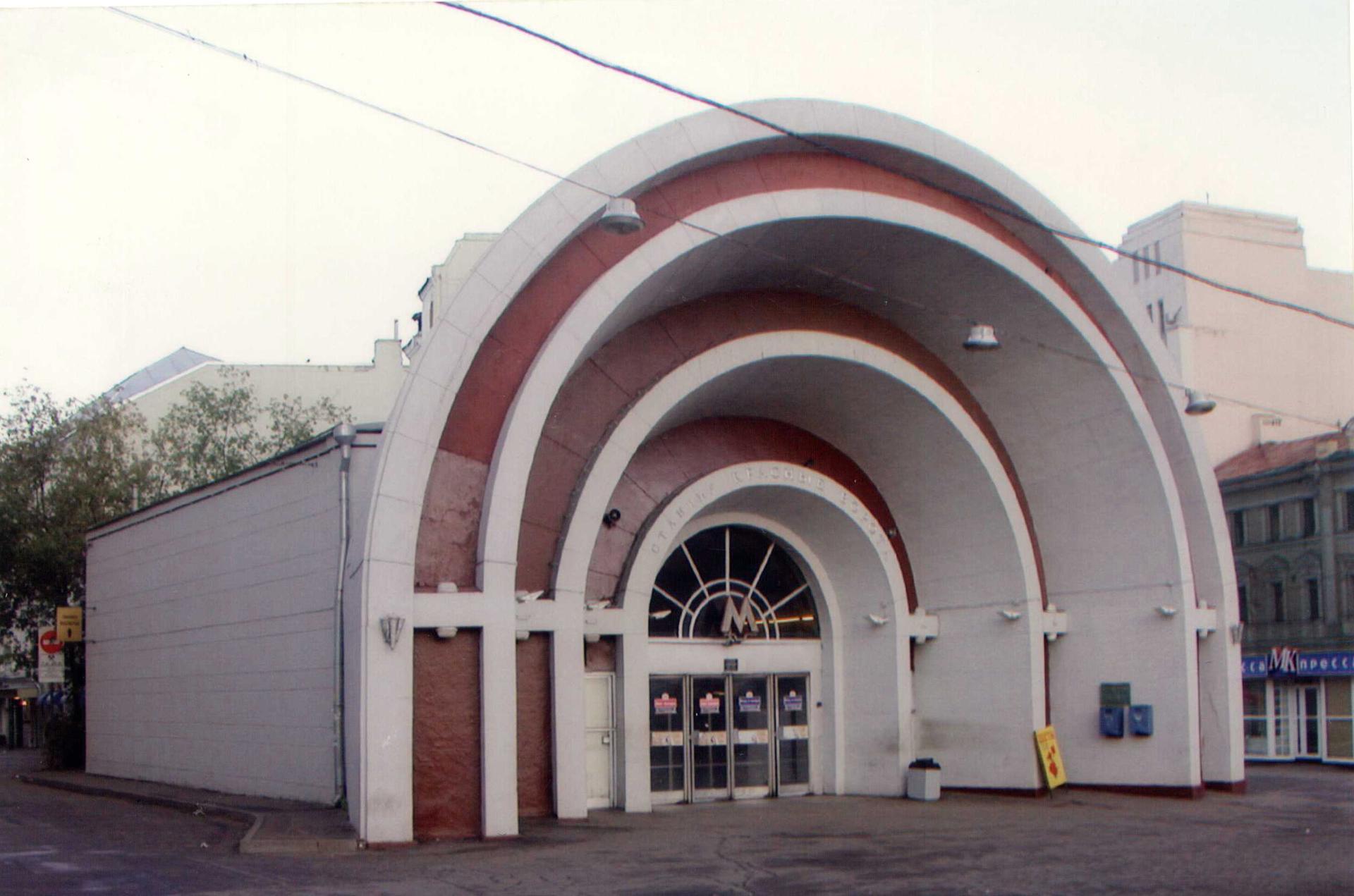
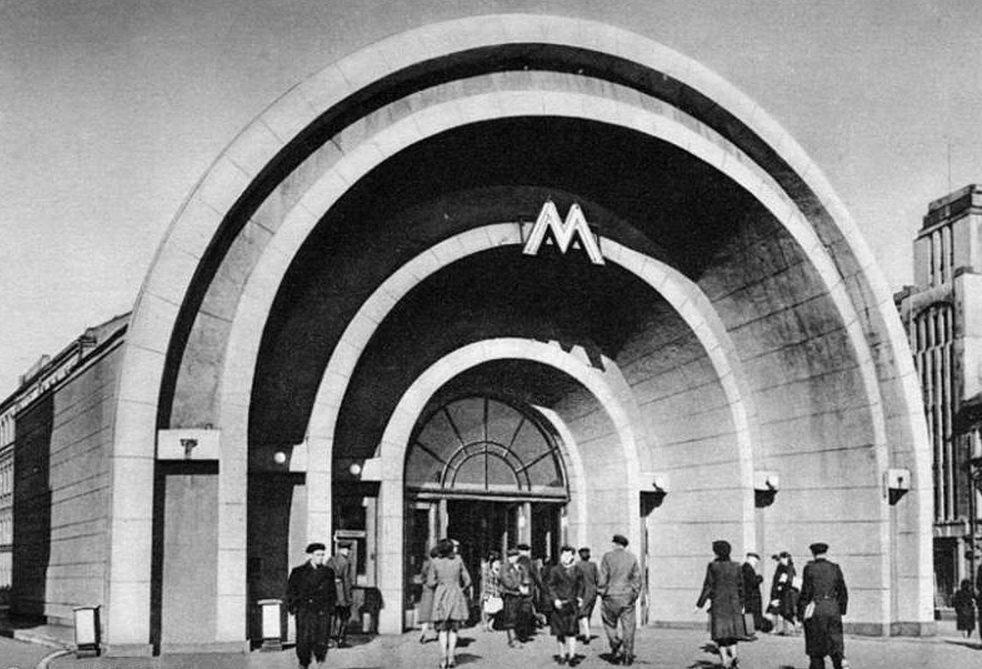
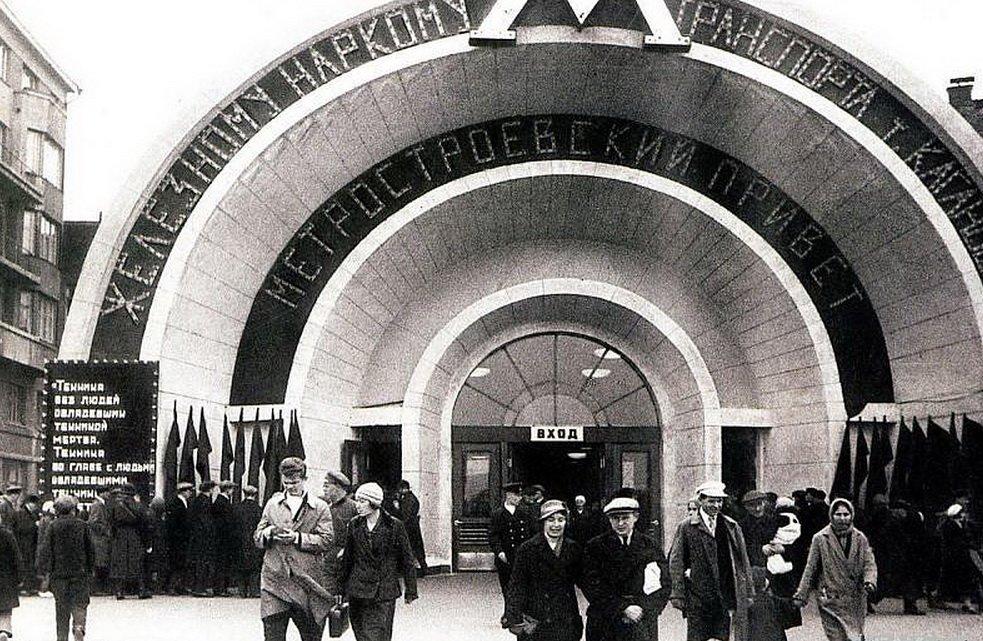
Из всех построек, сделанных для системы метрополитена в период до конца 1950-х годов, только наземный павильон станции «Красные ворота» выглядит современно и лишен каких-либо ассоциативных связей с исторической архитектурой или прямых заимствований из нее. Это бетонный раструб-ракушка, визуально замыкающий створ Новой Басманной улицы. Его автор Николай Ладовский. В 1920-е годы он был лидером группировки АСНОВА - Ассоциации новых архитекторов, называвших себя рационалистами, творческих оппонентов конструктивистов. Н. Ладовский утверждал принципы поиска сверхвыразительной формы, не отягощенной накладным декором, но в тоже время очень монументальной и динамичной.
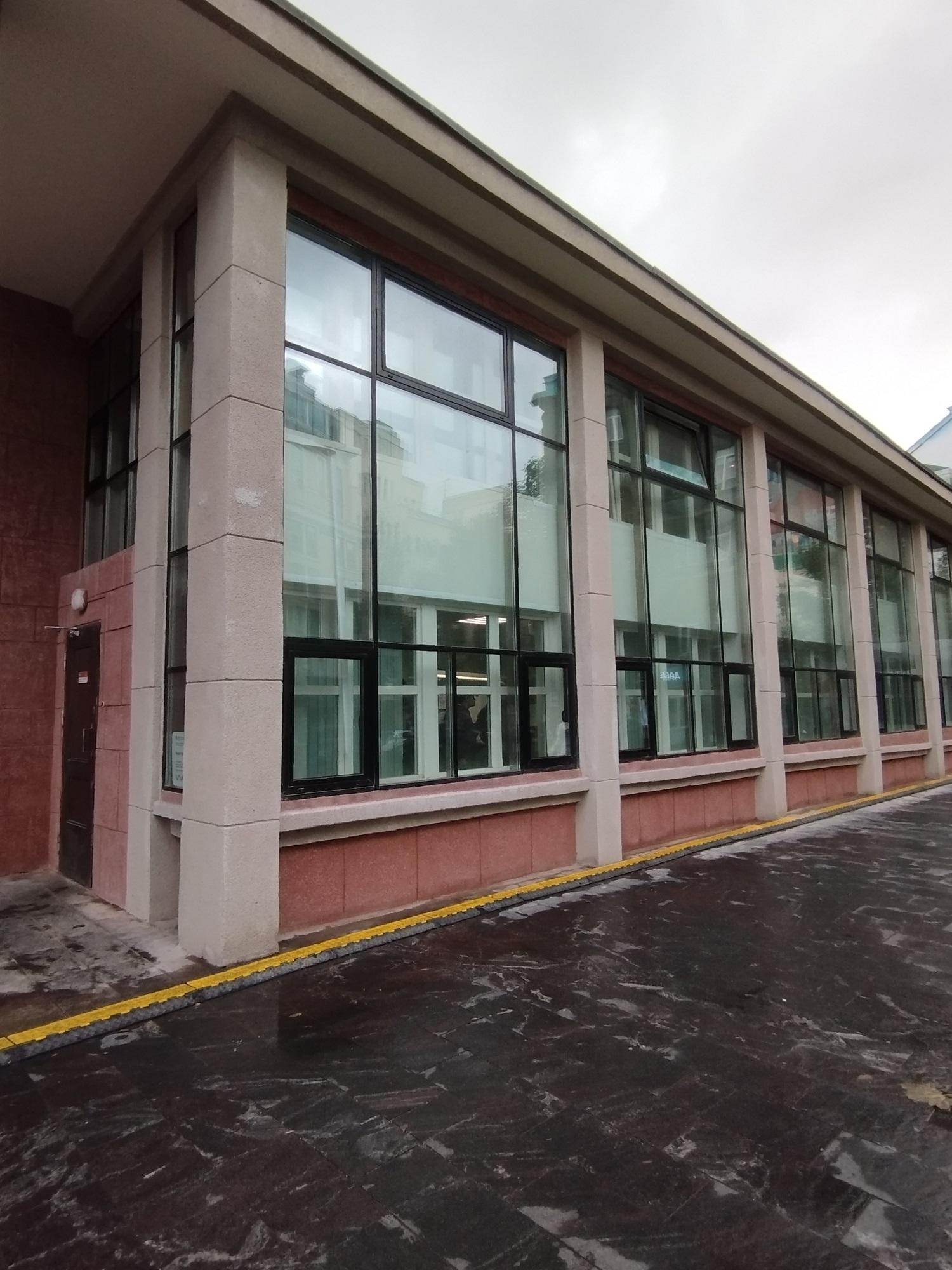
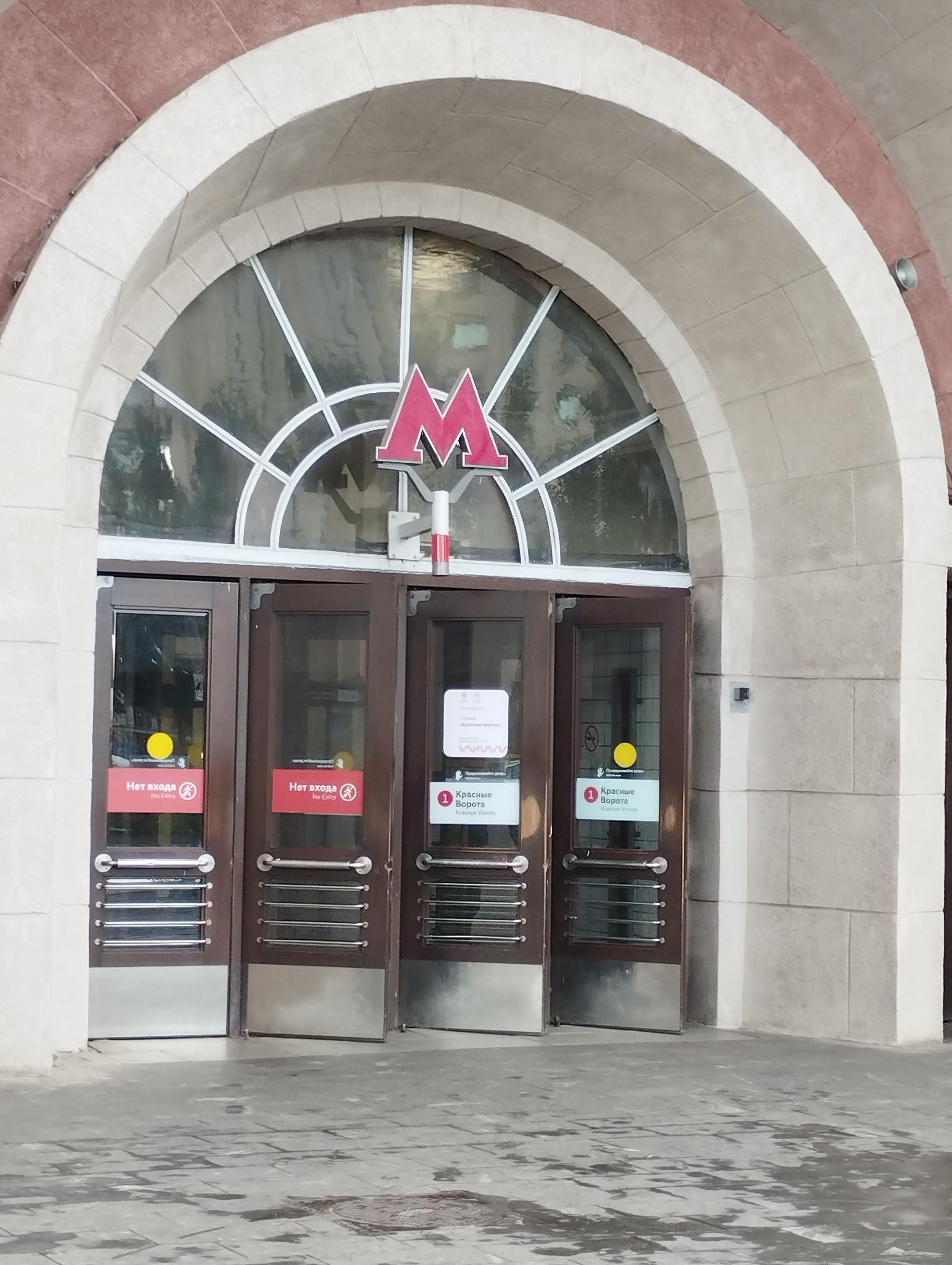
С начала Ладовский спроектировал подземный вестибюль станции «Дзержинская» (сейчас «Лубянка») с двумя параллельными тоннелями перронных залов, но без центрального нефа. Это совсем не характерно для Москвы, но типично, к примеру, для Лондона. От облика той станции до наших дней дошли только фрагменты отделки стен у выходов, остальное было утрачено, когда сделали центральный неф и устроили там пересадку на другую линию. Наземный павильон станции в виде двух полуциркульных арок был сделан Д.Ф. Фридманом, а Ладовскому достался другой павильон — на станции «Красные ворота». Павильон станции «Красные Ворота» решен в виде остекленного параллелепипеда, скрытого со стороны площади раструбом из концентрических бетонных арок. Образуя центрическую композицию, эти арки вовлекают пассажиров в подземное пространство. Четкие полукружья арок придают крупный масштаб и монументальность очищенной от лишних декоративных деталей «ракушке». Возможно, автор хотел напомнить о стоявших на той же площади барочных Красных Воротах елизаветинского времени, построенных знаменитым архитектором Дмитрием Ухтомским, снесенных в 1928 году.
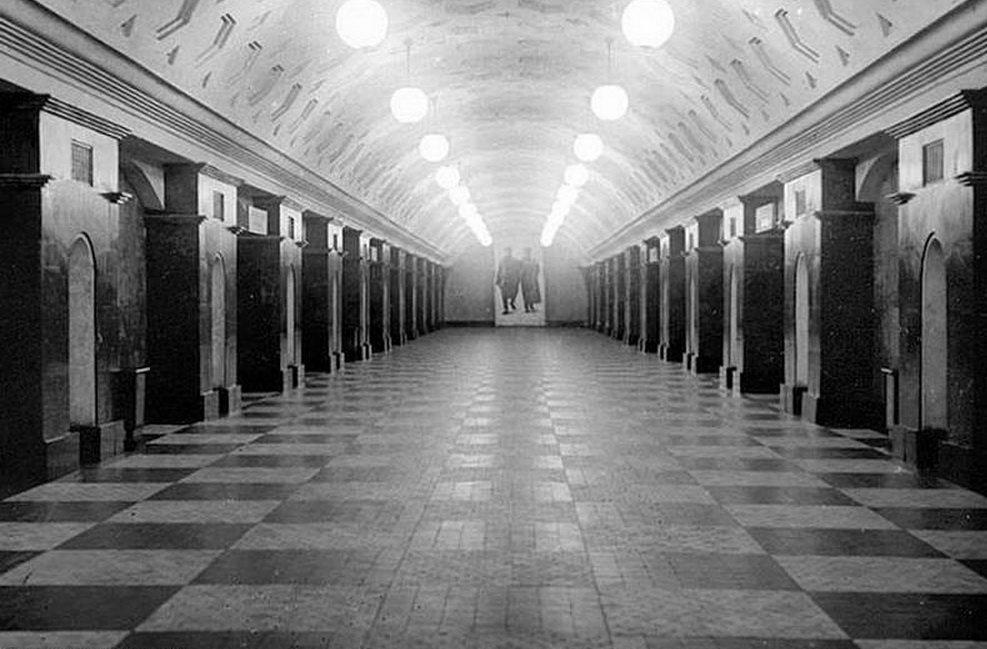
Подземное пространство перронного зала станции было решено совсем по-другому, в строгом классическом стиле. Проектировавший подземную часть станции академик Иван Фомин сделал массивные пилоны, несущие своды перронного зала, прорезал арочной нишей, облицованной камнем темно-красного цвета.
Architectural competition to design apron halls and pavilions 13 ground stations of the first phase of the Moscow metro held in 1933-1934 in parallel with the laying of the track, engineering and geological surveys. The actual construction of the subway was in 1934-1935, respectively, and coincided with a sharp stylistic turn from avant-garde to the decorative architecture in Soviet art.
Architectural competition to design apron halls and pavilions 13 ground stations of the first phase of the Moscow metro held in 1933-1934 in parallel with the laying of the track, engineering and geological surveys. The actual construction of the subway was in 1934-1935, respectively, and coincided with a sharp stylistic turn from avant-garde to the decorative architecture in Soviet art.
Of all the buildings made for the subway system in the period up to the end of the 1950s, only the ground pavilion station "Red Gate" looks modern and devoid of any association to the historic architecture or direct borrowing from it. This concrete horn in the shape of a shell, visually crowning Novaya Basmannaya street. Nicholas Ladovsky designed the pavilion. He was a leader of the ASNOVA group - Association of new architects in the 1920s. Architects called themselves rationalists, creative opponents of Constructivists. N. Ladovsky stated principles of over impressive form, not burdened with overlaid decor, but at the same time, a very monumental and dynamic.
Ladovsky first designed an underground station lobby of "Dzerzhinskaya" (now "Lubyanka") station with two parallel tunnels apron halls, but without the central nave. It is quite unusual for Moscow, but typically, for example, to London. From the appearance of the station only in fragments wall decoration at the exits survived, the rest was lost when the central nave and built there and a transfer to another line organized. Ground station pavilion in the form of two semicircular arches designed by DF Friedman and Ladovsky got another pavilion - at the station "Red Gate". Hall of the "Red Gate" station designed in the form of a parallelepiped glazed flush with the side of the square socket of concentric concrete arches. Forming centric composition, these arches bring passengers in the underground space. Clear semicircles arches give a large scale and monumentality free from unnecessary decorative details "shell." Perhaps the author would like to remind of Baroque Red Gate Elizabethan times built by the famous architect Dmitry Ukhtomskiy, demolished in 1928 that located on the same square.
Underground space of the station’s platform hall designed quite differently, simple, in the classic style. Academician Ivan Fomin, the author of the design of underground part of the of the station made massive pylons carrying arches of platform hall - cut through the by arched niche, lined with stone dark red color.