Информация о здании
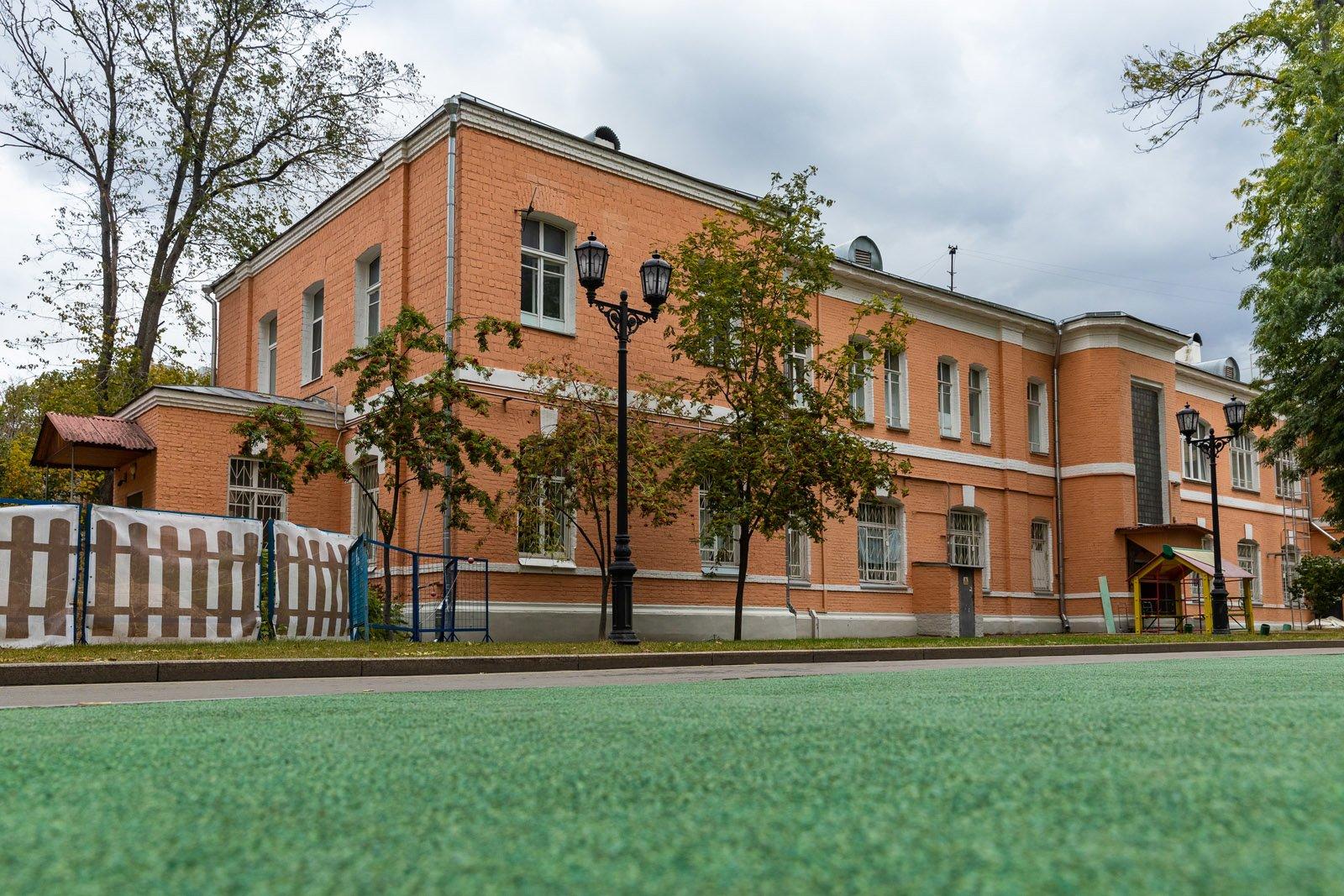
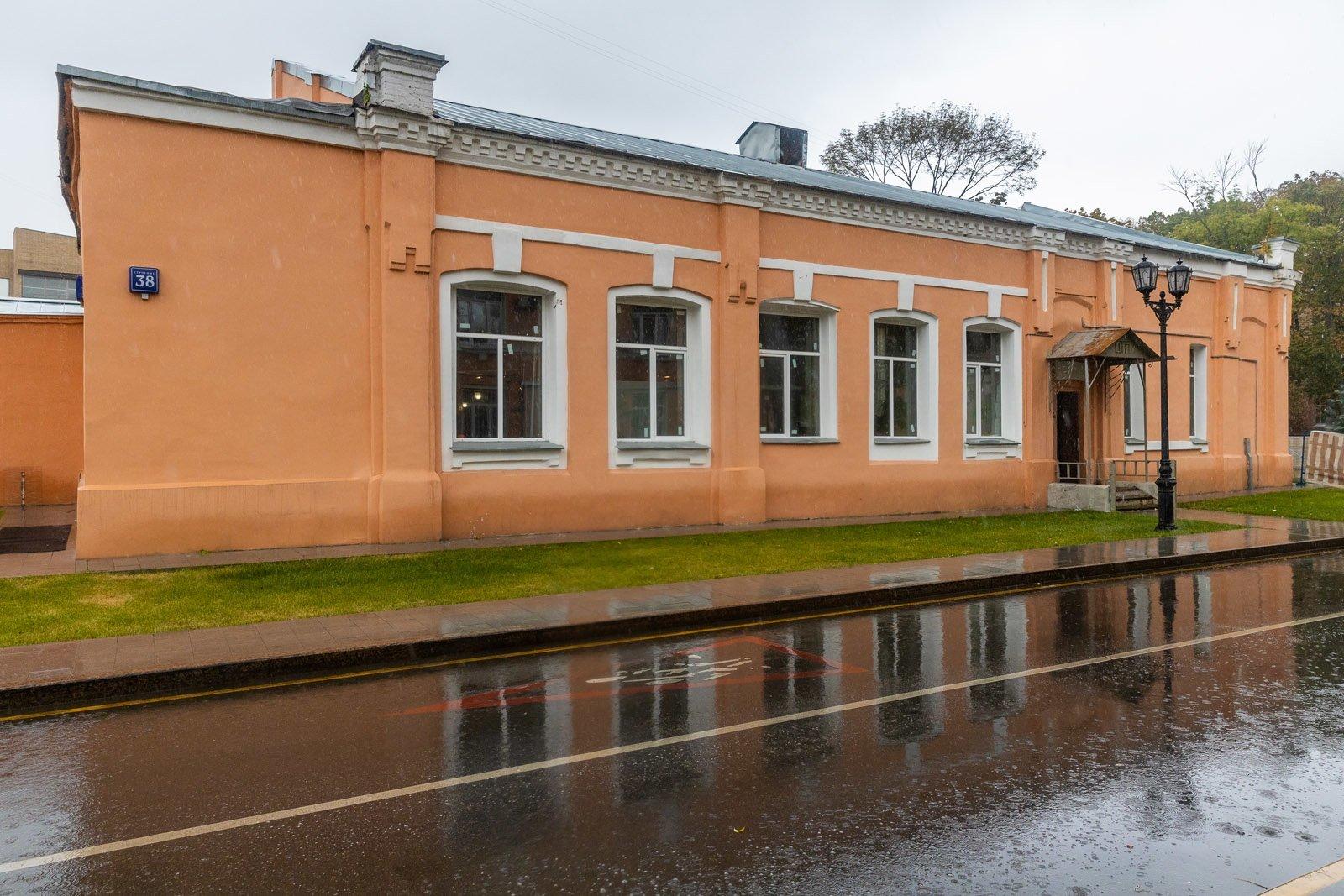
Сомнительное отделение (отделение для сомнительных больных) Морозовской детской больницы было открыто в январе 1903 года. Корпус для этого отделения был построен по проекту архитектора И.А.Иванова-Шица одним из первых в больничном комплексе. Сомнительное отделение расположено в центральном ряду зданий Морозовской детской больницы, за Амбулаторным корпусом, перед коревым и острозаразным отделениями.
Сомнительными больными в дореволюционной российской медицине называли пациентов, в чьей зараженности какой-либо инфекцией у врачей не было полной уверенности, как и в обратном. Чтобы исключить развитие болезни и распространение инфекции, таких пациентов выдерживали в карантине, а в больницах помещали в особые «сомнительные» отделения.
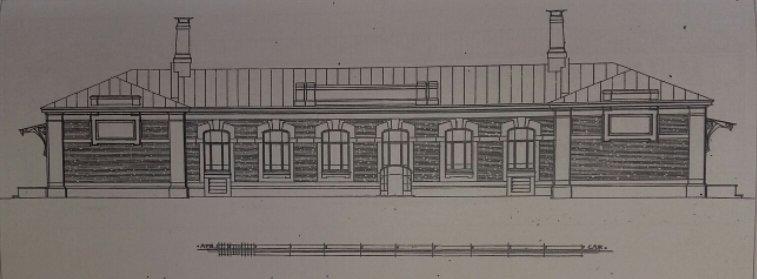
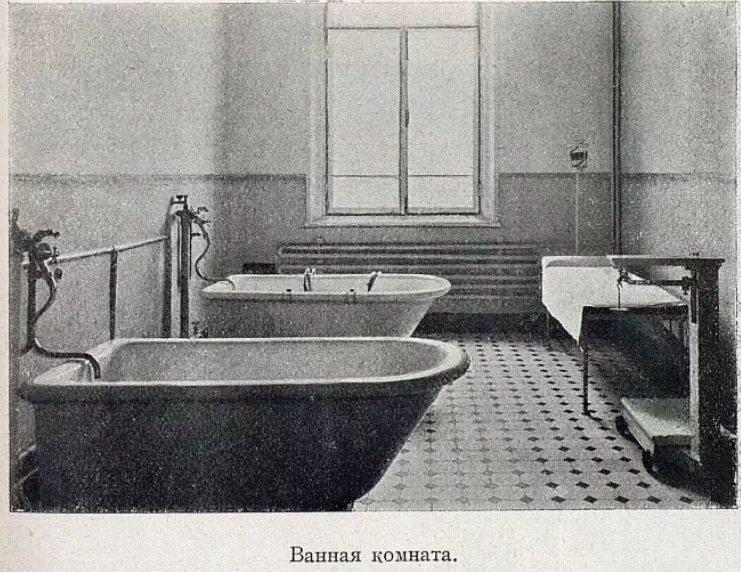
Сомнительное отделение Морозовской детской больницы, весьма логично размещенное сразу за Амбулаторным корпусом, где врачи вели первичный прием больных, было рассчитано на 18 кроватей. В нем было 9 палат, две комнаты для ванн, два буфета и 4 клозета. При необходимости корпус мог быть разделен на 4 самостоятельных отделения с отдельными входами. Планировка одноэтажного здания была симметричной: два боковых корпуса-павильона соединяла протяженная центральная часть с коридором и больничными палатами. Как и в других корпусах Морозовской детской больницы, полы в помещениях для больных были выполнены из дубового паркета, высота помещений была 5–6,5 аршин (3,5–4,5 м). Корпус сомнительного отделения, как и прочие здания Морозовской больницы, был снабжен электричеством и центральным пароводяным отоплением.
Над центральной частью, с ее четким ритмическим рядом оконных и дверных проемов, поднимался небольшой аттик; здание эффектно венчали две высокие дымовые трубы. Фланги фасада – торцевые стены боковых корпусов – были глухими, они были отмечены мощными лопатками. Боковые части фасада также имели небольшие аттики над кровлей. На старинном чертеже на боковых стенах корпуса сомнительного отделения видны крыльца с металлическими навесами-зонтиками над входами.
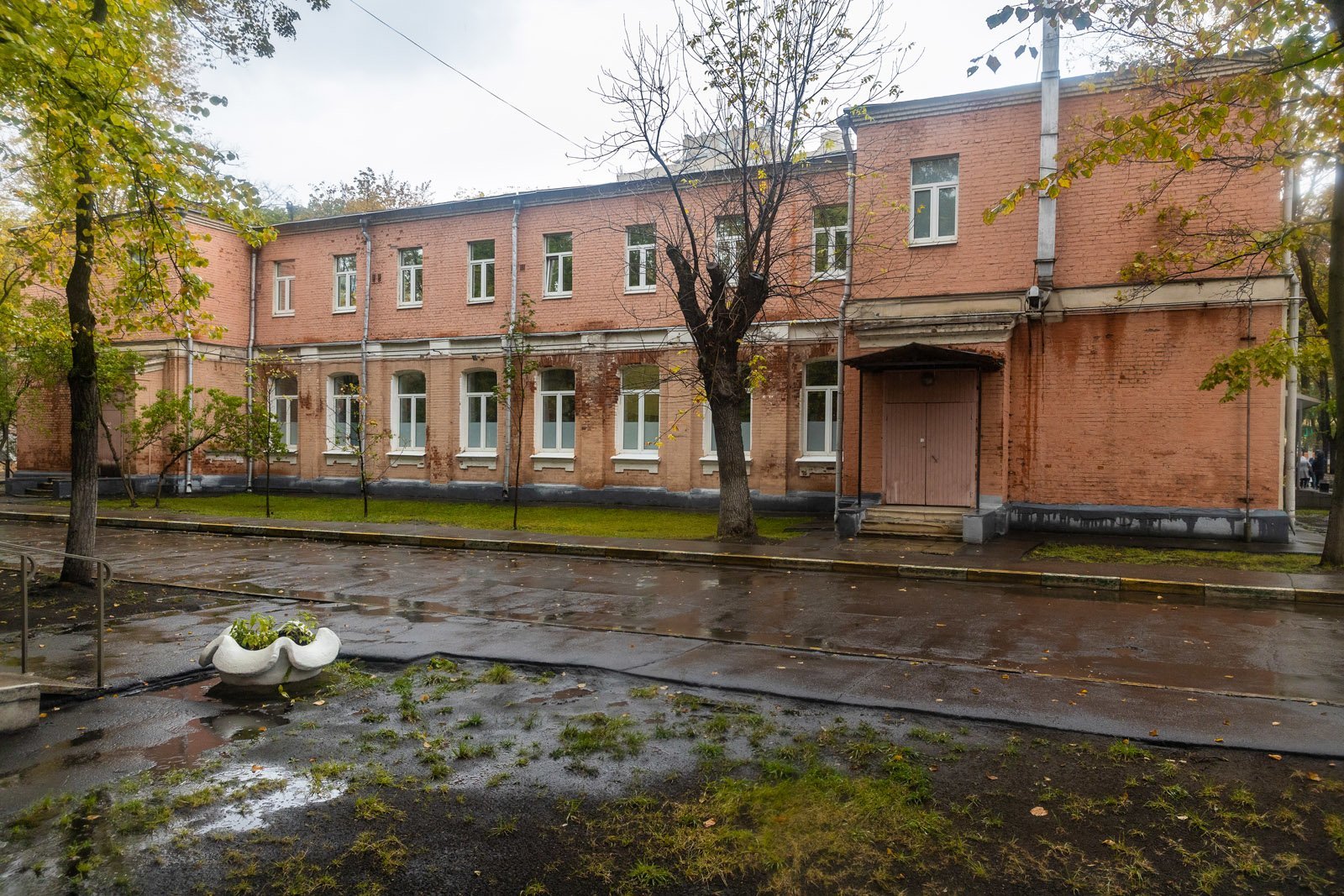
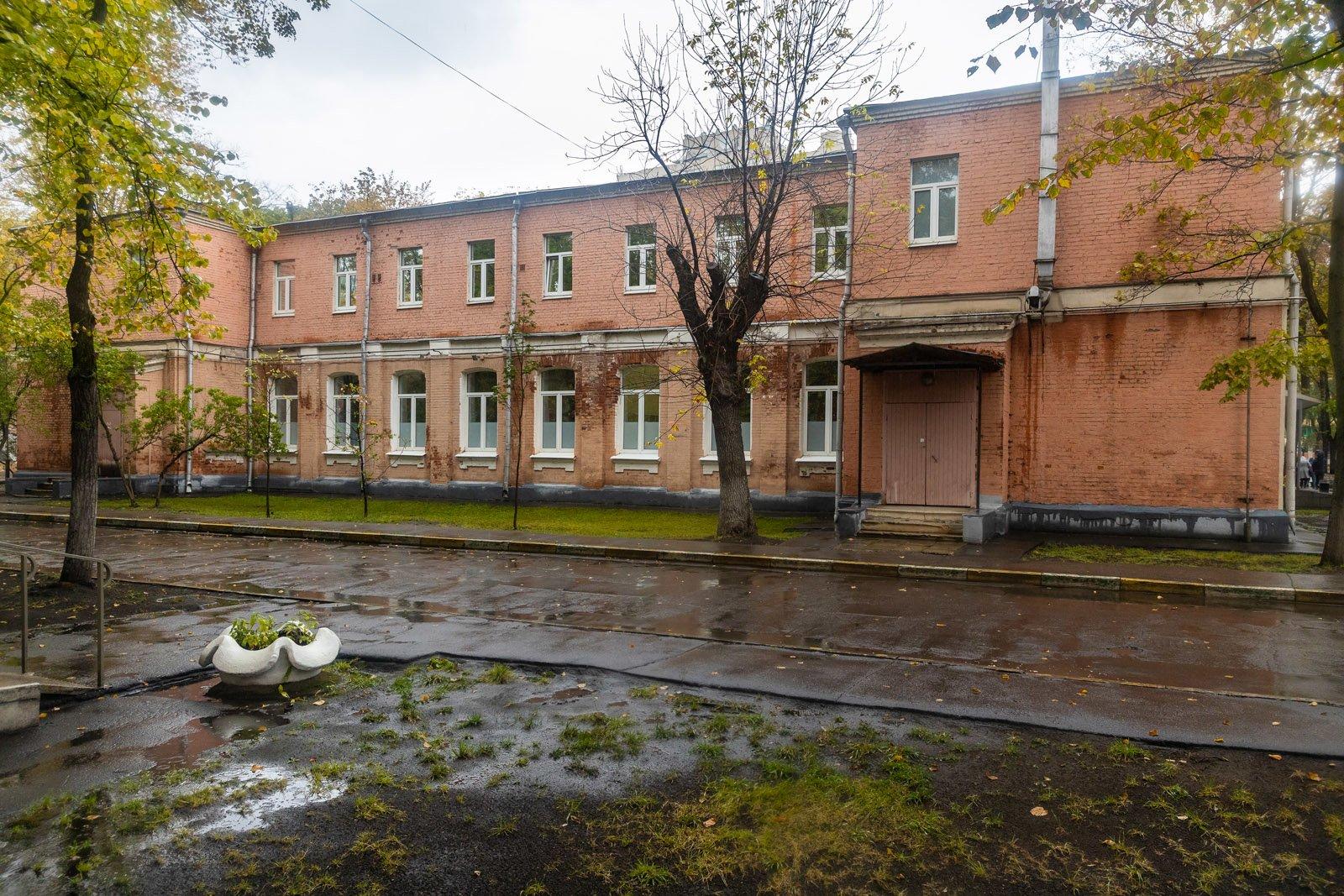
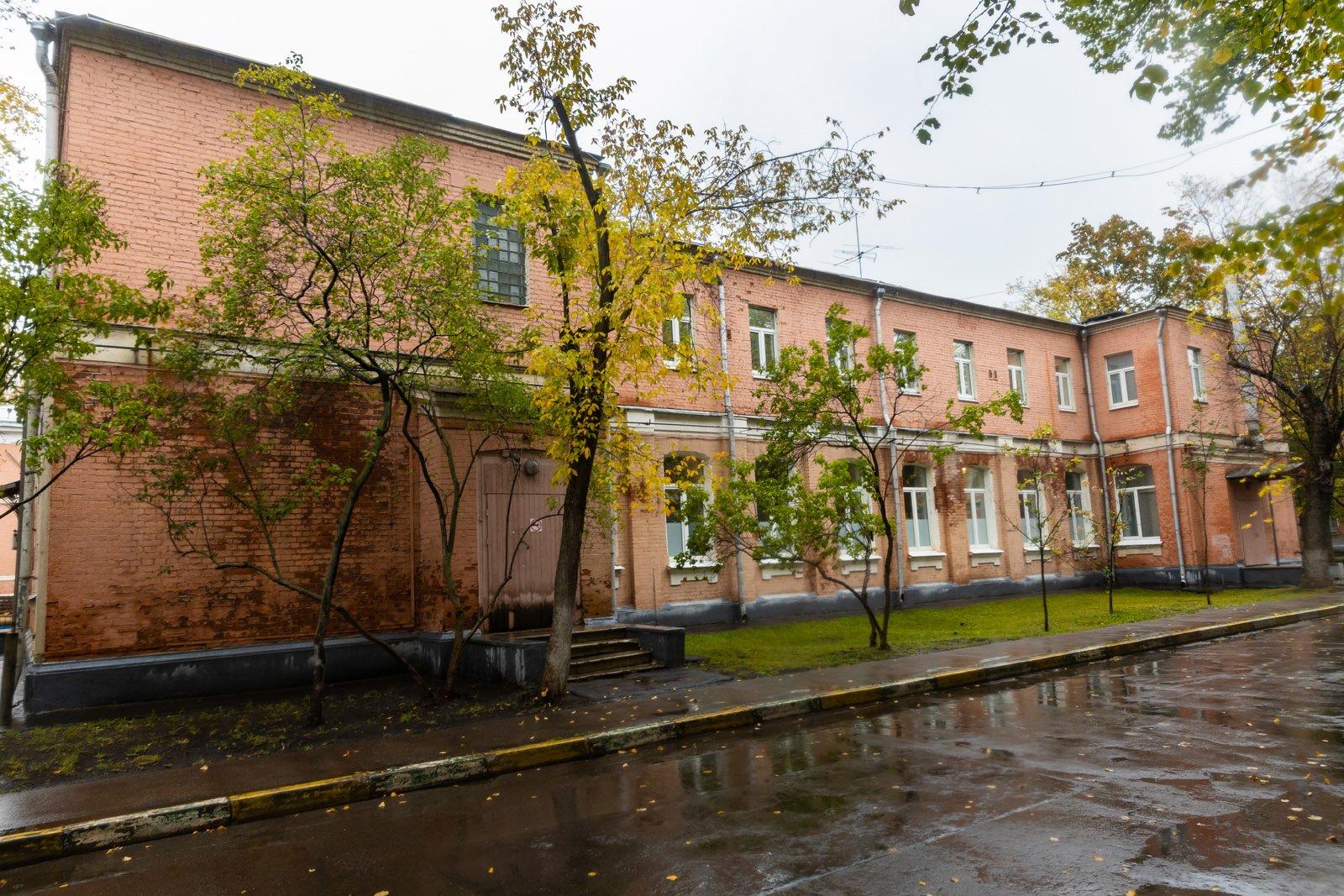
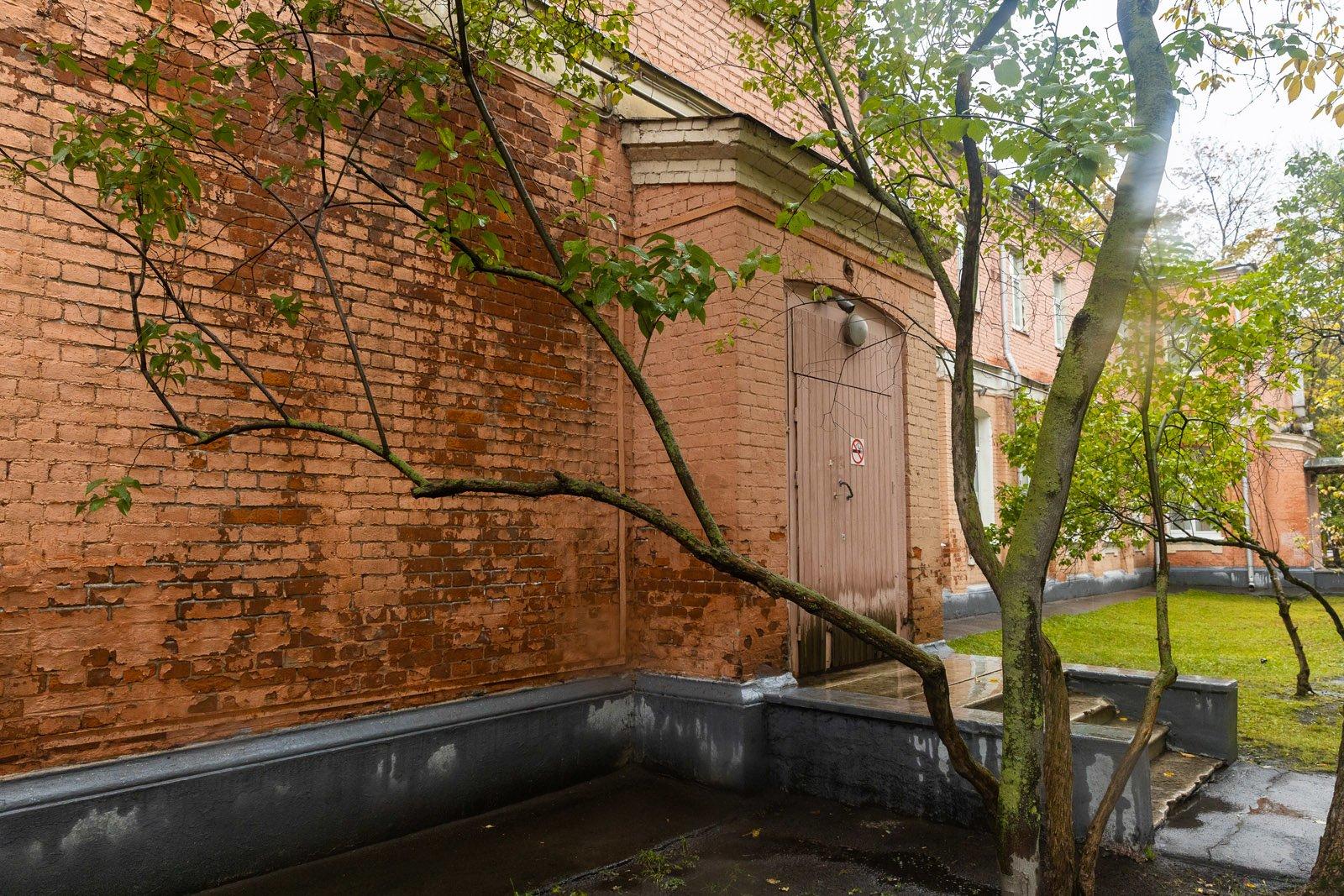
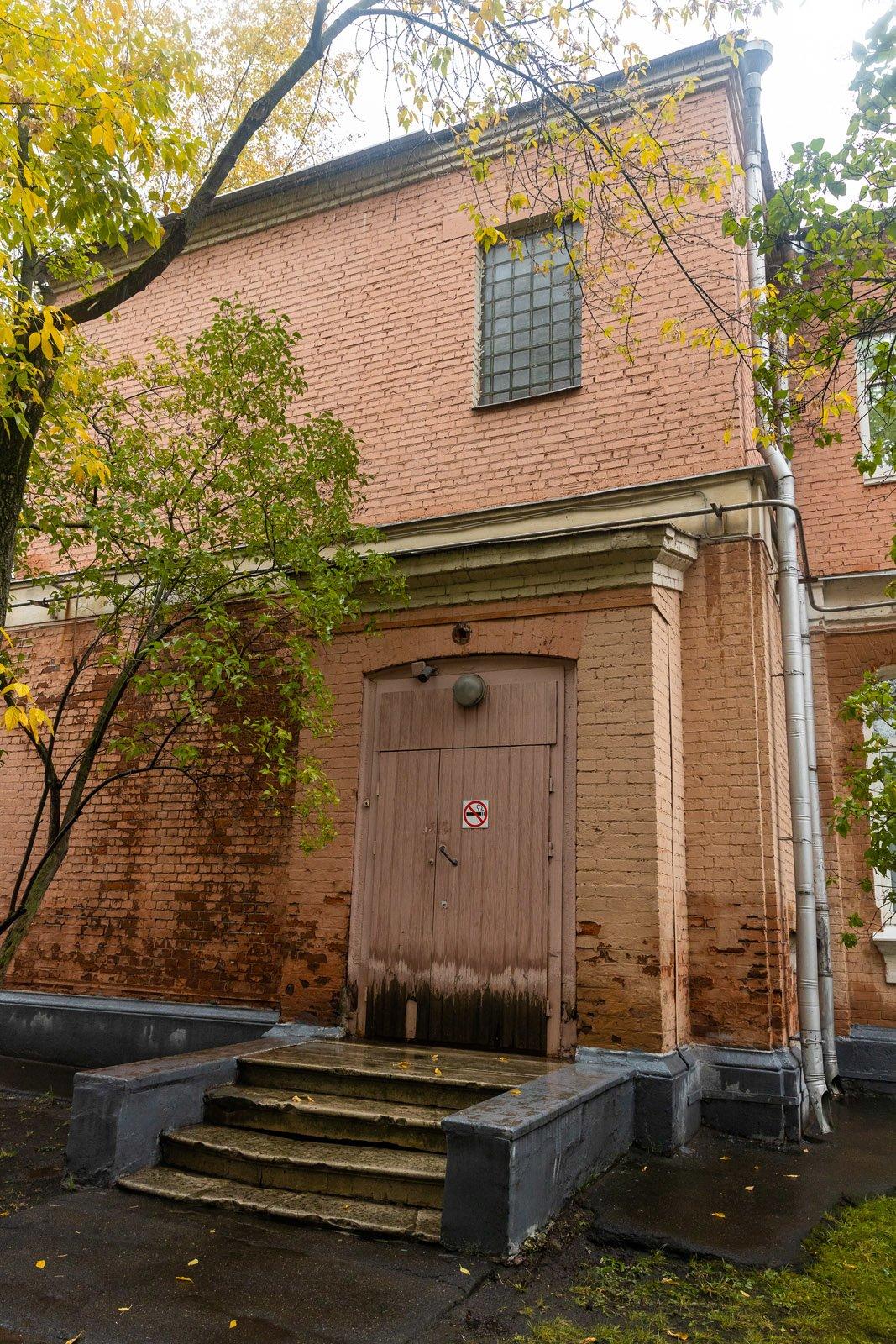
В 1961 году корпус сомнительного отделения был надстроен до двух этажей, что резко изменило облик и первоначальную объемно-пространственную композицию здания. Претерпело изменения и убранство фасадов. В здании было размещено тогда боксированное отделение и больничные палаты на 40 коек.
Константин Михайлов
Автор статьи
Сомнительными больными в дореволюционной российской медицине называли пациентов, в чьей зараженности какой-либо инфекцией у врачей не было полной уверенности, как и в обратном. Чтобы исключить развитие болезни и распространение инфекции, таких пациентов выдерживали в карантине, а в больницах помещали в особые «сомнительные» отделения.
Сомнительное отделение Морозовской детской больницы, весьма логично размещенное сразу за Амбулаторным корпусом, где врачи вели первичный прием больных, было рассчитано на 18 кроватей. В нем было 9 палат, две комнаты для ванн, два буфета и 4 клозета. При необходимости корпус мог быть разделен на 4 самостоятельных отделения с отдельными входами. Планировка одноэтажного здания была симметричной: два боковых корпуса-павильона соединяла протяженная центральная часть с коридором и больничными палатами. Как и в других корпусах Морозовской детской больницы, полы в помещениях для больных были выполнены из дубового паркета, высота помещений была 5–6,5 аршин (3,5–4,5 м). Корпус сомнительного отделения, как и прочие здания Морозовской больницы, был снабжен электричеством и центральным пароводяным отоплением.
Над центральной частью, с ее четким ритмическим рядом оконных и дверных проемов, поднимался небольшой аттик; здание эффектно венчали две высокие дымовые трубы. Фланги фасада – торцевые стены боковых корпусов – были глухими, они были отмечены мощными лопатками. Боковые части фасада также имели небольшие аттики над кровлей. На старинном чертеже на боковых стенах корпуса сомнительного отделения видны крыльца с металлическими навесами-зонтиками над входами.
В 1961 году корпус сомнительного отделения был надстроен до двух этажей, что резко изменило облик и первоначальную объемно-пространственную композицию здания. Претерпело изменения и убранство фасадов. В здании было размещено тогда боксированное отделение и больничные палаты на 40 коек.
Константин Михайлов
Автор статьи
The Ambiguous Diagnoses Department (for patients whose contagious disease diagnosis was under question) of the Morozovskaya Children's Hospital was opened in January 1903. The Department's building was constructed to the design by architect I.A.Ivanov-Schitz among the first departments of the Morozovskaya Hospital compound. The Ambiguous Diagnoses Department is located in the central row of the Morozovskaya Hospital buildings, behind the Outpatient and between the Measles and the Highly Contagious Disease Departments.
In the Russian pre-revolution medical tradition, "ambiguous" were considered those patients whose contagious disease was under question for physicians. In order to prevent a disease progress and spread of infection, such patients were quarantined and admitted in special "ambiguous" departments within hospitals.
The Morozovskaya Hostpital's Ambiguous Diagnoses Department had a capacity of 18 beds and was quite logically located right behind the Outpatient Department where physicians were giving patients initial consultations. The Department had nine wards, two bathrooms, two canteens and four lavatories. If necessary, the building could be divided into four separate compartments with independent entrances. The single storey building's layout was symmetrical: two flanking pavilion masses were connected to the long middle part with a corridor and wards. Like in other buildings of the Morozovskaya Hospital, the Ambigious Diagnoses Department interiors had oakwood parquet floors, rooms were 5–6.5 arshin high (3.5–4.5 m). Like elsewhere in the Morozovskaya Hospital, there were electricity and centralized steam water heating in the Ambiguous Diagnoses Department building.
The building's middle part with its orderly rhythm of window and door openings was topped with a small attic; the building's appearance was strikingly complete with two tall chimneys. The facade's flanks — sidewalls of the flanking compartments — were blank and accentuated with wide lesenes. The facade's side parts also had small attics above the roof level. Old drawings of the Ambiguous Diagnoses Department's design show porches with metal umbrella shaped canopies at the building's sidewalls.
In 1961, the Ambiguous Diagnoses Department building was extended with two floors which significantly changed its appearance, original mass and layout. Facades' decor was also modified. In that period, the building was divided into a cubicles and wards with the total capacity of 40 beds.
Konstantin Mikhailov
In the Russian pre-revolution medical tradition, "ambiguous" were considered those patients whose contagious disease was under question for physicians. In order to prevent a disease progress and spread of infection, such patients were quarantined and admitted in special "ambiguous" departments within hospitals.
The Morozovskaya Hostpital's Ambiguous Diagnoses Department had a capacity of 18 beds and was quite logically located right behind the Outpatient Department where physicians were giving patients initial consultations. The Department had nine wards, two bathrooms, two canteens and four lavatories. If necessary, the building could be divided into four separate compartments with independent entrances. The single storey building's layout was symmetrical: two flanking pavilion masses were connected to the long middle part with a corridor and wards. Like in other buildings of the Morozovskaya Hospital, the Ambigious Diagnoses Department interiors had oakwood parquet floors, rooms were 5–6.5 arshin high (3.5–4.5 m). Like elsewhere in the Morozovskaya Hospital, there were electricity and centralized steam water heating in the Ambiguous Diagnoses Department building.
The building's middle part with its orderly rhythm of window and door openings was topped with a small attic; the building's appearance was strikingly complete with two tall chimneys. The facade's flanks — sidewalls of the flanking compartments — were blank and accentuated with wide lesenes. The facade's side parts also had small attics above the roof level. Old drawings of the Ambiguous Diagnoses Department's design show porches with metal umbrella shaped canopies at the building's sidewalls.
In 1961, the Ambiguous Diagnoses Department building was extended with two floors which significantly changed its appearance, original mass and layout. Facades' decor was also modified. In that period, the building was divided into a cubicles and wards with the total capacity of 40 beds.
Konstantin Mikhailov


.jpg&w=1920&q=75)