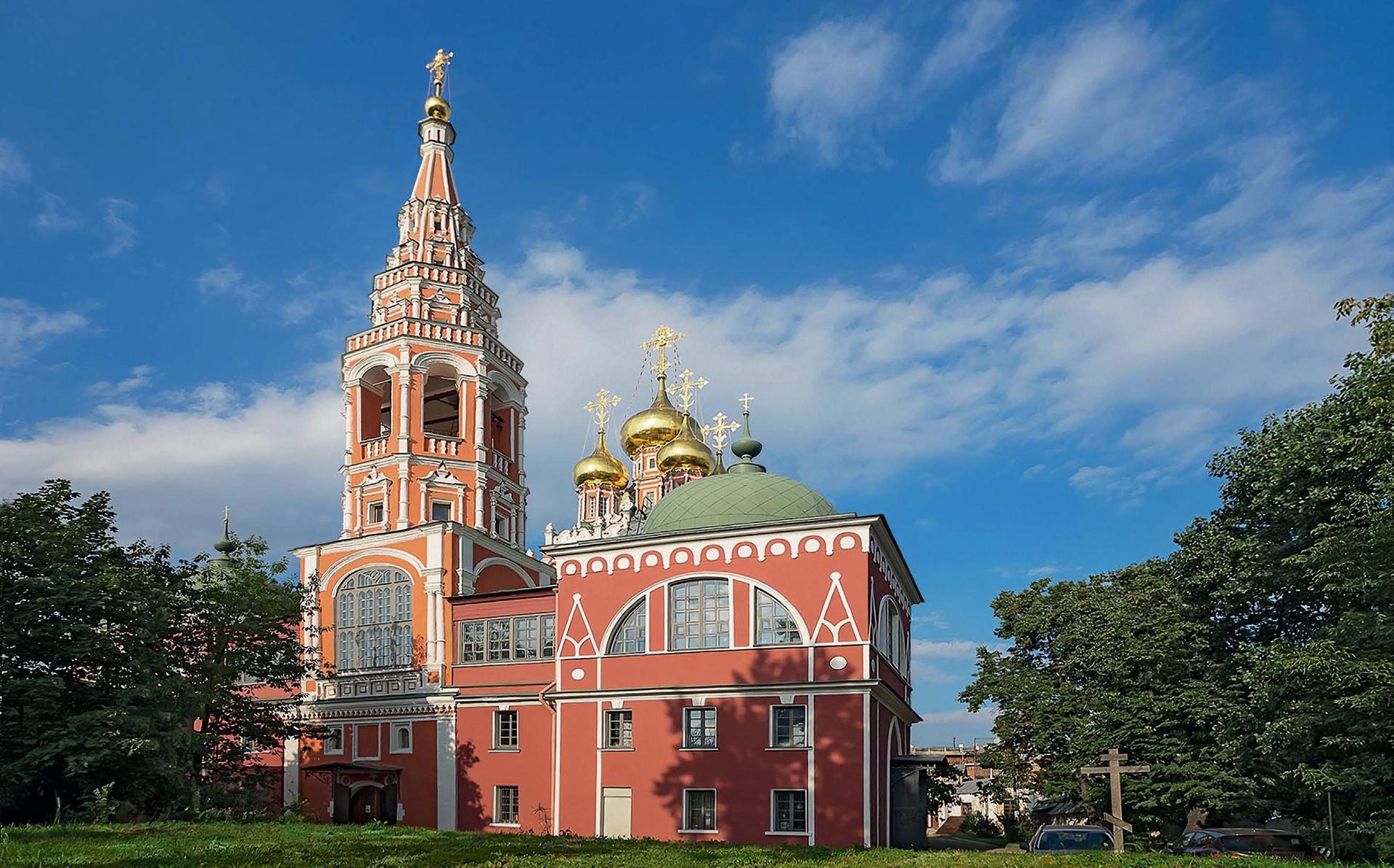
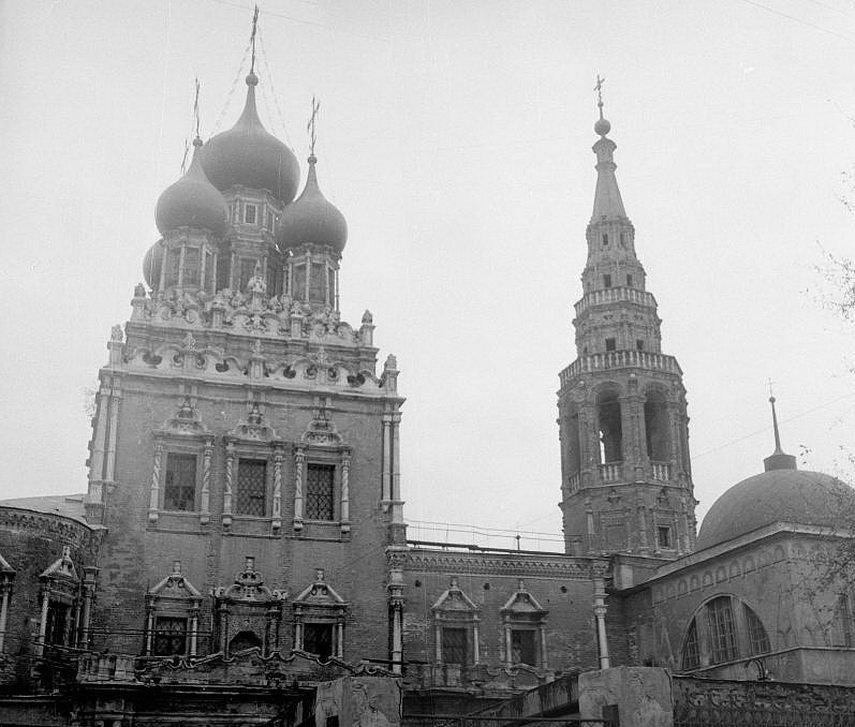
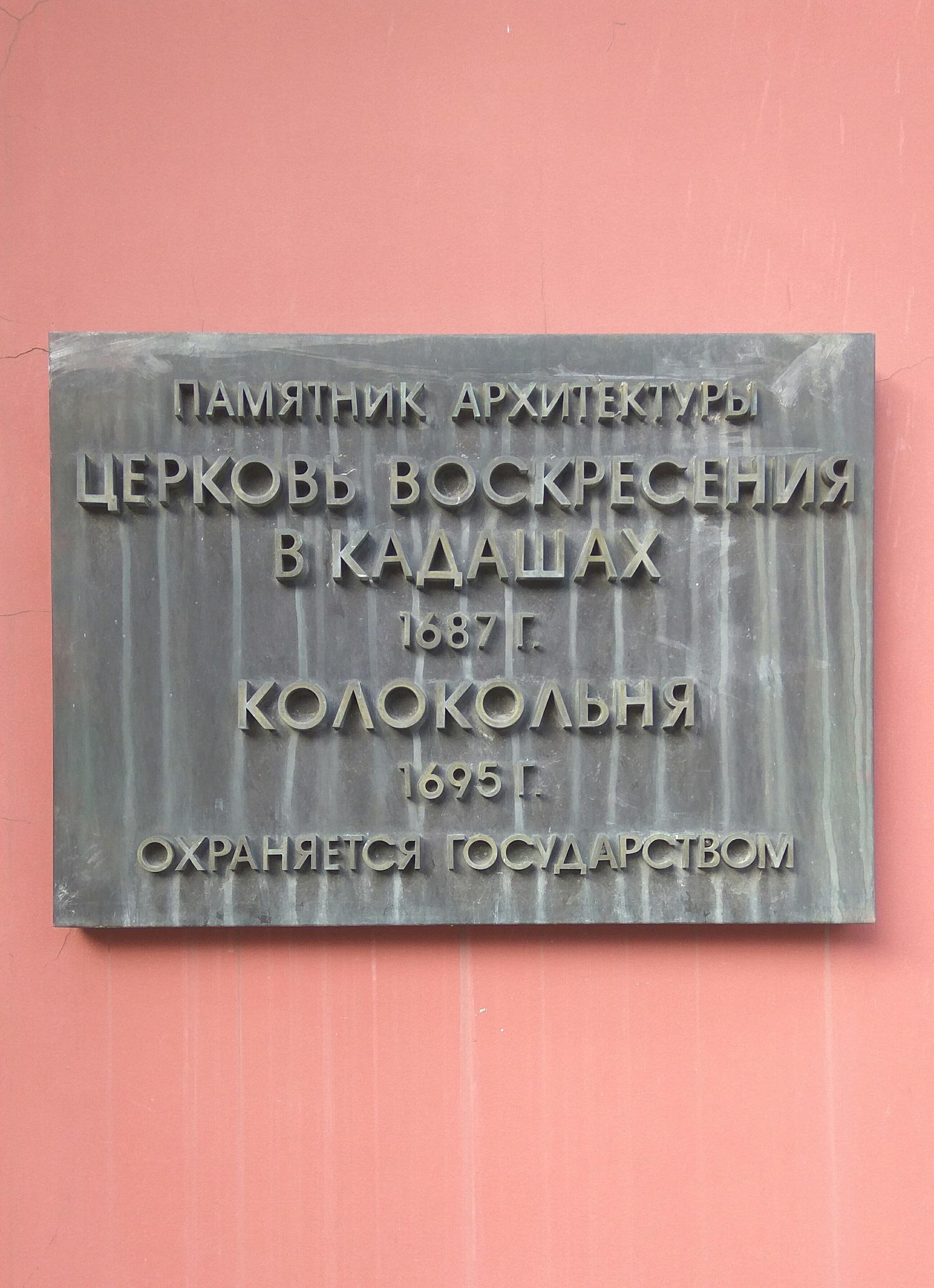
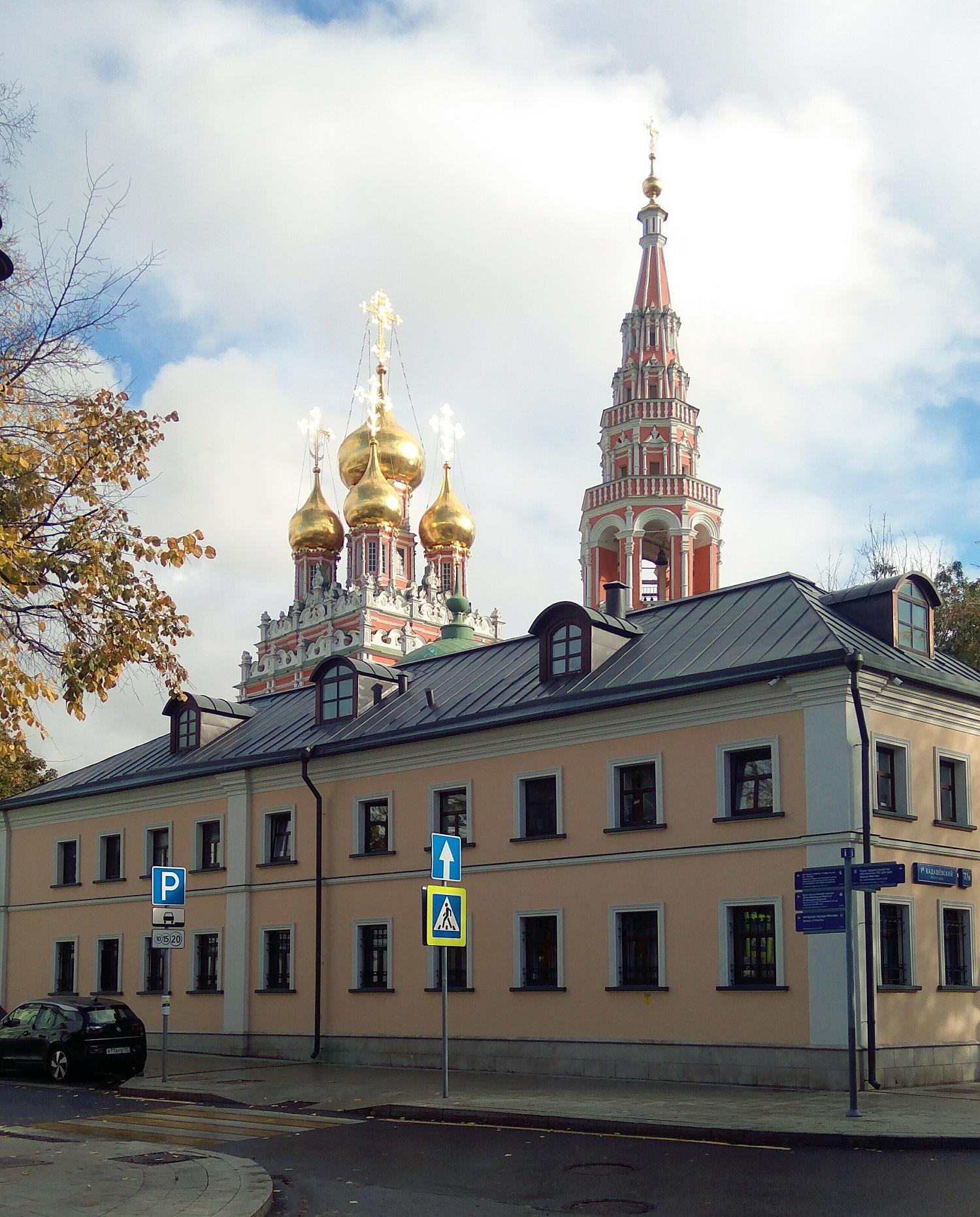
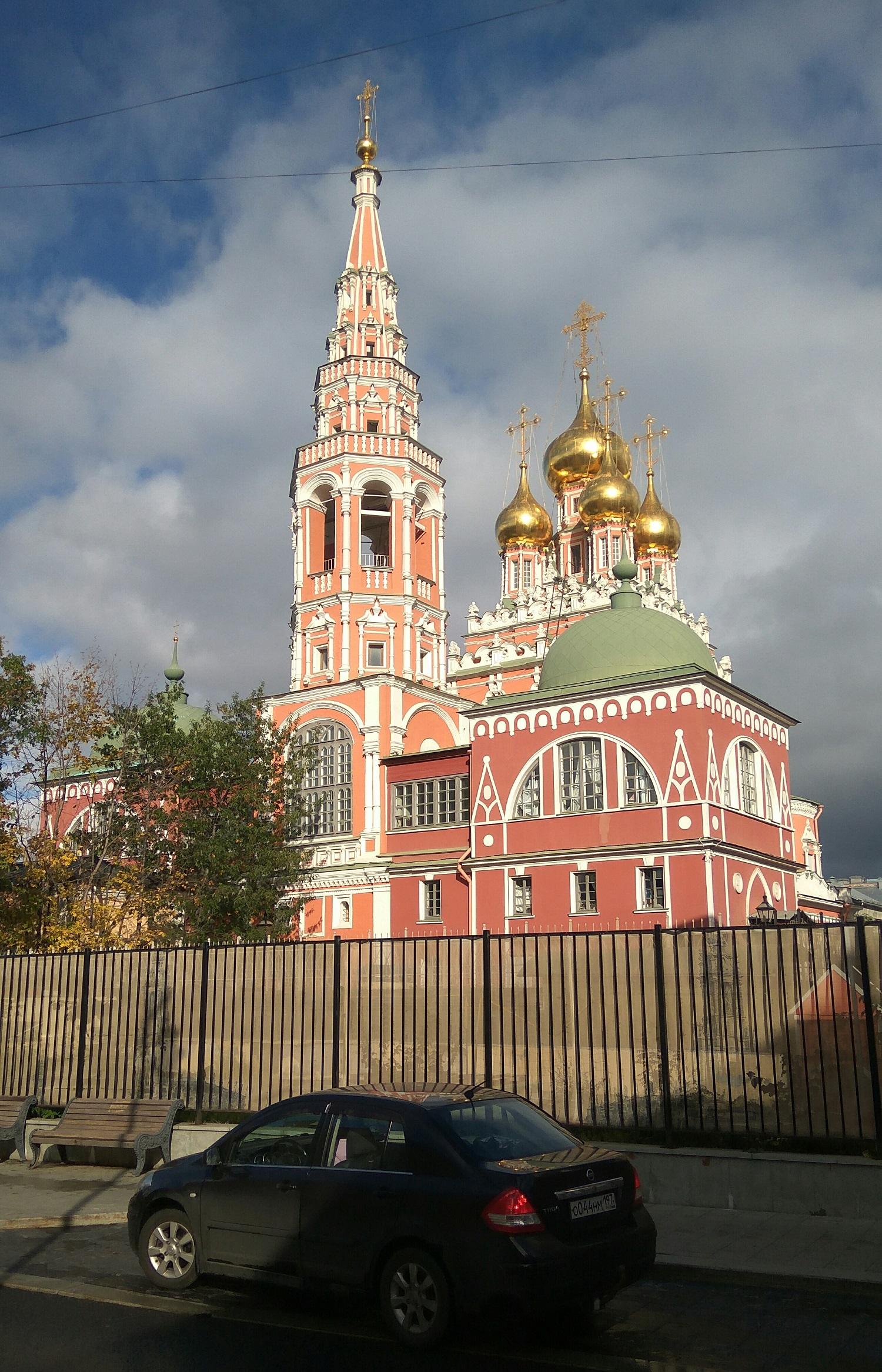
Воскресенская церковь в Замоскворечье упомянута впервые в конце XV века как деревянная. Позже, в начале XVII век, появилось название «в Кадашах», когда храм стал духовным центром Кадашевской слободы – крупнейшей в Замоскворечье, пережившей свой расцвет в середине XVII века, в эпоху царя Алексея Михайловича. О высоком уровне благосостояния жителей слободы, среди прочего, свидетельствует и возведение ими вместо старой деревянной церкви каменной, которая упомянута впервые в 1657 году. Однако со временем и этот храм оказался мал для увеличившейся слободы. На его основе, с использованием части стен, была выстроена новая двухъярусная церковь с главным храмом во имя Воскресения Христова наверху и приделом Успения Богородицы внизу (в 1860-е годы в нижнем ярусе появилось ещё два придела – святого Николая Чудотворца и Тихвинской иконы Божией Матери). Строительство, начатое в 1687 году, было завершено в 1695 году, когда церковь освятил патриарх Адриан. В том же году с западной стороны к церкви пристроена колокольня. Храмоздателями, на чьи средства появилась новая церковь, были купцы Кондрат Добрынин и его сын Лонгин.
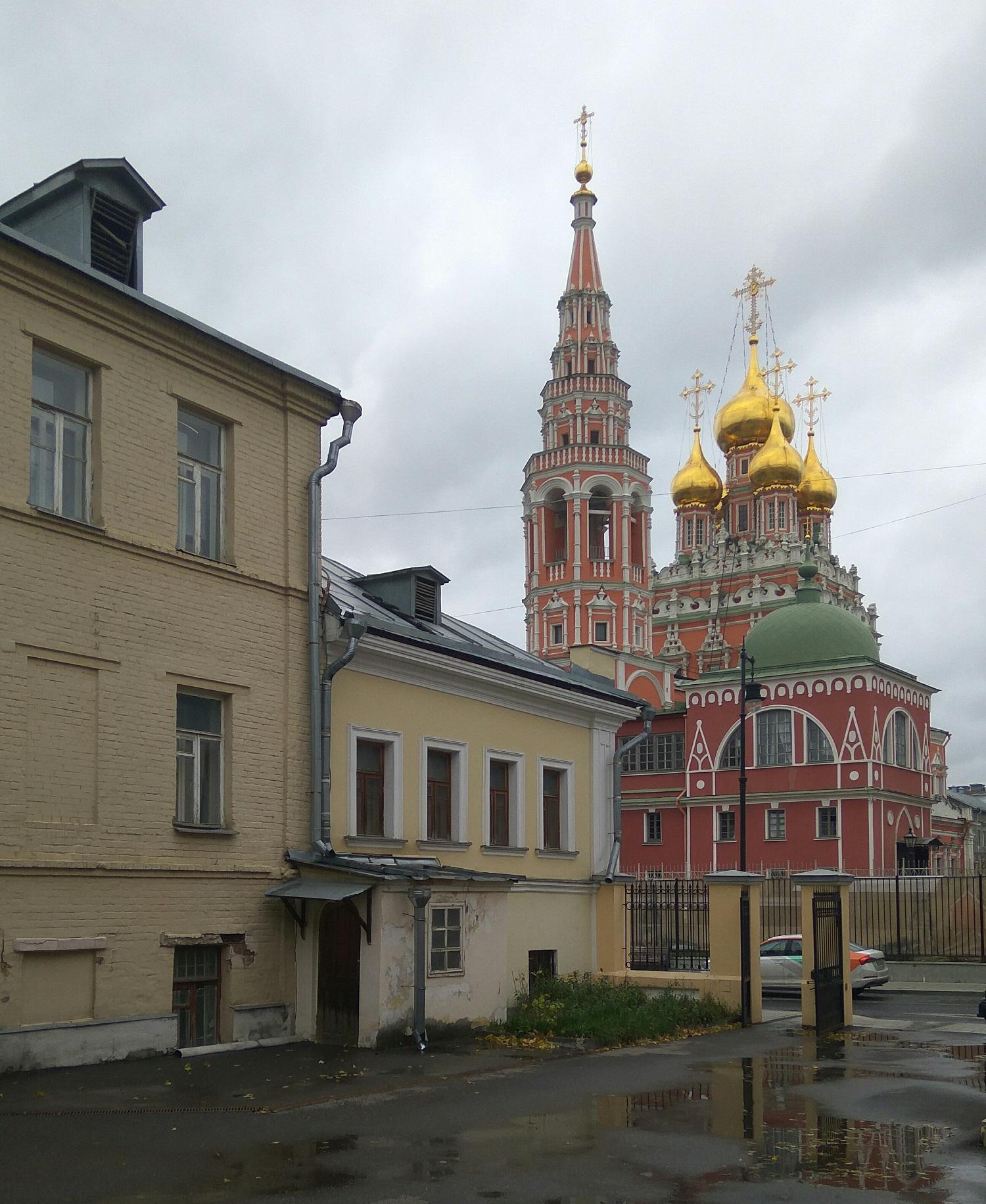
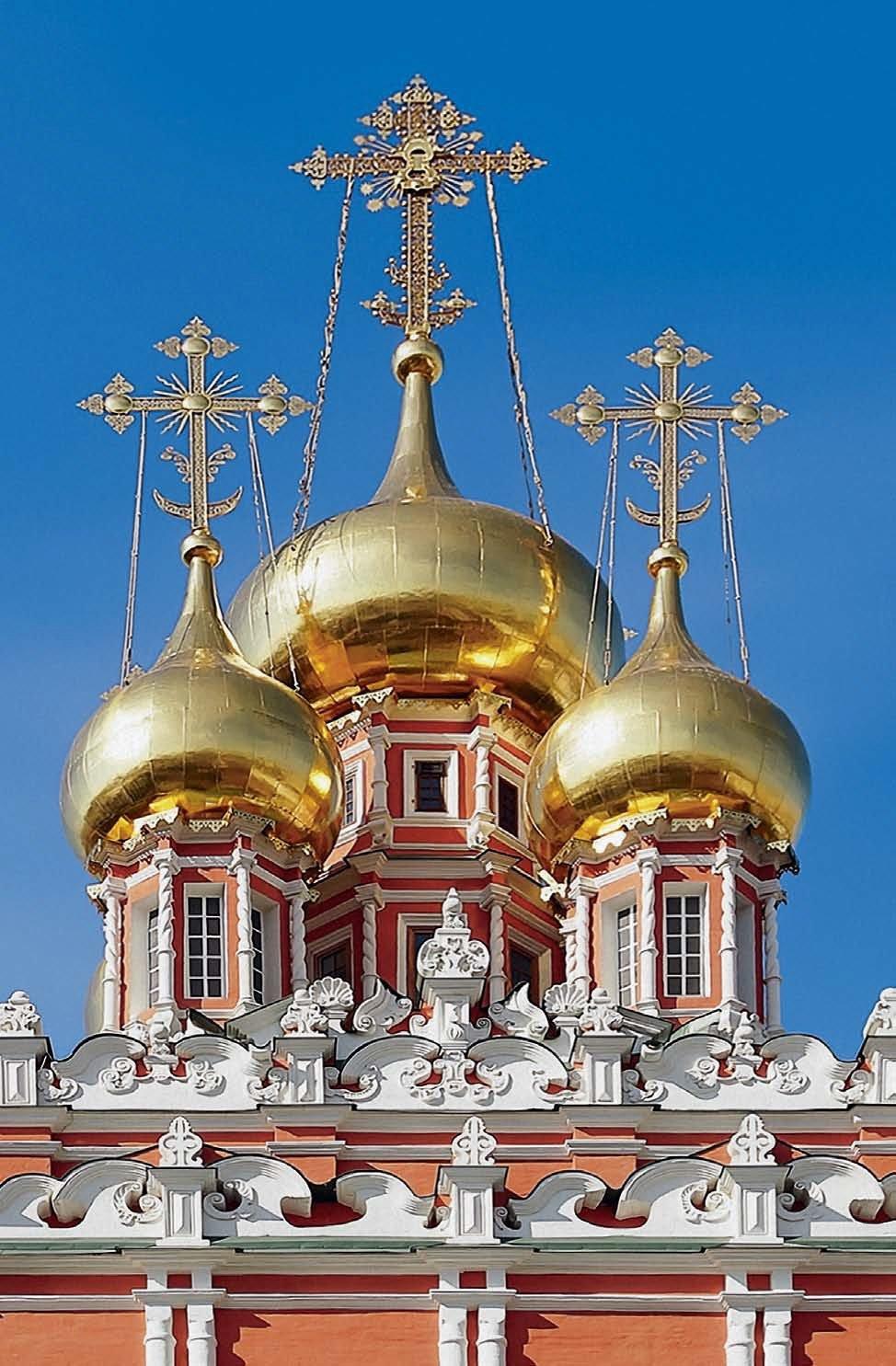
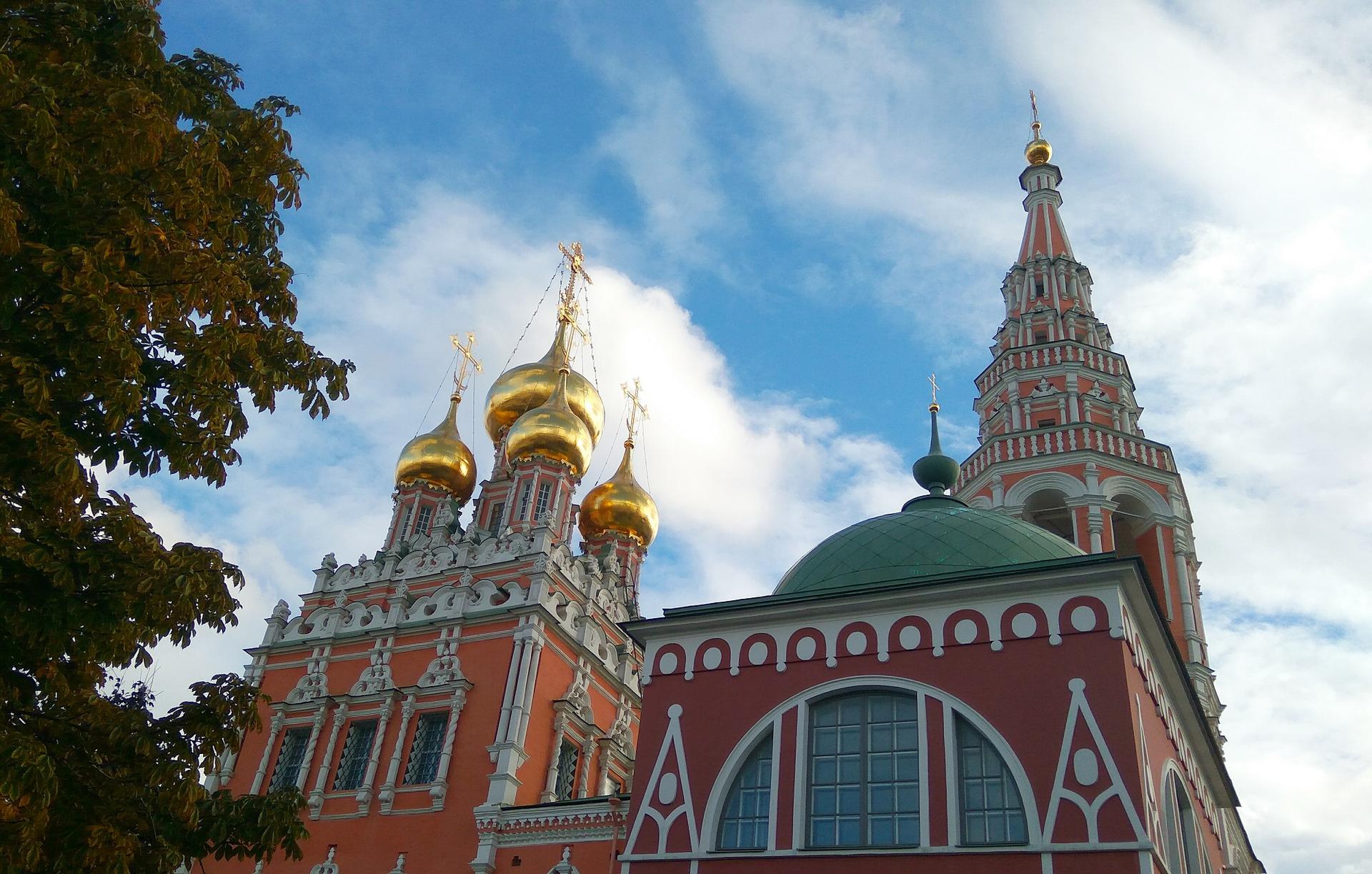
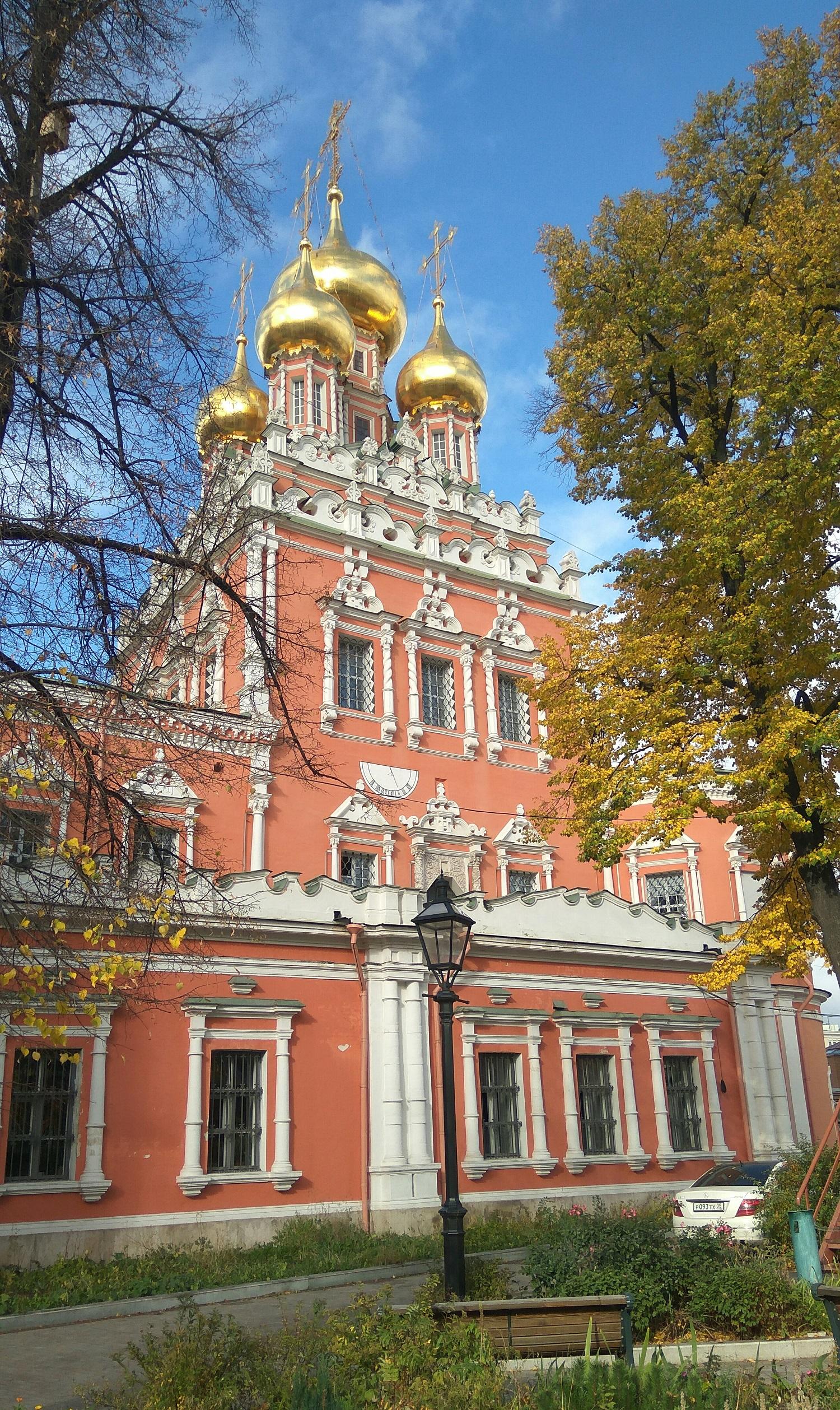
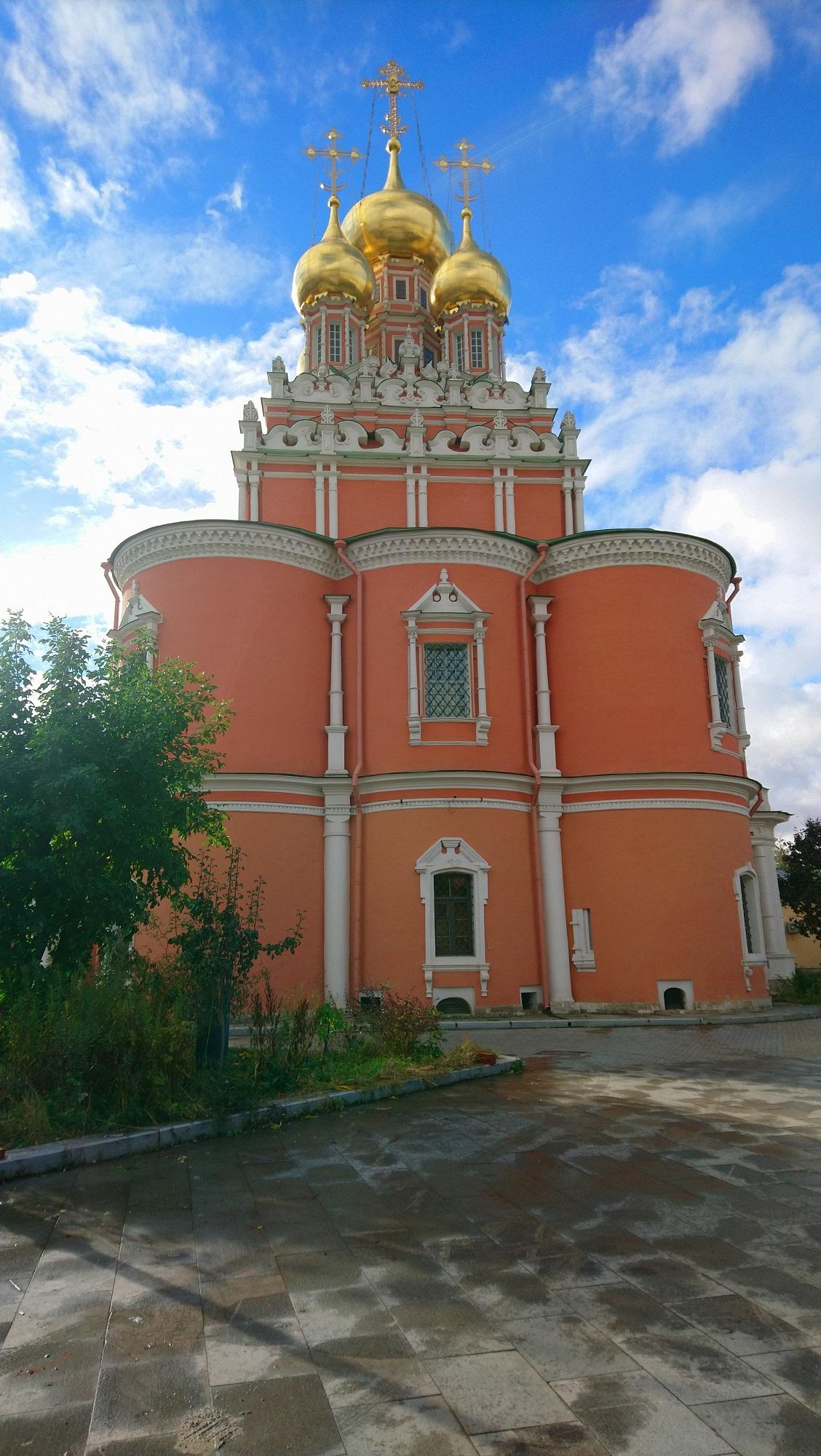
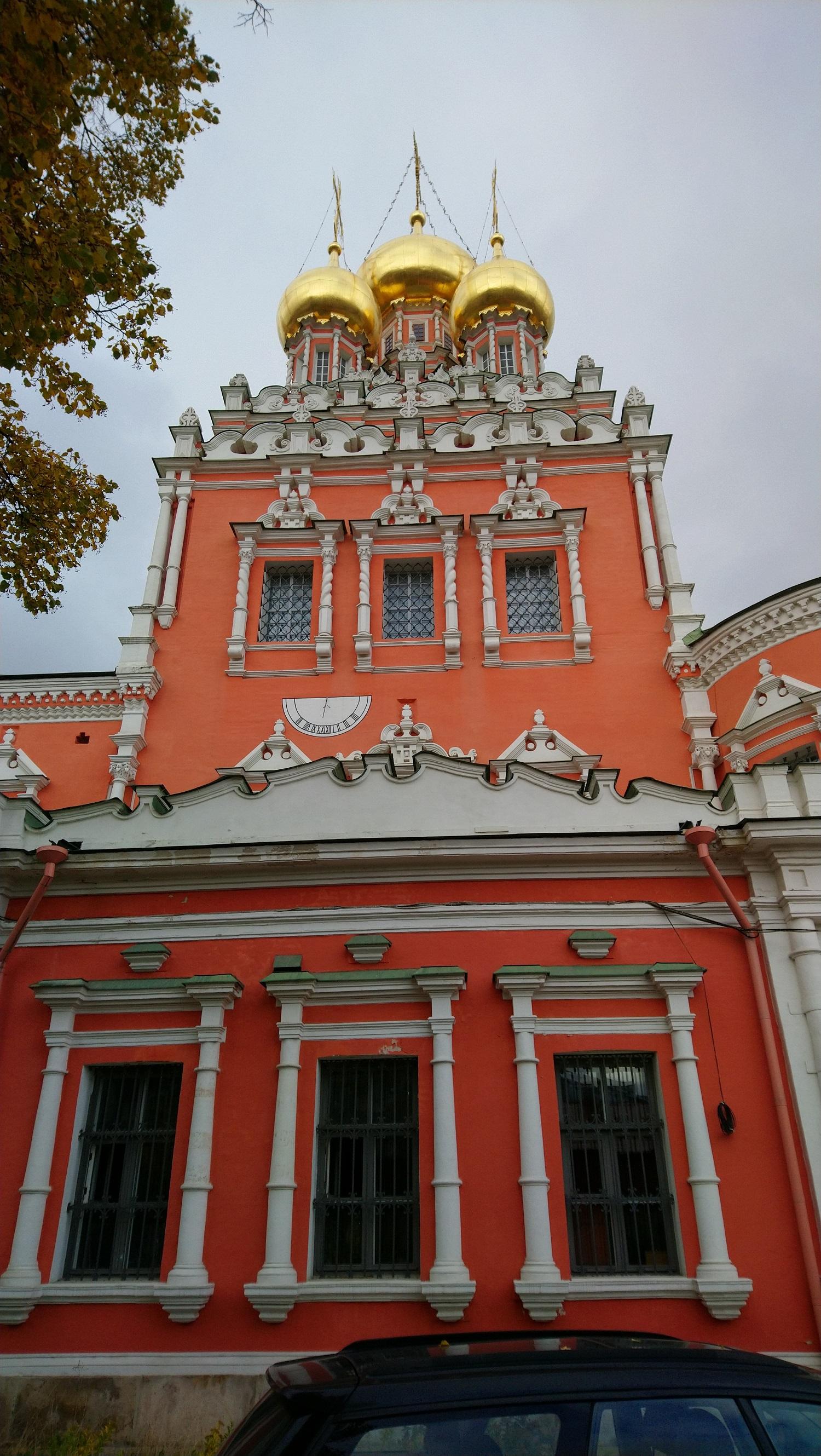
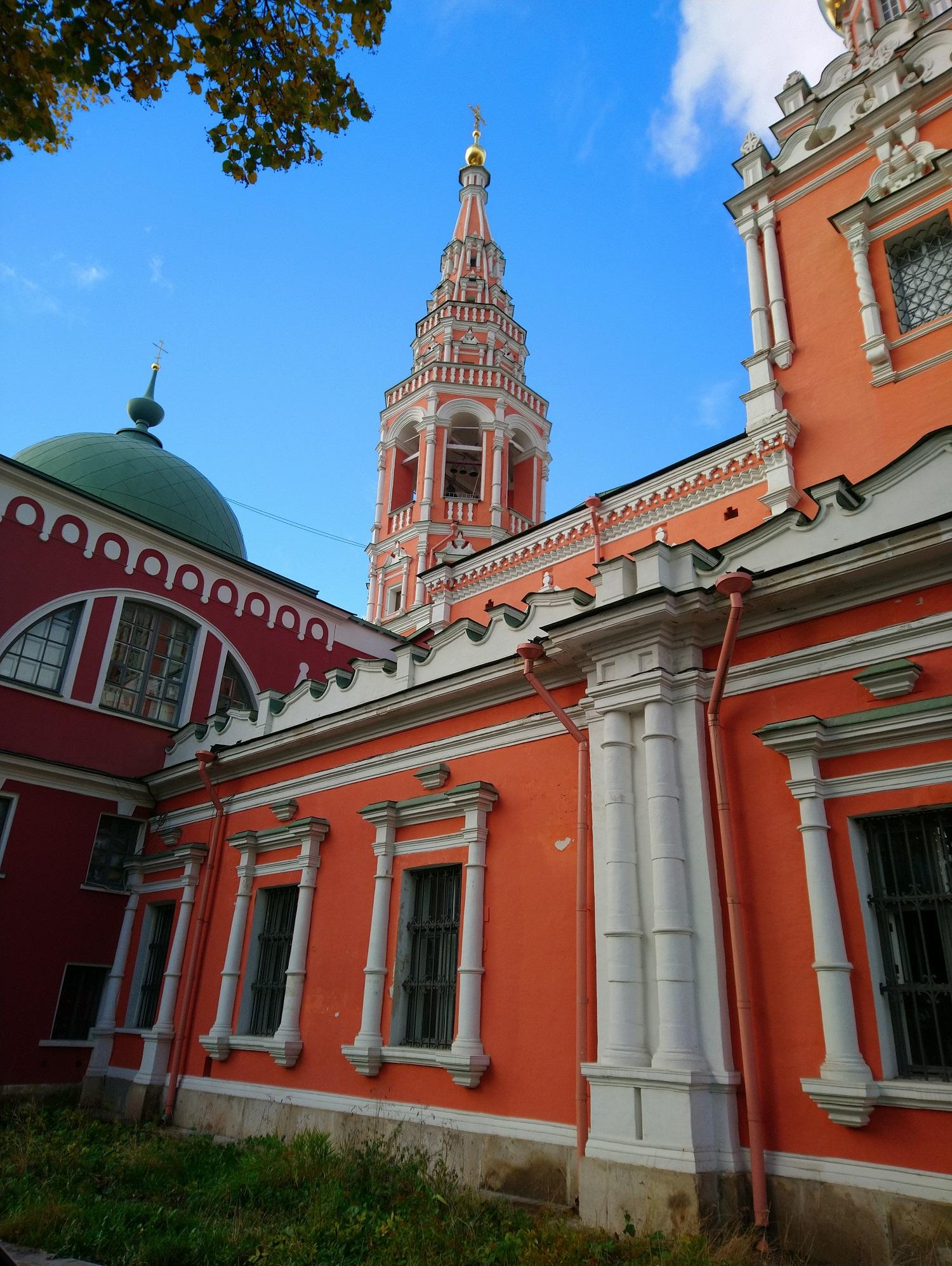
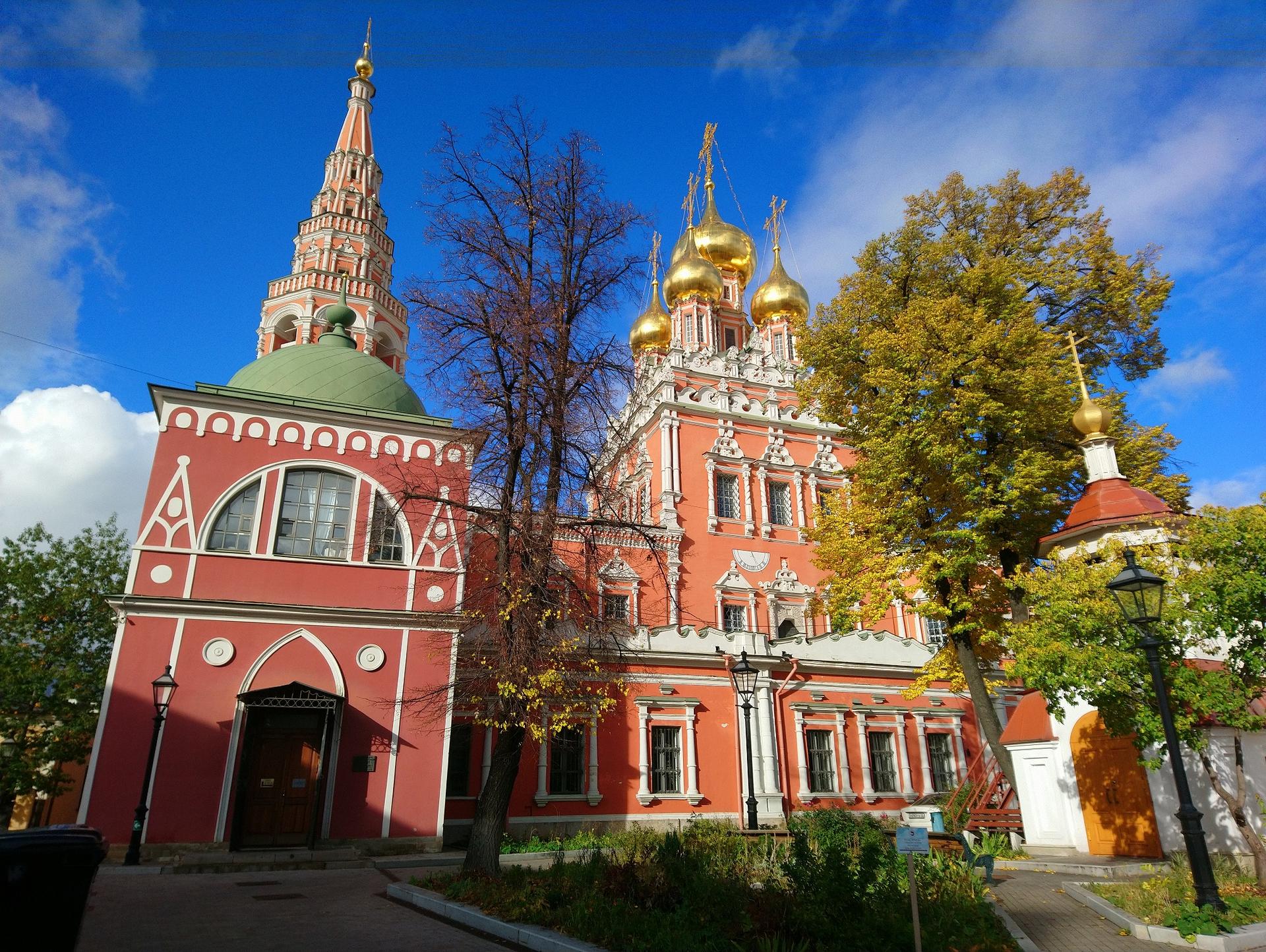
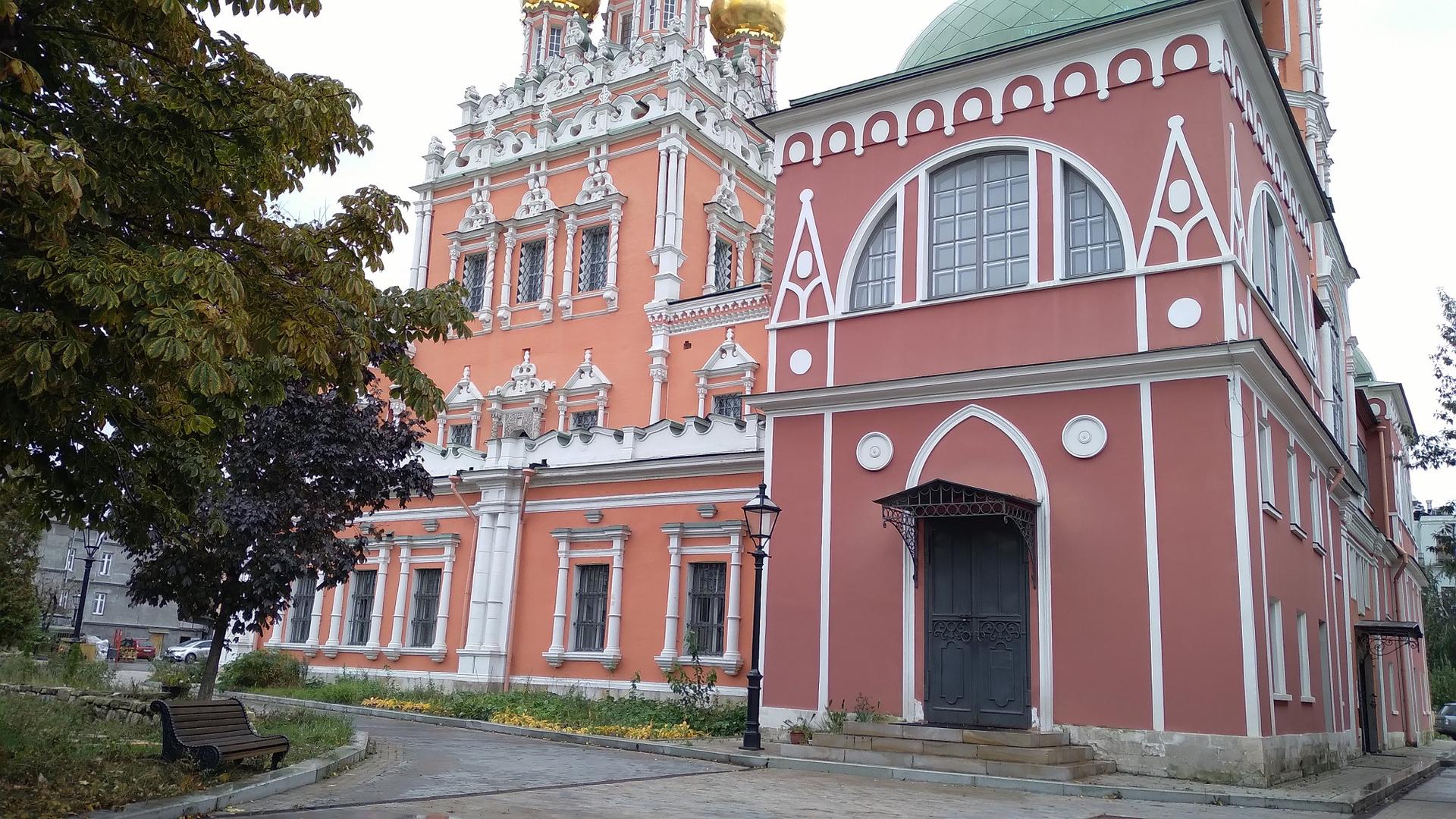
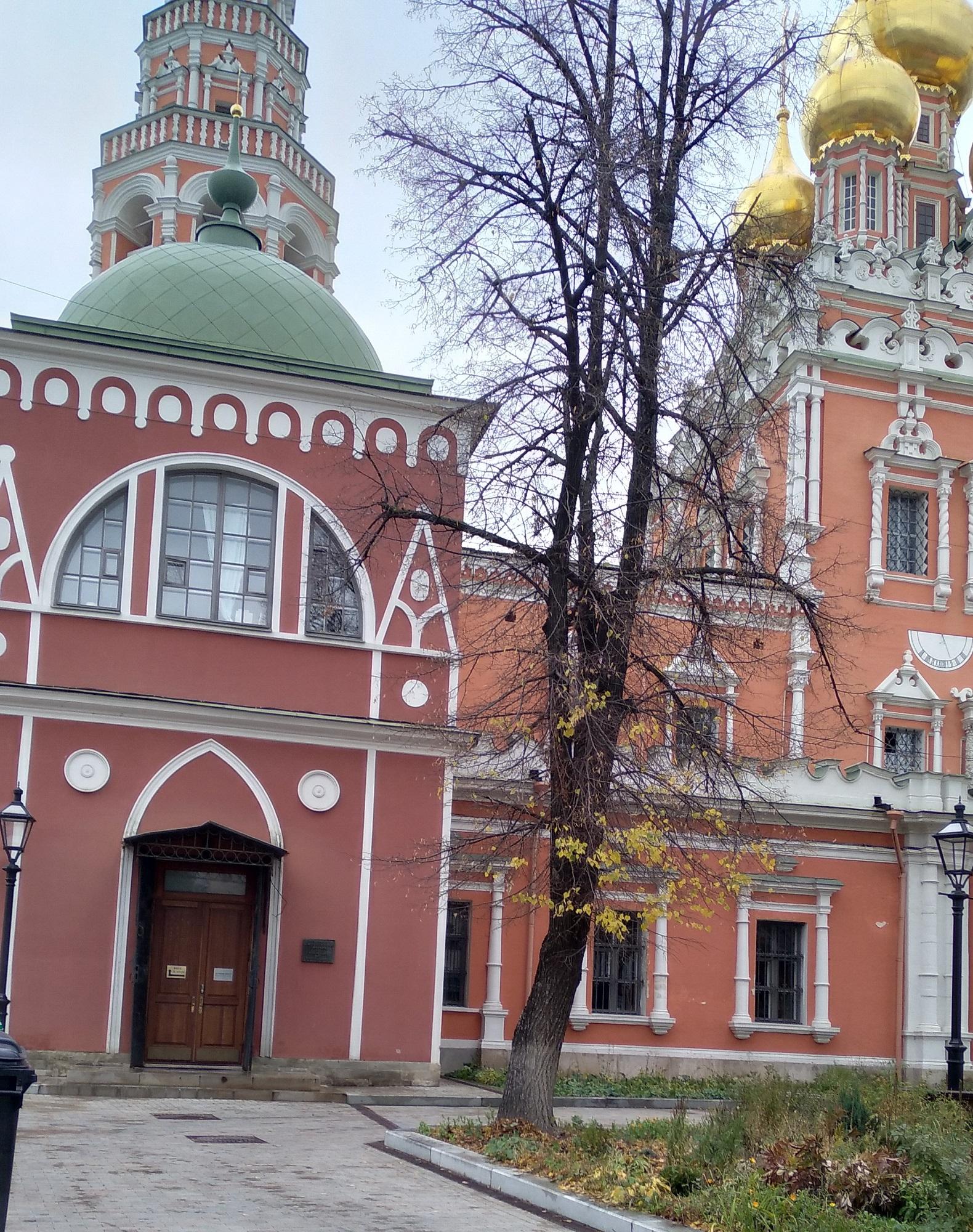
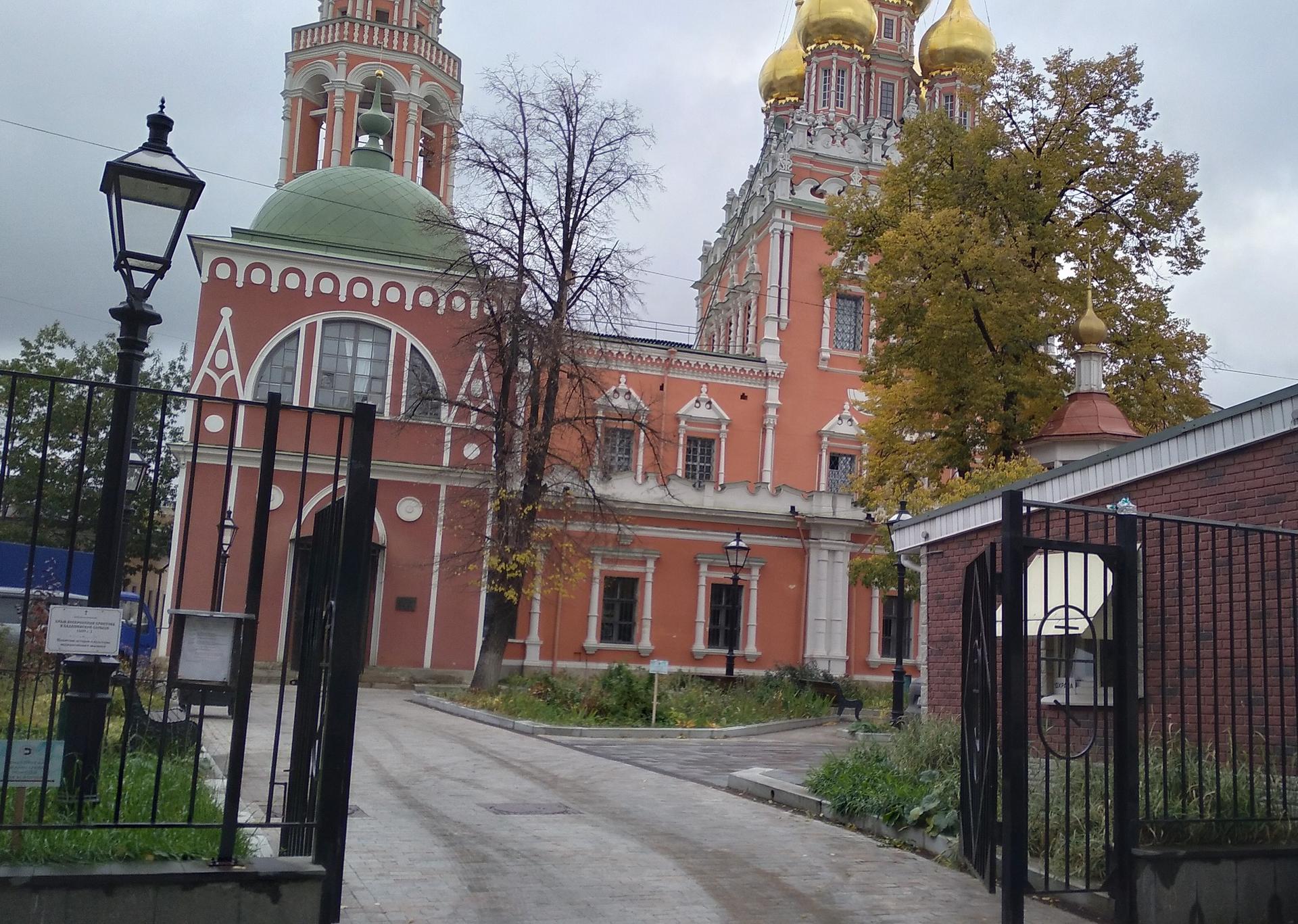
Декор фасадов Воскресенского храма в Кадашах для своего времени был новым: белокаменная резьба в виде виноградных лоз и листьев украшает выходящие на гульбище порталы верхней церкви, наличники окон увенчаны многоступенчатыми гребнями, использованы витые колонки, карнизы так же сделаны из белого камня.. На южном фасаде трапезной можно увидеть солнечные часы – единственные в Москве, которые расположены непосредственно на здании храма. Выстроенный в модной тогда стилистике московского барокко, храм, тем не менее, сохранил традиционную для XVII века структуру «кораблём»: его здание вытянуто с запада на восток, от колокольни к алтарю, а главная часть увенчана пятиглавием. Но если в иных случаях под главами располагались характерные для русской храмовой архитектуры кокошники, то в Воскресенской церкви вместо них использованы белокаменные гребни. Всё это делает храм Воскресения Христова в Кадашах выдающимся архитектурным памятником.
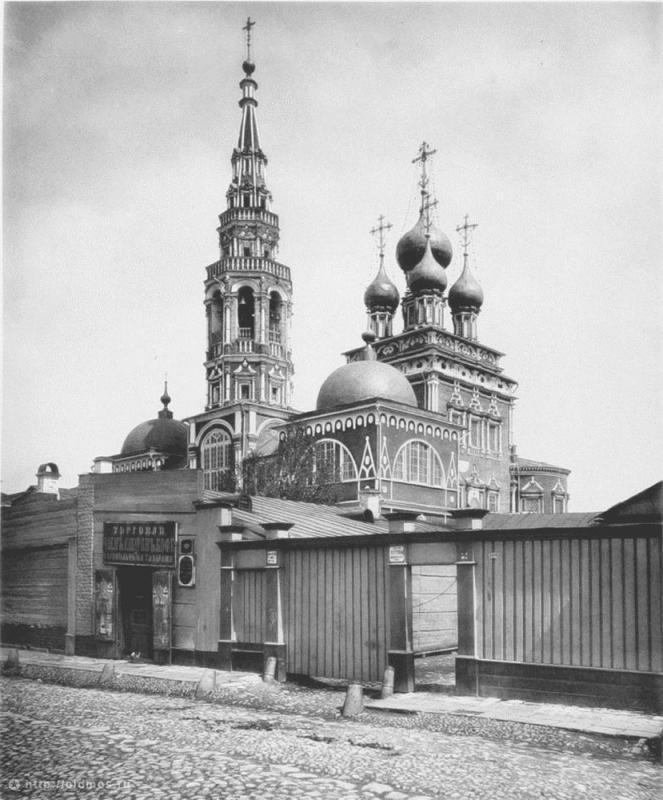
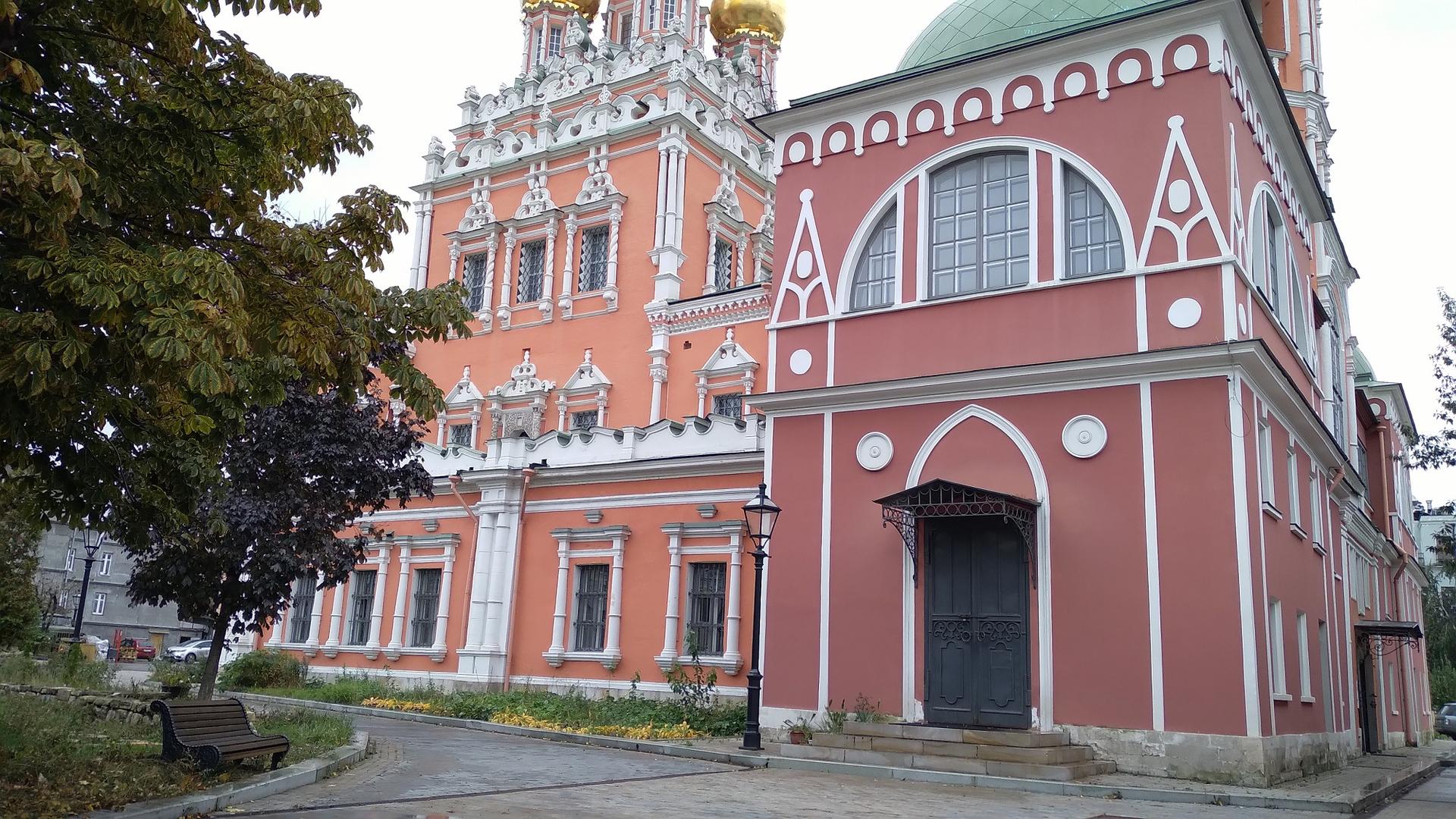
В XIX веке церковь несколько раз расширялась. Были разобраны старые лестницы по сторонам колокольни. Вместо них с севера и с юга были построены две большие крытые паперти с лестницами. Новые пристройки получили декор в псевдоготическом стиле. В 1860-1863 годах архитектор Николай Ильич Козловский расширил галерею первого этажа. Но, несмотря на эти изменения, общий вид храма остался прежний.
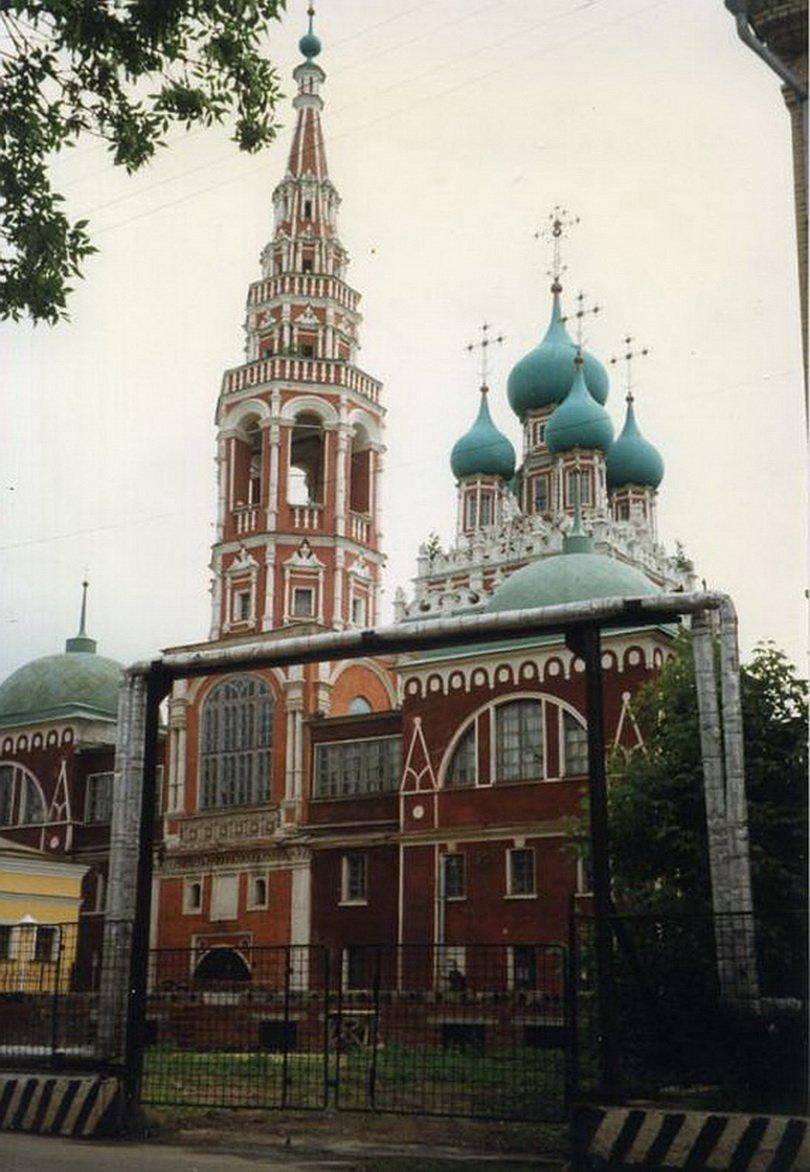
После революции он был закрыт и превращён в клуб соседней фабрики. Росписи и лепнина XIX века в интерьере храма сохранились, но, к сожалению, оказался утрачен древний иконостас. В 1960-х годах здание отреставрировано и отдано в ведение реставрационных мастерских. Процесс передачи храма общине верующих затянулся на долгие годы: некоторое время богослужения проводились в бывшем каретном сарае на территории церкви. Лишь в 2004 году верующим был отдан верхний храм, а ещё через два года – нижний. Сегодня здесь проводятся богослужения. При церкви создан музей «Кадашевская слобода», открытый для всех желающих. Два раза в год проводятся «Кадашевские чтения», посвящённые истории и культуре Москвы.
В 2014-2016 гг. была проведена комплексная реставрация фасадов храма и колокольни.
Church of the Resurrection was mentioned for the first time at the end of the XV century as wooden. Later, in the early XVII century, the name "in Kadashi" appeared when the church became the spiritual center of Kadashevskaya settlement. The high level of well-being of the inhabitants of the settlement, among other things, is also evidenced by the construction of a stone stone instead of the old wooden church, which was mentioned for the first time in 1657. However, over time, and this temple appeared small for the increased settlement. On its basis, using a portion of the old walls, was built a new double-tired church bunked with the main temple in the name of the Resurrection of Christ at the top and bottom of the Chapel of the Assumption (in the 1860s in the lower tier appeared two more chapels - St. Nicholas and Our Lady of Tikhvin) . Construction started in 1687 and was completed in 1695, when the church was consecrated by Patriarch Adrian. Merchants Kondrat Dobrynin and his son Longinus were church founders, sponsors of the new church construction.
The decor of the facades of the Resurrection Church in Kadashi was new for its time: white stone carvings in the form of vines and leaves adorn the portals of the upper church that go out to the gulbis, the window frames are crowned with multistage crests, twisted columns are used, the cornices are also made of white stone. On the southern facade of the dining room you can see a sundial – the only one in Moscow located directly on the church building. Built in the then fashionable style of the Moscow baroque church, however, has kept the traditional "ship" structure of the XVII century: its building stretched from west to east, from the bell tower to the altar, and the main part is crowned with five domes. In other cases characteristic of Russian church architecture kokoshniks were under cupola, the Church of the Resurrection white stone ridges used instead. All this makes Kadashi Church an outstanding architectural monument.
In the XIX century, the church was expanded several times. Old ladders on the side of the bell tower were dismantled . Instead, from the north and from the south two large covered porch with stairs were built. New additions received a pseudo-Gothic decor. In the years 1860-1863 the architect Nikolai Ilyich Kozlowski expanded gallery of the first floor. But in spite of these changes, the overall view of the temple remains the same.
After the revolution, it was closed and turned into a club of the nearby factory. Painting and stucco of the XIX century in the interior of the church survived, but, unfortunately, turned out to lost ancient iconostasis. In the 1960s, the building was restored and given to the jurisdiction of the restoration workshops. The process of transferring the church to the community of believers was delayed for many years: some time the services were held in the former carriage barn on the territory of the church. Only in 2004 the upper church returned to believers, and two years later - the bottom one. Today worships are held here. "Kadashevskaya Sloboda" museum is opened to all comers. "Kadashevsky reading" dedicated to the history and culture of Moscow organized here twice a year.