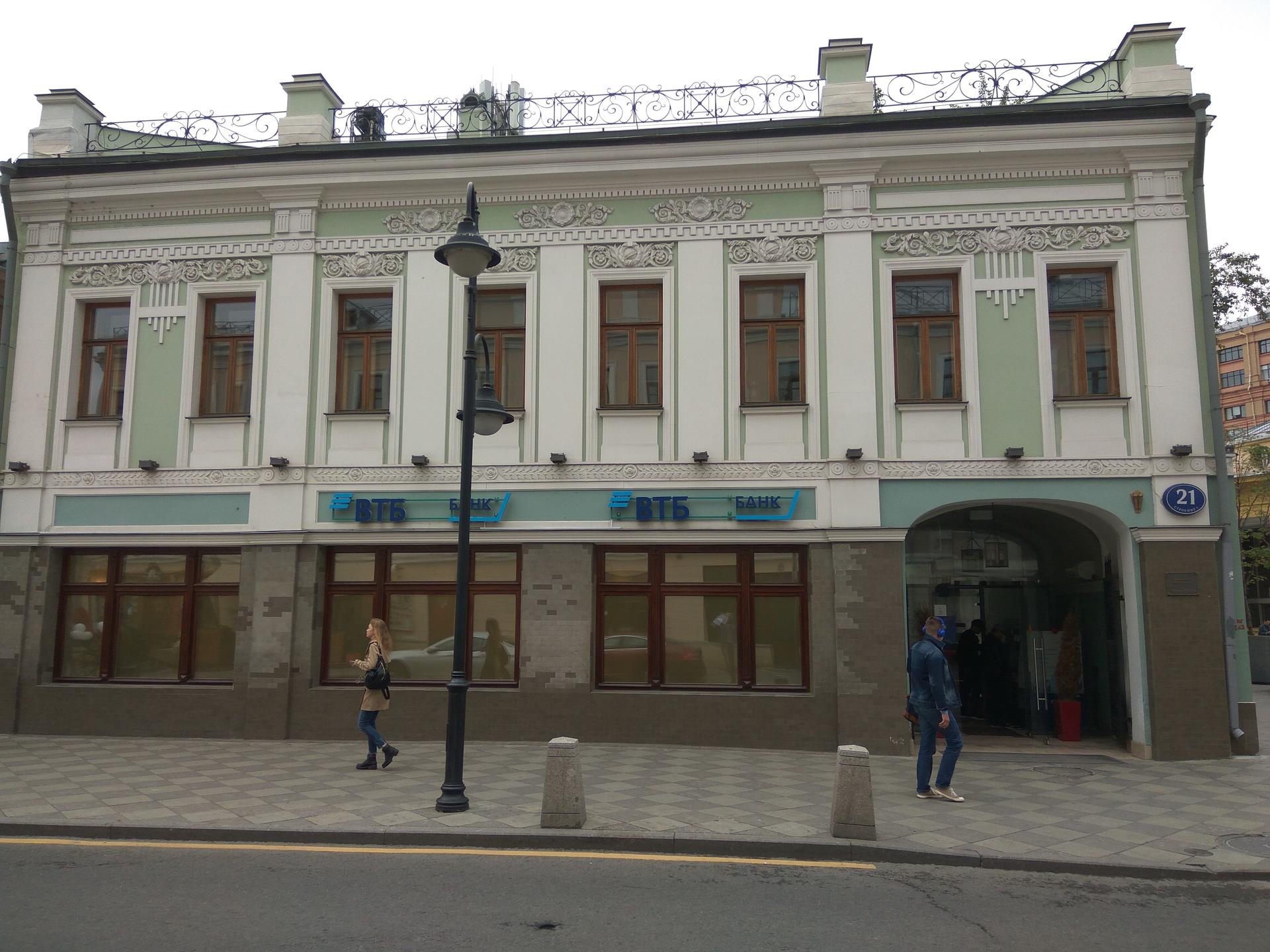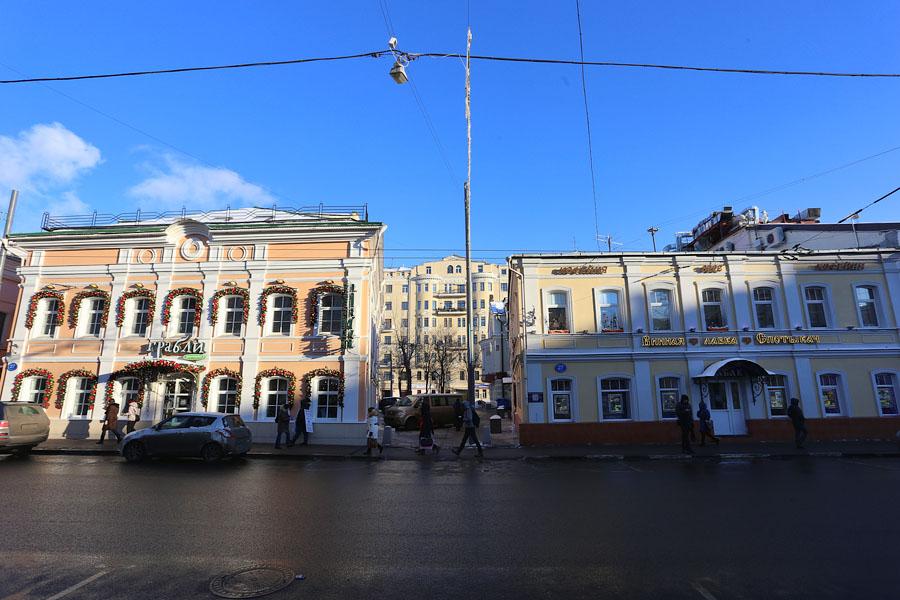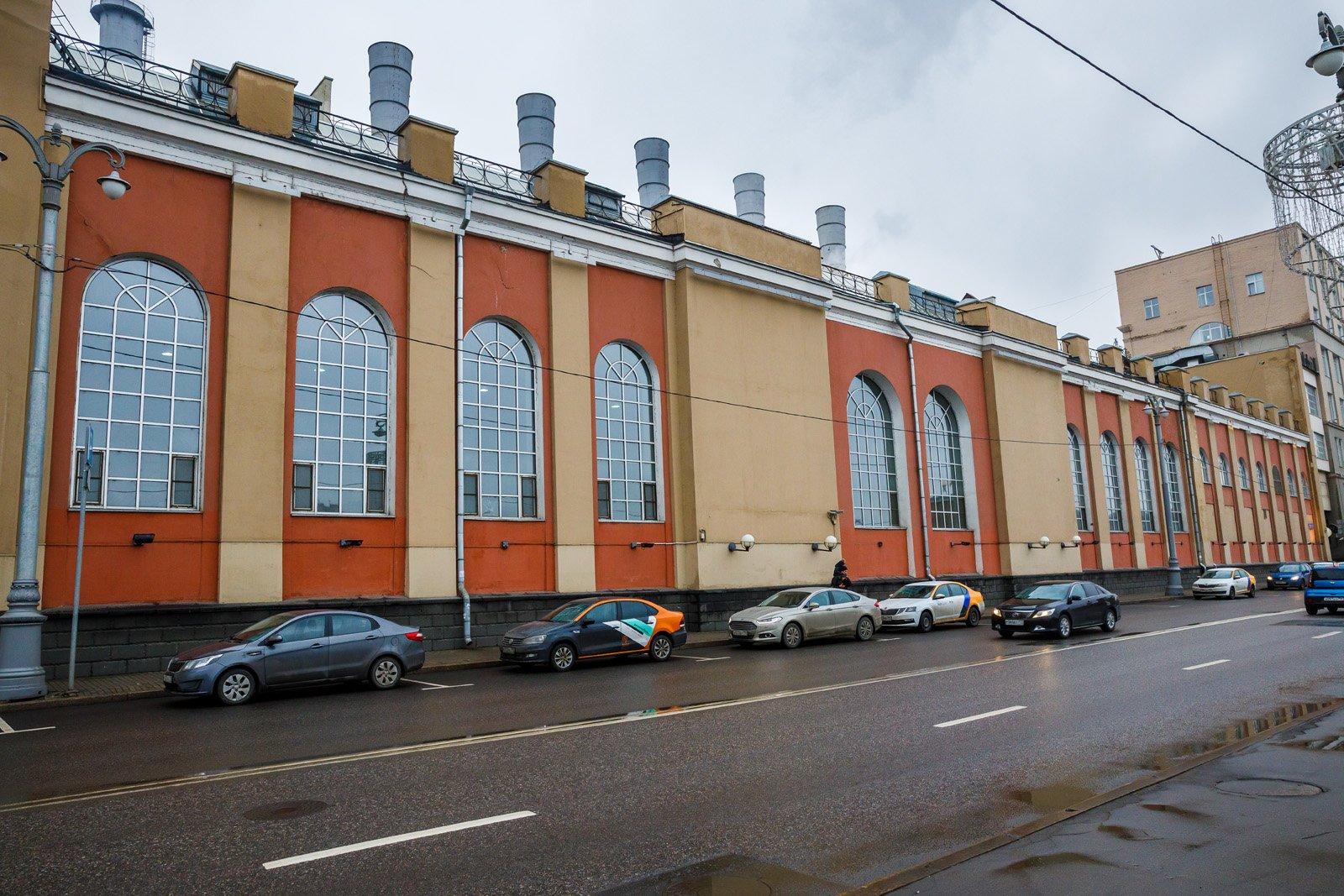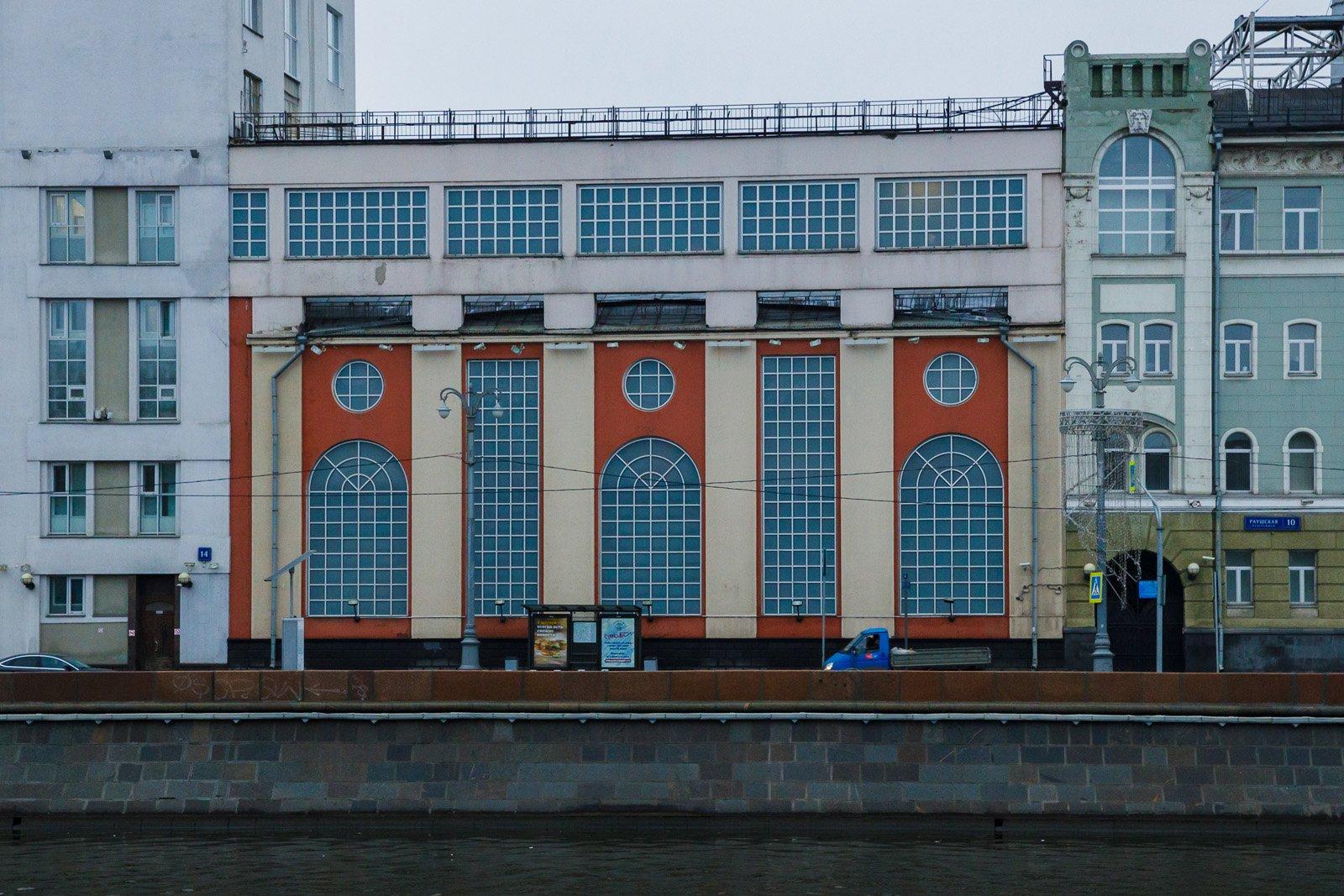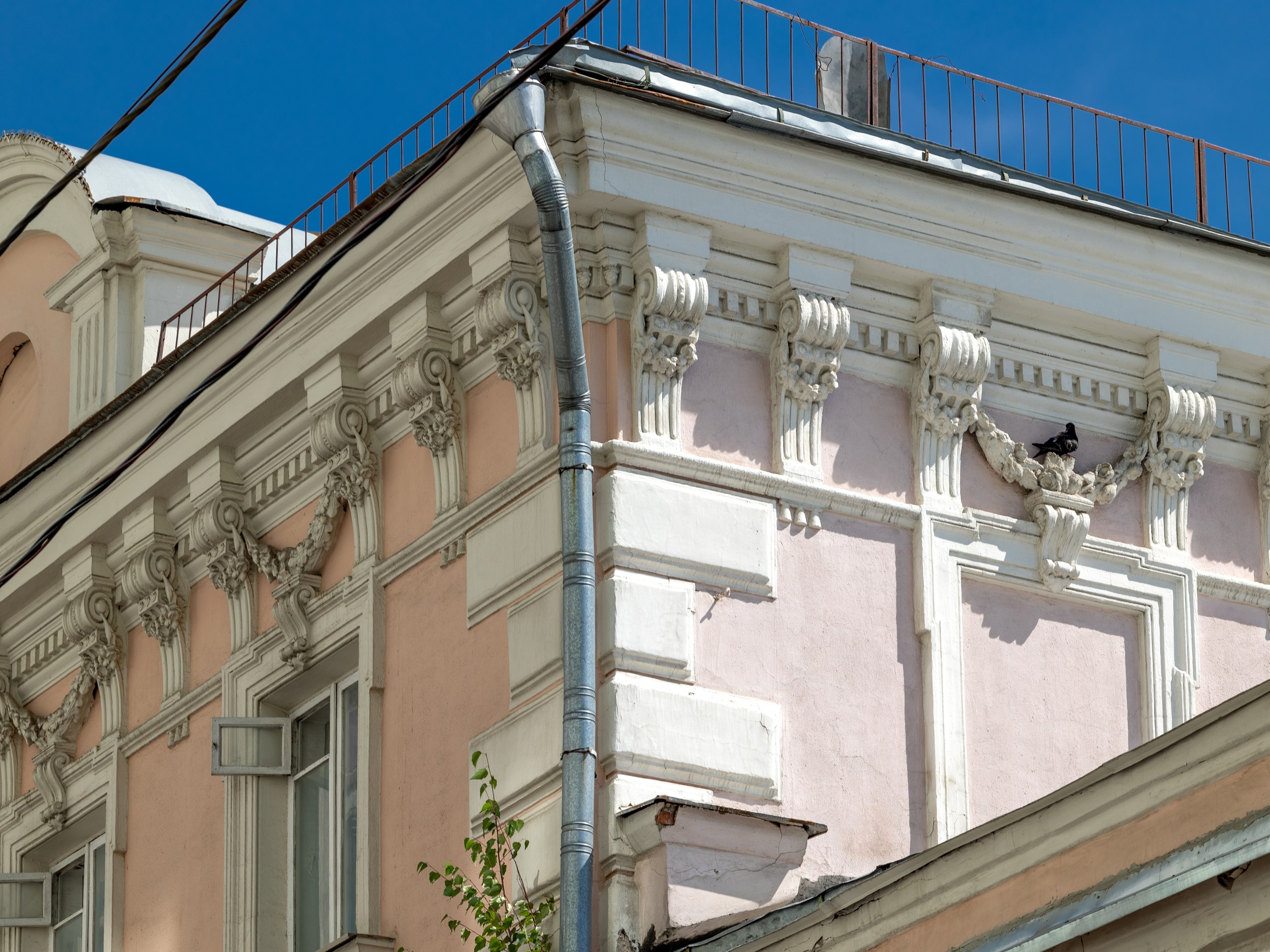
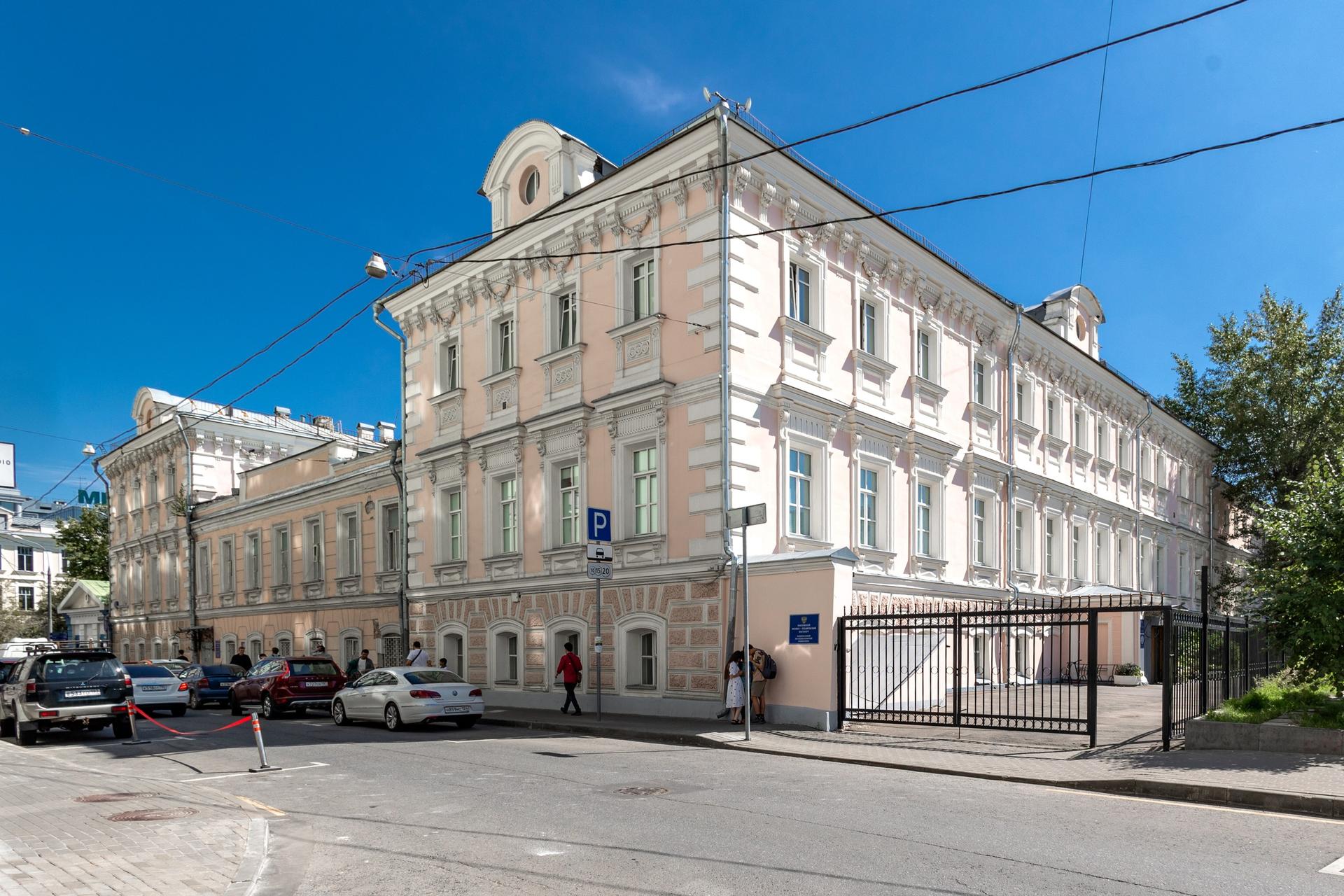
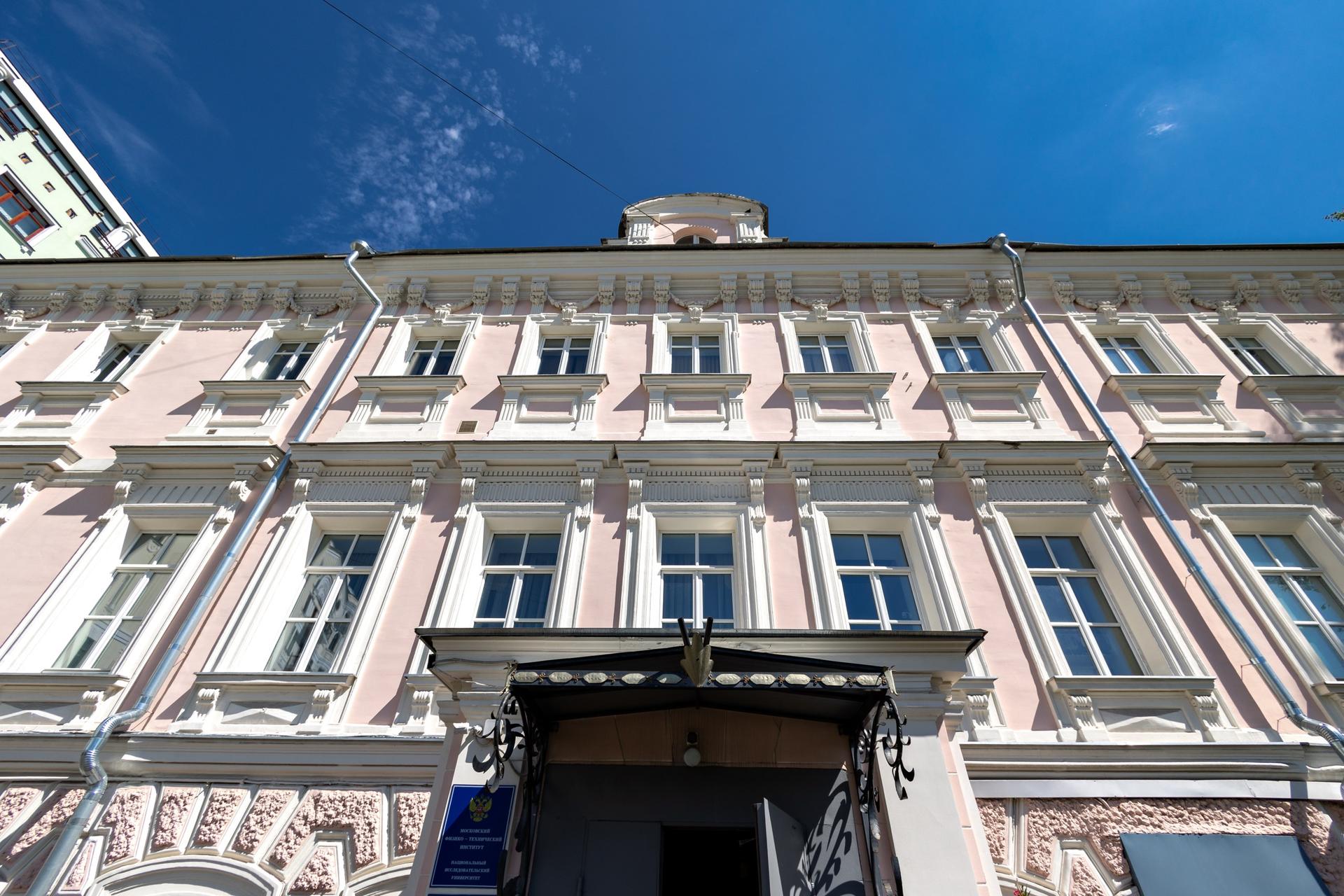
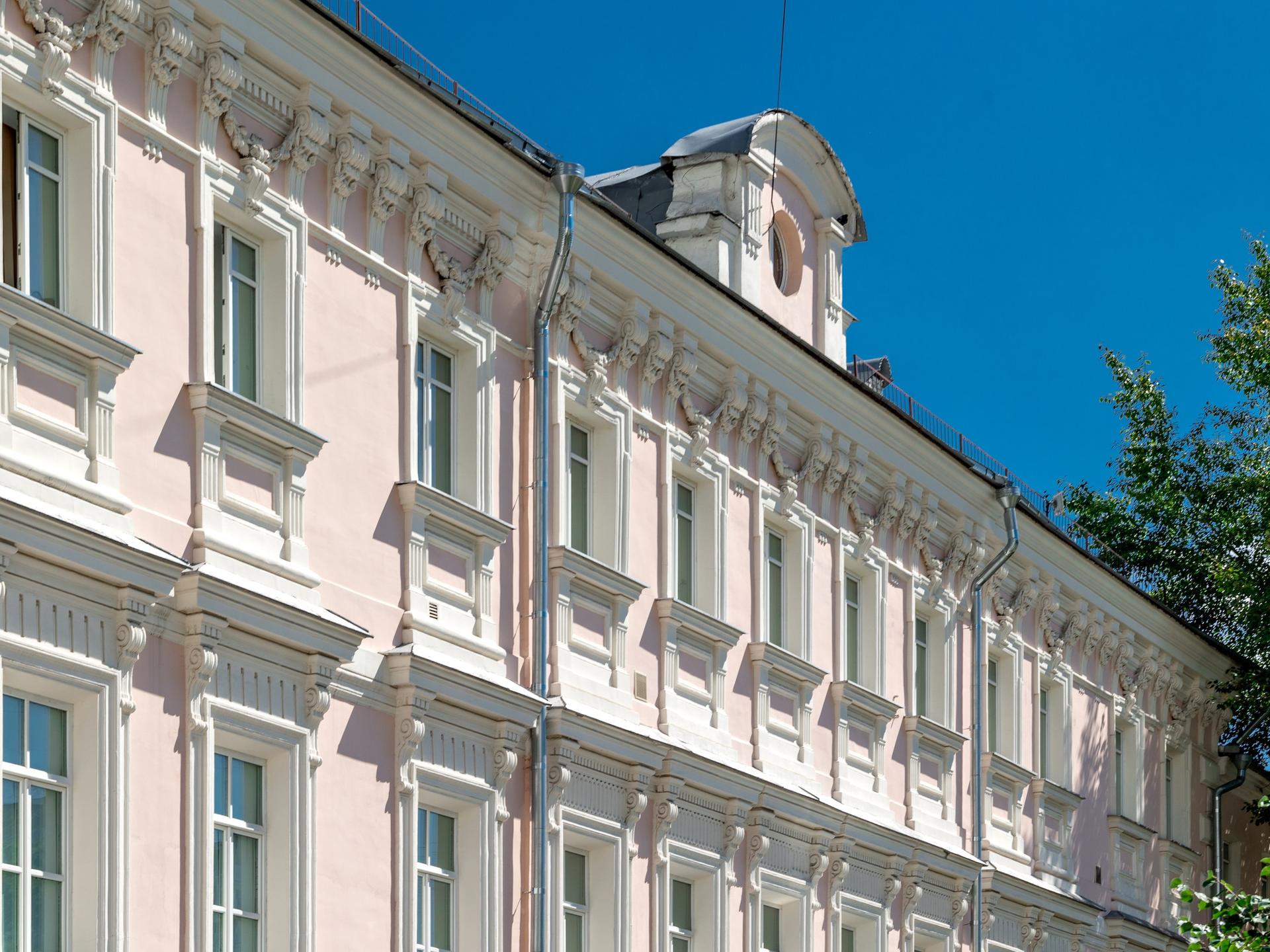
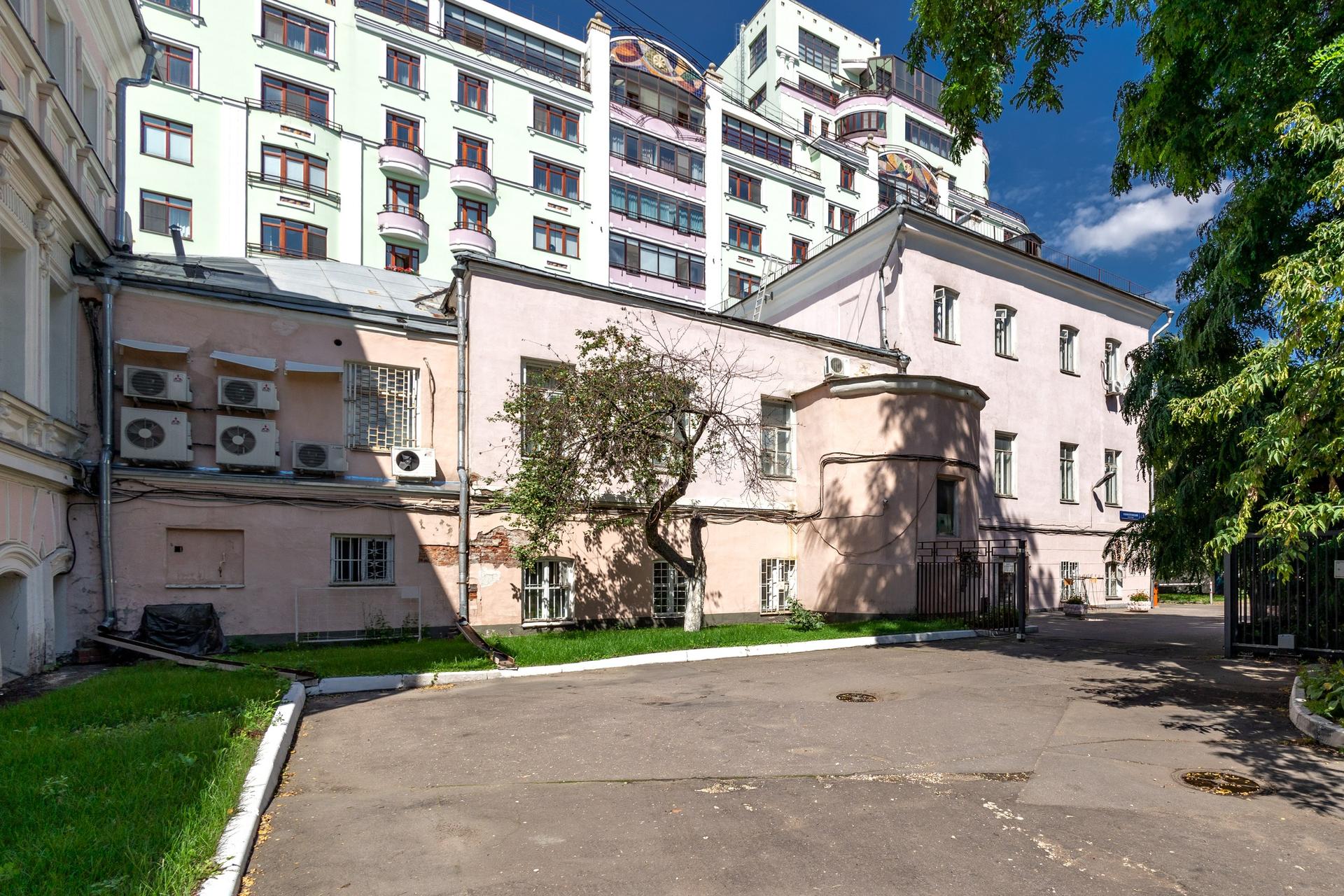
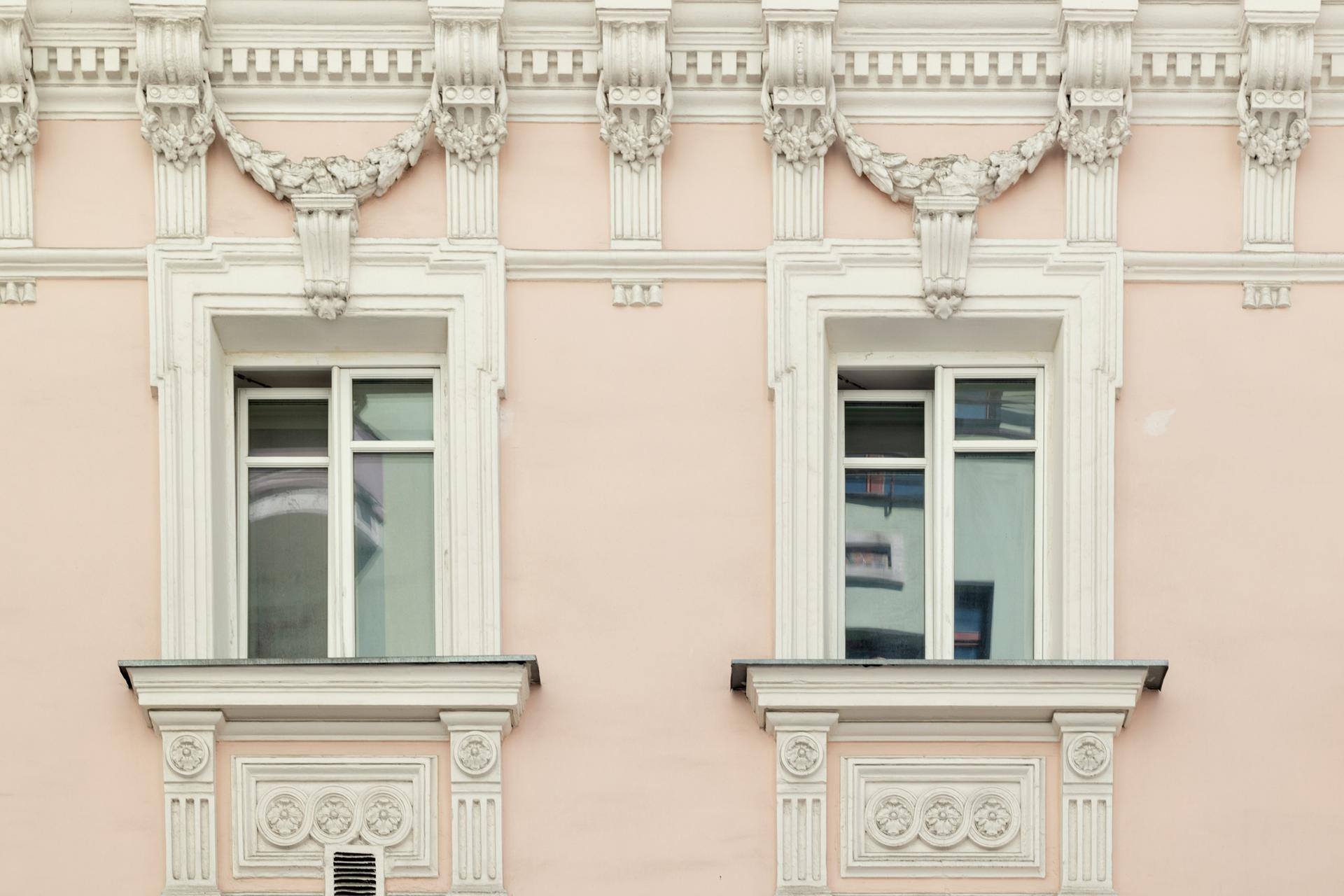
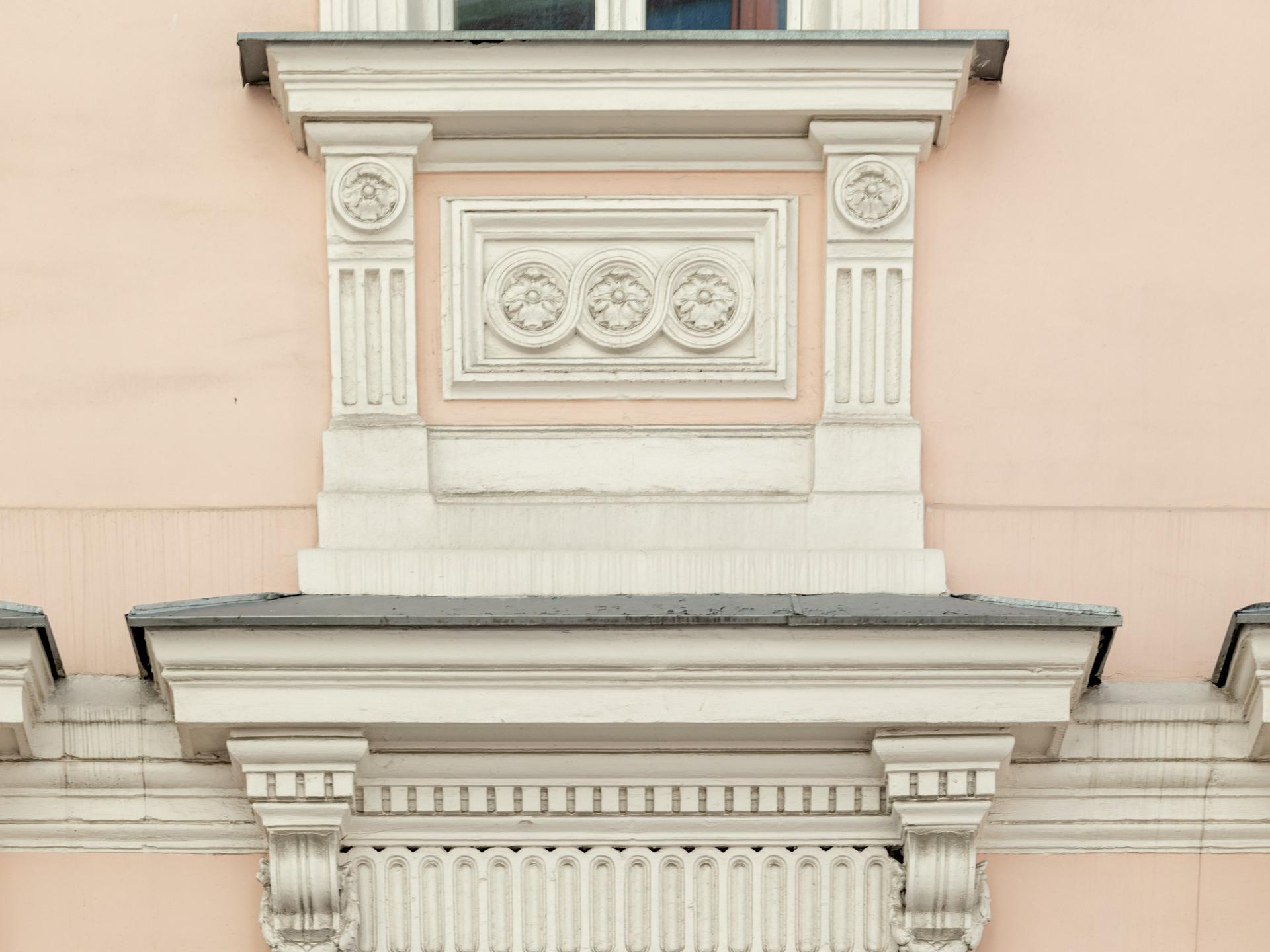
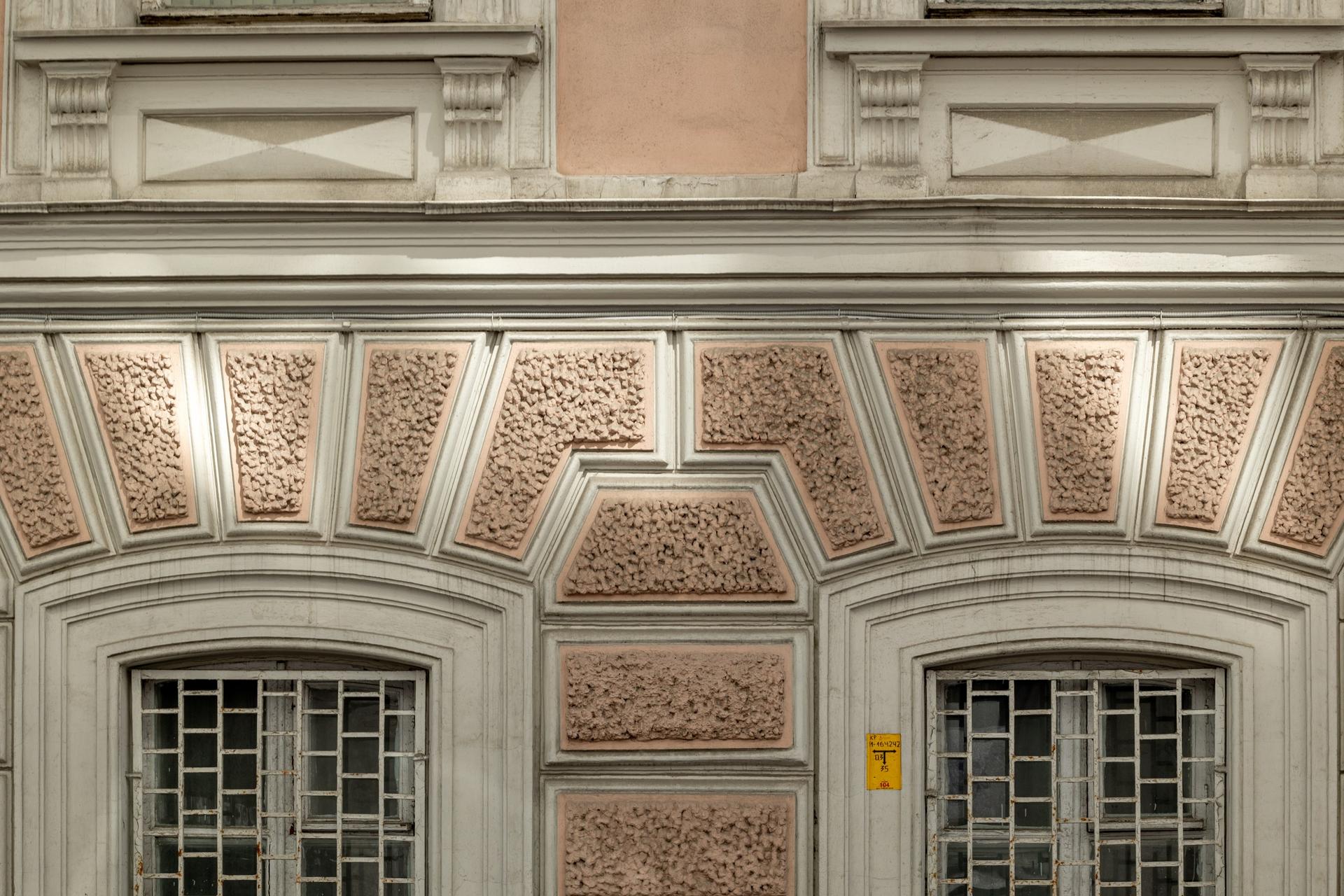
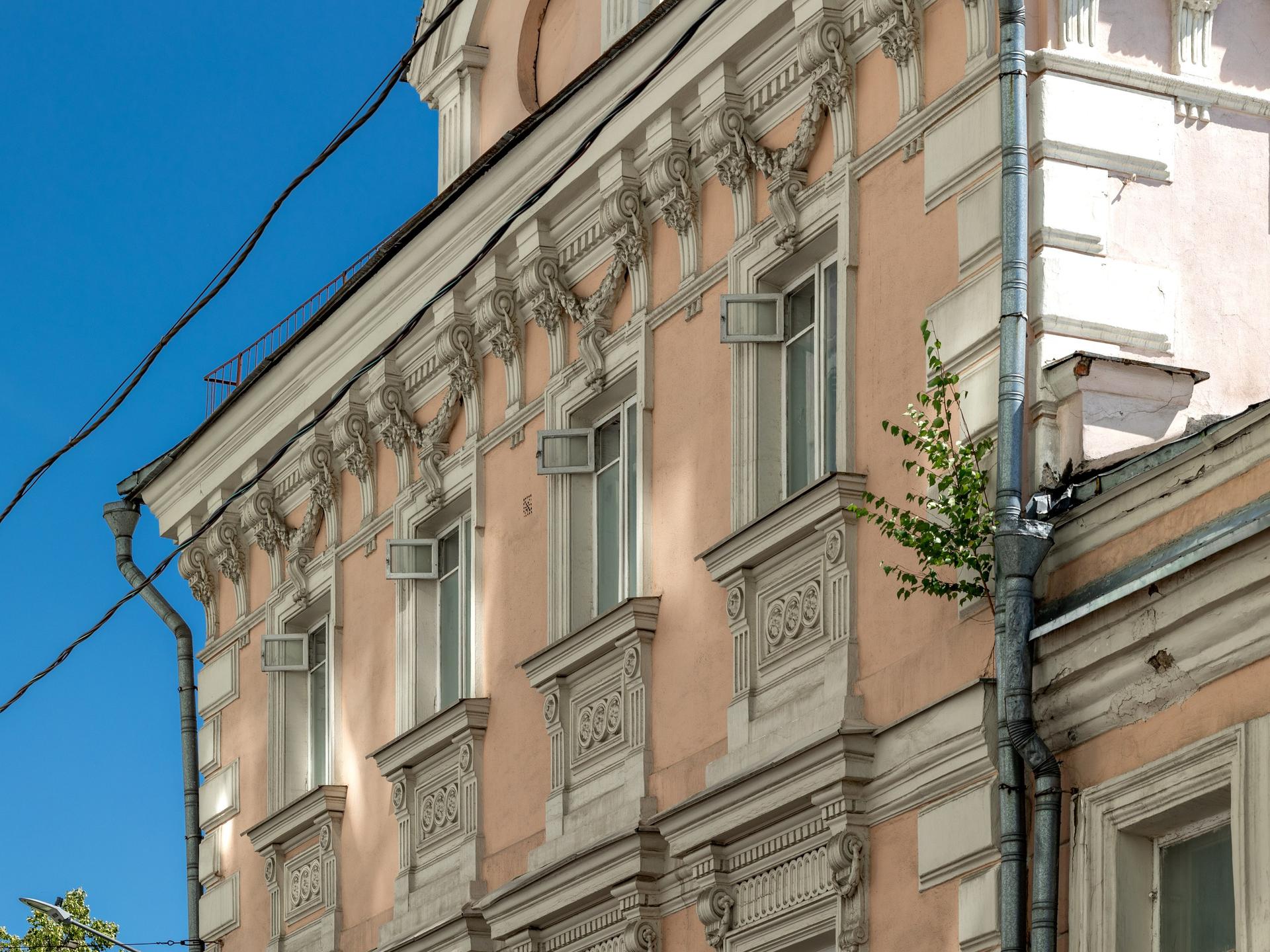
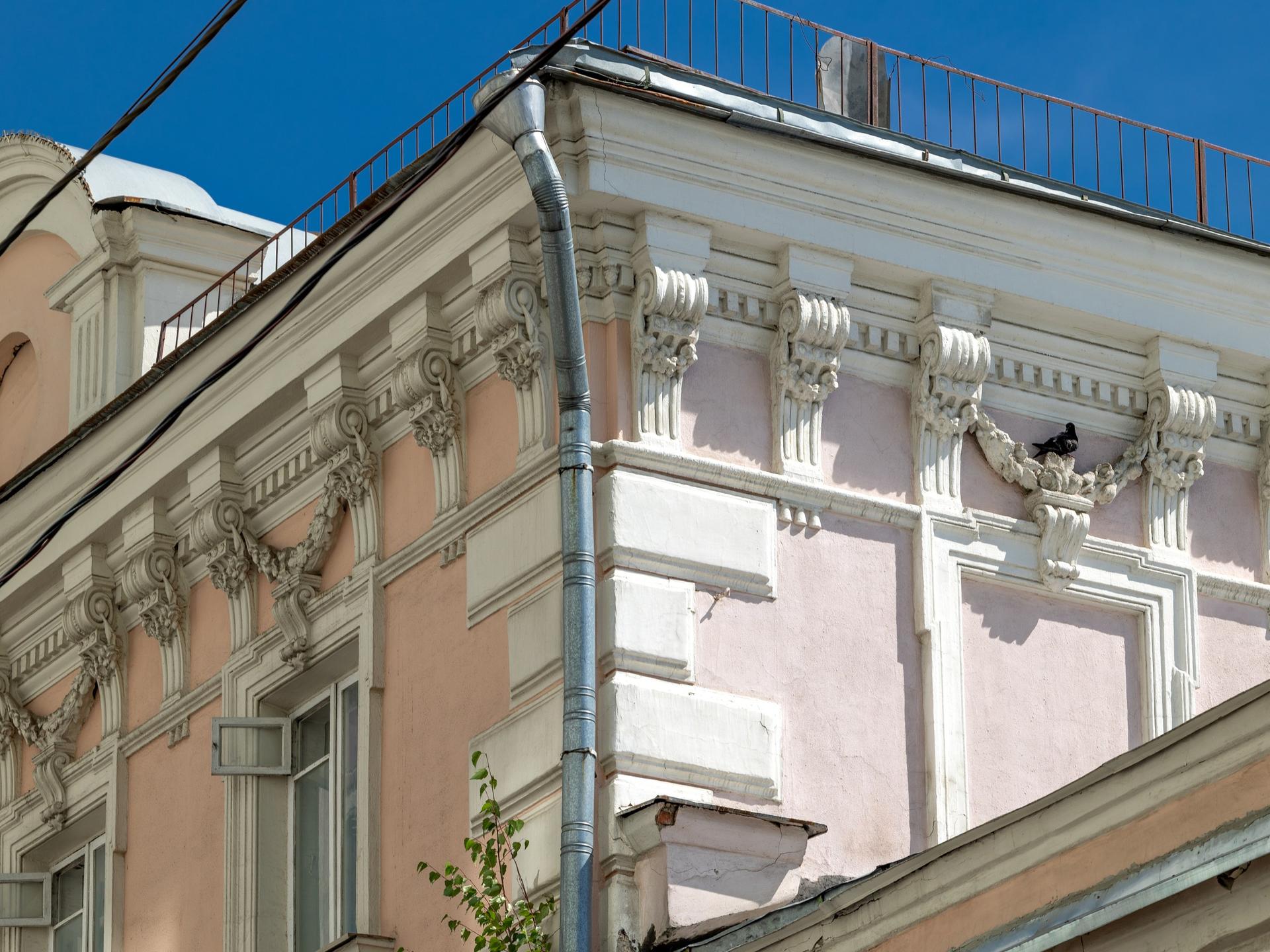
Документы середины XVIII столетия фиксируют здесь каменные палаты, возможно, их ядро было построено еще в допетровское время. В начале XVIII века этот участок имел 60 саженей (около 130 м) в длину. В самом конце XVIII века фасад здания был перестроен в актуальном для того времени стиле классицизма. За век усадьба несколько раз переходила из рук в руки: последним дворянским владельцем участка стал генерал от инфантерии Н.Д.Дурново. В 1820-х годах усадьба перешла в купеческие руки.
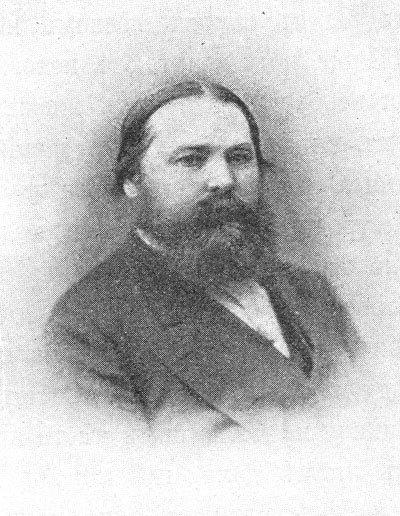
Самым известным владельцем усадьбы стал миллионер Петр Губонин, владевший ею в 1860 – 1880-х годах. Это был успешный железнодорожных подрядчик, за два десятка лет из простых крестьян выбившийся в промышленники с капиталом около 20 млн. рублей. Свое огромное состояние Губонин инвестировал в банковские операции, был одним из основателей Бакинского нефтяного общества, совладельцем страховых компаний. С именем Губонина связано в Москве строительство сети конно-железных дорог, возведение храма Христа Спасителя, основание Комиссаровского технического училища. Дореволюционный путеводитель по Москве издательства Сабашниковых рекомендует вниманию читателей Губонина как незаурядного российского капиталиста, чья усадьба столь заметна - «типичная для Москвы с ее широким барским и купеческим размахом».
При Петре Губонине в 1869 году к главному зданию усадьбы была сделана с юга пристройка, а в 1871-м были добавлены здания по красной линии переулка. Здесь нашли приют в одночасье оставшиеся без крова от пожара Михаил и Ольга Садовские с детьми – знаменитая артистическая семья того времени. Петр Губонин перевез их к себе, «не успели еще дотлеть головешки на пепелище», рассказывали Садовские внукам.
Следующим после Губонина владельцем усадьбы стал купец Салих Юсупович Ерзин, известный московский предприниматель, миллионер, меценат. Он поселился в усадьбе вместе со своим огромным семейством, впоследствии в особняке располагалась его контора. В предреволюционные годы здание арендовала гимназия.
Сейчас в доме находятся образовательные учреждения: здесь расположен Московский физико-технический университет.
Under Peter Gubonin in 1869, an annex was made to the main building of the manor, and in 1871 buildings were added along the red line of the alley. Famous artistic family of the time Michael and Olga Sadowski with children found shelter here when they left homeless overnight because of a fire. Peter Gubonin took them to his home "while embers from the ashes were still hot", told Sadowski to their grandchildren.
The next owner of the estate after Gubonina was merchant Salih Yusupovich Erzin, who was a Moscow businessman, millionaire and philanthropist. He settled in the estate with his huge family and his office moved here later. Gymnasium rented the building during pre-revolutionary years.
Moscow Institute of Economics, Politics and Law and other educational institutions are in the building now.