Идея прокладки стальной магистрали в сторону Ярославля во многом принадлежала профессору математики МГУ Федору Чижову, будущему крупному теоретику промышленно-торгового развития России. К строительству "первой русской" (т.е. без участия иностранного капитала) частной железной дороги от Москвы до Сергиева Посада он привлек группу московских купцов. Активным его помощником стал состоятельный и деятельный купец Иван Федорович Мамонтов, отец будущего известного мецената Саввы Мамонтова.
В 1859 году императором Александром II было Высочайше утверждено решение о строительстве железной дороги от Москвы до Сергиева Посада с условием в ближайшие три года продлить её до Ярославля, так как дорога только до Сергиева Посада считала «роскошью» и, по мнению Главноуправляющего путями сообщения, серьёзной транспортной нагрузки нести не могла.
Место для расположения станции выбиралось с большим трудом. Предлагалось разместить вокзал у Сухаревой башни, у Крестовской заставы, или вообще его не строить, а отправлять поезда с уже существовавшего вокзала Петербурго-Московской железной дороги. После долгих споров решили строить вокзал на Каланчёвской площади.
Проектирование вокзала было поручено архитектору М.Ю. Левестаму, однако, его проект не одобрило Правление дороги. Окончательный проект вокзала составил архитектор Р.И. Кузьмин. Это было небольшое П-образное изящное двухэтажное здание с башенкой в середине, близкое по архитектуре вокзалу Петербурго-Московской железной дороги. Вокзал был тупикового типа с раздельными платформами для прибытия и отправления поездов. Новая железная дорога, названная Троицкой, была открыта в 1862 году. Для освящения вокзала был приглашён митрополит Филарет, который раньше никогда не видел ни железной дороги, ни поезда. Поэтому специально для него от поезда отцепили паровоз и он совершил несколько манёвров по станции, что крайне заинтересовало митрополита.
С продлением дороги до Ярославля в начале 1870-х годов вокзал был перестроен. Полностью сохранился фасад, выходящий на Каланчёвскую площадь, но были надстроены боковые корпуса, что создало довольно нелепую композицию из небольшого центрального объёма и значительно превышающих его по размерам боковых корпусов.
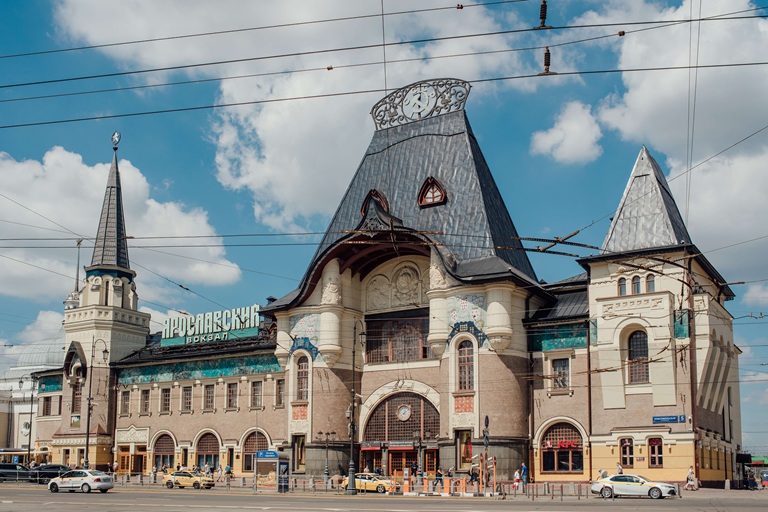
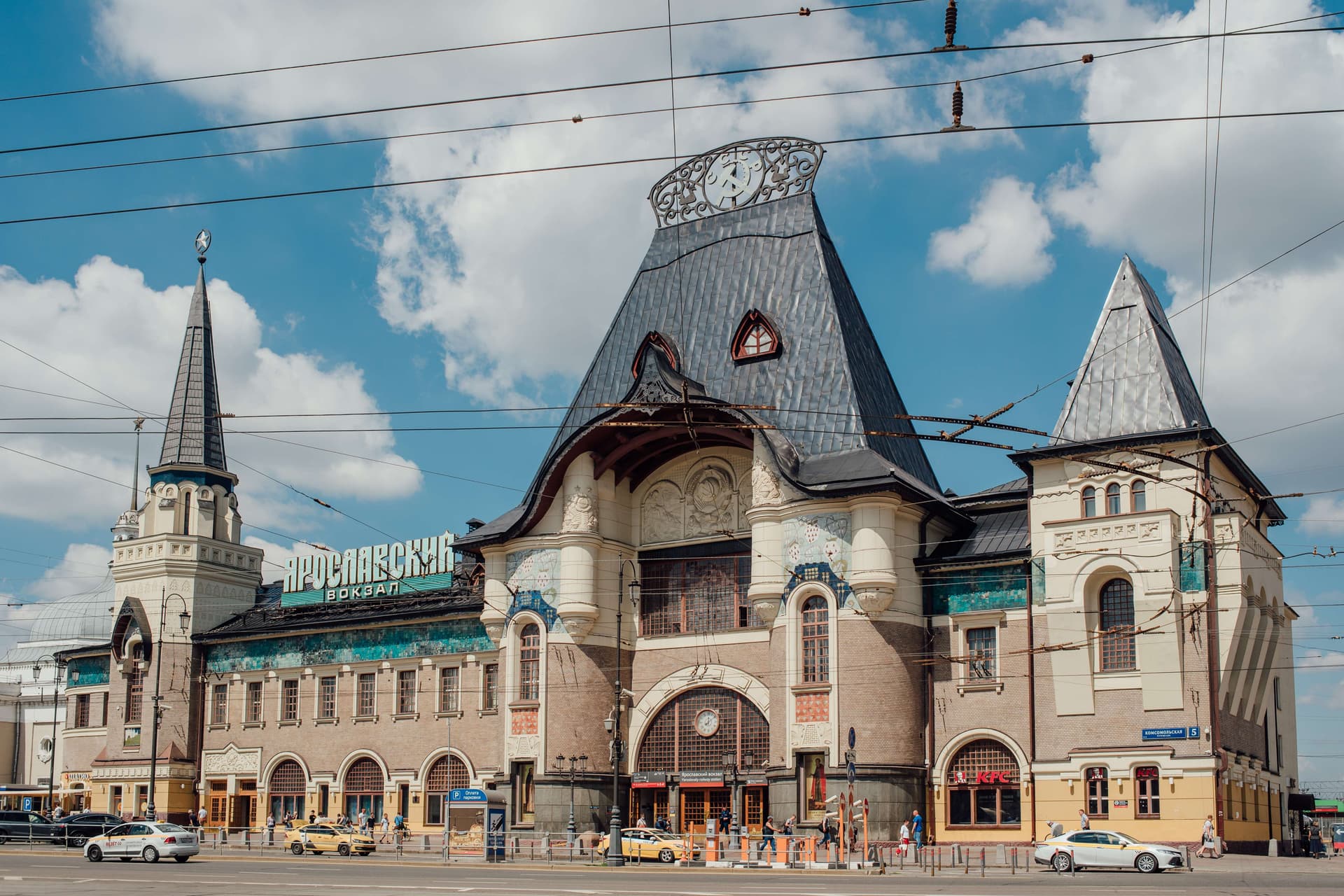
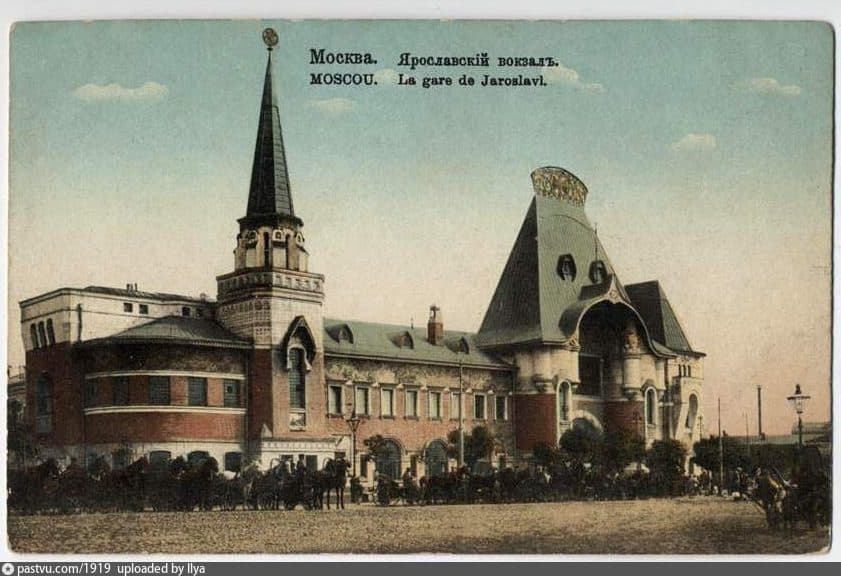
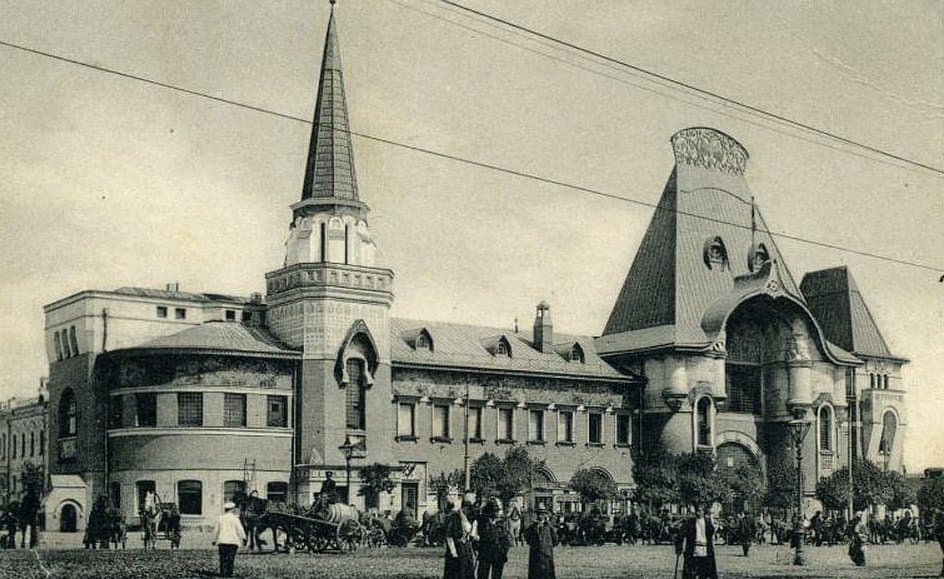
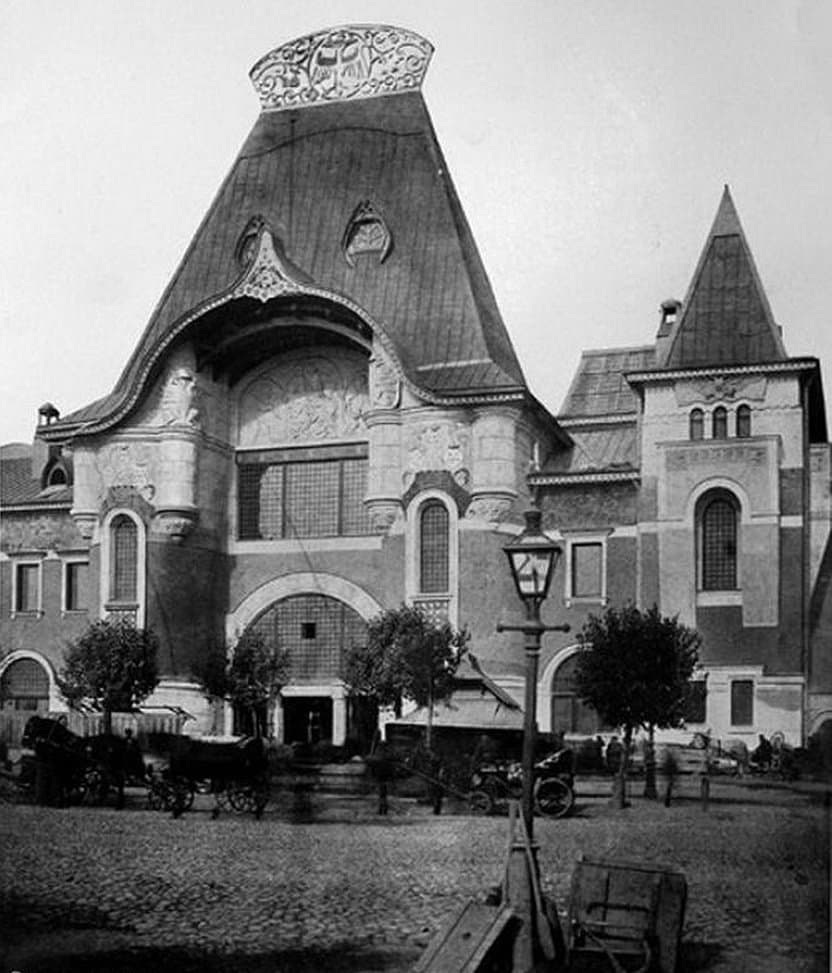
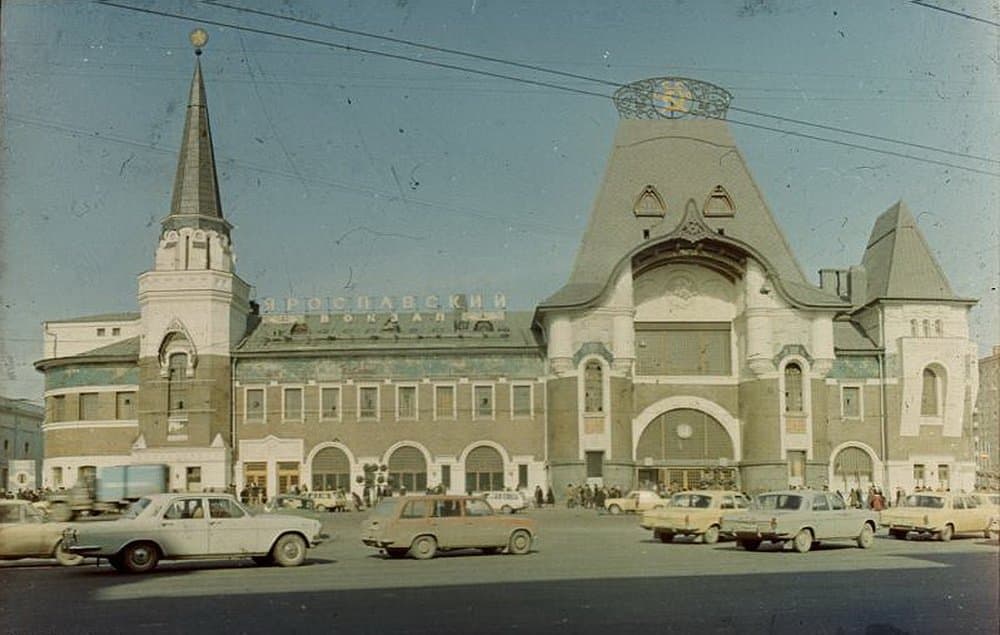
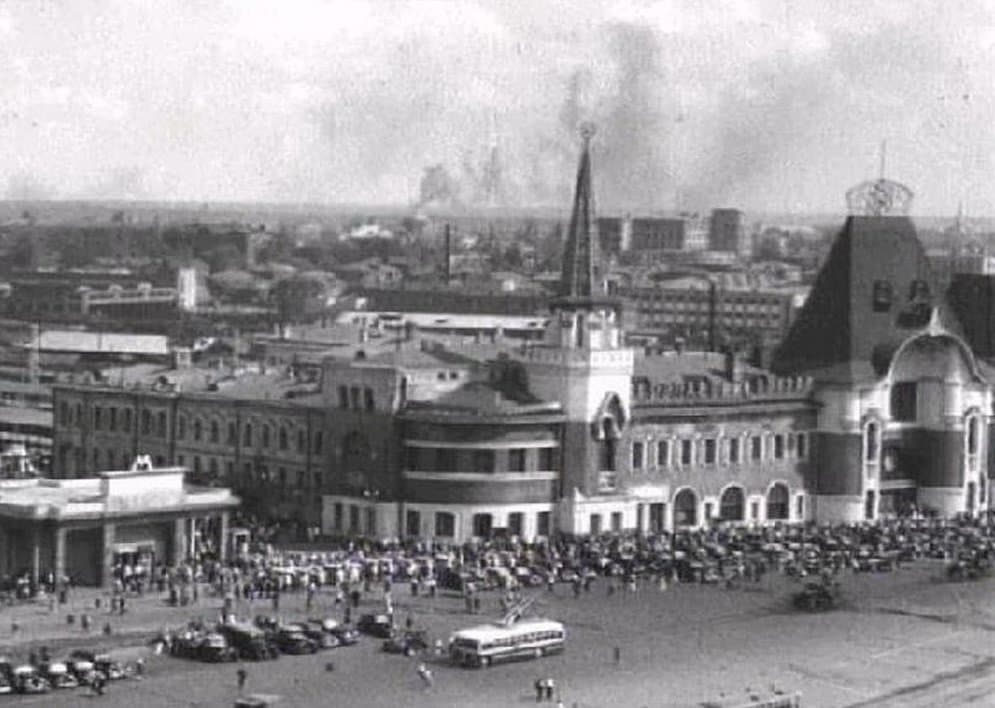
В 1898 – 1899 железная дорога дотянулась до Архангельска, к ней примкнули другие линии, вокзал в Москве стал тесным. Новый проект перестройки вокзала был составлен архитектором Л. Н. Кекушевым, вскоре для дальнейшей перестройки здания был приглашён архитектор Ф. О. Шехтель. Однако Шехтель придал вокзалу совершенно иной вид – к нему был пристроен фасад, прообразом которого послужил павильон Русского Севера, выполненный по проекту художника К. А. Коровина для Нижегородской ярмарки 1896 г. Здание вокзала включило в себя элементы древнерусской архитектуры, творчески осознанные и переработанные мастером. Высокая, как у древнерусских теремов, кровля, широкий фриз из зелено-коричневой глазурованной плитки, майоликовые вставки с сюжетами по «северным» рисункам Шехтеля, устремленная ввысь боковая левая башня, гигантская входная арка вестибюля с килем-козырьком и полукруглыми башенками по бокам – все эти элементы перетекают друг в друга и создают неповторимый былинно-эпический образ здания. Удачное расположение башен приводит к совершенно разному восприятию здания из разных точек Каланчёвской площади.
С 1907 года вокзал стал называться Северным. 20 июня 1929 года от его перрона отправился первый московский электропоезд.
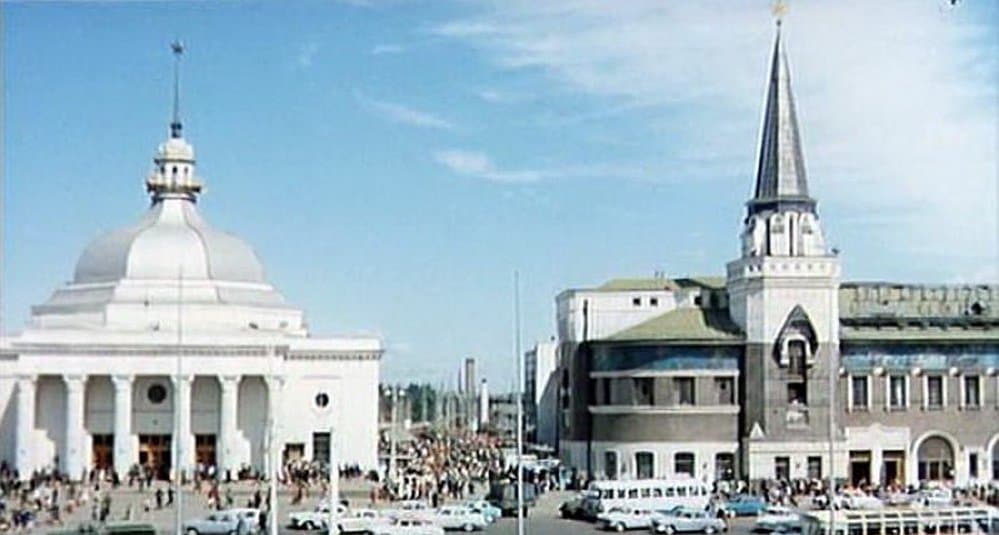
В 1966 году вокзал приобрёл современный вид. В нём до сих пор отчётливо видны как боковые фасады первоначального здания, построенного по проекту Р.И. Кузьмина, так и более поздние перестройки Л. Н. Кекушева, Ф. О. Шехтеля и нашего времени. Внутри здания сохранились массивные колонны, стоявшие некогда на перроне отправления поездов.
The idea of laying railway to Yaroslavl is largely owned by Fedor Chizhov, the professor of mathematics at Moscow State University, the future of the major theorists of industrial and commercial development in Russia. Chizhov invited a group of Moscow merchants to finance the construction of "the first Russian" (ie, without the participation of foreign capital) private railroad from Moscow to Sergiev Posad. Ivan Mamontov, wealthy and active merchant, father of the future well-known patron of arts Savva Mamontov became his active assistant.
The idea of laying railway to Yaroslavl is largely owned by Fedor Chizhov, the professor of mathematics at Moscow State University, the future of the major theorists of industrial and commercial development in Russia. Chizhov invited a group of Moscow merchants to finance the construction of "the first Russian" (ie, without the participation of foreign capital) private railroad from Moscow to Sergiev Posad. Ivan Mamontov, wealthy and active merchant, father of the future well-known patron of arts Savva Mamontov became his active assistant.
Emperor Alexander II approved by the Highest decision to build a railroad from Moscow to Sergiev Posad In 1859 with the condition to extend it to Yaroslavl in the next three years. Railroad that ends at Sergiev Posad considered "luxury" and, according to communication lines chief superintendent, could not carry serious traffic load.
It was difficult to choose the location for the station. Some suggested placing the station by the Sukharev Tower, at Krestovsky Gate. Some said not to build the station at all and depart trains from existing station of Petersburg-Moscow railway. After long debate decided to build a station on Kalanchevskaya square.
Station design was entrusted to architect MJ Levestam, however, his project was not approved by the Board of the rail road. The final draft of the station made by architect RI Kuzmin. It was a small U-shaped elegant two-storey building with a tower in the middle, similar in terms of architecture to the train station on the of St. Petersburg-Moscow railway. The station was a dead end type with separate platforms for arrival and departure of trains. The new railway, called Troitskaya (the Trinity), was opened in 1862. Metropolitan Filaret was invited for the sanctification of the station, who had never seen a railroad, no trains. Therefore, locomotive uncoupled from the train especially for him and he made several maneuvers on the station, which is very interested the Metropolitan.
With the extension of the road to Yaroslavl in the early 1870s, the station was rebuilt. Facade facing the Kalanchevskaya square was preserved completely, but side building were overbuilt, which created quite a ridiculous composition consisted of a small central volume and significantly higher and bigger side hulls.
In 1898 - 1899 the railway reached for Arkhangelsk, other lines joined to it and the station in Moscow become too small. The new station redevelopment project scatched up by architect LN Kekushev and soon architect F. Shekhtel was invited for further restructuring of the building. However Shekhtel gave a completely different look to the station. The facade, inspired by the Russian North Pavilion built by the project of artist Konstantin Korovin for the Nizhny Novgorod Fair of 1896 was attached to the station building. The station building included elements of ancient architecture, creative and conscious recycled master. High as that of towers of ancient, roof, wide frieze of green and brown glazed tiles, majolica insert scenes on the "northern" drawings of Shechtel and tall side left tower, huge entrance arch lobby with a keel-visor and semi-circular towers on each side - all these elements into one another and create a unique image of the epics, the epic of the building. The convenient location of towers leads to a completely different perception of the building from different points Kalanchevskaya square.
Since 1907, the station was renamed the North. On June 20, 1929, the first Moscow electric train departed from its apron.
In 1966, the station has acquired a modern look. It is still clearly visible as a side facade of the original building, designed by RI Kuzmin, and later restructuring by LN Kekushev, F. Shekhtel and of our time. Massive columns once stood on the platform of train departure survived Inside the building.