Интерактивный гид по городу
С мобильным приложением бродить по городу гораздо интереснее!

Residential building upon the project of architect Burov

The history of the construction of the house is divided into two parts: before and after the war.

Residential building upon the project of architect Burov
Pushkinskaya, Tverskaya, Mayakovskaya
The history of the construction of the house is divided into two parts: before and after the war.
3.86
Вы можете воспользоваться QR-кодом, чтобы открыть эту страницу в нашем приложении
Архитектурный стиль:
Годы постройки:
1933-1949
Архитекторы:
Эпоха:
1930s
Информация о здании

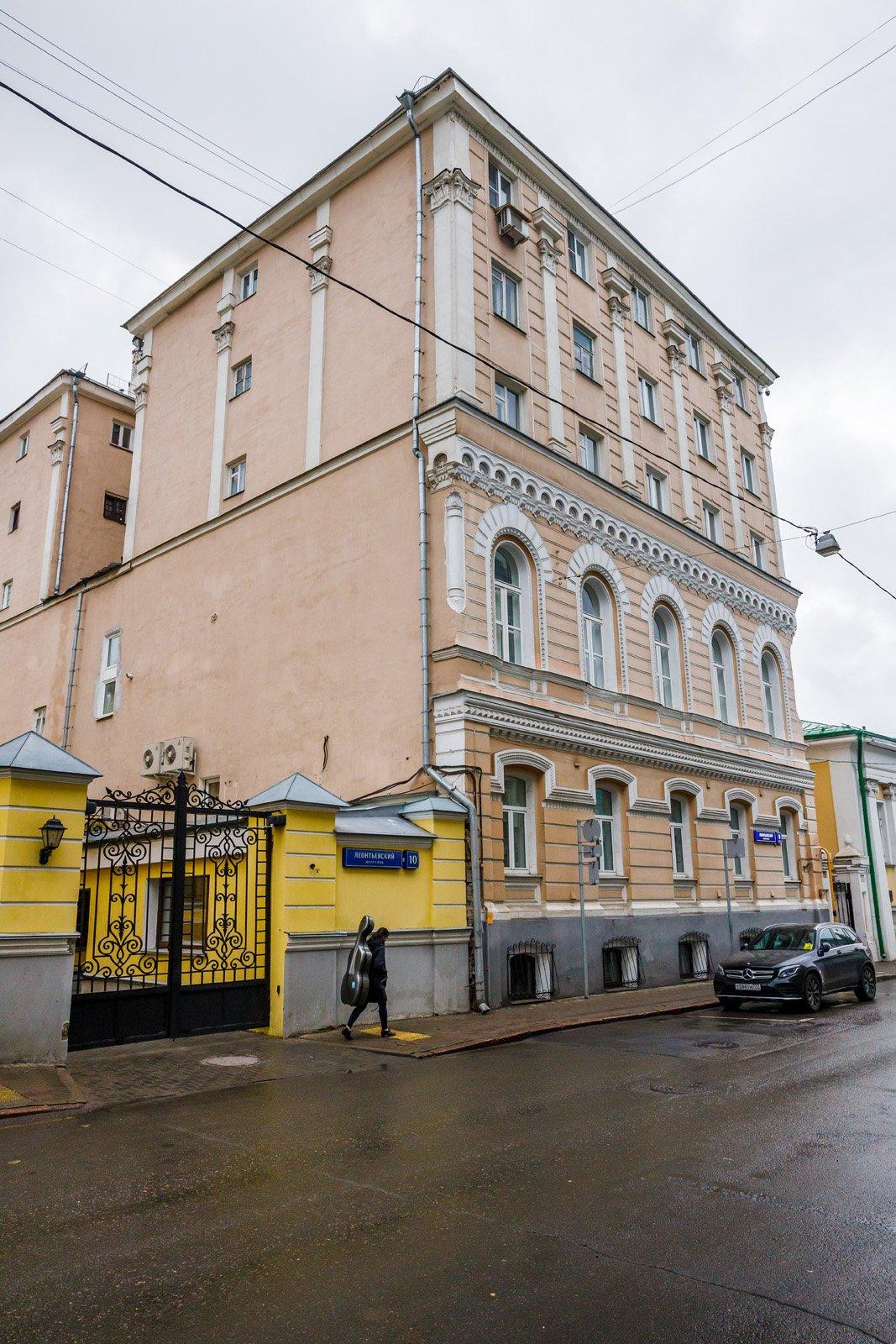
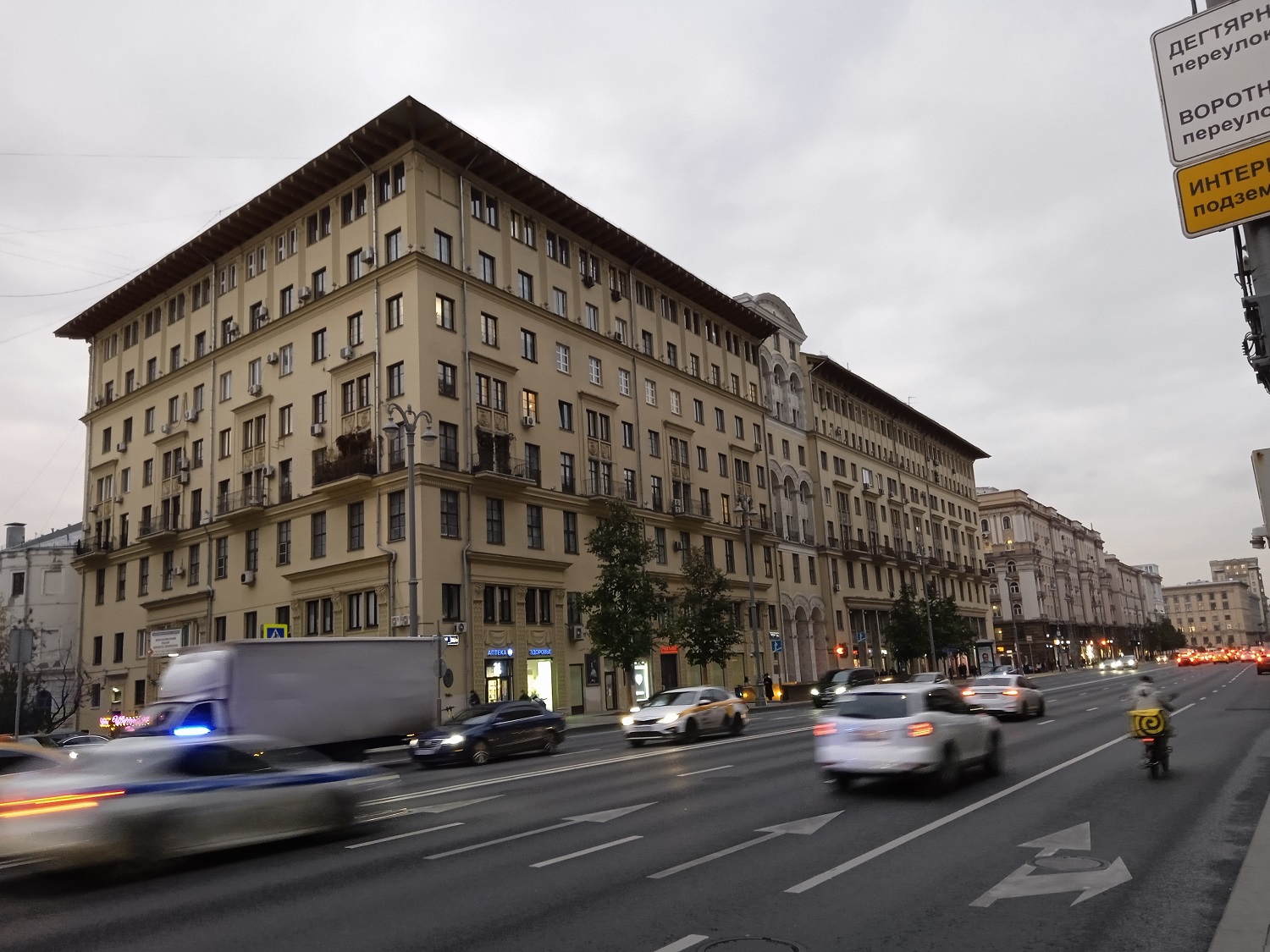
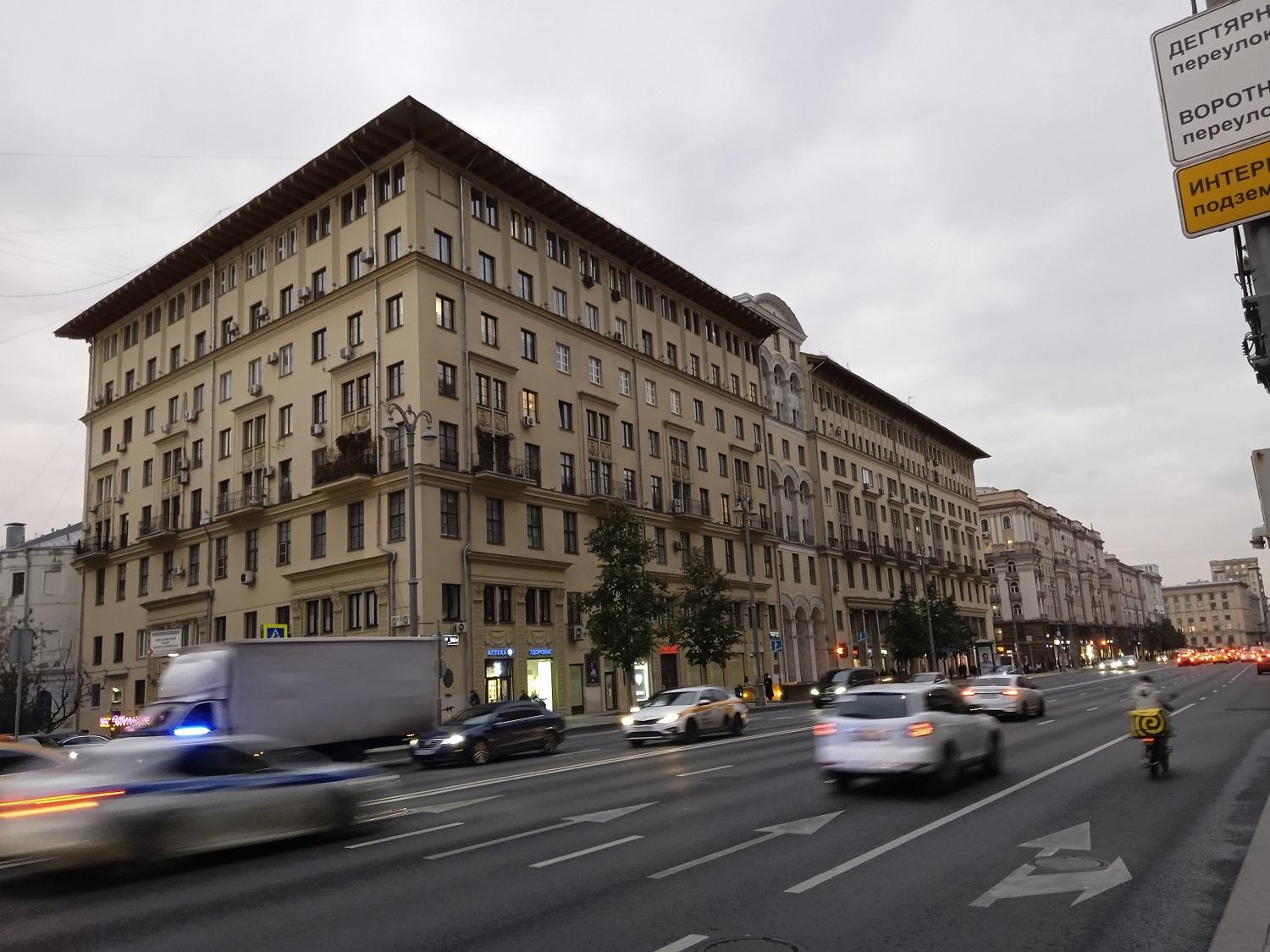
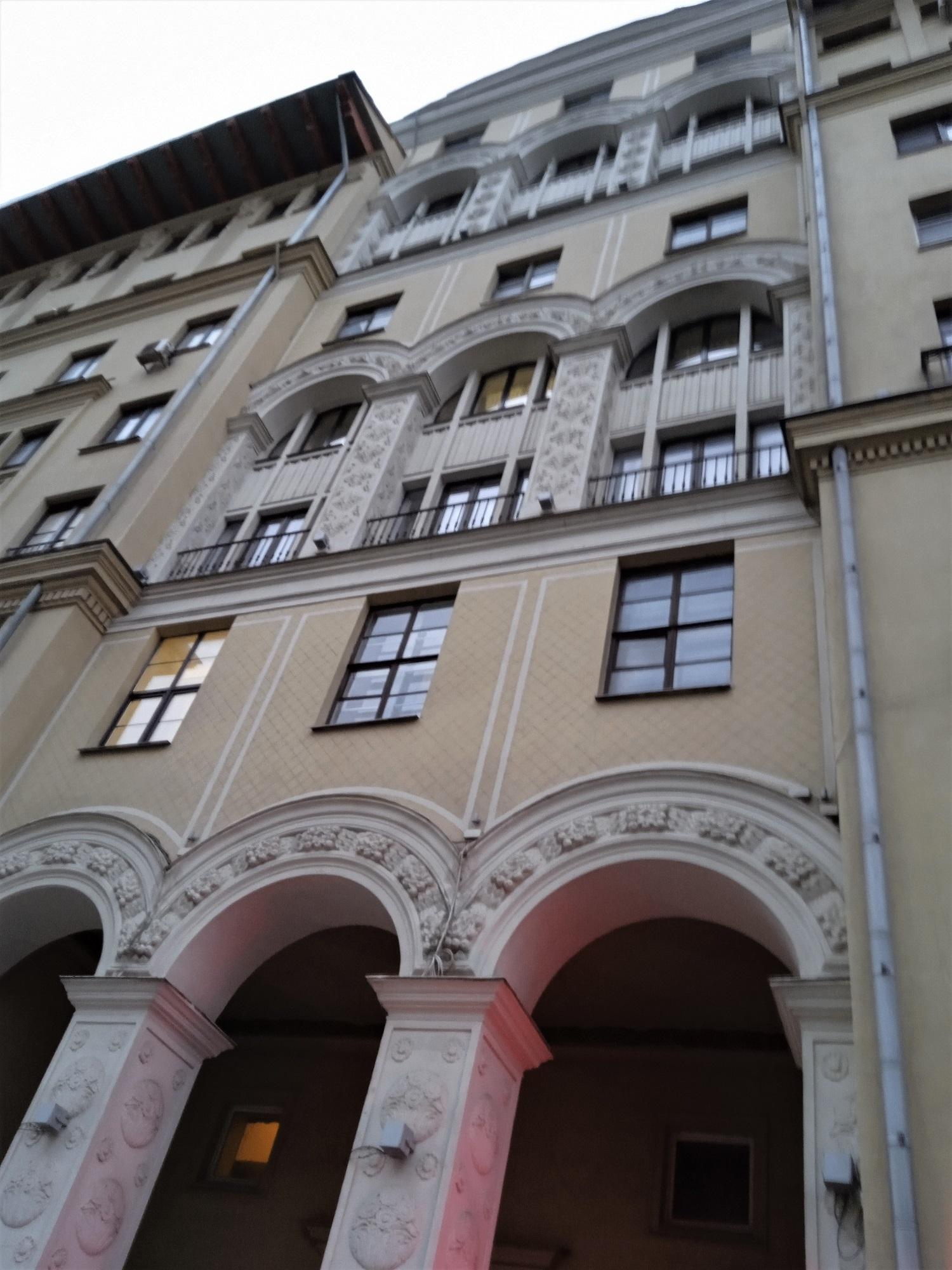
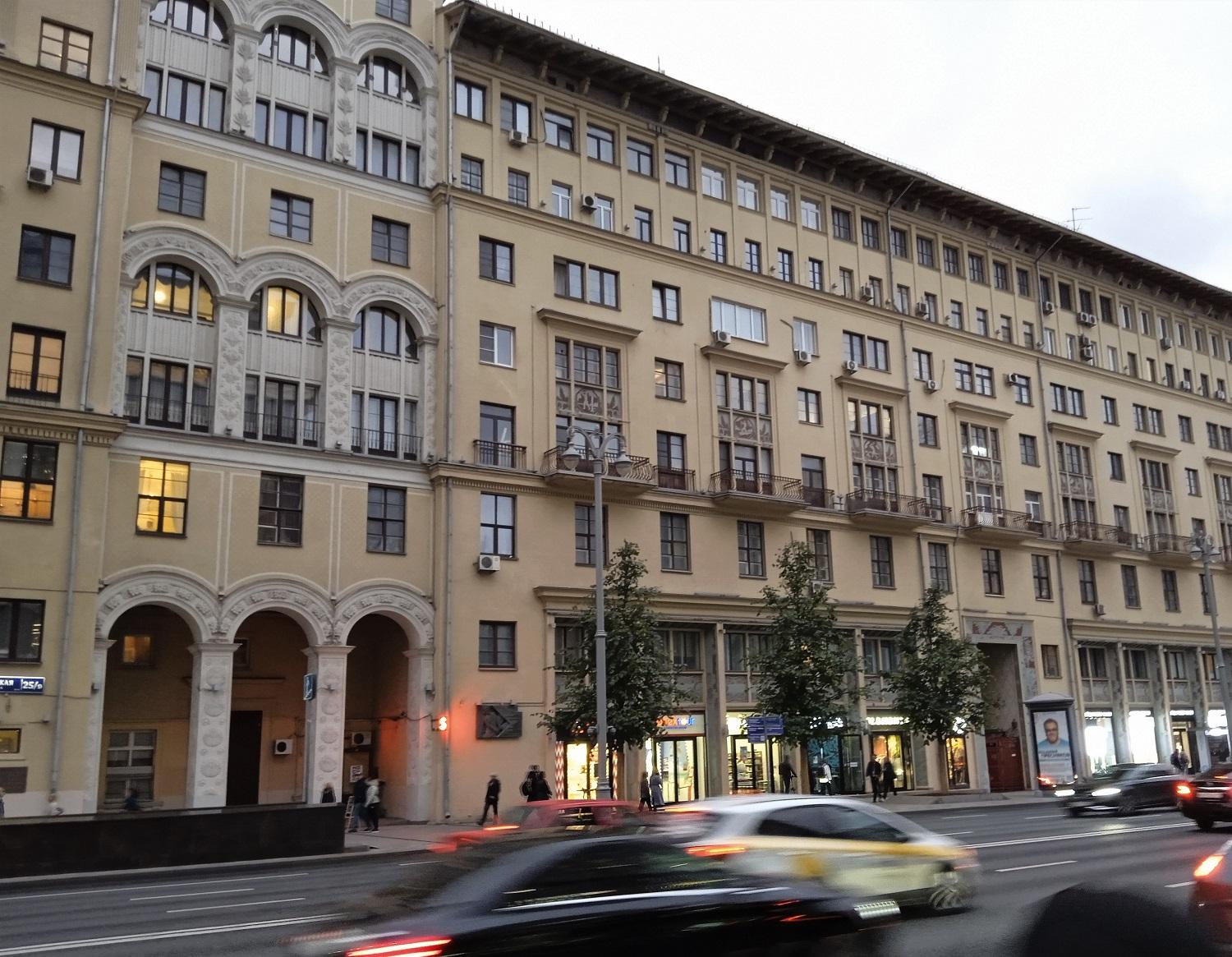
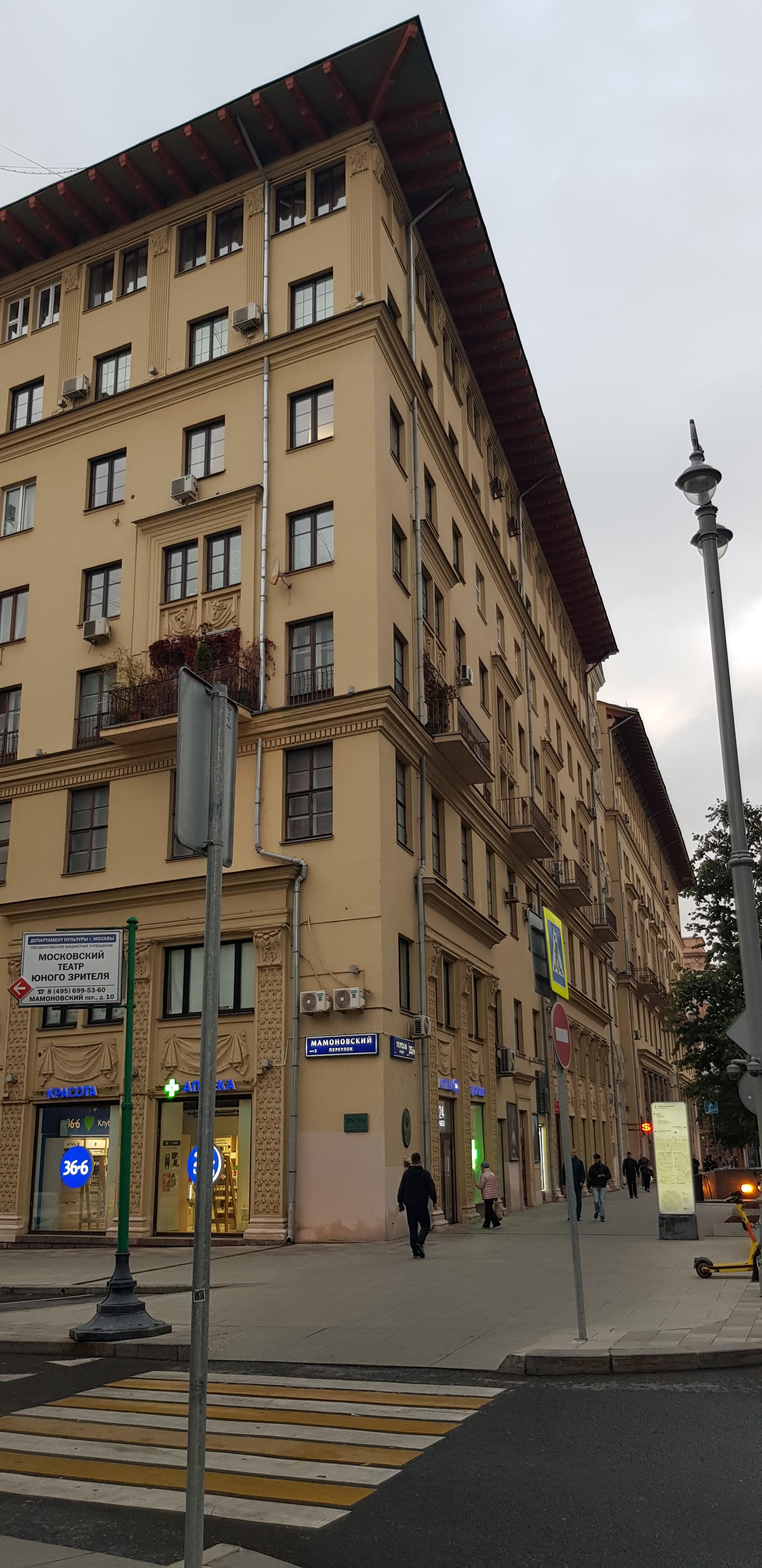
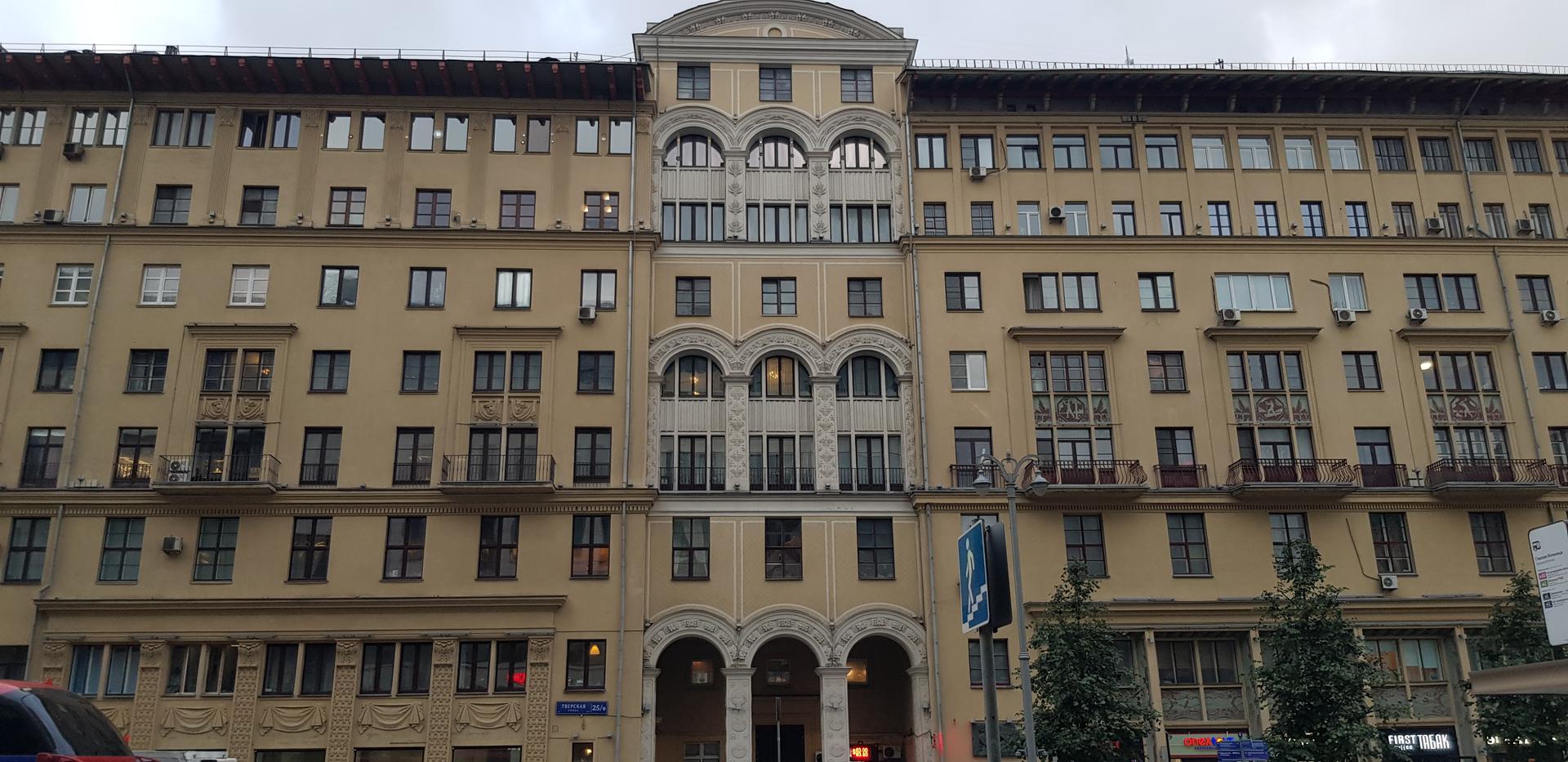
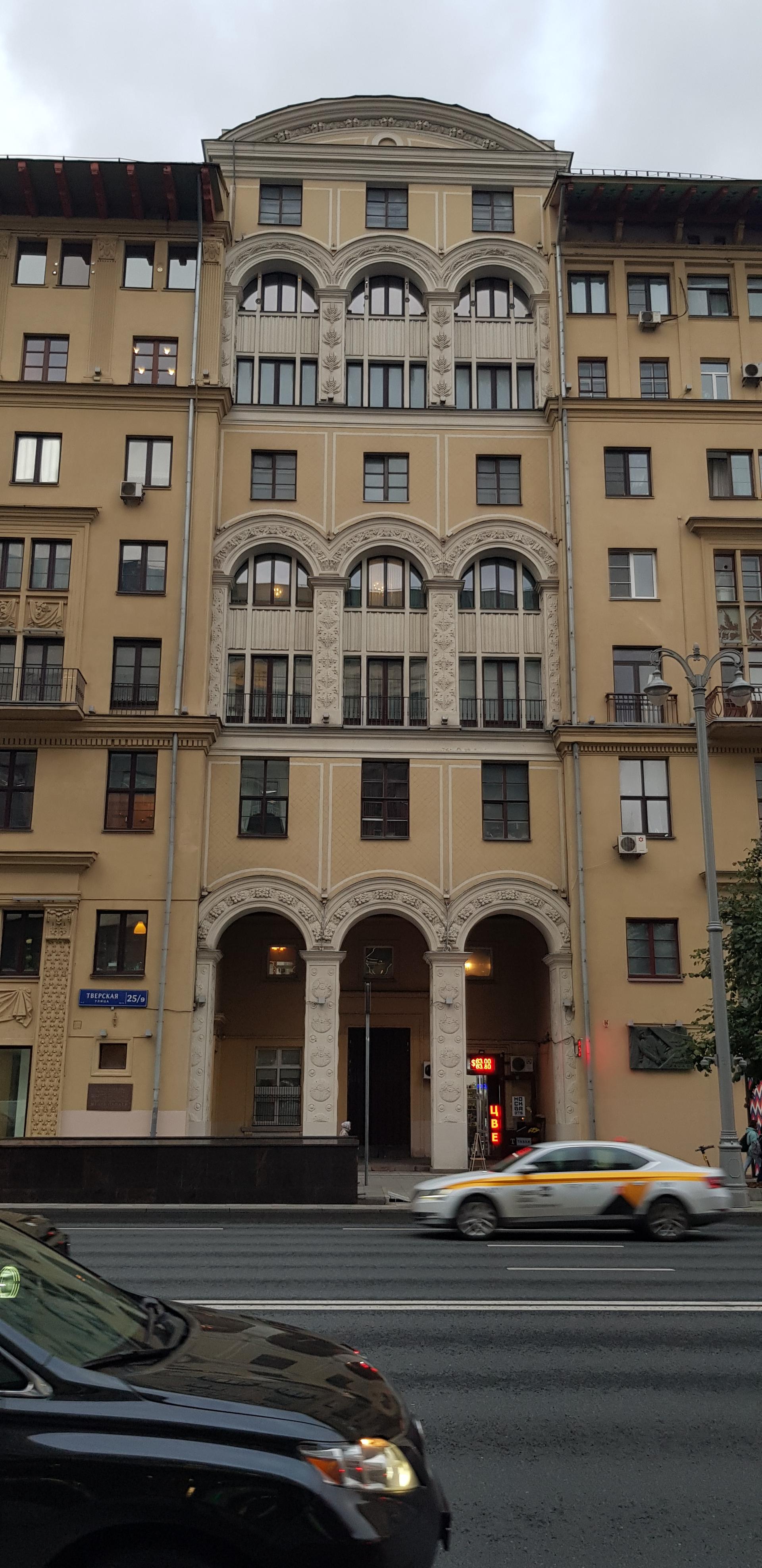
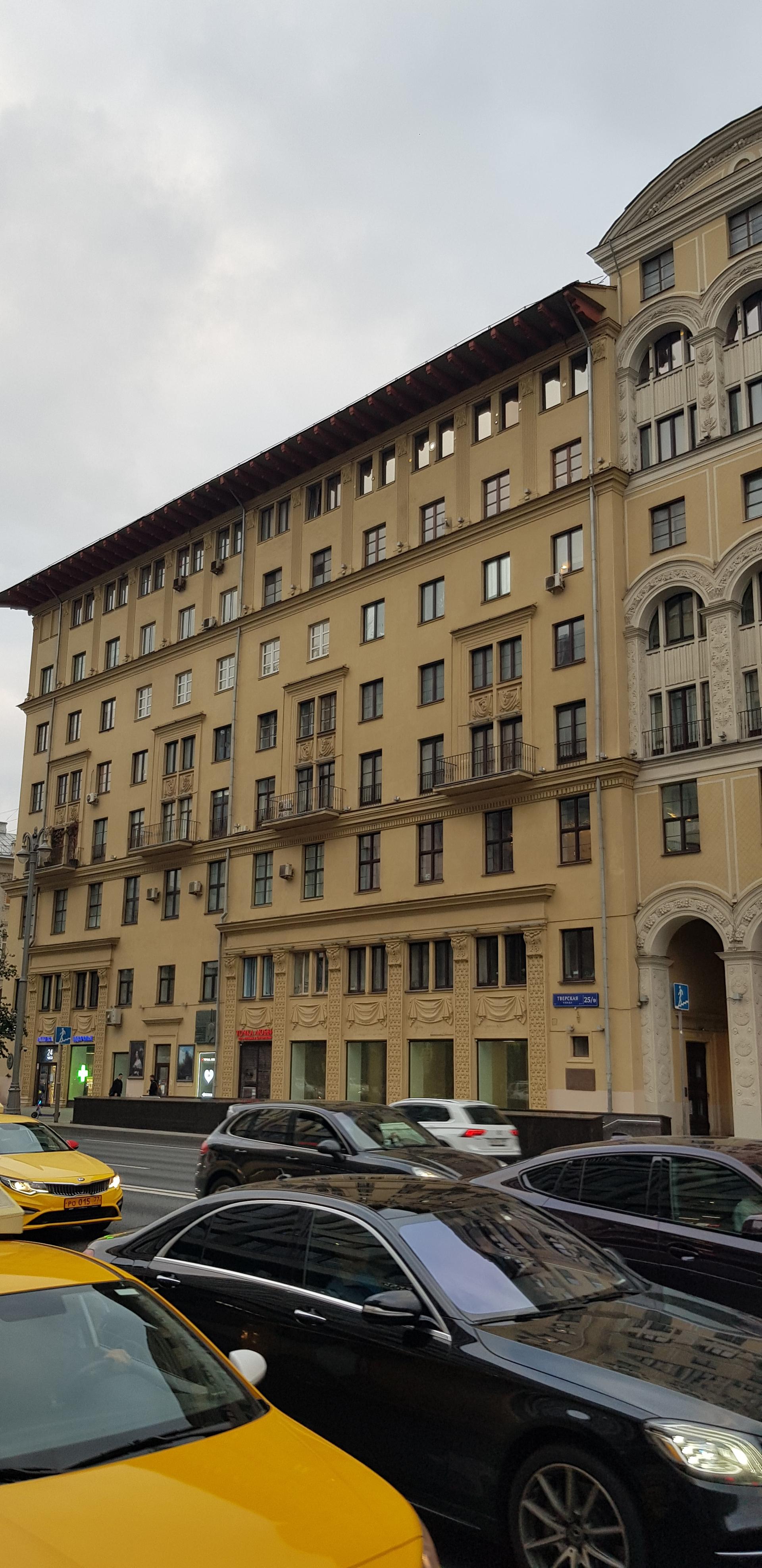
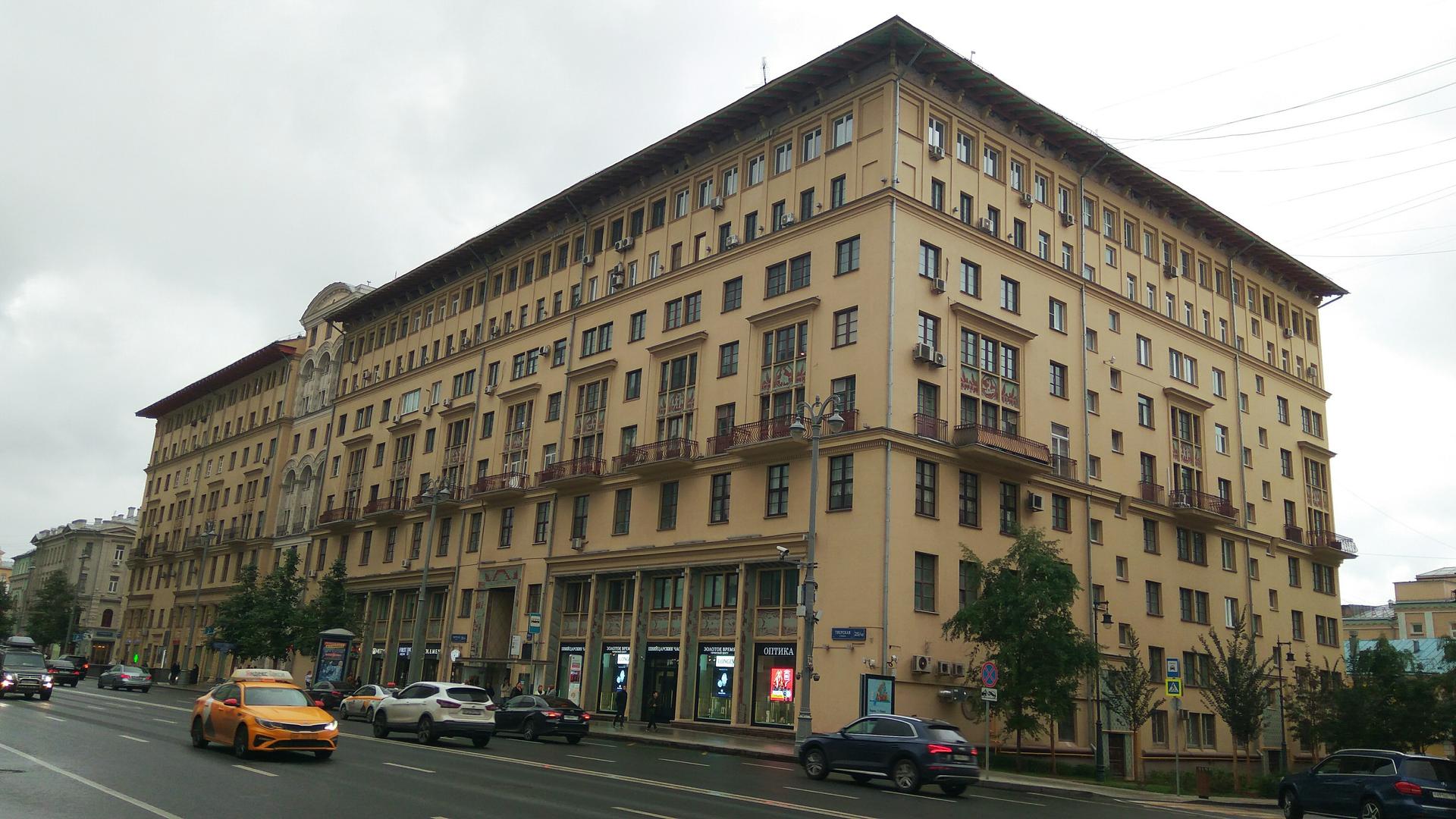
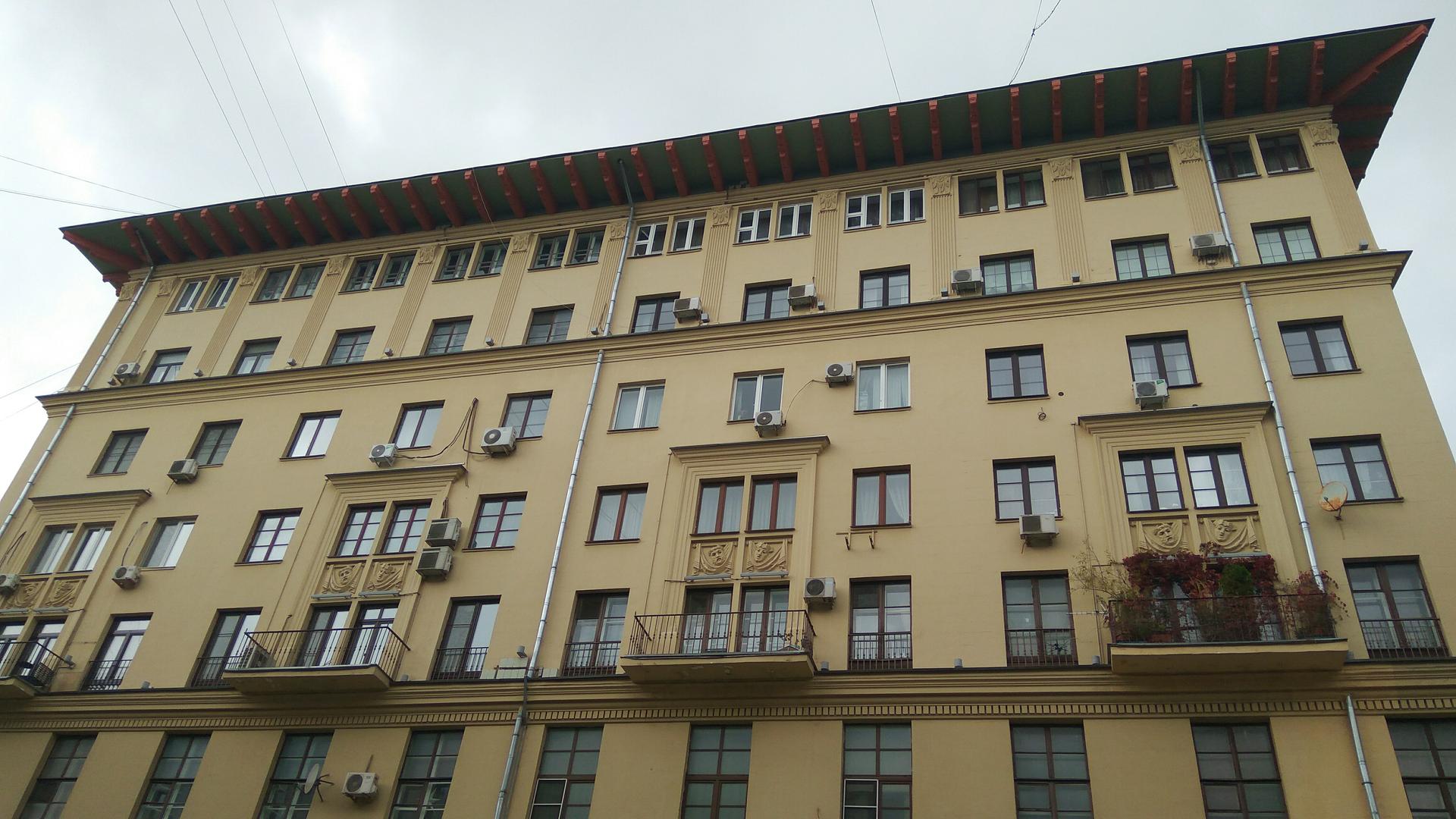
Массивный восьмиэтажный дом, расположенный между Мамоновским и Благовещенским переулками, на первый взгляд кажется единым и монолитным зданием. Однако стоит внимательно приглядеться к деталям его богато декорированного фасада, и станет очевидно, что две его половины похожи, но не идентичны друг другу. Так отразилась история строительства дома, разделённая на две части Великой Отечественной войной.


На месте правой половины здания раньше была церковь Благовещения Пресвятой Богородицы (которая и дала имя соседнему переулку). О ней было известно с начала XVII века; в 1680 году её отстроили в камне, а после обрушения главного свода в 1719 году церковь получила новый восьмерик в стиле барокко. Архитектурный ансамбль украсила изящная надвратная колокольня 1750‑х годов, возведенная отдельно от здания храма и игравшая роль ворот, ведущих на церковный погост. Храм и колокольня были полностью уничтожены в 1929 году.


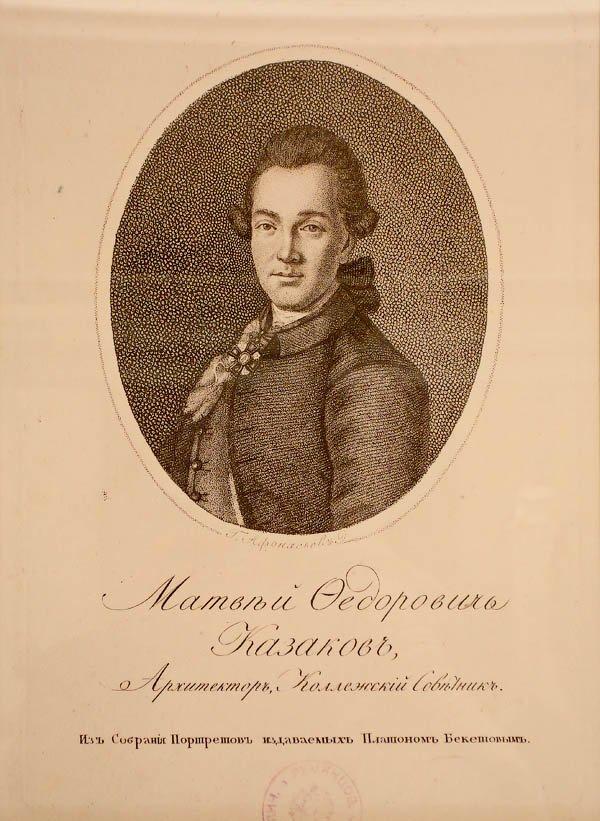
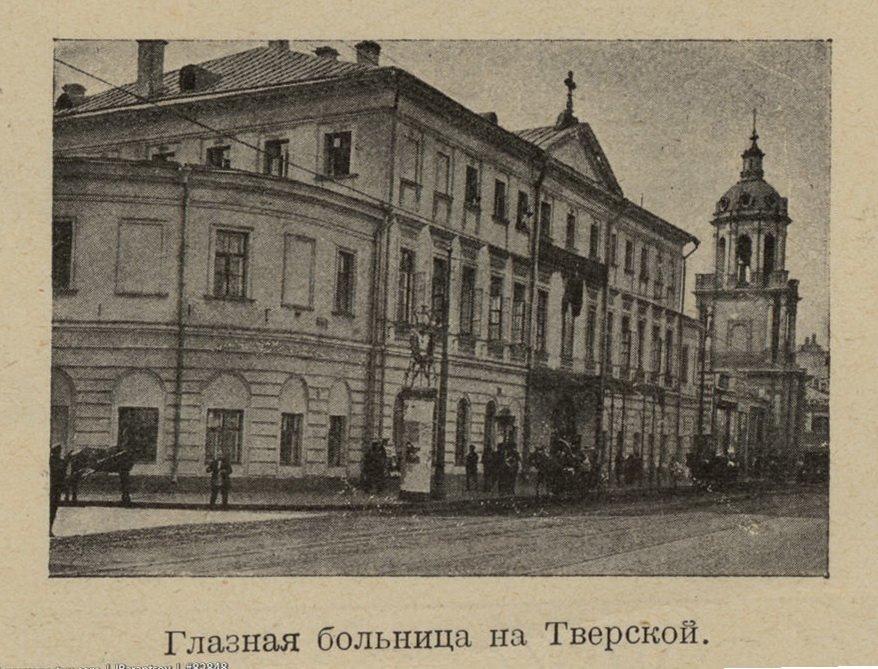
На месте левой половины дома располагалась усадьба, выстроенная в 1773 году архитектором Матвеем Казаковым для Дмитрия Львовича Нарышкина. Позднее её приобрел род Дмитриевых‑Мамо́новых – по их фамилии получил свое название прилегающий переулок. Хозяева дома вошли в историю: Александр Матвеевич как один из фаворитов Екатерины II, а его сын, Матвей Александрович, как герой Отечественной войны 1812 года. В 1826 году Дмитриевы‑Мамоновы оставили дом на Тверской. Здание перешло в казну и превратилось в специализированную Глазную больницу, где могли получить медицинскую помощь все слои населения за невысокую плату.


Незадолго до начала Великой Отечественной войны здание было передвинуто по рельсам в глубину улицы и развернуто на 90 градусов. Главный фасад, ранее выходивший на Тверскую, теперь был обращен в Мамоновский переулок. Больнице добавили дополнительный этаж снизу: новое место оказалось ниже старого, поэтому были построены новый фундамент и первый этаж. На них и «положили» старый дом, который из трехэтажного стал четырехэтажным. Здание больницы стоит на новом месте до сих пор.


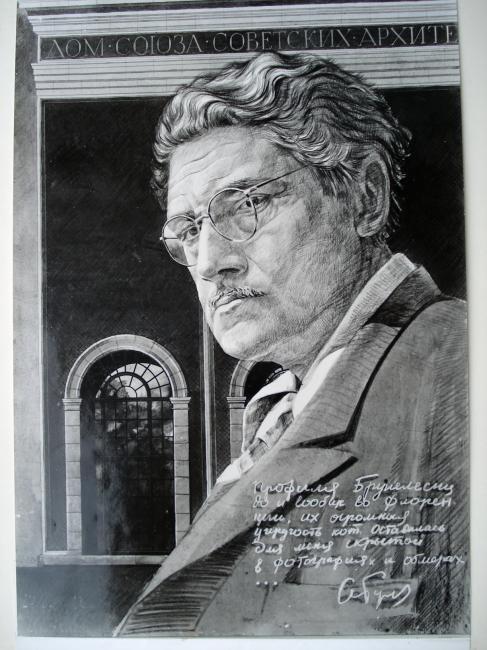
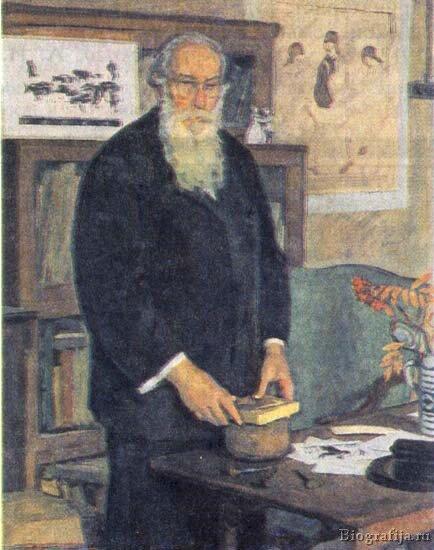
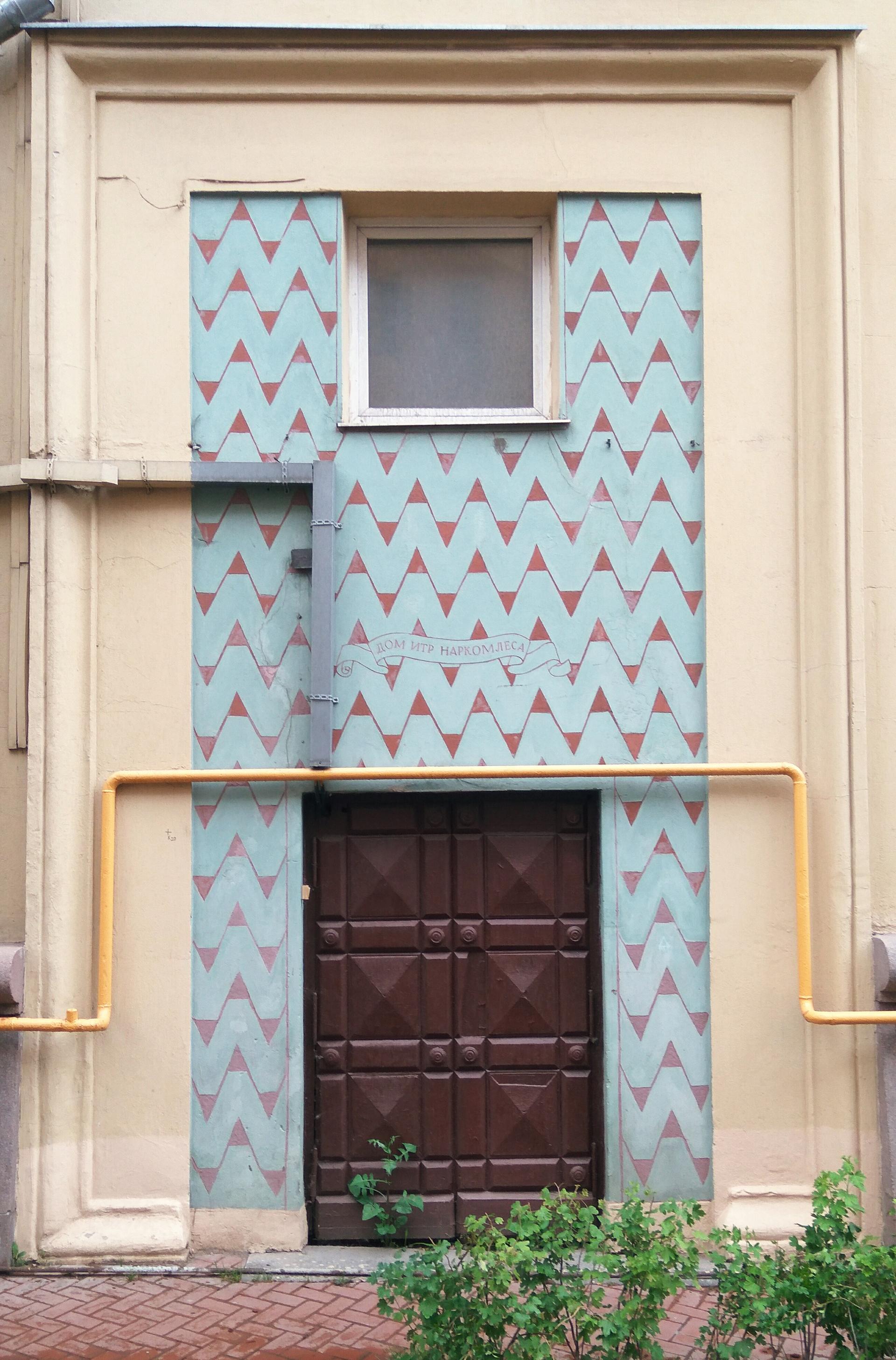
На месте снесенной Благовещенской церкви в 1933–1936 годах был построен жилой дом по проекту архитектора А.К. Бу́рова . Его украсили росписями работы художника В.А. Фаворского в технике гриза́йль и другими классическими элементами – всё это соответствовало архитектурной моде той эпохи. Строительству второй очереди здания на старом месте Глазной больницы помешала война. Лишь в 1949 году здание было достроено под руководством того же А.К. Бурова, ставшего в 1945 году лауреатом Сталинской премии. Дом получил нынешний облик: правая часть похожа на левую. Только на фасаде последней место росписей заняли барельефы с пилястрами и отсутствуют ниши в витринах магазинов. Две половины, построенные в разное время, соединяются центральной вставкой с трёхчастными арками, покрытыми белокаменной резьбой.


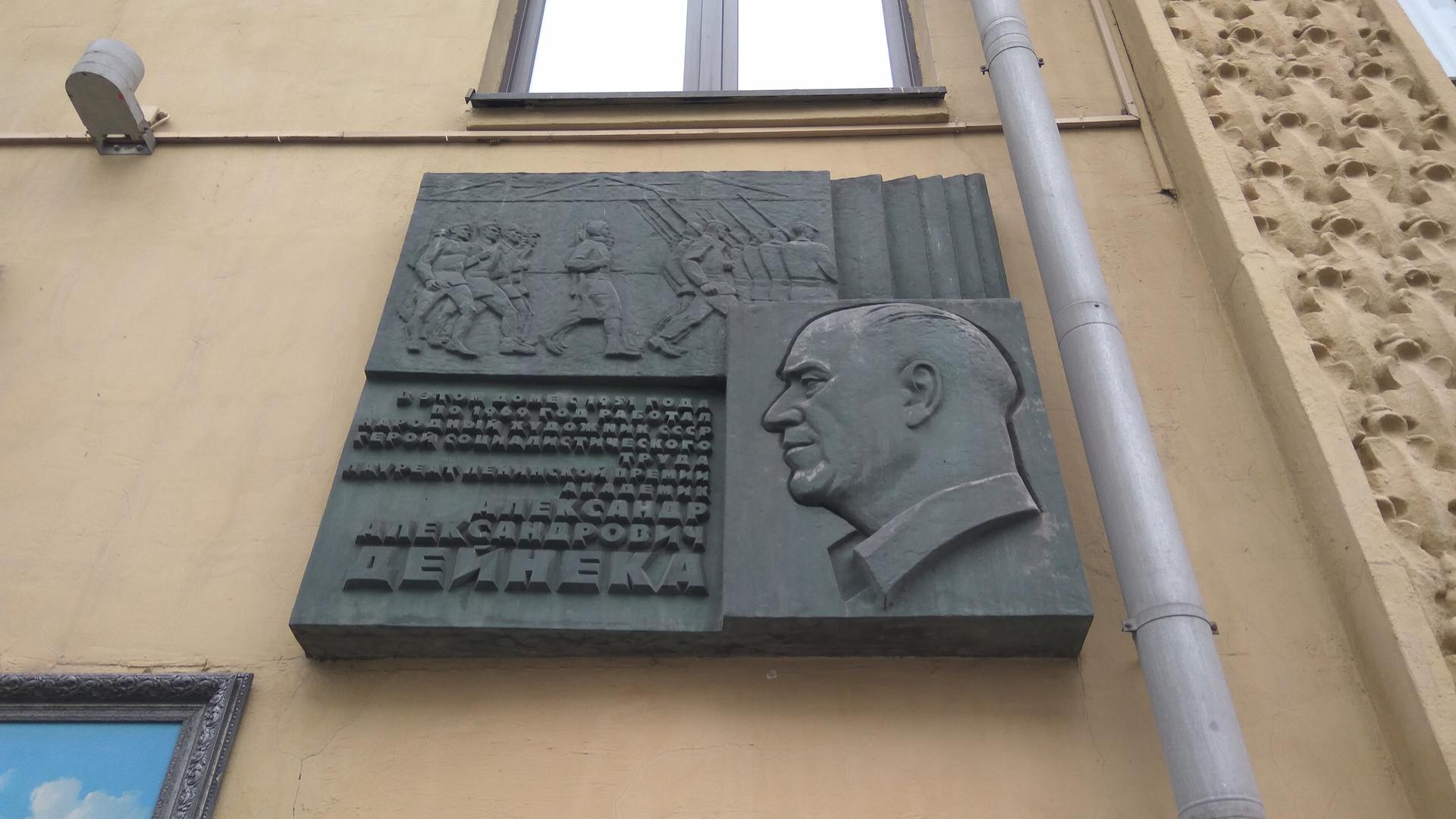
У дома были и свои знаменитые жители. Мемориальная доска из красного гранита напоминает о том, что в 1950–1964 годах здесь жил дирижер Большого театра и композитор А.Ш. Мелик-Пашаев. Другая доска сообщает, что в 1950­–1985 годах в доме проживал известный советский пианист Э.Г. Ги́лельс.

A massive eight-storey building, located between Mamonovsky and Blagoveshensky lanes seems a uniform and a solid one at the first glance. However, if we take a closer look at the details of the richly decorated façade, it becomes obvious that two of its halves are not identical. That is the way history found it’s reflection on the construction of the building which was divided in two parts by the Great Patriotic War. At the site of the right half of the building there was the Blagoveshenie church (church of the Annunciation to the Blessed Virgin Mary), which gave the name to the nearby lane – the Blagoveshensky one). It was known since the beginning of the XVII century, and in 1680 it was rebuilt in stone. In 1719 after the collapse of the main arch cover the church got a new baroque octagon. The architectural ensemble was adorned by the elegant Gate church bell tower of 1750s, which was built separately from the building of the church, and which played the role of the gates, which lead to the church graveyard. The temple and the bell tower were completely destroyed in 1929. On the place of the left half of the building there was a manor, built in 1773 by architect Matvey Kazakov for Dmitry Naryshkin. Later, it was acquired by Dmitrievy-Mamonovy genus - the adjacent lane was named in their honor (Mamonovsky lane). The owners of the house became historical figures: Alexander Matveevich as one of the favorites of Catherine II, and his son, Matvey Alexandrovich - as a hero of the War of 1812. In 1826, Dmitrievy-Mamonovy left the house on Tverskaya. The building was transferred to the Public treasury, and has become a special eye hospital, where all segments of the population could get an affordable medical help. Shortly before the start of the Great Patriotic War, the building was moved on the rails into the depth of the street and was turned through 90 degrees. The main façade, which was facing Tverskaya street before, was turned to face Mamonovsky lane. Hospital got an additional floor beneath: the new location was lower than the old one, so the new foundation and first floor were built. The old house was "put" on the new foundation and like this it became a four-storey house. The hospital building is still located on that place. A residential building was constructed by the architect A.Burov at the site of the demolished Church of the Annunciation in 1933-1936. It was decorated with murals by artist V. Favorsky in grisaille technique, and with other classic elements - all this was consistent with the architectural fashion of that era. Construction of the second phase of the building on the old place of the Eye Hospital was interrupted by the war. Only in 1949 the building was completed under the guidance of A. Burov again, who won the Stalin Prize in 1945. The house acquired the present look: the right part was similar to the left one. Only on the façade of the left part bas-relief with pilasters appeared instead of paintings, and niches have disappeared from the shop windows. The two halves, built at different times, are connected by central panel with three-part arches covered with white stone carvings. The house had its famous residents. A plaque of red granite reminds that the conductor of the Bolshoi Theatre and composer A.Melik- Pashayev lived here in 1950-1964. Another plaque reports that well-known Soviet pianist E. Gilels resided here in 1950-1985.
Автор статьи: Никита Брусиловский
Рекомендации
Anna Lobkova’s residential house
Pushkinskaya, Chekhovskaya
10
46 м.
3.9 км
Отзывы
(1)
Поделитесь статьей с друзьями
Интересное рядом(6)
г. Москва, ул. Садовая Б., д. 10
улица Каретный Ряд,вл 3 (Сад «Эрмитаж»)
Cvetnoj bulvar, Pushkinskaya, Tverskaya, Mayakovskaya
Burov A. K.
архитектор
Kazakov M. F.
архитектор
художник-график