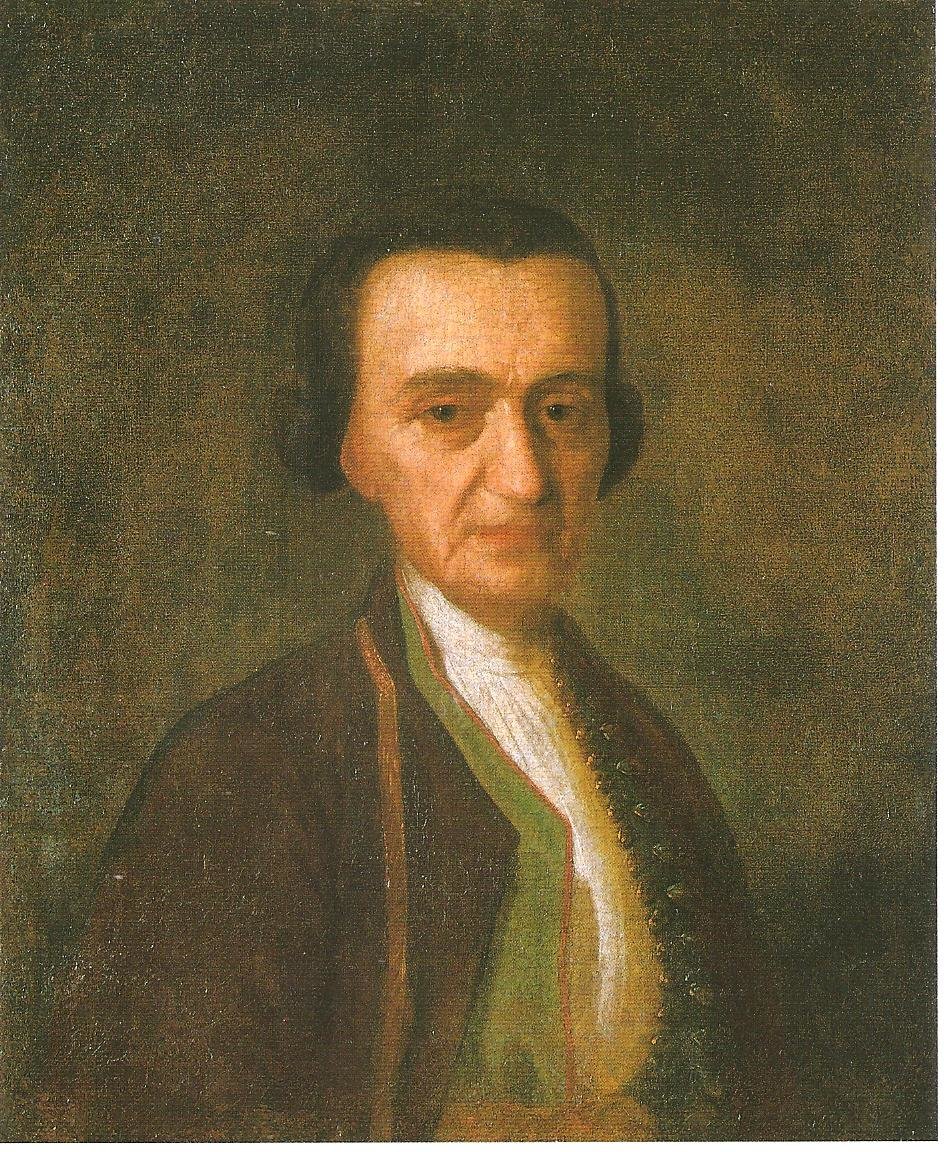
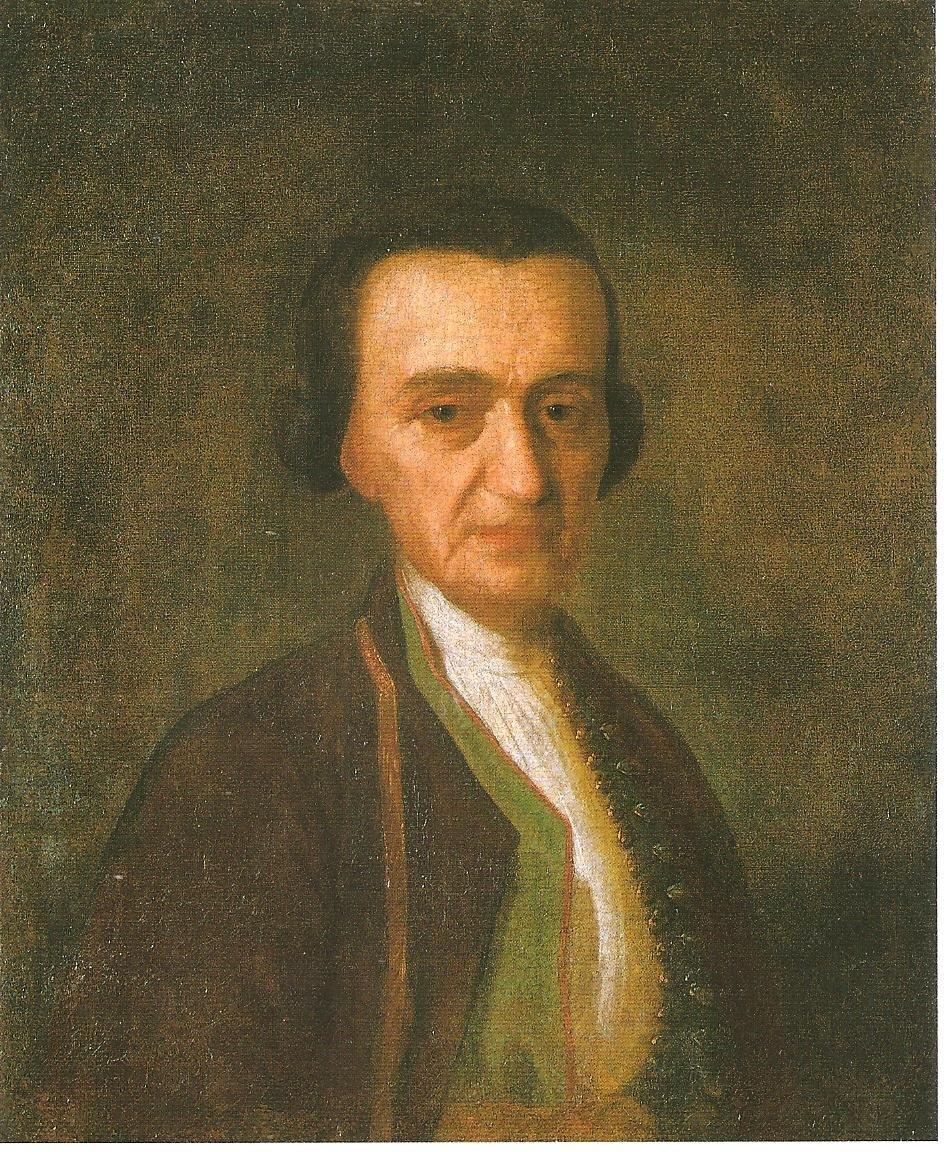
Лазарев Лазарь Назарович (Елеазар Назарьян, Газарян или Лазарианц) (1700-1782) - купец, переселившийся в Россию в 1750 году из Новой Джульфы в Персии.По происхождению армянин. Родился в Персии. Сын Назара Мануковича Лазарева и Анны. Родоначальник поколения Лазаревых, сыгравших видную роль в культуре, политической и экономической жизни России и связи армянского и русского народа.
Был очень успешным купцом, имел высокое положение и был близок к шаху. С 1720-х годов состоял на русской службе переводчиком, когда того требовали сношения России и Персии. В результате начавшейся политики государства гонения христиан, потерял в Персии огромные богатства и переселился в Астрахань, где прожил десять лет, затем в Москву.
Организовал бумажную и шелковую мануфактуру под Москвой в селе Фряново, выписав азиатских мастеров. Шелковые ткани мануфактуры поставлялись царскому двору. В Зимнем и Таврическом дворцах некоторые залы были обиты лазаревскими тканями. В 1770-е годы Лазаревы уже владели горными заводами и промыслами в Пермской губернии, доставляли медную монету с дальних монетных дворов, продавали соль, железо. Обладали несметными богатствами.
С 1774 года Л.Н. Лазарев причислен к дворянскому сословию.
Лазарь Назарович был женат на Анне Акимовне (Екимовне). Имел детей, родившихся еще в Персии. Дети Л.Н. Лазарева не только увеличили богатство отца, но распорядились им на благо России:
Иван (Ованес) – действительный статский советник, коммерсант и финансист, барон – с 1768 года, граф – с 1788 года. Иван Лазаревич был одним из самых влиятельных членов армянской колонии России, крупный благотворитель. С именем Ивана Лазаревича прямо или косвенно связывают покупку одного из самых крупных бриллиантов мира, который в течение веков менял названия и сейчас называется «Орлов» (хранится в Алмазном фонде в Москве). Именно за посредничество в покупке этого бриллианта Лазарев старший с потомками получил в 1774 году дворянство. На средства Ивана Лазарева были построены армянские церкви в Москве и Петербурге, школа для неимущих детей в Царском Селе. Но главное дело рода Лазаревых – это учредительство Института восточных языков в Москве. Сама идея устройства армянской школы принадлежит Ивану Лазаревичу. На ее воплощение он оставил в завещании немалую сумму, а воплотил в жизнь его младший брат.
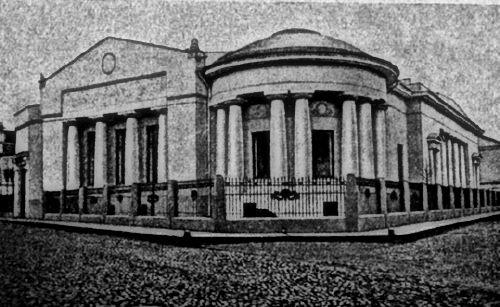
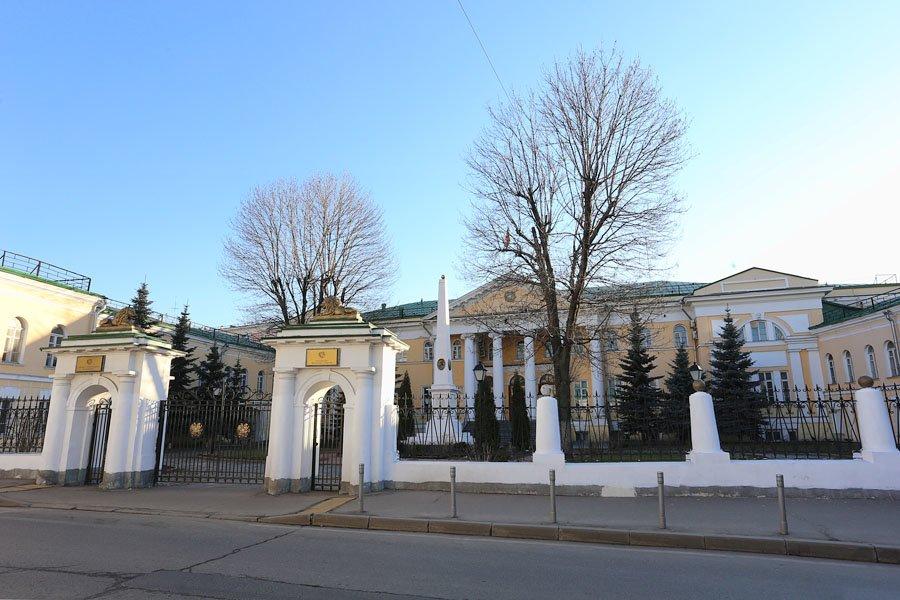
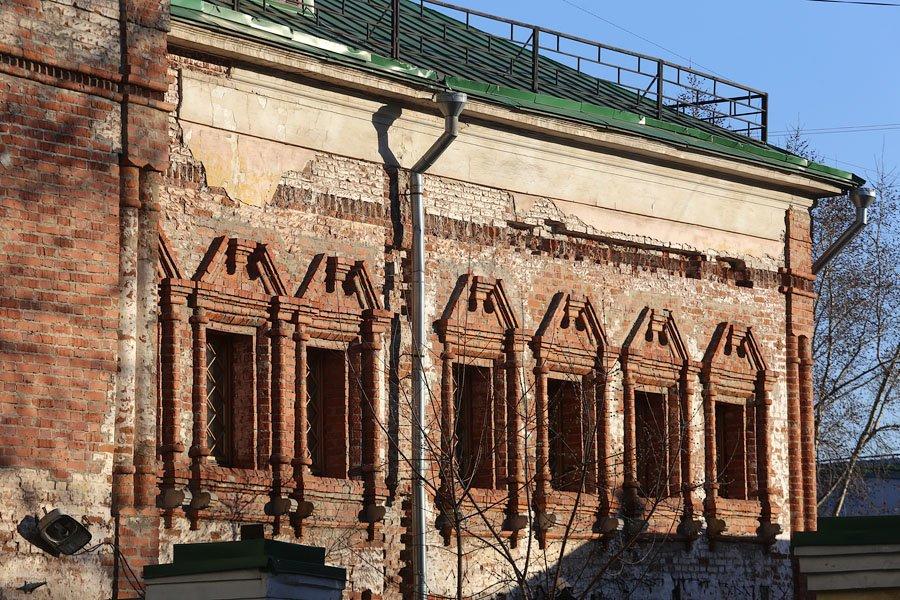
Еким (Иоаким) – граф, учредитель и первый попечитель Института восточных языков, который был построен в Армянском переулке в Москве. Институт, вернее, тогда он имел название Армянская лазаревская гимназия «общеполезная и для армянского народа, и для русского правительства», был торжественно открыт в 1814 году в доме, пожертвованном Лазаревым. Высочайшая репутация этого заведения была известна не только в России, но и в Персии, Турции, Индии. Институт был основан еще до того, как Армения вошла в состав Российской империи.
Мина (Минас) – надворный советник. Так же, как и братья занимался переселением армян из мусульманских стран на территорию России. На его средства была построена в Москве армянская церковь. Армянское Ваганьковское кладбище, как и его церковь Св. Воскресения, было основано в 1805 году по прошению Миноса Лазаревича. До постройки Ваганьковской, хоронили в церкви на Пресне (разрушена), где покоились старшие Лазаревы. С появлением Ваганьковского кладбища его армянская церковь стала усыпальницей Лазаревых. Сюда был перенесен прах отца и матери Миноса, здесь же погребен он сам, хоть и умер в Петербурге. Сейчас в церкви 23 захоронения рода Лазаревых.
Lazarev Lazar Nazarovich (Lazarus Nazarian, Ghazarian or Lazariants) (1700-1782) - a merchant who moved to Russia in 1750 from New Julfa in Persia.
Armenian by origin. Born in Persia. Son of Nazar Manukovich Lazareva and Anna. The founder of Lazarev genre, who played a prominent role in the cultural, political and economic life of Russia and the connection between the Armenian and Russian people.
Was very successful merchant, had a high position and was close to the Shah. From the 1720s was in the Russian service as a translator when demanded by the relations of Russia and Persia. As a result, began a policy of state persecution of Christians in Persia lost enormous wealth and moved to Astrakhan, where he lived for ten years, and then to Moscow.
Organized paper and silk manufactory near Moscow in the village Fryanovo by writing Asian masters. Silk fabric factory supplied the royal court. In the Winter and the Tauride Palace some rooms were covered with Lazarevskaya fabrics. In the 1770s Lazarevs already owned mining plants and crafts in the Perm region, delivered a copper coin from distant mints, sold salt, and iron. Possessed untold wealth.
Since 1774 LN Lazarev added to the nobility.
He died in Moscow. He was buried in Moscow in the Armenian cemetery in the church building on Presnya. Later his remains were moved to the Armenian cemetery Vagankovsky in Moscow.
Lazarus Nazarovich was married to Anna Akimovna (Ekimovne). Had children born even in Persia. Children LN Lazarev not only increased the wealth of their father, but disposed it for the benefit of Russia:
Ivan (Hovhannes) - actual state councilor, merchant and financier, Baron - since 1768, the count - since 1788. Ivan Lazarevic was one of the most influential members of the Armenian community in Russia, a major philanthropist. The name of Ivan Lazarevic directly or indirectly linked buying one of the largest diamonds of the world, which for centuries changed its name and is now called the "Eagles" (kept in the Diamond Fund in Moscow). It is for mediation in buying this diamond Lazarev senior with descendants received in 1774 the nobility. The money Ivan Lazarev was built Armenian church in Moscow and St. Petersburg, a school for underprivileged children in Tsarskoye Selo. But the main thing kind Lazarev - is the foundation of the Institute of Oriental Languages in Moscow. The very idea of the device Armenian school by Ivan Lazarevich. Its incarnation, he left in his will a considerable sum, and embodied in the life of his younger brother.
Ekim (Joachim) - Earl, founder and first trustee of the Institute of Oriental Languages, which was built in the Armenian Lane in Moscow. Institute, or rather, if he had the name Lazarus Armenian gymnasium "charitable and for the Armenian people, and for the Russian government", was inaugurated in 1814 in a house donated by Lazarev. The highest reputation of this institution was known not only in Russia but also in Persia, Turkey, India. The Institute was founded before Armenia became part of the Russian Empire.
Mina (Minas) - court counselor. Just as the brothers engaged in the resettlement of Armenians from Muslim countries on the territory of Russia. At his expense was built in Moscow Armenian church. Armenian cemetery Vagankovsky as his Church. Resurrection, was founded in 1805 on the petition of Minos Lazarevic. Prior to the construction Vagankovsky, buried in the church at Presnya (destroyed), where senior Lazarev was buried. With the advent of the Vagankovsky cemetery its Armenian church became the burial place of the Lazarev. Ashes of his father and mother of Minos moved, but here he was buried, though, and died in St. Petersburg. Now there are 23 burials of Lazarev genre in the church.