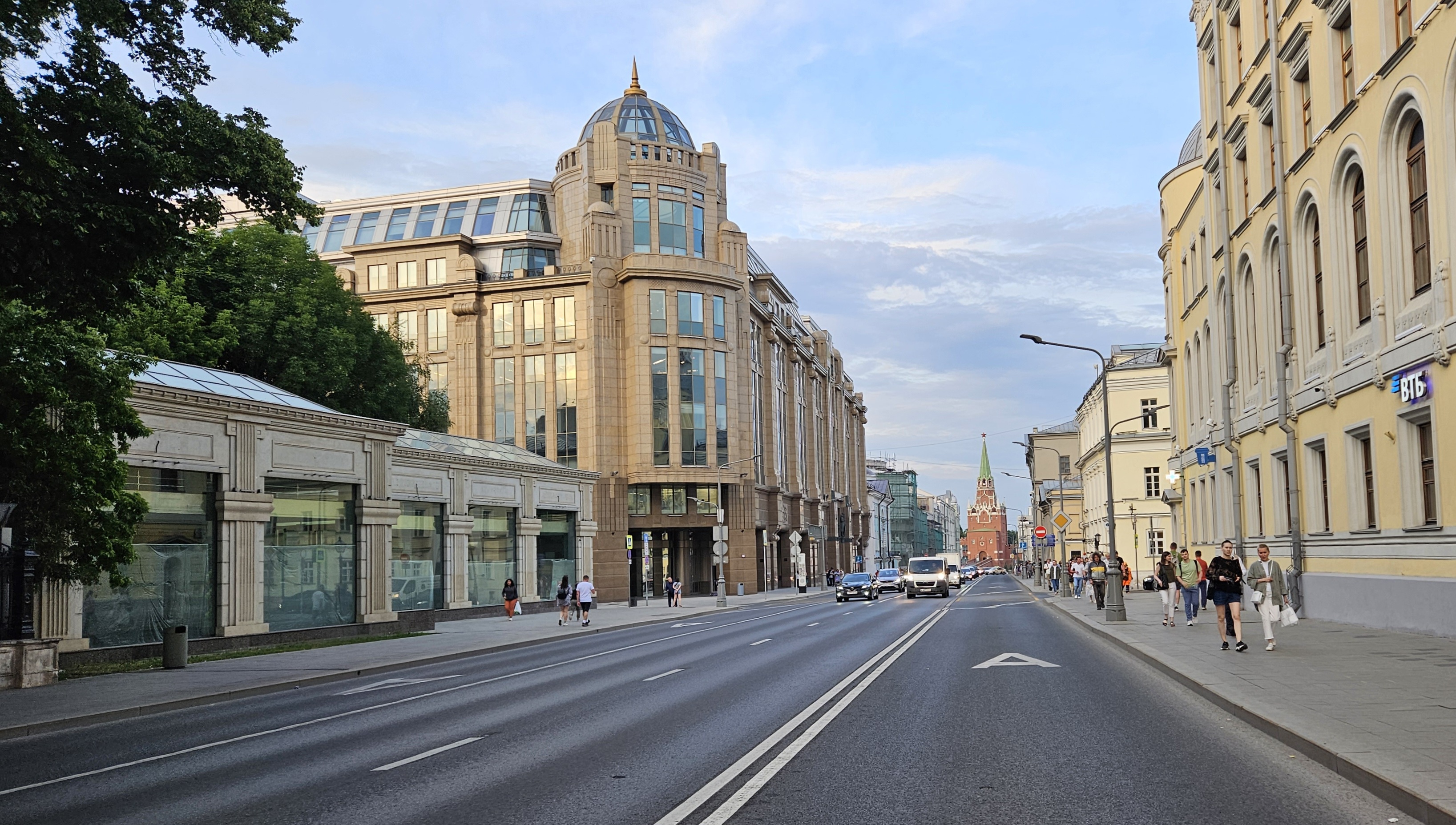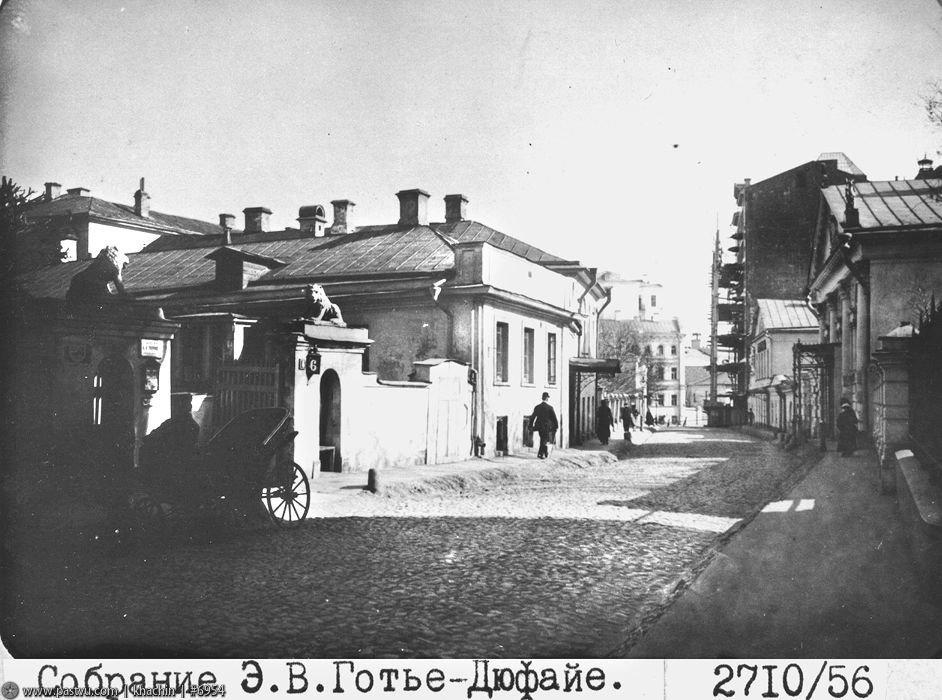
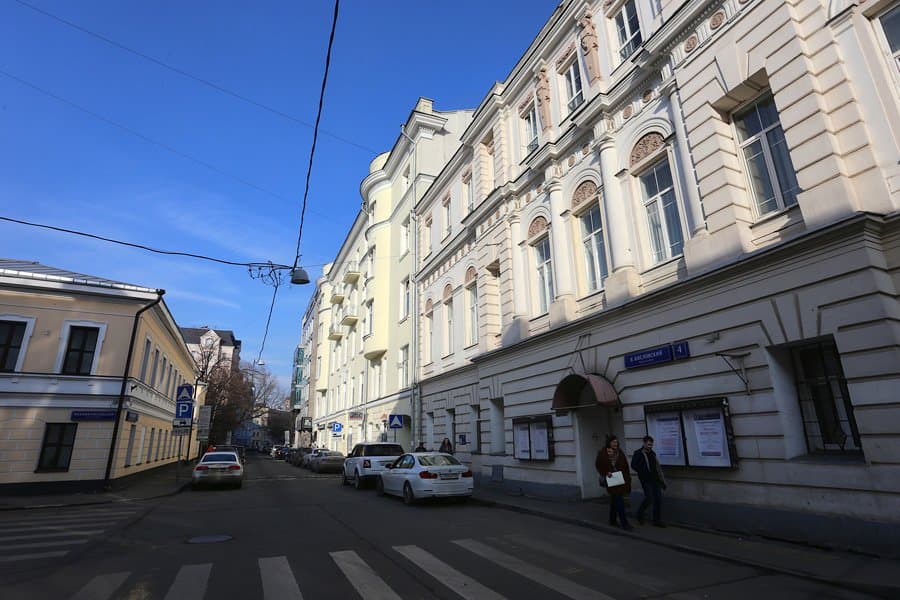
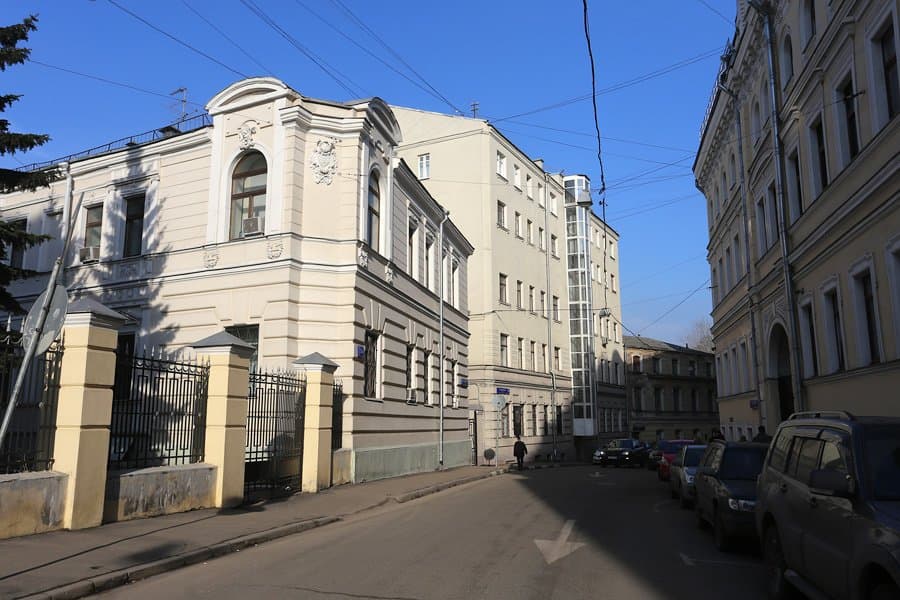
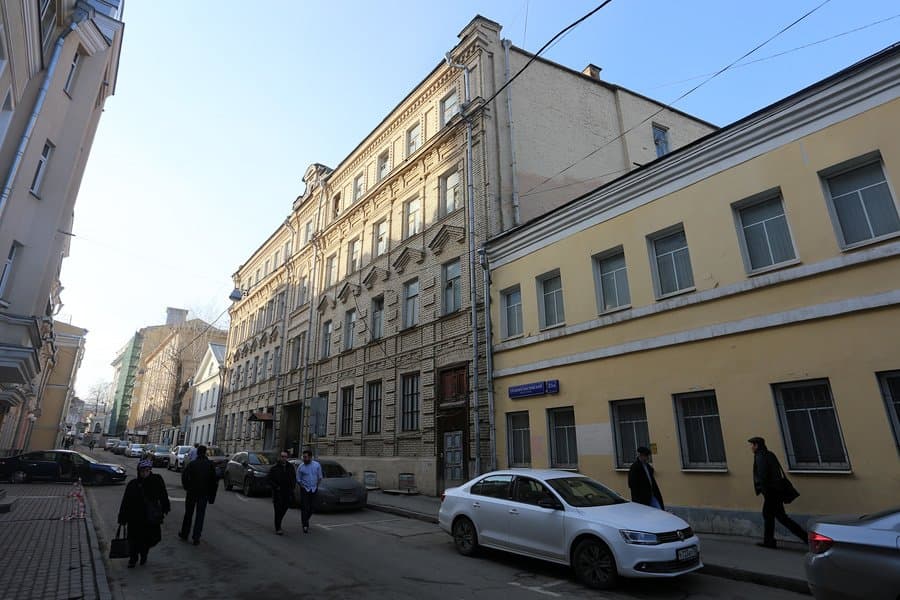
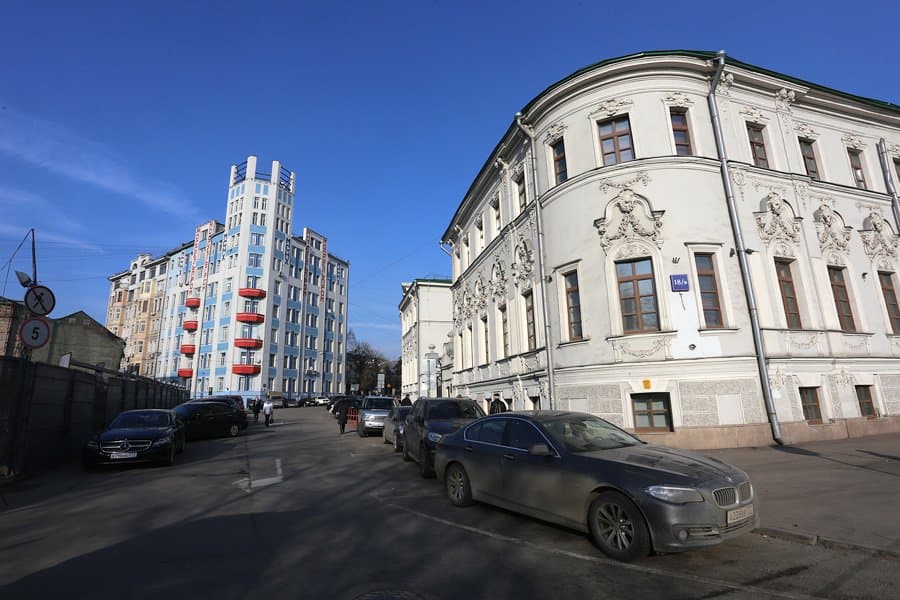
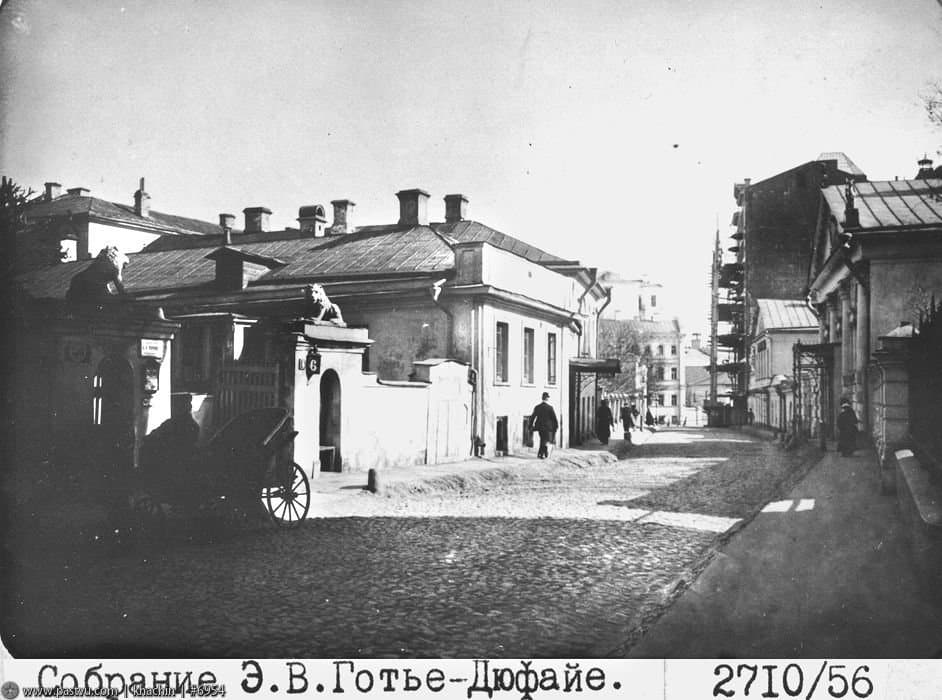
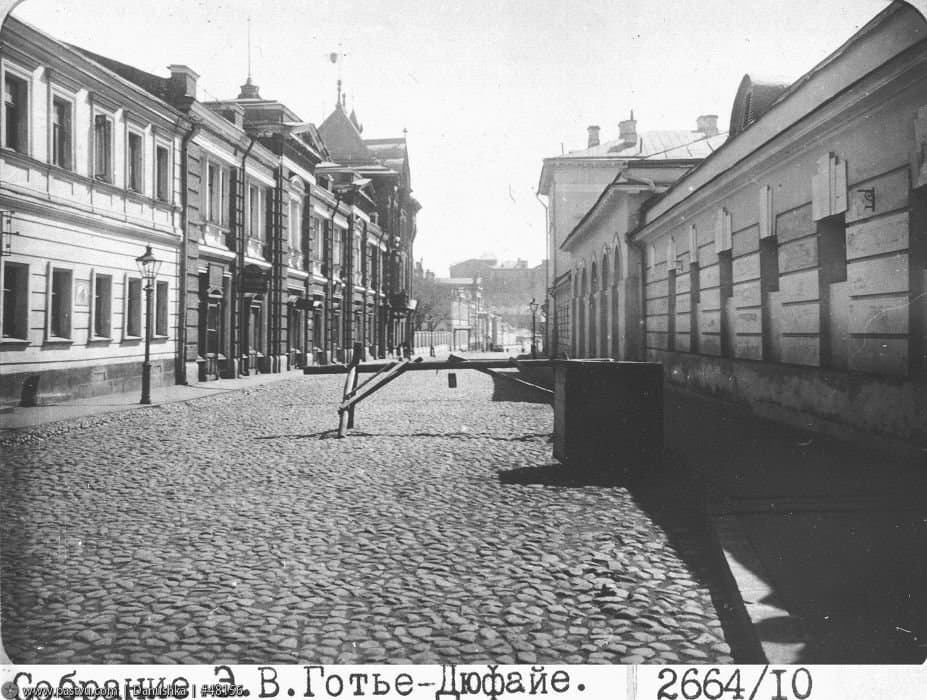
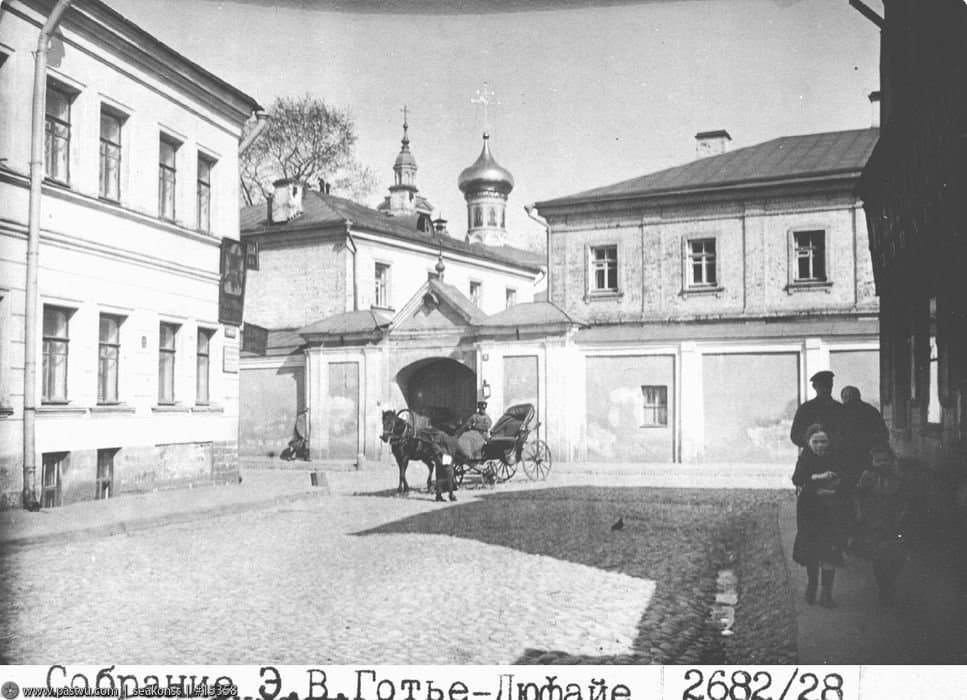
Кисловская слобода находилась в Занеглименье между улицами Воздвиженкой и Большой Никитской. Сформировалась она около опричного дворца Ивана Грозного в XVI веке. В 1565 году царь поселился в новом дворце, построенном недалеко от реки Неглинной, между Смоленской и Волоцкой дорогами. Там, за высокой, в 6 метров, каменной стеной стояли три большие палаты, окруженные деревянными хоромами. Место сырое, и весь двор вокруг них был засыпан белым песком в локоть толщиной. Благодаря этому обстоятельству, расположение опричного дворца Ивана Грозного довольно точно определяется - на углу Моховой и Воздвиженки при строительстве метро нашли слой белого речного песка. Возможно, что для опричников Ивана Грозного недалеко от дворца и были поселены калашники, и кислошники, приготовлявшие капусту, соленья, квасы.
В XVII веке территория слободы кислошников передается в ведение Приказа Царицыной Мастерской палаты. Для охраны “от воровских людей” в 1632 году в слободе на четырех ее улицах (Большой, Малый, Средний и Нижний Кисловские переулки) были устроены массивные подъемные решетки, перегораживавшие улицы. На ночь эти решетки опускались и запирались на железные замки круглосуточно дежурившими здесь сторожами. Решетки имели свои особые названия: Здвиженская, выходившая к Крестовоздвиженскому монастырю на Смоленскую улицу; Никитская, стоявшая подле Никитского монастыря; Ивановская у церкви Иоанна Милостивого.
После упразднения слободского строения Москвы в петровские времена слободские земли стали раскупаться и переходить к боярам: Колычевым, Долгоруковым, Голицыным, Хитрово, и т.д.
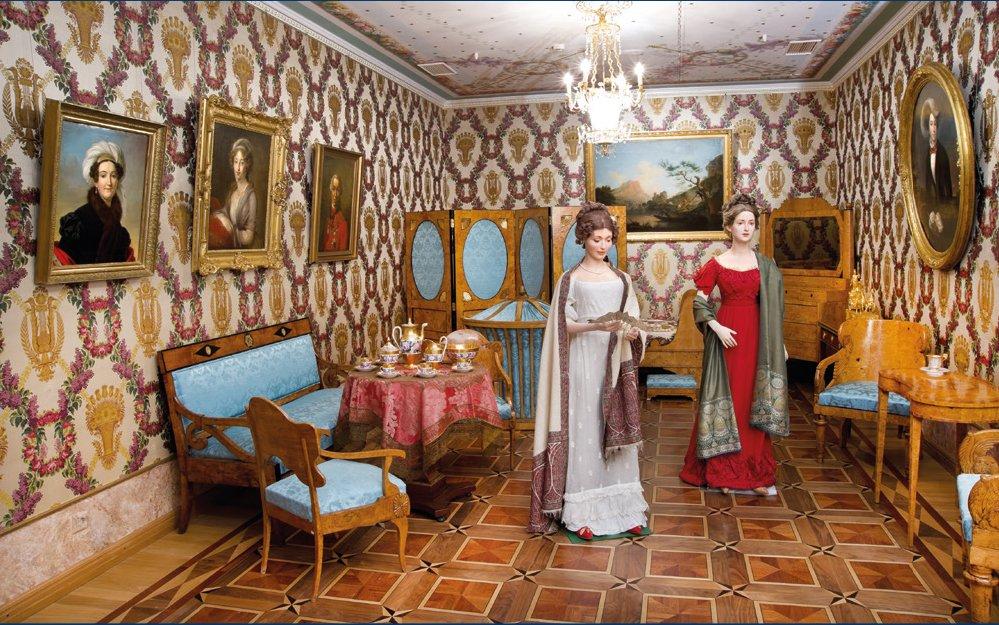
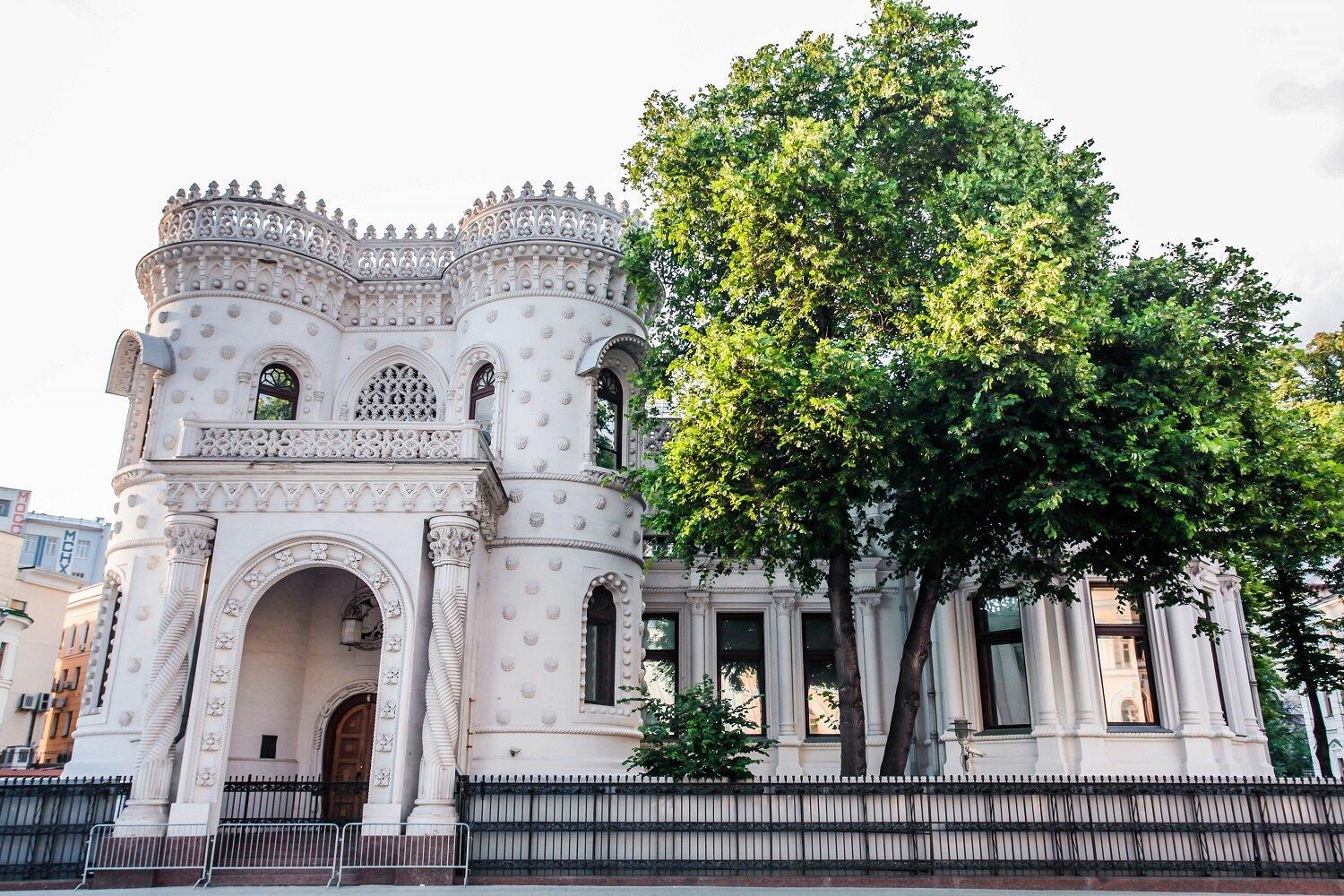
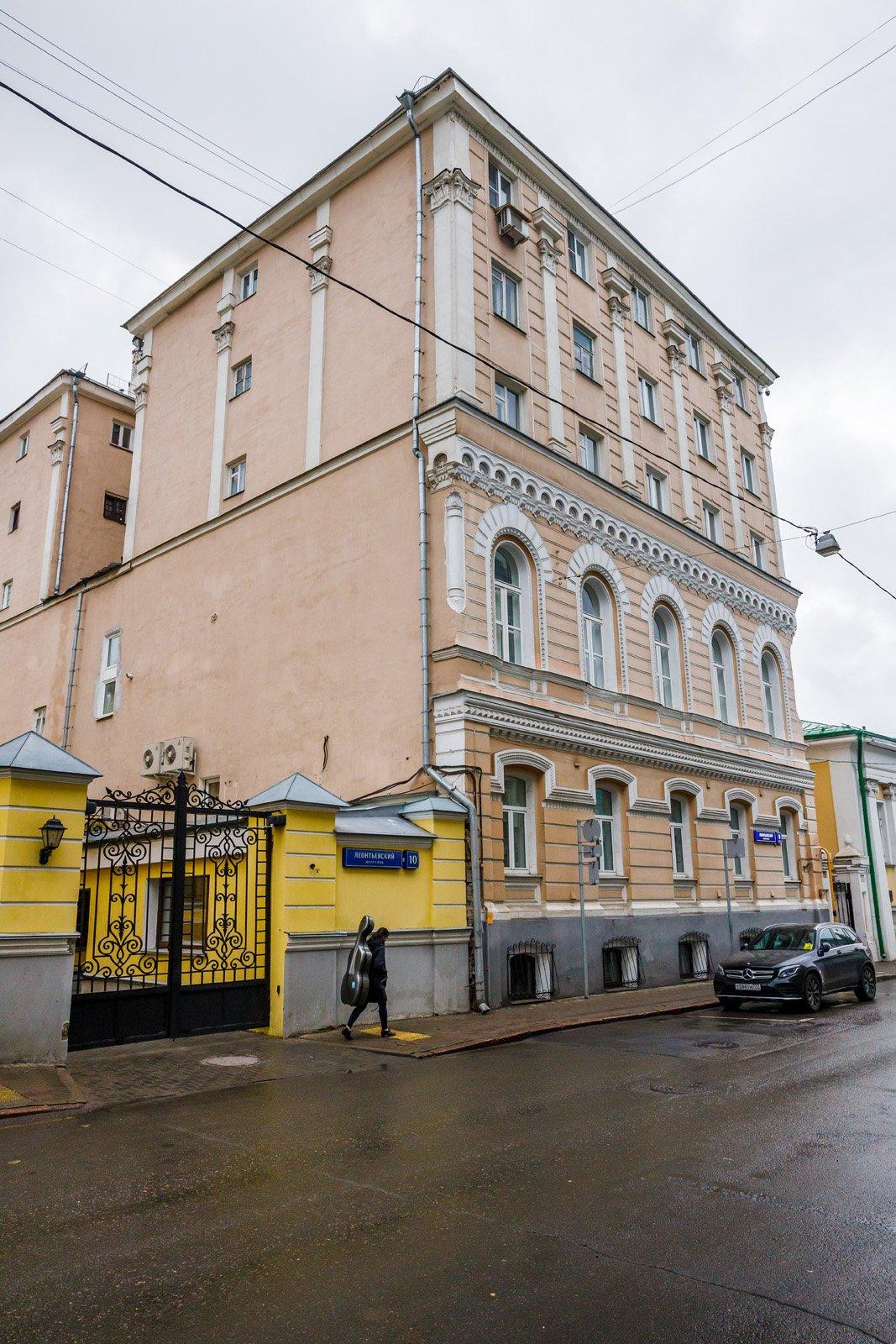
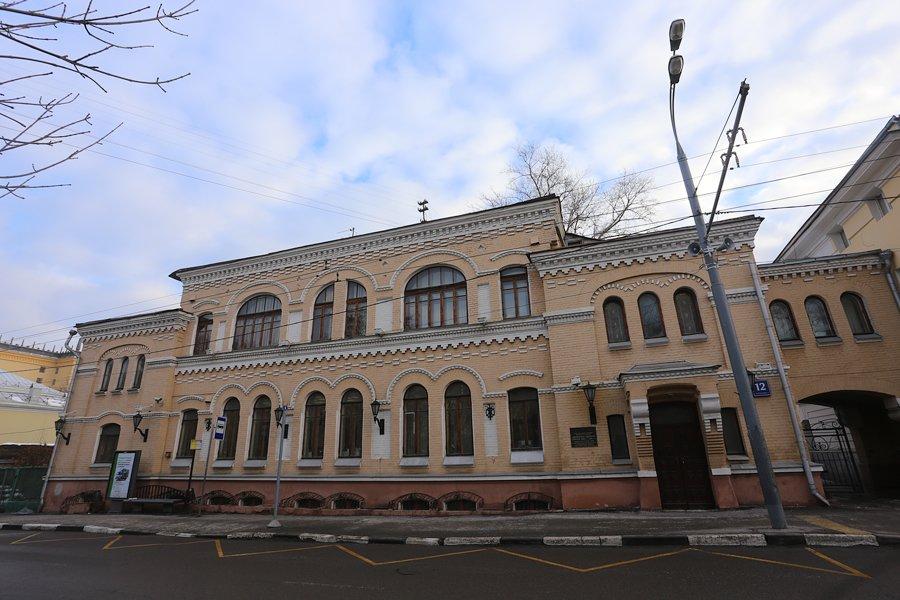
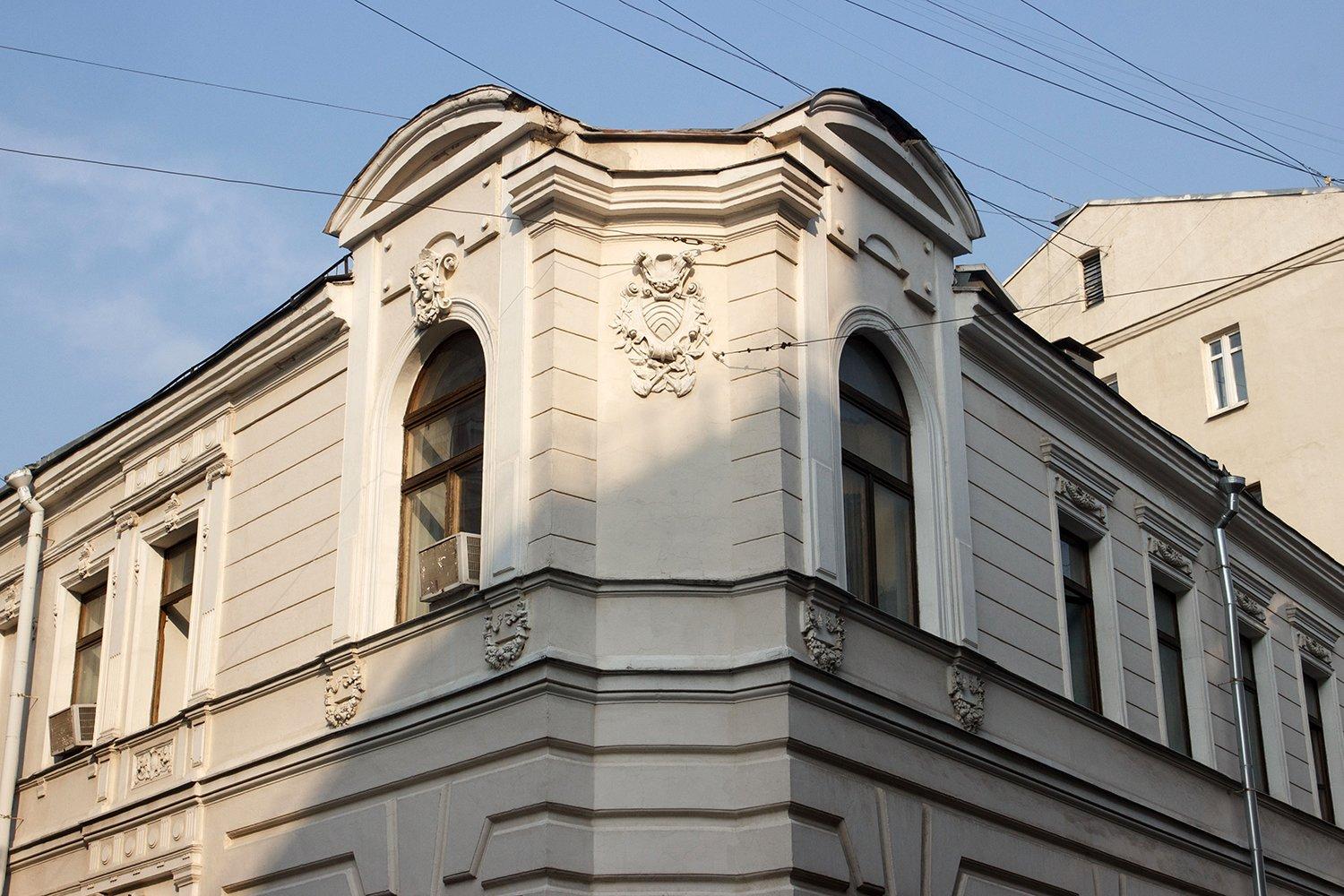
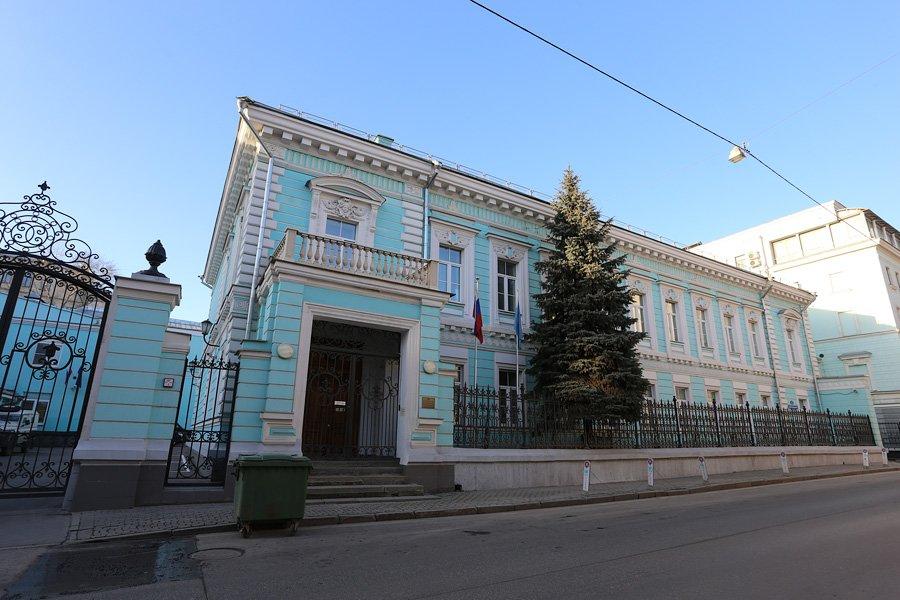
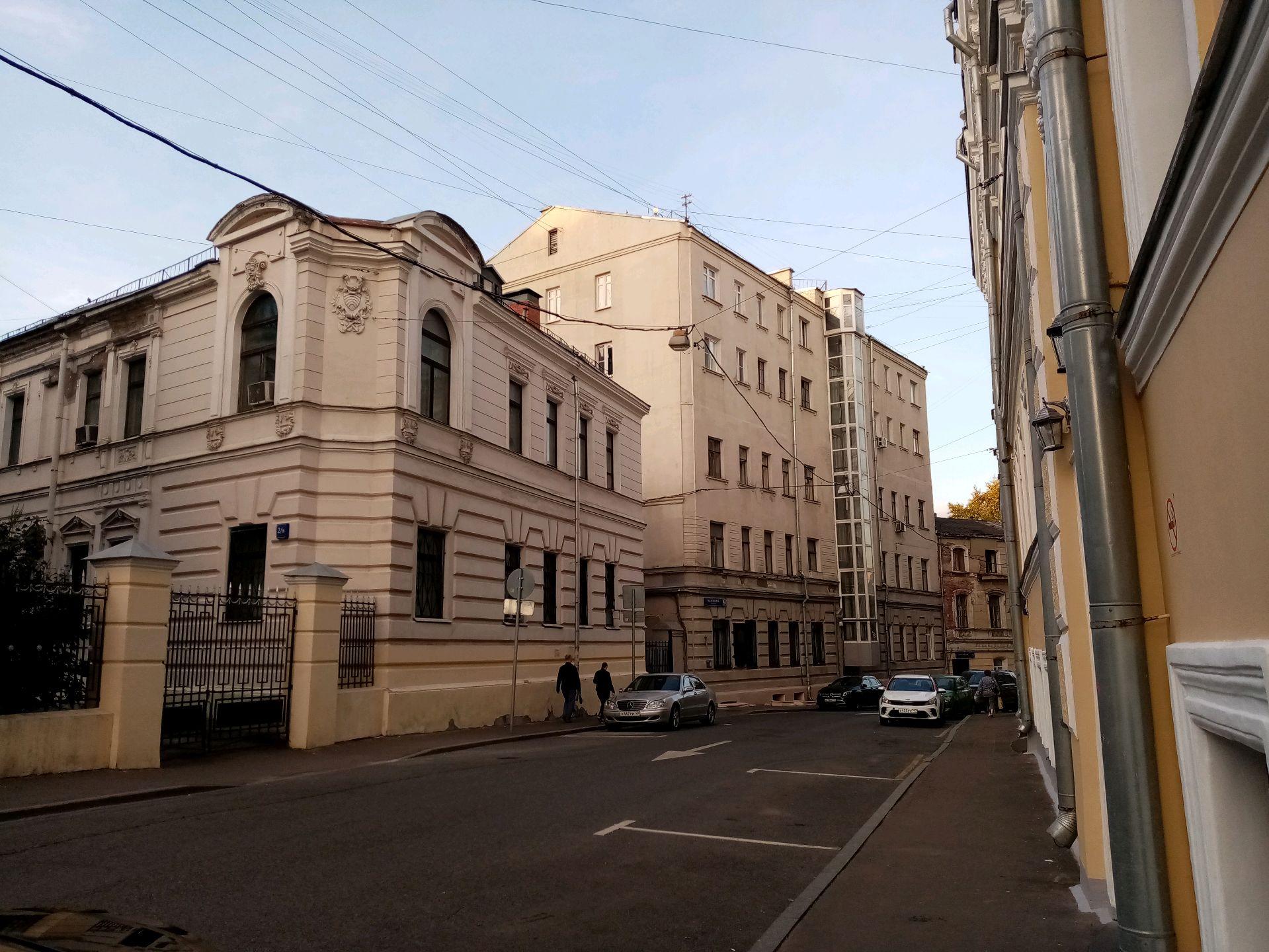
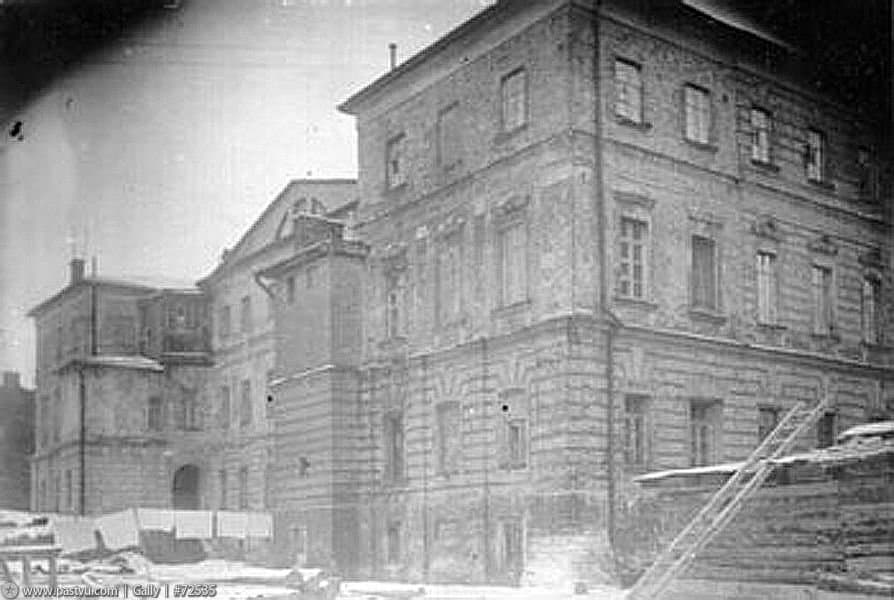
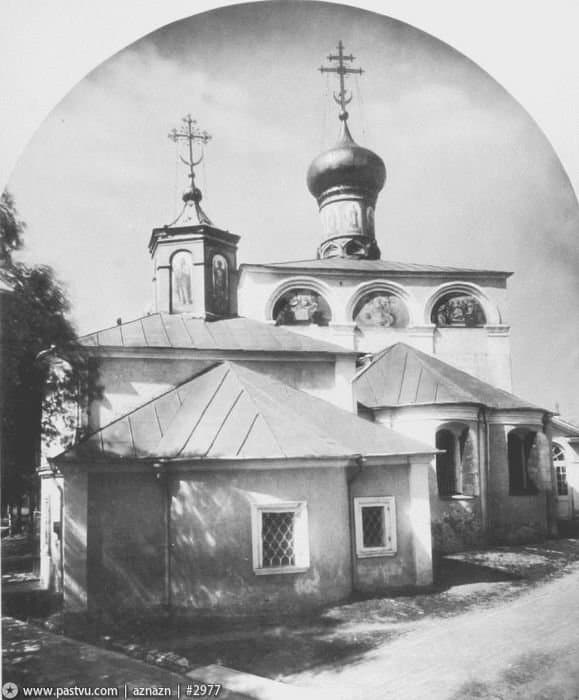
В пожар 1812 года земли бывшей слободы сильно выгорели. Были разобраны два храма – Косьмы и Дамиана что в Ржищах на углу Среднего и Малого Кисловских переулков и Иоанна Милостивого на углу Нижнего Кисловского и Калашного переулков. А боярские владения стали переходить в руки купцов. Во второй половине XVIII века в переулках бывшей Кисловской слободы возникло немало красивых усадеб. Например, усадьба Нелединских-Мелецких, что в Малом Кисловском переулке.
Kislovskaya settlement was in Zaneglimene between Vozdvizhenka Street and Nikitskaya. It was formed about Oprichnina palace of Ivan the Terrible in the XVI century. In 1565, the king settled in the new palace, which was built near the river Neglinnoy between Smolensk and Volotsky roads. There, the high, 6 meters, stone wall were three large chamber, surrounded by a wooden choir. Place raw, and the whole yard around them was filled with white sand and a cubit thick. Due to this fact, the location of the palace of Ivan the Terrible Oprichnina fairly accurately determined - at the corner of Mokhovaya and Vozdvizhenka in the construction of the underground river found a layer of white sand. It is possible that Ivan the Terrible guardsmen near the palace and were settled Kalashnikov and kisloshniki; prepare cabbage, pickles, kvass. In the XVII century the territory of the settlement kisloshnikov transferred to the Order of the Tsarina's Chamber Workshop. To protect "people from thieves" in 1632 in the village on its four streets (Large, Small, Medium and Low Kislovskaya lanes) were built massive lifting lattice partitions off the street. At night, the lattice is lowered and locked in the iron locks are on duty around the clock guards here. Lattice had their special names: Zdvizhenskaya, exit to Holy Cross Monastery Arbat street; Nikita, who was standing beside the Nikitsky monastery; Ivanovo at the Church of St. John the Merciful. After the abolition of suburban buildings of Moscow in the time of Peter suburban lands were bought up and move on to the boyars: Kolycheva, Dolgorukov, Golitsyn Hitrovo, etc. In 1812 a fire lands of the former settlement heavily burned. Two temples were dismantled - Cosmas and Damian in Rzhyshchiv at the corner of Middle and Small Kislovsky Lane and John the Merciful on the corner of Lower Kislovsky and Kalashny lanes. And the knights of ownership began to pass into the hands of merchants. In the second half of the XVIII century in the alleys of the former Kislovskaya settlement there were many beautiful mansions. For example, the estate Neledinsky-Mielec that the Small Kislovsky Lane.