Интерактивный гид по городу
С мобильным приложением бродить по городу гораздо интереснее!

Club (DK) named after Gorbunov

The construction process of this complex lasted for almost ten years and has features typical for the early Modernism as well as for Art Deco.

Club (DK) named after Gorbunov
Bagrationovskaya, Fili
The construction process of this complex lasted for almost ten years and has features typical for the early Modernism as well as for Art Deco.
3.68
Вы можете воспользоваться QR-кодом, чтобы открыть эту страницу в нашем приложении
Архитектурный стиль:
,
Годы постройки:
1931-1938
Архитекторы:
Я.А. Корнфельд
Эпоха:
1920s, 1930s
Информация о здании

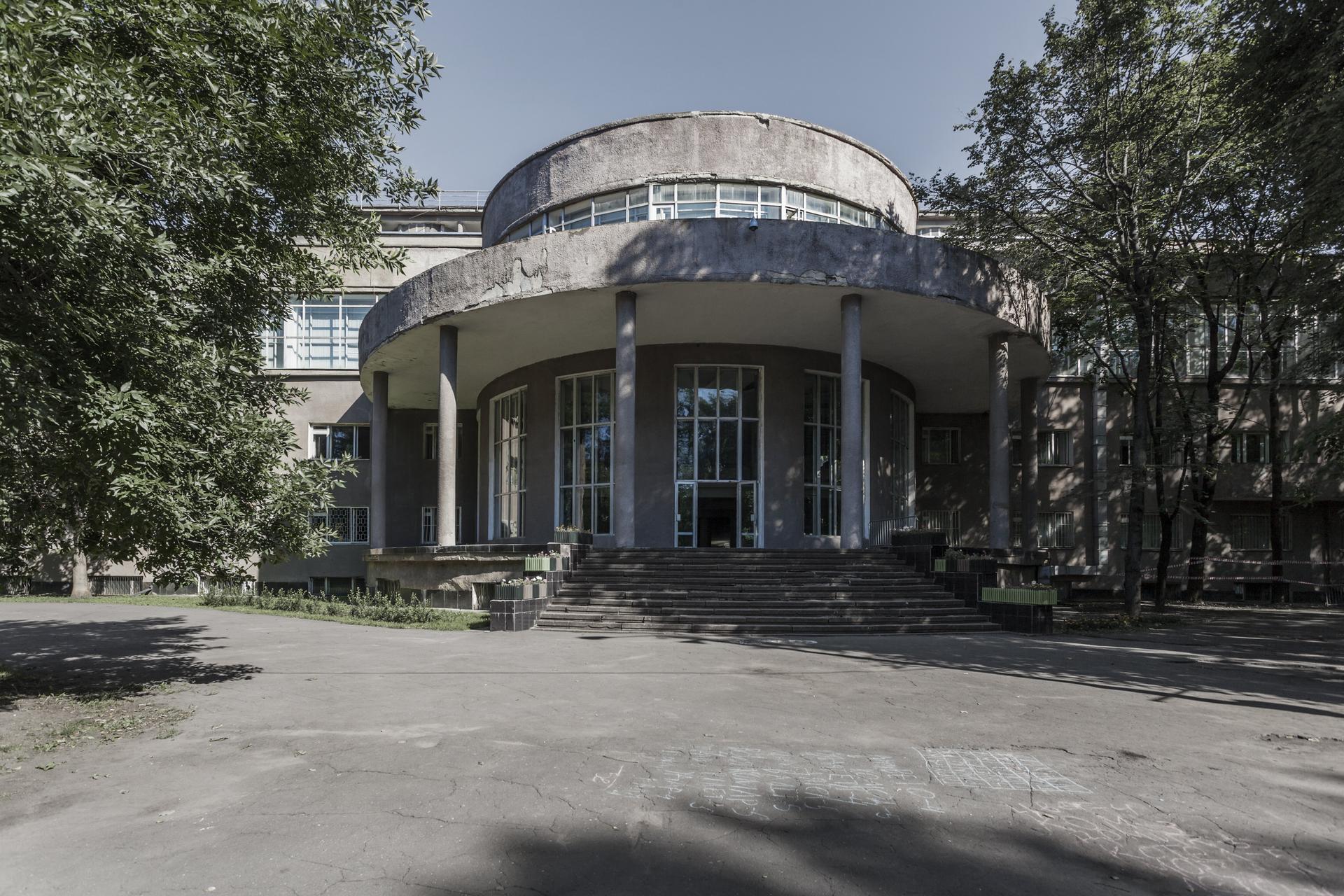
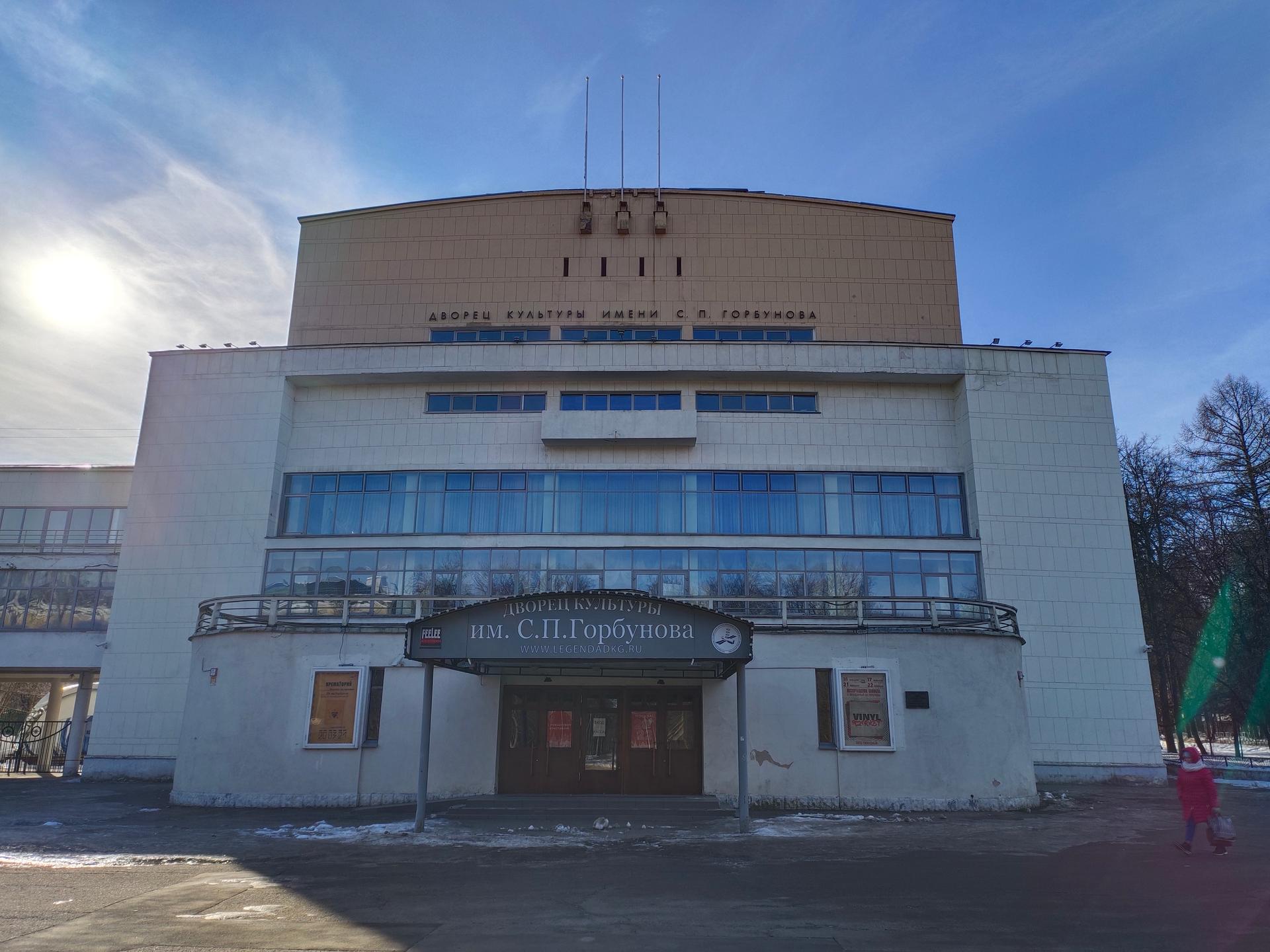
Дворец культуры Киевского района был первым крупным районным дворцом культуры, сменившим относительно небольшие рабочие клубы, характерные для Москвы 1920-х.

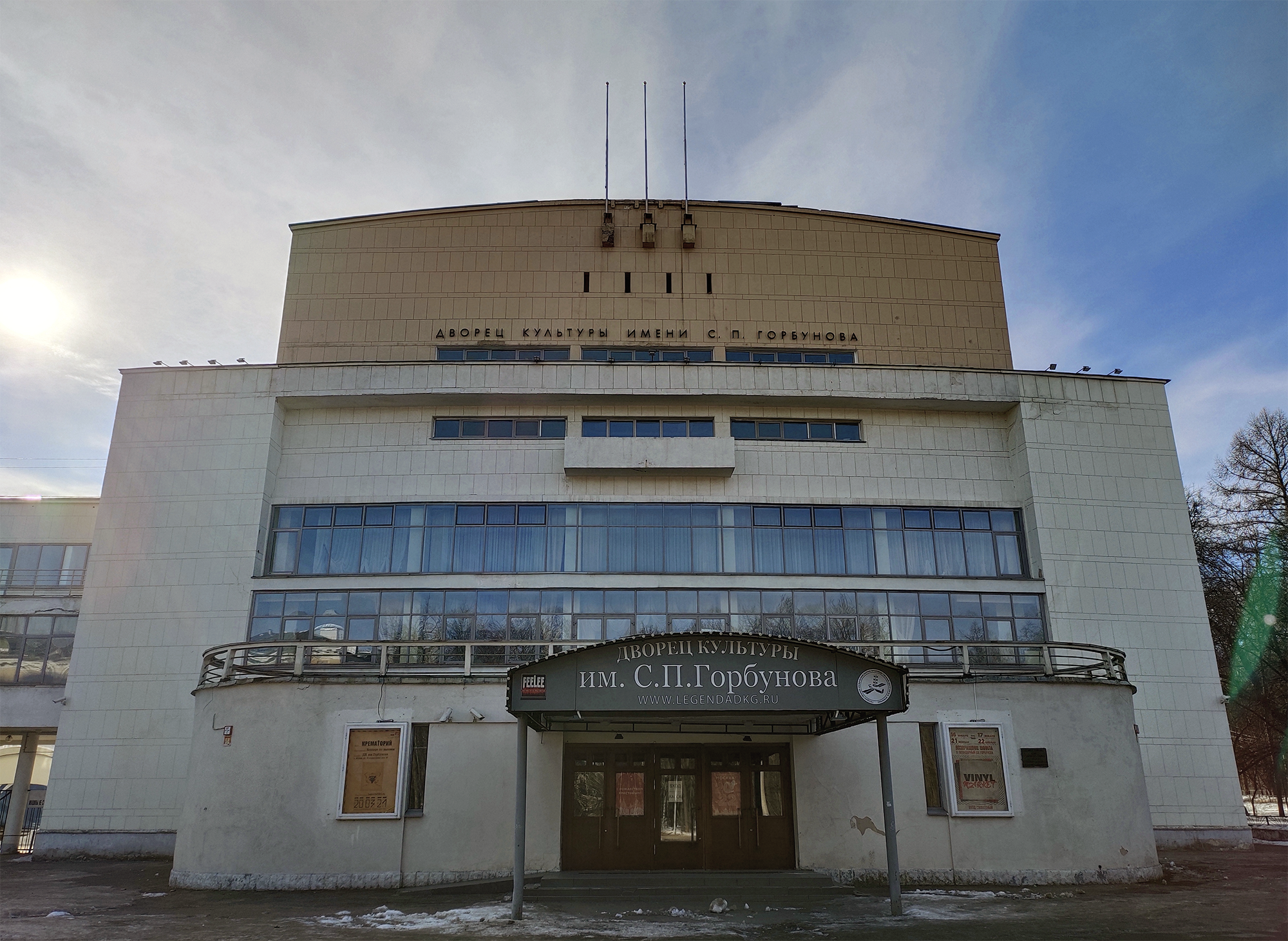
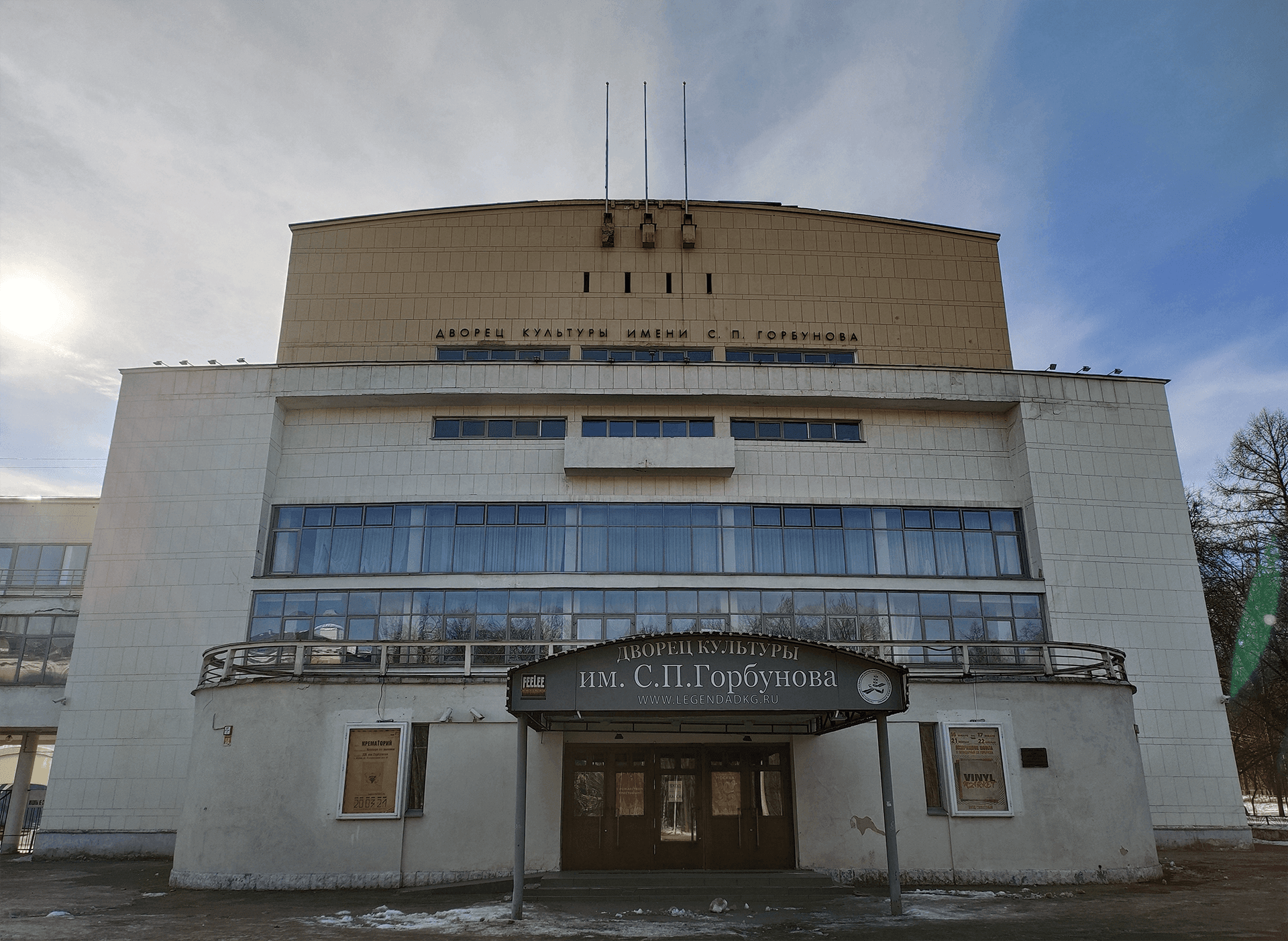
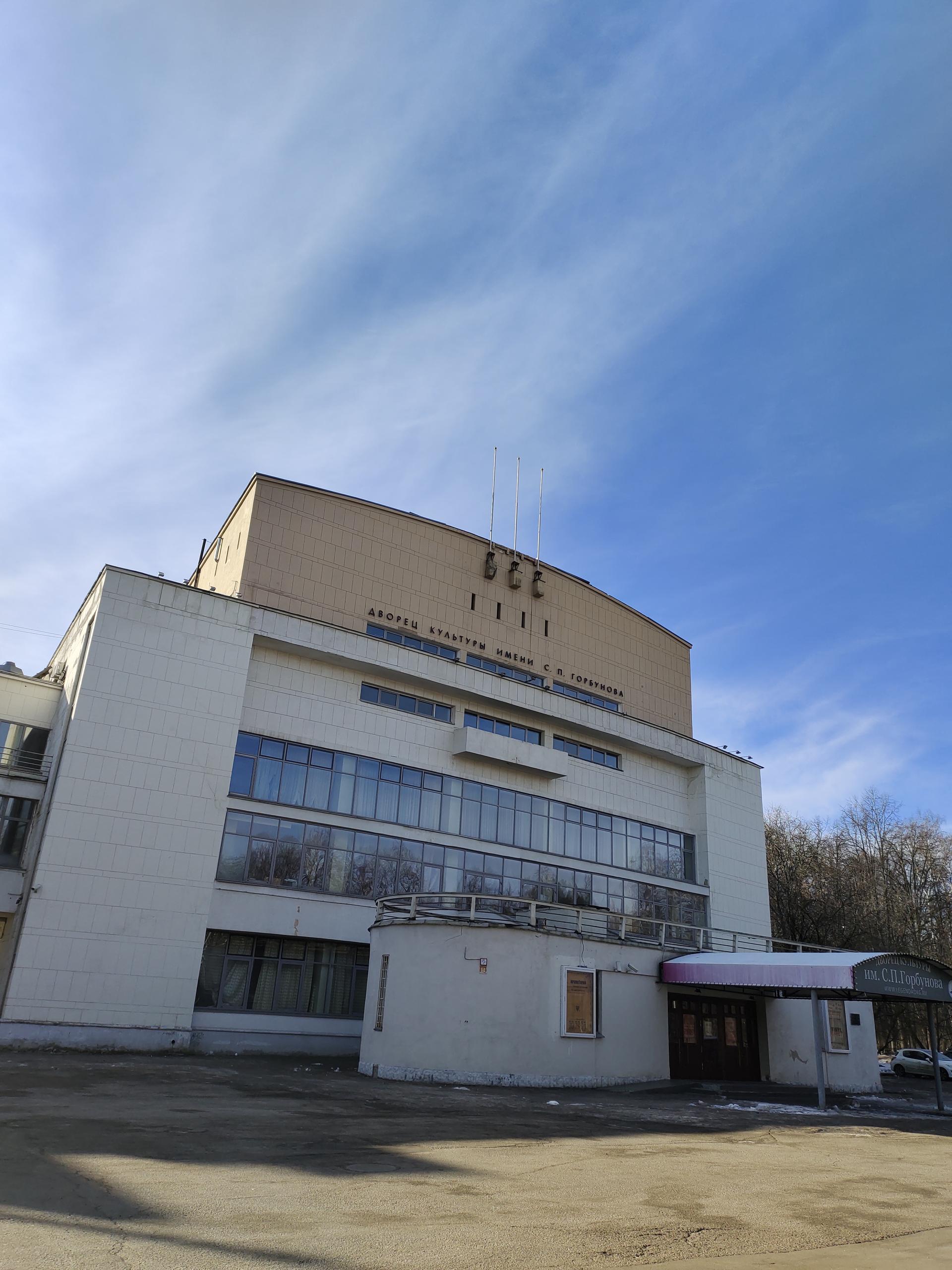
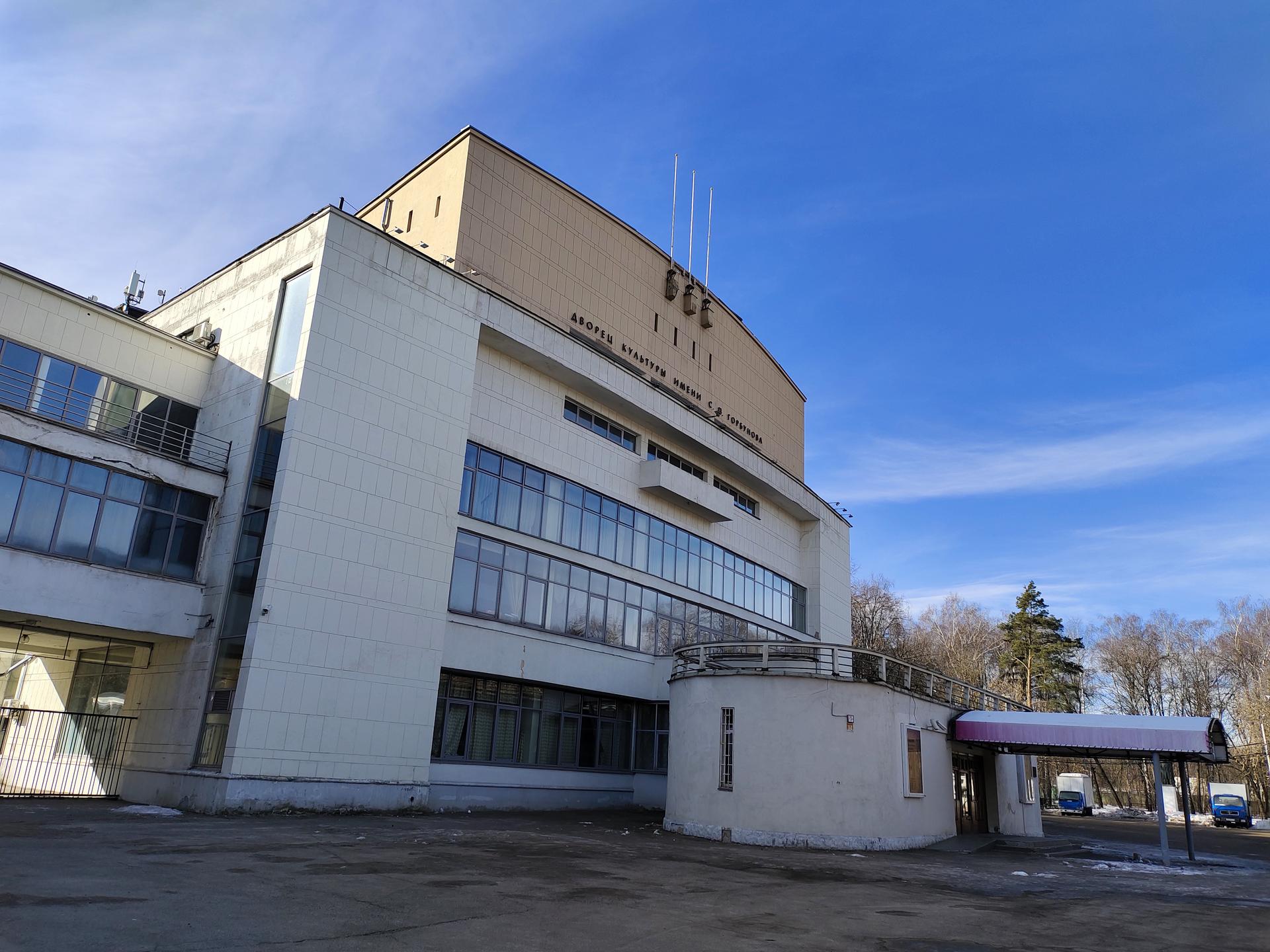
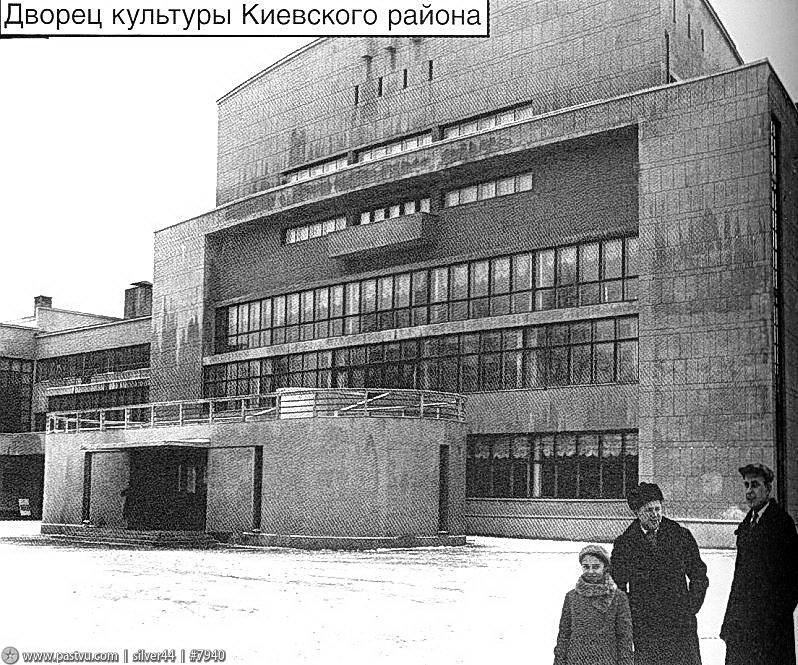
Построенный в 1929–38 годах по проекту Я. Корнфельда, ДК расположен на окраине парка и главным фасадом ориентирован на проходные авиазавода.

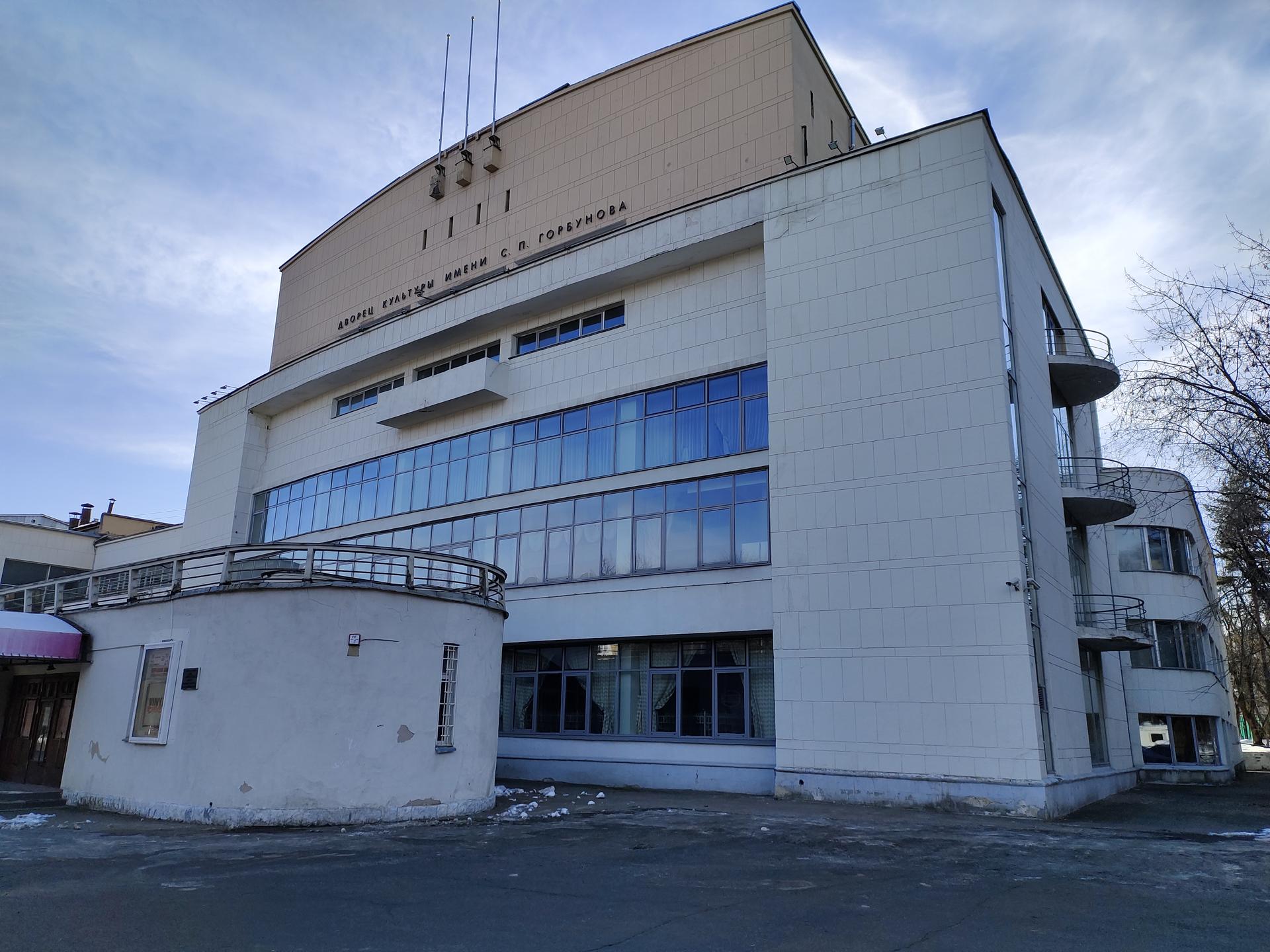
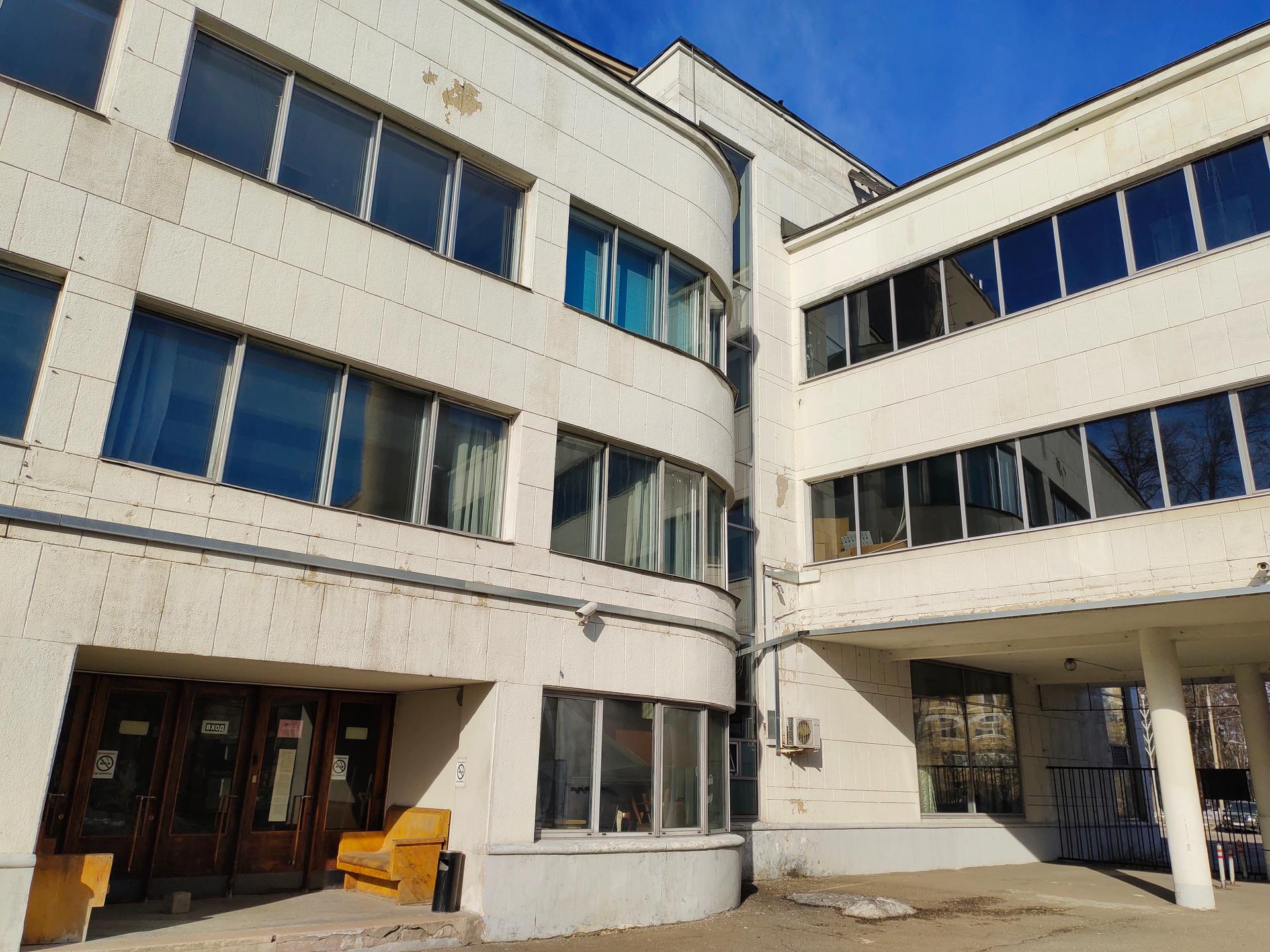
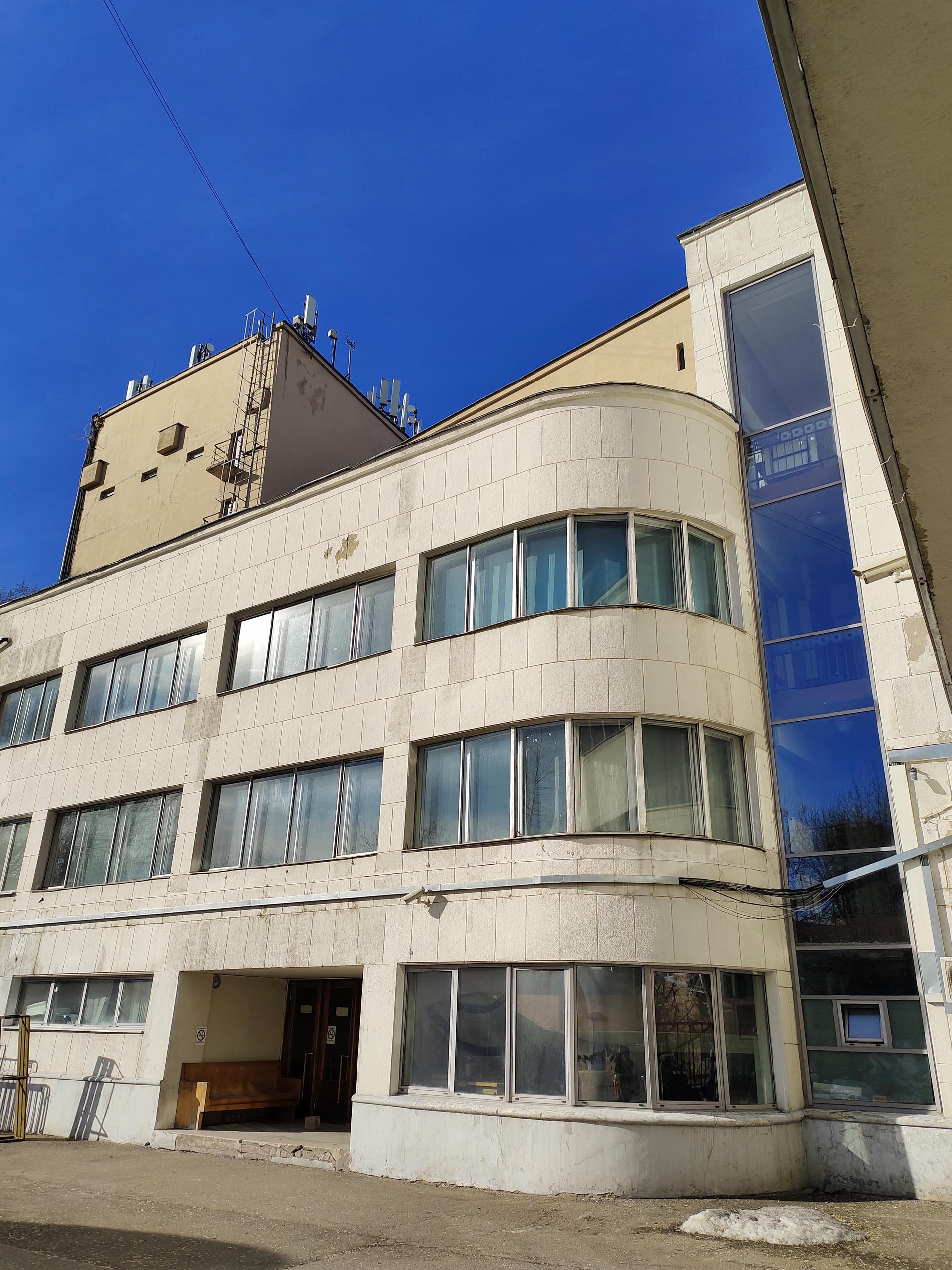
Комплекс строился почти десять лет и имеет признаки как раннего модернизма, так и ар-деко. Распластанный свободный фукционалисткий план сочетается с интерьерами в обтекаемом стиле: скругленным объемом кассового зала, круглыми светильниками и подобными деталями.

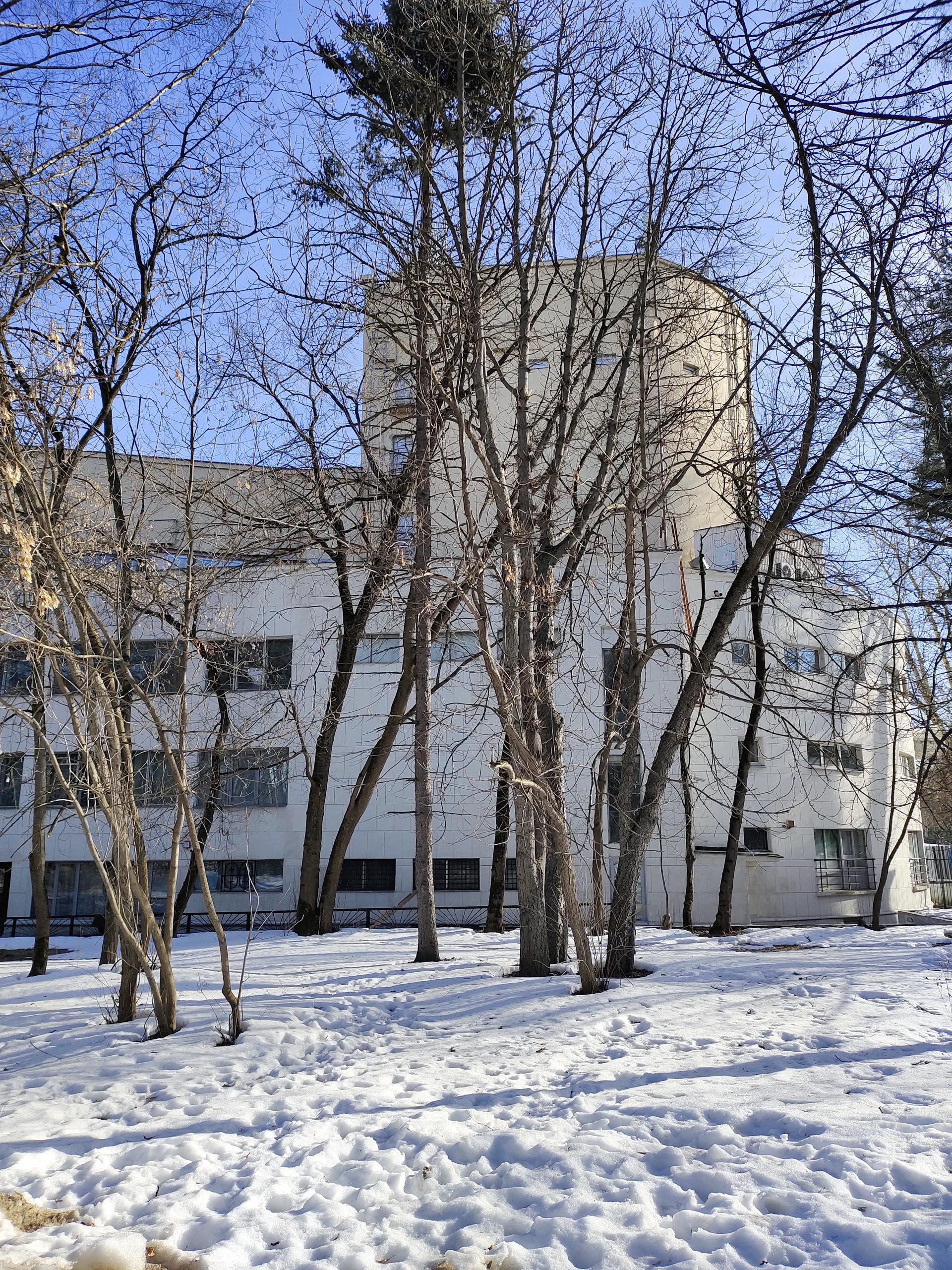
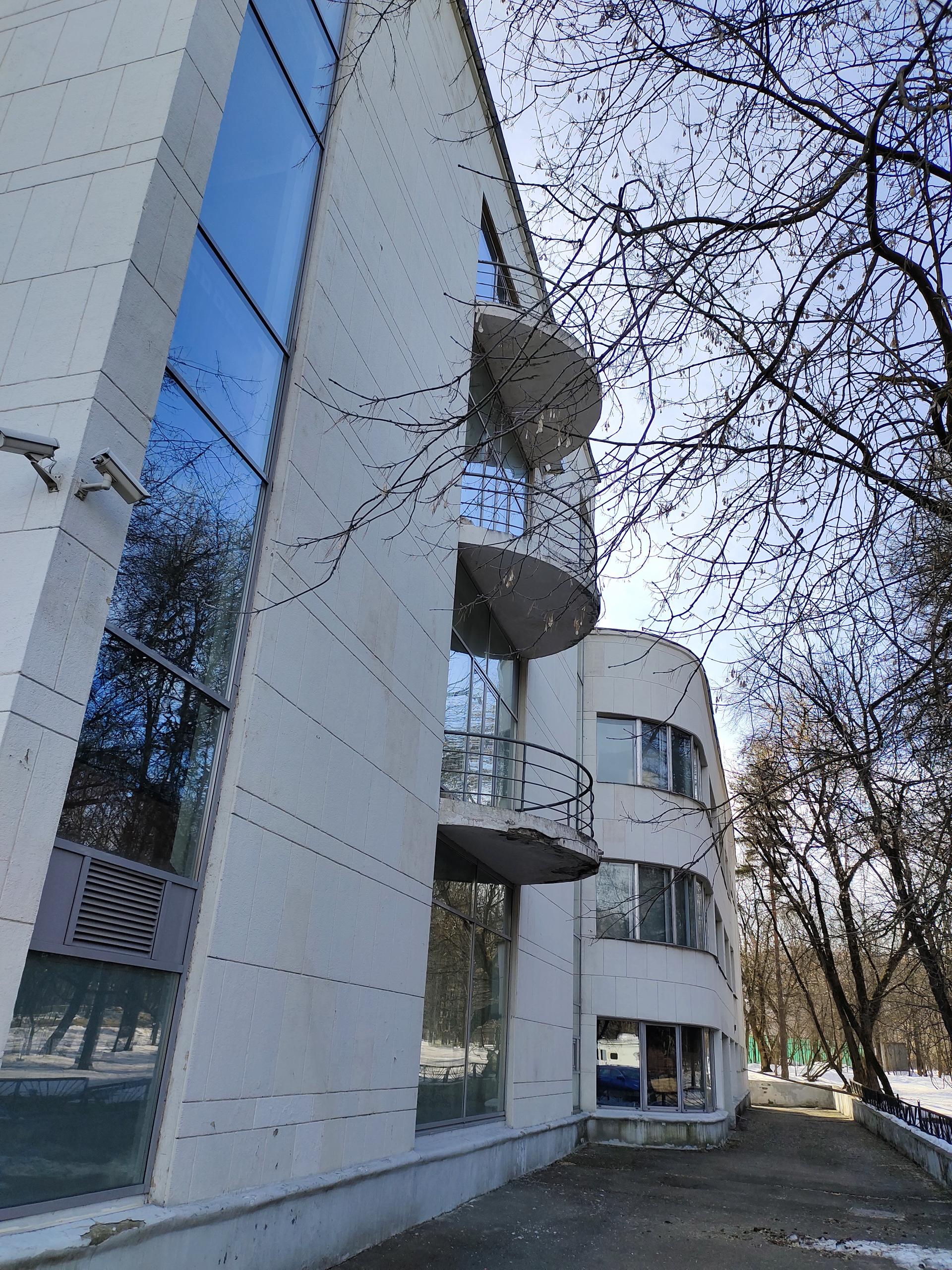
Клубное крыло расположено слева от театрально-зрелищной части, коридор связывает несколько его объемов, самый крупный из которых – спортзал, примыкающий с задней стороны. Театральный зал занимает трапециевидный в плане разновысотный объём с эффектным полуциркульным планом задней части: это дань как модным корбюзианским параболическим планам, так и идее радиального расположения артистических уборных вокруг трюма сцены.

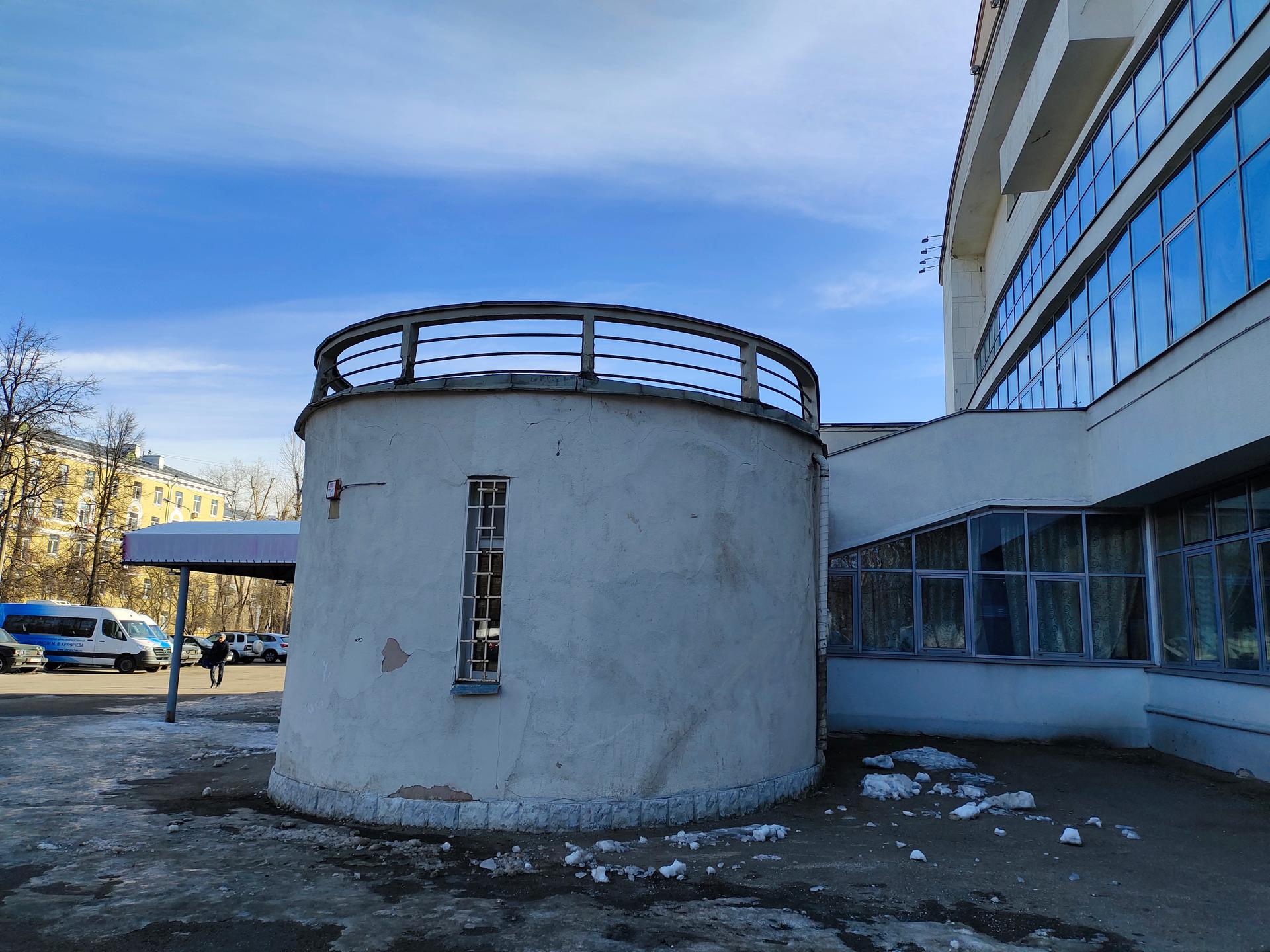
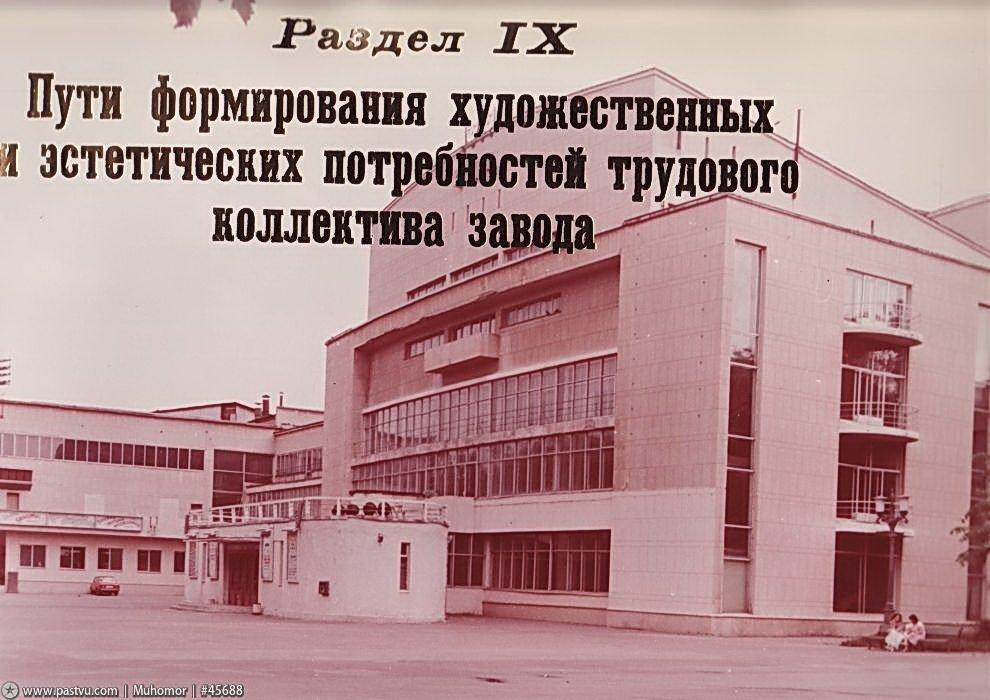
Вынесенный по оси главного фасада зрелищной части скругленный объем подъезда скрывает кассовый зал и выглядит своеобразным барбиканом и одновременно трибуной перед площадью. Объем малого зала на 200 мест также вынесен вперед.

Главные выразительные средства, использованные архитектором, выстроены на контрастных сочетаниях симметричной и асимметричной частей комплекса, глухих и остекленных плоскостей, скругленных и угловатых форм.

Сам архитектор писал о достаточно лаконичном внешнем убранстве клубов этого времени: «Все они построены на принципах функциональной логики, их внешний вид характерен лишь постольку, поскольку передаёт сложное внутреннее строение клубов».

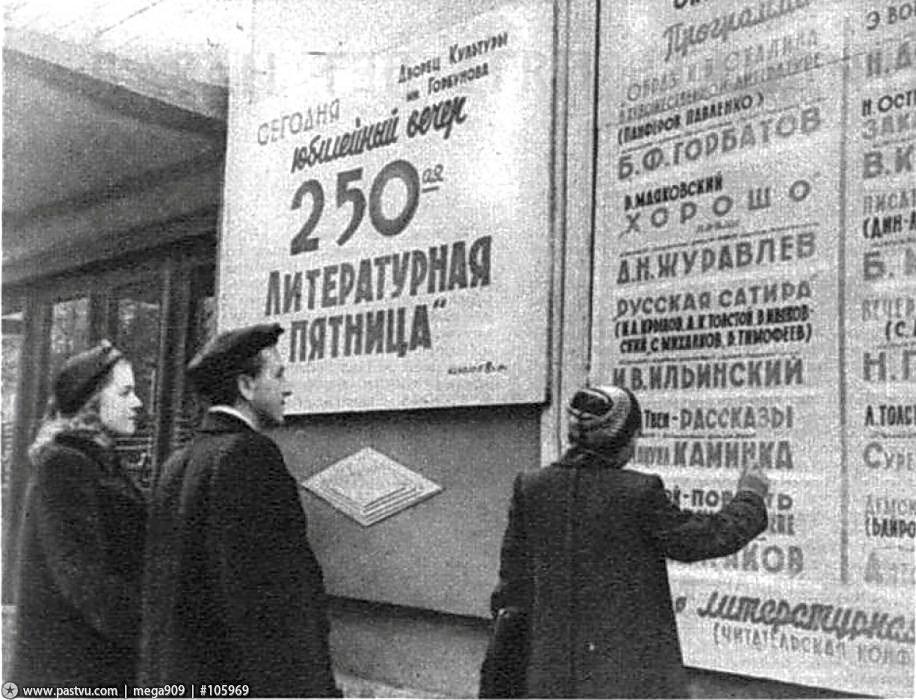
Названный в честь погибшего в авиакатастрофе директора авиазавода Горбунова С.П ДК в советское время стал главной площадкой для рок-музыкантов со всей страны.

The Palace of Culture of the Kiev district of Moscow was the first major regional Palace of Culture, which replaced the relatively small workers' clubs, typical for Moscow 1920.

Palace of Culture was designed by J. Kornfeld and built in 1929-38.It is located on the outskirts of the park and the main facade is oriented to the entrances of the aircraft factory.

The construction process of this complex lasted for almost ten years and has features typical for the early Modernism as well as for Art Deco.

Sprawled free functional plan combined with streamlined style interiors: a rounded volume of the cash hall, round lamps and similar items.

Club wing is located on the left from theatrical spectacular part, corridor connects several volumes, and the gym adjacent to the rear side is the largest of them. Theatre hall occupies a trapezoidal volume of different height with a spectacular semi-circular rear up: a tribute to how fashionable Corbusier’s parabolic plans, and the idea of ​​the radial location of dressing room around the hold of scene.

Submitted to the axis of the main facade of the auditorium rounded volume of the entrance hides the ticket hall and looks kind of Barbican and podium before the square. The volume of the small hall with 200 seats also brought forward.

The main means of expression used by the architect, built on contrast combinations of symmetrical and asymmetrical parts of the complex, the deaf and glass surfaces, rounded and angular forms.

The architect wrote about quite sleek external decoration of clubs of that time: "They are all built on the principles of functional logic, their appearance is characteristic only insofar as transmits a complex internal structure of clubs."

Palace of Culture named in honor of the deceased aircraft factory director killed in a plane crash.

Palace of Culture in late- and post-Soviet era has become the main platform for rock musicians from across the country
Автор статьи: Николай Васильев
Отзывы
(5)
Поделитесь статьей с друзьями
Интересное рядом(4)
советский инженер-механик
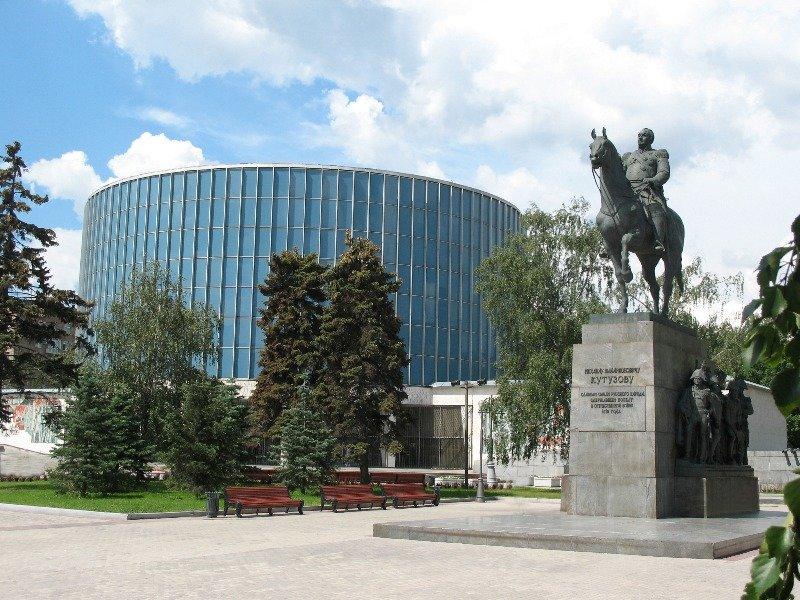
The Museum-panorama the Borodino BattleThe Museum-panorama “Battle of Borodino” currently includes several departments and has three expositions. The main building of the museum has an exposition telling about the events of the Patriotic War of 1812 and the general battle of the village of Borodino. In the Kutuzov hut, visitors can learn more about the military council of Russian generals, held in the village of Fili on September 13, 1812. The exposition of the "Museum of Heroes of the Soviet Union and Russia" is devoted to the deep traditions of Russian heroism. The formation of the museum and its collections has a long and eventful history. In 1887, a wooden building, in which a museum was opened, was purposely built on the site of the burned-out Huts of the Military Council. Its exposition told about the events of the Patriotic War of 1812 and, first of all, about the Military Council in Fili, as well as about Highness prince M.I. Kutuzov. It was one of the first museums in the country dedicated to the Epoch of 1812. The building for the demonstration of a work of art created by the painter F. A. Rubo, a panorama of the Battle of Borodino, was built by decree of Emperor Nicholas II in Moscow, at Chistye Prudy, in 1912. The building was constructed according to the design of a military engineer, Colonel P.A. Vorontsov-Velyaminov. From the first days, the new institution subordinated to the military department, acted as a state museum, performing the functions of storing, studying and presenting the historical and cultural heritage associated with the memory of the central event of the war of 1812. In early 1918, the museum was closed. In 1962, the panorama of F.Rubo was restored in the central scientific and restoration workshop by a team of artists under the supervision of M.Ivanov-Churonov. A building designed by the architects A.R. Korabelnikov, S.I. Kuchanov, A.A. Kuzmin and the engineer Yu.E.Avrutin was erected specifically for its location on Kutuzovsky Avenue. The Museum of the Battle of Borodino reopened. Together with the "Kutuzovsky hut", which became part of it as a department, the panorama has become an integral part of the memorial complex that has been formed around the former Poklonnaya Hill and is associated with the events of the Patriotic War of 1812. In 2006, the Museum of Heroes of the Soviet Union and Russia, created in 2001 by the Heroes Support Fund, was included in the Museum-Panorama Battle of Borodino. After several years of activity, the Moscow mayor’s office decided to build a new building for the Museum of Heroes and to transfer it to the Museum of Battle of Borodino.
Kutuzov Avenue, 38
Park Pobedy
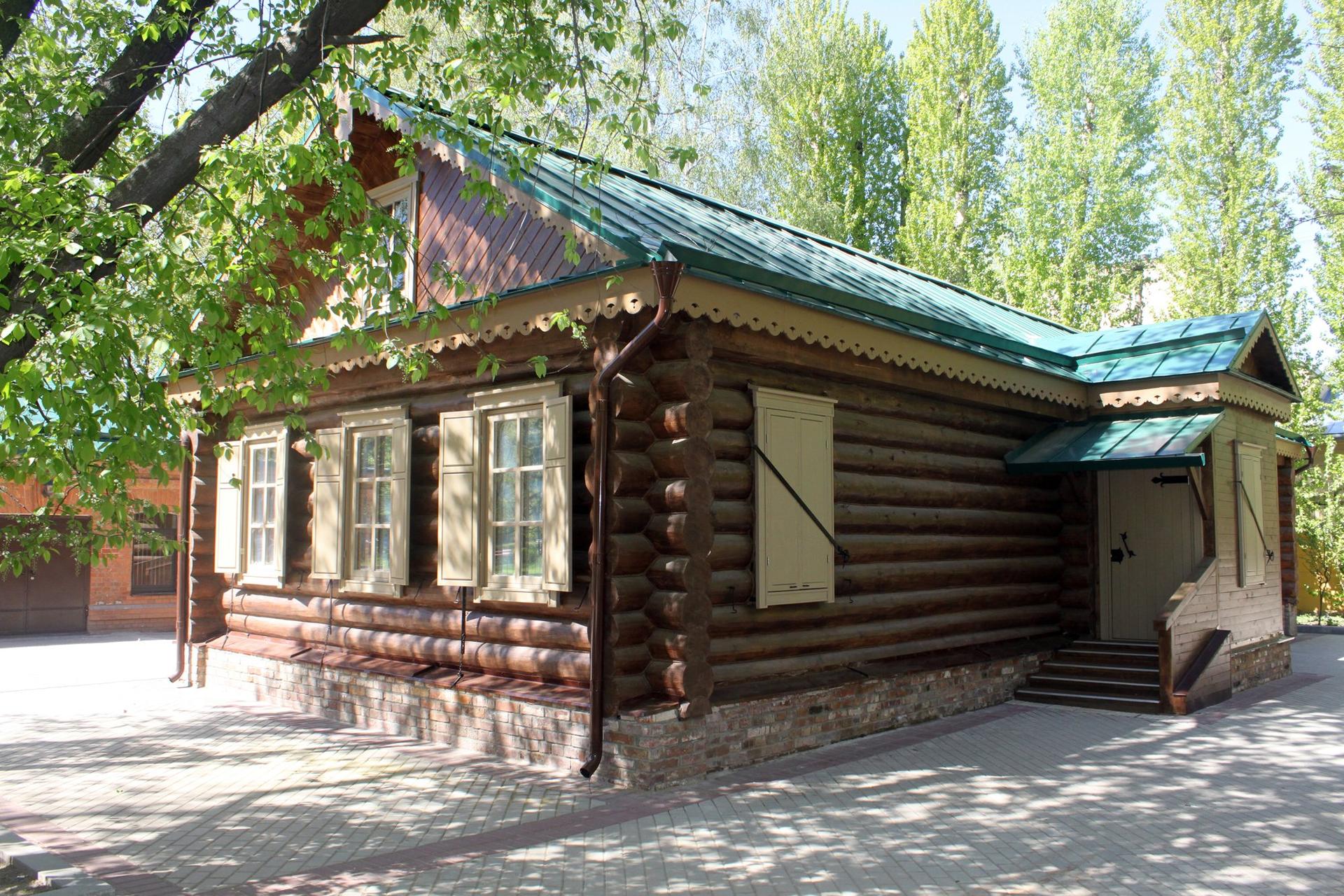
Kutuzov Hut MuseumThe Kutuzov Hut Museum is dedicated to the key event of the Patriotic War of 1812 - the Military Council, held on September 1 (13). After the Battle of Borodino, the United Russian armies withdrew to Moscow and camped near the Dorogomilovskaya outpost. The main apartment is located in Fili, and the commander-in-chief himself stopped at the Mikhail Frolov hut. On September 1 (13), the Military Council was convened in this peasant hut, at which the question was decided whether to give the enemy a new battle, or leave the Holy See capital without a fight. Concluding the burning dispute of the commanders present, M.I. Golenishchev-Kutuzov declared: "With the loss of Moscow, Russia has not been lost. I put my main task in preserving the army. I order to retreat." Objects that were in it during the Military Council (table, shops, icons) were carefully preserved in the hut after the end of the Patriotic War. In 1868 the hut burned down. Only a few years later, in 1886, on the initiative and at the expense of the Society of banners, the Cathedral of Christ the Savior, a new building was built, “Kutuzov's Hut”, a museum and a shelter for four disabled people were organized there. On August 3, 1887, the reconstructed hut was consecrated. In 1962, "Kutuzov hut" became a department of the Museum-Panorama "Battle of Borodino". The museum hosts a tour of the “Hut of the Military Council”, which introduces all visitors to the events that took place on this place more than 200 years ago.
Moscow, Kutuzov Avenue, 38, building 2
Park Pobedy