Наиболее ранними из установленных владельцев участка являются полковник Федор Хомутов и отставной поручик Алексей Хомутов, которые в 1782 году продают его лейб-гвардии капитан-поручику Василию Обрескову и его жене Анне. Композиция усадебной застройки была традиционна: на плане 1797 года имеется главный деревянный дом по оси участка вдоль красной линии переулка, а по обе стороны от него вдоль границ с соседними участками – жилые флигели (южный – деревянный, северный – каменный). Послепожарная планировка усадьбы остается прежней, только на месте сгоревшего деревянного южного флигеля впоследствии был разбит сад.
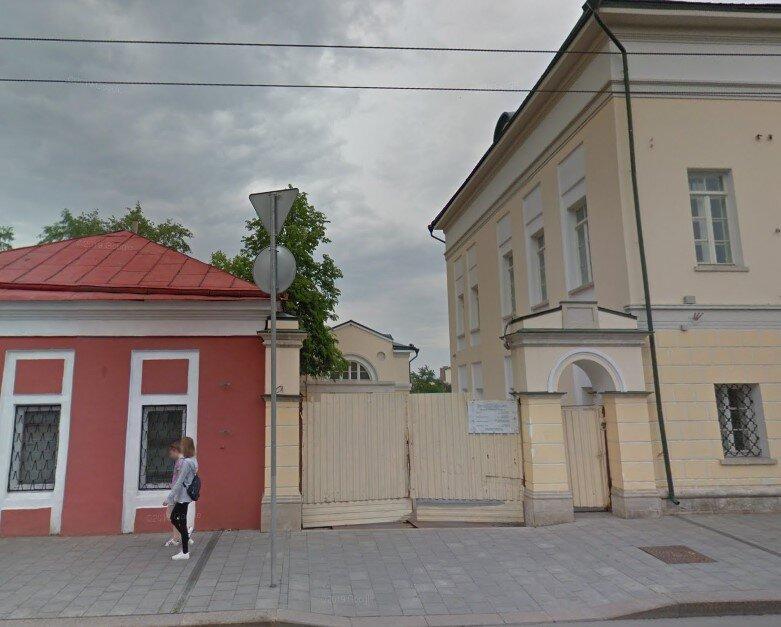
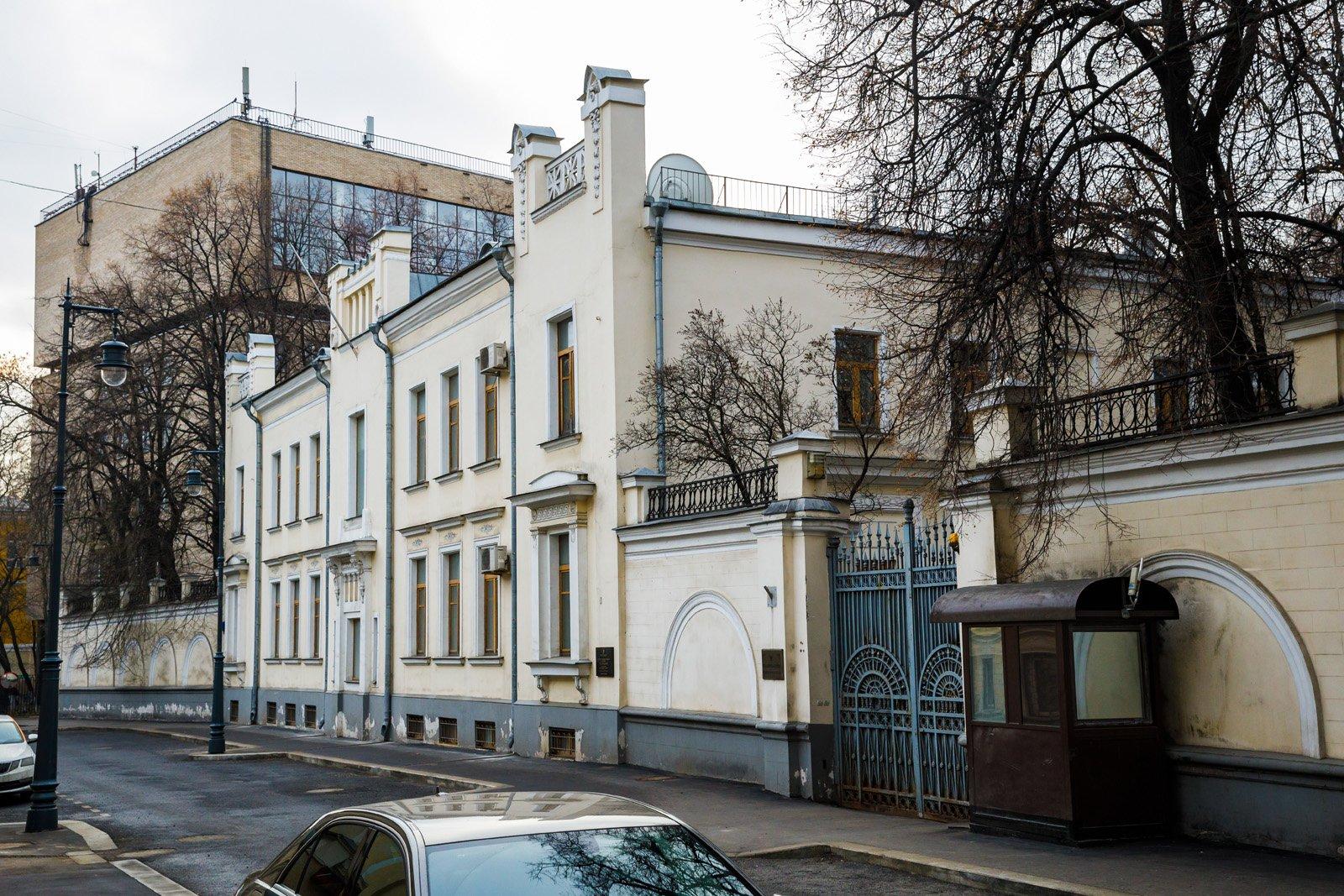
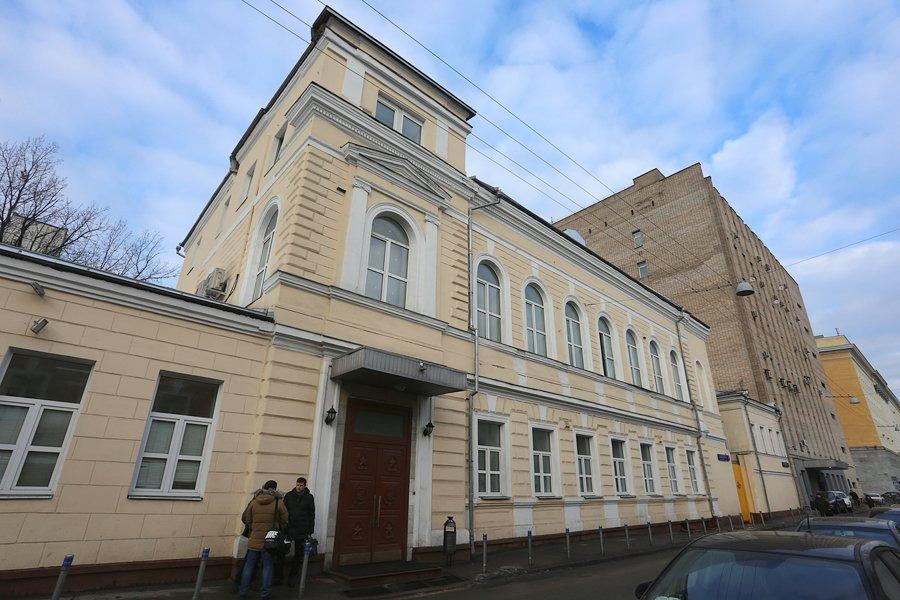
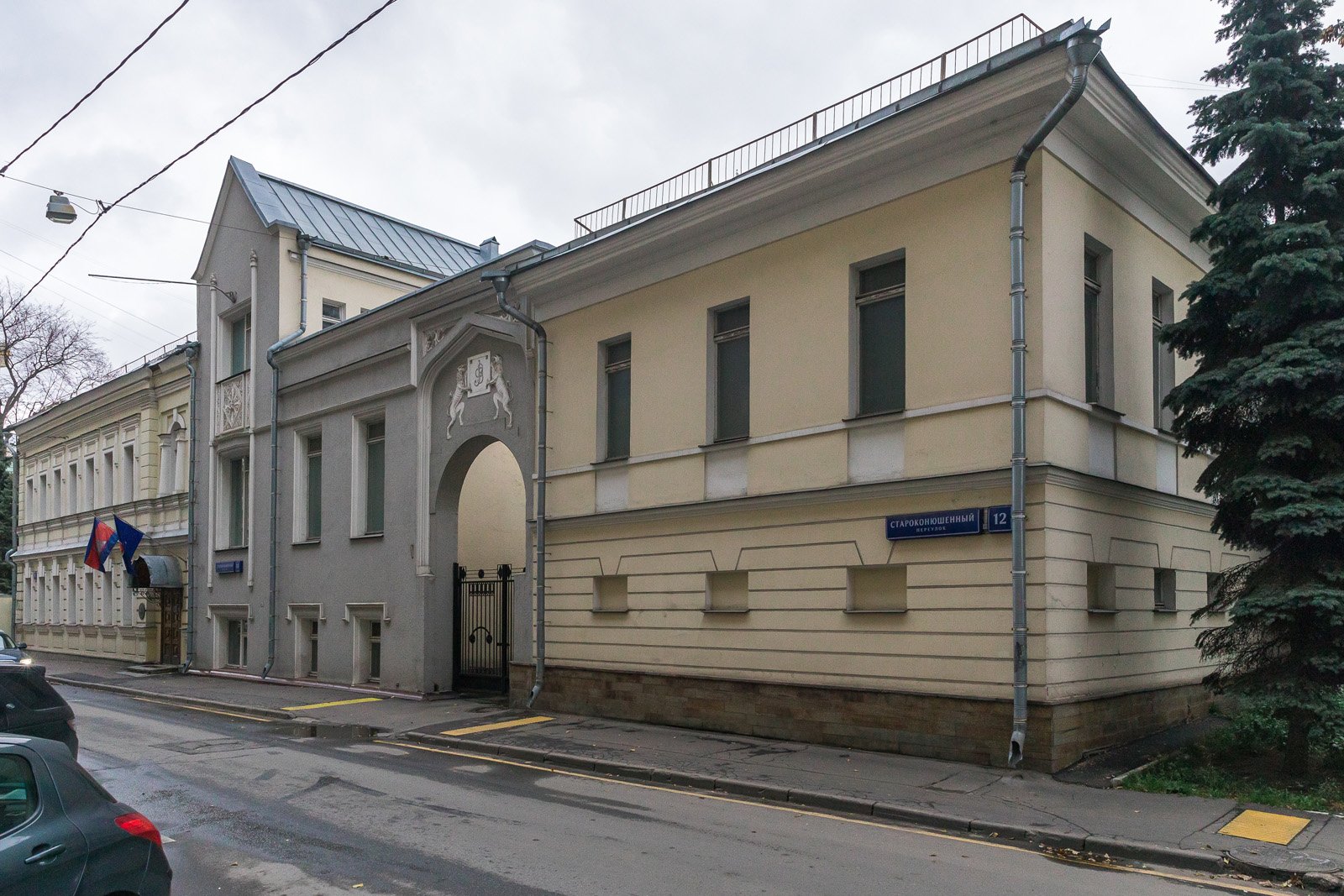
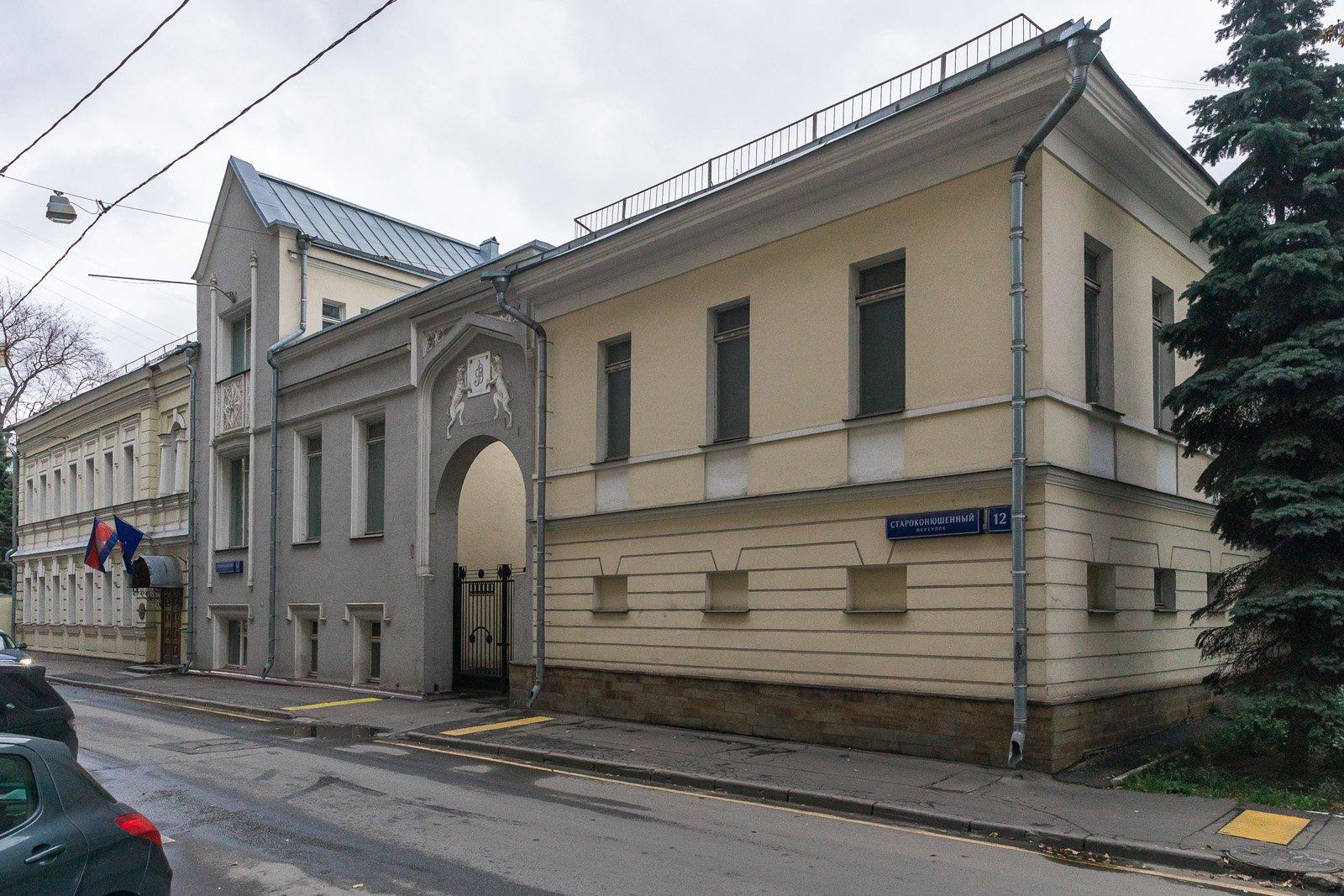
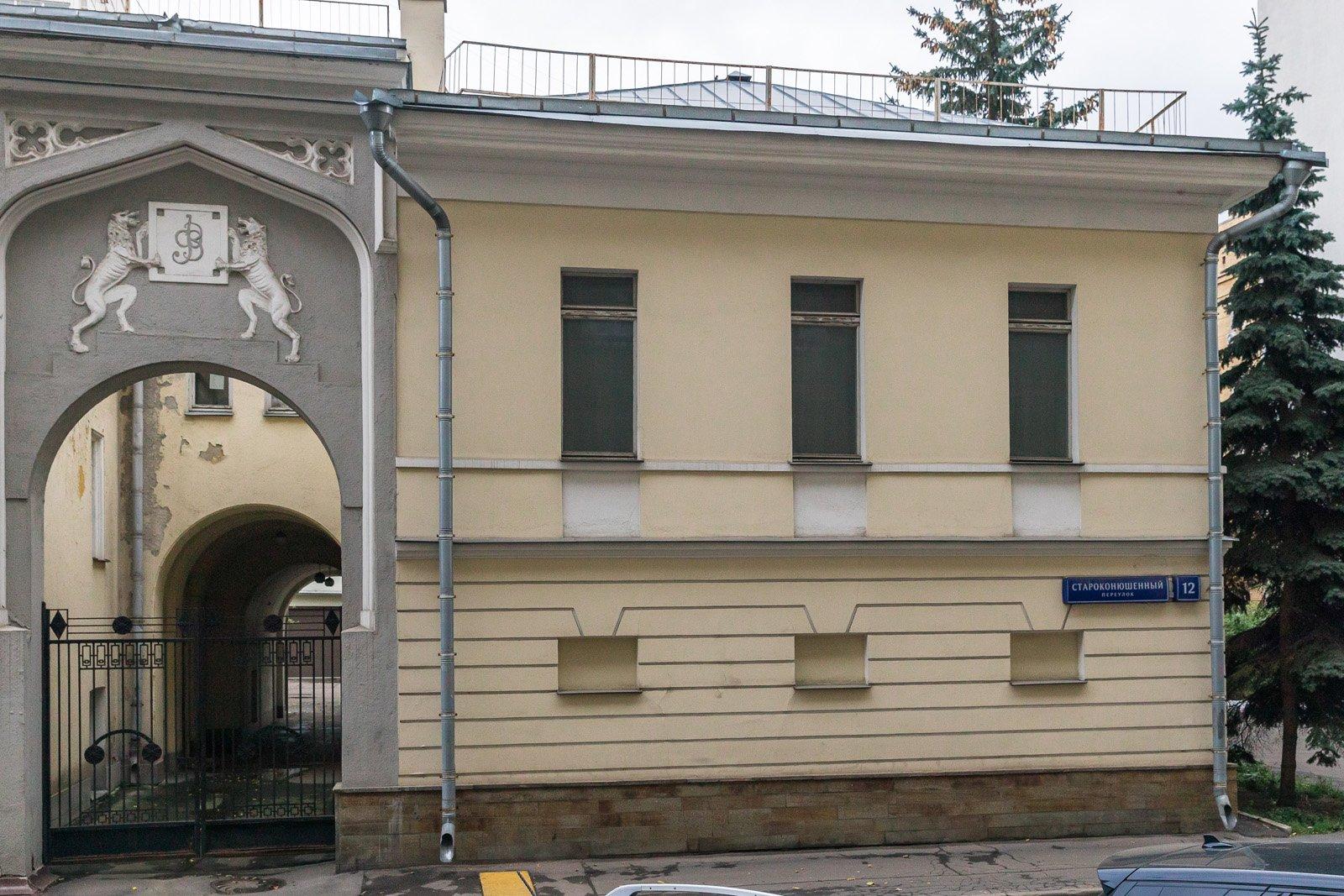
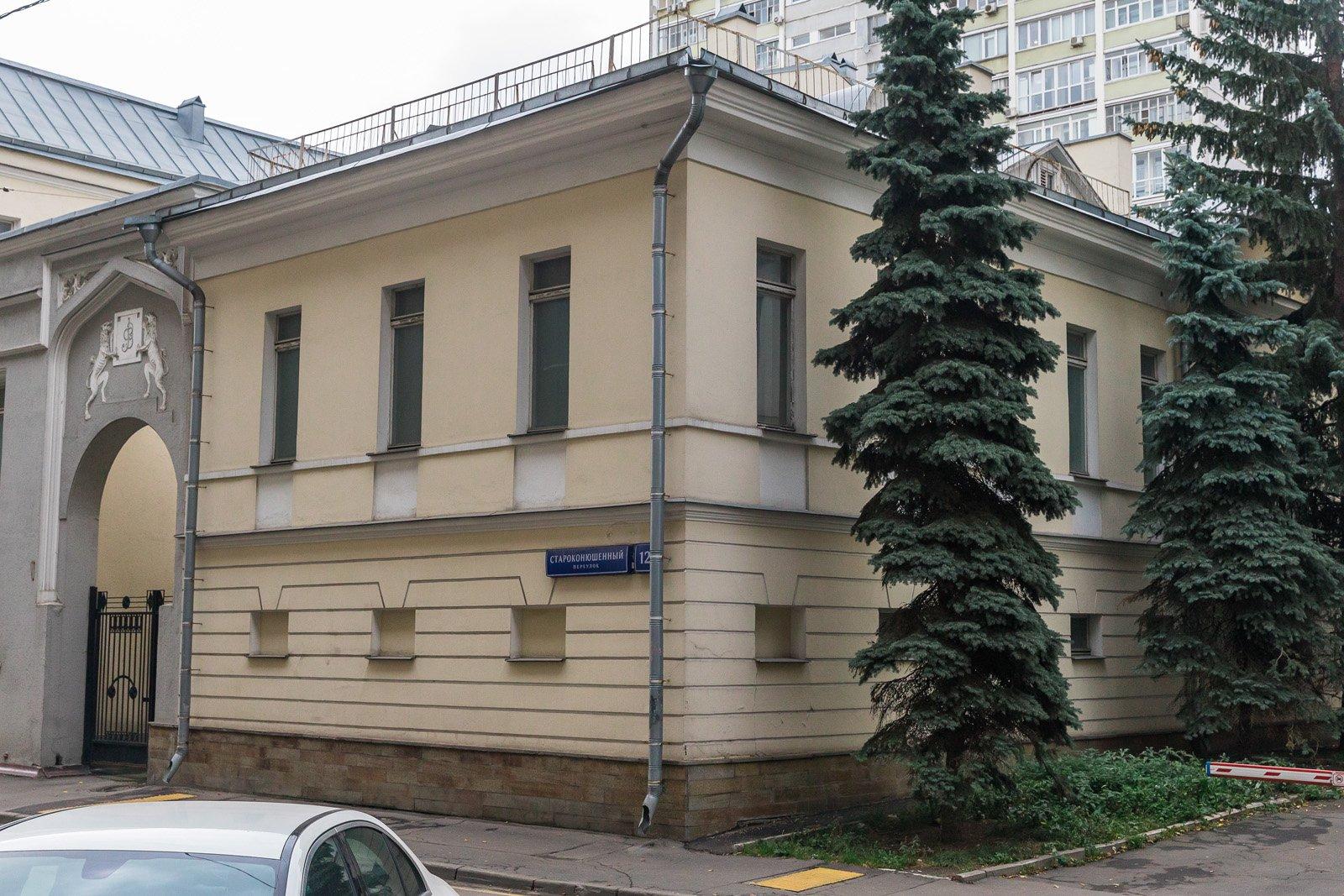
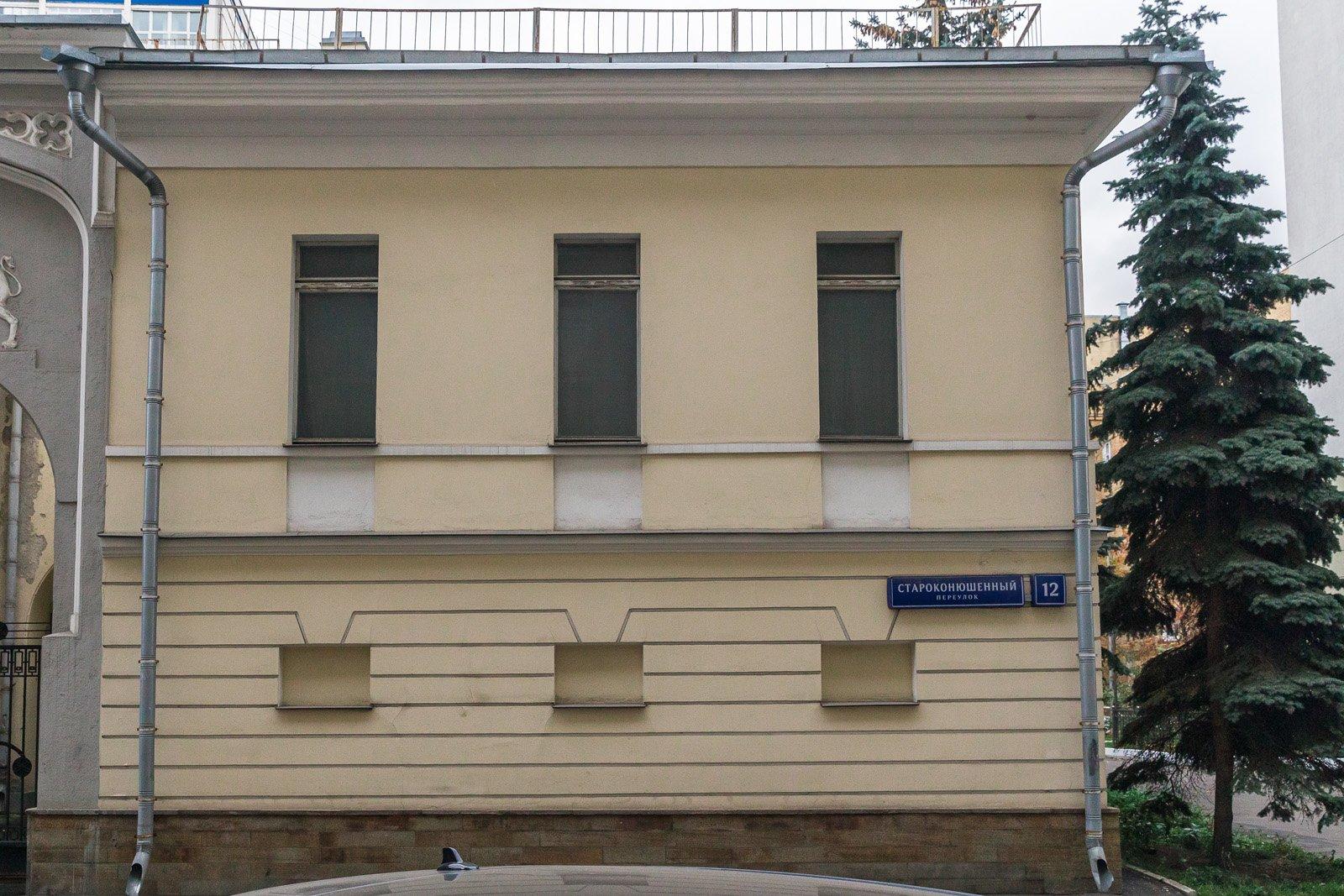
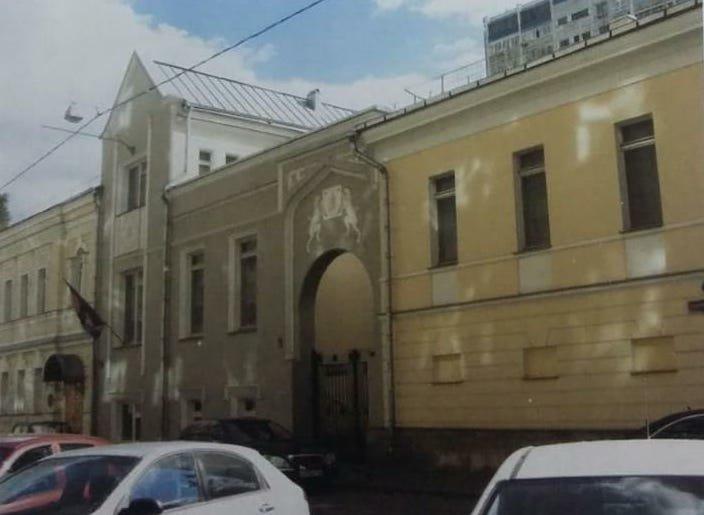
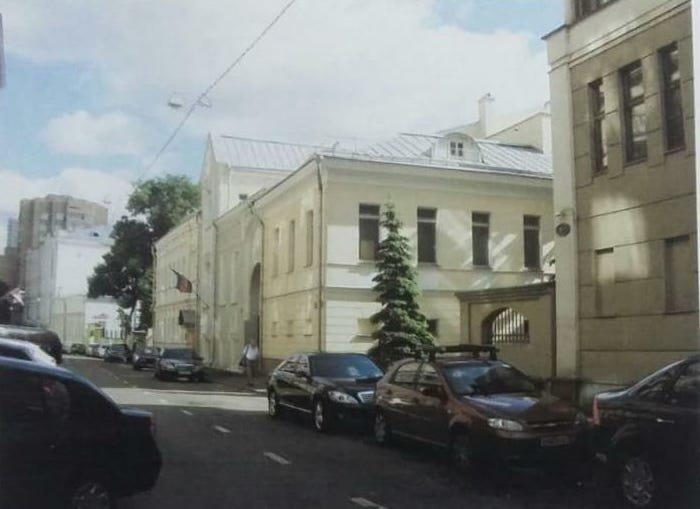
Ну а северный флигель дожил до наших дней. Он не менял свою конфигурацию и сохранил габариты конца XVIII – начала XIX вв. Исследователям не удалось обнаружить первоначального чертежа его фасадов и плана. Существующую отделку в стиле ампир флигель получил после пожара 1812 года. Двухэтажное на подвале каменное здание выходит торцевым фасадом на линию Староконюшенного переулка и вытянуто вглубь участка. Таким образом, основными являются уличный и боковой южный фасад, ранее обращенный к главному дому усадьбы. Центральная часть южного фасада выделена креповкой в три окна, треугольным фронтоном и балконом в уровне второго этажа с изящной металлической решеткой.
Фасады обработаны ленточным рустом в нижнем этаже, второй этаж украшен подоконной тягой и нишей. Обращают на себя внимание горизонтально ориентированные окна первого этажа, расположенные довольно высоко. Это говорит о том, что в какой-то момент внизу была конюшня.
В 1980-х здание было капитально отремонтировано и приспособлено для нужд посольства Камбоджи: были укреплены фундаменты, заменены перекрытия. Была изменена пространственно-планировочная структура флигеля. От первоначальной планировки сохранились только поперечные капитальные стены. Своды и перекрытия утрачены. Тогда же была осуществлена отделка интерьеров, существующая и поныне: включая парадную деревянную лестницу, столбы, панели и другие элементы.
На сегодня это единственная сохранившаяся постройка городской усадьбы. Ее и ныне занимает посольство Камбоджи. Историческое здание имеет охранный статус и является объектом культурного наследия регионального значения.
Евгения Твардовская
The northern wing however, survived to our days. The plot layout and the mass remained as they were in the late 18th–early 19th centuries. Researchers failed to find original design drawings of its facades and layout. The Wing's existing Empire style decor was made after the 1812 fire. The side walls of the two storey building on a stone basement face the Starokonyushenny Lane's frontage line, while the building itself stretches far into the plot. Thus, the main facades are the lane facing and the southern ones, the latter used to be facing the homestead main house. The central part of the southern facade is accentuated with a three window avantcorps and a triangular pediment, while the balcony on the first floor is decorated with a delicate metal lattice.
The facades have banded rustication in the ground floor and the first floor is decorated with sub window ledges and a niche. Laterally oriented windows of the ground floor, located rather high above the ground level, are quite eye catching. They suggest that once there was a stable in the lower part.
In 1980s, the building was totally renovated and adapted for the needs of the Embassy of Cambodia: the foundation was reinforced and the ceiling structures were replaced. The spatial and layout composition of the Wing was altered. Of the original interior layout, only the load bearing walls have survived. Vaults and ceiling structures were demolished. At the same time, the interior decor was made that still exist to the present days: ithe main wooden staircase, pillars, panels and other elements.
Today it is the only survived building of the city homestead. It is still occupied by the Embassy of Cambodia. The historic building is under the state protection as a cultural heritage site of regional significance.
Evgenia Tvardovskaya