Интерактивный гид по городу
С мобильным приложением бродить по городу гораздо интереснее!

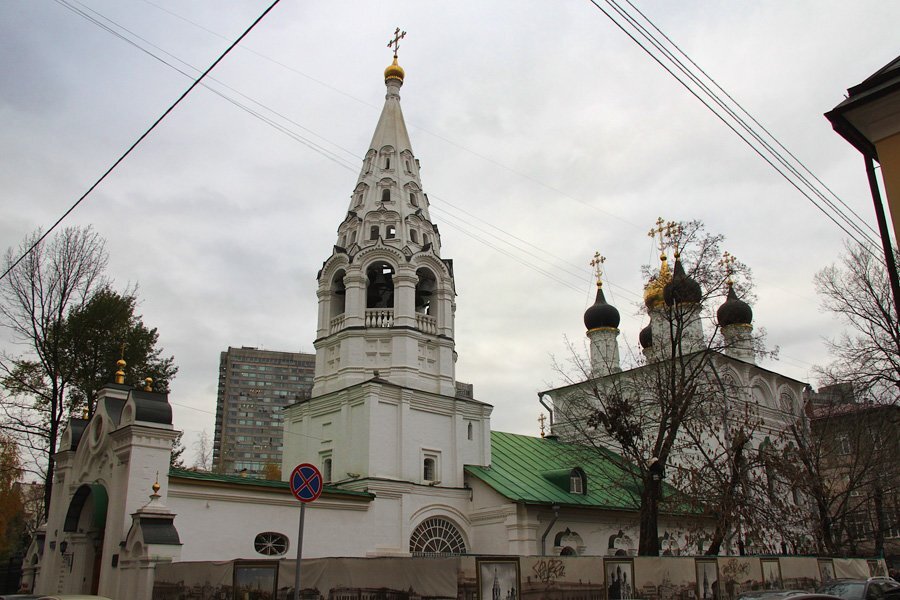
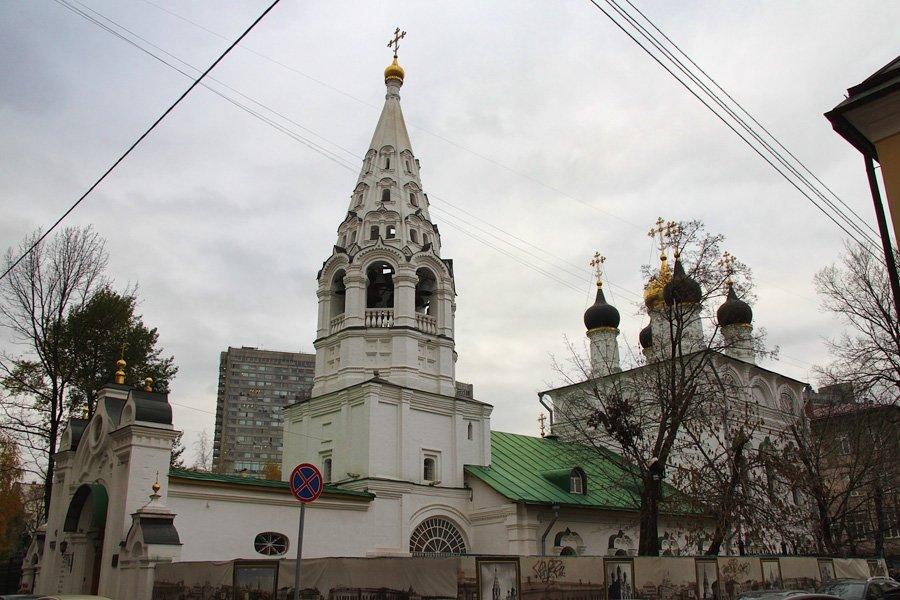
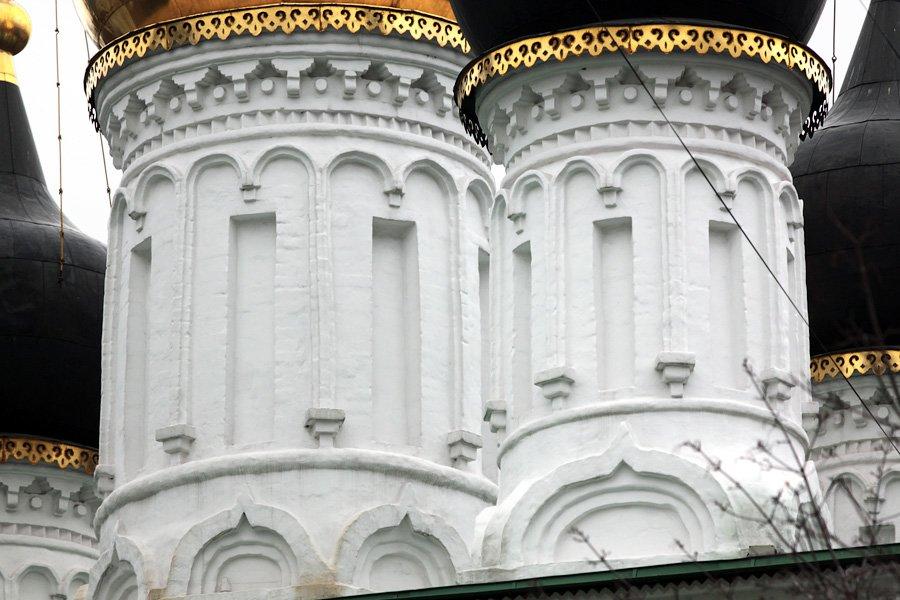
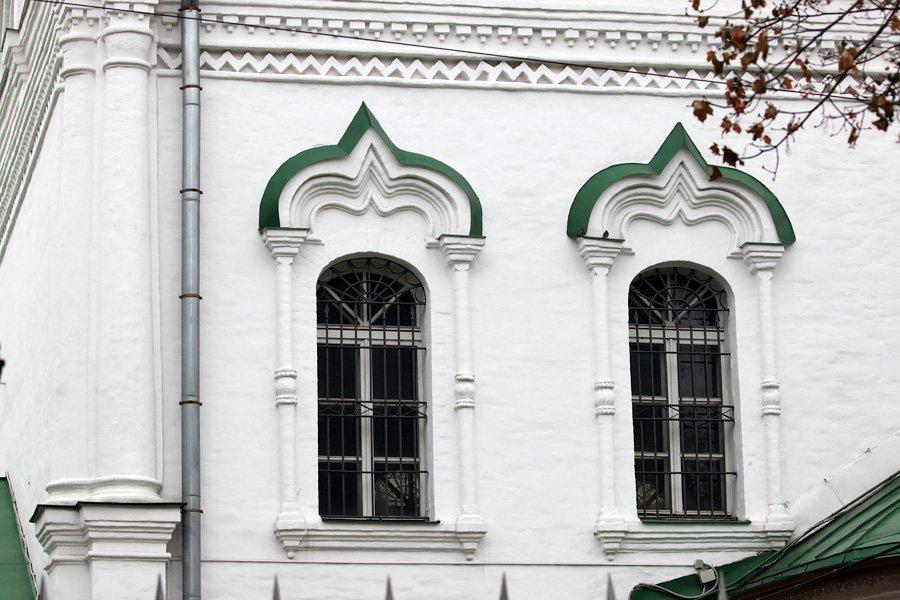
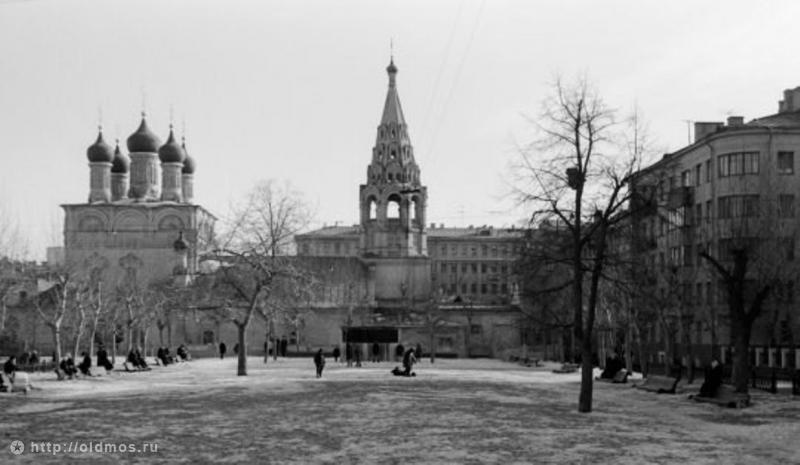
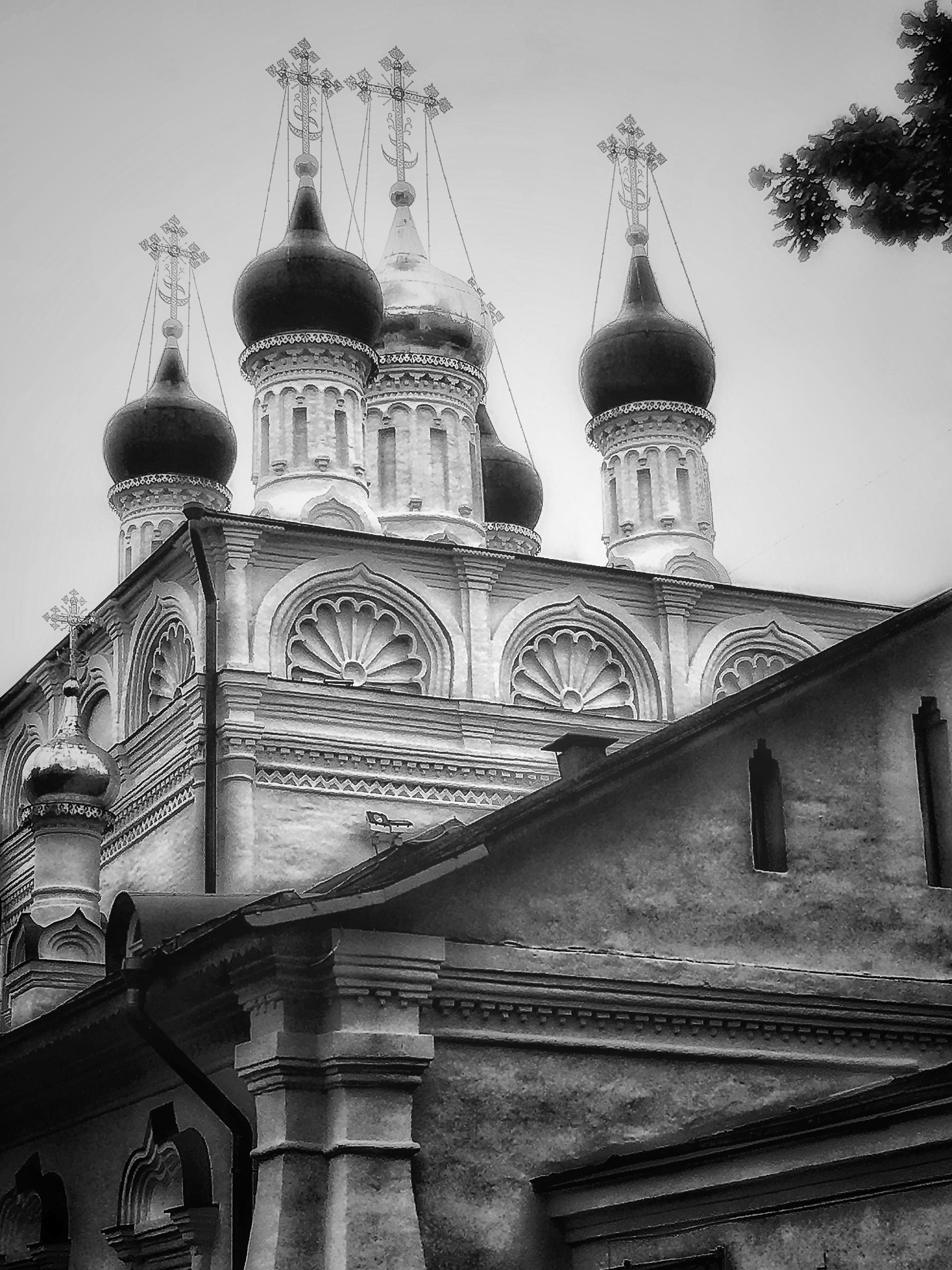
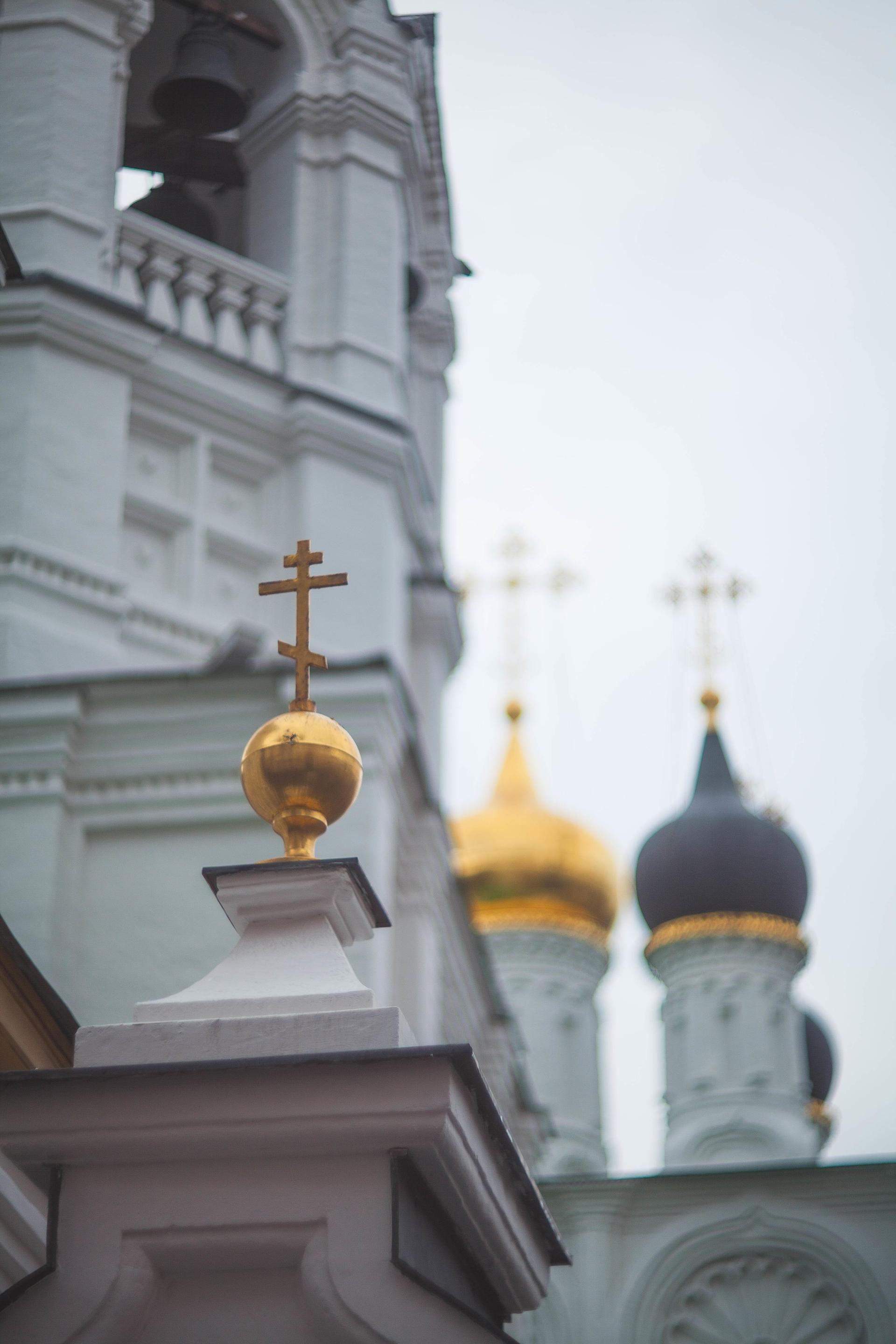
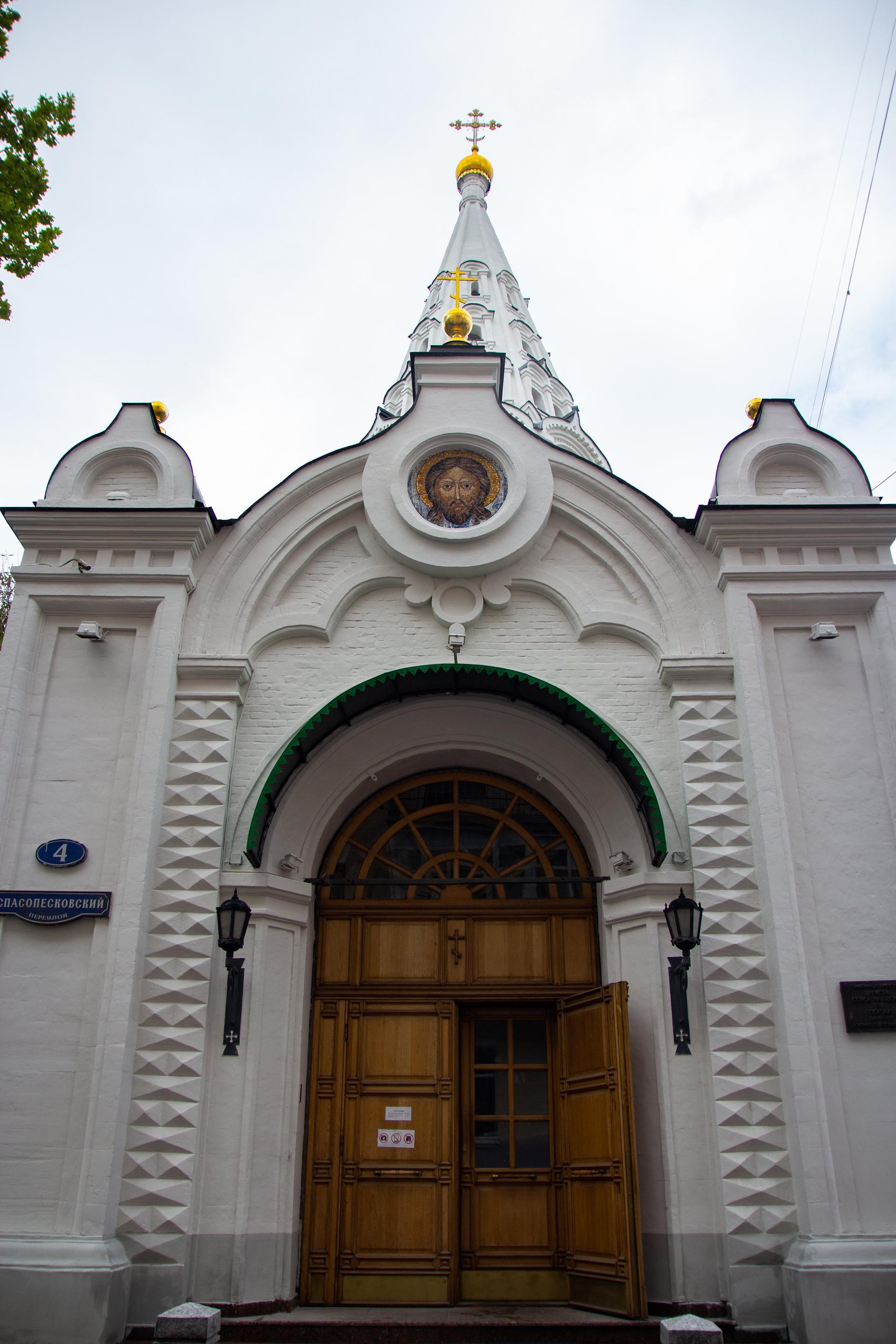
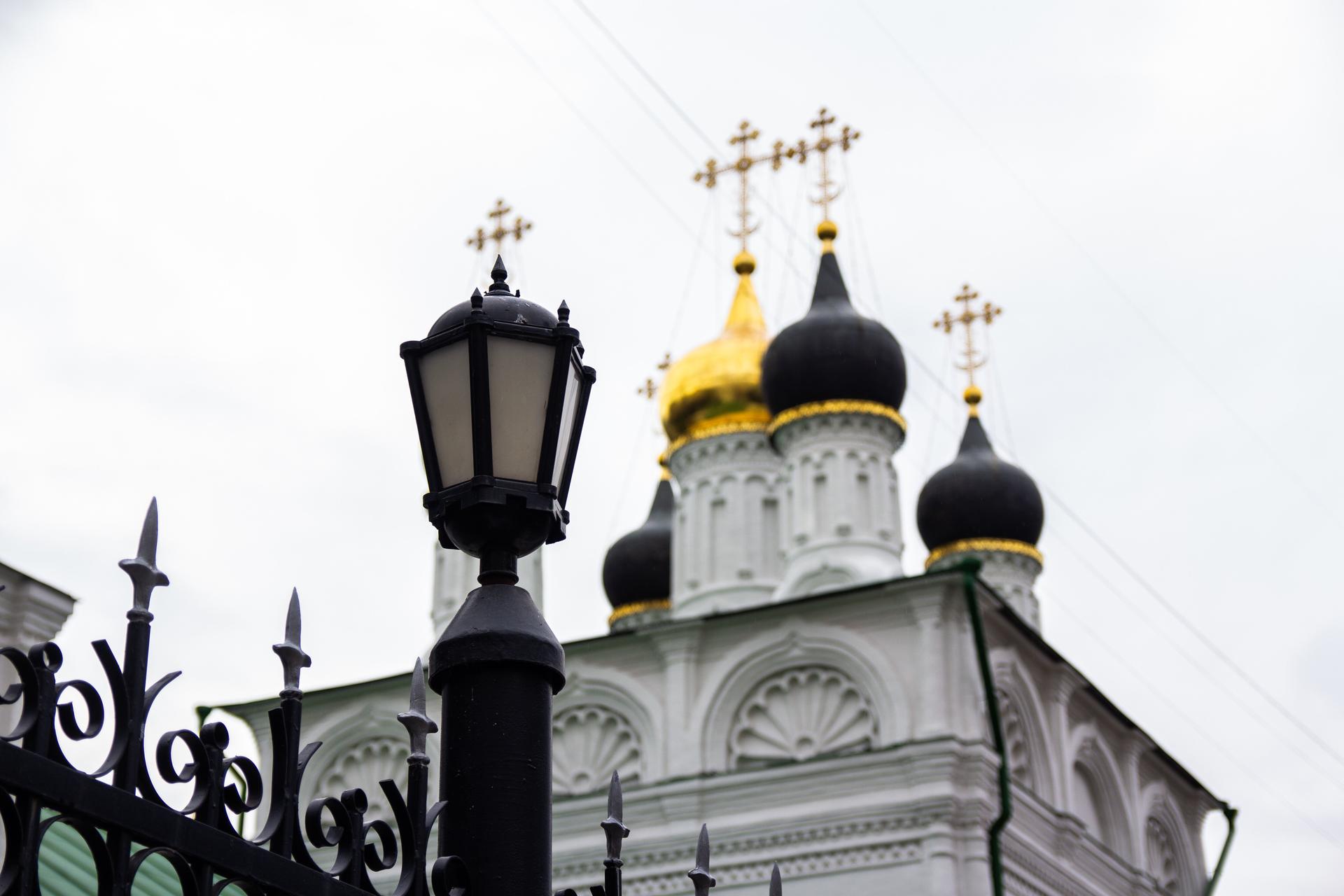
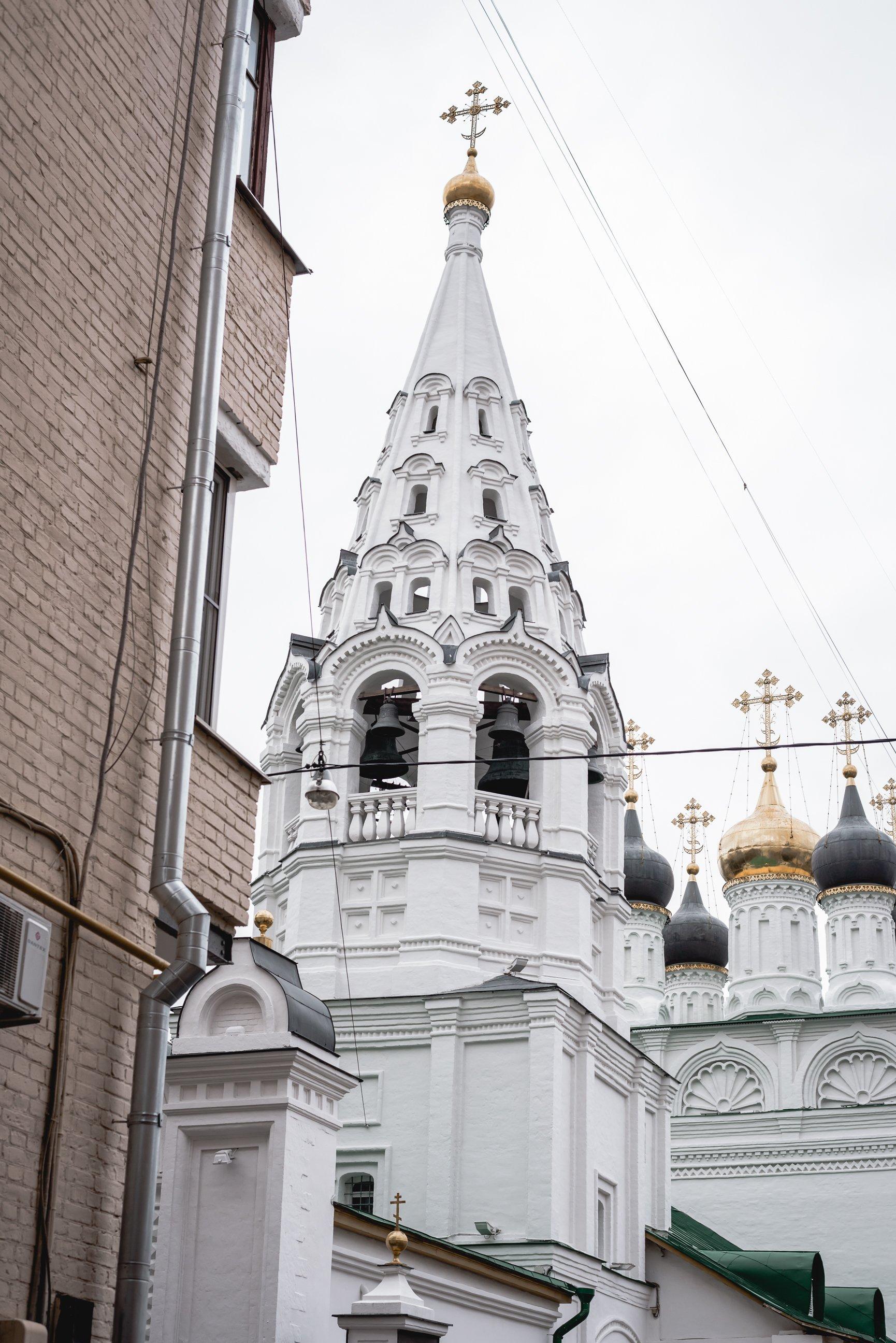
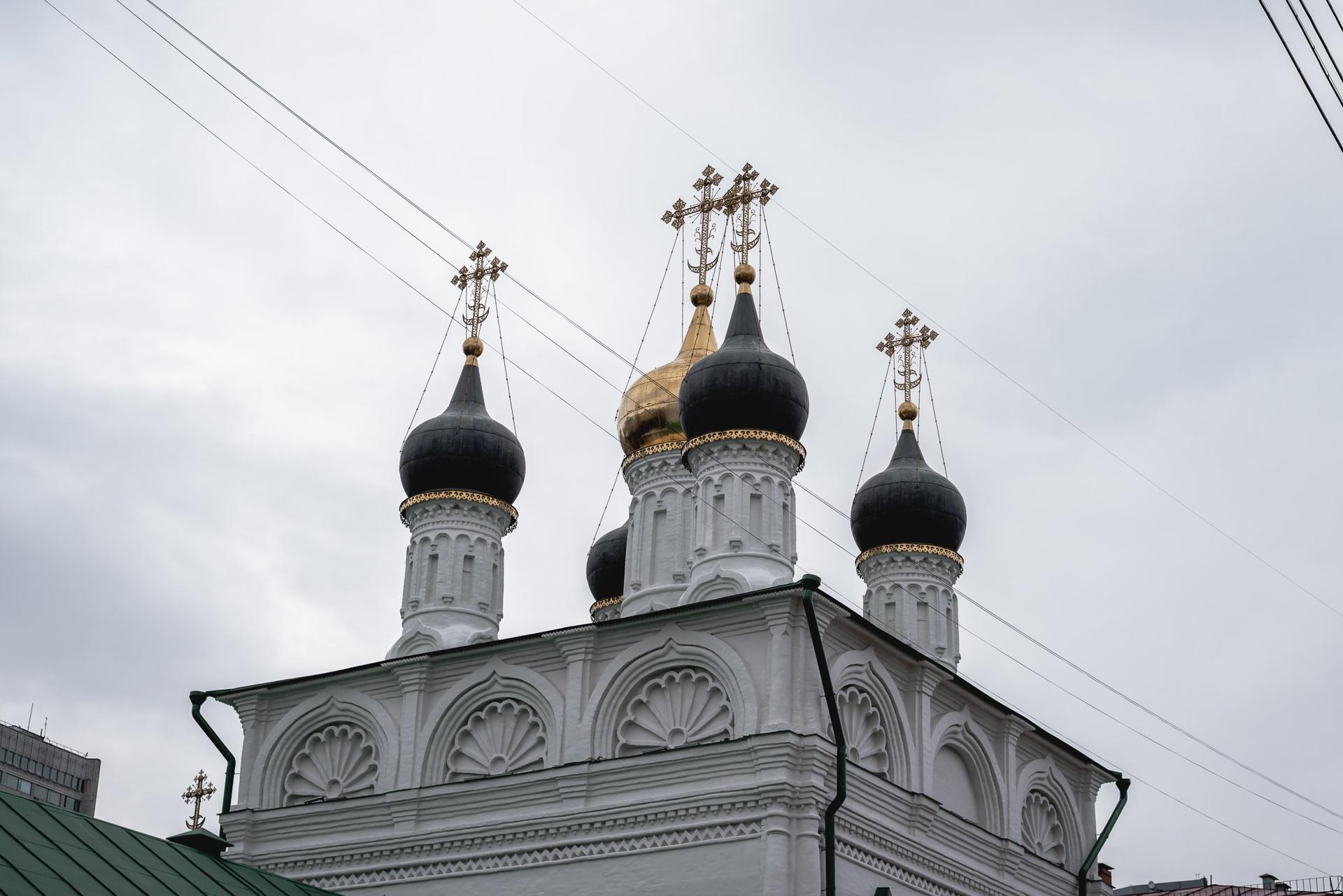
Church of the Saviour on the Sand

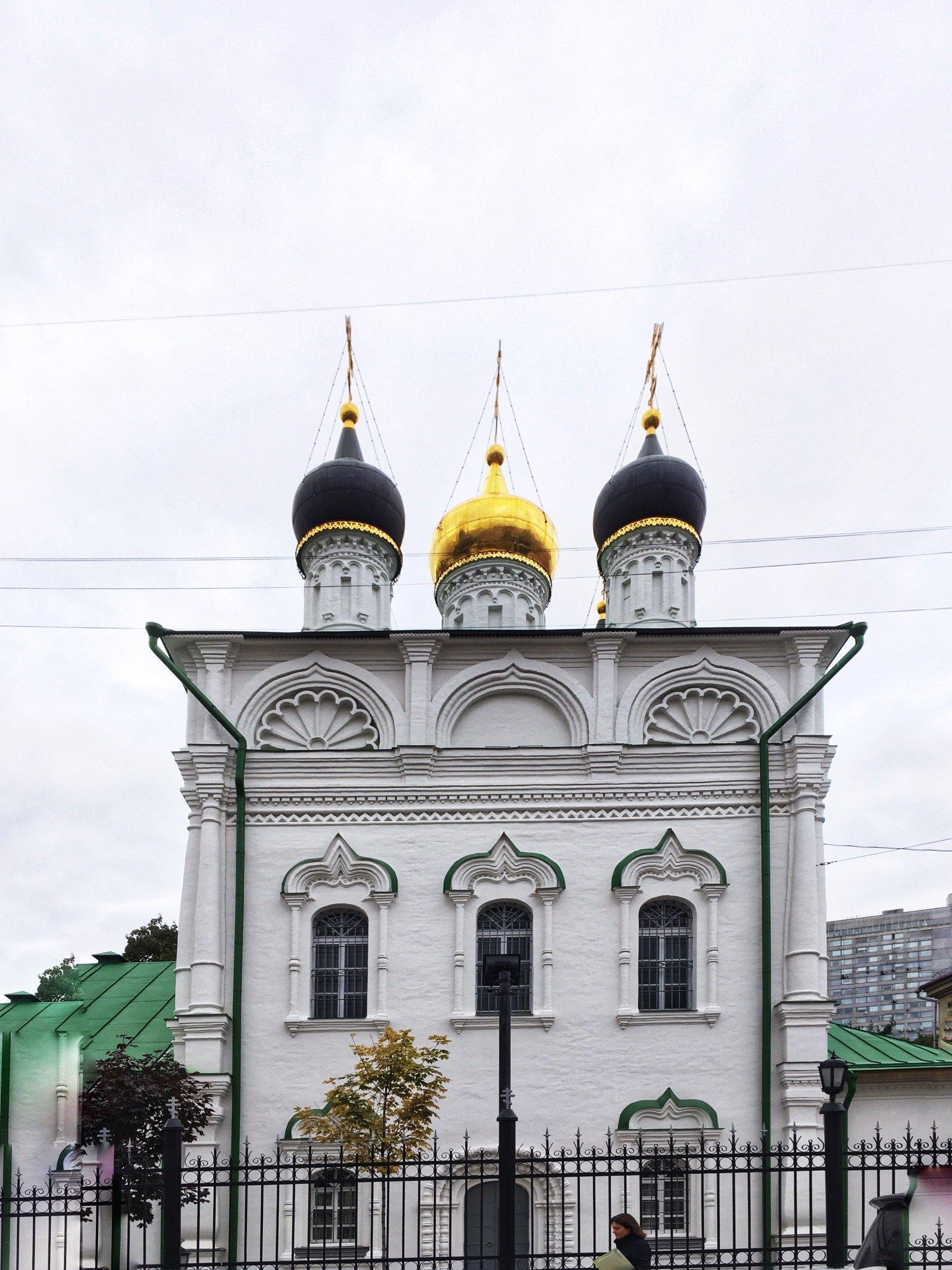
December 12, 1633 in the area adjacent to the Arbat, around the later Spasopeskovskaya site, was posted quartered regiment and his head was appointed - Filon Mikhailovich Onichkov. Soon the archers of Onichkov built themselves a wooden regimental church of the Transfiguration of the Lord. According to the documents, it has been known since 1643, but it arose earlier than this date.

Church of the Saviour on the Sand
December 12, 1633 in the area adjacent to the Arbat, around the later Spasopeskovskaya site, was posted quartered regiment and his head was appointed - Filon Mikhailovich Onichkov. Soon the archers of Onichkov built themselves a wooden regimental church of the Transfiguration of the Lord. According to the documents, it has been known since 1643, but it arose earlier than this date.
5.00
Вы можете воспользоваться QR-кодом, чтобы открыть эту страницу в нашем приложении
Архитектурный стиль:
Годы постройки:
1711
Эпоха:
18th century
Информация о здании

12 декабря 1633 года в местности, прилегающей к Арбату, вокруг позднейшей Спасопесковской площадки был расквартирован стрелецкий полк и назначен его голова – Филон Михайлович Оничков. Вскоре стрельцы Оничкова построили себе деревянную полковую церковь Преображения Господня. По документам она известна с 1643 года, но возникла ранее этой даты.

В 1657 году впервые упоминается новый командир стрельцов, Тимофей Матвеевич Полтев, руководивший полком более 20 лет. Под его командованием стрельцы ходили воевать с поляками в Белоруссию, в 1662 году участвовали в подавлении медного бунта в Москве. Они служили в Казани, воевали с войсками гетмана Брюховецкого на Украине. В 1671 году за усмирение Степана Разина стрельцы Полтева были награждены. В полку в то время состояло около 800 человек.

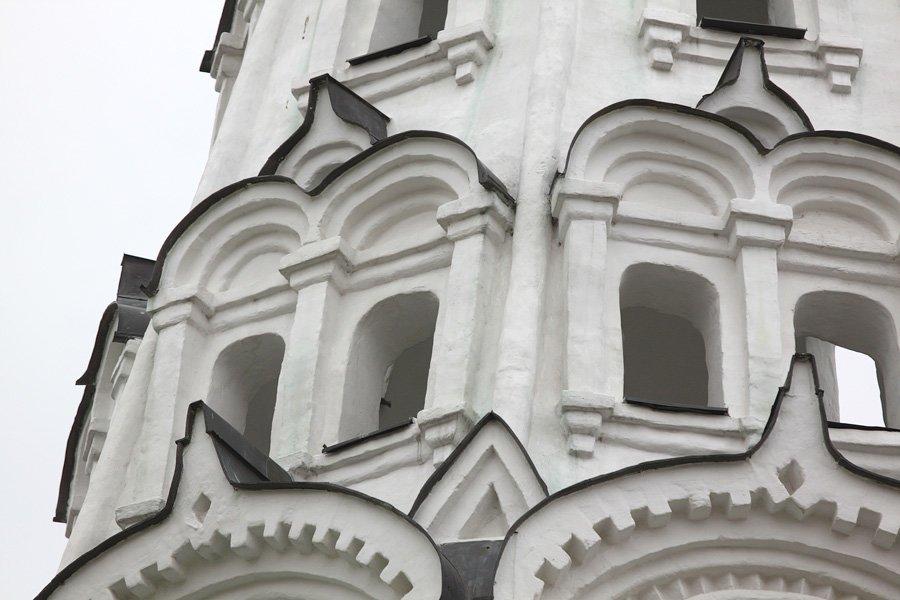
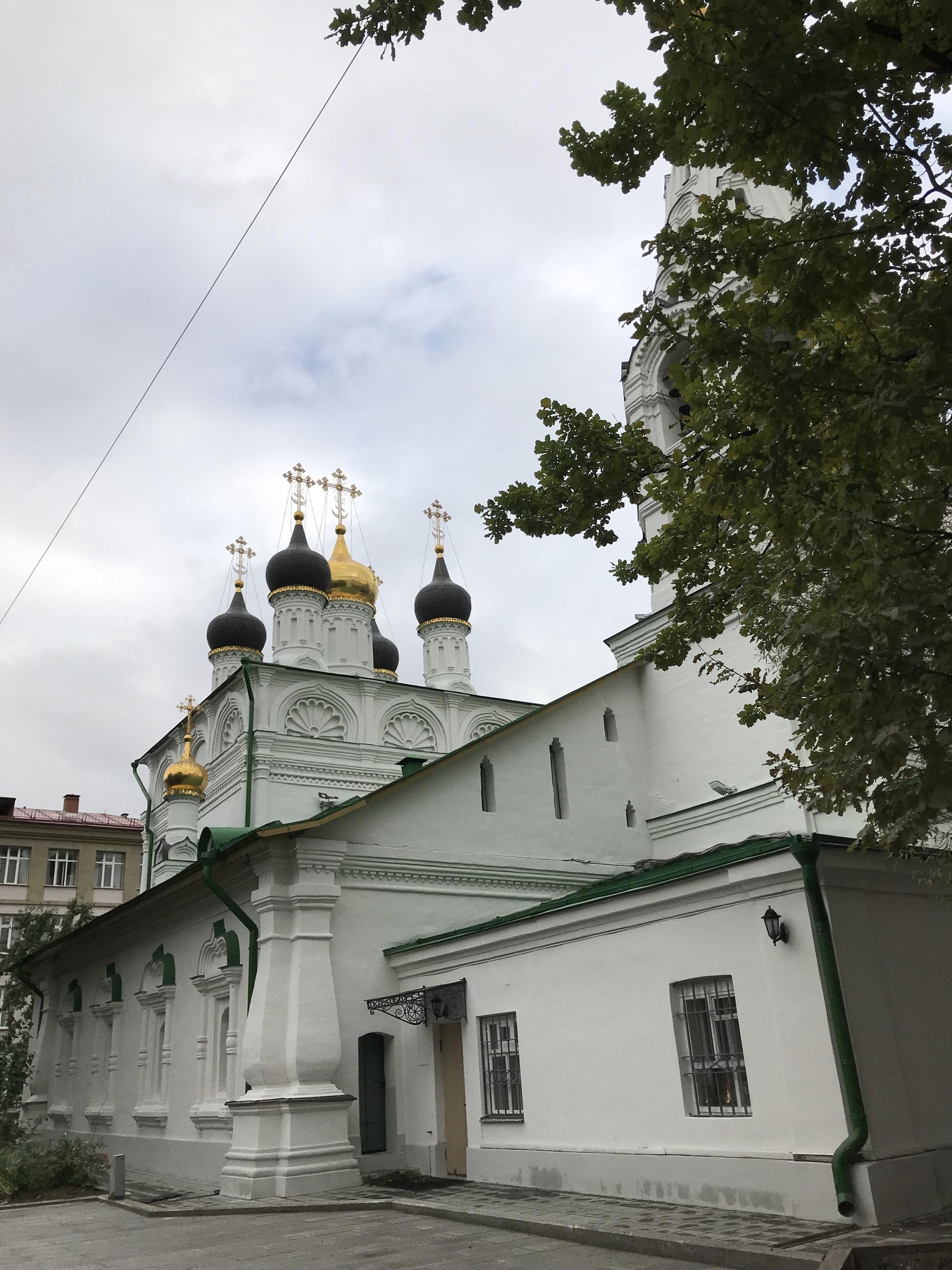
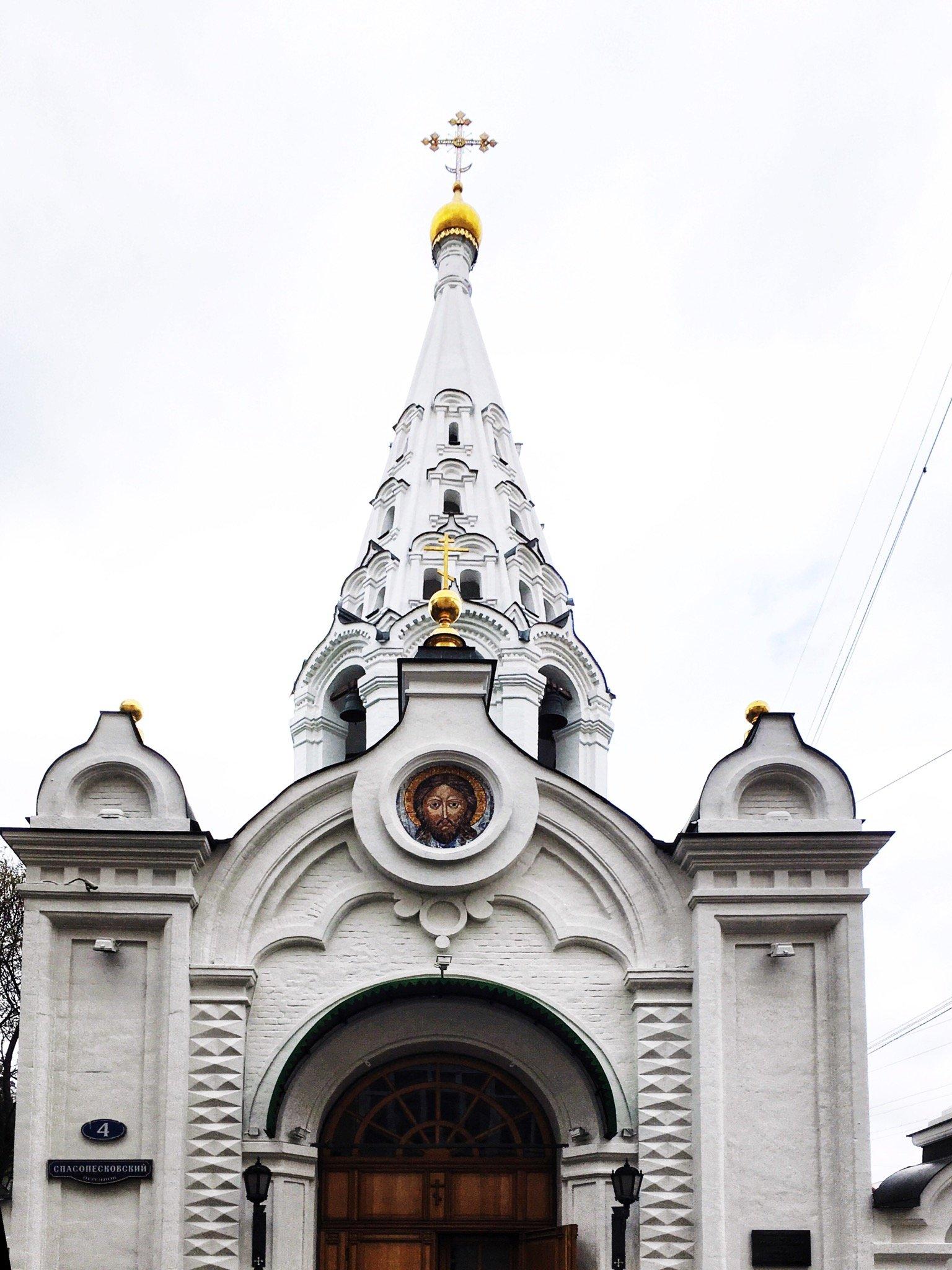
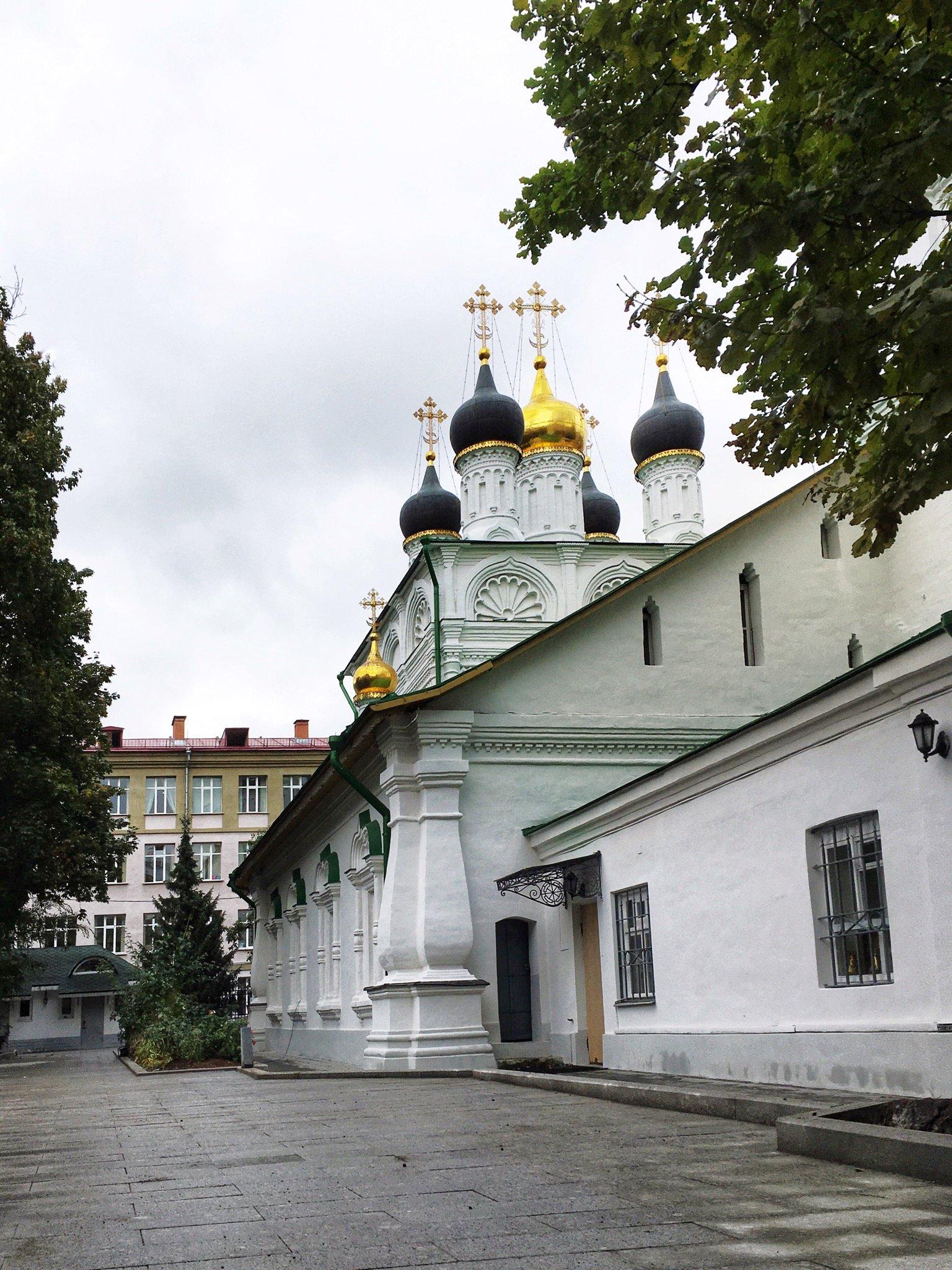
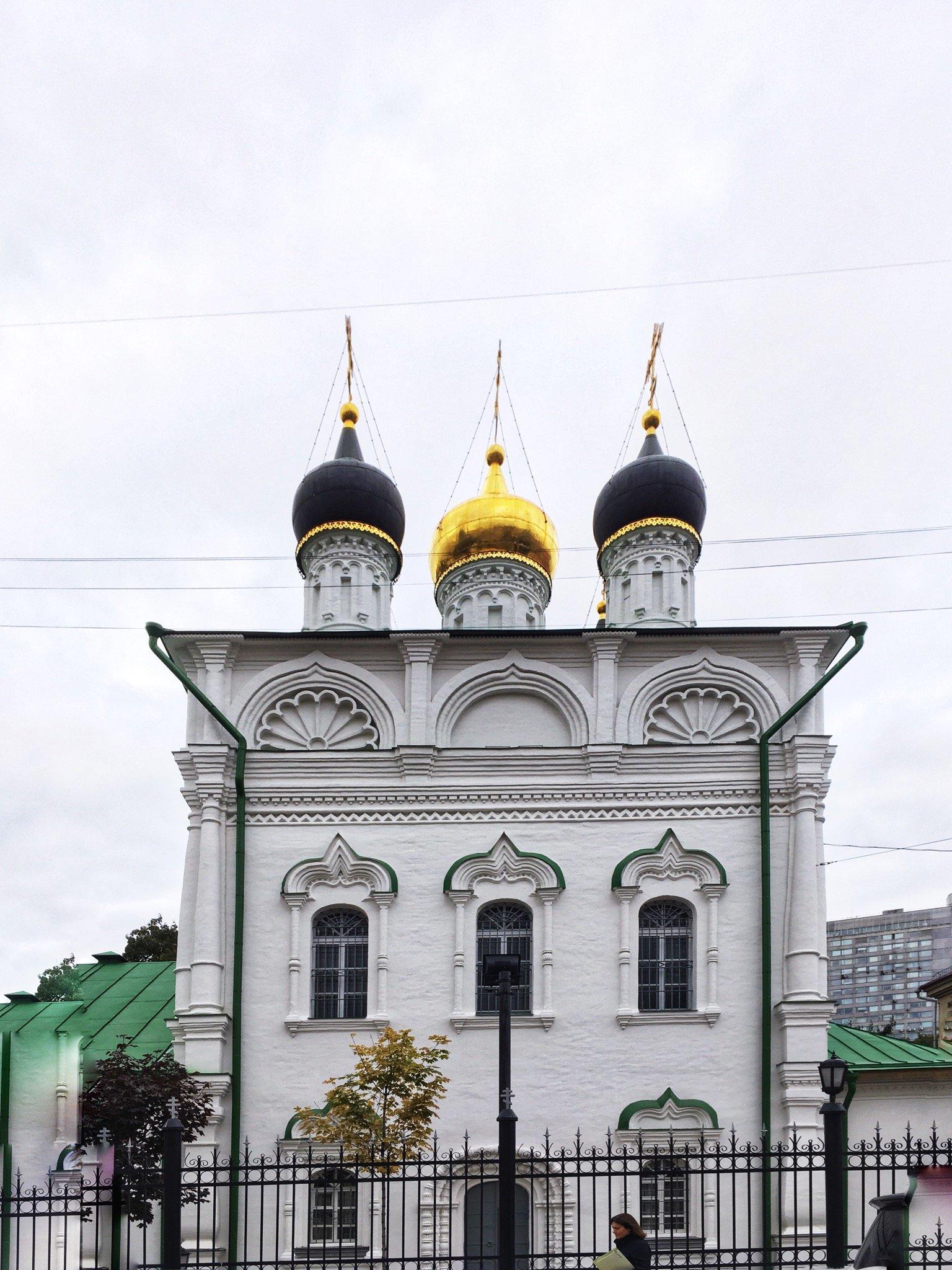
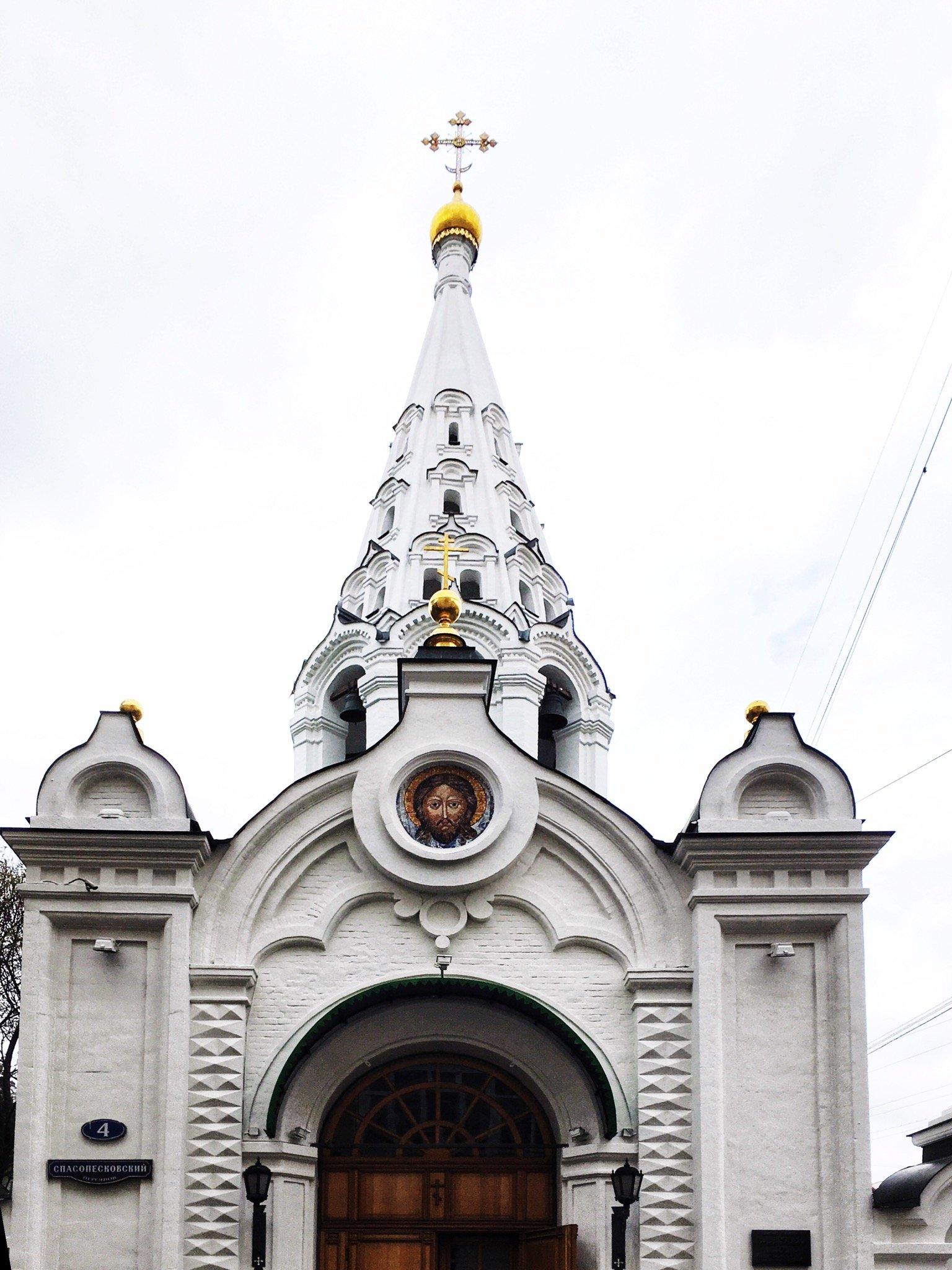
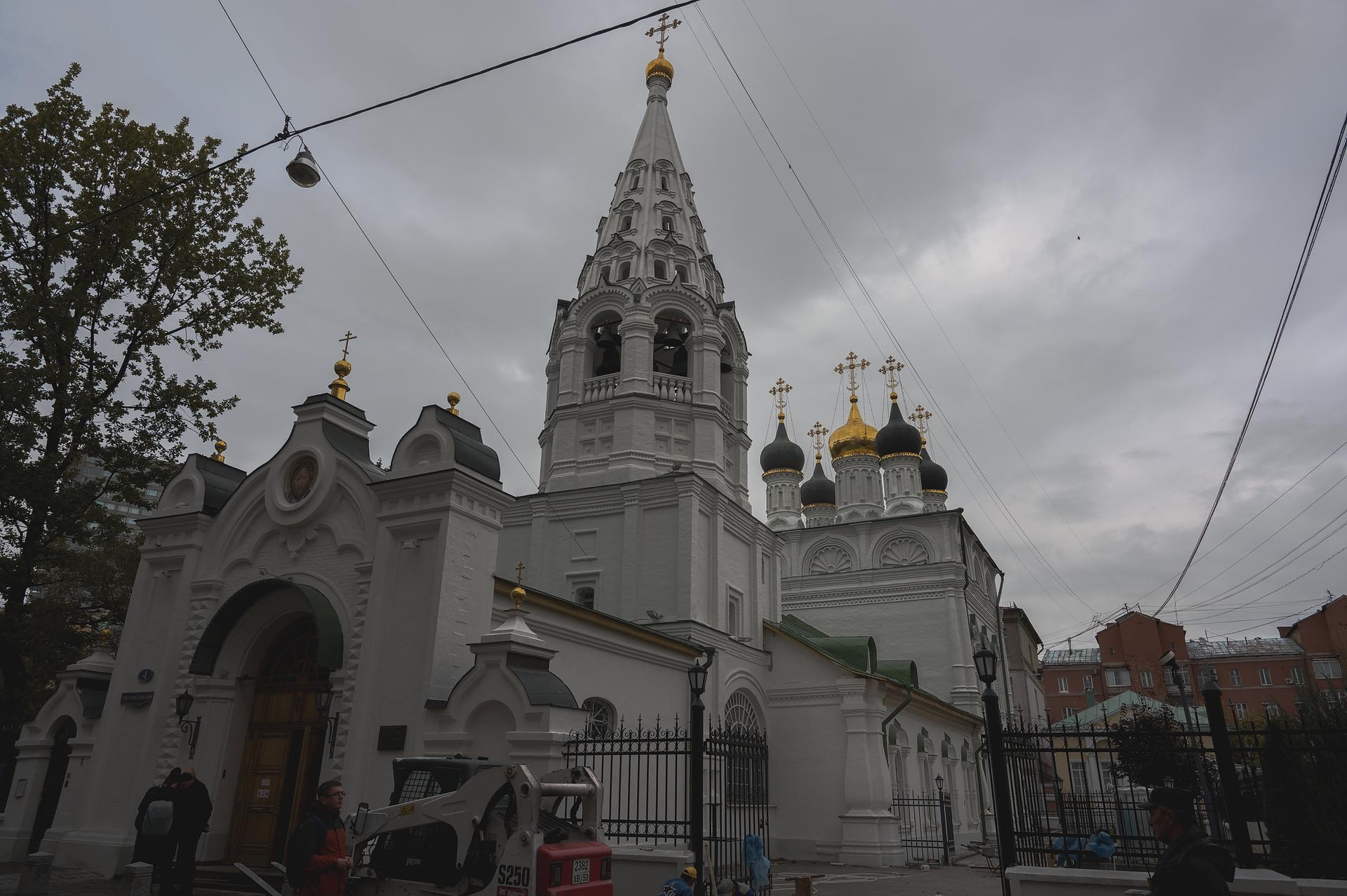
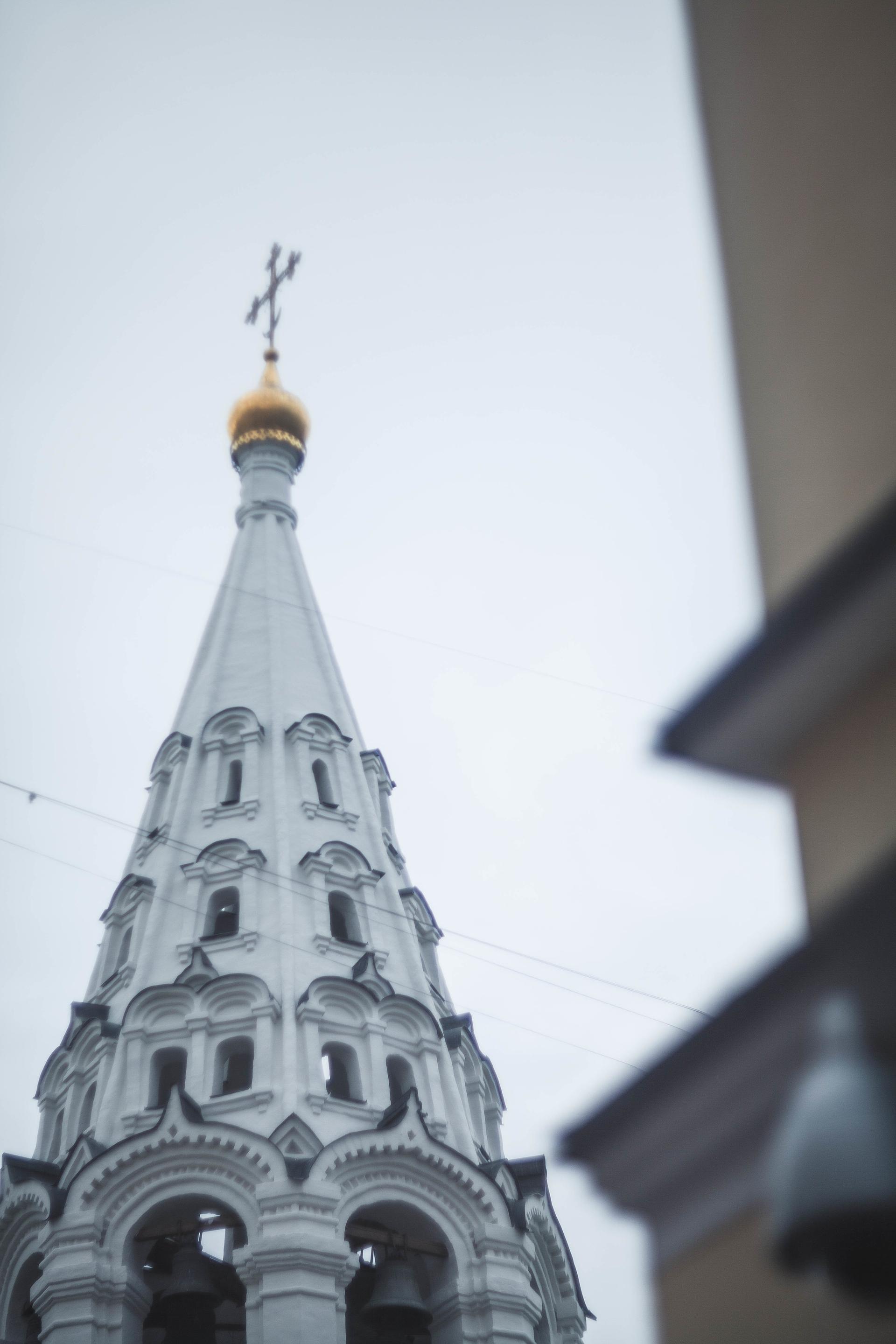
В конце XVII века стрельцами командовал стольник и полковник Григорий Иванович Анненков. В1702 году стрельцы оказались в Батурине вместе с Мазепой, участвовали в Северной войне. Полк был переформирован, а стрелецкие земли в Москве заселили другие люди. Они и построили в 1711 году на месте ветхого стрелецкого храма новую каменную церковь Преображения. Она сохранилась до нашего времени без больших перестроек. В 1846 году были возведены ворота церковной ограды, соединённые с храмом новым притвором в 1891 году.

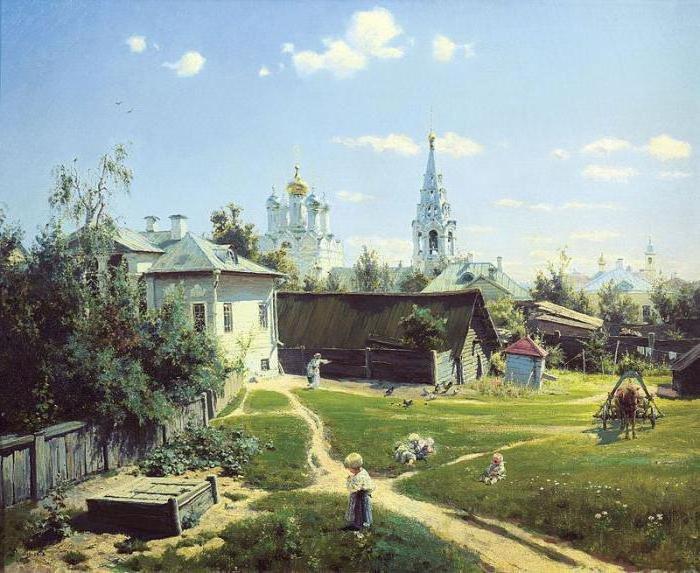
Поблизости, на углу Трубниковского переулка, в 1877-1878 годах снимал квартиру художник В. Д. Поленов. Здесь написал он одну из своих самых известных работ – картину «Московский дворик». На заднем плане этого поэтичного полотна видна церковь Спаса на Песках.

Много лет старостой храма был Сергей Петрович Тургенев, двоюродный брат писателя, Ивана Сергеевича. Это был гусар, адъютант командующего Московским военным округом, богатый человек. Немалые деньги вложил в благоустройство храма и прихода.

Благодаря брату И. С. Тургенев приобрёл у В. Д. Поленова авторское повторение первого варианта картины «Московский дворик». Это полотно висело в комнате писателя до его смерти, напоминая о России и Москве.
В 1931 году советская власть закрыла храм. Здание заняло общежитие Метростроя, а с 1956 года в храме работала студия «Союзмультфильм».

Церковь Спаса на Песках возвращена верующим в 1991 году.

New commander of archers, Timothy Matveevich Poltev, was first mentioned in 1657. He led a regiment for more than 20 years. Under his command, the archers went to war with the Poles in Belarus, took part in the suppression of the rebellion of copper in Moscow in 1662. They served in Kazan, fought with the forces of Hetman Briukhovetsky in Ukraine. Archers of Poltev awarded for the suppression of Stepan Razin in 1671. The regiment consisted of about 800 people at that time. The steward and Colonel Grigory Annenkov commanded musketeers at the end of the XVII century. The archers were in Baturin, together with Mazepa in 1702, participated in the Great Northern War. Later the regiment reorganized, and their land in Moscow was inhabited by other people. They have built new stone church of the Transfiguration on the site of the old musketeers’ temple in 1711. It has been preserved to our day without large rearrangements. In 1846, the gates of the church fence were erected, connected with the temple with a new porch in 1891. Painter Vasily Polenov rented an apartment nearby, at the corner of the Trubnikovsky alley in 1877-1878. Painting “Moscow courtyard” is one of his most famous works created here. Church of the Savior on the Sands is visible on the background of this poetic painting. Sergei Petrovich Turgenev, a cousin of the writer Ivan Sergeyevich was the head of the parish for many years. He was a hussar adjutant commander of the Moscow Military District and a rich man. He invested a lot of money in the improvement of the church and parish. Thanks to brother, Ivan Turgenev bought a copyright repetition of the first versions of the “Moscow Courtyard” painting from V.D. Polenov. This painting hang in the room of the writer before his death, reminding him of Russia and Moscow. Soviet authorities closed the church down in 1931. Priest Sergei Uspensky that served in the church for 40 years executed soon after. Metrostroi hostel occupied the building and Soyuzmultfilm studio moved in 1956. Church of the Savior on the Sands returned to believers in 1991.