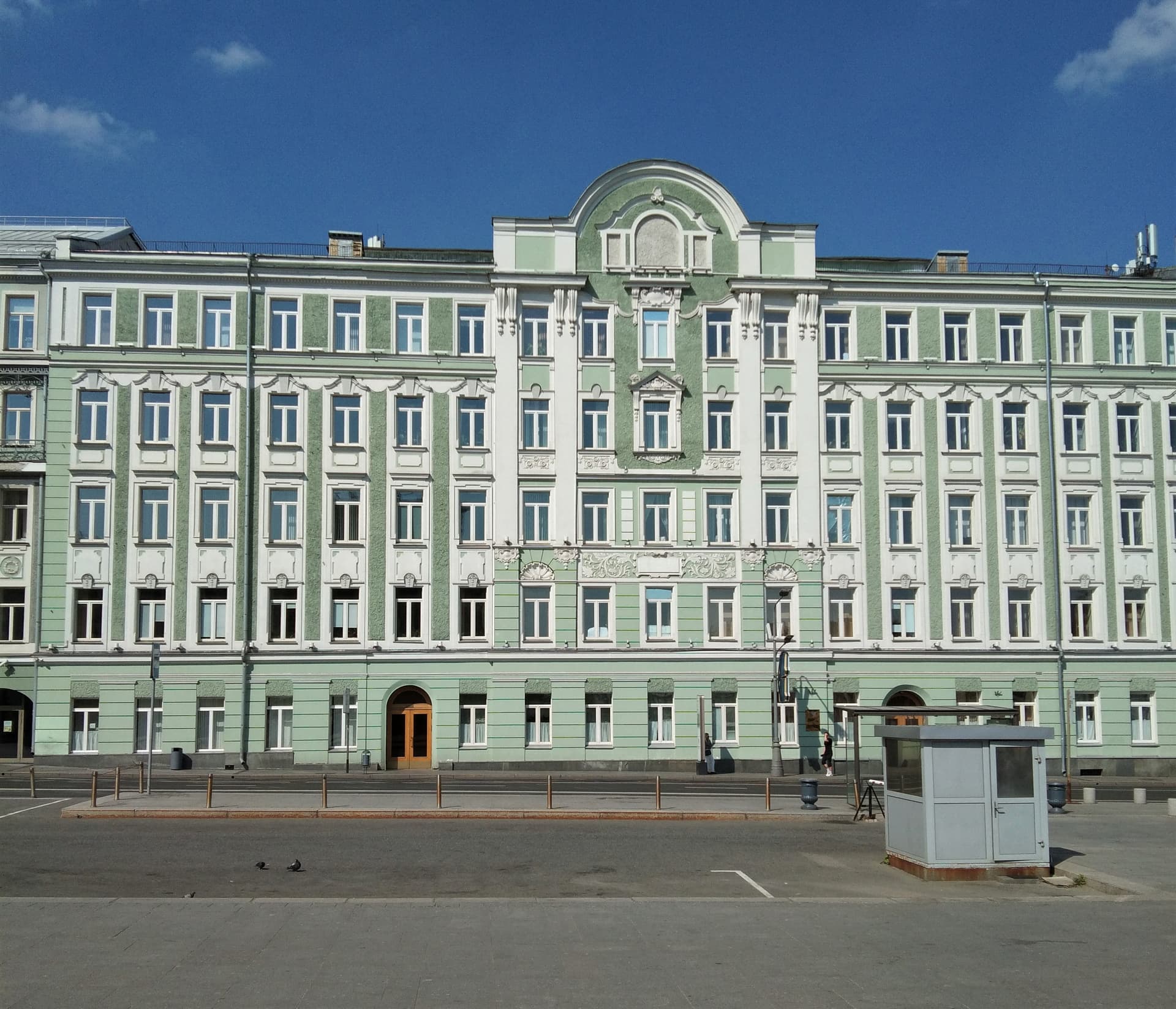
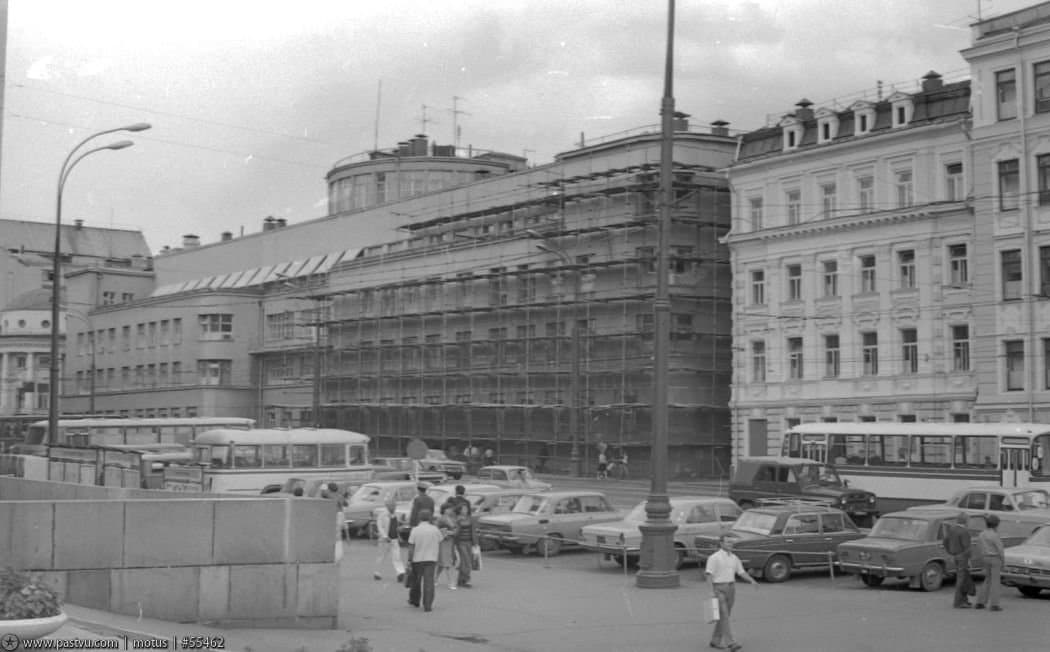
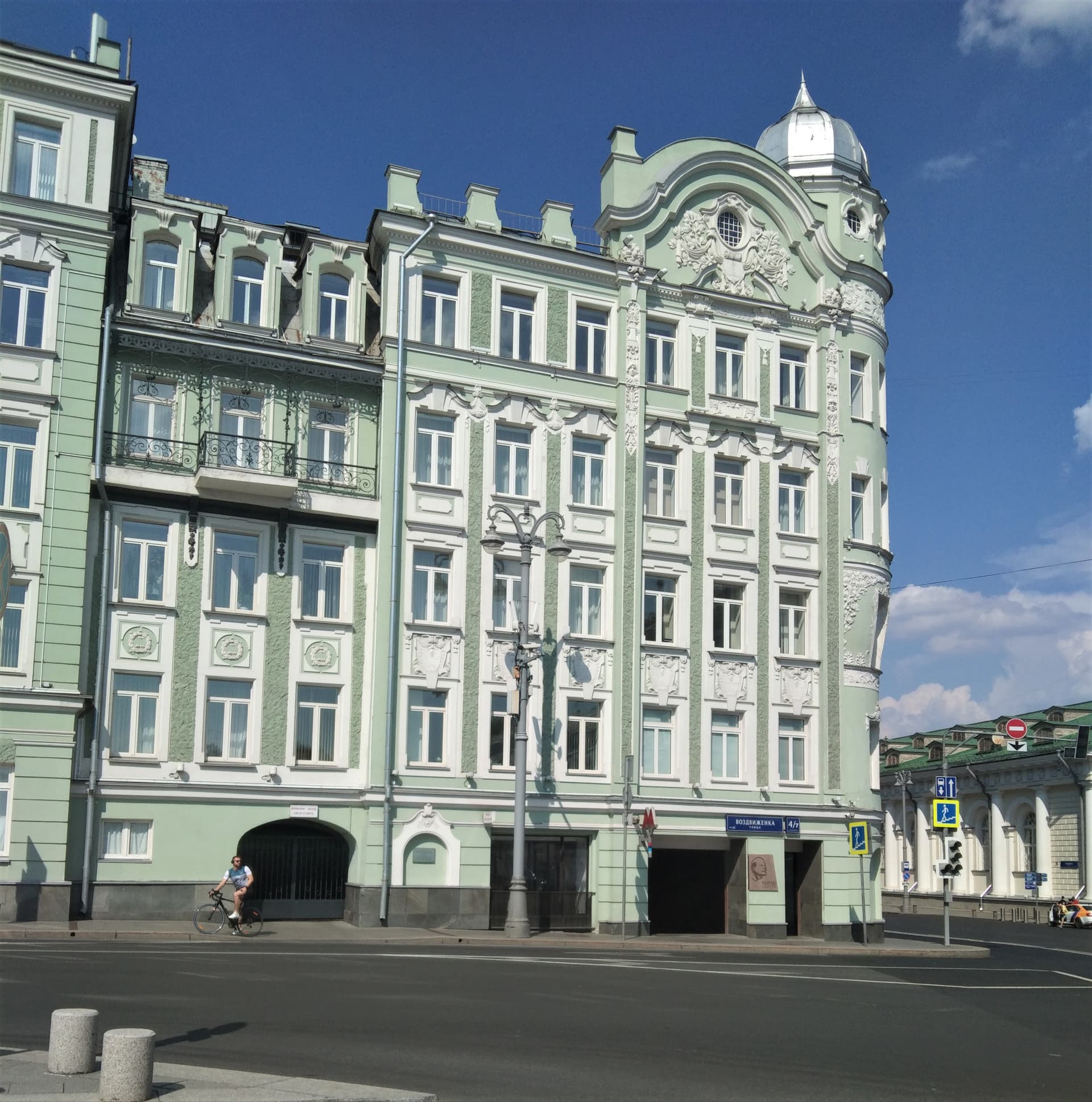
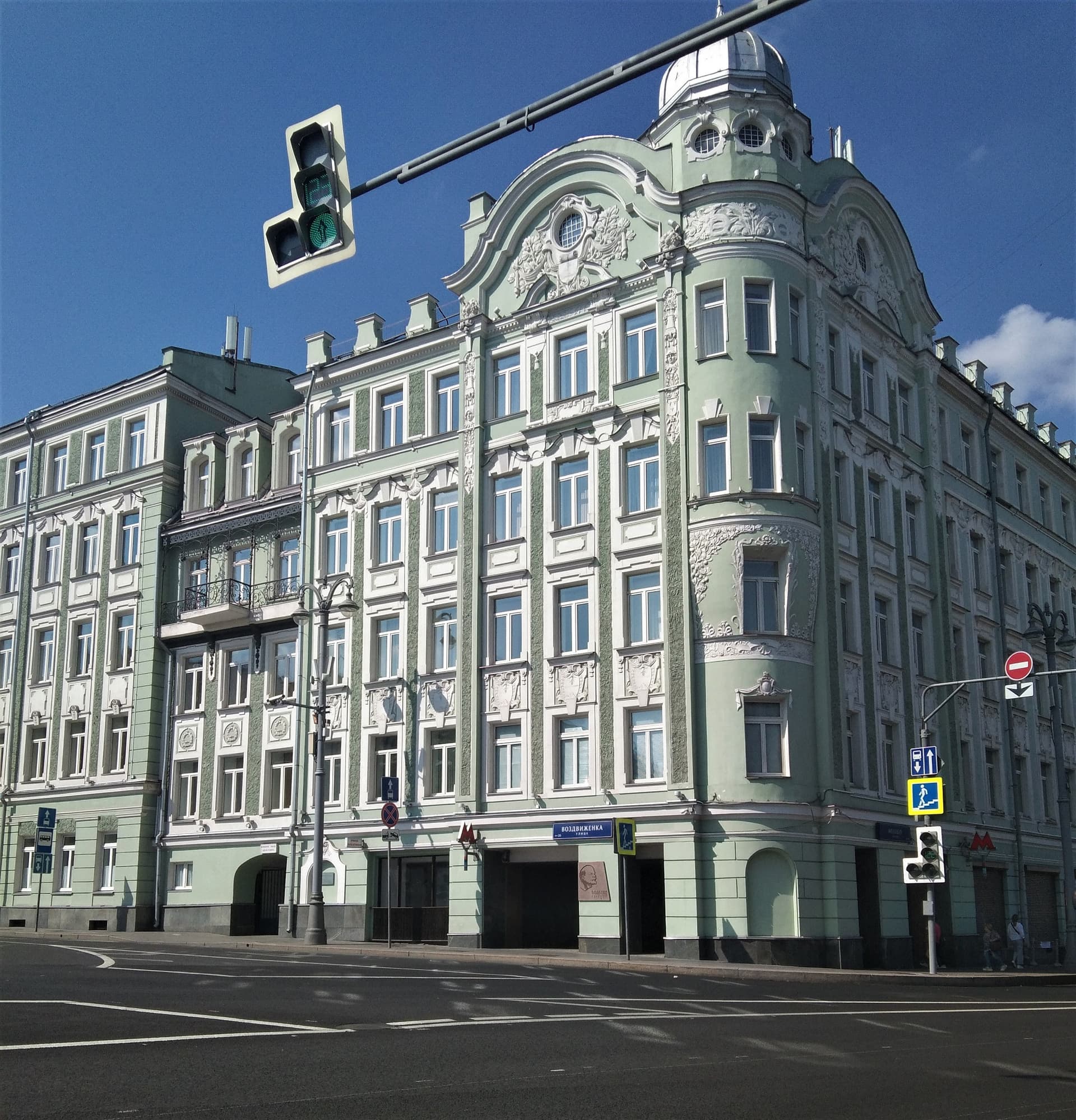
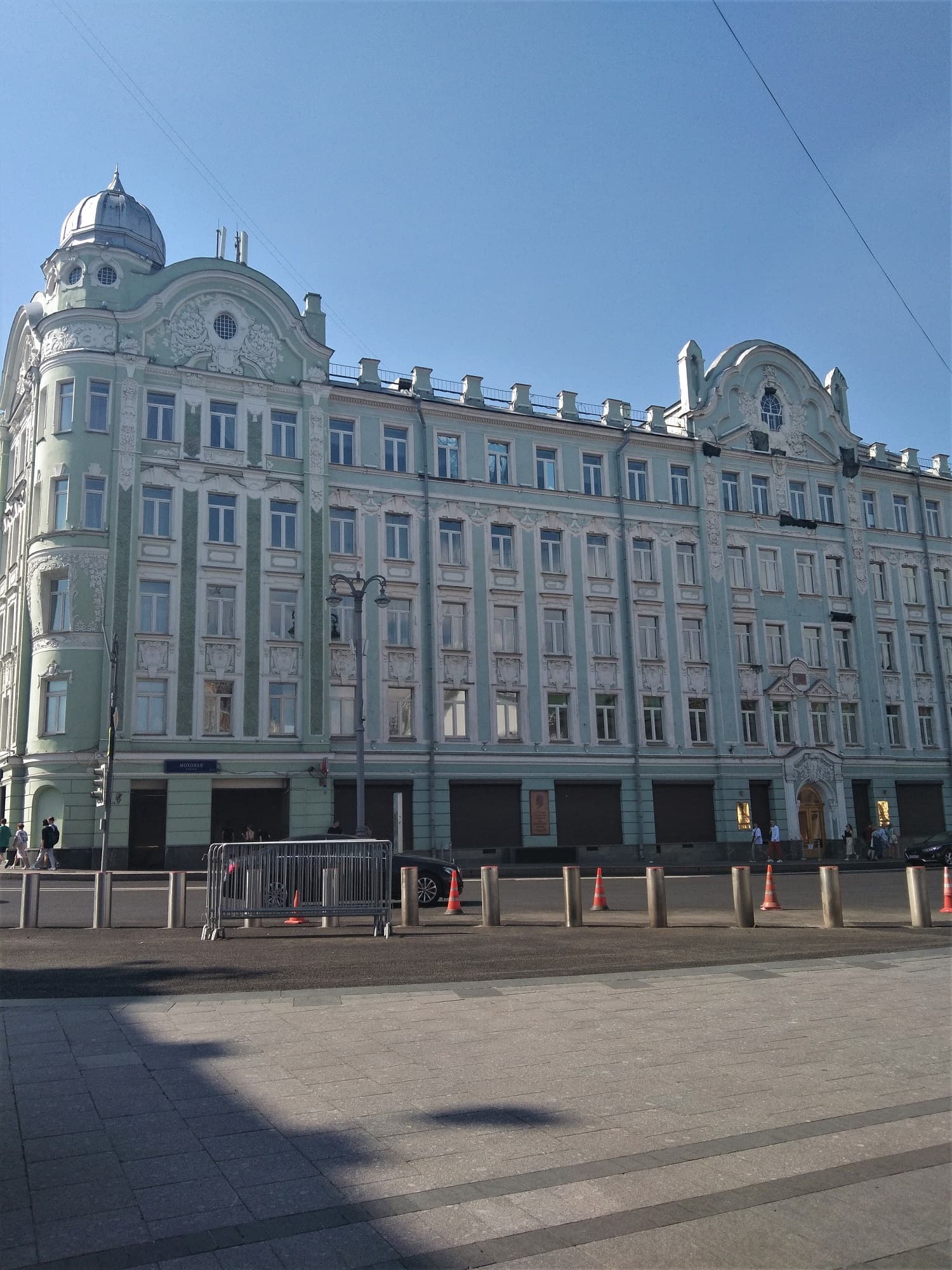
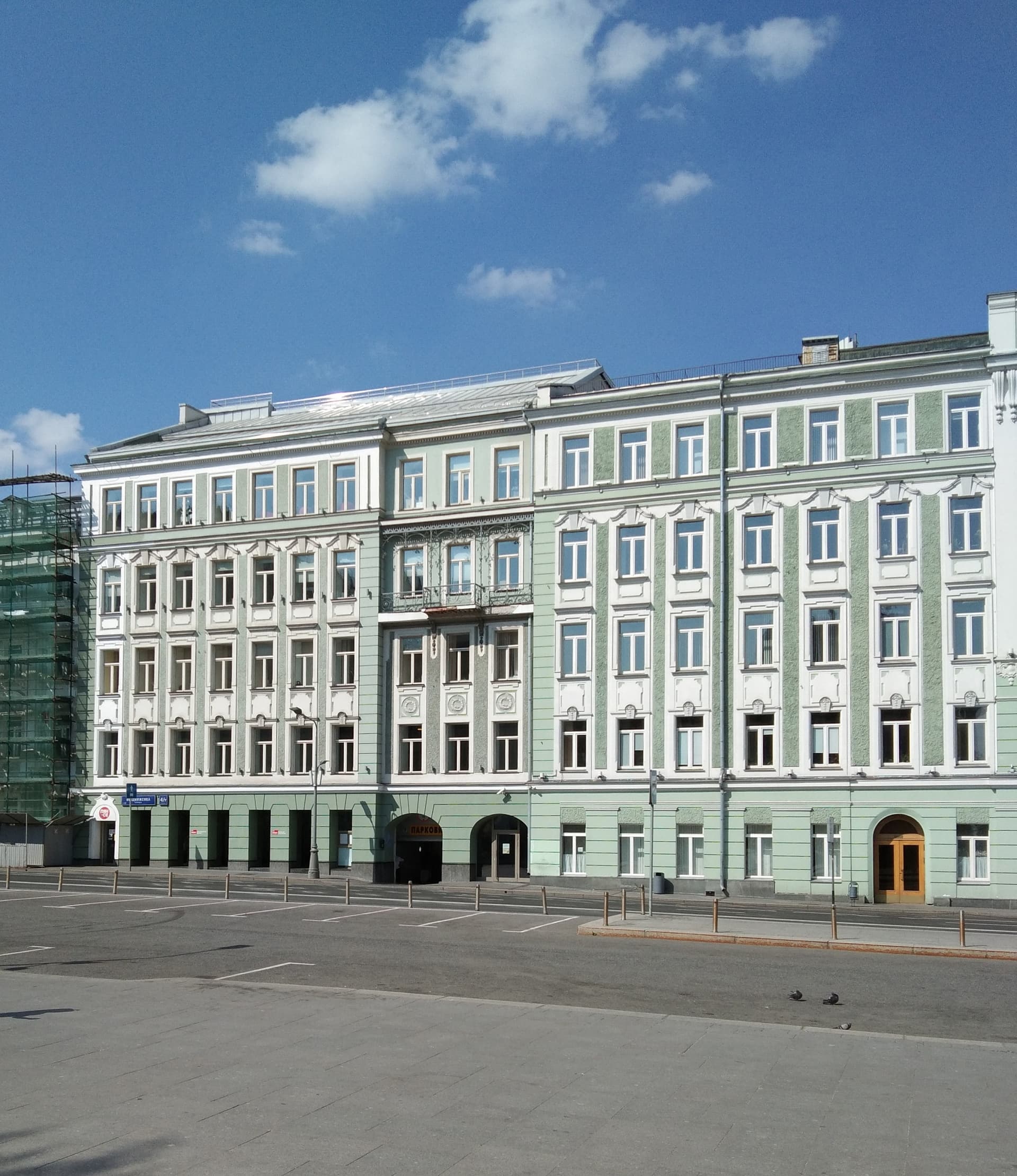
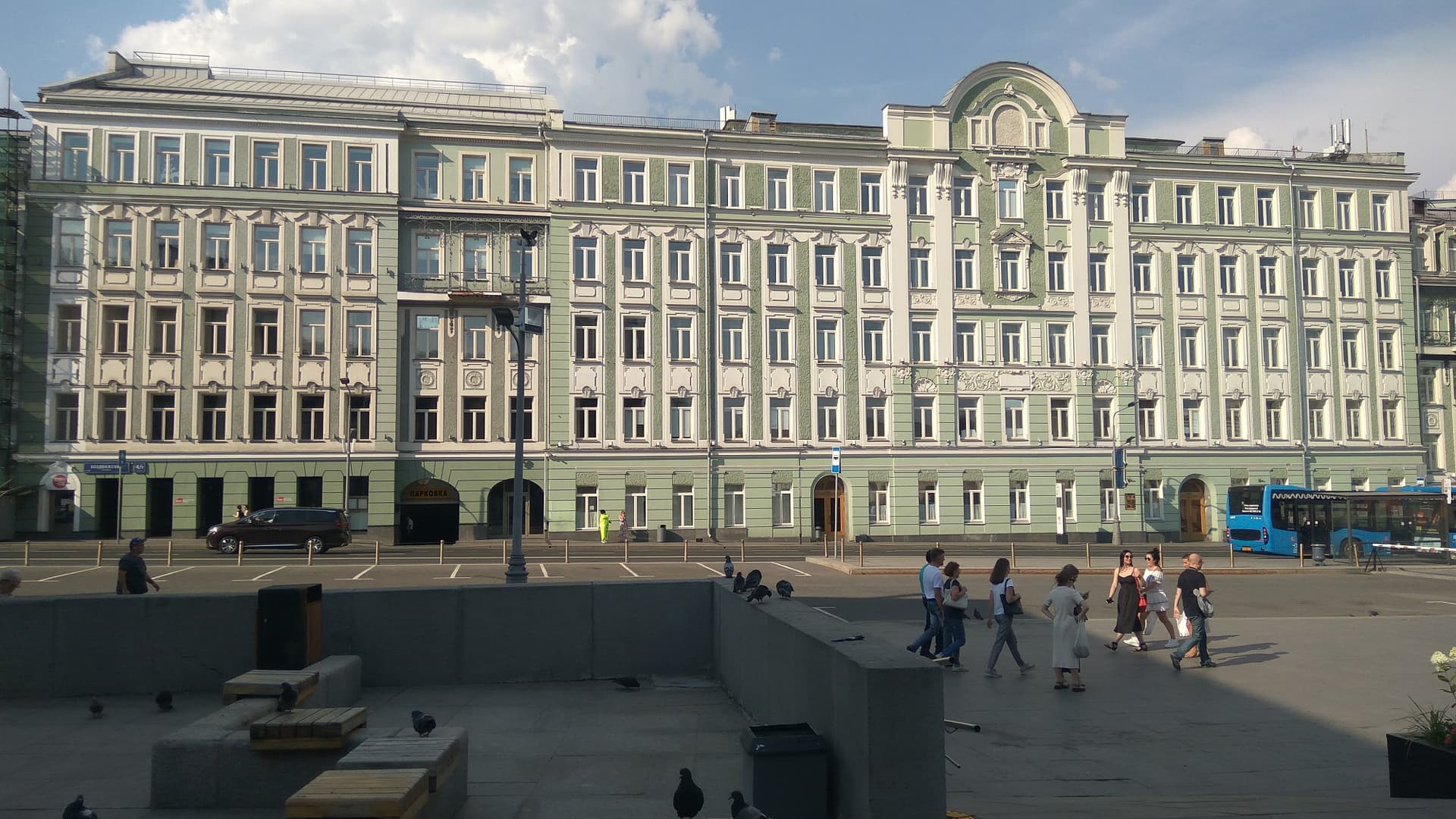
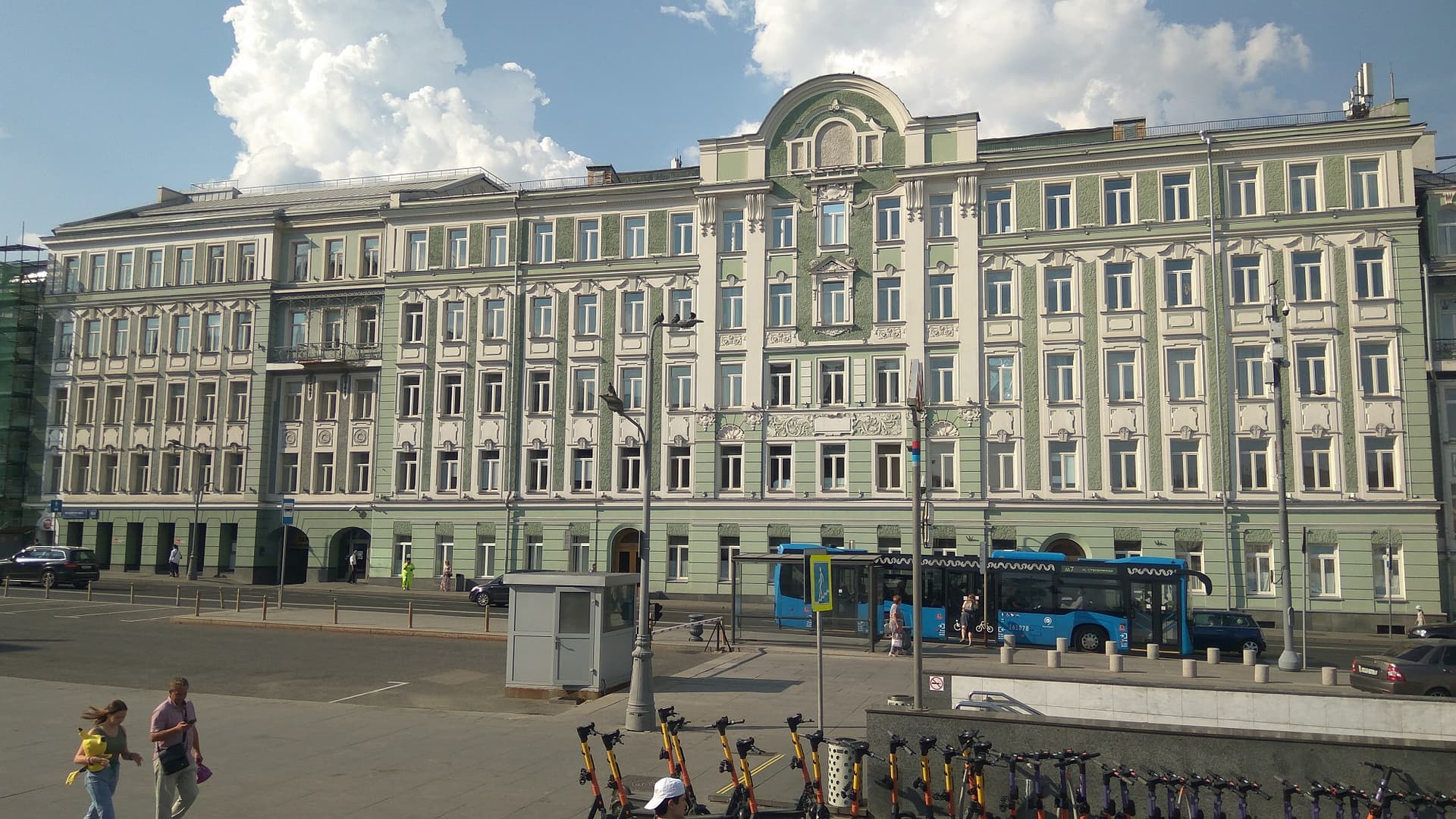
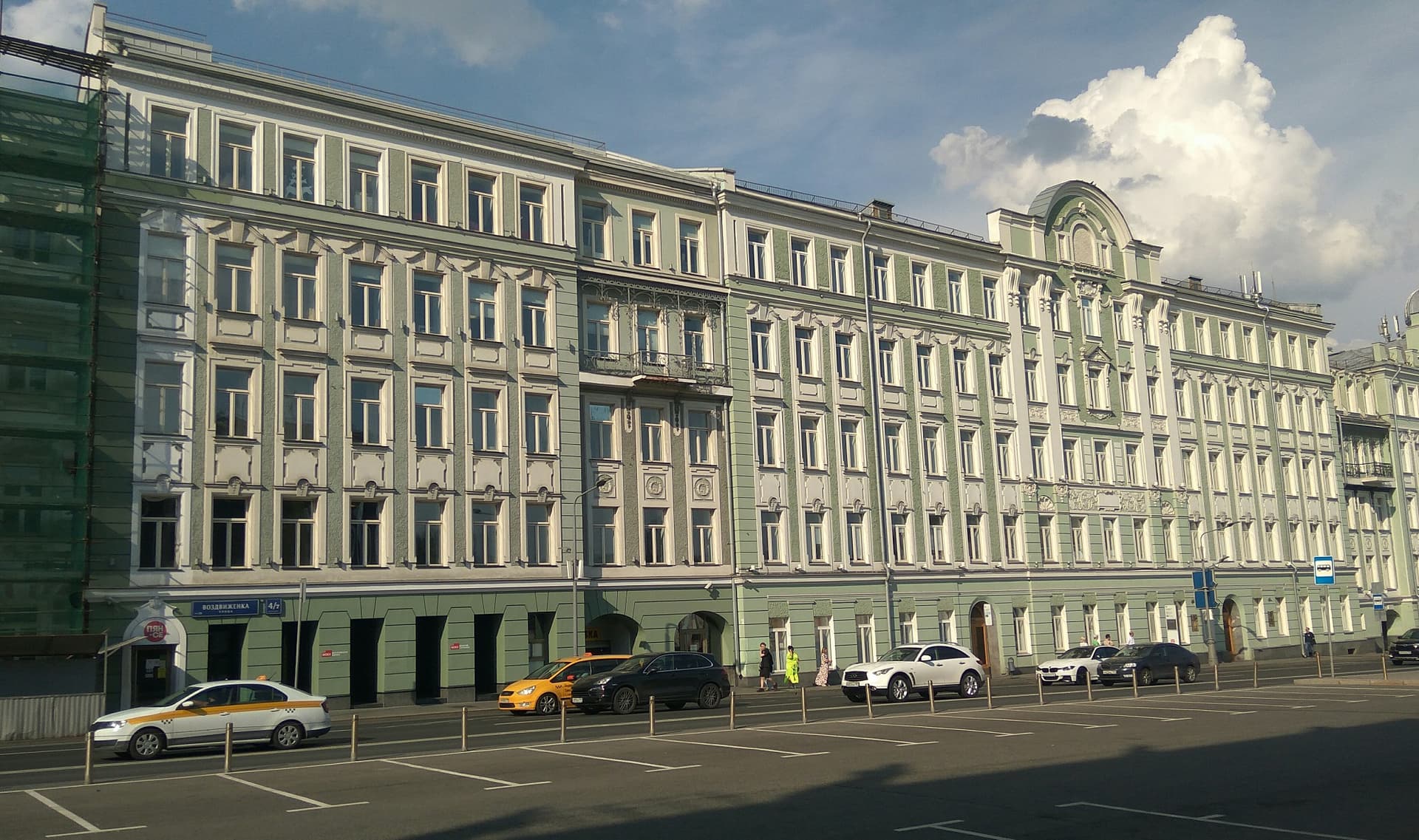
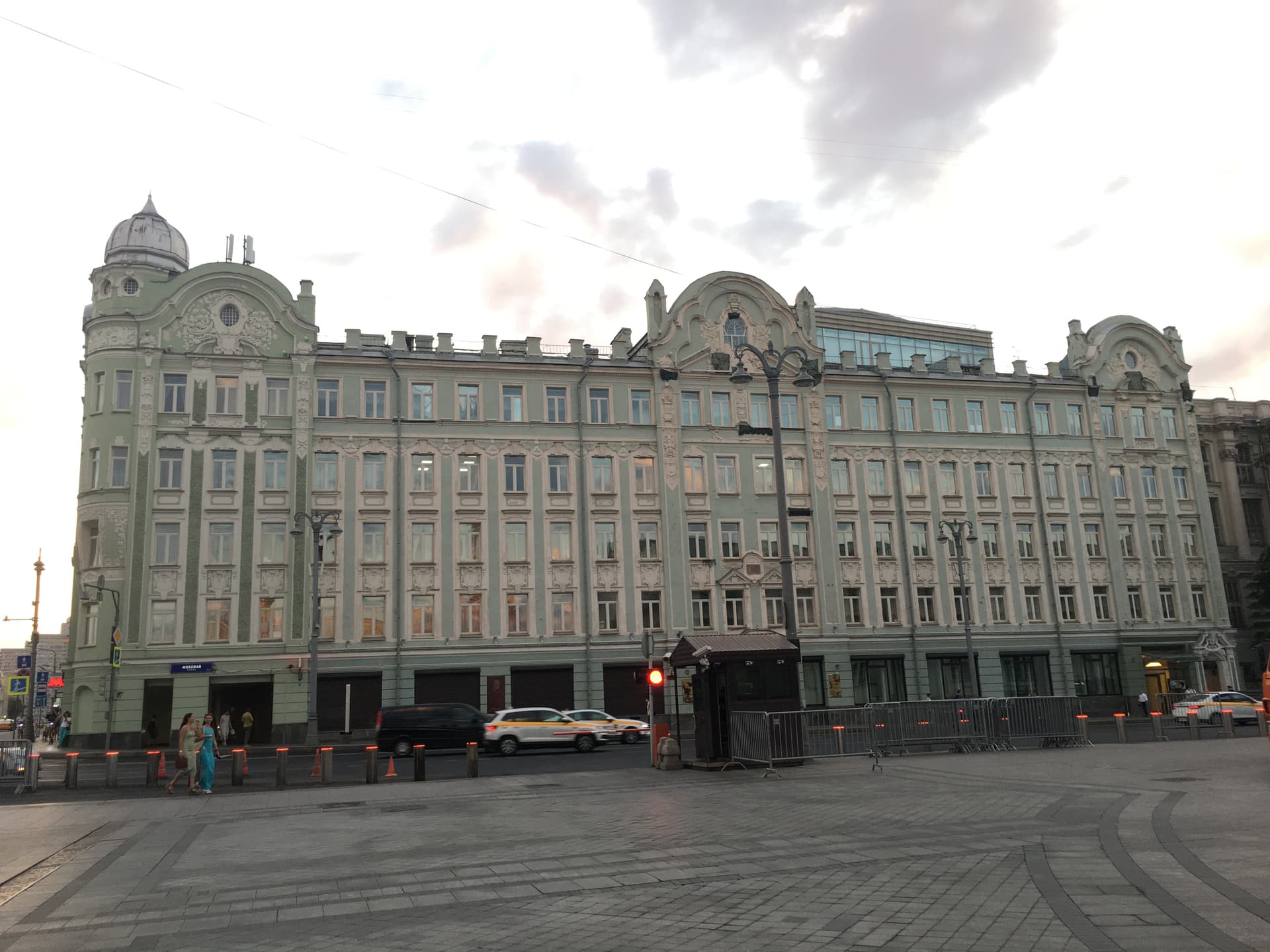
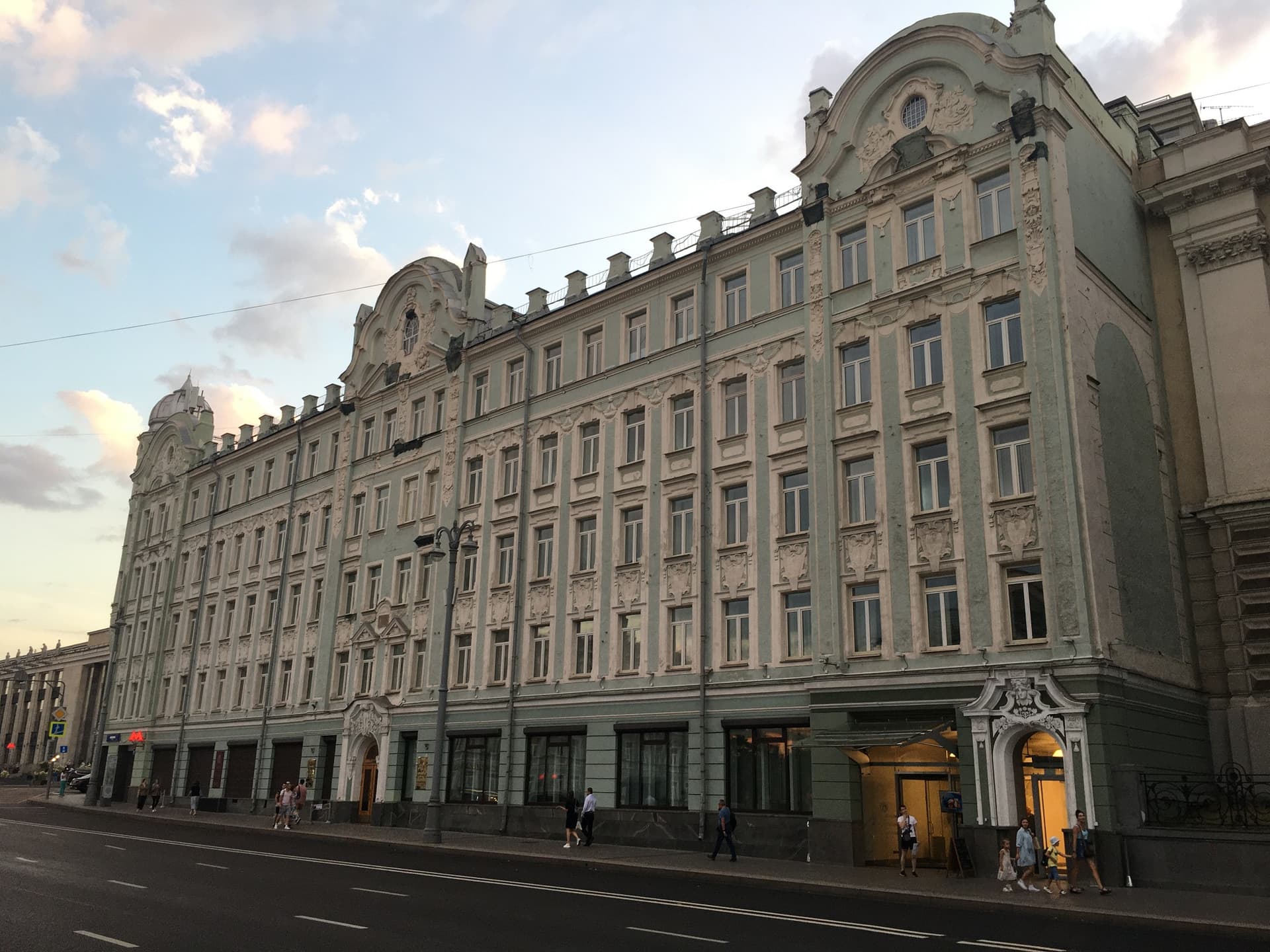
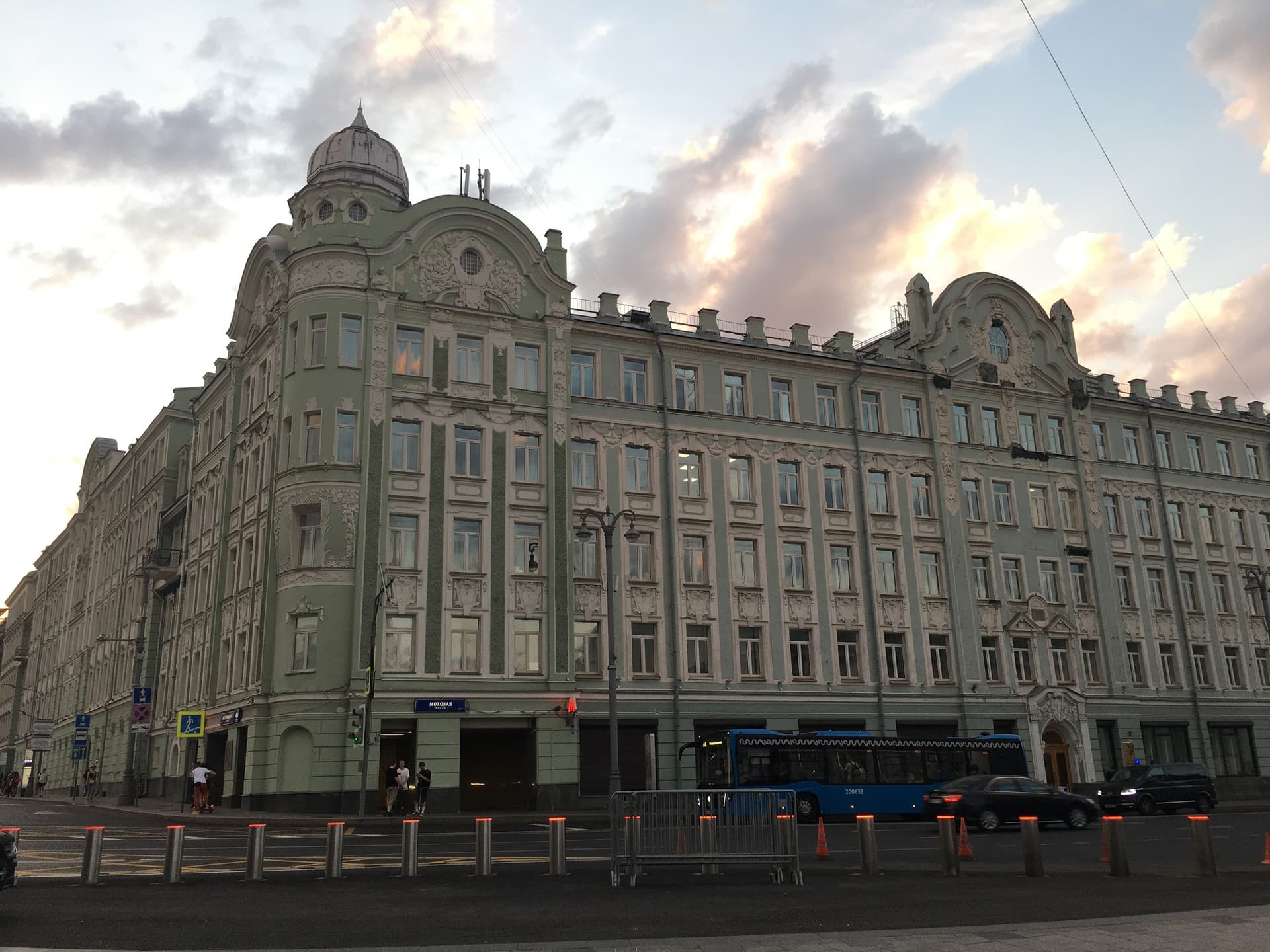
На углу Воздвиженки и Моховой улицы стоит здание с угловым эркером, который увенчан изящной башенкой с куполом. Это здание — бывшая гостиница «Петергоф» со сдававшимися внаём меблированными комнатами. Она была построенная на рубеже XIX и XX веков в актуальном тогда стиле модерн, но история этого места и здешних построек уходит вглубь веков.
Для исследователей Москвы второй половины XVI века до сих пор остаётся неясным важный вопрос: если граница между Земщиной и царской Опричниной проходила по реке Неглинке (сейчас она убрана в трубы, о её существовании напоминает только название Неглинной улицы), то где же находился тот страшный Опричный двор — с высокими каменными стенами без бойниц, с мощными окованными железом воротами, — о котором с ужасом писал один из служивших русскому царю иноземцев, Генрих фон Штаден? Если верить его описаниям, Опричный двор (или, как его называет Г. фон Штаден, замок) находился на участке между современными улицами Воздвиженкой и Моховой и Волковым переулком. Археологические раскопки, проводившиеся в 1996–2002 годах во дворе Московского университета (на соседнем участке), выявили слой мощного пожара XVI века (а Опричный двор сгорел в пожаре 1571 года), остатки огромных погребов и масштабных печей, а также фрагменты дорогой посуды и предметов обихода, имевших европейское происхождение, что даёт археологам возможность сделать осторожный вывод: «соотнесение обнаруженных при раскопках сооружений с хозяйственными постройками Опричного двора, описанных Г. фон Штаденом, весьма вероятно, но не может быть пока строго доказано» и требует дальнейших исследований.
Первые достоверные сведения об этом участке относятся к XVII столетию. Тогда здесь располагались две усадьбы, принадлежавшие двоюродным братьям — боярам Григорию Григорьевичу и Борису Григорьевичу Пушкиным. В 1763 году владения были объединены: новым хозяином стал Александр Артемьевич Загряжский. Волею судьбы его потомки тоже будут связаны с Пушкиным: внучка Загряжского, Наталья Ивановна, была матерью Натальи Николаевны Гончаровой, жены поэта А.С. Пушкина.
В 1786 году усадьбу приобрёл купец Пётр Михайлович Гусятников — фигура для своего времени легендарная. «Именитый гражданин» (то есть представитель высшего купеческого слоя), он с несколькими московскими купцами организовал «Питейную компанию», которая получила откуп на продажу вина. В 1730-х годах ей принадлежала вся торговля спиртными напитками в Москве. Именно компании П.М. Гусятникова Москва обязана появлением таможенной границы — Компанейского (впоследствии Камер-коллежского) вала, а на дорогах к городу появились посты, препятствовавшие подвозу спиртного в обход откупщиков.
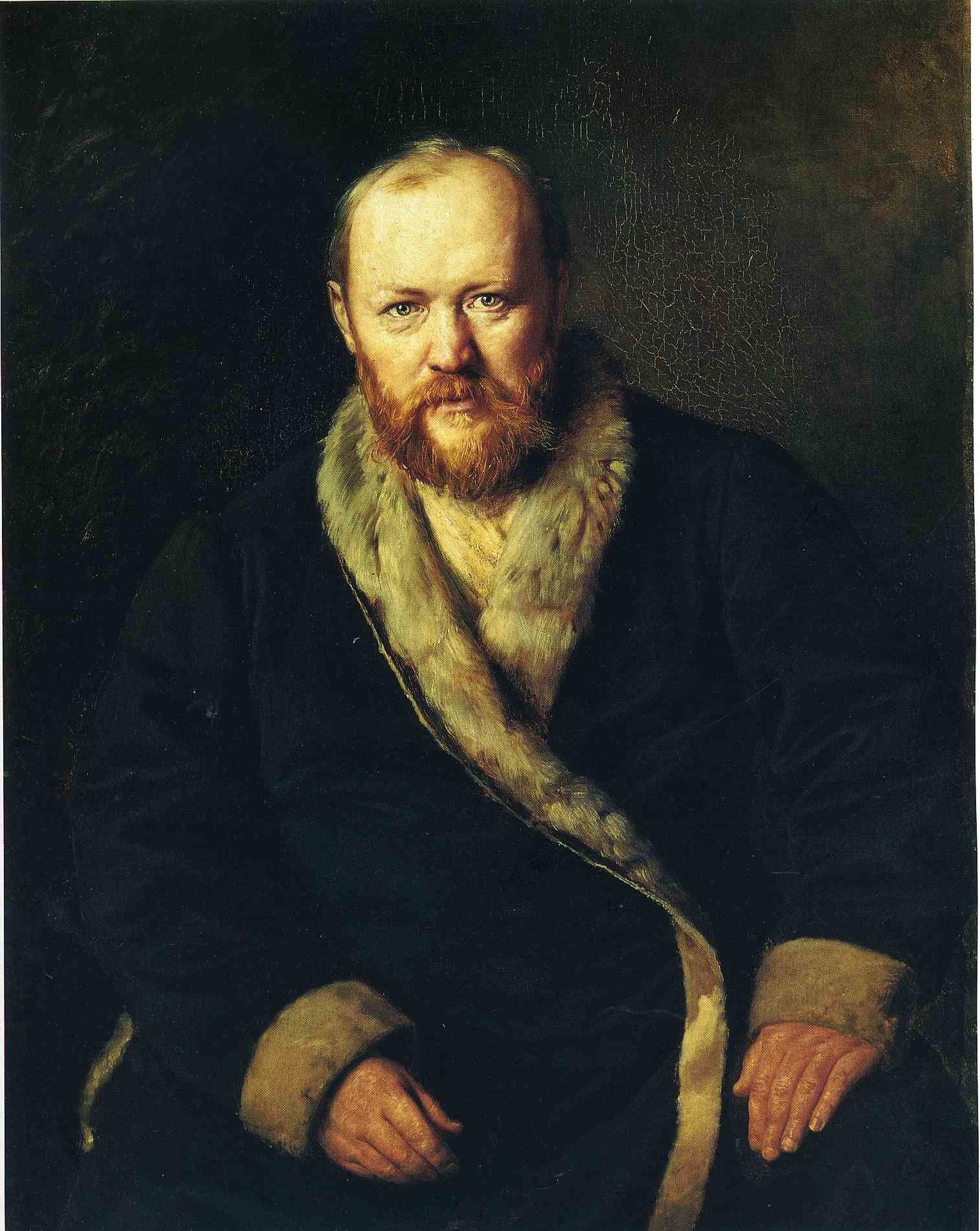
Спустя век, в 1827–1828 годах, в старом доме купца Гусятникова размещался частный пансион Ф.И. Кистера, где учился будущий историк, профессор Московского университета Т.Н. Грановский.
В 1857 году владение перешло к петербургскому купцу первой гильдии Егору Михайловичу Скворцову. При нём началось строительство нового каменного дома, очень быстро ставшего предметом пересудов. Молва утверждала, что дом строили из камней обвалившейся Кремлёвской стены или Большого Каменного моста, на ремонт которых Скворцов имел подряд.
В 1859 году «Московские губернские ведомости» сообщали более прозаичные, но не менее интересные подробности: «Из купленного оставшегося от разломки старого материала с добавлением нового, построен купцом Скворцовым большой доходный дом на углу Моховой, по проекту архитектора Никольского. Фасад этого здания довольно красивый, внизу — хорошие магазины; в верхних этажах квартиры различного объема».
1898–1899 годы стали ключевыми в истории здания. Доходный дом Е.М. Скворцова приобрело Российское общество страхования капиталов и доходов, решившее возвести на этом месте новый архитектурный комплекс. Проект реконструкции был заказан архитектору В.В. Шаубу. В работе также участвовали архитекторы П.П. Зыков и А. П. Попов.
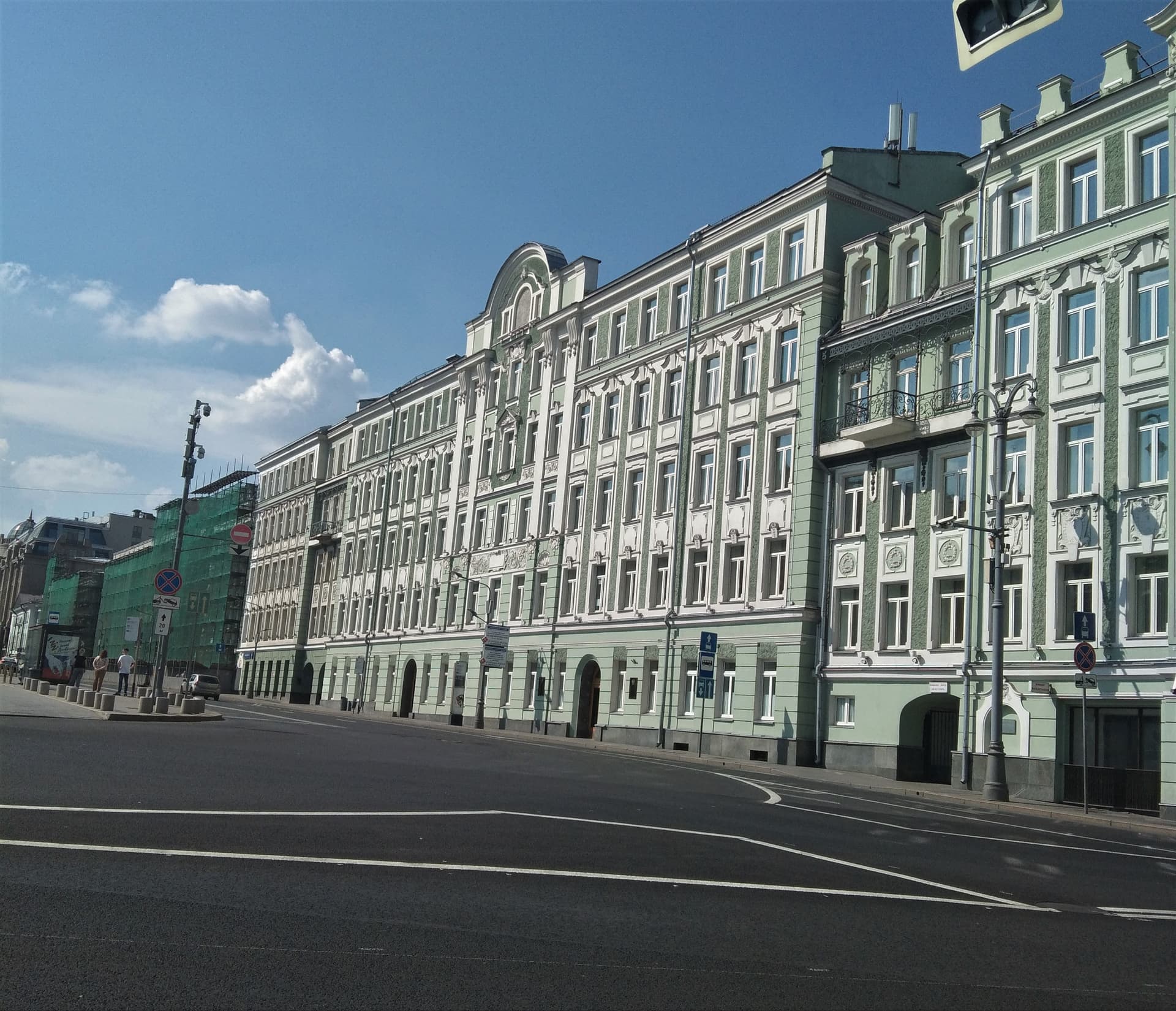
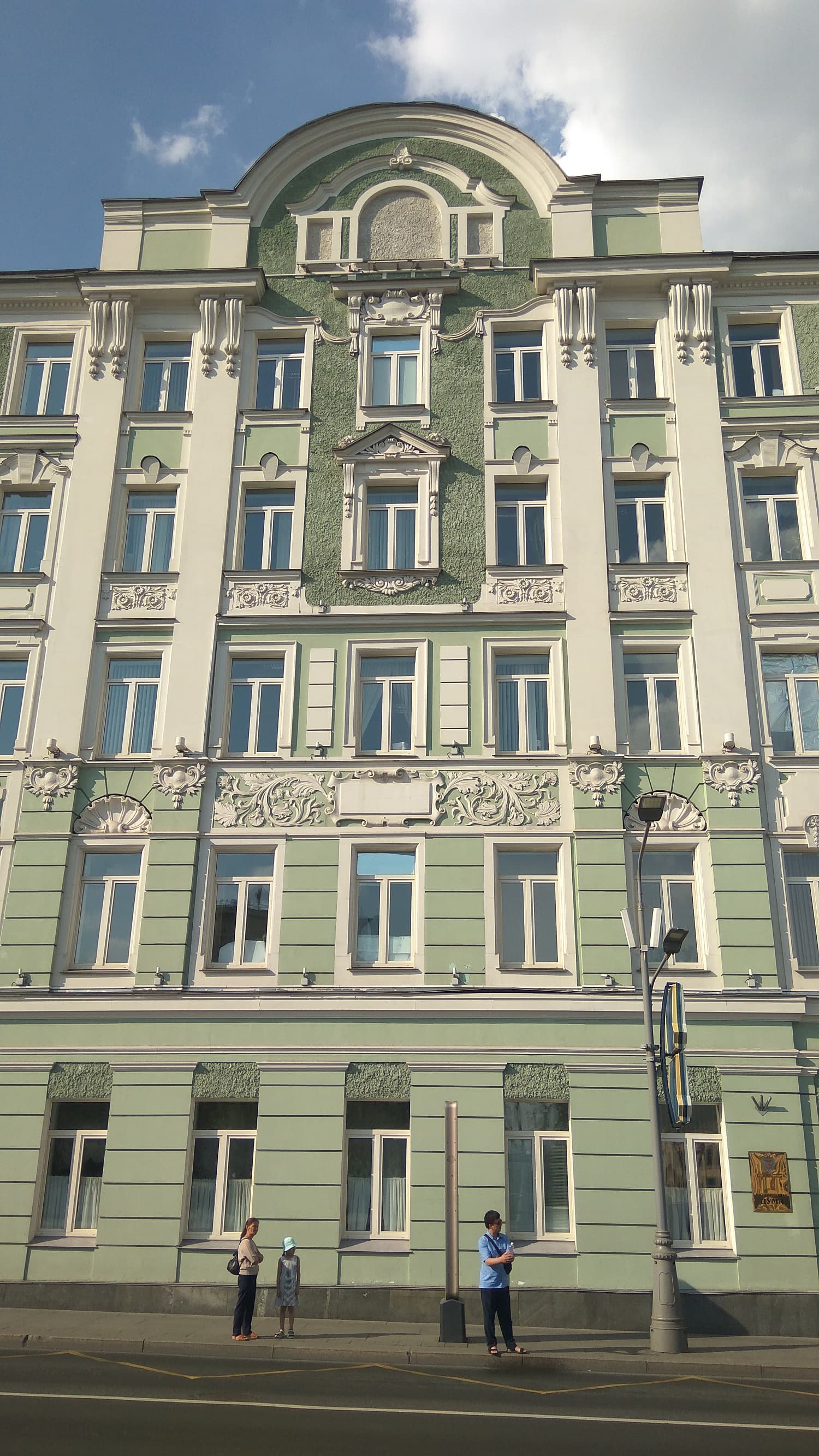
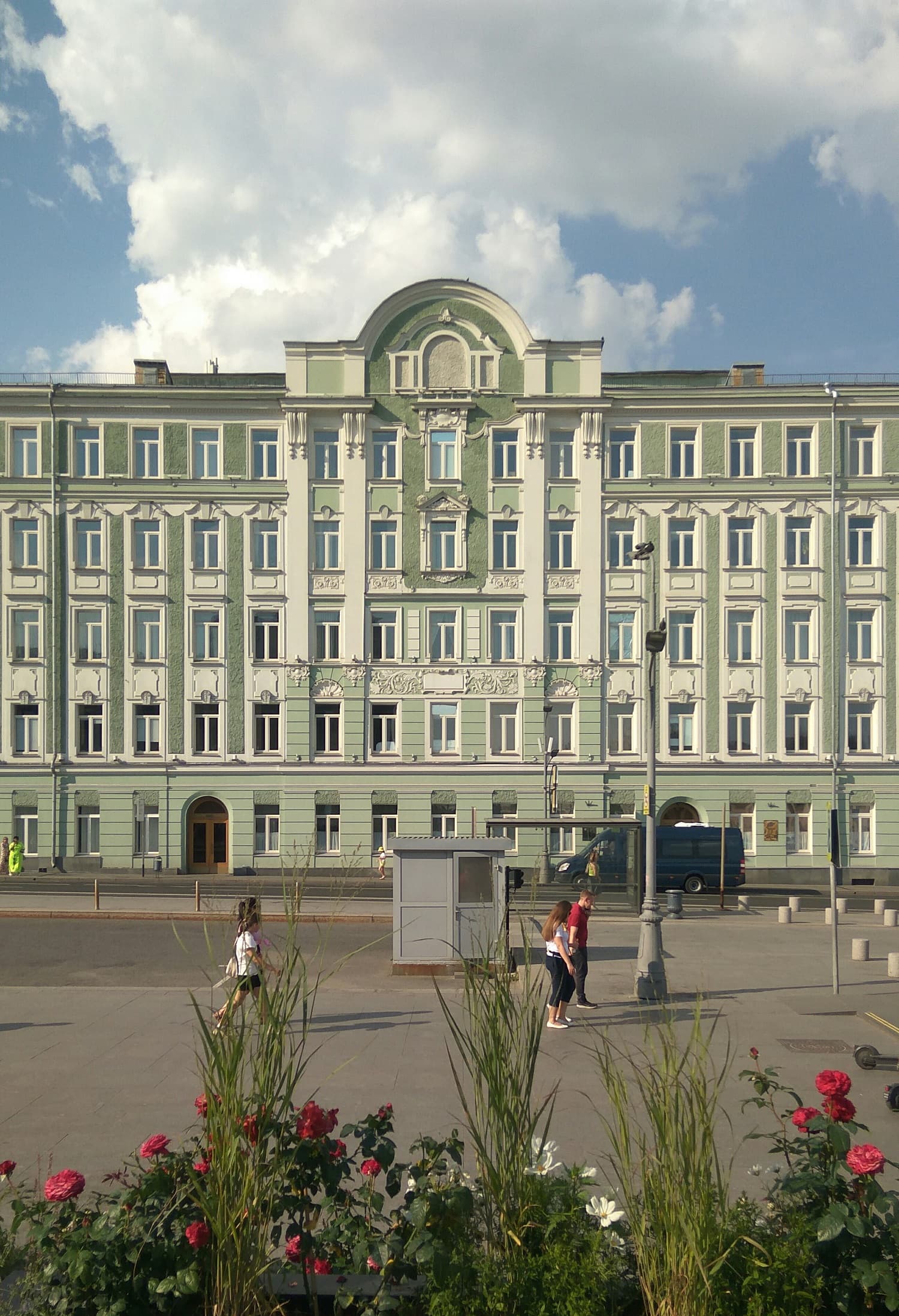
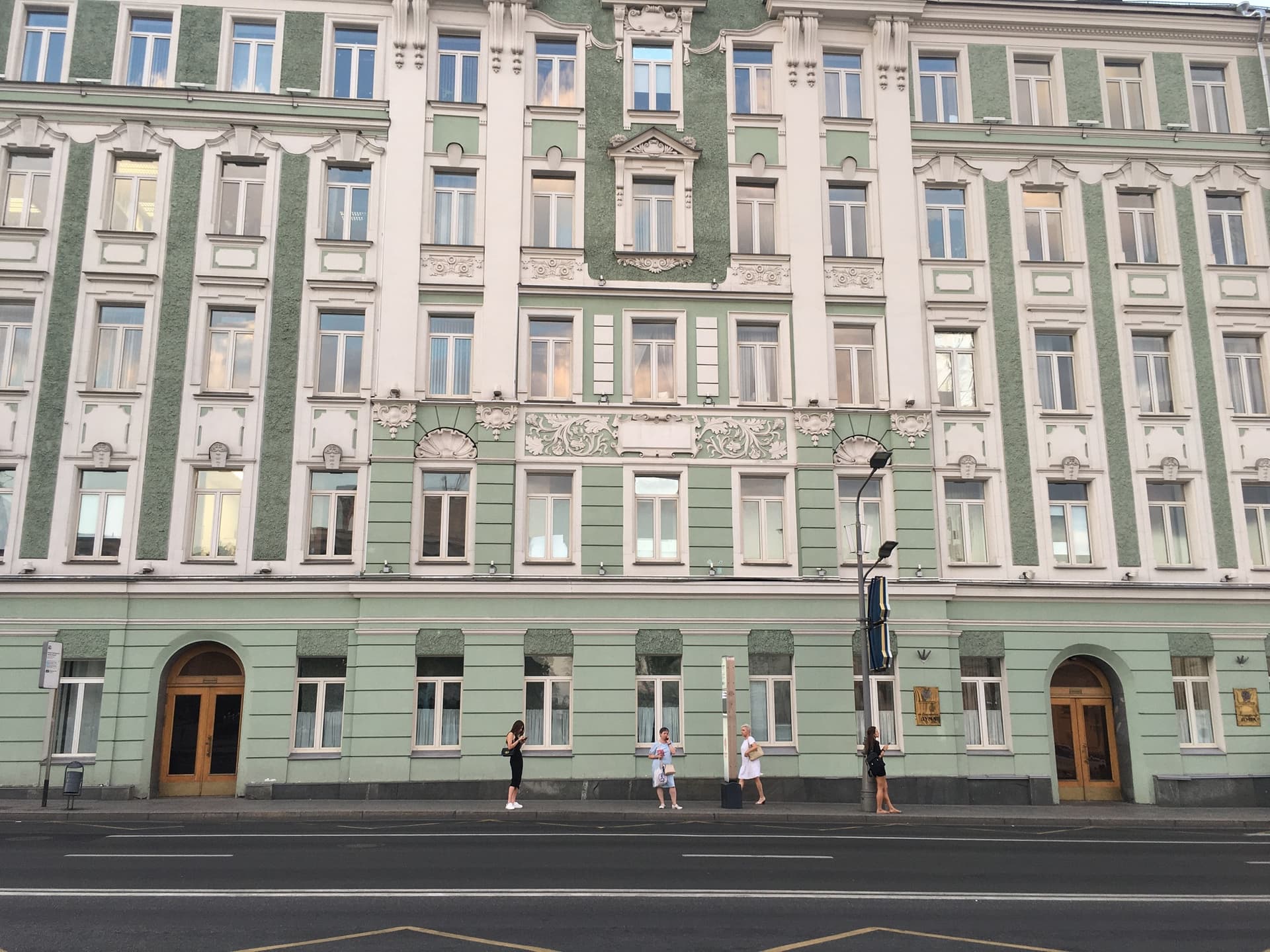
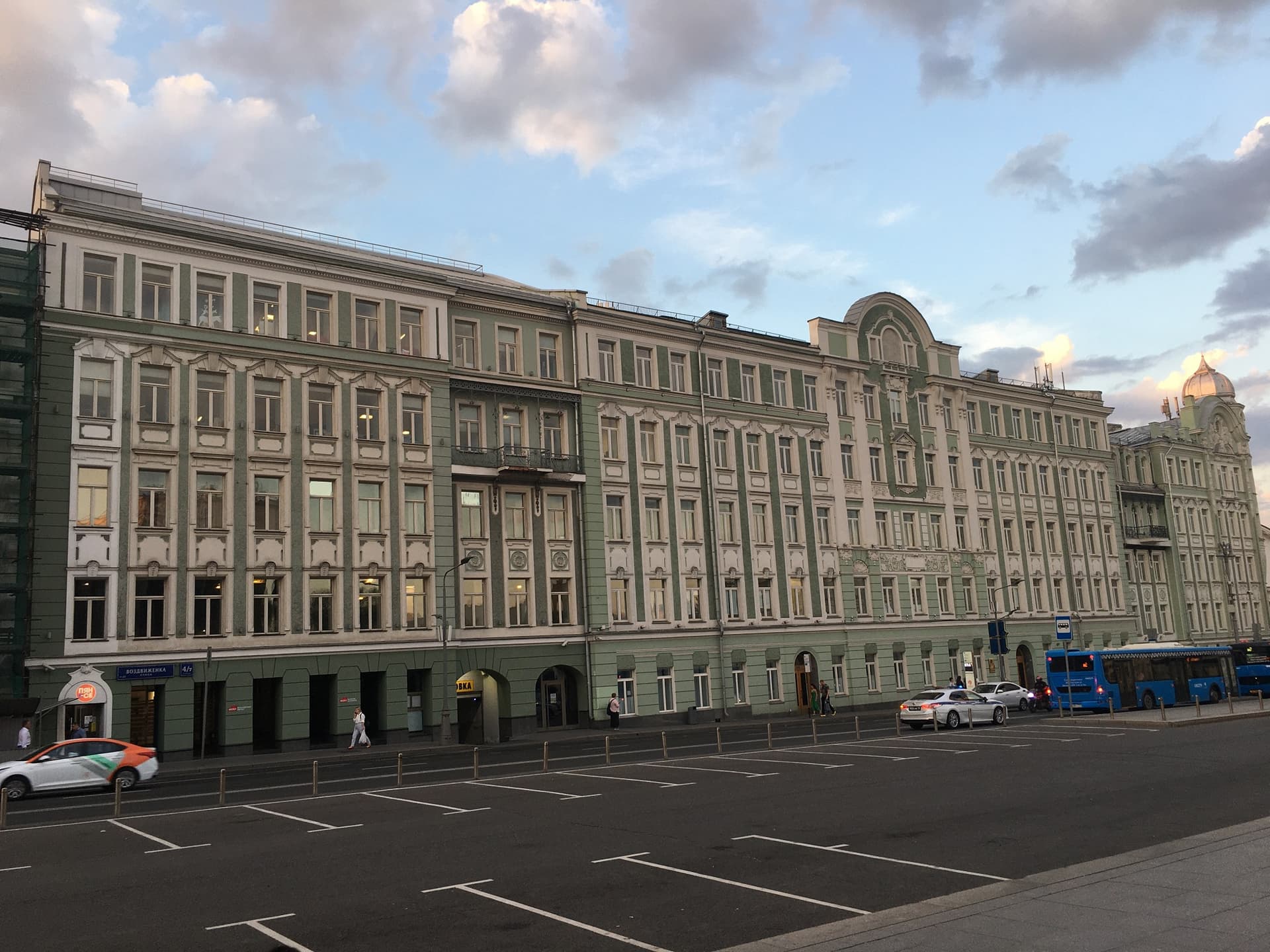
Старые постройки снесли, а несколько разновременных доходных домов объединили в единый пятиэтажный комплекс. Угловая часть здания получила выразительную башенку с куполом, а композицию фасадов дополнили фигурные аттики. Современники отмечали, что дом выдержан в «весьма сухом мюнхенском стиле “нуово”». Барочный декор и натуралистичные изображения цветов и колосков стали характерной приметой немецкого модерна, а угловая башенка эффектно акцентировала пересечение улиц, перекликаясь с Троицкой башней Кремля.
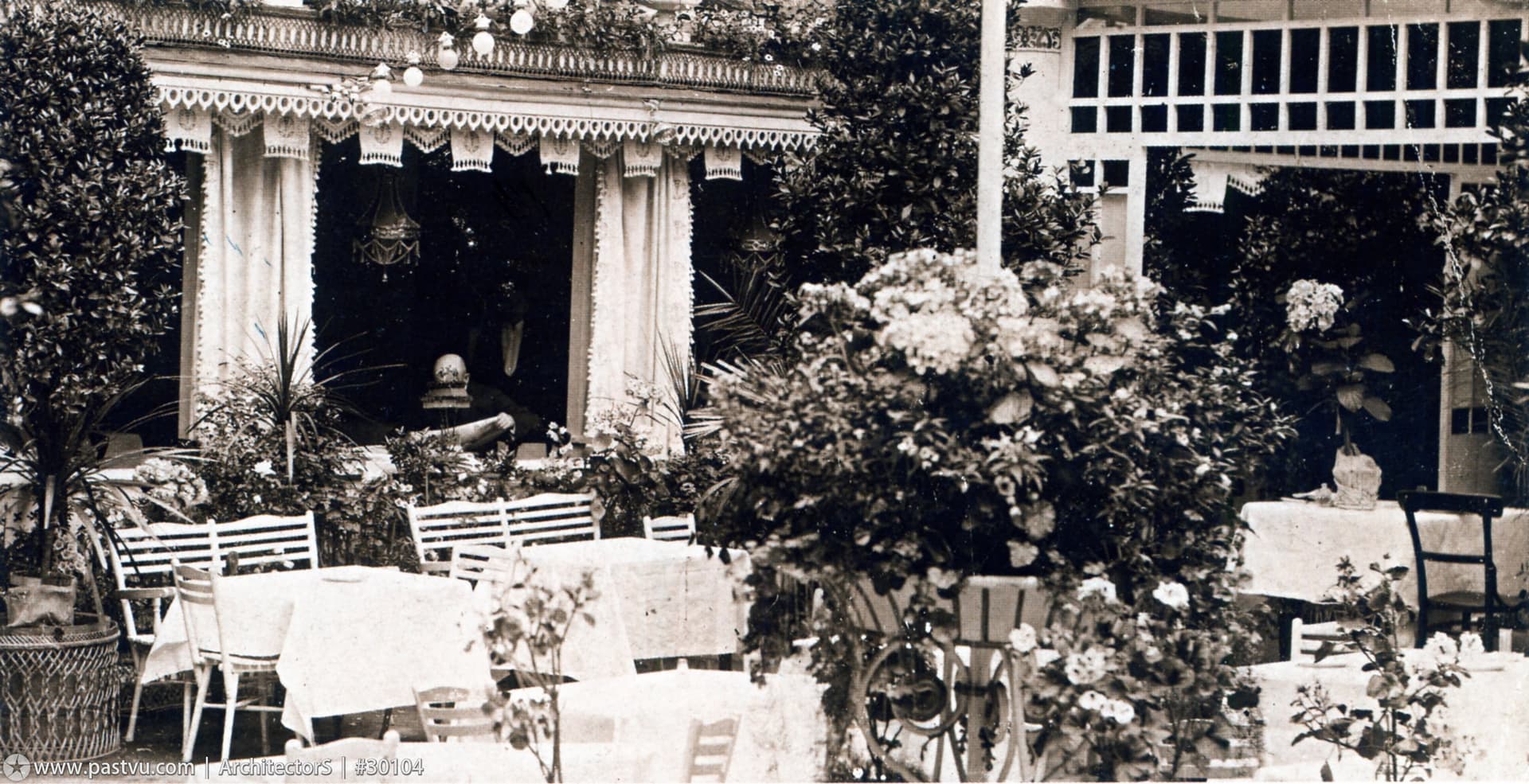
Первый этаж с большими окнами традиционно был отдан под магазины, а в верхних этажах разместилась гостиница «Петергоф» и дорогие квартиры, сдававшиеся знати, военным, купцам и промышленникам.
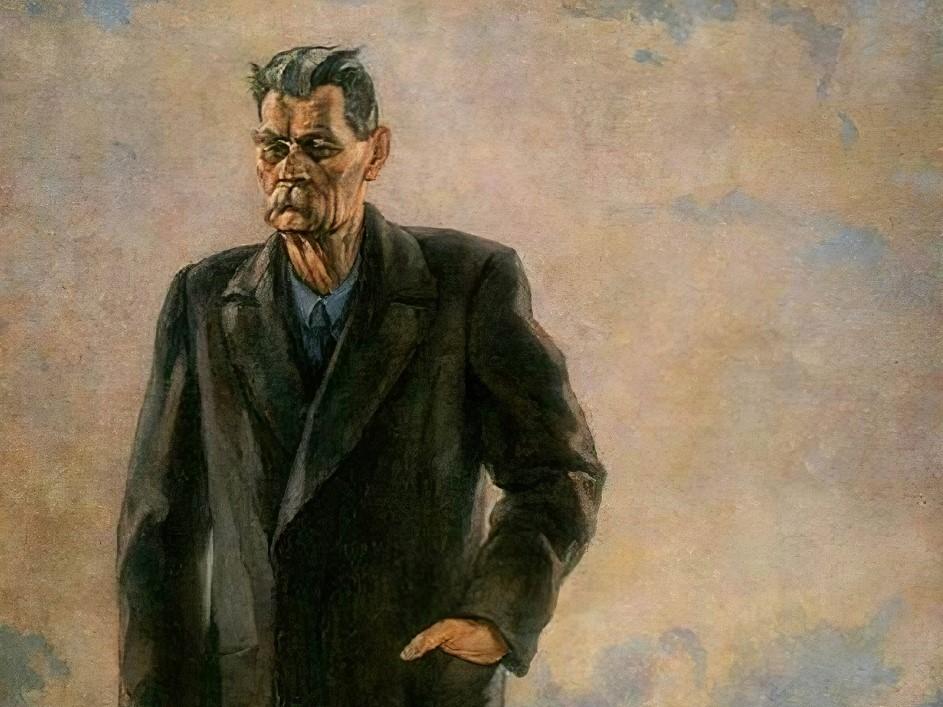
В декабре 1905 года одну из таких квартир снимал А.М. Горький вместе с гражданской женой, актрисой М.Ф. Андреевой. Именно в этом доме художник В.А. Серов создавал свой знаменитый портрет писателя. Позже, в 1913–1919 годах, здесь жил выдающийся оперный певец Л.В. Собинов.
После Октябрьской революции 1917 года здесь разместился секретариат ЦК ВКП(б), затем — 4-й Дом Советов, где поселились партийные чиновники высокого ранга. Жильцами дома в разное время были А.И. Рыков, Н.А. Семашко, И.И. Скворцов-Степанов, Е.Д. Стасова. Многие годы здесь находилась приёмная председателя Президиума Верховного Совета СССР М.И. Калинина.
В советский период исторические интерьеры были частично перепланированы под новые административные функции, однако мемориальный кабинет М.И. Калинина на первом этаже сохранился.
В 2024–2025 годах был проведён масштабный ремонт фасадов, во время которого под слоями краски на главном фасаде со стороны Моховой улицы реставраторы обнаружили исторические вывески с гравировкой по натуральному камню. Это оказались мраморные закладные доски, которые, вероятнее всего, относятся к 1898 году, когда здание перестраивалось под нужды страхового общества. Специалисты вручную удалили с них поздние окрасочные слои и промыли поверхности. Вопрос об их дальнейшей судьбе будет ещё решаться. В ходе работ расчистили, а затем вновь окрасили лепной декор, рустованные поверхности фасадов, привели в порядок цокольную облицовку из гранита.
В настоящее время здание занимает Управление делами Президента Российской Федерации.