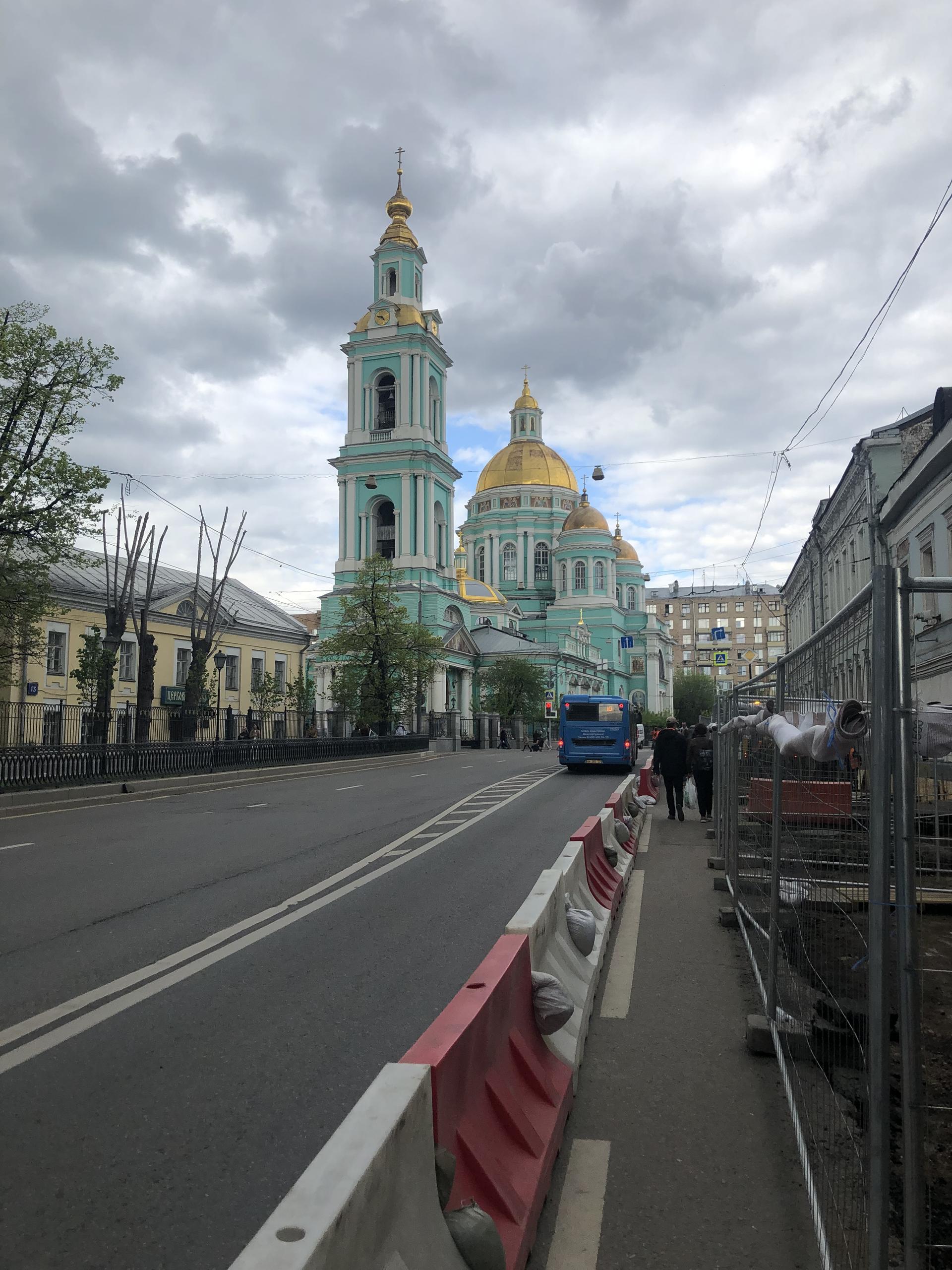
Местность под названием «Елохово» известна с XVI века. По церковному преданию, здесь родился известный московский юродивый Василий Блаженный. Поблизости от Елоховского собора были найдены каменные надгробия XVI–XVII веков. Вероятно, здесь было селение и стояла церковь. В XVII веке Елохово считалось частью большого села Покровское-Рубцово, центр которого находился далеко — в конце современной Бакунинской улицы. При царе Михаиле Фёдоровиче там был построен загородный царский дворец. К началу XVIII века Елохово именовалось слободой.
Деревянная церковь Богоявления в Елохове была построена в 1686 или 1687 году по благословению патриарха Иоакима. Следующее упоминание об этой церкви относится к 1694 году, она была названа «новопостроенной». Тогда было подсчитано количество прихожан и установлен размер дани, которую елоховский священник должен был вносить в патриаршую казну. По более поздним сведениям, приход Богоявленской церкви охватывал огромную территорию — не только само Елохово, то есть территорию непосредственно вокруг храма, но и всю Немецкую слободу до конца современной Бауманской улицы. Первоначально в Немецкой слободе жили в основном иноверцы, а прихожанами церкви были их русские слуги и работники. Однако в правление царя Петра I православное население слободы значительно умножилось, выросло число елоховских прихожан.
В петровское время на месте деревянной церкви был заложен каменный храм. О его строительстве сохранились неточные и противоречивые сведения. В некоторых источниках упоминается о существовании каменной церкви Богоявления с приделом Благовещения под 1717 годом. По другим данным, строительство началось в 1722 году по инициативе полковника Воронецкого и велось на средства царевны Прасковьи Ивановны, а освящение храма состоялось в 1739 году. В это время в церкви служили два священника, один или два диакона и причетник.
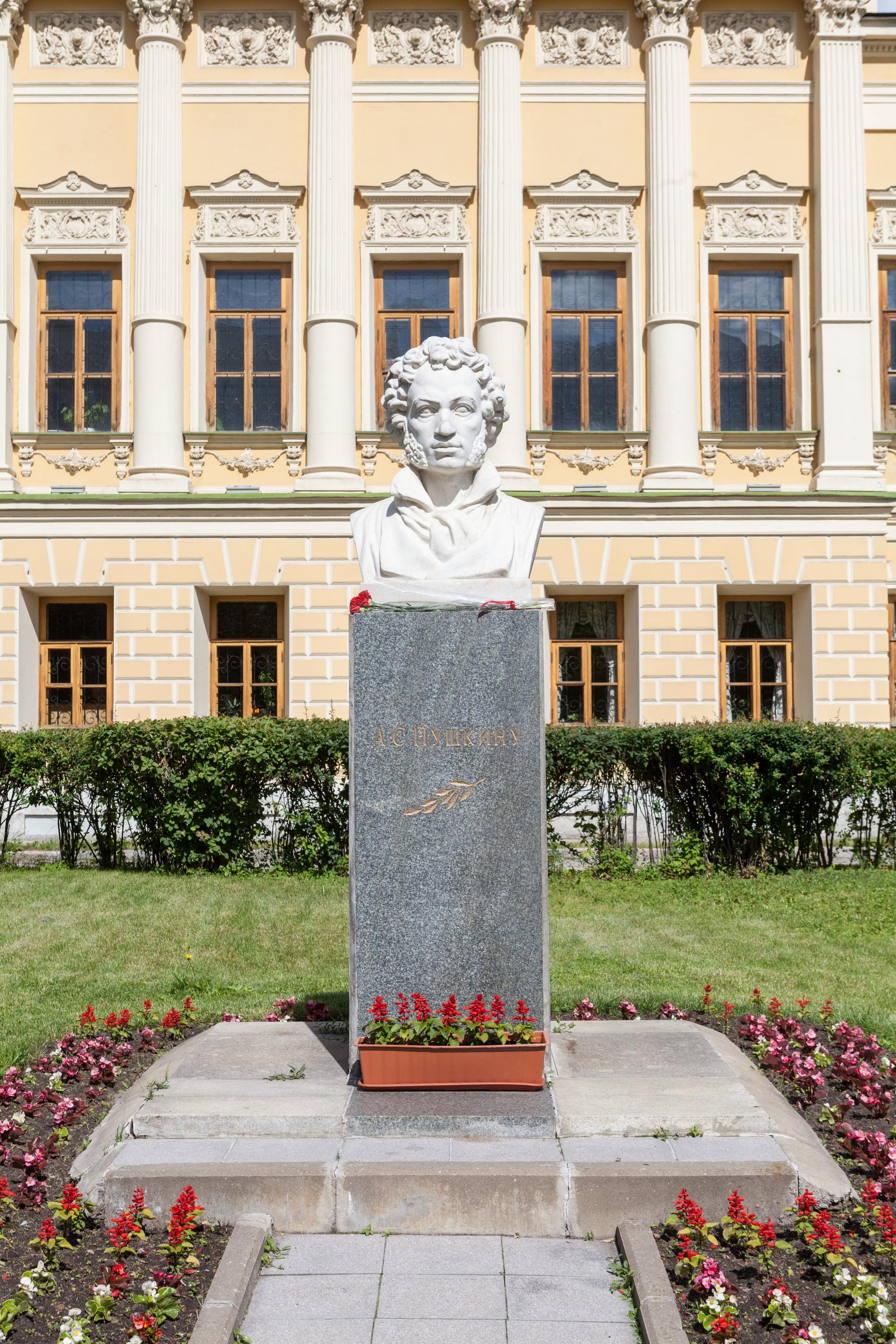
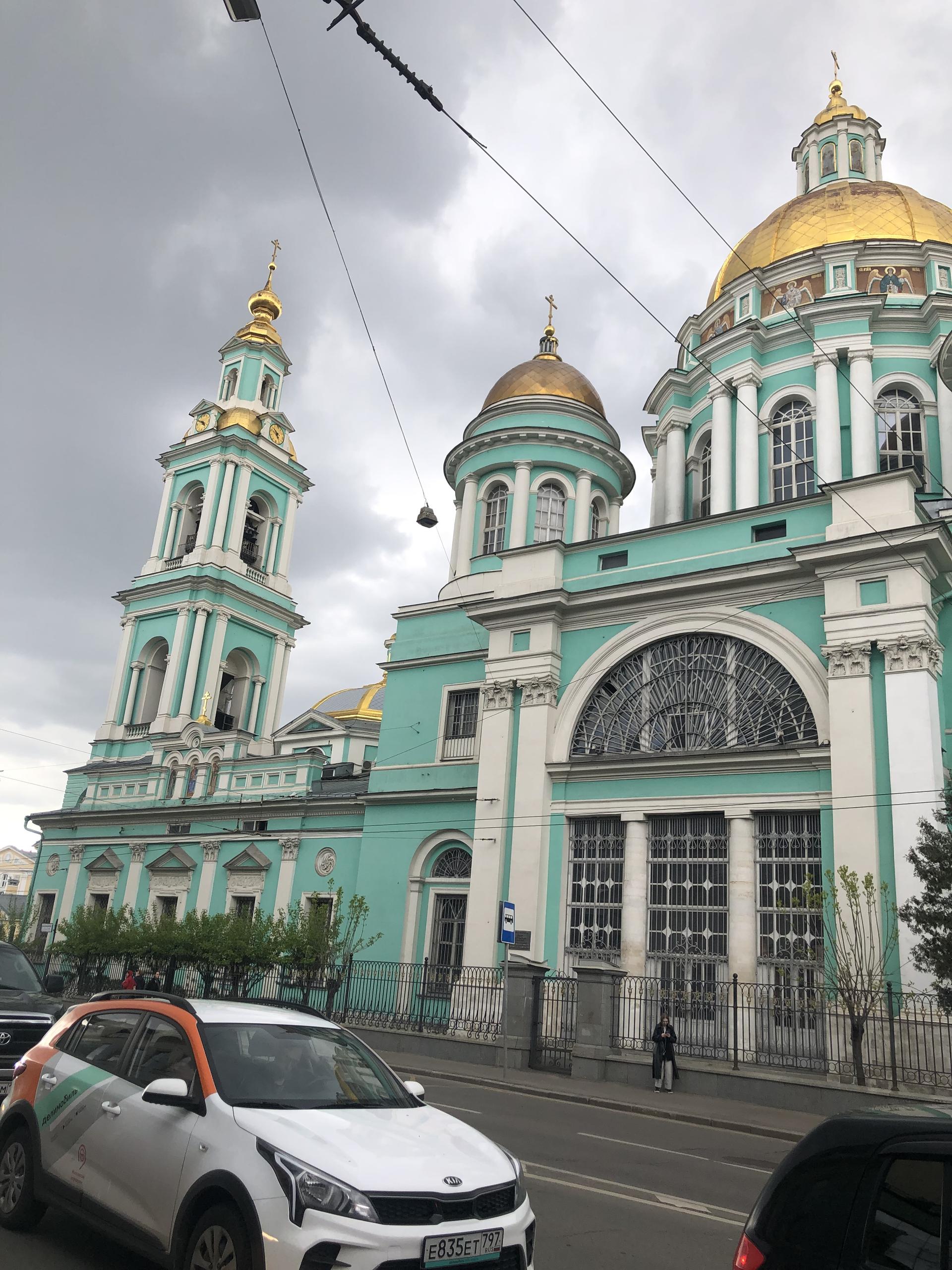
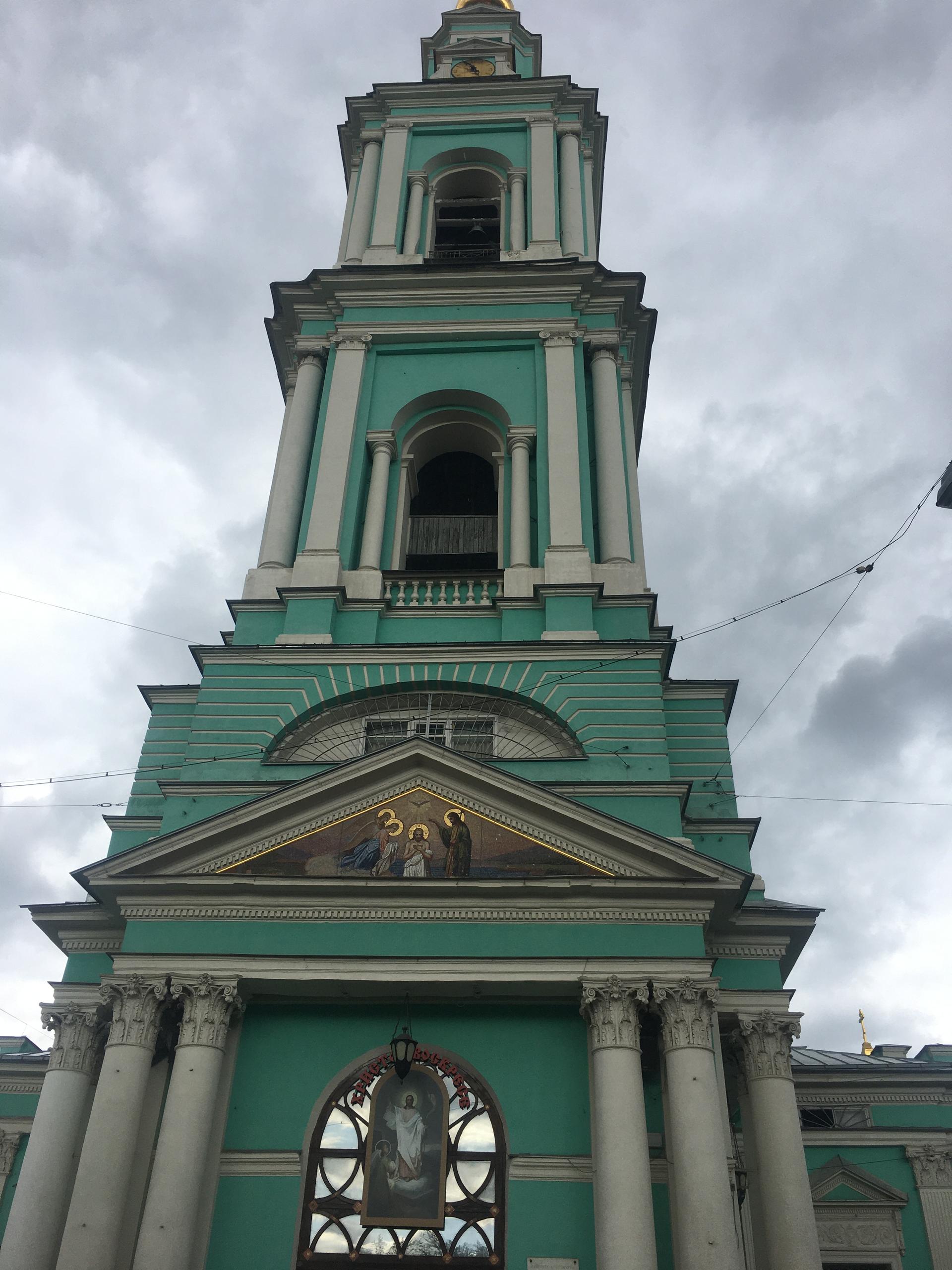
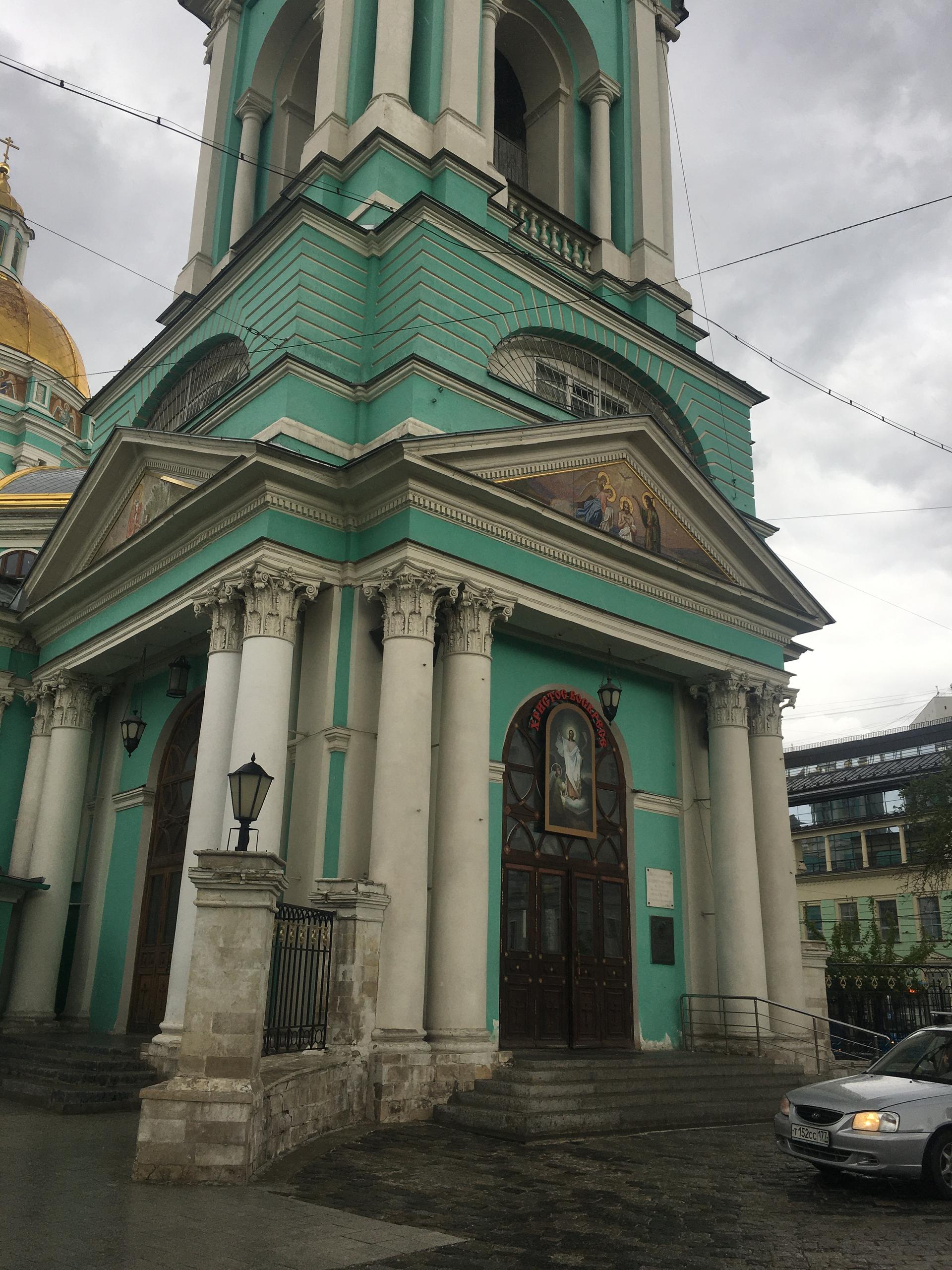
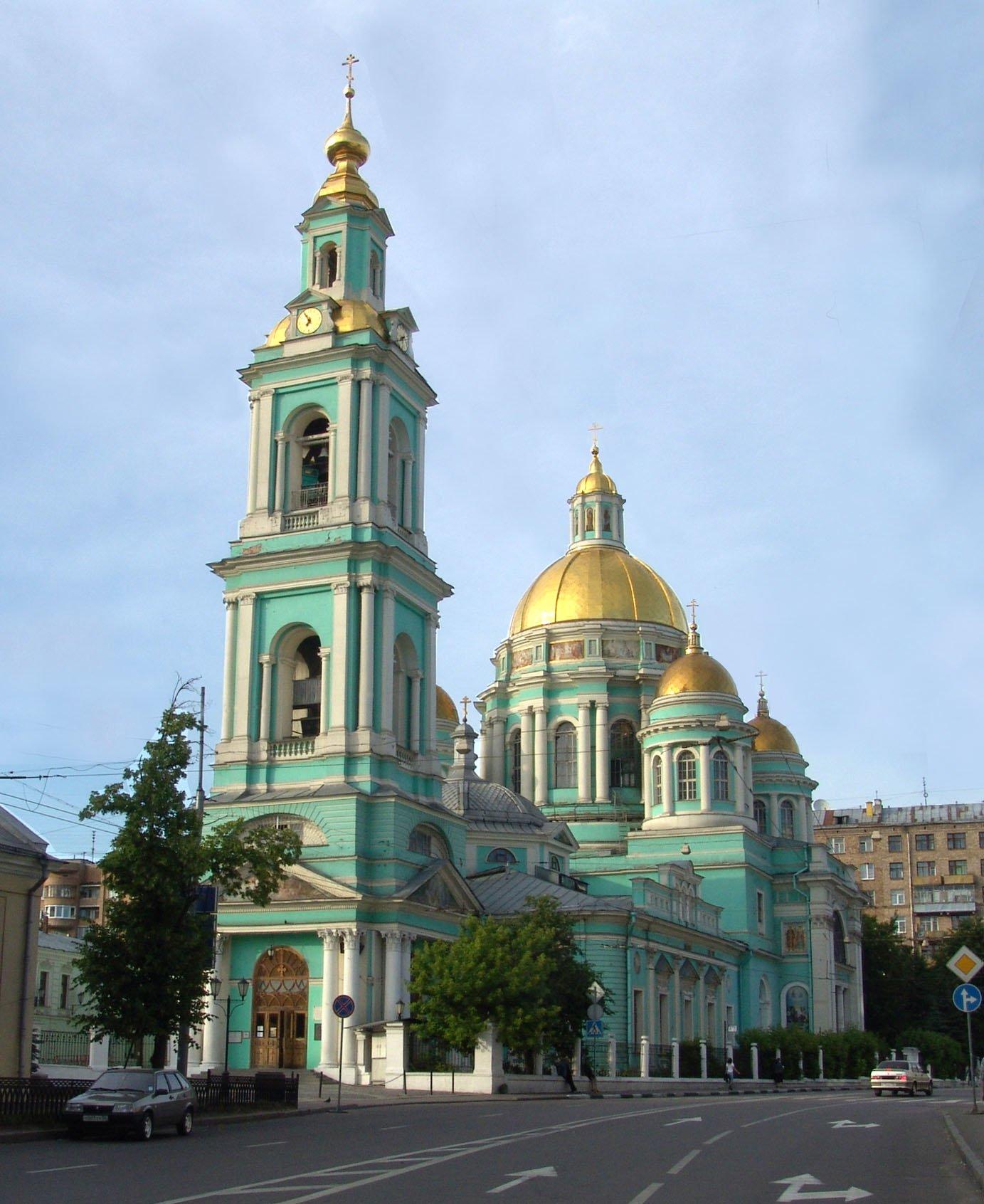
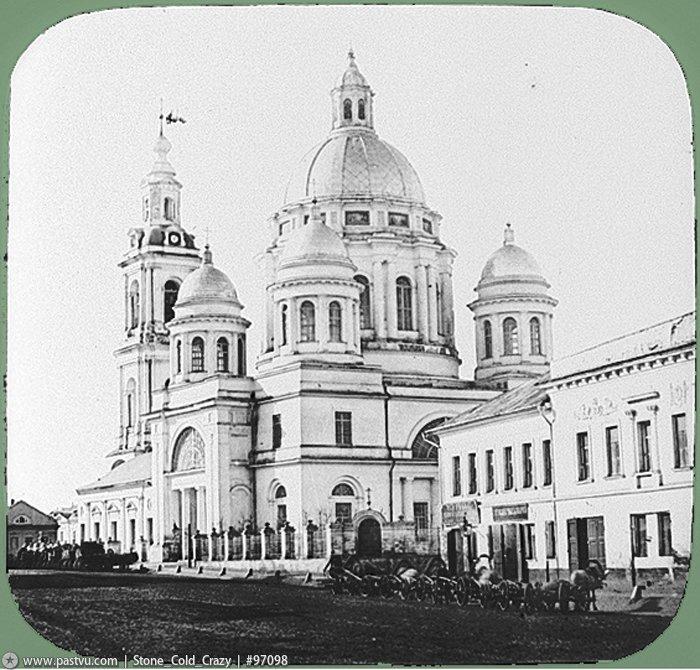
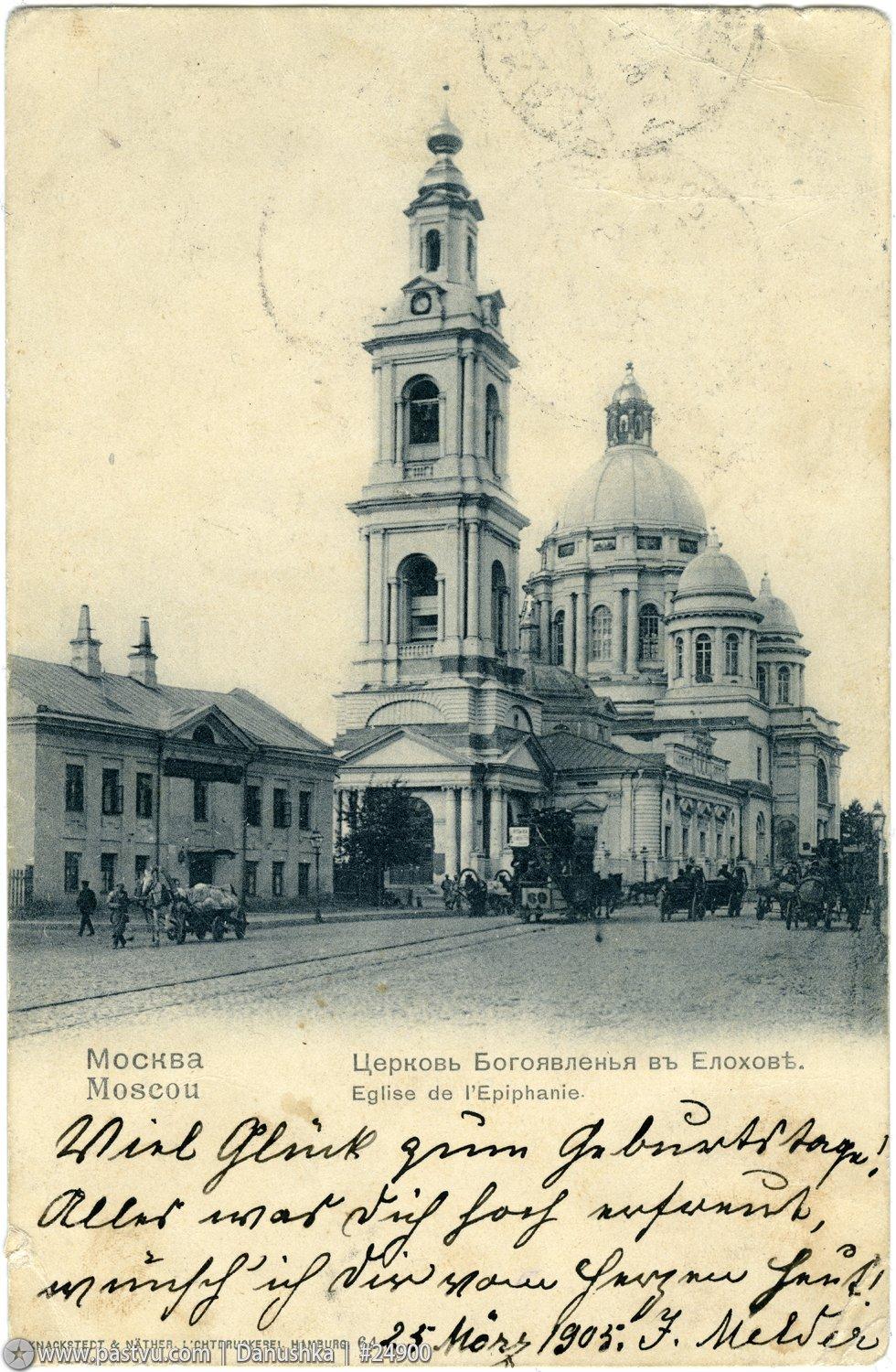
Количество прихожан в XVIII веке постоянно росло, потребовалось расширить храм. В 1789 году к старой церкви начали пристраивать вместительную трапезную и колокольню в стиле классицизма. В трапезной разместили два придела: один, Никольский, был освящён в 1792 году, другой, Благовещенский, — в 1793 году. Строительство высокой колокольни было завершено около 1805 года. Тогда же к западу от храма возвели сохранившееся до наших дней двухэтажное здание школы (народного училища). В Богоявленской церкви 6 июня 1799 года был крещен А.С. Пушкин, родившийся в Немецкой слободе, в доме, который снимали его родители.
Храм, перестроенный в конце XVIII века, простоял недолго. Уже в 1835 году был утверждён проект архитектора Е.Д. Тюрина, который предусматривал возведение на его месте огромного пятикупольного здания в стиле ампир. Строительные работы велись с 1837 по 1845 год с перерывом в 1840–1841 годах. Перерыв был вызван появлением трещин в арках, которые соединяли столпы храма с боковыми стенами. Причину этого определить удалось не сразу, и разрешение продолжить работы было дано только после длительной дискуссии между экспертами.
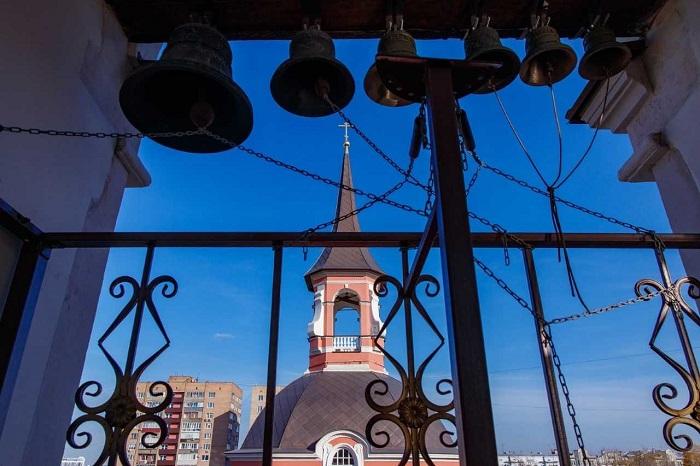
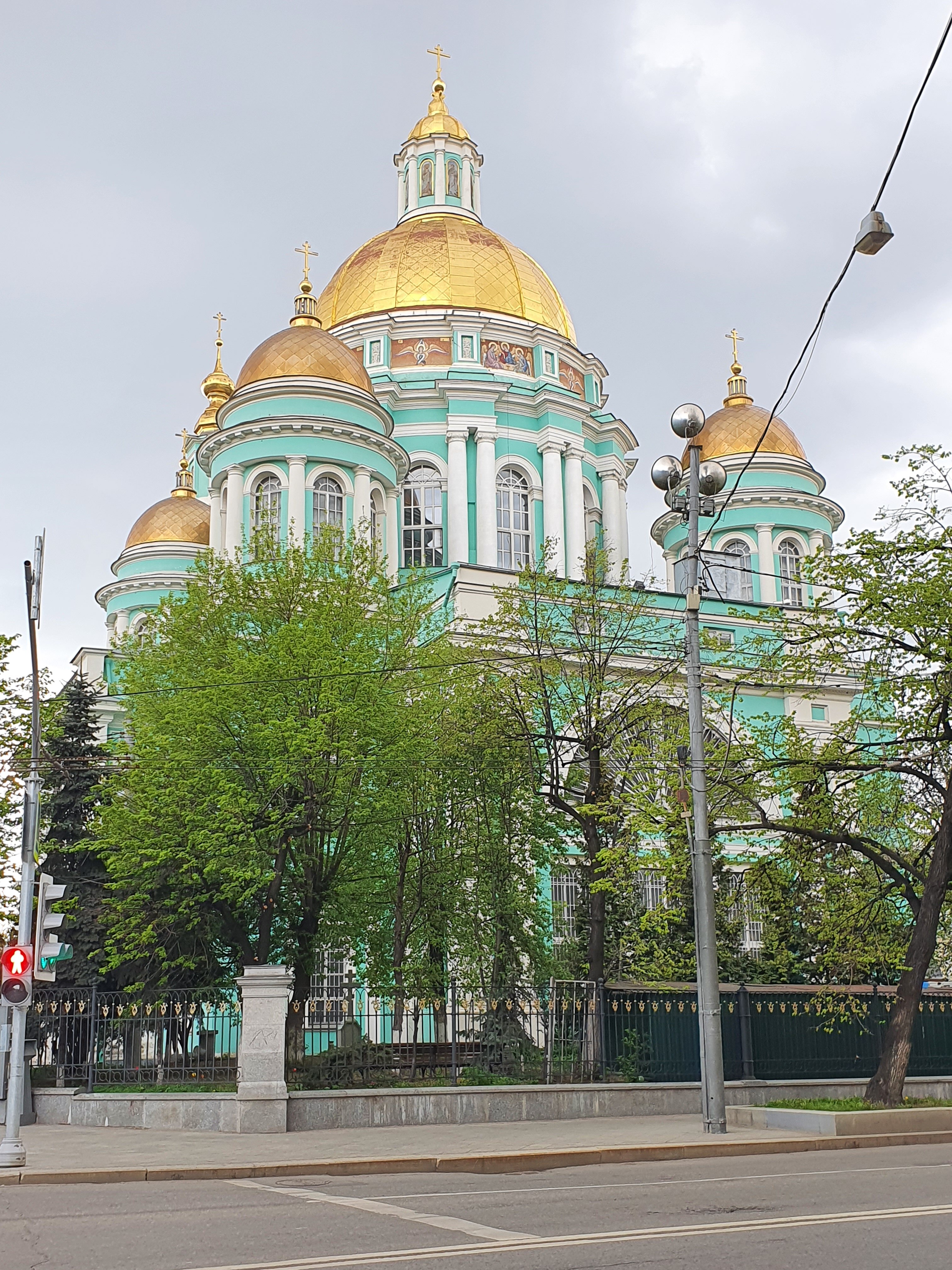
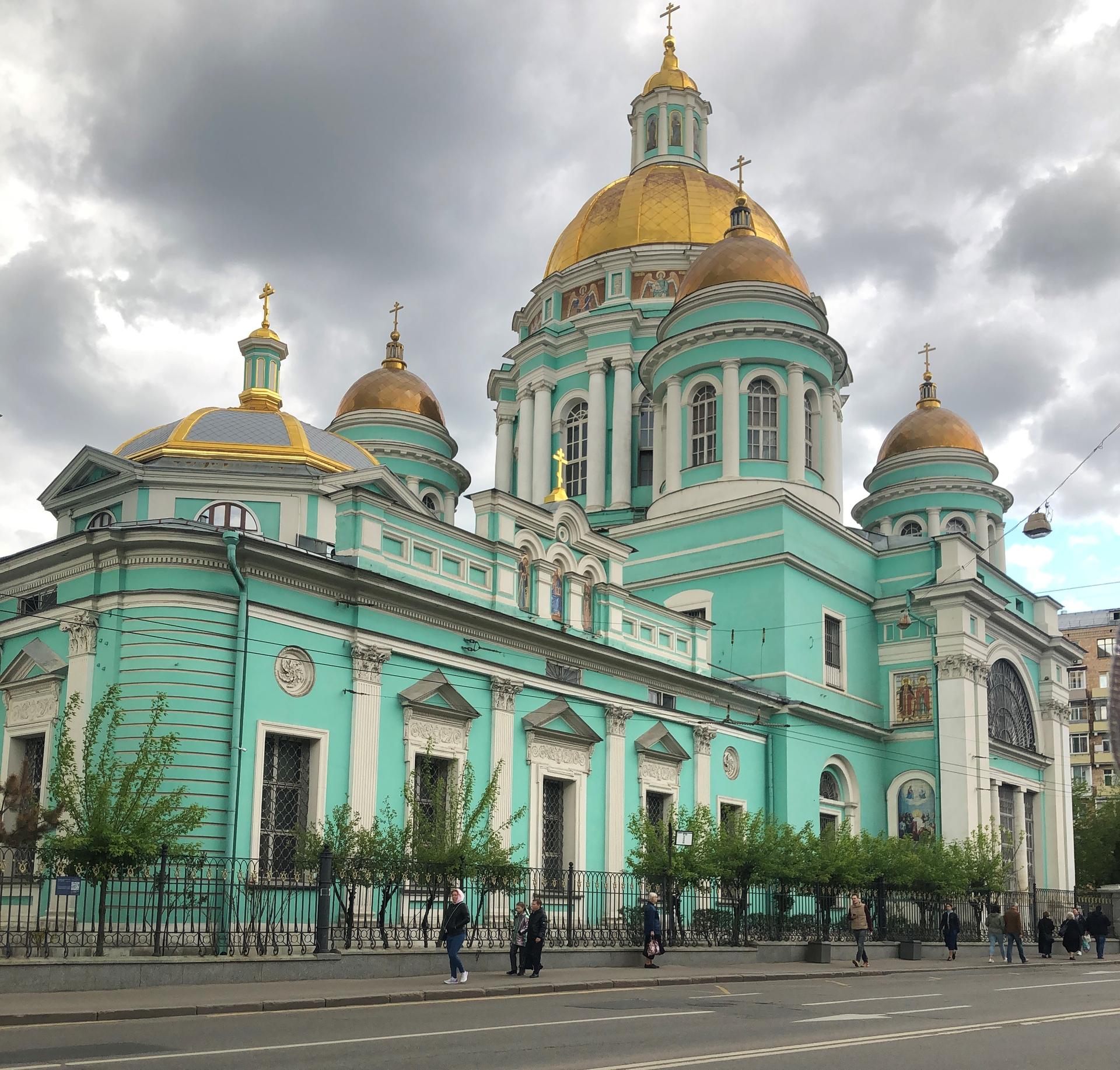
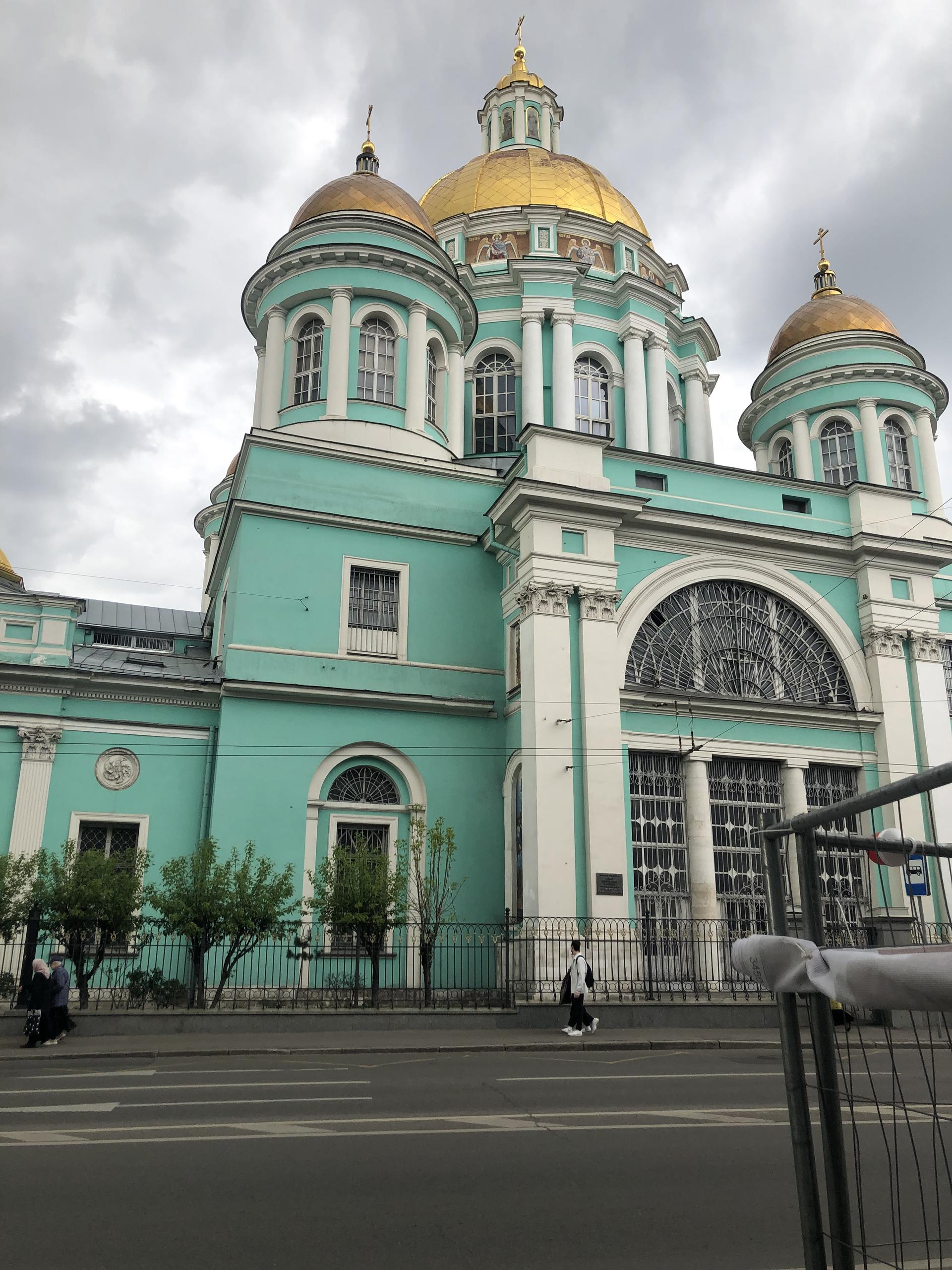
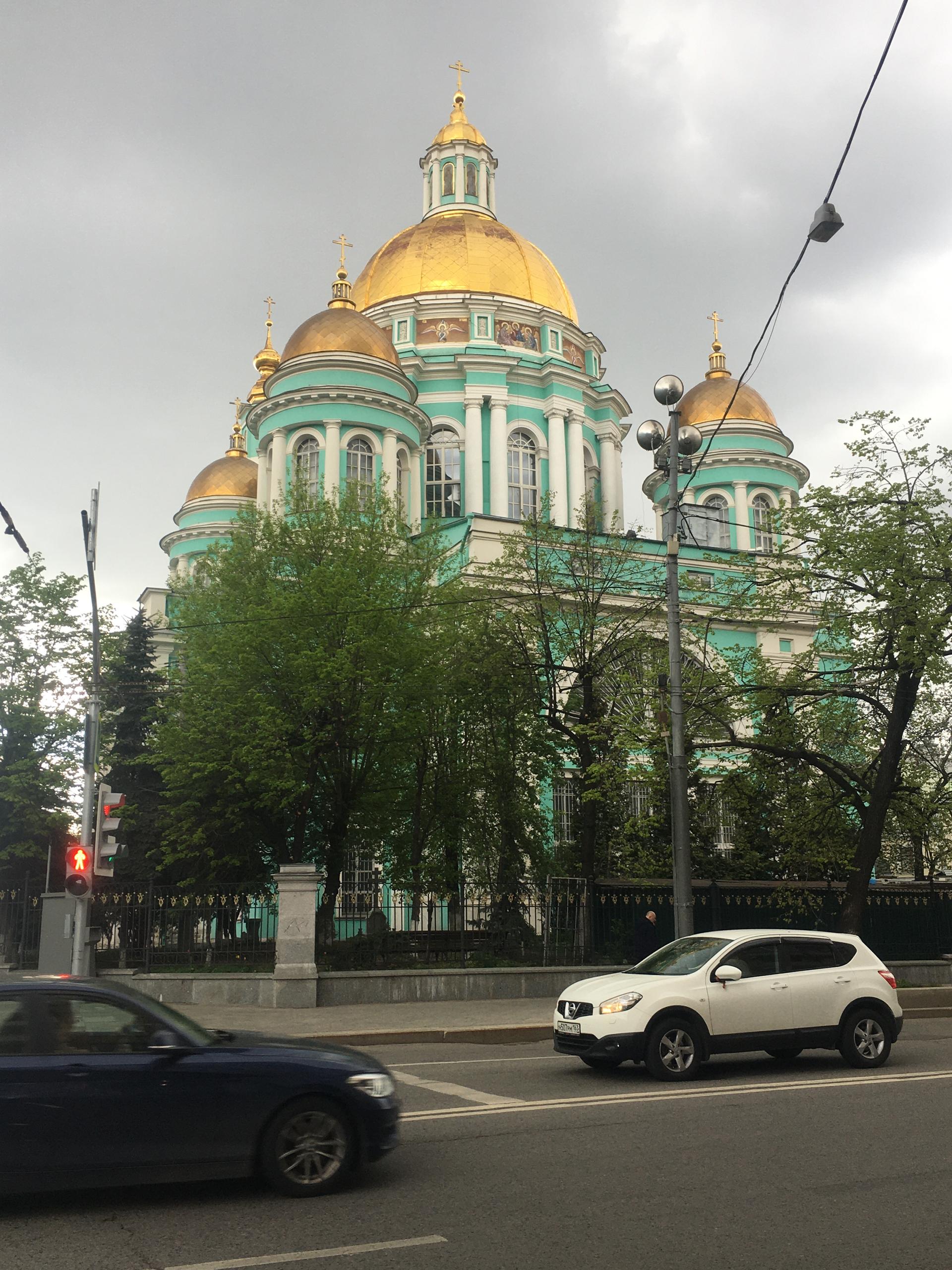
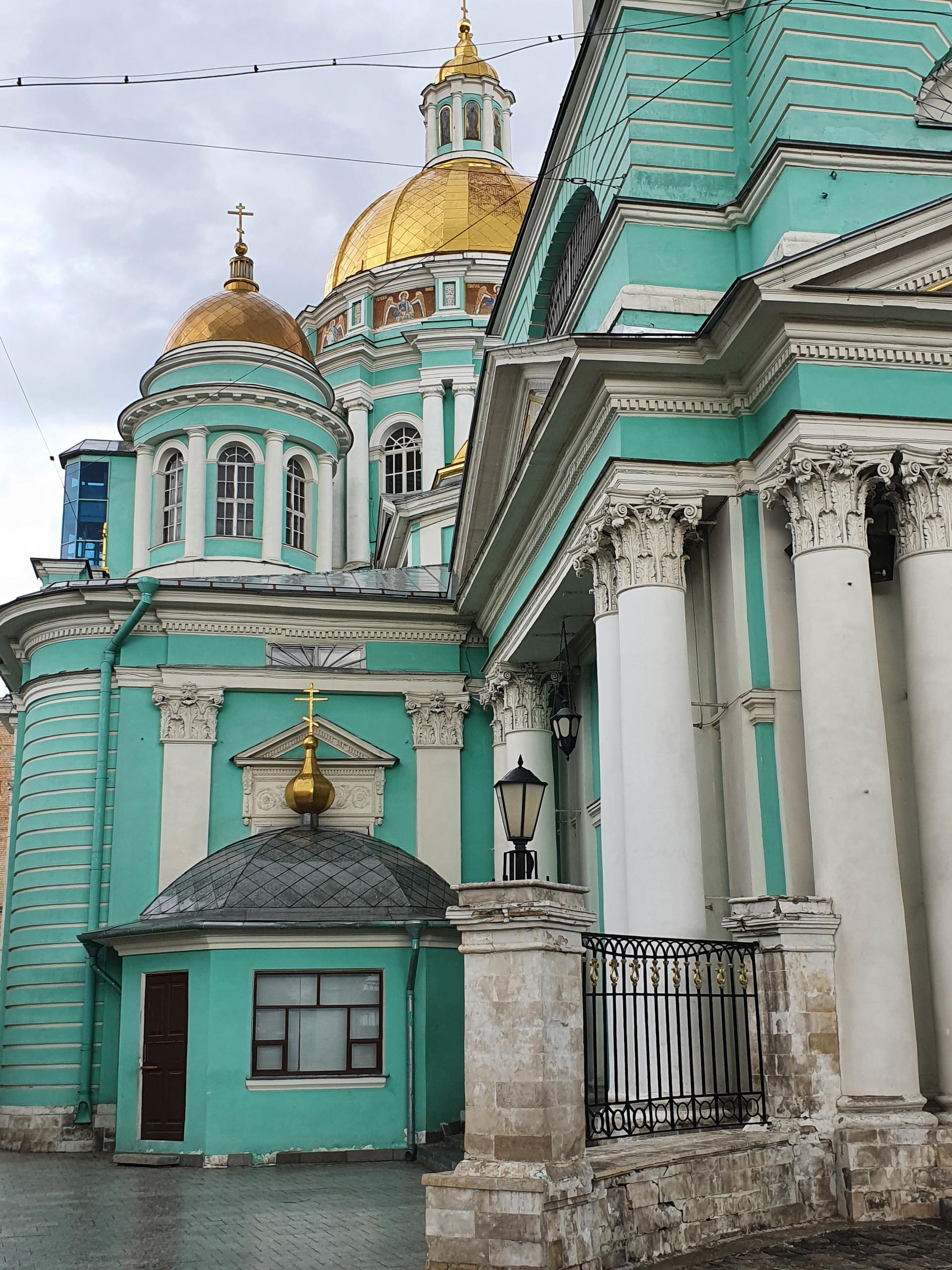
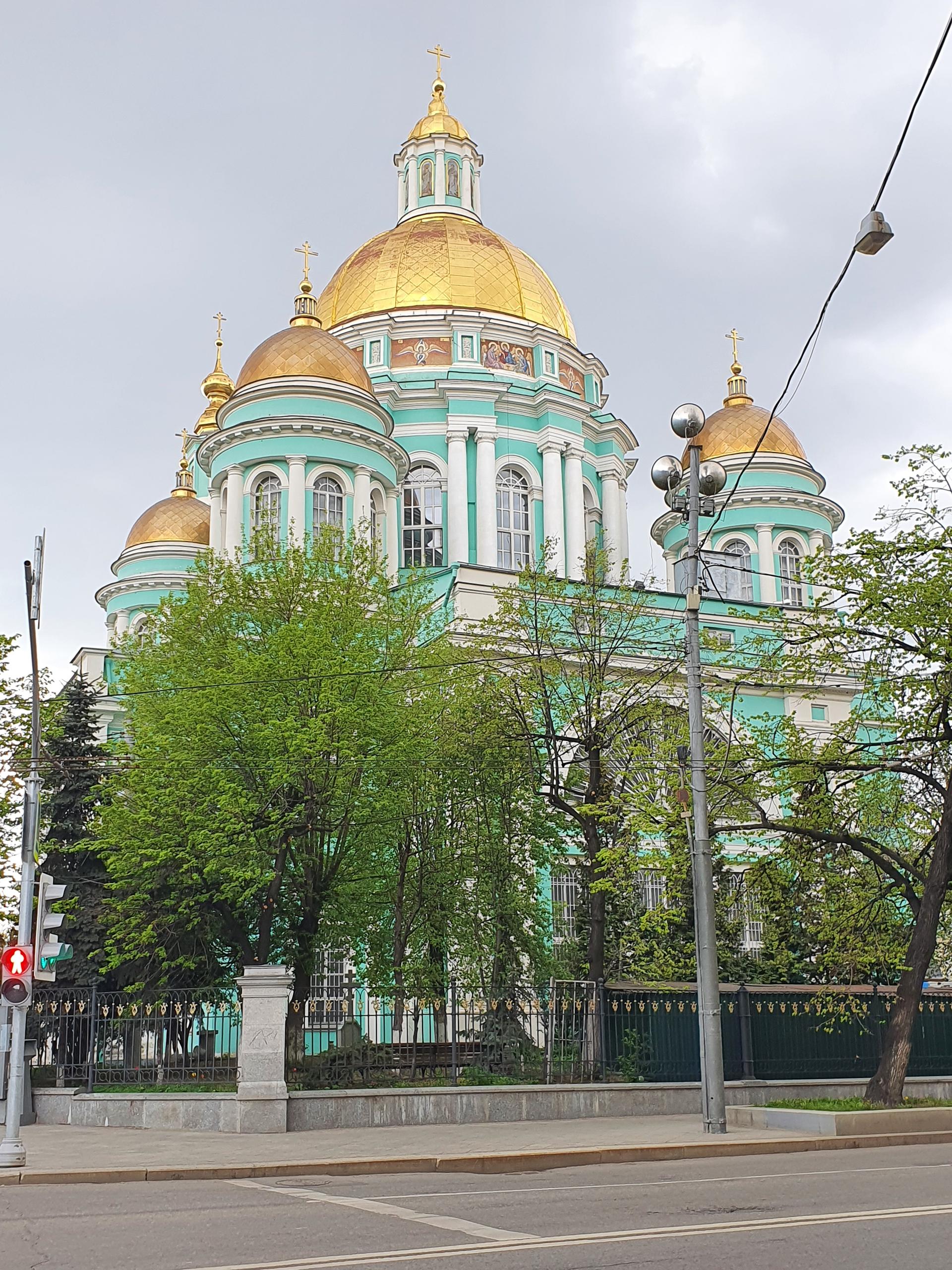
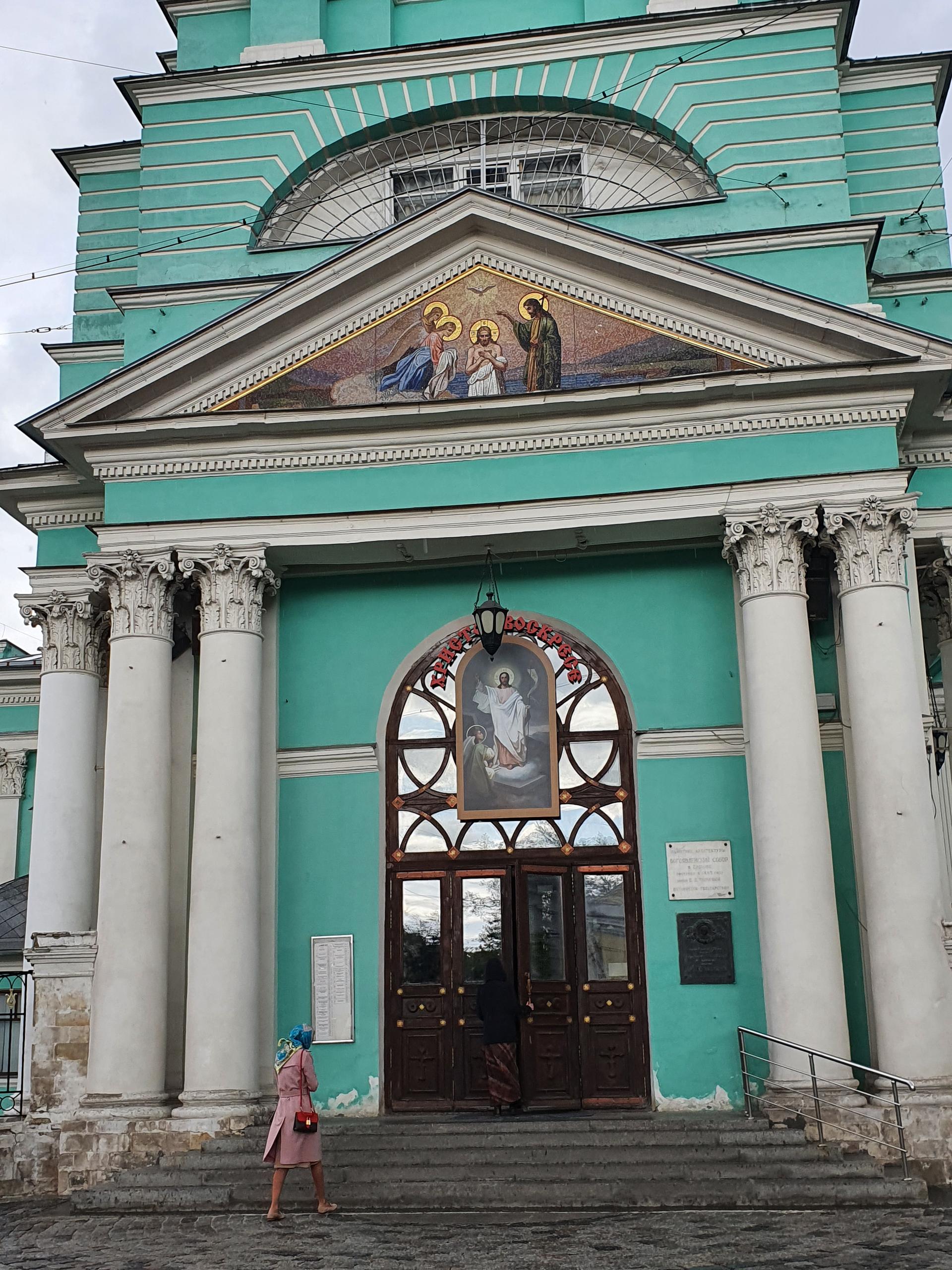
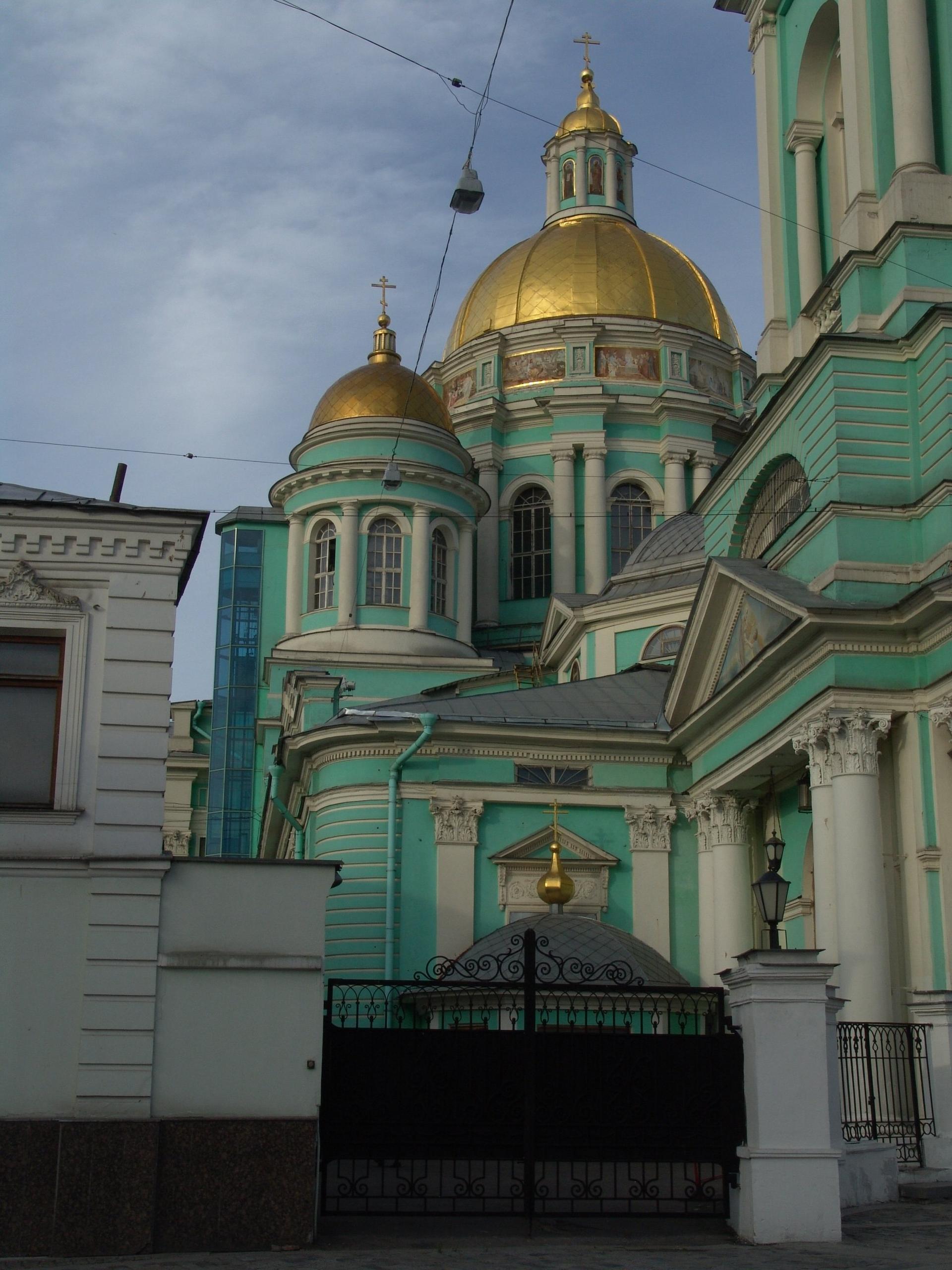
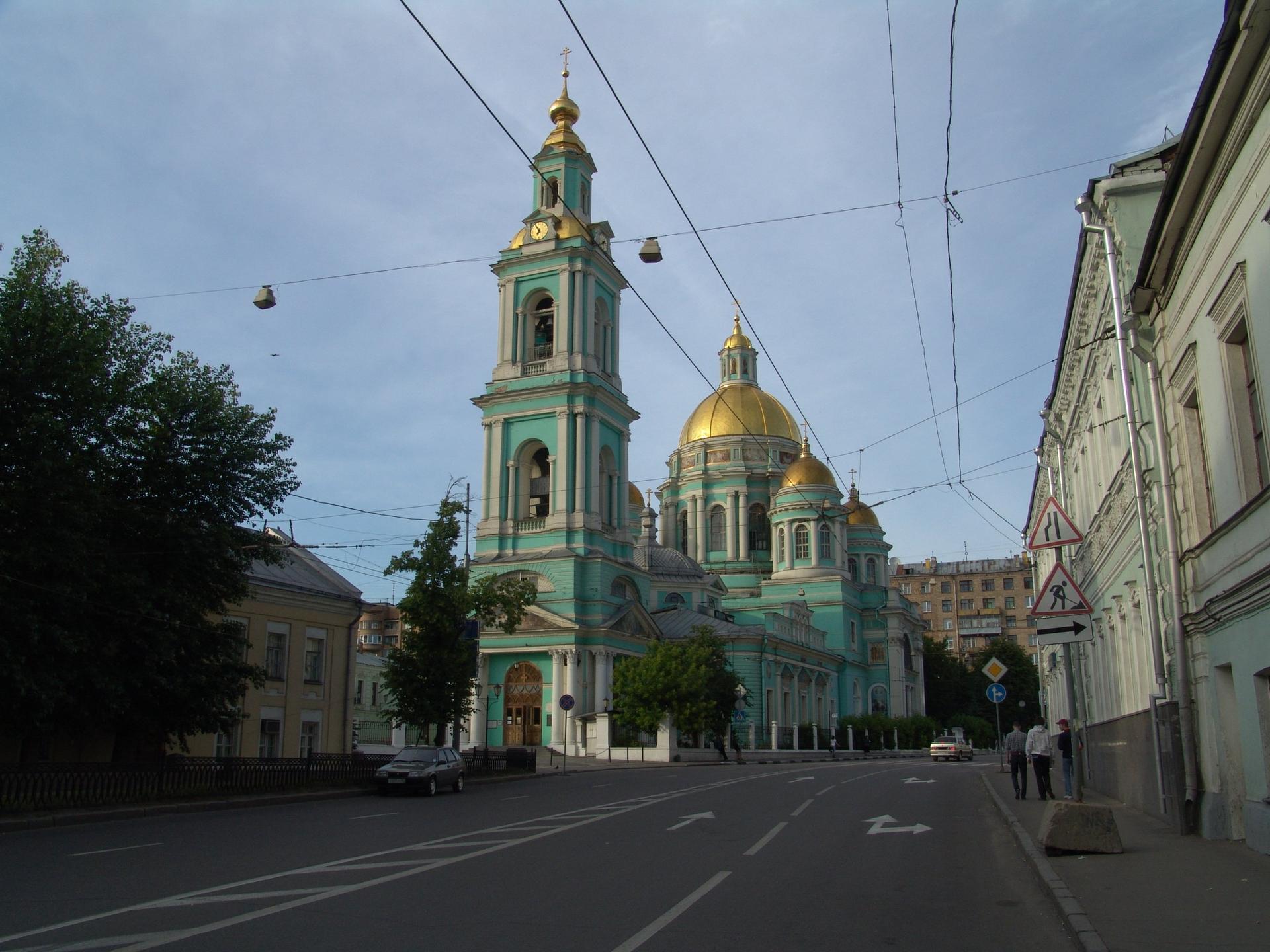
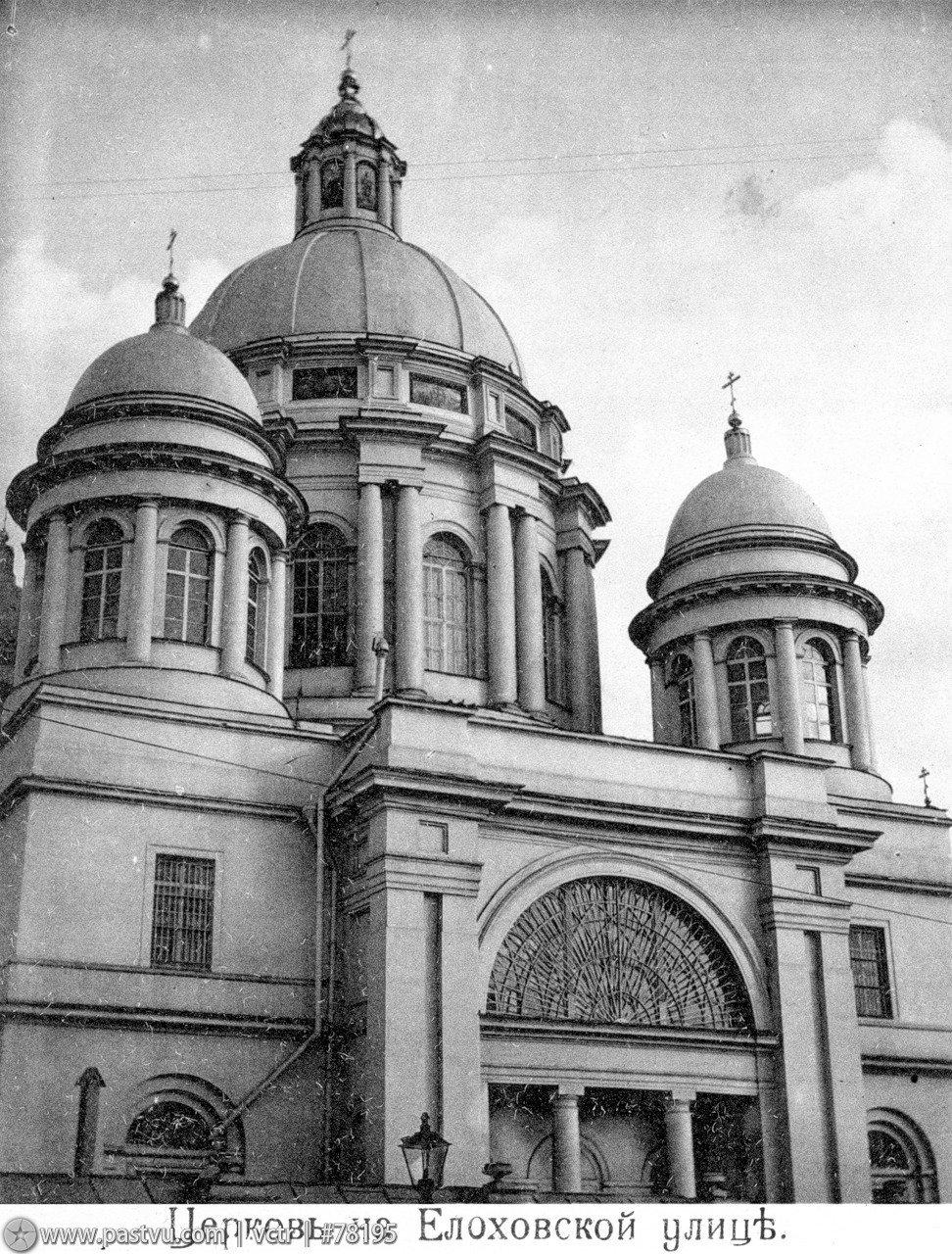
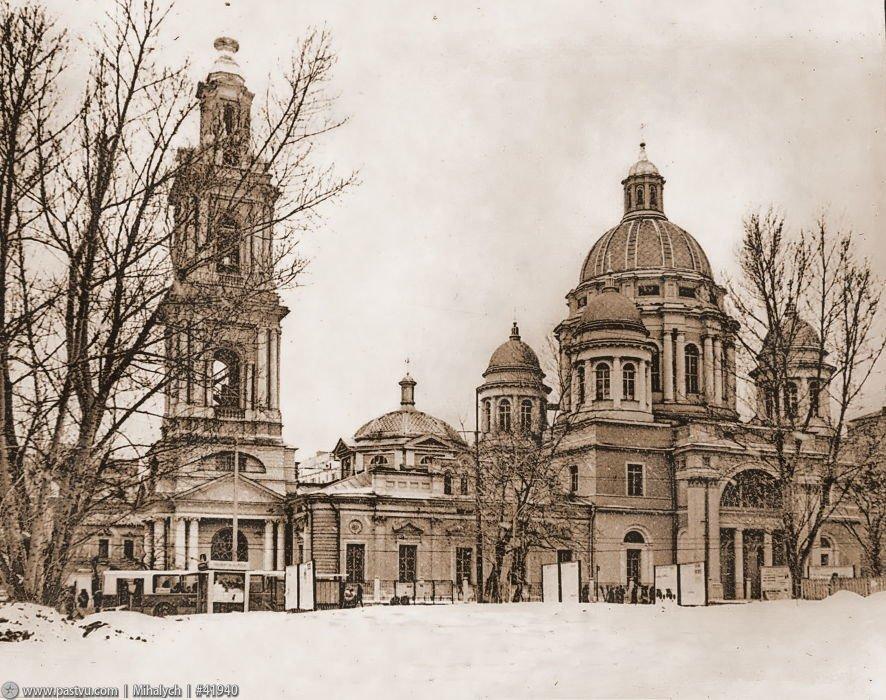
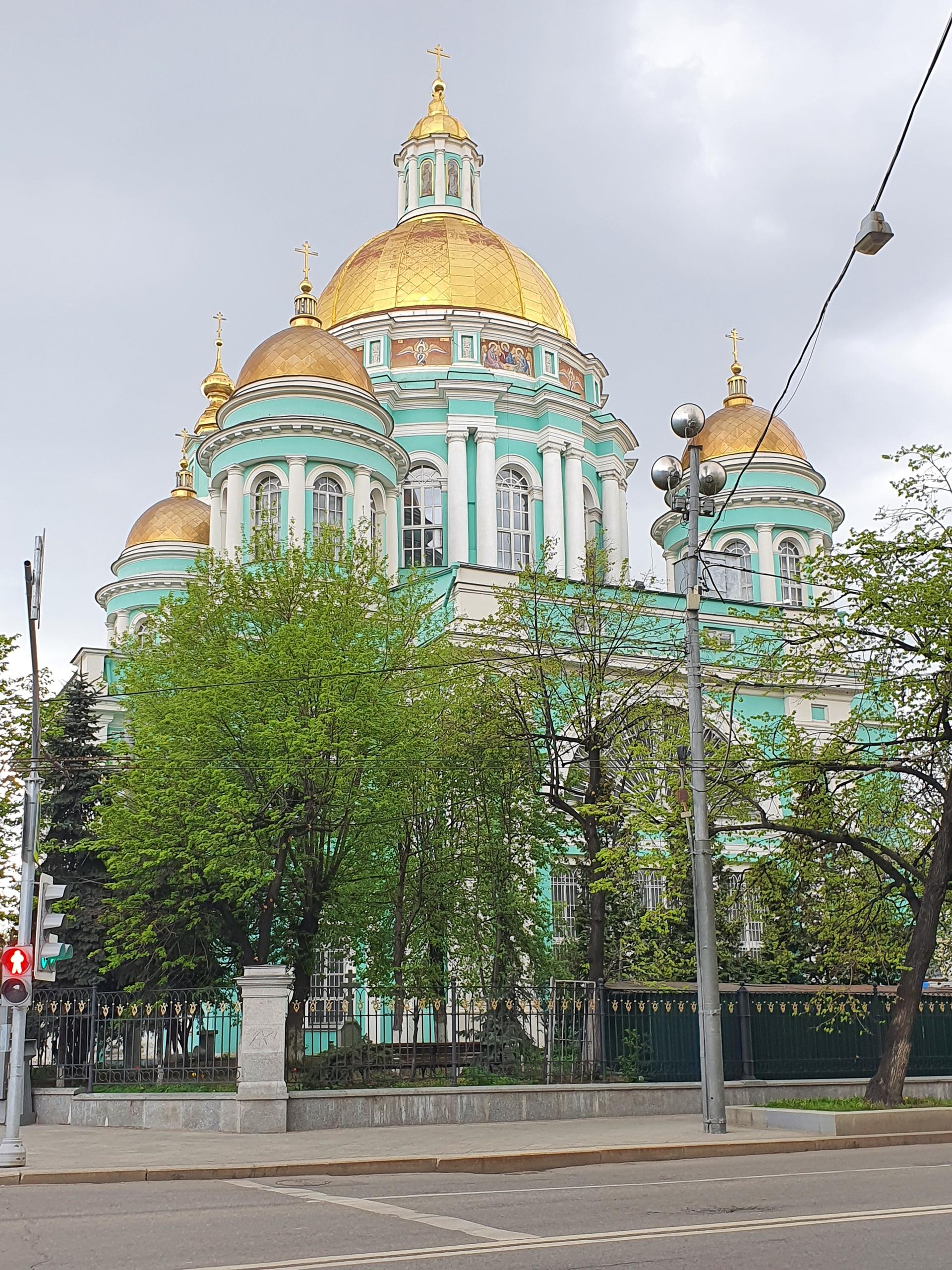
Елоховский храм считается одним из последних памятников позднего классицизма в Москве. Основной объём храма представляет собой кубический четверик, увенчанный пятью куполами-ротондами. Боковые фасады имеют ризалиты в виде портиков. Пропорции здания тяжеловесны, его структурные части отличаются массивностью (высота от земли до креста центрального купола — 56 метров). Огромное пятиглавие придаёт силуэту храма пирамидальную форму. Барабан центрального купола опирается на четыре массивных пилона и раскрыт внутрь храма, боковые барабаны — глухие. С западной стороны к основному храму примыкает трапезная, оставшаяся от здания конца XVIII века, и колокольня, в которой от старого здания сохранился первый ярус. Колокольня — стройное сооружение высотой 65 метров с двумя ярусами звона, имеющими арочные проёмы.
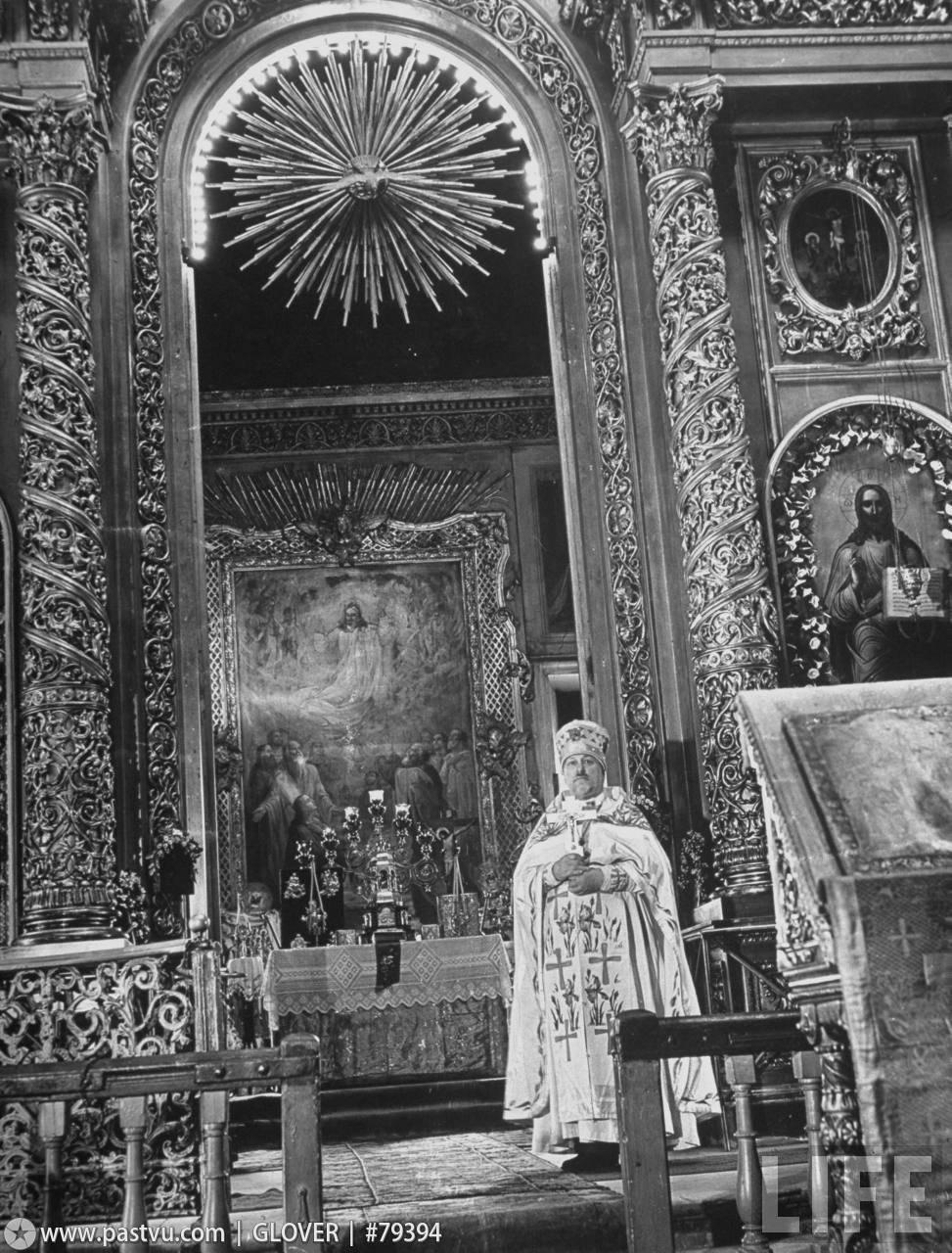
В главном храме установили многоярусный резной иконостас, покрытый растительным орнаментом. В той же манере были изготовлены киоты для икон, стоявшие у столпов и боковых стен. Иконы и стенные росписи выполнены в духе академического направления. Резьба иконостасов и киотов, лепнина на стенах и сводах покрыты позолотой. 18 октября 1853 года Богоявленский храм был освящён митрополитом Филаретом (Дроздовым).
Проект Е.Д. Тюрина не предусматривал перестройки трапезной, по сравнению с массивным главным храмом и высокой колокольней она стала казаться низкой и невзрачной. В 1890-х годах по проекту архитектора П.П. Зыкова над её боковыми фасадами надстроили эклектичные аттики и увенчали трапезную широким гранёным куполом. В 1912 году заново расписали интерьер трапезной и главного алтаря. Работы выполнили мастера из артели В.П. Гурьянова во главе с художником А.Е. Куликовым.
Елоховский приход считался одним из самых богатых в Москве. Среди прихожан преобладали мещане, фабричные рабочие и мелкие торговцы, но были и крупные предприниматели, которые деятельно участвовали в жизни общины. Семейства Матвеевых, Камыниных, Щаповых, Гуляковых жертвовали большие средства на содержание храма и на благотворительность.
Положение Елоховской церкви изменилось после революции 1917 года. Уже в 1918 году при храме была зарегистрирована группа верующих, которая получила в пользование церковное здание и предметы культа. Остальная недвижимость и банковские капиталы перешли в распоряжение государства. Церковь лишилась богатых благотворителей, но сохранила многочисленных прихожан. Здесь неоднократно совершал богослужения патриарх Тихон. В 1922 году, в ходе изъятия ценностей, в храме конфисковали изделия из серебра весом более 50 пудов. В последующее время Елоховская церковь принимала иконы и утварь из других храмов, которые подлежали закрытию. К концу 1930-х годов поблизости не осталось ни одной действующей церкви.
Несмотря на притеснения и постоянную угрозу закрытия, Елоховская церковь была самой посещаемой в городе — в 1930 году церковный совет оценивал численность прихожан в 25 тысяч человек. Неподалёку, в Бауманском переулке (ныне часть Бауманской улицы), в скромном деревянном доме разместилось руководство Московской патриархии — квартира и канцелярия патриаршего местоблюстителя. Поэтому в Елоховской церкви часто проводились торжественные богослужения. Главным храмом Русской Православной Церкви храм Богоявления стал в самое тяжёлое время. В 1938 году был закрыт и вскоре разрушен Дорогомиловский собор, считавшийся кафедральным храмом Московской патриархии. Тогда патриарший местоблюститель Сергий (Страгородский) и подчинённые ему архиереи стали служить в Елоховском храме. Сразу после начала Великой Отечественной войны митрополит Сергий призвал верующих встать на защиту родины, а через несколько дней отслужил молебен о победе русского воинства. Такие молебны регулярно совершались в Елоховской церкви в военные годы. Духовенство и прихожане церкви внесли на нужды обороны в общей сложности более миллиона рублей.
Незадолго до окончания войны Богоявленский храм получил официальный статус патриаршего собора. Здесь проходили самые торжественные богослужения и другие церковные мероприятия — рождественские и пасхальные службы с участием патриарха и других архиереев, хиротонии епископов, освящение мира. В Елоховском соборе были возведены на престол четыре патриарха — Сергий (Страгородский) в 1943 году, Алексий I (Симанский) в 1945 году, Пимен (Извеков) в 1971 году и Алексий II (Ридигер) в 1990 году. Патриарх Сергий был похоронен в соборе, его мраморное надгробие, изготовленное в 1949 году по проекту архитектора А.В. Щусева, находится в Никольском приделе. В приделе Благовещения погребён патриарх Алексий II. Важнейшие юбилейные даты — 500-летие автокефалии Русской Церкви в 1948 году и 1000-летие Крещения Руси в 1988 году — отмечались торжественными службами в Елоховском соборе. Собор нередко посещали делегации православных и других христианских Церквей, иностранные дипломаты и журналисты.
С 1940-х годов Елоховский собор регулярно ремонтировали. В 1947 году был обновлён интерьер храма: отреставрированы иконостасы, киоты и росписи. В поновлении росписей принял участие художник А.Е. Куликов, который расписывал храм ещё до революции. Большие работы проводились в 1970-х годах. Их целью было приспособить храм к торжественным служениям, на которых присутствовали многочисленные церковные иерархи. Главный алтарь был расширен пристройкой ризалита к восточному фасаду храма, в подкупольной части устроили обширный амвон с металлической решеткой, были сооружены дополнительные балконы для размещения певчих. Под крышей главного храма и трапезной обустроили служебные помещения для работников собора, ризницу, помещение для репетиций хора, склад церковных принадлежностей. Для подъема на верхние ярусы установили несколько лифтов, один из них — на северном фасаде собора. Наружная реставрация была проведена к 1000-летию Крещения Руси, тогда же благоустроили храмовую территорию, собор получил в своё распоряжение несколько соседних зданий. В 1990 году в служебных помещениях при соборе была устроена церковь-крестильня. В советское время собор красили обычно в бледно-голубой и бледно-зеленый цвет, купола его были серебристыми, с позолоченными главками. В 1997 году стены собора приобрели бирюзовую окраску, тогда же центральный купол был покрыт сусальным золотом, а боковые — нитридом титана, имитирующим позолоту. В 2025 году началась реставрация фасадов собора, которая должна завершиться в 2026 году.
В 1992 году статус патриаршего собора перешел к Успенскому собору в Московском Кремле, где после длительного перерыва вновь стали проводиться богослужения. Богоявленский собор в Елохове сохранил статус кафедрального собора Москвы.
Важнейшие святыни появились в Елоховском соборе в советское время. В местном ряду главного иконостаса находится икона Казанской Богоматери, украшенная серебряным окладом с драгоценными камнями и жемчугом. По преданию, икона происходит из Казанского собора на Красной площади и была принесена в Елохово из Дорогомиловского собора в 1930-х годах. Икона считается чудотворной и почитается верующими. Справа у иконостаса находится рака с мощами митрополита святителя Алексия. Кремлёвский Чудов монастырь, в котором хранилась эта святыня, был разрушен в советское время, и мощи были переданы в Музеи Московского Кремля. В 1947 году Совет министров СССР по просьбе патриарха Алексия I разрешил передать святыню в Елоховский собор. Для них по эскизам М. Е. Губонина были изготовлены гробница и резная шатровая сень в древнерусском стиле, которые установили перед храмовой иконой Богоявления. С 1988 года в соборе хранятся фрагменты истинного креста, камень от Гроба Господня и частицы мощей разных святых, переданные из Музеев Московского Кремля к 1000-летию Крещения Руси. Временно в соборе находились святыни, переданные церкви из государственных музеев: в 1946 году — мощи виленских мучеников Антония, Иоанна и Евстафия, которые затем отвезли в Вильнюс, в 1991 году — мощи преподобного Серафима Саровского и святителя Иоасафа Белгородского. В октябре 1993 года в собор из Третьяковской галереи доставили чудотворную икону Владимирской Богоматери. Патриарх Алексий II совершил перед ней моление об избавлении страны от смут и распрей.
Иконы в соборе написаны в основном в XIX веке, но есть и более старые, сохранившиеся от первой каменной церкви. Почитанием верующих пользуются иконы Богоматери «Всех Скорбящих Радость» и святителя Николая в северном приделе, икона Богоматери «Взыскание погибших» в южном приделе, икона Богоматери «Млекопитательница» афонского письма конца XIX века в главном храме. В соборной ризнице имеются ценные предметы для богослужения XVIII–XX веков, на колокольне сохранился набор из 17 старинных колоколов.