Интерактивный гид по городу
С мобильным приложением бродить по городу гораздо интереснее!

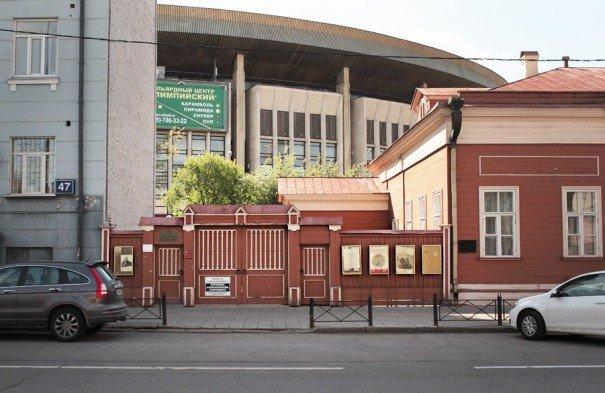
г. Москва, ул. Щепкина, д. 47, стр. 2
5.00
Вы можете воспользоваться QR-кодом, чтобы открыть эту страницу в нашем приложении
Социальные сети
Краткая информация о музее

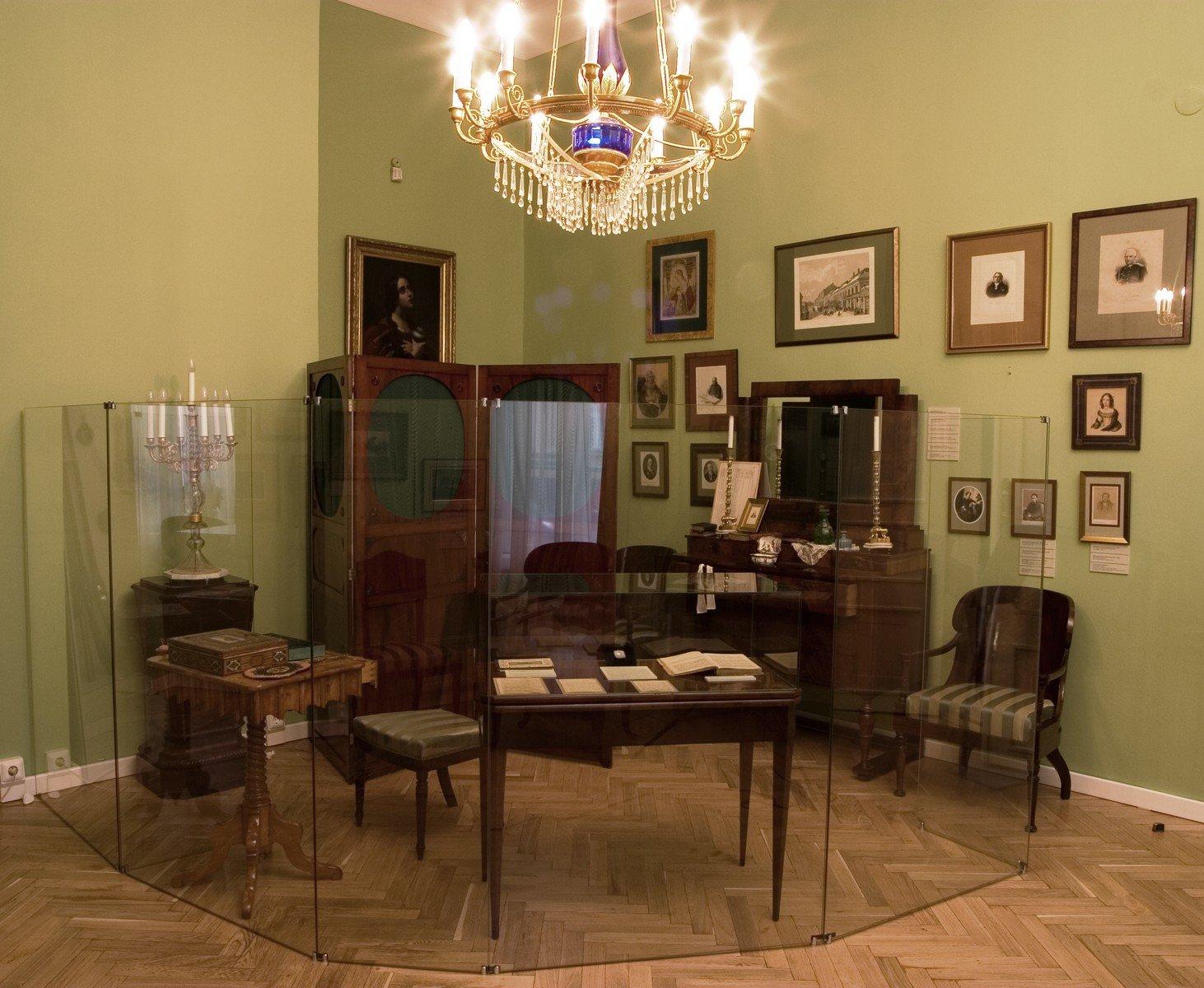
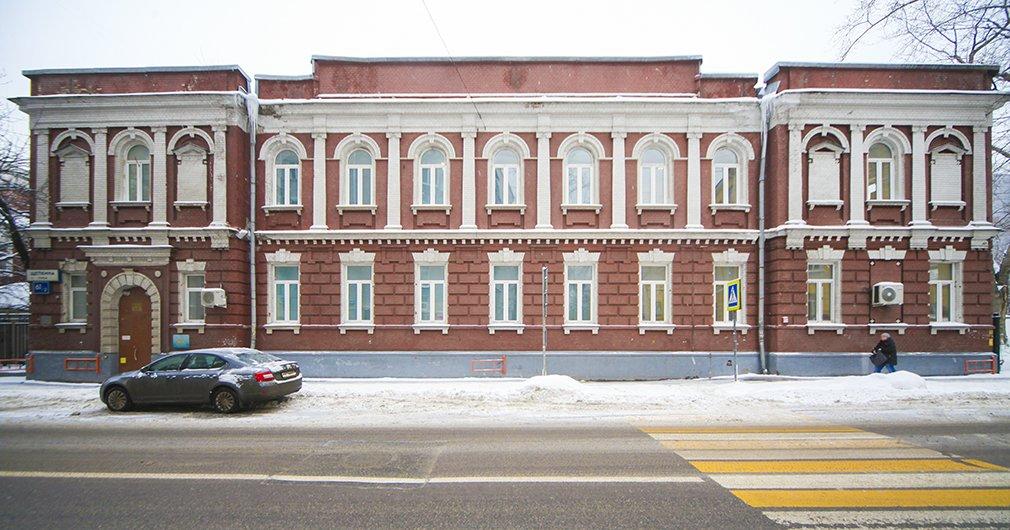
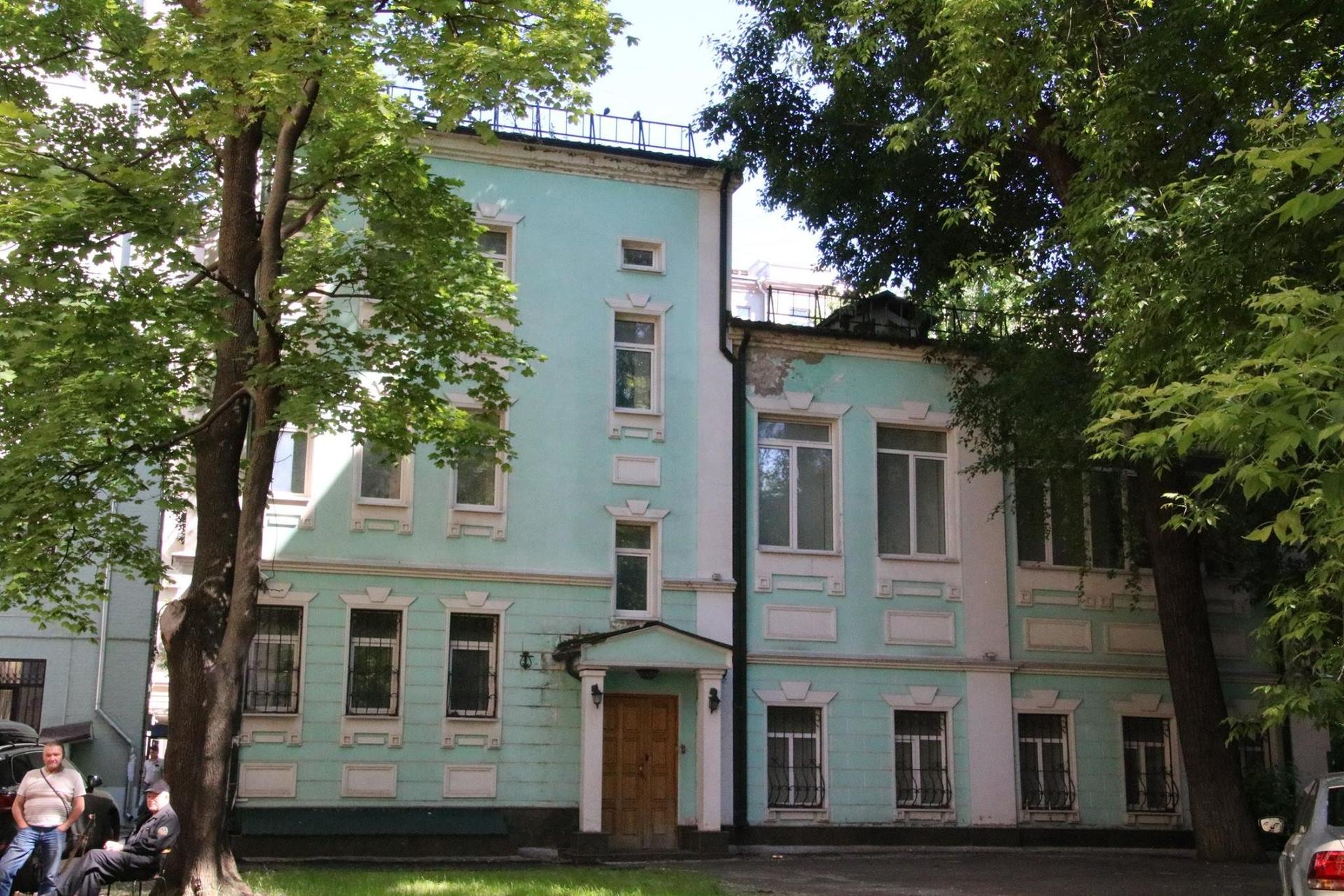
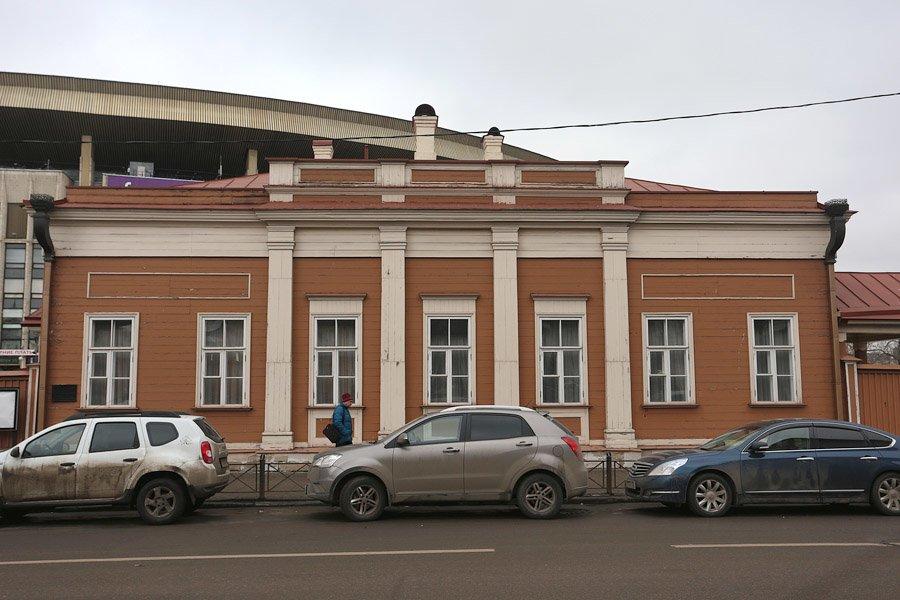
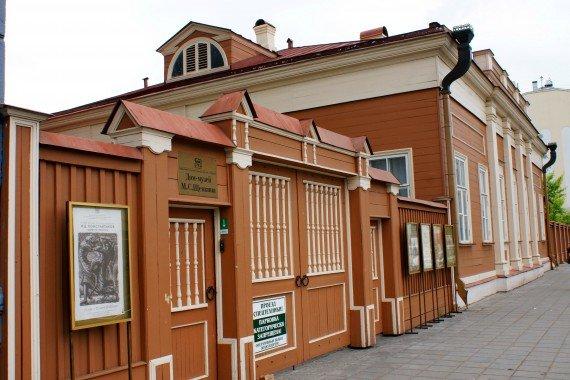
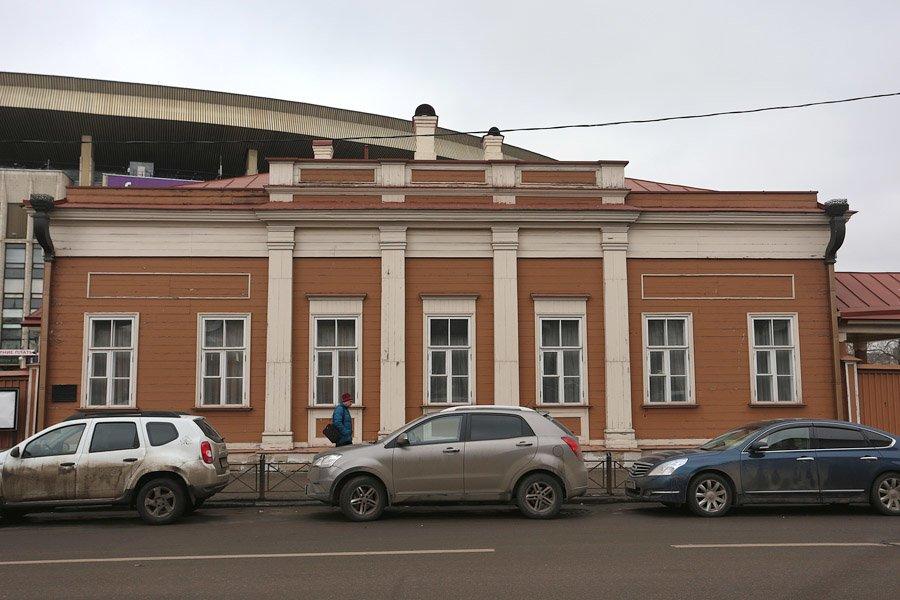
Мемориальный музей, посвящённый жизни выдающегося актёра и реформатора русской сцены М.С. Щепкина. Он располагается в старинном доме конца XVIII — начала XIX века, где Щепкин проживал последние годы своей жизни. Музей открыт в 2009 году как филиал Государственного центрального театрального музея имени А.А. Бахрушина.

Руководство музея

Дом-музей М.С. Щепкина является филиалом Государственного театрального музея имени А.А. Бахрушина. Директор филиала — Кристина Дмитриевна Трубинова.

История создания

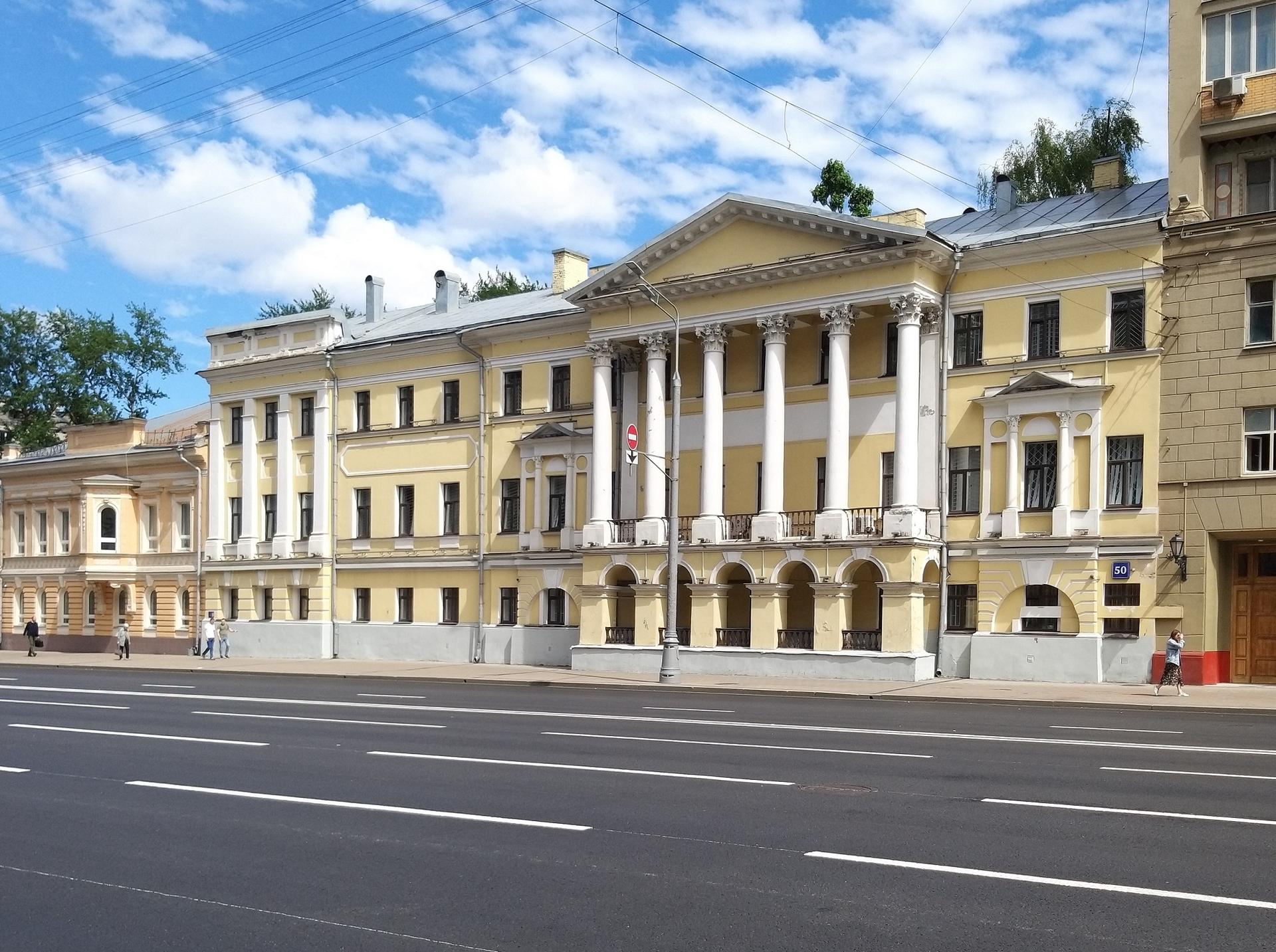
Здание, в котором расположен музей, само по себе представляет значительный исторический интерес. Это одно из немногих строений Москвы, уцелевших во время пожара 1812 года и дошедших до наших дней. Старинная усадьба конца XVIII — начала XIX века построена в стиле классицизма; в её основе — массивный бревенчатый сруб. Актёр М.С. Щепкин жил здесь с 1859 по 1863 год. Его семья особенно любила проводить время в саду, разбитом у дома в 1850-е годы. В доме часто бывали выдающиеся деятели искусства; сам Щепкин с радостью принимал гостей. Среди них — фольклорист А.Н. Афанасьев, переводчик Н.Х. Кетчер, актёр М.В. Лентовский, оставивший воспоминания о пребывании в этом доме.

После смерти актёра в 1863 году усадьбу унаследовала семья Пановых из старинного дворянского рода. После революции 1917 года в здании были устроены коммунальные квартиры. В 1980-е годы дом оказался под угрозой сноса в связи со строительством спорткомплекса «Олимпийский», однако благодаря усилиям деятелей культуры усадьбу удалось сохранить и передать Театральному музею. Перед открытием музея была проведена масштабная реставрация, в ходе которой восстановили фасад и интерьеры начала XIX века, сохранив как внешний облик — деревянный сруб, так и планировку внутренних помещений. В 2009 году дом-музей М.С. Щепкина открылся для посетителей как филиал Государственного центрального театрального музея имени А.А. Бахрушина.

Выдающиеся деятели

Михаил Семёнович Щепкин — выдающийся актёр, один из основоположников русской актёрской школы. Родился в 1788 году в селе Красном Курской губернии в семье крепостных графа Волкенштейна. С раннего детства его жизнь была связана с театром. В семилетнем возрасте он увидел оперу «Новое семейство» в барском театре, что стало первым сильным впечатлением от сцены.

Юные годы Щепкина прошли в учёбе и постепенном приобщении к театру. Он обучался в Суджанском народном училище, затем в Белгороде и Курске, одновременно служил суфлёром в курском театре братьев Барсовых. В 1800 году впервые вышел на сцену школьного театра в роли слуги Розмарина в комедии А.П. Сумарокова «Вздорщица».

Со временем театр стал его призванием. Он играл в домашнем театре своего помещика, а в 1805 году дебютировал на профессиональной сцене, заменив актёра в роли Андрея-почтаря в пьесе Л.-С. Мерсье «Зоа».

Годы работы в провинциальных труппах стали для Щепкина подлинной школой мастерства. В Полтаве он был ведущим артистом театра под руководством И.П. Котляревского.

Переломным стал 1822 год: в сентябре Щепкин дебютировал в Москве в роли Богатонова в комедии М.Н. Загоскина «Г-н Богатонов, или Провинциал в столице», после чего был принят в труппу Малого театра и стал одним из его ведущих актёров. В 1830-е годы пришёлся расцвет его творчества. Он расширил рамки комического амплуа, создав образы Фамусова в «Горе от ума» А.С. Грибоедова и Городничего в «Ревизоре» Н.В. Гоголя, вошедшие в историю русского театра.

В последние годы жизни Щепкин продолжал активно работать, передавал опыт молодым актёрам, размышлял о природе сценического искусства. В 1853 году он совершил поездку за границу и встретился с А.И. Герценом. По совету врачей в 1863 году отправился в Крым и 11 августа скончался в Ялте.

М.С. Щепкин внёс огромный вклад в развитие русского театра. Его записки и письма, изданные посмертно, оказали влияние на формирование системы К.С. Станиславского, прежде всего в части психологической глубины и индивидуального подхода к созданию сценического образа.

Информация об экспозиции

Экспозиция выстроена в хронологическом порядке и состоит из нескольких залов, каждый из которых посвящён определённому этапу жизни актёра. Осмотр начинается с раздела, рассказывающего о крепостном детстве Щепкина и его первых выступлениях в дворянских театрах. Центральное место занимает инсталляция ярмарки XIX века, где будущий актёр был замечен представителями Московского императорского театра.

Следующий зал посвящён работе в провинциальных труппах. Экспозиция продолжается рассказом о московском периоде и реформаторской деятельности Щепкина. Здесь представлены личные вещи М.С. Щепкина, его записки, документы и материалы, связанные с развитием русской актёрской школы.

Мероприятия и программы музея

Музей предлагает экскурсию «Творческий путь актёра М.С. Щепкина — от крепостного мальчика до реформатора русского театра», в ходе которой демонстрируются подлинные книги, живописные произведения, мебель и личные вещи хозяина дома. Проводятся мастер-классы, лекции по истории театра, литературно-музыкальные вечера и спектакли. При музее действует экспериментальная театральная студия А.В. Ледуховского — Домашний театр имени Щепкина. Регулярно организуются тематические программы для детей и взрослых, в том числе рождественские иммерсивные постановки.
Автор статьи: Ольга Греф
Рекомендации
Shchepkin’s house
Prospekt Mira, Проспект Мира (радиальная)
Отзывы
(2)
Поделитесь статьей с друзьями
Интересное рядом(18)
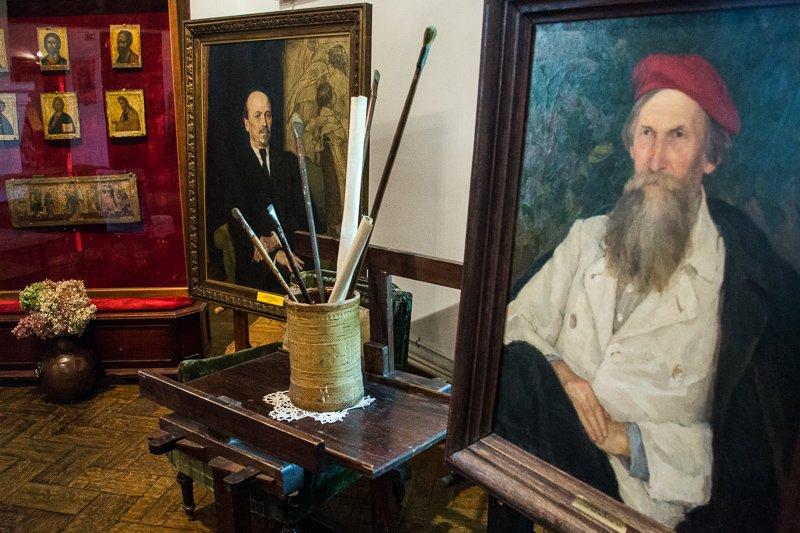
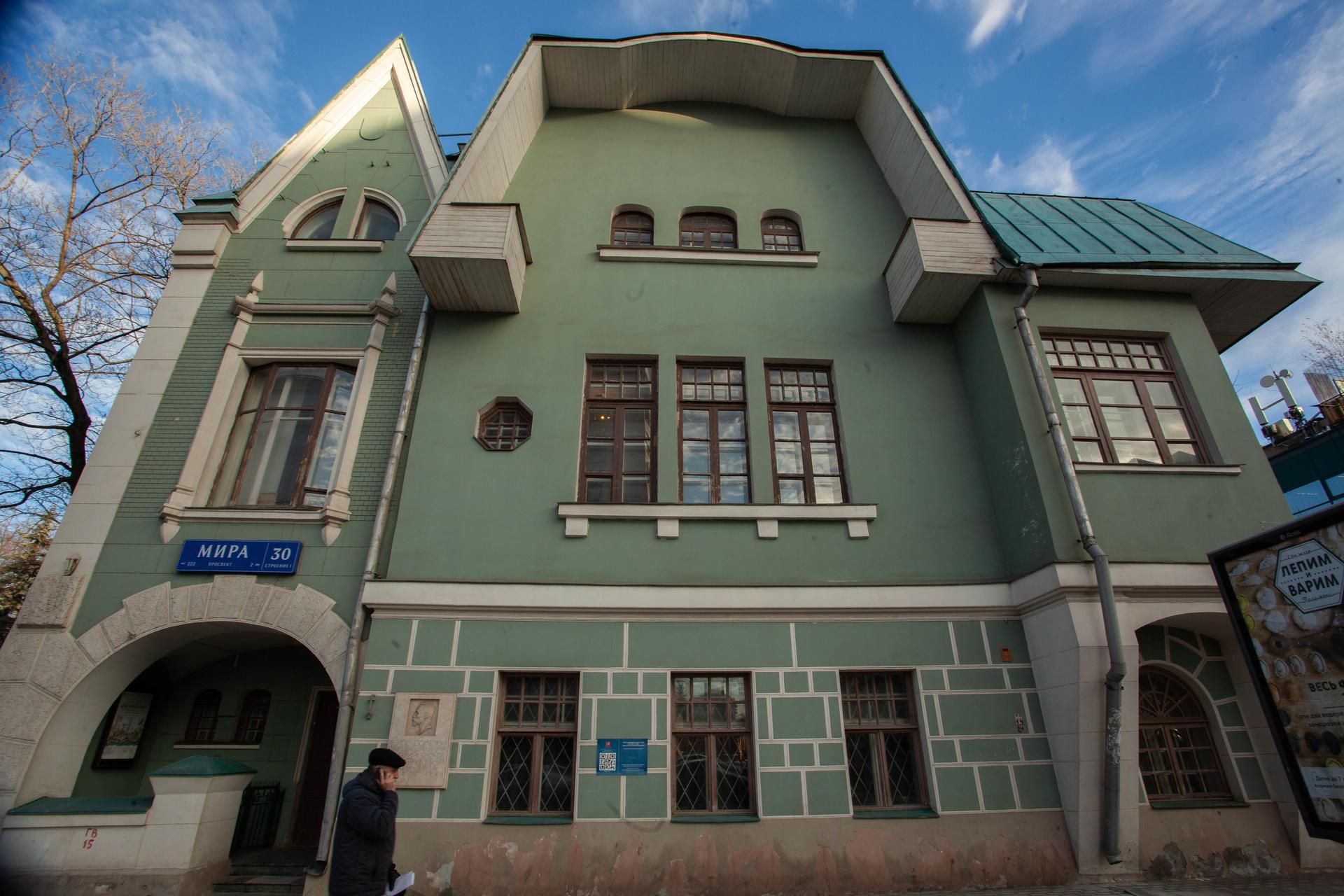
V.M. Vasnetsov House - MuseumThe house of the outstanding Russian artist V. M. Vasnetsov is located behind the Sadovoe Ring, not far from the Moscow Courtyard of the Holy Trinity St. Sergius Lavra, in a quiet, shady lane. It was built in 1894 by the artist himself in the neo-Russian style. VM Vasnetsov lived here the last 32 years of his life (1894–1926). On August 25, 1953, a museum was opened in the house, in 1954 the 3rd Trinity Lane, in which the house stands, was renamed Vasnetsov Lane.

Immediately after the death of the artist, the relatives had the idea of “to preserve everything, as it were, to arrange something like a house-museum”. Turning to the Tretyakov Gallery for help, they received consent to work together to organize a posthumous exhibition of works by V. M. Vasnetsov with the further perspective of creating a museum.

On January 27, 1927, the artist's son, Alexey Viktorovich Vasnetsov, submitted to the Gallery's Board a statement that the family was ready to accept all the obligations related to the arrangement of the exhibition. He was also approved as the ombudsman. Alexey Viktorovich was helped by his sister Tatyana Viktorovna and wife Zinaida Konstantinovna. M. V. Nesterov, P. Korin, An. M. and Vl. V. Vasnetsov and Scientific Secretary of the Tretyakov Gallery N. S. Morgunov participated in the design of the exhibition. The necessary repairs were carried out, several hundred posters with information about the exhibition were printed and posted, tickets were prepared and a catalog was published.

The exhibition opened on March 13, 1927. On the first day, about 600 people visited it. In the following days, many interested visitors and school groups came to the exhibition, there were excursions. The exhibition remained until 1933.

In the preface to the catalog it was stated that the works exhibited at the exhibition, in particular the fairy-tale cycle, were presented to the public for the first time and that in the future landscapes, sketches and sketches will be shown, “which, combined with what is shown now, should be composed by the Victor Vasnetsov Museum ". The exhibition featured 212 exhibits: painting, graphics and objects of decorative and applied arts. The exhibits were located in the living room, the former classroom and in the workshop. Fabulous epic paintings the authors of the catalog provided with short texts from the literary source.

During the Great Patriotic War, the artist's family continued to live in the house. Large paintings were rolled up, the rest of the work laid out in boxes. The house itself was not damaged, but the fence and the terrace were not preserved. In September 1946, the heirs expressed a desire to organize a museum in the house by the centenary of the birth of V. M. Vasnetsov in 1948 and negotiate with the Tretyakov Gallery about it. The exhibition of paintings by the master, which opened in May 1948 in the exhibition hall of the Union of Soviet Artists, aroused great interest among the visitors and contributed to the decision to organize the museum.
On June 29, 1950, an order was issued by the Council of Ministers of the USSR on the organization of the House Museum of V. M. Vasnetsov. The Committee on Arts at the Council of Ministers of the USSR issued an order to proceed with the organization of the museum, for which purpose it is possible to receive the house, as well as art collections and property, which the heirs of the artist donate to the state.

A month later, on July 29, 1950, the heirs signed a statement to the Committee for Arts at the Council of Ministers of the USSR on the donation of property and valuables to the state for the organization of the V.M. Vasnetsov House-Museum. On July 18, 1951, the Order of the Committee approved the “Regulations on the House-Museum of V.M. Vasnetsov”. On August 28, 1951, an act was signed by the commission of the house, works of art — painting, graphics, works of decorative and applied arts, household items and property of V. M. Vasnetsov from his heirs.

The first director of the museum (from 1951 to 1957) was the nephew of the artist Dmitry Arkadyevich Vasnetsov, a member of the First World War and the Great Patriotic War, the actor of the Musical Theater K. S. Stanislavsky and V. I. Nemirovich-Danchenko, the director of the Children's Music School. Z.K. Vasnetsova was appointed chief custodian. Together with Tatiana Viktorovna D. A. Vasnetsov was engaged in repairing the house, restoring its planning and recreating the situation that was during the life of V. M. Vasnetsov. The architecture of the house was fully preserved. The decor of the house was restored at the beginning of the twentieth century. The decoration of the dining room, living room and workshop is almost completely preserved. Also, genuine objects, which were transferred to the museum by the artist's family, were presented in all the other rooms, including exposition ones.
The part of the collection that remained in the ownership of the heirs was transferred to the museum under the will of T. V. Vasnetsova in 1959 and on the basis of its deed of gift in 1961. Thus, all collections: painting, graphics, objects of decorative and applied arts and everyday life, the personal archive and library of the artist, photography and reproduction were included in the museum collection, which was replenished with gifts from various individuals, procurement, and currently has about 25 thousands of museum items.

In 1978–80, the house was restored, the outbuildings of the outbuildings were restored, where the janitor’s, the laundry room and the coach house were located under the common roof, and the cobblestone pavement and brick path were restored in the courtyard. A firewall (brick wall) erected in the 80s of the 19th century was preserved from the east, to which in the 1970s "the Savior on the Throne" mosaic, made at the beginning of the 20th century according to the design of V.M. Vasnetsov in the Petersburg mosaic workshop, was transferred under the leadership of V. A. Frolov. On the north and west side of the house there is a garden with centuries-old oaks and elms.

At the time of its organization, the museum was under the jurisdiction of the Committee for Arts at the Council of Ministers of the USSR. The practical management of the museum was carried out by the General Directorate of Fine Arts. In 1954, the museum was transferred to the jurisdiction of the Ministry of Culture of the RSFSR, in January 1955 - under the jurisdiction of the Department of Culture of the Moscow City Council. In 1963, it was decided to join the Museum of History and Reconstruction of Moscow, and in 1986 the House Museum of V.M. Vasnetsov became part of the All-Union Museum Association "State Tretyakov Gallery" as a scientific department.
Moscow, Vasnetsov Lane, 13
Suharevskaya, Prospekt Mira
Щепкина ул., д. 68 (территория школы № 235)
Prospekt Mira, Проспект Мира (радиальная), Rizhskaya
Most Suharevskaya area

Once the most, perhaps, a noisy area.

г. Москва, Большая Сухаревская пл.
Suharevskaya
Shchepkin’s house
Prospekt Mira, Проспект Мира (радиальная)