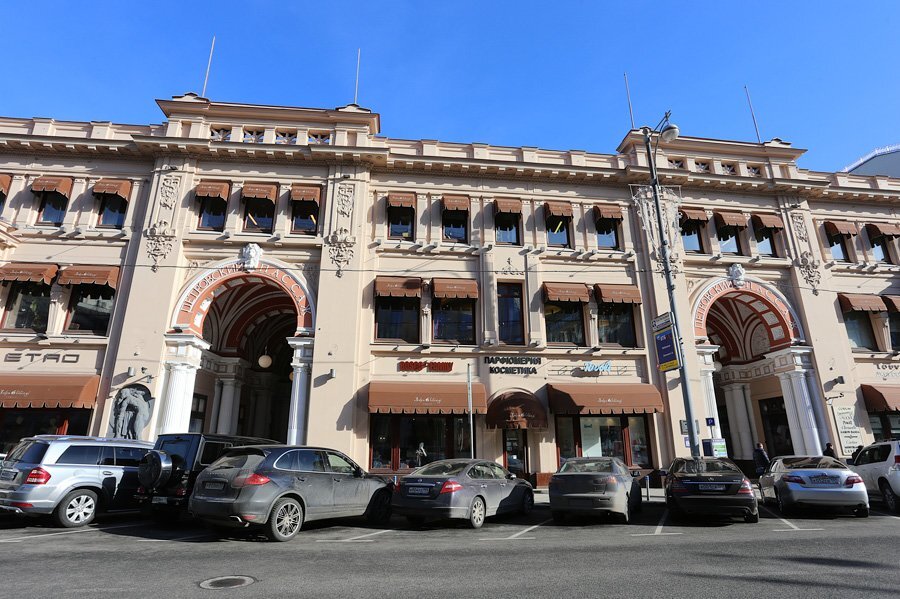
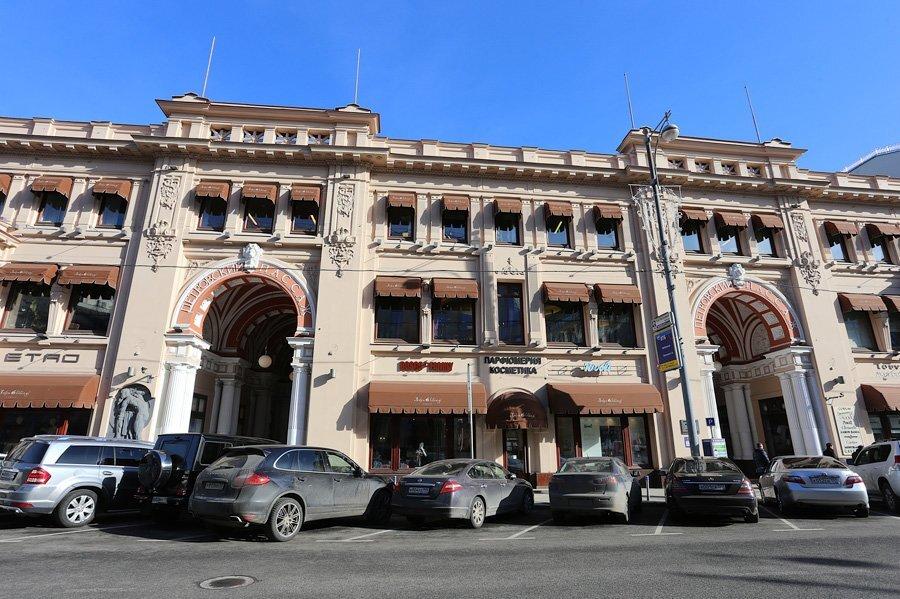


Петровский пассаж представляет собой уникальный для московской архитектуры тип торгового здания — крытую галерею, соединяющую две параллельные улицы и объединяющую под стеклянной кровлей анфиладу магазинов. Расположен в историческом центре Москвы, между улицами Петровка (дом 10) и Неглинная (дом 13).
Пассаж как тип здания пришёл в Россию из Европы: первый торговый проход, перекрытый стеклянной крышей, появился в Париже в 1798 году (пассаж Каир), а в Москве в 1835–1839 годах была построена «Галерея с магазинами князя М.Н. Голицына». Петровский пассаж стал девятым таким сооружением в Москве.
В начале XVIII века пространство между улицей Кузнецкий мост и Петровскими линиями занимало владение графа И.И. Воронцова. В начале XIX века часть усадьбы между улицами Неглинной и Петровкой поделили на 6 владений. На участке будущего Петровского пассажа находился дом купца В.В. Суровщикова, потом он был продан для хозяйственных целей московскому губернаторскому управлению. Один из следующих владельцев, коломенский учитель А. Стариков, сдавал здание внаём под магазины. В 1850-х годах там размещались магазин «Депо шляп» и книжный «Французская библиотека для чтения» Доменико Рено. В 1860–1870-х годах пользовался популярностью находившийся здесь «Магазин обуви Шумахера (сына)». В 1860-х годах в доме жили: химик А.К. Феррейн, сын основателя Старо-Никольской аптеки (в советское время она называлась Аптека № 1 или Аптека на Никольской улице), работавший тогда в химической лаборатории Московского университета, и известный книготорговец и издатель В.И. Готье.
В середине 1870-х дом купил московский купец-домовладелец И.Г. Фирсанов. С его дочерью — Верой Ивановной Фирсановой (в замужестве Ворониной, затем Ганецкой), представительницей московского купечества, тесно связана история Петровского пассажа. Получив в 1881 году после смерти отца огромное наследство, она распорядилась им с редкой для того времени деловой хваткой. Фирсановы владели 23 домами в Москве, усадьбой Середниково и Сандуновскими банями (архитекторы Б.В. Фрейденберг, С.М. Калугин) — настоящим архитектурным шедевром и технически совершенным комплексом, имевшим собственную электростанцию.
Именно В.И. Фирсановой (тогда уже Ганецкой) пришла идея возвести на Петровке современный пассаж по последнему слову техники. Для финансирования грандиозного проекта (общая стоимость строительства превысила 1,5 миллиона рублей — астрономическую по тем временам сумму) она продала несколько принадлежавших ей участков в столице. К работе были приглашены уже известные Фирсановой архитекторы Б.В. Фрейденберг и С.М. Калугин, но для Фрейденберга проект пассажа стал последней работой: он, поссорившись ещё в ходе реконструкции Сандуновских бань с тогдашним мужем Фирсановой — А.Н. Ганецким, вскоре уехал из Москвы, и больше о нём никто не слышал.
Строительство пассажа заняло три года — с 1903 по 1906. Здание в эклектичном стиле — неоклассика с элементами модерна — органично вписалось в сложившуюся застройку центра Москвы. Однако подлинным шедевром стали не фасады, а интерьеры — ширина владения позволила проложить не одну, а две протяжённые линии-галереи, перекрытые широкими стеклянными полуцилиндрическими сводами.
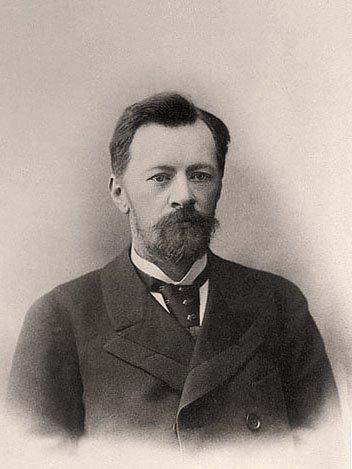
При строительстве пассажа использовалась система скрепления металлических арок лучевыми затяжками, запатентованная директором Санкт-Петербургского Металлического завода инженером-конструктором О.Е. Крелем и впервые применённая десятью годами ранее при сооружении Верхних торговых рядов (ныне ГУМ). Металлические конструкции для Фирсановского пассажа (так он назывался первоначально) изготовила компания «Артур Коппель». Вопрос об авторстве конструкций перекрытий остаётся дискуссионным: традиционно, оно приписывается инженеру-конструктору В.Г. Шухову, но обращение к архивным источникам, указывающим на использование лицензионной технологии Креля, позволяет ряду историков архитектуры отвергнуть участие Шухова в строительстве пассажа. Независимо от авторства, техническое совершенство перекрытий, обеспечивающих естественное освещение торговых залов, не вызывает сомнений.
Электрическое освещение пассажа тоже было продумано до мелочей: электростанция находилась в Сандуновских банях, принадлежавших Фирсановой, и в тёмное время суток здание сияло огнями, привлекая покупателей.
Торжественное открытие Фирсановского пассажа состоялось 7 февраля (20 февраля по новому стилю) 1906 года. Под сводами галереи в торговых павильонах были представлены лучшие торговые дома Российской империи: поставщик императорского двора «Викула Морозов, Коншин и сыновья», «Маркушевич и Григорьев» с шелковыми и шерстяными тканями, «Весельков и Ташин», предлагавшие модные материалы для дамских платьев, кондитерские фабрики «Реномэ» и «Абрикосов и сыновья». Годовая прибыль от аренды составляла 150 тысяч рублей.
В 1907 году в пассаже открылся первый в России магазин французской фирмы «Гомонъ», специализировавшийся на кино- и фототоварах, а с 1910 года в подвале работали ресторан и кофейная «Бристоль». В подвальное помещение через устроенные в потолке световые «фонари» проникал естественный свет. Пассаж стал центром притяжения московской публики, модным променадом, где встречались, обсуждали новости и демонстрировали наряды.
В 1918 году Фирсановский пассаж был национализирован и переименован по названию улицы в Петровский (судя по рекламной продукции, такое название использовалось и до революции). В здании разместилась постоянно действующая промышленная выставка Высшего совета народного хозяйства (ВСНХ), кинотеатр «Кино-Петровка» и фабрика по пошиву белья для Красной армии. В 1921 году на фасаде со стороны улицы Петровки появился впечатляющий барельеф из тонированного цемента «Рабочий» (скульптор М.Г. Манизер) — памятник эпохи «военного коммунизма». Это один из немногих уцелевших артефактов «Ленинского плана монументальной пропаганды».
С переездом выставки ВСНХ на Крымский вал в 1928 году первый этаж частично отдали под торговые павильоны. Поэт В.В. Маяковский писал:
С восторгом бросив подсолнухи лузгать,
восторженно подняв бровки,
читает работница:
«Готовые блузки.
Последний крик Петровки».
В начале 1930-х несколько помещений второй линии заняло предприятие «Дирижаблестрой», где проектировались первые советские дирижабли. В этих стенах с 1931 по 1936 год работал по контракту итальянский конструктор Умберто Нобиле, чья экспедиция на дирижабле «Италия» несколькими годами ранее потрясла мир (в спасении потерпевшей крушение команды дирижабля принимали участие советский ледоход «Красин» и лётчики-полярники).
В те же годы в пассаже размещались аукционный зал (увековеченный в романе И.А. Ильфа и Е.П. Петрова «Двенадцать стульев») и учреждения «новой пролетарской культуры»: клуб МУНИ (Московского управления народнохозяйственного учета) с залом на 620 мест, клуб Госбанка, клуб милиции.
Во время Великой Отечественной войны на верхнем, третьем, ярусе пассажа как в большой коммунальной квартире жили москвичи, чьи дома были уничтожены при бомбёжках. Расселить «коммуналку» удалось только к 1960-м годам.
В 1960-х годах Петровский пассаж стал филиалом Центрального универмага (ЦУМ). В 1963 году на третьем ярусе открылось торговое училище № 3, где продавцов обучали специальной системе обслуживания посетителей ЦУМа.
В позднесоветский период Петровский пассаж одним из первых московских универмагов был реконструирован по мировым стандартам. В 1988–1990 годах турецкая строительная компания «Enka» по заказу Главного архитектурно-планировочного управления провела в Петровском пассаже масштабные реставрационные работы. На церемонии открытия обновленное здание пассажа освятил Патриарх Московский и всея Руси Алексий II.
В начале 1990-х годов здание Петровского пассажа было приватизировано. С 2016 года пассаж находится под управлением группы компаний Bosco di Ciliegi, которая заключила долгосрочный договор аренды на несколько десятилетий. В настоящее время Петровский пассаж — это галерея бутиков люксовых брендов с одеждой, обувью, ювелирными украшениями, предметами быта. На втором этаже располагаются мультибрендовые пространства Bosco Donna, Bosco Uomo, Bosco Bambino, а также магазины Bosco Sport — официального экипировщика Олимпийской сборной России. Инфраструктура включает салон красоты Articoli Salon & SPA, стоматологическую клинику Bosco Clinica, аптеку и ресторан L’Altro Bosco Cafe. Общая площадь торгового комплекса составляет 35 000 квадратных метров, в аренду сдаётся около 7 500 квадратных метров.